

Choman Travel Guide - Free Web & App
Your ultimate guide to Choman. Discover top landmarks, proposed trips, and local tips. Free on the web or via the Evendo companion app.


Choman, Iraq offers high Kurdish mountains, Halgurd-Sakran landscapes, rural villages and carefully planned trekking near the Iranian frontier.
Mountain Landscapes and Border Country
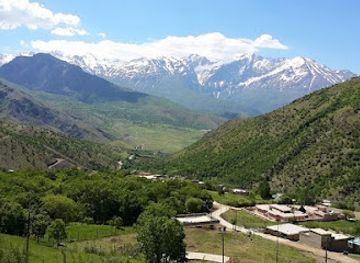
Choman is a remote mountain district in the Erbil Governorate of the Kurdistan Region of Iraq, close to the Iranian frontier. Its principal settlement, Choman town, lies among folded limestone ranges, high upland valleys and steep slopes that rise towards Mount Halgurd, one of Iraq’s highest mountains. The wider area is associated with Halgurd-Sakran National Park, a protected highland landscape of rugged ridges, seasonal streams, alpine meadows and dramatic valleys. The scenery changes sharply with elevation: cultivated pockets and villages occupy lower ground, while the upper mountains become exposed, snow-covered and difficult to access during the colder months.Read more about Choman
Villages, Pastoral Life and Seasonal Travel
Exploring the High Country
When is the best time to visit Choman?
Best: March–April, November · 23–30°C| Month | High (°C) | Rainfall (mm) |
|---|---|---|
| January | 15 | 80 |
| February | 18 | 70 |
| March (best) | 23 | 60 |
| April (best) | 30 | 40 |
| May | 37 | 20 |
| June | 42 | 5 |
| July | 46 | 5 |
| August | 45 | 5 |
| September | 39 | 20 |
| October | 33 | 40 |
| November (best) | 24 | 60 |
| December | 17 | 70 |
Getting to and around Choman
How to get there
Transportation
Best attractions in Choman
The principal attraction around Choman is the highland environment associated with Halgurd-Sakran National Park, where the Halgurd and Sakran ranges form a rugged backdrop of folded ridges, snow fields, upland valleys and seasonal streams. Mount Halgurd is the area’s defining summit and attracts experienced walkers when conditions and access permit, although ascent plans require local advice and careful preparation. The valleys near Choman and Haj Omran offer expansive views across the Zagros frontier landscape, with small settlements, grazing areas and cultivated pockets providing a human dimension to the scenery. Outdoor interest is centred on hiking, landscape photography, nature observation and guided exploration rather than a large collection of formal visitor facilities. The town of Choman itself is useful for understanding local rural life, while the surrounding mountain roads reveal changing vegetation and elevation. Nearby Rawanduz and its famous gorge belong to the broader regional itinerary rather than to Choman proper, and should be treated as separate destinations when planning excursions.
-
Tourist attraction
Halgurd Mountain
Conquer Iraq's majestic Halgurd Mountain: A challenging climb with breathtaking panoramic views in the heart of the Kurdistan Region.
-
Tourist attraction
Sakran Village Resort - گوندی سەکرانی گەشتیاری
Escape to Sakran Village Resort in Choman, Kurdistan: Where natural beauty meets authentic Kurdish hospitality for an unforgettable experience.
-
Tourist attraction
Gomi Fellaw گۆمی فێڵاو
Discover Gomi Fellaw: An alpine paradise near Choman offering hiking, camping, and breathtaking mountain views in Iraqi Kurdistan's Erbil Governorate.
-
Tourist attraction
Kani Shekhi Balak
Discover the serene beauty of Kani Shekhi Balak in Haji Omaran, a perfect escape into nature's tranquility in Erbil Governorate.


Best landmarks in Choman
Mount Halgurd is Choman’s most prominent natural landmark, rising above the surrounding valleys as one of Iraq’s highest mountain summits and embodying the scale of the northeastern Zagros. The Sakran range provides a second major geographical reference, with steep limestone formations, narrow valleys and high slopes associated with Halgurd-Sakran National Park. The mountain passes and valley approaches towards Haj Omran are also significant, linking the district’s rural settlements with a historic and politically sensitive frontier. Choman town functions as the principal human landmark of the district, marking the point where roads, cultivated land and mountain routes meet. Unlike more established tourist regions, Choman has relatively few formal monuments or architectural attractions; its significance lies chiefly in the interaction between highland geology, Kurdish settlement, pastoral land use, protected landscapes and the modern border environment.
-
Tourist attraction
Bekhal Waterfalls
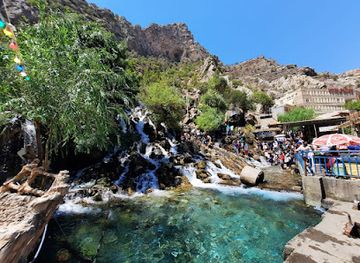
Experience the beauty of Kurdistan at Bekhal Waterfalls: cascading waters, lush landscapes, and a tranquil escape in nature's embrace.
-
Resort hotel
Korek Mountain Resort
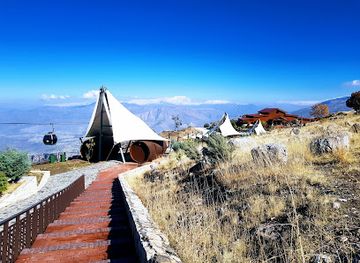
Escape to the breathtaking Korek Mountains! Enjoy skiing, hiking, and stunning views at this premier resort in Iraqi Kurdistan.
-
Garden
Bakhi Ghsti
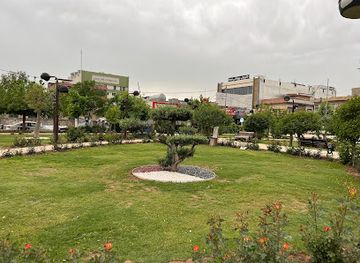
Escape to the serene beauty of Bakhi Ghsti Garden in Ranya, Kurdistan, for a peaceful retreat amidst vibrant flowers and tranquil paths.
-
Tourist attraction
Halgurd Mountain
Conquer Iraq's majestic Halgurd Mountain: A challenging climb with stunning views, rich Kurdish culture, and unforgettable natural beauty.
Explore Choman on the map
Plan your trip on one map. See where the top attractions, landmarks, restaurants and hotels are, and book hotels and experiences in a few clicks.
Best hotels in Choman
Best restaurants in Choman
Choman’s dining scene is modest and concentrated in local settlements rather than spread through the mountains. Visitors are most likely to encounter simple Kurdish meals, grilled meat, rice, flatbread, soups, yoghurt, tea and seasonal produce, with food reflecting the pastoral and agricultural character of the district. In smaller eateries, menus may be limited and service informal, while larger choices are more likely in Soran or other sizeable towns on the approach route. Kurdish regional cooking commonly places emphasis on fresh bread, herbs, dairy products and carefully seasoned meat, although availability varies by season and establishment. Travellers heading into Halgurd-Sakran National Park or remote valleys should carry provisions and water rather than expecting cafés, restaurants or shops at trailheads. A local host or driver can identify open establishments and explain customary meal arrangements, particularly outside normal urban dining areas.
-
Restaurant
Town Restaurant
Discover exquisite Iraqi cuisine at Town Restaurant in Erbil - where tradition meets taste.
-
Restaurant
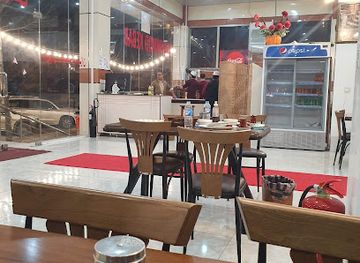
Darwesh Kabab & Resturant
Discover authentic Iraqi flavors at Darwesh Kabab & Restaurant in Soran – a culinary delight not to be missed!
-
Restaurant
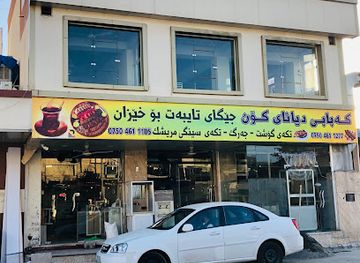
Kabab Mahmud كباب محمود
Experience authentic Kurdish flavors at Kabab Mahmud in Soran, where every kebab tells a story of tradition and taste.
-
Restaurant
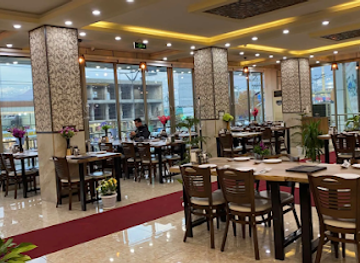
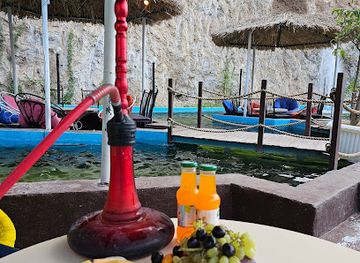
مصيف جنديان
Experience authentic cuisine at مصيف جنديان, where every dish tells a story amidst breathtaking views in Erbil Governorate.
Best bars in Choman
Choman is a quiet, conservative mountain district without a developed nightclub or bar scene. Evenings are more likely to take place in family-run accommodation, tea houses or local restaurants, where conversation, tea and simple meals form the main social experience. Alcohol should not be assumed to be available, particularly in villages and near religious or family settings, and visitors should follow local customs. Soran offers a broader range of cafés and evening food venues, but it remains a regional town rather than a late-night entertainment centre. In remote parts of the Choman landscape, darkness, cold weather, limited communications and dispersed settlements make the evening experience primarily one of rest, stargazing where conditions permit and quiet rural hospitality rather than organised nightlife.
-
Restaurant
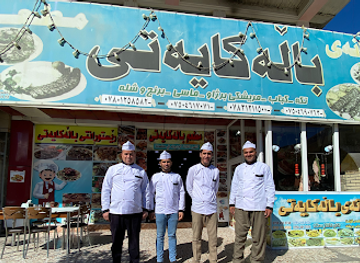
Balakayati restaurant
Experience the authentic flavors of Kurdish cuisine at Balakayati Restaurant in Choman, where hospitality and tradition come together.
-
Restaurant
Restaurant & Caffetiera Balak
Discover the vibrant flavors of Iraq at Restaurant & Caffetiera Balak, where local cuisine meets cozy ambiance in Choman, Erbil Governorate.
-
Restaurant
City Pizza
Discover the best pizza in Choman at City Pizza, where authentic flavors and a cozy atmosphere await every visitor.
-
Restaurant
shyaw خواردنگە و چاخانەی شیاو
Discover the authentic taste of Kurdish cuisine at Shyaw خواردنگە و چاخانەی شیاو, where local flavors and warm hospitality meet.



Best nightclubs in Choman
Choman is a quiet, conservative mountain district without a developed nightclub or bar scene. Evenings are more likely to take place in family-run accommodation, tea houses or local restaurants, where conversation, tea and simple meals form the main social experience. Alcohol should not be assumed to be available, particularly in villages and near religious or family settings, and visitors should follow local customs. Soran offers a broader range of cafés and evening food venues, but it remains a regional town rather than a late-night entertainment centre. In remote parts of the Choman landscape, darkness, cold weather, limited communications and dispersed settlements make the evening experience primarily one of rest, stargazing where conditions permit and quiet rural hospitality rather than organised nightlife.
-
Apartment building
Choman
Explore the stunning landscapes and rich culture of Choman, a hidden gem in the Erbil Governorate of Iraq, perfect for all travelers.
-
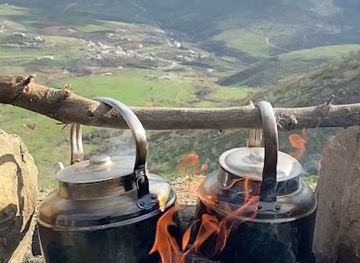
 Disco club
Shawany bahasht
Discover the pulsating nightlife of Chwarqurna at Shawany Bahasht, a disco club where music and dance come alive till dawn.
Best shops in Choman
Shopping in Choman is limited to everyday local needs, small provisions and practical supplies rather than a specialised visitor retail scene. Travellers may find basic food shops, household goods and locally made produce in settlements, but should purchase trekking supplies, medicines and other specialist items in Erbil, Soran or another larger town before travelling into the district. Regional products may include bread, dairy foods, honey, dried goods and agricultural produce, although availability depends on season and individual sellers. Kurdish textiles, handicrafts and souvenirs are more readily sought in larger towns and established markets elsewhere in the Kurdistan Region than in remote Choman villages. Visitors should buy respectfully from local businesses, ask before photographing goods or workshops and avoid purchasing archaeological objects or anything that may have been recovered from conflict-affected ground.
-
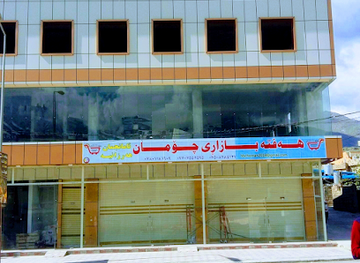
Supermarket
hbch2017 هەفتە بازاڕی چۆمان Hafta bazare choman هةفتة بازاری جومان
Explore Hafta Bazaar in Choman, a vibrant supermarket and market offering local flavors, fresh produce, and a taste of authentic Kurdish culture.
-
Grocery store
Choman Mall چۆمان مۆڵ
Explore the vibrant Choman Mall, a premier grocery store in Erbil Governorate, offering fresh local produce and a taste of the region's culture.
-
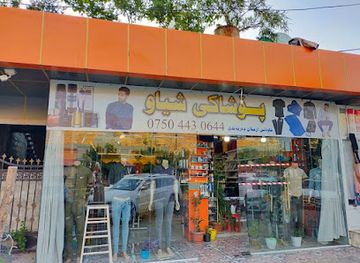
Clothing store
پۆشاکی شیاو
Experience the vibrant culture of Choman through unique clothing at پۆشاکی شیاو, where tradition meets modern style.
-
Grocery store
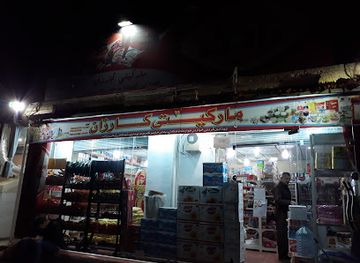
ماركيتي كارزان
Explore local flavors and vibrant culture at ماركيتي كارزان, a grocery store in Choman filled with authentic Kurdish products and fresh produce.
Get your free copy of our complete guide to Choman, delivered straight to you.
Everything on this page, from attractions and restaurants to essentials and local phrases, in one PDF you can read offline, print or share.
Already have an account? Sign in
Your Choman guide is ready.
We'll send it to · Not you? Sign out

Getting your guide ready…
We are putting together a fresh copy of the Choman guide. This can take up to a minute.
This can take a few moments. If your browser asks, choose Allow so the download can start. You'll find the guide in your Downloads folder.
Nothing happened? Download it again
Sorry, the guide is taking longer than usual. Please try again in a minute, or get it by email instead.
Choman essentials
Currency and Payment
Safety
Emergency Situations
Do's and Don'ts
Local Tips
From Eve
Local phrases worth knowing
You don't need to get them perfect. A few words go a long way, and locals appreciate the effort.
Basics
| English | Local | Say it |
|---|---|---|
| Hello | سڵاو | [sllaw] |
| Goodbye | باخ | [bakh] |
| Yes | بەڵێ | [belle] |
| No | نەخێر | [nekher] |
| Please/You're welcome | تکایە/بۆ خواستنەکانتان | [tekaye/bo khwastenekantan] |
| Thank you | سوپاس | [supas] |
| Excuse me/Sorry | ببورە/ببوورە | [bbore/bbowre] |
| How are you? | چۆنییت؟ | [choniyat?] |
| Fine. And you? | باشە. تۆ چی؟ | [bashe. to chi?] |
| Do you speak English? | ئینگلیزی گوتووە؟ | [inglizi gotuwe?] |
| I don't understand | نەفەهمم | [nefehmem] |
Eating & Drinking
| English | Local | Say it |
|---|---|---|
| I'd like to see the menu, please | دەتوانم ناوی مێنیو ببینم، تکایە | [detwanem nawi menyu bbinem, tekaye] |
| I don't eat meat | من گۆشت نەخێرم | [min gosht nekheram] |
| Cheers! | خوشبوو | [khoshbo] |
| I would like to pay, please | دەتوانم بپارێزم، تکایە | [detwanem bparezm, tekaye] |
Emergencies
| English | Local | Say it |
|---|---|---|
| Help! | یارمەتی! | [yarmeti!] |
| Go away! | بچە! | [bche!] |
| Call the Police! | پۆلیس کرێ بکەوە! | [polis kre bkewe!] |
| Call a doctor! | دۆکتۆر کرێ بکەوە! | [doktor kre bkewe!] |
| I'm lost | من لە ڕۆژمێرم | [min le rozhmerm] |
| I'm ill | من تەندروستم | [min tandrostam] |
Shopping
| English | Local | Say it |
|---|---|---|
| I'd like to buy... | دەتوانم بخرم... | [detwanem bkherm...] |
| I'm just looking | من ئەمە ببینم | [min eme bbinem] |
| How much is it? | بەردەست ئەچیە؟ | [berdest echye?] |
| That's too expensive | ئەوە بەرزییە | [ewe berziye] |
| Can you lower the price? | ئایا دەتوانی قیمەت کەمبکەیت؟ | [aya detwani qeymate kambkyat?] |
Time & Numbers
| English | Local | Say it |
|---|---|---|
| What time is it? | کاتێکیا؟ | [katekya?] |
| It's one o'clock | کاتێکی یەکە | [kateki yeka] |
| Half past (10) | نیمکاتی (دهە) | [nimekati (dehe)] |
| Morning | بەیانی | [beyani] |
| Afternoon | دووپەیوەندی | [dopeweyendi] |
| Evening | شۆفەر | [shofer] |
| Yesterday | دوێنێ | [doyene] |
| Today | ئەمڕۆ | [amro] |
| Tomorrow | سەرەتا | [sereta] |
| 1 | یەک | [yek] |
| 2 | دوو | [dow] |
| 3 | سێ | [se] |
| 4 | چوار | [chwar] |
| 5 | پێنج | [penj] |
| 6 | شەش | [shesh] |
| 7 | حەوت | [hewt] |
| 8 | هەشت | [hesht] |
| 9 | نۆ | [no] |
| 10 | دە | [de] |
Transport & Directions
| English | Local | Say it |
|---|---|---|
| Where's a/the...? | ...لە کوێ؟ | [...le kwe?] |
| What's the address? | ناونیشان چیا؟ | [nawnishan chya?] |
| Can you show me (on the map)? | ئایا دەتوانی نیشانم بدەیت (لەسەر نەخشە؟ | [aya detwani nishanm bdet (lese nakhsha?] |
| When's the next (bus)? | کاتێک ئەو ناوەڕۆکییە؟ | [katek awe nawerokiye?] |
| A ticket (to ....) | بەلیتێک (بۆ ....) | [belitek (bo ....)] |
History of Choman
A Landscape Shaped by Mountain Forces
The physical setting of Choman was formed over geological timescales by the folds and uplift of the Zagros mountain system. Limestone ridges, deeply cut valleys and high plateaux define the district, while snowmelt and seasonal rainfall feed streams that support settlements and grazing. The mountains have never been merely scenery: their passes, water sources and sheltered valleys have influenced movement, agriculture and the distribution of Kurdish communities. The sharp contrast between cultivated lower slopes and exposed upper elevations remains one of the defining characteristics of the area.
Kurdish Villages and Pastoral Traditions
Choman developed within the cultural landscape of Iraqi Kurdistan, where Kurdish-speaking communities traditionally combined settled farming with livestock rearing and seasonal movement to higher pastures. Villages and small agricultural areas were shaped by access to springs, arable land and mountain routes rather than by a dense urban network. Social and economic life was closely connected to neighbouring valleys and passes, while the wider Zagros acted both as a refuge and as a difficult barrier. These patterns remain visible in the rural character of the district, even as roads, state administration and modern migration have altered older patterns of movement.
A Contested Frontier
The mountains around Choman stand near the historic frontier between the Ottoman and Persian realms, a boundary zone that later became part of the border between Iraq and Iran. Across different periods, control of passes and upland routes carried strategic importance, and the frontier’s significance increased during the twentieth century. The Iran-Iraq War and later conflict left parts of the wider region militarised and affected by displacement, damaged infrastructure and the risk of unexploded ordnance. The Haj Omran area is therefore both a regional crossing point and a landscape whose recent history requires caution when exploring away from established roads.
Conflict, Displacement and Reconstruction
Like many mountain districts of Iraqi Kurdistan, Choman experienced disruption during the Anfal period and other campaigns affecting Kurdish rural communities in the late twentieth century. Villages across the region were damaged or depopulated, and many families were displaced before later efforts to return, rebuild and restore local services. The effects are not confined to formal memorial sites: abandoned foundations, altered settlement patterns and restricted mountain areas form part of the modern landscape. Visitors should approach these subjects with sensitivity and recognise that contemporary communities may have direct family experience of the conflicts.
Halgurd-Sakran and Modern Conservation
The creation and development of Halgurd-Sakran National Park reflect growing efforts to protect the high mountain environment of northeastern Kurdistan while supporting controlled recreation and regional tourism. The protected landscape includes major peaks, valleys and habitats associated with the Halgurd and Sakran ranges, although boundaries, access arrangements and management capacity can vary in practice. Choman’s importance today rests partly on this relationship with the park: it is a settlement within a wider mountain environment where conservation, rural livelihoods, security considerations and carefully managed tourism continue to intersect.
Choman in Photos
Browse through our photo collection highlighting the charm and character of the destination.
Neighbouring destination travel guides
The closest destinations to Choman, if you have time for more than one.
-

-

-

-

-


Swipe for more destinations
Explore more

Explore more of Northern Iraq
Discover Northern Iraq: A land of ancient history, stunning natural landscapes, and rich cultural heritage, offering unique adventures and warm hospitality.
Explore Northern Iraq
Explore more of Iraq
Explore the cradle of civilization in Iraq, where ancient history, rich culture, and diverse landscapes create an unforgettable travel experience.
Explore Iraq