Hawizeh Marshes, Mesopotamia Travel Guide
Discover the Hawizeh Marshes: A biodiverse haven and cultural landscape in the heart of Mesopotamia.
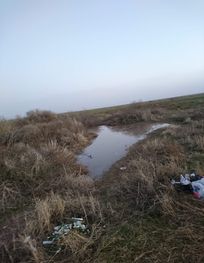
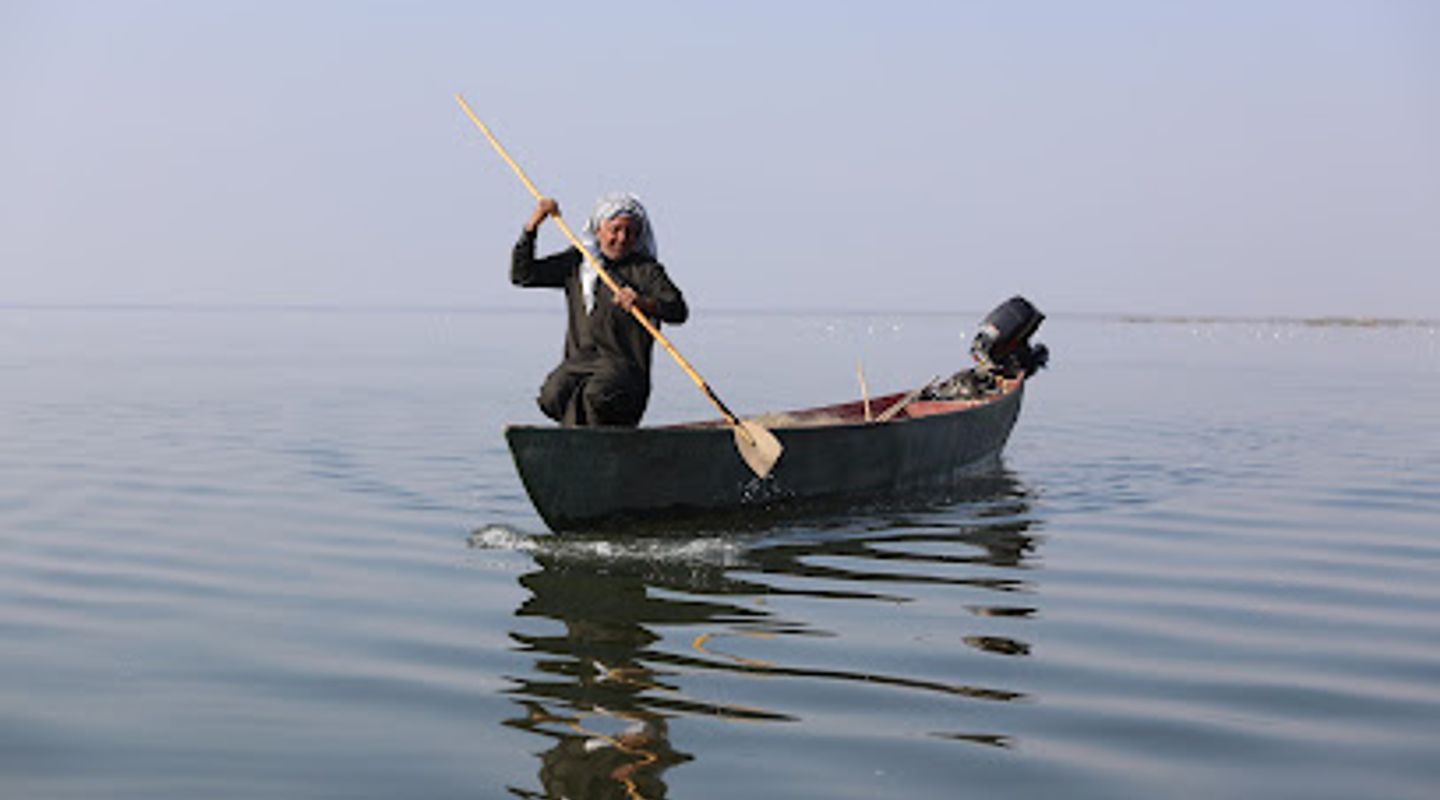
Straddling the border of Iraq and Iran, the Hawizeh Marshes are a vital part of the Mesopotamian wetlands, a UNESCO World Heritage Site, and one of the largest freshwater ecosystems in Western Eurasia. This unique landscape, inhabited for over 5,000 years, offers a haven for wildlife and a glimpse into the traditional life of the Marsh Arabs.
A brief summary to Hawizeh Marshes

Know before you go
Hi, I'm Eve. Here are a few practical things to know before exploring Hawizeh Marshes.
- Visit during the cooler months (November to March) for pleasant weather and peak wildlife activity.
- Hire a local guide to learn about the marshes' ecology, history, and the culture of the Marsh Arabs.
- Bring binoculars for birdwatching and a camera to capture the stunning landscapes.
- Wear comfortable, waterproof shoes for exploring the marshy terrain.
- Respect local customs and traditions when interacting with the Ma'dan communities.
Do you manage this location?
Take control to get all the benefits, like improved information, better appearance, and stronger visibility across AI-powered discovery. Learn more about listing your business on Evendo
Activate your presenceOther nearby places you may find interesting
The closest places of the same kind, if this one is not quite what you had in mind.

Explore Hawizeh Marshes on the Map
A handpicked selection of must-see spots near Hawizeh Marshes, mapped for you.
Getting There
-
Public Transportation
To reach the Hawizeh Marshes via public transport, take a bus from Basra to Al-Qurna (approximately 30 minutes). From Al-Qurna, hire a local taxi or shared minivan to the marshes (around 30 minutes, 10,000 IQD).
-
Taxi
From Al-Qurna, a taxi ride to the Hawizeh Marshes typically costs around 10,000 IQD and takes about 30 minutes.
-
Boat
Upon arrival near the marshes, boat rides can be arranged with local fishermen or guides. A short tour typically costs around 10,000 IQD, but negotiate the price and duration beforehand.
Discover more about Hawizeh Marshes













Your all‑in‑one travel companion app
Explore expert travel guides, compare and book tours, experiences, hotels, and more—all from the palm of your hand. Download now for seamless trip planning wherever your wanderlust takes you.


Explore More of Mesopotamia
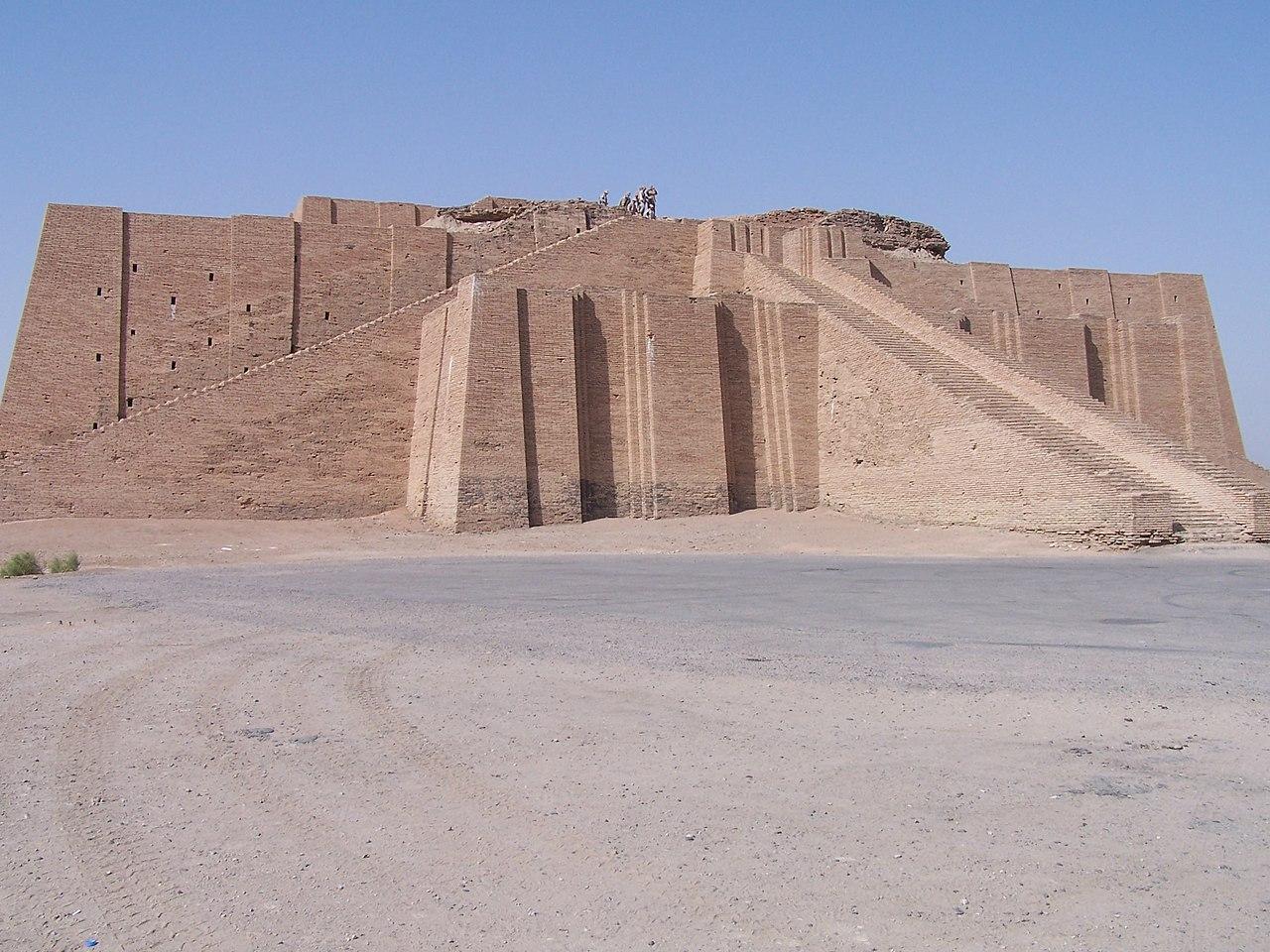
Looking beyond Hawizeh Marshes? Discover Mesopotamia for broader travel guides, local hot-spots, and regional highlights.
Explore Mesopotamia