
Shatt Al-Turk: Confluence of History and Nature
Explore the Shatt Al-Arab: Where the Tigris and Euphrates meet, shaping history and sustaining life in southern Iraq.
Shatt Al-Turk, also known as the Shatt al-Arab, is a historically significant river formed by the confluence of the Tigris and Euphrates rivers in southern Iraq. It serves as a vital waterway and a natural border, playing a crucial role in the region's ecology and economy.
A brief summary to Shatt Al-Turk
- Basrah, Basra Governorate, IQ
Local tips
- Take a boat tour on the Shatt al-Arab to experience the river's importance firsthand.
- Visit the Basra Corniche for scenic views of the river and a relaxing atmosphere.
- Explore the Al-Hassun Museum and Restaurant in old Basra to see the Shanasheel architecture.

Getting There
-
Walking
From central Basra, the Shatt Al-Turk (Shatt al-Arab) is easily accessible by walking along Al-Basrah Corniche. The Corniche runs parallel to the river, offering scenic views and access points. Walking allows you to experience the atmosphere of the city and the riverfront. There are no costs associated with walking.
-
Public Transport
Local buses and taxis can be used to reach the Shatt Al-Turk from various points in Basra. Bus fares are typically very low, around IQD 500-1000 for a short trip. Taxis are readily available and can be hailed on the street or booked through local services. A short taxi ride to the Corniche area would likely cost between IQD 3,000-5,000.
Discover more about Shatt Al-Turk
Iconic landmarks you can’t miss

Shatt Al-Turk
0.0 km
Explore the Shatt Al-Arab: Where the Tigris and Euphrates meet, shaping history and sustaining life in southern Iraq.
BASRAH BOWLING CENTER
1.2 km
Enjoy a modern bowling experience and leisure activities at Basrah Bowling Center, a vibrant sports complex perfect for families and tourists.
Al Maqal Port
1.8 km
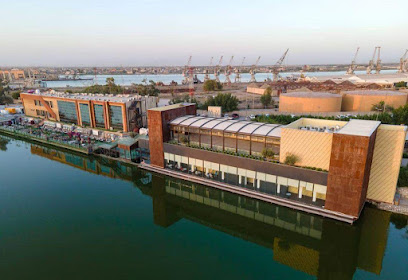
Discover the historical charm and vibrant culture of Al Maqal Port in Basrah, a key maritime hub since 1916, offering scenic views and local experiences.
مرطبات ابن عرندس
3.2 km
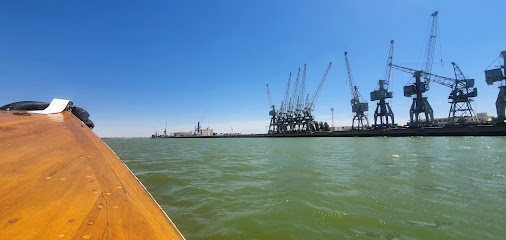
Cool down in Basrah with delicious ice cream and refreshing drinks at مرطبات ابن عرندس!
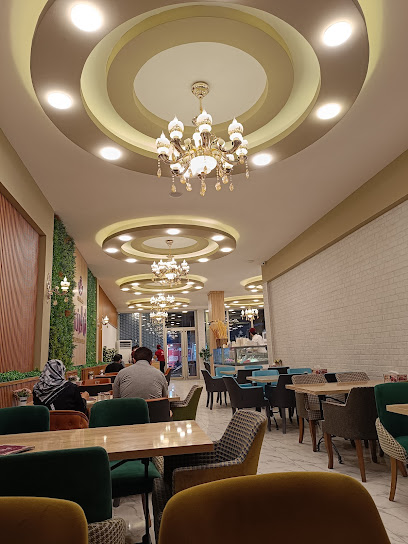
Basra Iraq
3.4 km
Explore Basra, Iraq: a historic port city on the Shatt al-Arab, rich in culture, architecture, and maritime history.
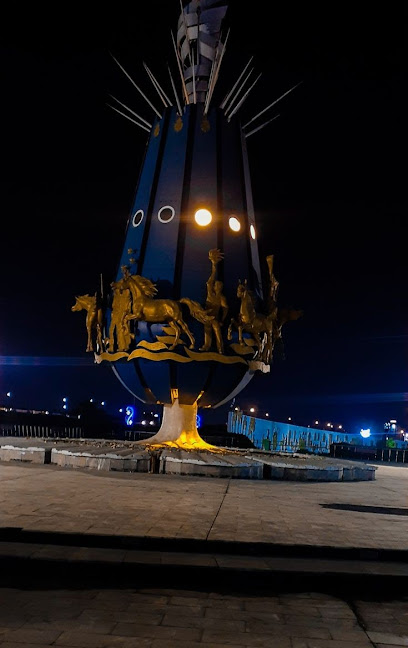
SHATT AL ARAB
3.4 km
Explore the Shatt al-Arab, a historic waterway where the Tigris and Euphrates meet, offering scenic cruises and a glimpse into Iraq's past.

English Soldiers Cemetery
5.5 km
Explore the poignant history of the English Soldiers Cemetery in Basrah, a solemn tribute to the sacrifices made during the British occupation of Iraq.
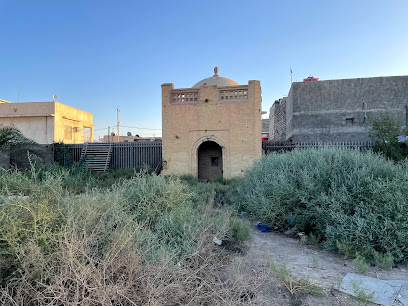
ساحة شهيد المحراب
6.4 km
Experience the heart of Basrah at Shaheed Al-Muharrab Square, a vibrant hub reflecting the city's spirit and history.
Safat Basra
6.9 km
Experience modern living in Basra's secure gated community, blending comfort, luxury, and convenience near key city landmarks.
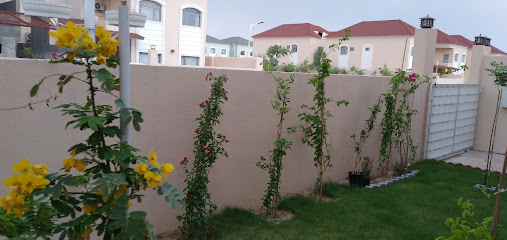
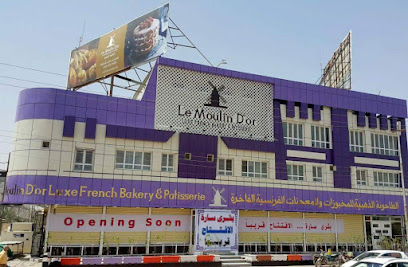
Le Moulin D'or
7.1 km
Experience the taste of France in Basrah at Le Moulin D'or, offering fresh, high-quality pastries and baked goods since 2017.
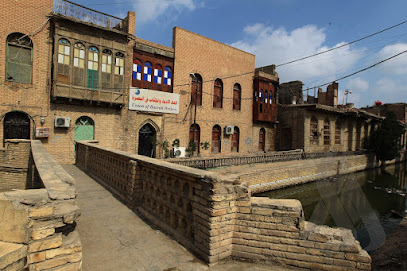
Al Amel Memorial
7.2 km
A solemn memorial in Basrah honoring over 40,000 Commonwealth soldiers who died in Mesopotamia during WWI, a place for reflection and remembrance.
هيئة ألعامة للأثار
7.3 km
Discover Basrah's rich history at the General Authority for Antiquities, preserving Mesopotamia's legacy for future generations.
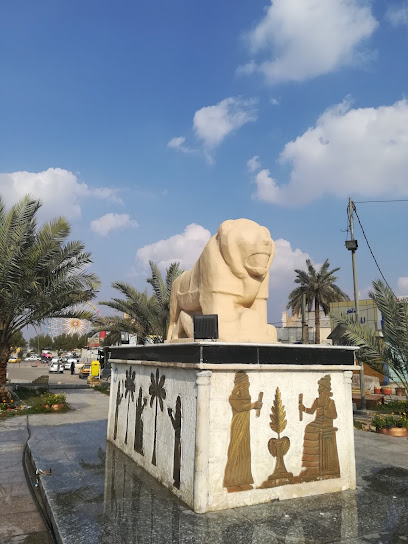
Lion of Babylon Square
7.4 km
Discover the Lion of Babylon Square in Basrah, a symbol of ancient Mesopotamian strength and Iraqi cultural heritage.
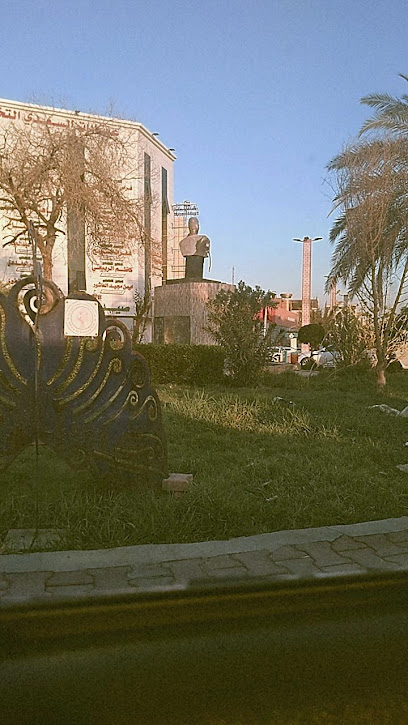
Abd Alkareem Khasem
7.5 km
Experience the vibrant heart of Basrah at Abd Alkareem Khasem Town Square, a hub of culture, community, and history in a dynamic urban setting.
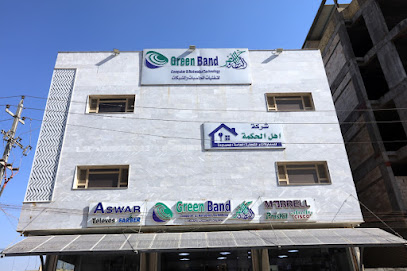
GreenBand النطاق الأخضر
7.6 km
Explore the vibrant world of technology at GreenBand, Basrah's leading electronics store, offering a vast selection of innovative gadgets and IT solutions.
Unmissable attractions to see

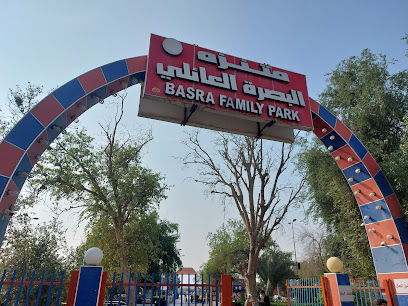
Basra Family Park
1.1 km
Escape to Basra's beloved green space for family fun, relaxation, and a taste of local culture in a refreshing urban oasis.
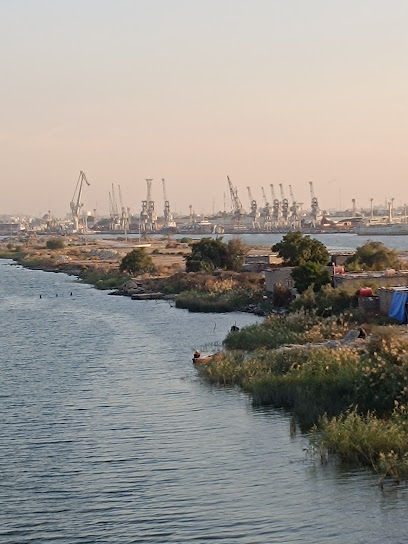
البصرة جزيرة السندباد
2.1 km
Discover Sindbad Island in Basra: A lush escape steeped in maritime history, offering tranquility and family fun on the Shatt al-Arab River.
Mansour's yacht-يخت المنصور الرئاسي
2.3 km
Explore the historical Mansour's Yacht in Basrah, a relic of Saddam Hussein's era, offering a unique glimpse into Iraq's past.
Al-Andalus Family Park
2.3 km
Escape to Al-Andalus Family Park in Basrah: lush greenery, family fun, and tranquil relaxation in the heart of the city.
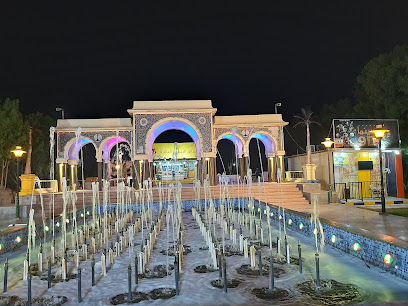
Basra city مدينة ألعاب بصرة سيتي
2.5 km
Discover Basra City, the enchanting 'City of Games', where history meets modernity in beautiful parks and vibrant culture.
سده العلي
2.6 km
Discover Al-Ali Dam in Basrah: An engineering marvel offering serene landscapes, tranquil walks, and a peek into Iraq's innovative spirit.
كرمه علي شارع العلي
2.6 km
Experience the authentic heart of Basrah in Karmah Ali, a vibrant district offering a glimpse into the daily life and culture of this historic city.
نافورة القيادة البحرية - البصرة/ ساحة الاعتصامات
2.6 km
Explore the lush Al-Qiyada Marine Garden in Basrah, a peaceful haven for relaxation and cultural experiences amidst vibrant flora and community events.
Asian Cup Park
2.9 km
A vibrant green space in Basrah, perfect for family outings, relaxation, and enjoying the city's sporting atmosphere.
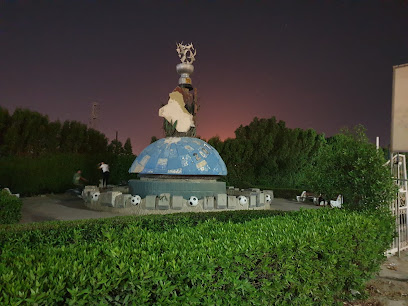
نهر ابو الجلاب
3.4 km
Experience the serene beauty and rich cultural heritage of Abu Al-Jalab, a peaceful oasis along the Shatt al-Arab in Basrah, Iraq.
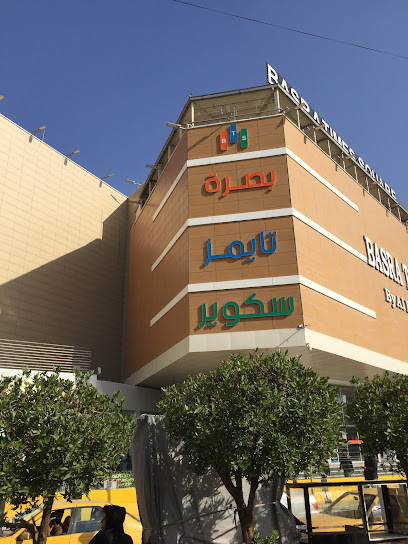
Basra Times Square Mall
3.5 km
Experience modern shopping, dining, and entertainment at Basra Times Square Mall, a symbol of Basra's vibrant culture and development.
احلاا بكان
4.3 km
Experience the tranquility and cultural richness of احلاا بكااكن Park in Basrah, Iraq, a perfect retreat for tourists seeking nature and local charm.
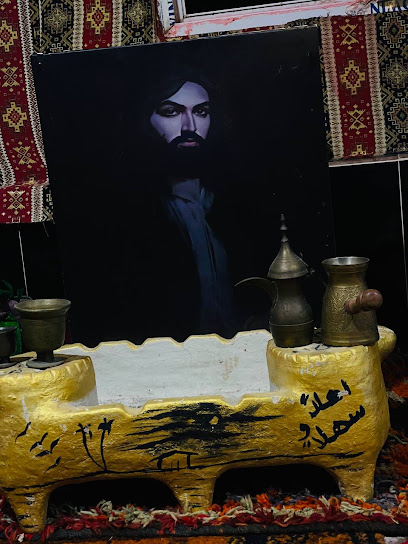
خيمه سيد سوادي البطاط
4.5 km
Explore the Black Tent of Sayyid Suwaiy al-Batata, a unique cultural gem in Basrah showcasing Iraq's rich heritage and inviting hospitality.
Dinar Square
4.6 km
Discover Dinar Square in Basrah: a historical landmark featuring the Iraqi Army Memorial and a vibrant atmosphere reflecting the city's spirit.
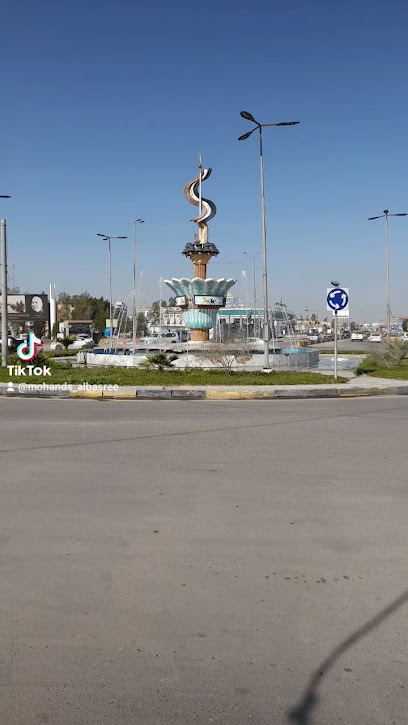
نهير الليل
5.2 km
Escape to Basrah's Nahir Al Lail Park: A green oasis offering riverside relaxation and a glimpse into the city's intriguing past.
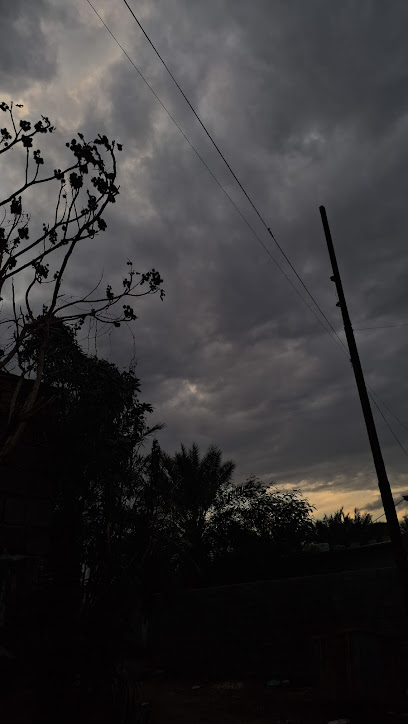
Essential places to dine

Mas Restaurant & Cafe
1.3 km
Experience authentic Iraqi cuisine at Mas Restaurant & Cafe in Basrah – where tradition meets flavor in a welcoming atmosphere.
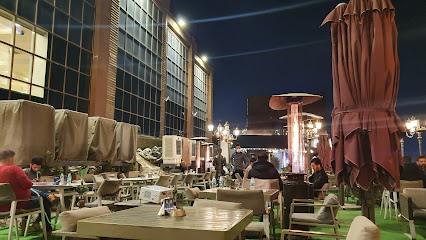
Special Taste Coffe & Rest. - مطعم و كافيه الذوق الخاص
1.4 km
Discover authentic Iraqi flavors at Special Taste Coffee & Restaurant in Basrah, where every meal is a taste of tradition.
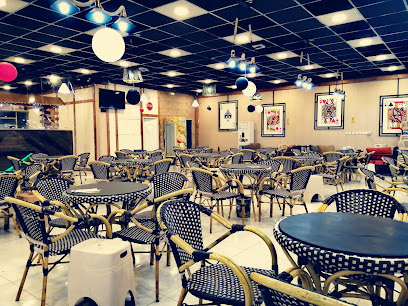
مطعم وكافيه الدار
2.3 km
Experience authentic Iraqi cuisine at Al-Dar Restaurant in Basrah—where tradition meets modern dining in a cozy setting.
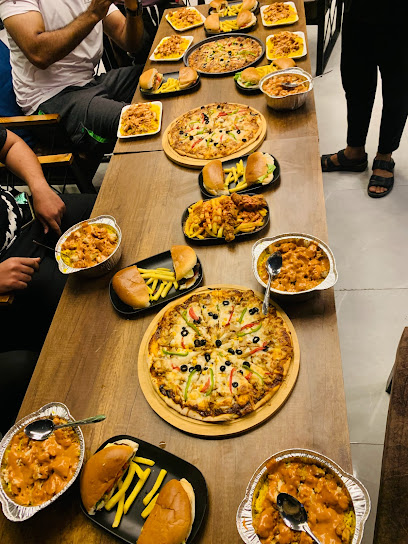
Kitchen Besratna
2.8 km
Experience authentic Iraqi cuisine at Kitchen Besratna in Basrah – a culinary gem offering traditional dishes in a welcoming atmosphere.
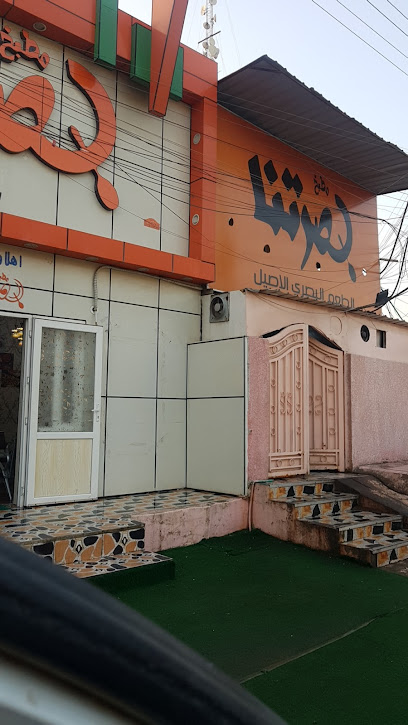
مأكولات ابو طه
2.8 km
Experience authentic Iraqi cuisine at مأكولات ابو طه in Basrah - where tradition meets taste in every bite.
مطعم اريزونا
2.9 km
Discover authentic Iraqi flavors blended with international cuisine at مطعم اريزونا in Basrah – a dining experience not to be missed.
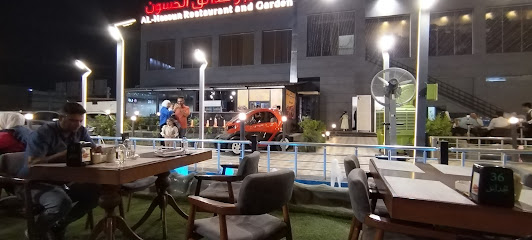
مطبخ البستوگه
3.1 km
Experience authentic Iraqi cuisine at مطبخ البستوگه in Basrah – where tradition meets flavor in every dish.
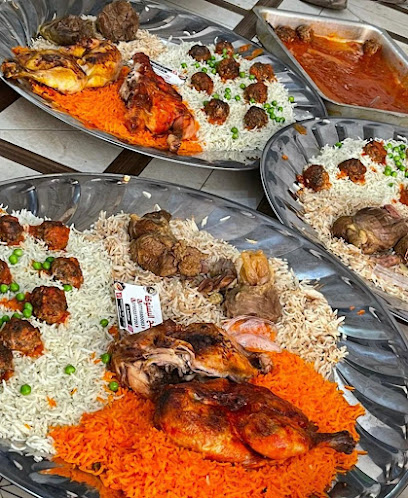
مطعم حيدر
3.1 km
Discover authentic Western cuisine at مطعم حيدر in Basrah – where hearty meals meet warm hospitality.
مطعم بوراك Burak Restaurant
3.2 km
Experience the best fast food in Basrah at Burak Restaurant, where local flavors meet modern cuisine in a vibrant setting.
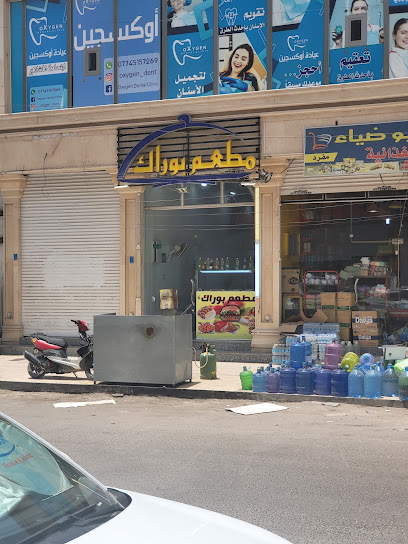
عام
3.4 km
Discover a welcoming family-friendly destination in Basrah that offers delicious food and fun activities for all ages.
Charlotte Snacks
3.4 km
Discover authentic Iraqi cuisine at Charlotte Snacks in Basrah, where every dish tells a story and tantalizes your taste buds.
مطعم السلطان
3.4 km
Discover authentic Iraqi cuisine at مطعم السلطان in Basrah - perfect for families seeking delicious local flavors.
Hekaya Restaurant
3.5 km
Experience the flavors of Iraq at Hekaya Restaurant in Basrah - where tradition meets modern dining in an inviting atmosphere.
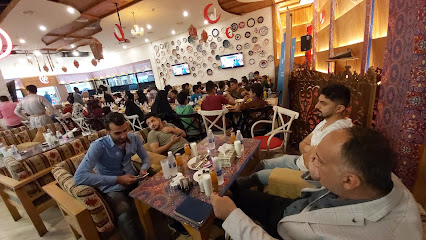
حجي رعد الشريفي
3.6 km
Discover the flavors of Western cuisine at حجي رعد الشريفي in Basrah - where every dish tells a story.
Filis Restaurant
5.1 km
Discover Basrah's culinary gem at Filis Restaurant - where authentic Iraqi flavors meet inviting hospitality.
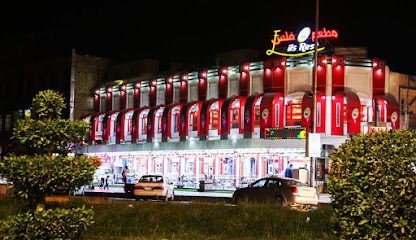
Markets, malls and hidden boutiques

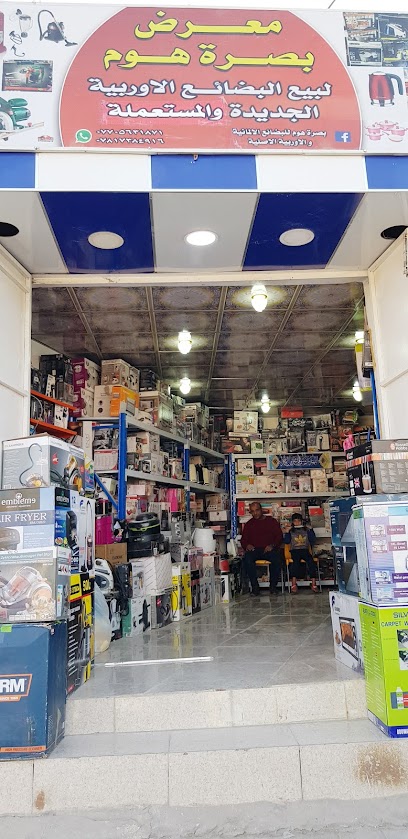
معرض بصرة هوم للبضائع الأوربية
1.2 km
Explore the vibrant European Goods Exhibition in Basra, a unique shopping destination featuring vintage clothing, tools, and diverse services for every visitor.
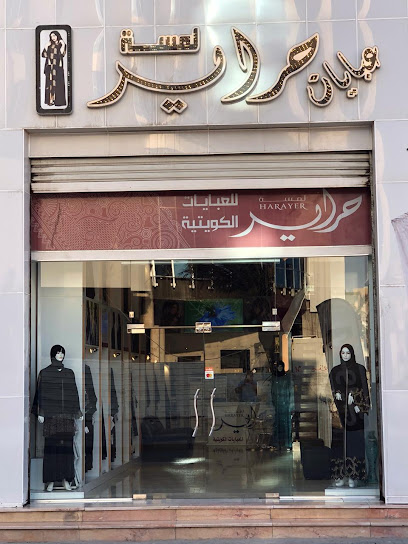
Lamsat Harayer IQ
1.6 km
Explore Lamsat Harayer IQ in Basrah for trendy women's fashion that embodies local culture and vibrant styles.
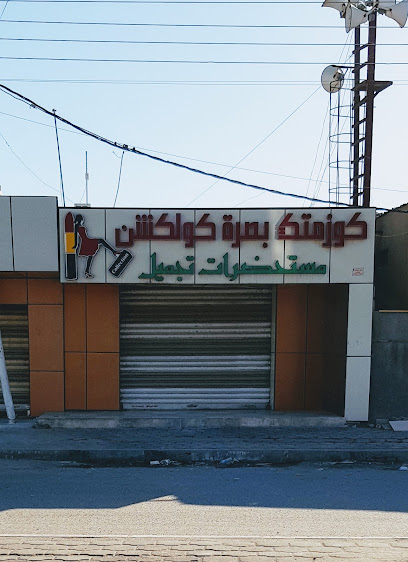
Cosmetics Basrah Collection
3.0 km
Explore the vibrant Cosmetics Basrah Collection, where beauty meets variety in the heart of Basrah, Iraq - a must-visit for all beauty enthusiasts.
يونيك البصرة
3.3 km
Explore 'يونيك البصرة' in Basra for unique souvenirs that embody the spirit of Iraqi craftsmanship and culture, perfect for every traveler.
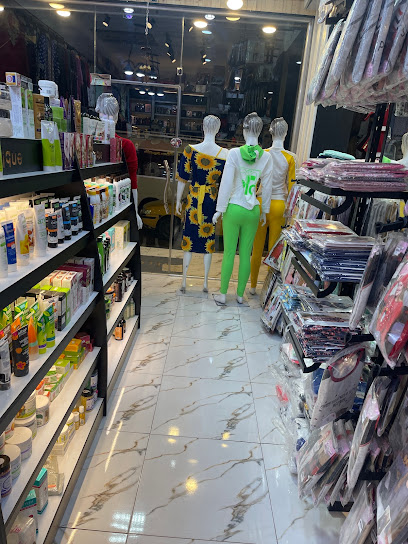
راين جوسلنج
3.4 km
Explore the captivating local culture at راين جوسلنج, a unique store in Basrah offering handcrafted goods and unforgettable souvenirs.
معرض رقية للتسويق الإلكتروني
3.4 km
Discover the latest technology and local gadgets at معــرض رقية للتسويق الإلكتروني in Basrah, your ultimate electronics shopping destination.
cosmatics store
3.4 km
Explore Basrah's finest cosmetics store - a haven for beauty lovers and a gateway to Middle Eastern beauty secrets.
بيع
3.4 km
Discover the local charm and vibrant culture at بيع, a must-visit store in المدينه, Basra Governorate, perfect for unique shopping experiences.
مجمع النوارس
3.4 km
Explore Basrah with confidence by stocking up on essentials at مجمع النوارس, your trusted toiletries store.
game
3.4 km
Explore Basrah's premier game store, offering a vast selection of video games, consoles, and gaming accessories for enthusiasts and families.
M & H store
3.4 km
Explore trendy youth fashion at M & H Store in Basrah - where style, quality, and affordability come together for the modern shopper.
Saifallah Market
3.4 km
Explore Saifallah Market, an iconic destination in Basrah, where vibrant culture, fresh produce, and unique handicrafts come together.
مجمع الحرة
3.4 km
Discover Al-Hurra Mall in Basrah, where shopping meets culture and entertainment in a vibrant atmosphere.
جنينه
3.4 km
Explore a treasure trove of literature at جنينه, Basrah's beloved bookstore, where stories come alive in a cozy setting.
معرض الخليج للزي العربي الأصيل
3.4 km
Explore the Gulf Exhibition of Traditional Clothing in Basrah for an authentic experience of Arab fashion and heritage.
Essential bars & hidden hideouts

شط السكك
0.5 km
Experience the vibrant nightlife and local flavors at شط السكك, a must-visit bar in the heart of Basrah, Iraq.
العلي
2.6 km
Experience the lively nightlife at Al Ali Bar in Basrah, where locals and tourists come together for unforgettable evenings filled with drinks and laughter.
توديع
2.8 km
Discover توديع, a lively bar in Basrah offering a unique blend of local culture, drinks, and vibrant nightlife in a warm and inviting atmosphere.
باباعامر
3.4 km
Discover the vibrant nightlife at باباعامر in Basrah, where local culture blends with a welcoming bar atmosphere and an extensive drink menu.
أسواق ابو طالب
4.2 km
Discover the vibrant spirit of Basra at Abu Taleb Markets, where local culture and refreshing drinks come together for an unforgettable experience.
بإدارة ابو مهدي واخوانه
6.4 km
Discover the vibrant nightlife at Bar Abu Mahdi & Brothers in Basrah, where local culture meets a lively bar atmosphere for unforgettable nights.
دورنكو
7.5 km
Experience the lively atmosphere and local culture at دورنكو, Basrah's favorite bar for relaxation and entertainment.
الصعده
7.7 km
Experience the vibrant nightlife of Basrah at الصعده, a lively bar that blends local culture with modern entertainment.
NooK نووك
7.8 km
Discover the heart of Basrah at NooK, a charming coffee shop serving exquisite brews and delectable pastries in a cozy setting.
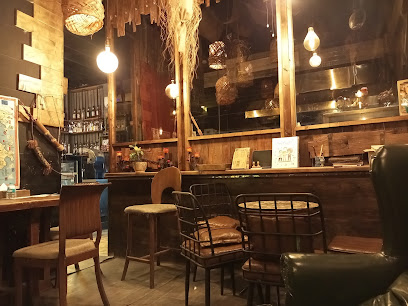
ببجي كافيه / PUBG Cafe
8.1 km
Immerse yourself in gaming culture at PUBG Cafe in Basrah, where delicious snacks and thrilling matches await every visitor.
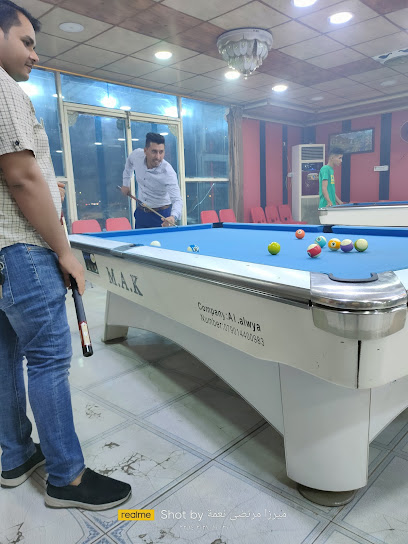
راحتي
8.2 km
Experience the vibrant nightlife at راحتي, Basrah's premier bar offering local drinks, live music, and a lively atmosphere.
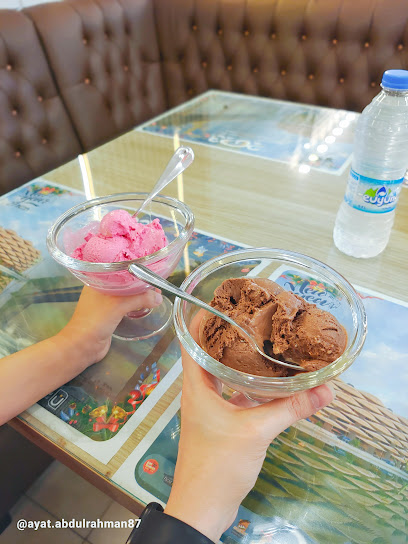
Chocolate bar
8.3 km
Experience the sweet side of Basrah at Chocolate Bar – a dessert paradise for every chocolate lover in town.
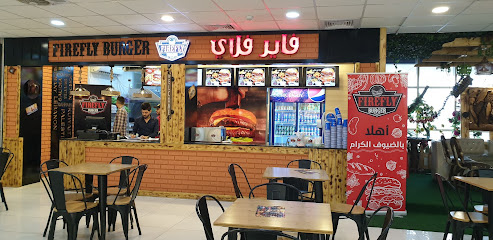
Firefly burger
8.4 km
Discover the delicious world of Firefly Burger in Basrah, where every bite is a flavorful journey into local tastes and culinary creativity.
ضياء عبد الحسين
10.0 km
Experience the lively nightlife at ضياء عبد الحسين, a vibrant bar in Basrah offering a blend of local and international flavors.
مطعم السهيل
10.1 km
Discover the vibrant nightlife at مطعم السهيل in Basrah, where local flavors meet an energetic atmosphere.
Nightclubs & after hour spots

Shan basra
3.4 km
Experience the dynamic nightlife of Basrah at Shan Basra, where music and culture unite for an unforgettable evening.
شركة الخمر
5.1 km
Discover the lively ambiance and exciting nightlife at شركة الخمر, Basrah's top night club, perfect for dancing and socializing.
صالة العاب الكلاسيكو
6.8 km
Experience comfort and culture at Basrah's Classic Lounge – the perfect escape for relaxation and good company.
مطعم ومشويات الوليمة
10.1 km
Experience the rich flavors of Middle Eastern cuisine at Al Walima Restaurant in Basrah, where every meal is a celebration of culinary tradition.
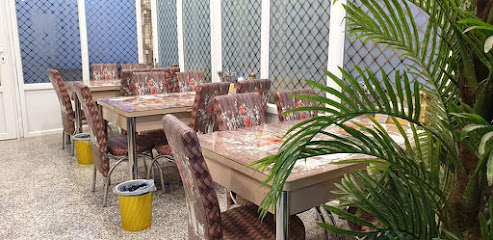
حديقة الناظم الامامية
11.3 km
Experience the tranquility of Hadiqat Al-Nazim Al-Amamiyah, a serene lounge in Basrah where nature and culture blend beautifully.
ابو سعديه
19.6 km
Experience the electrifying nightlife at Abu Saadiyah, Az Zubayr's premier night club with live music and an inviting atmosphere.
نايت كلوب
20.7 km
Discover the pulsating nightlife at نايت كلوب in Az Zubayr, where music, dance, and local culture come together for an unforgettable evening.


