

Shatt al-Arab, Iraq Travel Guide
Discover Shatt al-Arab: Iraq's lush riverine jewel where history, nature, and culture converge, offering a unique and unforgettable travel experience.
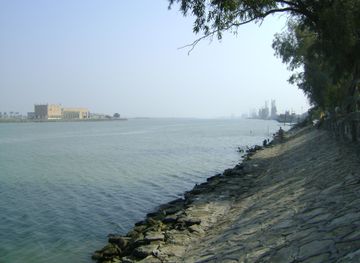
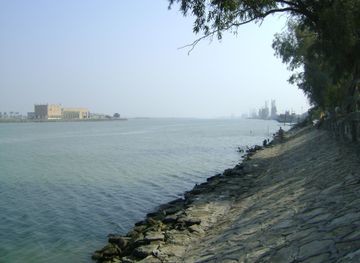
Shatt al-Arab, translating to 'River of the Arabs,' is a magnificent waterway formed by the confluence of the Tigris and Euphrates rivers in Iraq. This river stretches approximately 200 kilometers until it reaches the Persian Gulf, making it a vital ecological and economic lifeline for the region. As you cruise along its serene waters, you'll be captivated by the lush palm groves and the rich greenery that line its banks, offering a stark contrast to the arid landscapes typical of the area. The towns and cities along Shatt al-Arab, including Basra, are steeped in history with ancient roots tracing back to Mesopotamian civilizations. Basra, often referred to as the 'Venice of the East,' is famous for its canals and bustling port. It offers a unique blend of old and new, where traditional souks coexist with modern buildings. The river itself has served as a historical crossroads for traders and travelers, fostering a rich cultural tapestry that is evident in the local cuisine, architecture, and traditions. For nature enthusiasts, the Shatt al-Arab region is a haven for birdwatching and fishing, with numerous species inhabiting the river and its surroundings. It is also home to the Mesopotamian Marshes, one of the world's largest wetlands, which offers an unparalleled opportunity to experience the diverse flora and fauna. Whether you're exploring ancient ruins, enjoying a boat ride, or simply soaking in the tranquil beauty, Shatt al-Arab promises a memorable and enriching travel experience.

Know before you go
Hi, I'm Eve. Here are a few practical things to know before exploring Shatt al-Arab.
- Visit during cooler months (November to March) to avoid the extreme summer heat.
- Take a guided boat tour to fully appreciate the river's beauty and historical significance.
- Explore the local markets in Basra for unique souvenirs and delicious traditional foods.
- Bring binoculars for birdwatching, especially if visiting the Mesopotamian Marshes.
- Learn a few basic Arabic phrases; locals appreciate the effort and it can enhance your travel experience.
Top City Travel Guides in Shatt al-Arab
The cities of Shatt al-Arab, and the easiest places to base yourself.
Explore Shatt al-Arab: Things to Do, Places to Eat, Hotels & More
Handpicked recommendations for top attractions, local dining, accommodations, and more

Top Attractions & Sightseeing in Shatt al-Arab
Top-rated picks
Best Attractions

Shatt Al-Arab Corniche
Experience the beauty and culture of Basrah at the Shatt Al-Arab Corniche, a vibrant waterfront promenade with stunning river views.

Shatt Al-Arab zoo
Discover diverse wildlife and family fun at Shatt Al-Arab Zoo in Basrah, a perfect destination for animal lovers and those seeking a peaceful escape.

Shatt al-Arab Park
Escape to Basrah's Shatt al-Arab Park: A green oasis offering scenic river views, family fun, and a taste of local culture.

جزيرة البصرة
اكتشف جزيرة البصرة: ملاذ خلاب على شط العرب، غني بالتاريخ والجمال الطبيعي، ويعد بتجارب لا تُنسى.

Best landmarks in Shatt al-Arab
Top-rated picks
Best Landmarks

Erbil Citadel
Explore the ancient Erbil Citadel, a UNESCO World Heritage Site and one of the world's oldest continuously inhabited settlements, in the heart of Erbil.

Al-Zawraa Park
Escape to Baghdad's largest park: Al-Zawraa, where green spaces, a zoo, and amusement rides offer fun for everyone.

Samî Abdulrahman Park
Erbil's largest park, a green oasis transformed from a military base, offering recreation, relaxation, and a tribute to Kurdish heritage.

Baghdad Island Park
Escape to Baghdad Island Park: A green oasis on the Tigris River offering gardens, recreation, and cultural experiences for all ages.

Best restaurants in Shatt al-Arab
Top-rated picks
Best Restaurants

ABC Restaurant Erbil
Experience diverse culinary delights at ABC Restaurant Erbil—where American, Asian & Middle Eastern cuisines come together.

Samad Restaurant
Experience authentic Middle Eastern flavors at Samad Restaurant in Erbil – where tradition meets exceptional dining.

Abu Shahab City Restaurant
Experience the flavors of Iraq at Abu Shahab City Restaurant in Erbil - where culinary tradition meets modern dining.

Al Azaim Restaurant
Discover the flavors of Iraq at Al Azaim Restaurant in Basrah – perfect for family meals and delicious breakfasts.

Best bars in Shatt al-Arab
Top-rated picks
Best Bars

Irish pub
Discover the heart of Ireland in Baghdad at this charming Irish pub, where great food, drinks, and hospitality await every visitor.

Cafe Shatt al-Arab
Experience the vibrant atmosphere of Cafe Shatt al-Arab, Basrah's premier casino offering a blend of entertainment, gaming, and local culture.

Oak Resto pub
Discover Oak Resto Pub in Erbil: A vibrant bar offering local flavors, refreshing drinks, and a lively atmosphere for unforgettable evenings.

كوفي حكاية
Experience the essence of Basrah at كوفي حكاية, where fine wines and local charm meet in a cozy atmosphere.

Best nightclubs in Shatt al-Arab
Top-rated picks
Best Nightclubs

HERA Club
Experience the vibrant nightlife of Erbil at HERA Club, where electrifying music and an inviting atmosphere await every night.

Inferno Erbil
Discover the electrifying nightlife of Erbil at Inferno Erbil, where music, dancing, and vibrant culture come together for an unforgettable experience.

LOTUS NIGHT CLUB
Discover the vibrant nightlife at Lotus Night Club in Erbil, where music, dancing, and unforgettable moments await you.

Ace future club
Discover the lively nightlife of Erbil at Ace Future Club, where music and dance bring locals and tourists together in an unforgettable experience.

Best shops in Shatt al-Arab
Top-rated picks
Best Shops

Basra Times Square Mall
Discover the heart of Basra at Times Square Mall – a vibrant shopping and entertainment hub with diverse offerings for all visitors.

Shanshal Mall
Discover a vibrant shopping experience at Shanshal Mall in Basra, where cultural charm meets modern retail therapy.

Jawharat Al Arab Collection
Explore unique Iraqi fashion at Jawharat Al Arab Collection in Najaf, blending tradition with modern design for an unforgettable shopping experience.

Burj Al Arab store
Explore the Burj Al Arab Store in Baghdad for the latest electronics and gadgets in a vibrant shopping experience.

Explore Shatt al-Arab on the Map
A handpicked selection of must-see spots in Shatt al-Arab, mapped for you.
Shatt al-Arab Essentials
-
Shatt al-Arab is located in the southeastern region of Iraq, where the Tigris and Euphrates rivers meet. The nearest major airport is Basra International Airport (BSR), which is approximately 25 kilometers away. From the airport, you can take a taxi or arrange for a private transfer to reach Shatt al-Arab. Alternatively, there are bus services from major cities like Baghdad and Basra to the area. Train services are also available but might not be as reliable or frequent.
-
Once in Shatt al-Arab, local transportation options include taxis, which are the most convenient and widely used. There are also local buses and minibuses that connect different parts of the region, though they can be crowded and less comfortable. Renting a car is an option but be prepared for challenging driving conditions and always carry an updated map or GPS device.
-
The official currency in Iraq is the Iraqi Dinar (IQD). Credit cards are accepted in some hotels and larger establishments, but it is advisable to carry cash for smaller shops, markets, and local eateries. ATMs are available but may not always be reliable, so it's a good idea to carry sufficient cash.
-
While Shatt al-Arab is generally safer than some other regions in Iraq, it is essential to remain vigilant. Avoid traveling alone, especially at night, and be cautious in crowded areas. Some neighborhoods may have higher crime rates, so consult locals or your hotel staff for advice on which areas to avoid. Always keep your belongings secure and stay aware of your surroundings.
-
In case of an emergency, dial 115 for police assistance and 122 for medical emergencies. The local police and medical facilities are available, but it is recommended to have travel insurance that covers medical emergencies. For minor health issues, there are pharmacies where you can purchase over-the-counter medications. Always carry a copy of your identification and emergency contact details.
-
Fashion: Do dress modestly, covering shoulders and knees out of respect for local customs. Avoid wearing revealing clothing. Religion: Do respect local religious practices and traditions. Always remove your shoes before entering a mosque and dress conservatively. Public Transport: Do be respectful and give up your seat to elderly passengers. Don't eat or drink on public transport. Greetings: Do greet people with a handshake or a slight nod of the head. Avoid overly familiar gestures. Eating & Drinking: Do try local dishes and accept food offerings graciously. Don't refuse hospitality, as it is considered impolite.
-
To experience Shatt al-Arab like a local, visit the traditional markets (souks) where you can purchase fresh produce and local goods. Engage with locals, who are often welcoming and happy to share stories about their culture and history. Don't miss a boat tour along the Shatt al-Arab waterway to enjoy the scenic views and understand the region's importance. Try the local cuisine, especially seafood dishes, which are a specialty of the area.
When is the best time to visit Shatt al-Arab?
Useful Local Phrases for Shatt al-Arab
You don't need to speak the language perfectly. Even learning a few simple words can make conversations warmer—and locals usually appreciate the effort.
— Eve

Here are the phrases I use most often in Shatt al-Arab. Try a few—you'll be surprised how far they go! 😊
❤️
-
- Helloأهلاً
[Ahlan] - Goodbyeمع السلامة
[Ma'a as-salama] - Yesنعم
[Na'am] - Noلا
[La] - Please/You're welcomeتفضل
[Tafaddal] - Thank youشكراً
[Shukran] - Excuse me/Sorryعفواً
[Afwan] - How are you?كيف حالك؟
[Kayfa halak?] - Fine. And you?بخير. وأنت؟
[Bikhair. Wa anta?] - Do you speak English?هل تتحدث الإنجليزية؟
[Hal tatahadath al-ingliziyya?] - I don't understandلا أفهم
[La afham]
- Helloأهلاً
-
- I'd like to see the menu, pleaseأود رؤية القائمة، من فضلك
[Awad ru'yat al-qaimah, min fadlik] - I don't eat meatلا أأكل اللحم
[La akul al-lahm] - Cheers!صحة
[Sahha] - I would like to pay, pleaseأود الدفع، من فضلك
[Awad ad-daf', min fadlik]
- I'd like to see the menu, pleaseأود رؤية القائمة، من فضلك
-
- Help!نجدة!
[Najda!] - Go away!ابتعد!
[Ibt'id!] - Call the Police!اتصل بالشرطة!
[Ittasil bil-shurta!] - Call a doctor!اتصل بالطبيب!
[Ittasil bil-tabib!] - I'm lostأنا ضائع
[Ana da'i'] - I'm illأنا مريض
[Ana marid]
- Help!نجدة!
-
- I'd like to buy...أود شراء...
[Awad shira...] - I'm just lookingأنا فقط أنظر
[Ana faqat anzur] - How much is it?كم ثمنه؟
[Kam thamanuh?] - That's too expensiveهذا غالي جداً
[Hatha ghali jiddan] - Can you lower the price?هل يمكنك تخفيض السعر؟
[Hal yumkinuka takhfid as-si'r?]
- I'd like to buy...أود شراء...
-
- What time is it?كم الساعة؟
[Kam as-saa'a?] - It's one o'clockالساعة واحدة
[As-saa'a wahida] - Half past (10)نصف (10)
[Nisf (10)] - Morningصباح
[Sabah] - Afternoonبعد الظهر
[Ba'd al-zuhur] - Eveningمساء
[Masa'] - Yesterdayأمس
[Ams] - Todayاليوم
[Al-yawm] - Tomorrowغداً
[Ghadan] - 1واحد
[Wahid] - 2اثنان
[Ithnan] - 3ثلاثة
[Thalatha] - 4أربعة
[Arba'a] - 5خمسة
[Khamsa] - 6ستة
[Sitta] - 7سبعة
[Sab'a] - 8ثمانية
[Thamaniya] - 9تسعة
[Tis'a] - 10عشرة
[Ashara]
- What time is it?كم الساعة؟
-
- Where's a/the...?أين...؟
[Ayn...?] - What's the address?ما هو العنوان؟
[Ma huwa al-'unwan?] - Can you show me (on the map)?هل يمكنك إظهاري (على الخريطة)؟
[Hal yumkinuka izharni (ala al-kharita)?] - When's the next (bus)?متى يأتي (الباص) التالي؟
[Mata ya'ti (al-bas) at-tali?] - A ticket (to ....)تذكرة (إلى ....)
[Tadhkira (ila ....)]
- Where's a/the...?أين...؟
History of Shatt al-Arab
-
The Shatt al-Arab, or 'Stream of the Arabs,' is a river in Southwest Asia formed by the confluence of the Tigris and Euphrates rivers in the town of Al-Qurnah in southeastern Iraq. Stretching approximately 200 kilometers, it flows into the Persian Gulf, acting as a vital waterway for the region. Its geographic significance has made it a crucial resource for irrigation, trade, and transportation for millennia.
-
The Shatt al-Arab region has been a cradle of ancient civilizations, particularly the Sumerians, Akkadians, and Babylonians. Settlements along the riverbanks date back to the 4th millennium BCE. The area was known for its fertile lands, which supported agriculture and the growth of early urban centers. The river's bounty facilitated trade and cultural exchanges between different civilizations.
-
During the Islamic Golden Age, the Shatt al-Arab region flourished as a center of commerce and culture. Basra, located on the west bank of the river, became one of the most important cities in the Islamic world. Founded in 636 CE, Basra was a hub for scholars, poets, and scientists. The river supported the city's thriving economy, which was based on trade, agriculture, and fishing.
-
In the 19th and early 20th centuries, the strategic importance of the Shatt al-Arab drew the attention of colonial powers, particularly the British. The river was a critical route for transporting oil, and control over it was contested. The Anglo-Iraqi Treaty of 1930 recognized Iraq's sovereignty but allowed British influence in the region. Following independence, Iraq continued to develop the waterway for economic purposes.
-
The Shatt al-Arab was a major flashpoint during the Iran-Iraq War (1980-1988). Disputes over the river's control and navigation rights exacerbated tensions between the two countries. The 1975 Algiers Agreement, which had temporarily resolved border disputes, was abrogated by Iraq, leading to hostilities. The river saw significant military action, and its cities and ports suffered extensive damage during the conflict.
-
Following the end of the Iran-Iraq War and subsequent conflicts, efforts have been made to rehabilitate the Shatt al-Arab region. The river remains a critical artery for Iraq's economy, supporting agriculture, industry, and trade. Environmental concerns, such as water pollution and salinity, pose challenges, but initiatives to restore the river's health are ongoing. The Shatt al-Arab continues to be a vital lifeline for the communities along its banks.
-
The Shatt al-Arab region is rich in cultural heritage and traditions. The city of Basra, in particular, is known for its unique blend of Arab, Persian, and Ottoman influences. Local customs, folklore, and cuisine reflect this diverse heritage. The river has inspired poets, artists, and musicians, contributing to the cultural tapestry of Iraq. Traditional boats, or 'Mashhuf,' continue to be used by local fishermen, preserving ancient maritime practices.
Neighbouring Regions of Shatt al-Arab
The closest regions to Shatt al-Arab, if you have time for more than one.


Your all‑in‑one travel companion app
Explore expert travel guides, compare and book tours, experiences, hotels, and more—all from the palm of your hand. Download now for seamless trip planning wherever your wanderlust takes you.


Explore More of Iraq

Looking beyond Shatt al-Arab? Discover Iraq for broader travel guides, local hot-spots, and regional highlights.
Explore IraqShatt al-Arab in Photos
Browse through our photo collection highlighting the charm and character of the destination.


The Majestic River of Shatt al-Arab: Iraq's Natural Gem
Shatt al-Arab, translating to 'River of the Arabs,' is a magnificent waterway formed by the confluence of the Tigris and Euphrates rivers in Iraq. This river stretches approximately 200 kilometers until it reaches the Persian Gulf, making it a vital ecological and economic lifeline for the region. As you cruise along its serene waters, you'll be captivated by the lush palm groves and the rich greenery that line its banks, offering a stark contrast to the arid landscapes typical of the area. The towns and cities along Shatt al-Arab, including Basra, are steeped in history with ancient roots tracing back to Mesopotamian civilizations. Basra, often referred to as the 'Venice of the East,' is famous for its canals and bustling port. It offers a unique blend of old and new, where traditional souks coexist with modern buildings. The river itself has served as a historical crossroads for traders and travelers, fostering a rich cultural tapestry that is evident in the local cuisine, architecture, and traditions. For nature enthusiasts, the Shatt al-Arab region is a haven for birdwatching and fishing, with numerous species inhabiting the river and its surroundings. It is also home to the Mesopotamian Marshes, one of the world's largest wetlands, which offers an unparalleled opportunity to experience the diverse flora and fauna. Whether you're exploring ancient ruins, enjoying a boat ride, or simply soaking in the tranquil beauty, Shatt al-Arab promises a memorable and enriching travel experience.