Clonmore Castle Travel Guide
Free Guide: Explore the historic ruins of Clonmore Castle in County Carlow, a 13th-century Anglo-Norman fortress with a turbulent past.


A brief summary of Clonmore Castle
Explore the historic ruins of Clonmore Castle in County Carlow, a 13th-century Anglo-Norman fortress with a turbulent past.
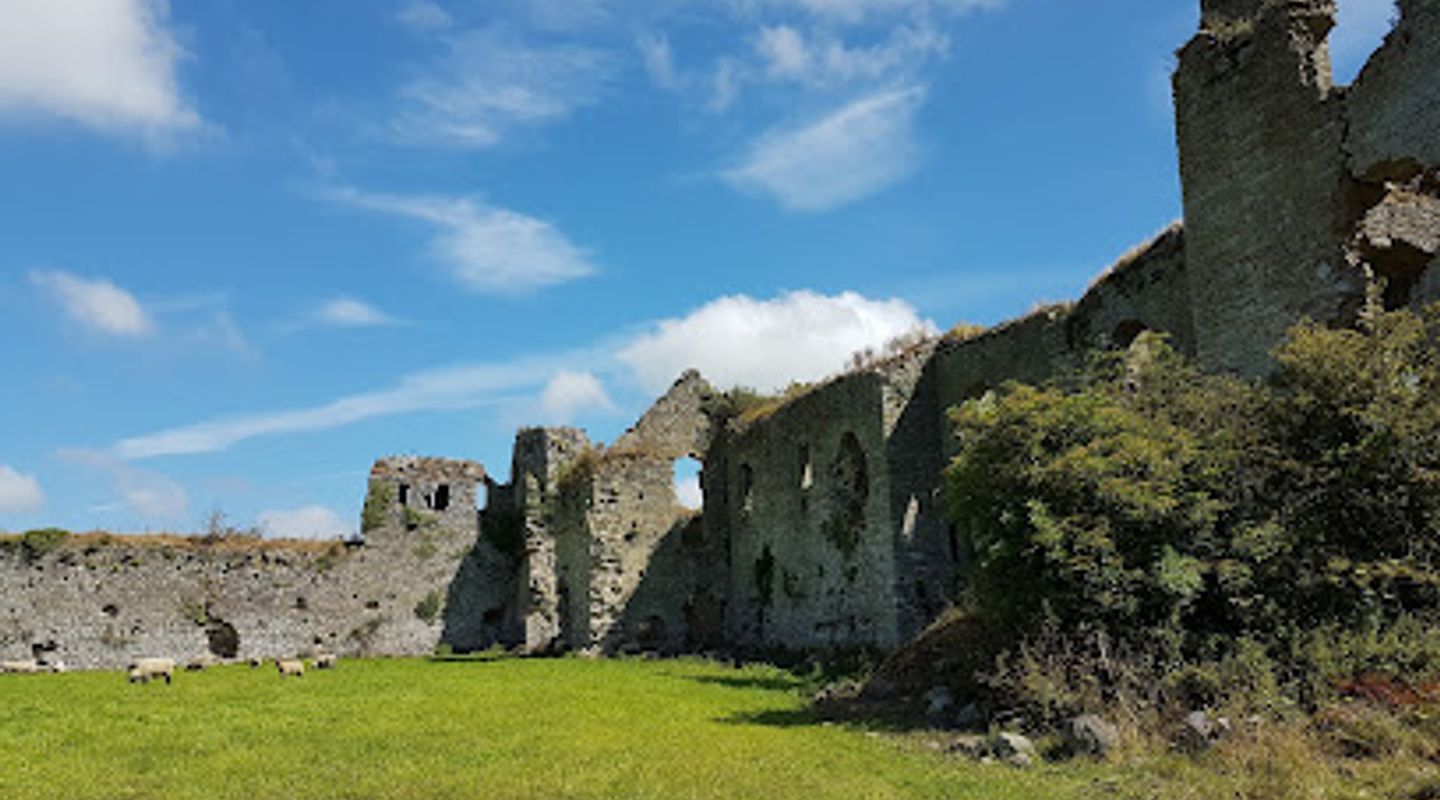
Clonmore Castle, located near Hacketstown in County Carlow, is a 13th-century Anglo-Norman ruin with a turbulent history. Explore the remains of its square enclosure, towers, and interior features, imagining life within its walls centuries ago.
Opening hours
- Every dayOpen 24 hours
Opening hours as listed on the venue’s Google Business Profile. Hours can change for services and special events, so check with the venue before you go.
- Address
- 1, 1, Hacketstown, Co. Carlow
Getting there
Driving
Public Transport
Discover more about Clonmore Castle
Overview
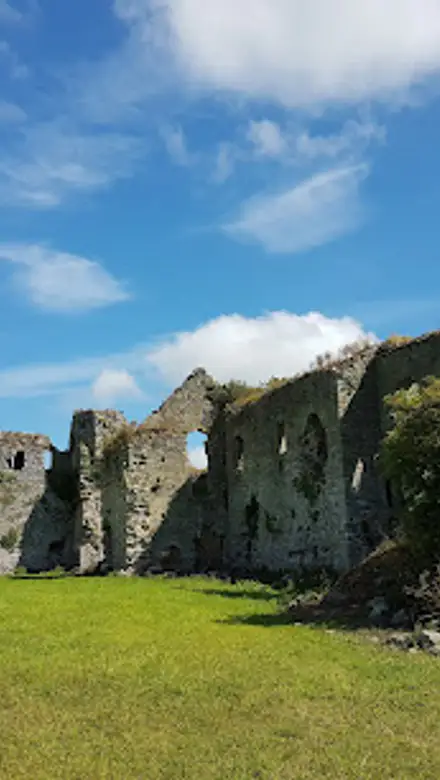
Clonmore Castle, situated on the edge of Clonmore village in County Carlow, stands as a testament to Ireland's Norman past. Believed to have been constructed in the late 12th or 13th century, possibly by Hugh DeLacey, the castle's earliest documented mention dates back to 1332, when Sir Anthony de Lucy oversaw repairs.Originally built in a square layout with towers at each corner, Clonmore Castle endured a tumultuous history, marked by attacks and sieges. It was seized by the Earl of Kildare in 1516 and later by the Earl of Ormond in 1598. In 1650, Cromwell's forces, under Colonel Hewson, significantly damaged the castle, leaving it in its current ruined state.Today, visitors can explore the remains of this once-imposing fortress. The south wall, though mostly gone, once stood 230 feet high and featured a drawbridge tower leading to the courtyard. Architectural details such as arched and narrow windows, partial stairwells, and chambers offer glimpses into the castle's past. A trefoil window in the southern wall is a notable feature. The granite gargoyle, known locally as the Pooka's Head, is still visible above a window.While the castle is in a ruinous state, with trees growing inside and holes throughout the structure, it still exudes an impressive aura. Visitors are advised to wear appropriate footwear due to nettles and muddy conditions.
Evendo Review Centre
 Google
Guest reviews
Explore Clonmore Castle on the map
A handpicked selection of must-see spots near Clonmore Castle, mapped for you.
Get your free copy of our complete guide to Clonmore Castle, delivered straight to you.
Everything on this page, from opening hours and how to get there to Eve’s tips and the best time to go, in one PDF you can read offline, print or share.
Already have an account? Sign in
Your Clonmore Castle guide is ready.
We'll send it to · Not you? Sign out

Getting your guide ready…
We are putting together a fresh copy of the Clonmore Castle guide. This can take up to a minute.
This can take a few moments. If your browser asks, choose Allow so the download can start. You'll find the guide in your Downloads folder.
Nothing happened? Download it again
Sorry, the guide is taking longer than usual. Please try again in a minute, or get it by email instead.
Other nearby places you may find interesting
The closest places of the same kind, if this one is not quite what you had in mind.
-
-
-
-
-


Swipe for more places
More to explore near Clonmore Castle

 Best experiences near Clonmore Castle
 Best hotels near Clonmore Castle
 Best landmarks near Clonmore Castle
 Best attractions near Clonmore Castle
 Best shops near Clonmore Castle
 Best restaurants near Clonmore Castle
 Best bars near Clonmore Castle
Do you manage this location?
Take control to get all the benefits, like improved information, better appearance, and stronger visibility across AI-powered discovery.
Explore more

Explore more of County Carlow
Discover County Carlow, Ireland's hidden gem, where rich history, stunning landscapes, and vibrant local culture come together to create an unforgettable experience.
Explore County Carlow
Explore more of Ireland
Discover Ireland: A land of enchanting landscapes, rich history, and vibrant culture, where every corner tells a story and every visit feels like coming home.
Explore Ireland