

Mongavlin Castle Travel Guide
Free Guide: Discover the historic ruins of Mongavlin Castle in County Donegal, where Gaelic lords and Scottish nobles once shaped Ulster's destiny.


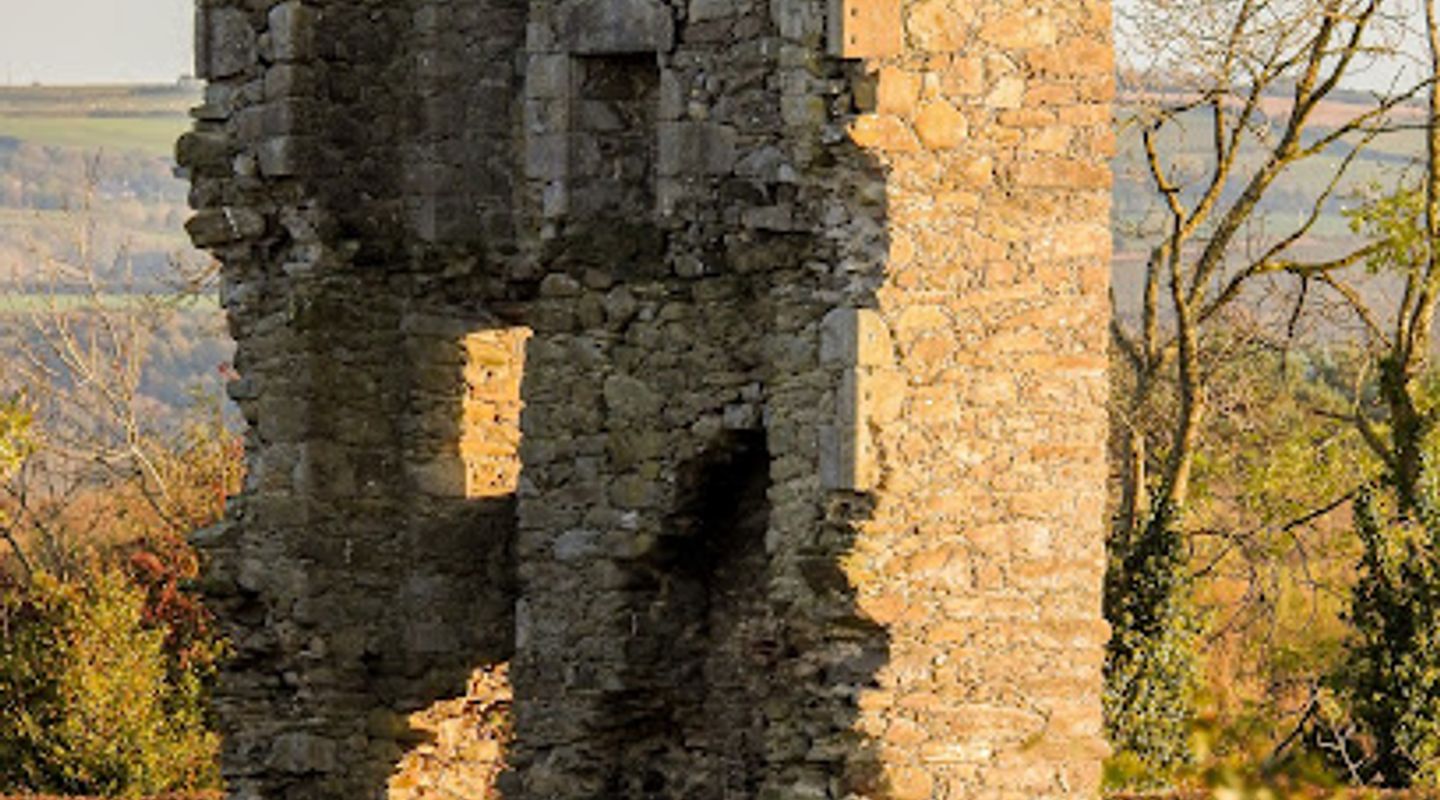
A brief summary of Mongavlin Castle
Discover the historic ruins of Mongavlin Castle in County Donegal, where Gaelic lords and Scottish nobles once shaped Ulster's destiny.
Explore the atmospheric ruins of Mongavlin Castle, a 17th-century stronghold on the River Foyle. Once home to powerful Gaelic families and Scottish nobles, this historic site offers a glimpse into Ulster's turbulent past and stunning views of the Donegal landscape.
- Address
- Mongavlin, The Pound, Co. Donegal
Getting there
Driving
Taxi
Discover more about Mongavlin Castle
Overview
Mongavlin Castle, also known as Mongevlin Castle, stands in ruin on the west bank of the River Foyle, approximately 3 km south of St Johnston, County Donegal. This location was once a strategic stronghold, witnessing centuries of Irish and Scottish history.In the 16th century, Mongavlin was the chief residence of Iníon Dubh (the Black Haired Daughter), the mother of Red Hugh O'Donnell. This formidable woman, a Scottish princess from the MacDonald clan, played a significant role in Ulster politics. She brought Scottish warriors, many named Crawford, to protect her, and their descendants still live in the area. The castle later came into the possession of Sir John Stewart, an illegitimate son of the Duke of Lennox, who constructed a strong castle in 1619.Over the centuries, Mongavlin Castle has been a site of sieges, political intrigue, and clan warfare. King James II visited Mongavlin in 1690 on his way to the Siege of Derry. He sent a letter from here proposing surrender, but it was rejected. Today, only a portion of the castle remains, a testament to its tumultuous past. Visitors can explore the ruins and imagine the lives of those who once walked its halls, while enjoying the scenic beauty of the River Foyle.
Evendo Review Centre
 Google
Guest reviews
Explore Mongavlin Castle on the map
A handpicked selection of must-see spots near Mongavlin Castle, mapped for you.
Get your free copy of our complete guide to Mongavlin Castle, delivered straight to you.
Everything on this page, from opening hours and how to get there to Eve’s tips and the best time to go, in one PDF you can read offline, print or share.
Already have an account? Sign in
Your Mongavlin Castle guide is ready.
We'll send it to · Not you? Sign out

Getting your guide ready…
We are putting together a fresh copy of the Mongavlin Castle guide. This can take up to a minute.
This can take a few moments. If your browser asks, choose Allow so the download can start. You'll find the guide in your Downloads folder.
Nothing happened? Download it again
Sorry, the guide is taking longer than usual. Please try again in a minute, or get it by email instead.
Other nearby places you may find interesting
The closest places of the same kind, if this one is not quite what you had in mind.
-
-
-
-
-


Swipe for more places
More to explore near Mongavlin Castle

 Best experiences near Mongavlin Castle
 Best hotels near Mongavlin Castle
 Best landmarks near Mongavlin Castle
 Best attractions near Mongavlin Castle
 Best shops near Mongavlin Castle
 Best restaurants near Mongavlin Castle
 Best bars near Mongavlin Castle
Do you manage this location?
Take control to get all the benefits, like improved information, better appearance, and stronger visibility across AI-powered discovery.
Explore more
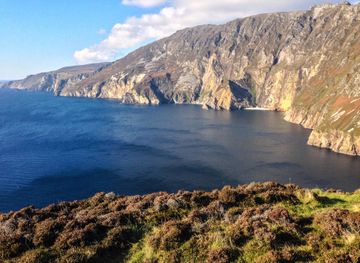
Explore more of County Donegal
Experience the wild and unspoiled beauty of County Donegal, Ireland's hidden gem, where rugged landscapes, rich history, and vibrant culture await.
Explore County Donegal
Explore more of Ireland
Discover Ireland: A land of enchanting landscapes, rich history, and vibrant culture, where every corner tells a story and every visit feels like coming home.
Explore Ireland
