

Bahai Gardens (Acre) Travel Guide - Free
Explore Bahai Gardens in Acre with Evendo's free guide. Find the best shops, historic streets, restaurants, and gems on web or mobile.


Bahai Gardens near Acre reveal Bahá’í history, serene landscaped grounds and the Shrine of Bahá’u’lláh beside Israel’s historic Mediterranean port city.
A Sacred Setting Beside Acre
The name Bahai Gardens refers to the landscaped grounds surrounding Bahá’u’lláh’s Shrine at Bahji, a short distance north of Acre’s historic core in the Western Galilee. It is not a conventional urban neighbourhood, but a quiet pilgrimage landscape whose identity is inseparable from the Bahá’í faith. Low stone walls, clipped lawns, cypress trees, flowering borders and carefully maintained paths create a measured contrast with the dense lanes and sea-facing fortifications of old Acre.Read more about Bahai Gardens
The Shrine and Its Surroundings
A Quiet Visit Outside the Old City
Best landmarks in Bahai Gardens
The defining landmark is the Shrine of Bahá’u’lláh, set within the gardens at Bahji and regarded by Bahá’ís as their holiest place. Its importance is religious and historical as well as architectural, because it marks the burial place of Bahá’u’lláh, who lived at the estate during the last years of his life. The Mansion of Bahji is another essential part of the complex, linking the site’s buildings to the nineteenth-century history of exile and residence around Acre. The surrounding gardens are themselves a major landscape feature, carefully composed to provide a dignified setting for the sacred structures. Together, the shrine, mansion, paths, planting and enclosing walls form a coherent holy place rather than a collection of unrelated monuments, and they are included within the UNESCO-listed Bahá’í Holy Places in Haifa and the Western Galilee.
-
Garden
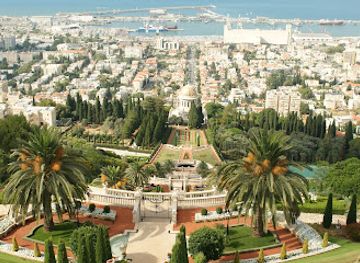
Bahá’í Gardens Haifa (Bahá’í Holy Place)
Discover the breathtaking beauty and spiritual significance of the Bahá'í Gardens in Haifa, a UNESCO World Heritage Site that enchants every visitor.
2 min walk · 0.2 km from neighbourhood centre
-
Shrine
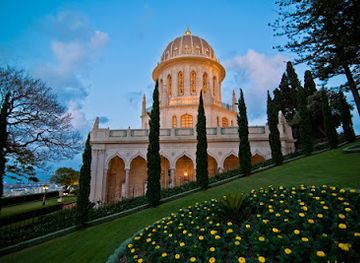
Shrine of the Báb (Bahá’í Holy Places)
Discover the serene beauty of the Shrine of the Báb in Haifa, a sacred pilgrimage site and architectural marvel nestled in stunning terraced gardens.
4 min walk · 0.3 km from neighbourhood centre
Explore Bahai Gardens on the map
A handpicked selection of must-see spots in Bahai Gardens, mapped for you.
Best hotels in Bahai Gardens
Bahai Gardens essentials
Getting There
Getting Around
Safety
Emergency Situations
Do's and Don'ts
Local Tips

From Eve
Local phrases worth knowing
You don't need to get them perfect. A few words go a long way, and locals appreciate the effort.
Basics
| English | Local | Say it |
|---|---|---|
| Hello | שָׁלוֹם | [Shalom] |
| Goodbye | לְהֵיתָרָאוֹת | [Lehitraot] |
| Yes | כֵּן | [Ken] |
| No | לֹא | [Lo] |
| Please/You're welcome | בְּבַקָּשָׁה | [Bevakasha] |
| Thank you | תוֹדָה | [Toda] |
| Excuse me/Sorry | סְלִיחָה | [Slicha] |
| How are you? | אֵיך אַתָּה? | [Eich Ata?] |
| Fine. And you? | טוֹב. וְאַתָּה? | [Tov. Veata?] |
| Do you speak English? | הֲאַתָּה מְדַבֵּר אַנְגְלִית? | [Haata Medaber Anglit?] |
| I don't understand | אֲנִי לֹא מֵבִין | [Ani Lo Mevin] |
Eating & Drinking
| English | Local | Say it |
|---|---|---|
| I'd like to see the menu, please | אֲנִי רוֹצֶה לִראוֹת אֶת הַתַפְרִיט, בְּבַקָּשָׁה | [Ani Rotzeh Lir'ot Et Hataprit, Bevakasha] |
| I don't eat meat | אֲנִי לֹא אוֹכֵל בָּשָר | [Ani Lo Ochel Basar] |
| Cheers! | לְחַיִים! | [Lechayim!] |
| I would like to pay, please | אֲנִי רוֹצֶה לְשַׁלֵם, בְּבַקָּשָׁה | [Ani Rotzeh Leshalem, Bevakasha] |
Emergencies
| English | Local | Say it |
|---|---|---|
| Help! | עֶזרָה! | [Ezrah!] |
| Go away! | לְך מֵאִתִּי! | [Lech Meiti!] |
| Call the Police! | קְרָא לַמִּשְׁטָרָה! | [Kra Lamishtara!] |
| Call a doctor! | קְרָא לַרוֹפֵא! | [Kra Larofe!] |
| I'm lost | אֲנִי לֹא יוֹדֵעַ אֵיפוֹ אֲנִי | [Ani Lo Yodea Eifo Ani] |
| I'm ill | אֲנִי חוֹלֶה | [Ani Choleh] |
Shopping
| English | Local | Say it |
|---|---|---|
| I'd like to buy... | אֲנִי רוֹצֶה לִקְנוֹת... | [Ani Rotzeh Liknot...] |
| I'm just looking | אֲנִי רַק רוֹאֶה | [Ani Rak Roeh] |
| How much is it? | כַּמָה זֶה עוֹלֶה? | [Kama Ze Oleh?] |
| That's too expensive | זֶה יָקָר מִדַי | [Ze Yakar Midai] |
| Can you lower the price? | הֲאַתָּה יְכוֹל לְהוֹרִיד אֶת הַמְחִיר? | [Haata Yechol Lehored Et Hamachir?] |
Time & Numbers
| English | Local | Say it |
|---|---|---|
| What time is it? | מַה הַשָּׁעָה? | [Ma Hashaa?] |
| It's one o'clock | זֶה חֲצוֹת אֶחָד | [Ze Chatzot Echad] |
| Half past (10) | חֲצִי (עֶשֶׂר) | [Chatzi (Eser)] |
| Morning | בֹּקֶר | [Boker] |
| Afternoon | צָהֳרַיִם | [Tzohorayim] |
| Evening | עֶרֶב | [Erev] |
| Yesterday | אֶתְמוֹל | [Etmol] |
| Today | הַיוֹם | [Hayom] |
| Tomorrow | מָחָר | [Machar] |
| 1 | אֶחָד | [Echad] |
| 2 | שְׁנַיִם | [Shnayim] |
| 3 | שָׁלוֹשׁ | [Shalosh] |
| 4 | אַרְבָּעָה | [Arba'a] |
| 5 | חֲמִשָּׁה | [Chamishah] |
| 6 | שִׁשָּׁה | [Shishah] |
| 7 | שִׁבְעָה | [Shiv'ah] |
| 8 | שְׁמוֹנֶה | [Shmoneh] |
| 9 | תִּשְׁעָה | [Tish'ah] |
| 10 | עֶשֶׂר | [Eser] |
Transport & Directions
| English | Local | Say it |
|---|---|---|
| Where's a/the...? | אֵיפוֹ יֵשׁ... | [Eifo Yes...] |
| What's the address? | מַה הַכְתוֹבָה? | [Ma Haktovah?] |
| Can you show me (on the map)? | הֲאַתָּה יְכוֹל לְהַרְאוֹת לִי (עַל הַמַפָּה)? | [Haata Yechol Lehareot Li (Al Hama'pah)?] |
| When's the next (bus)? | מָתַי הָאֻטו֑בוּס הַבָּא? | [Matay Ha'utobus Haba?] |
| A ticket (to ....) | כַּרְטִיס (לְ....) | [Kartis (Le....)] |
History of Bahai Gardens
From Acre’s Hinterland to Bahji
Bahji developed in the rural hinterland north of Acre rather than as a traditional walled-city quarter. The name is generally understood to derive from an Arabic expression associated with delight or joy. Its landscape of estates, orchards and open agricultural ground reflected Acre’s position within the fertile coastal plain, where cultivated land surrounded the port and fortress town. The site’s later significance emerged from its connection with the nineteenth-century exile of Bahá’u’lláh, whose arrival transformed an estate outside the city into one of the central sacred places of the Bahá’í faith.
Bahá’u’lláh’s Final Years
After years of confinement and enforced residence in and around Acre, Bahá’u’lláh moved to the mansion at Bahji in 1879. The estate offered greater space and relative separation from the crowded conditions of the old fortress city, although his movement remained shaped by the authorities of the Ottoman Empire. He spent his final years there, receiving visitors and writing religious works. His death in 1892 and burial at the nearby Shrine of Bahá’u’lláh established Bahji as the holiest place in the Bahá’í world and gave the surrounding landscape a continuing religious purpose.
The Shrine and the Gardens
Following Bahá’u’lláh’s death, the Bahá’í community gradually conserved and developed the buildings and grounds associated with Bahji. The Shrine, the mansion and the surrounding gardens became a carefully maintained pilgrimage complex, with horticulture used to frame rather than overshadow the sacred buildings. Later generations of Bahá’í administration undertook restoration and landscape work across the Acre area, linking Bahji with other holy places in the Western Galilee. This process changed an erstwhile estate into a globally significant religious and architectural landscape while preserving its rural setting.
A Contemporary Holy Place
The Bahá’í Holy Places in and around Acre and Haifa were inscribed on the UNESCO World Heritage List in 2008, recognising their spiritual importance, architecture and landscaped settings. Bahji remains an active place of pilgrimage rather than a museum frozen in the past. Its gardens are maintained for worship, reflection and authorised visits, and access arrangements can differ from those of ordinary public attractions. The site’s contemporary identity therefore rests on the coexistence of conservation, international pilgrimage and the quiet agricultural landscape beyond Acre’s historic walls.
Bahai Gardens in Photos
Browse through our photo collection highlighting the charm and character of the destination.
Neighbourhoods near Bahai Gardens
The closest neighbourhoods to Bahai Gardens, if you have time for more than one stop.
-
-


Swipe for more neighbourhoods
Explore more

Explore more of Acre
Discover Acre, Israel: A historic coastal city where ancient landmarks meet vibrant markets, offering an unforgettable blend of culture, history, and seaside beauty.
Explore Acre