

Old Jaffa (Jaffa) Travel Guide - Free
Explore Old Jaffa in Jaffa with Evendo's free guide. Find the best shops, historic streets, restaurants, and gems on web or mobile.


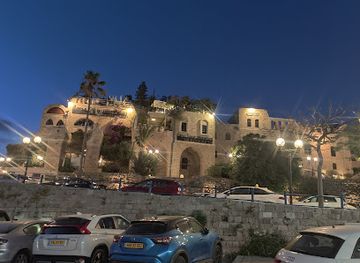
Old Jaffa in Jaffa, Israel, combines an ancient port, stone alleys, churches, mosques, galleries, the flea market and Mediterranean views.
Ancient Port and Hillside Streets
Old Jaffa occupies the historic core of Jaffa, rising above the Mediterranean around the old harbour and a compact maze of stone lanes. Its steep approaches, vaulted passages and irregular courtyards reflect centuries of rebuilding rather than a single architectural period. The neighbourhood is best understood as the old port city itself, distinct from the newer streets of Jaffa and the broader Tel Aviv-Yafo municipality around it.Read more about Old Jaffa
Religious and Cultural Layers
Harbour, Market and Evening Atmosphere
Best attractions in Old Jaffa
Old Jaffa's attractions are concentrated within a walkable historic core. Jaffa Port provides the clearest connection with the area's maritime identity, while the lanes above it lead to Kedumim Square, St Peter's Church and the sculptural Wishing Bridge. The Ilana Goor Museum occupies a historic building and combines the architecture of the house with a collection of modern and contemporary art. Archaeological displays and excavated remains around the old town offer glimpses of earlier settlements, although they are best understood as fragments within a living district rather than a single open-air monument. The Jaffa Flea Market, on the edge of the historic core, adds a commercial experience of antiques, furniture, crafts, clothing and cafés. Sea-facing terraces, stairways and the promenade supply broad views towards the Mediterranean and Tel Aviv, while the smaller alleys reward visitors interested in doors, vaulted spaces, studios and changing layers of stonework.
-
Historical landmark
Old Jaffa
Discover the enchanting history and vibrant culture of Old Jaffa, a must-visit destination blending art, heritage, and stunning Mediterranean views.
2 min walk · 0.1 km from neighbourhood centre
-
Historical landmark
Jaffa Light
Explore Jaffa Light, a historical landmark in Tel Aviv-Yafo, where maritime heritage meets breathtaking Mediterranean views.
3 min walk · 0.2 km from neighbourhood centre
-
Historical landmark
The Smiling Whale
Experience the charm and history of The Smiling Whale, a top tourist attraction in Tel Aviv-Yafo, where culture meets the Mediterranean coast.
3 min walk · 0.2 km from neighbourhood centre
-
Tourist attraction
קו החוף של תל אביב-יפו
Experience the vibrant coastal promenade of Tel Aviv-Yafo, where culture, history, and stunning Mediterranean views unite for an unforgettable adventure.
2 min walk · 0.2 km from neighbourhood centre


Best landmarks in Old Jaffa
The old harbour is Old Jaffa's defining physical landmark, its waterfront presence explaining the settlement's enduring importance even though the modern port functions differently from the ancient one. St Peter's Church dominates part of the historic hill and commemorates Jaffa's place in Christian tradition, while the Mahmoudiya Mosque complex represents the neighbourhood's long Islamic and Ottoman heritage. The Clock Tower stands near the principal approach to historic Jaffa and was built in 1906 during the late Ottoman period, becoming one of the city's best-known civic markers. Below and around the hill, retaining walls, vaulted structures, old houses and remnants of fortifications reveal the repeated rebuilding of the settlement. Kedumim Square forms a central public space within the restored core, and the Wishing Bridge has become a contemporary symbolic feature linking visitors with views across the sea.
-
Historical landmark
The Clock Tower
Discover the stunning Clock Tower in Tel Aviv-Yafo, a historical landmark that embodies the rich culture and vibrant life of the city.
4 min walk · 0.3 km from neighbourhood centre
-
Tourist attraction
נמל יפו
Explore Nemal Yafo, a vibrant coastal destination in Tel Aviv-Yafo, where culture, history, and breathtaking Mediterranean views await.
7 min walk · 0.5 km from neighbourhood centre
-
Historical landmark
Old Jaffa
Discover the ancient port of Old Jaffa, where history, art, and Mediterranean beauty converge in a captivating experience.
2 min walk · 0.1 km from neighbourhood centre
-
Historical landmark
Jaffa Light
Explore the historical significance and stunning views of Jaffa Light, a beacon of maritime heritage in Tel Aviv-Yafo.
3 min walk · 0.2 km from neighbourhood centre


Explore Old Jaffa on the map
A handpicked selection of must-see spots in Old Jaffa, mapped for you.
Best hotels in Old Jaffa
Best restaurants in Old Jaffa
Dining in Old Jaffa ranges from casual counters and market cafés to seafood, Middle Eastern and contemporary restaurants occupying restored buildings near the port and historic lanes. The surrounding Jaffa food culture reflects the city's Arab heritage as well as Jewish, Levantine and Mediterranean influences, with dishes such as hummus, grilled meats, salads, pastries and fish appearing in different settings. The flea-market area is particularly associated with informal eating and cafés, while the harbour offers a more open waterfront atmosphere. Visitors should distinguish the historic core from the wider Jaffa area, where celebrated local eateries continue into Ajami, Noga and other nearby quarters. Menus, opening patterns and dietary provision vary, so checking current details is sensible. The character of dining changes from daytime market browsing to slower evening meals, but Old Jaffa's strongest culinary appeal lies in the relationship between food, stone architecture, sea air and the working history of the port.
-
Mediterranean
The Old Man and the Sea
Experience authentic Mediterranean cuisine at The Old Man and the Sea in Tel Aviv-Yafo—where fresh flavors meet stunning coastal views.
4 min walk · 0.3 km from neighbourhood centre
-
Restaurant
Cafe Puaa
Experience the essence of Tel Aviv at Cafe Puaa - where local flavors meet cozy ambiance in a beloved culinary hotspot.
4 min walk · 0.4 km from neighbourhood centre
-
Restaurant
Onza
Experience culinary creativity at Onza in Tel Aviv-Yafo - where local flavors meet international cuisine in an inviting atmosphere.
4 min walk · 0.3 km from neighbourhood centre
-
Greek
Kalamata
Experience authentic Greek cuisine at Kalamata in Tel Aviv-Yafo – where each dish tells a story of Mediterranean tradition.
2 min walk · 0.1 km from neighbourhood centre


Best bars in Old Jaffa
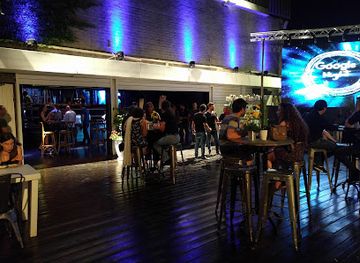
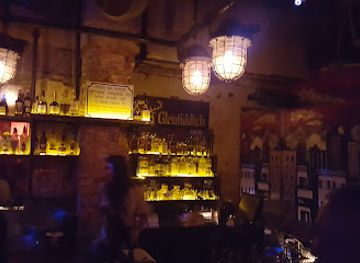
Old Jaffa is more atmospheric than club-oriented after dark. Restaurants, wine bars and small drinking places around the port, flea market and restored stone lanes provide evening activity, while cultural venues sometimes add performances or exhibitions. The main squares and waterfront can remain sociable after dinner, but the old town is not a continuous nightclub district and many lanes become quiet once businesses close. Nightlife is often combined with a meal, a gallery visit or a walk beside the harbour rather than centred on large venues. Nearby Noga and southern Tel Aviv provide a broader selection of bars and late-night entertainment, but they are outside Old Jaffa and should not be confused with its more compact evening scene. Residents live alongside the restaurants, so conversation-level noise and consideration on narrow residential streets are important.
-
Bar
Shaffa Bar
Experience the vibrant nightlife of Tel Aviv at Shaffa Bar, where eclectic music meets a lively atmosphere and a unique drink selection.
4 min walk · 0.3 km from neighbourhood centre
-
Cocktail bar
ראיסה בשוק הפשפשים
Discover the vibrant flavors of Raisa in the Flea Market, a cocktail bar and bistro offering exquisite tapas and cocktails in Tel Aviv-Yafo.
5 min walk · 0.4 km from neighbourhood centre
-
Bar
Akbar
Experience the vibrant nightlife of Tel Aviv at Akbar, a lively bar and restaurant serving Mediterranean cuisine and innovative cocktails.
4 min walk · 0.3 km from neighbourhood centre
-
Bar
BeerBazaar Jaffa
Explore BeerBazaar Jaffa: A Craft Beer Haven in Tel Aviv-Yafo Offering a Diverse Selection and Vibrant Atmosphere for Enthusiasts.
5 min walk · 0.4 km from neighbourhood centre


Best nightclubs in Old Jaffa
Old Jaffa is more atmospheric than club-oriented after dark. Restaurants, wine bars and small drinking places around the port, flea market and restored stone lanes provide evening activity, while cultural venues sometimes add performances or exhibitions. The main squares and waterfront can remain sociable after dinner, but the old town is not a continuous nightclub district and many lanes become quiet once businesses close. Nightlife is often combined with a meal, a gallery visit or a walk beside the harbour rather than centred on large venues. Nearby Noga and southern Tel Aviv provide a broader selection of bars and late-night entertainment, but they are outside Old Jaffa and should not be confused with its more compact evening scene. Residents live alongside the restaurants, so conversation-level noise and consideration on narrow residential streets are important.
-
Night club
Haoman 17
Discover the electrifying nightlife at Haoman 17, Tel Aviv's premier inclusive night club, where unforgettable moments and vibrant music await.
15 min walk · 1.2 km from neighbourhood centre
-
Night club
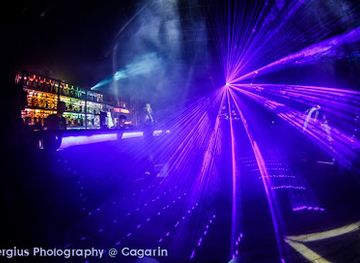
Gagarin Club TLV
Discover the electric nightlife of Tel Aviv at Gagarin Club TLV, where live music and vibrant dance beats create unforgettable experiences.
14 min walk · 1.1 km from neighbourhood centre
-
Night club
JIMMYWHO? Bar & Lounge
Discover the ultimate nightlife experience at JIMMYWHO? Bar & Lounge in Tel Aviv, where music, drinks, and fun unite for unforgettable nights.
6 min drive · 2.0 km from neighbourhood centre
-
Night club
Duplex
Dive into the electrifying nightlife of Duplex Club in Tel Aviv, where unforgettable music and vibrant energy await you.
5 min drive · 1.6 km from neighbourhood centre

Best shops in Old Jaffa
Shopping in Old Jaffa is centred on the Jaffa Flea Market and the smaller streets around it, where independent traders sell vintage furniture, ceramics, jewellery, clothing, decorative objects, crafts and antiques. The experience is as much about browsing crowded displays and old shopfronts as finding a particular product, and stock changes constantly. Nearby studios and galleries offer art, design pieces and handmade work, although the concentration of retailers varies between the market streets and the quieter upper lanes. Bargaining may be appropriate in some market transactions, but it is not a universal expectation, so visitors should read the situation and ask politely. The market sits at the boundary between the historic core and wider Jaffa, while ordinary neighbourhood shops and food businesses continue beyond it. The strongest distinction from modern shopping areas is the combination of reuse, repair, collecting and street-level trade in an old urban setting.
-
Tourist attraction
Jaffa Flea Market
Explore the Jaffa Flea Market, where vibrant culture meets unique treasures in the heart of Tel Aviv-Yafo.
5 min walk · 0.4 km from neighbourhood centre
-
Gift shop
ננו תכשיטים
Explore Nano Jewelry in Tel Aviv-Yafo for exquisite gifts and unique personalized jewelry crafted with love and precision.
2 min walk · 0.2 km from neighbourhood centre
-
Clothing store
VONBERG JAFFA וונברג יפו
Explore the vibrant fashion scene at VONBERG JAFFA, where unique styles meet the rich cultural heritage of Tel Aviv-Yafo.
5 min walk · 0.4 km from neighbourhood centre
-
Gift shop
Gift Time - souvenirs from Israel
Explore Gift Time in Tel Aviv for authentic Israeli souvenirs that capture the essence of your journey and make for perfect gifts.
4 min walk · 0.3 km from neighbourhood centre


Old Jaffa essentials
Getting There
Getting Around
Safety
Emergency Situations
Do's and Don'ts
Local Tips

From Eve
Local phrases worth knowing
You don't need to get them perfect. A few words go a long way, and locals appreciate the effort.
Basics
| English | Local | Say it |
|---|---|---|
| Hello | שלום | [Shalom] |
| Goodbye | להתראות | [Lehitraot] |
| Yes | כן | [Ken] |
| No | לא | [Lo] |
| Please/You're welcome | בבקשה | [Bevakasha] |
| Thank you | תודה | [Toda] |
| Excuse me/Sorry | סליחה | [Slicha] |
| How are you? | איך אתה? | [Eich Ata?] |
| Fine. And you? | טוב. ואתה? | [Tov. Veata?] |
| Do you speak English? | האם אתה מדבר אנגלית? | [Ha'im Ata Medaber Anglit?] |
| I don't understand | אני לא מבין | [Ani Lo Mevin] |
Eating & Drinking
| English | Local | Say it |
|---|---|---|
| I'd like to see the menu, please | אני רוצה לראות את התפריט, בבקשה | [Ani Rotze Lir'ot Et Ha'ta'amit, Bevakasha] |
| I don't eat meat | אני לא אוכל בשר | [Ani Lo Ochel Basar] |
| Cheers! | לחיים! | [Lachaim!] |
| I would like to pay, please | אני רוצה לשלם, בבקשה | [Ani Rotze Leshalem, Bevakasha] |
Emergencies
| English | Local | Say it |
|---|---|---|
| Help! | עזור! | [Ezor!] |
| Go away! | לך לעבור! | [Lech Le'avor!] |
| Call the Police! | קרא למשטרה! | [Kra La'mishtara!] |
| Call a doctor! | קרא לרופא! | [Kra La'rofe!] |
| I'm lost | אני אבוד | [Ani Avud] |
| I'm ill | אני חולה | [Ani Choleh] |
Shopping
| English | Local | Say it |
|---|---|---|
| I'd like to buy... | אני רוצה לקנות... | [Ani Rotze Liknot...] |
| I'm just looking | אני רק מסתכל | [Ani Rak Mestakel] |
| How much is it? | כמה עולה זה? | [Kama Oleh Ze?] |
| That's too expensive | זה יקר מדי | [Ze Yakar M'dai] |
| Can you lower the price? | אתה יכול להוריד את המחיר? | [Ata Yachol Lehored Et Ha'machir?] |
Time & Numbers
| English | Local | Say it |
|---|---|---|
| What time is it? | מה השעה? | [Ma Ha'sha'a?] |
| It's one o'clock | השעה חד | [Ha'sha'a Chad] |
| Half past (10) | חצי אחדה | [Chatzi Achda] |
| Morning | בוקר | [Boker] |
| Afternoon | צהריים | [Tzohorayim] |
| Evening | ערב | [Erev] |
| Yesterday | אתמול | [Etmol] |
| Today | היום | [Hayom] |
| Tomorrow | מחר | [Mahar] |
| 1 | אחד | [Echad] |
| 2 | שניים | [Shnayim] |
| 3 | שלושה | [Shlosha] |
| 4 | ארבעה | [Arba'a] |
| 5 | חמישה | [Chamisha] |
| 6 | שישה | [Shisha] |
| 7 | שבעה | [Shiv'a] |
| 8 | שמונה | [Shmona] |
| 9 | תשעה | [Tish'a] |
| 10 | עשרה | [Esera] |
Transport & Directions
| English | Local | Say it |
|---|---|---|
| Where's a/the...? | איפה נמצא... | [Eifo Nimtza...] |
| What's the address? | מה הכתובת? | [Ma Ha'ktovet?] |
| Can you show me (on the map)? | אתה יכול להראות לי (על המפה)? | [Ata Yachol Lehareot Li (Al Ha'mapa)?] |
| When's the next (bus)? | מתי האוטובוס הבא? | [Matai Ha'otobus Ha'ba?] |
| A ticket (to ....) | כרטיס (ל...) | [Kartis (Le...)] |
History of Old Jaffa
A Port of Bronze Age Antiquity
Jaffa is one of the eastern Mediterranean's ancient port settlements, with archaeological evidence of occupation reaching back to the Bronze Age. Its harbour offered a landing place on the otherwise exposed coast, while the hill provided a defensible and visible settlement above the shore. Egyptian sources from the second millennium BCE refer to Jaffa, and the port later belonged to the changing political worlds of the Canaanite, Philistine, Persian, Hellenistic and Roman periods. The ancient remains found in and around Old Jaffa therefore represent successive layers of settlement rather than a single preserved city.
Roman, Byzantine and Islamic Jaffa
Jaffa continued as a regional harbour under Roman and Byzantine rule, when roads, trade and religious institutions connected it with the wider coastal plain. After the early Islamic conquest, the town remained an important maritime settlement, and its Arabic identity developed over centuries. Medieval fortifications and buildings were repeatedly altered or destroyed as control of the port shifted between competing powers. The later Ottoman old town inherited this layered urban fabric, with narrow lanes, religious buildings, workshops and houses clustered around the harbour and hillside.
Ottoman Port and Walled Town
Under Ottoman rule, Jaffa became a busy port for agricultural produce, pilgrims and travellers moving between the Mediterranean and the interior. Citrus exports from the surrounding plain were especially important in the nineteenth and early twentieth centuries, when merchant houses, warehouses and improved roads strengthened the town's commercial role. The clock tower, completed in 1906 during the final Ottoman period, belongs to this era of civic modernisation. Although later construction changed the waterfront and approaches, the old core retains the scale and street pattern of the Ottoman town.
War, Union and Conservation
Jaffa was affected by the upheavals surrounding the end of the British Mandate and the 1948 war, after which its population and political circumstances changed dramatically. In the following decades, parts of the old town were cleared, restored or adapted for cultural and commercial use. Jaffa was incorporated into the municipality of Tel Aviv in 1950, forming Tel Aviv-Yafo. Conservation and artistic redevelopment have since made Old Jaffa a prominent heritage quarter, while the surrounding area remains socially mixed and continues to reflect both long-established communities and newer investment.
Old Jaffa in Photos
Browse through our photo collection highlighting the charm and character of the destination.
Neighbourhoods near Old Jaffa
The closest neighbourhoods to Old Jaffa, if you have time for more than one stop.

Swipe for more neighbourhoods
Explore more

Explore more of Jaffa
Jaffa, Israel, blends an ancient Mediterranean port, Ottoman streets, galleries, markets, mosques and churches with exceptional coastal history and culture.
Explore Jaffa