

Carmel Market (Tel Aviv) Travel Guide - Free
Explore Carmel Market in Tel Aviv with Evendo's free guide. Find the best shops, historic streets, restaurants, and gems on web or mobile.


Carmel Market in Tel Aviv blends Yemenite heritage, fresh produce, street food, craft stalls and lively lanes, with cafés and beaches close by.
A Market Woven into the City
Carmel Market, or Shuk HaCarmel, runs south from Allenby Street towards the edge of the Kerem HaTeimanim quarter, forming one of central Tel Aviv’s most concentrated scenes of food, commerce and street life. Its stalls sell fruit, vegetables, spices, bread, fish, sweets, clothing and household goods, while narrow side streets lead towards cafés, casual eateries and the Mediterranean shoreline. The market is not an isolated attraction but a working urban district where residents shop alongside visitors.Read more about Carmel Market
Yemenite Heritage and Everyday Tel Aviv
Beyond the Stalls
Best attractions in Carmel Market
The central attraction is Shuk HaCarmel itself, a long, tightly packed market where displays of fruit, vegetables, spices, bread, sweets, fish and household goods create a constantly changing street scene. The market is best experienced as a sequence of small observations: vendors arranging produce, shoppers collecting ingredients and the contrasting textures of covered stalls, shopfronts and open pavement. At its southern end, the lanes of Kerem HaTeimanim offer a quieter exploration of the historic Yemenite quarter, with low-rise buildings and intimate streets close to the market. Magen David Square and nearby Nahalat Binyamin provide useful orientation points and connect the area with central Tel Aviv’s pedestrian routes and craft culture. The walk towards the seafront adds a change of scale, leading from dense commerce to the open coastal promenade.
-
Tourist attraction
Kikar Dizengoff
Explore Kikar Dizengoff, Tel Aviv's vibrant square filled with cafes, shops, and cultural events, embodying the city's dynamic lifestyle.
15 min walk · 1.2 km from neighbourhood centre
-
Tourist attraction
Tel Aviv Promenade
Explore the Tel Aviv Promenade, a stunning coastal walkway with vibrant cafes, beautiful beaches, and breathtaking Mediterranean views.
15 min walk · 1.2 km from neighbourhood centre
-
Plaza
Magen David Square
Discover the lively Magen David Square, a cultural hub in Tel Aviv, filled with art, music, and local flavors.
2 min walk · 0.2 km from neighbourhood centre
-
Tourist attraction
Founders Monument and Fountain
Explore the Founders Monument and Fountain in Tel Aviv-Yafo, a cultural landmark celebrating the city's founders amidst a vibrant atmosphere.
8 min walk · 0.7 km from neighbourhood centre


Best landmarks in Carmel Market
Shuk HaCarmel is the defining physical landmark, its linear arrangement of stalls and shopfronts marking a commercial route that has served central Tel Aviv for more than a century. Its importance is not based on monumental architecture but on the continuity of market activity within the city’s historic core. The adjacent Kerem HaTeimanim is significant for its compact scale, older low-rise buildings and association with Yemenite Jewish settlement, offering a sharp contrast with the larger commercial structures nearby. Magen David Square acts as a major urban junction at the market’s northern approach, while Carmel Street provides the principal spatial spine. Nahalat Binyamin, immediately nearby, contributes another layer of historic central-city fabric through its pedestrian streets, craft activity and early twentieth-century buildings.
-
Market
Carmel Market
Discover the vibrant flavors and lively atmosphere of Carmel Market in Tel Aviv, where fresh produce meets cultural experiences in a culinary paradise.
2 min walk · 0.1 km from neighbourhood centre
-
Market
Bezalel Market
Experience the vibrant flavors and crafts of Bezalel Market, a cultural gem in Tel Aviv that showcases local produce and artisanal goods.
4 min walk · 0.3 km from neighbourhood centre
-
Bar
ביר בזאר שוק הכרמל Beer Bazaar
Discover the best of craft beer at Beer Bazaar in Tel Aviv, where local brews and international flavors come together in a vibrant atmosphere.
1 min walk · 0.1 km from neighbourhood centre
-
Plaza
Magen David Square
Explore the vibrant Magen David Square in Tel Aviv, where culture, shopping, and local charm come together for an unforgettable experience.
2 min walk · 0.2 km from neighbourhood centre


Explore Carmel Market on the map
A handpicked selection of must-see spots in Carmel Market, mapped for you.
Best hotels in Carmel Market
Best restaurants in Carmel Market
Eating around Carmel Market ranges from quick market purchases to small restaurants and casual counters in the adjoining Kerem HaTeimanim quarter. Fresh produce, olives, herbs, spices, baked goods and sweets make the shuk particularly suited to grazing, while Yemenite culinary influences remain visible in the surrounding food culture through dishes such as malawach, jachnun and soups served in local eateries. The area also reflects Tel Aviv’s broader dining scene, with contemporary cafés, simple Middle Eastern cooking and informal places built around seasonal ingredients. Restaurants and food businesses are concentrated along the lanes immediately around the market rather than spread evenly through every residential street. Visitors should distinguish the market’s daytime rhythm from the evening restaurant scene, when the shopping stalls recede and the neighbouring quarter becomes a more relaxed place to eat.
-
Chophouse restaurant
M25
Discover M25 in Tel Aviv: A chophouse restaurant serving high-quality meats in a vibrant market setting.
2 min walk · 0.2 km from neighbourhood centre
-
Restaurant
HaBasta
Experience modern Israeli cuisine at HaBasta in Tel Aviv - where fresh ingredients meet innovative flavors.
1 min walk · 0.1 km from neighbourhood centre
-
Restaurant
Hashomer
Discover the vibrant flavors of Tel Aviv at Hashomer - where tradition meets innovation in a cozy fusion restaurant atmosphere.
1 min walk · 0.1 km from neighbourhood centre
-
Mediterranean
Shmuel
Experience authentic Mediterranean flavors at Shmuel in Tel Aviv's vibrant Carmel Market – a culinary delight not to be missed!
1 min walk · 0.1 km from neighbourhood centre



Best bars in Carmel Market
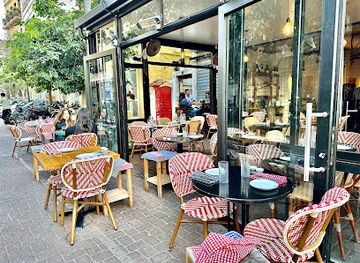
Carmel Market is primarily a daytime market, not a dedicated nightlife district, but its surrounding streets remain active after trading hours. Kerem HaTeimanim contains informal restaurants and small drinking places, while the nearby streets around Nahalat Binyamin, Allenby and the central city offer a broader choice of bars and late-evening venues. The mood changes according to location: the market passage becomes comparatively quiet, residential lanes call for consideration towards neighbours, and the busier surrounding streets carry the social energy of central Tel Aviv. Evening entertainment is generally more about outdoor tables, conversation and moving between compact venues than about large clubs within the market itself. Visitors seeking dancing or a more extensive club scene will usually need to continue beyond the immediate Carmel area.
-
Bar
The Prince - הנסיך
Experience the vibrant nightlife at The Prince, a premier bar and restaurant in Tel Aviv, offering exquisite drinks and delectable dishes in a stylish setting.
2 min walk · 0.2 km from neighbourhood centre
-
Bar
ביר בזאר שוק הכרמל Beer Bazaar
Discover the best of Tel Aviv's craft beer scene at Beer Bazaar, where local flavors meet a vibrant market atmosphere.
1 min walk · 0.1 km from neighbourhood centre
-
Restaurant
Bar Ochel-SUFUNI
Experience the vibrant flavors of Israeli cuisine at Bar Ochel-SUFUNI, a culinary delight in the heart of Tel Aviv-Yafo.
2 min walk · 0.2 km from neighbourhood centre
-
Bar
Norman Bar
Experience the vibrant nightlife at Norman Bar in Tel Aviv, where creative cocktails and a lively atmosphere await.
3 min walk · 0.2 km from neighbourhood centre


Best nightclubs in Carmel Market
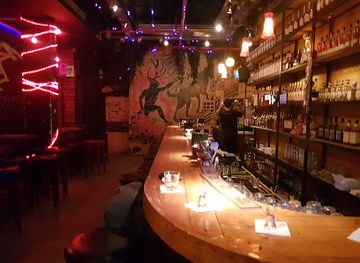
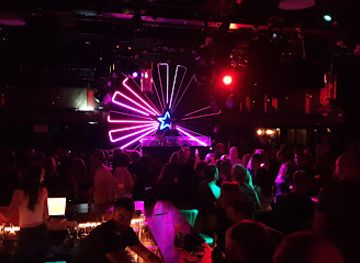
Carmel Market is primarily a daytime market, not a dedicated nightlife district, but its surrounding streets remain active after trading hours. Kerem HaTeimanim contains informal restaurants and small drinking places, while the nearby streets around Nahalat Binyamin, Allenby and the central city offer a broader choice of bars and late-evening venues. The mood changes according to location: the market passage becomes comparatively quiet, residential lanes call for consideration towards neighbours, and the busier surrounding streets carry the social energy of central Tel Aviv. Evening entertainment is generally more about outdoor tables, conversation and moving between compact venues than about large clubs within the market itself. Visitors seeking dancing or a more extensive club scene will usually need to continue beyond the immediate Carmel area.
-
Night club
Kuli Alma
Discover the vibrant nightlife of Tel Aviv at Kuli Alma, where art meets music in a dynamic clubbing experience.
11 min walk · 0.9 km from neighbourhood centre
-
Night club
Radio EPGB
Discover Tel Aviv's nightlife at Radio EPGB, where live music and vibrant energy create unforgettable experiences.
11 min walk · 0.9 km from neighbourhood centre
-
Night club
Desire Club
Desire Club: Where Tel Aviv's nightlife comes alive with music, cocktails, and unforgettable experiences.
17 min walk · 1.3 km from neighbourhood centre
-
Disco club
Dream Exhibition Club
Dive into the pulsating nightlife of Tel Aviv at Dream Exhibition Club, where music, dance, and unforgettable memories await.
18 min walk · 1.4 km from neighbourhood centre


Best shops in Carmel Market
Shopping at Carmel Market is centred on everyday goods rather than a conventional retail centre. Traders sell seasonal fruit and vegetables, herbs, spices, bread, pastries, fish, meat, dried foods, sweets, clothing, kitchenware and other household essentials, giving the market a practical role alongside its appeal to visitors. Browsing is most rewarding when the stalls are viewed as part of a local supply network rather than as souvenir displays. Around the edges, small food businesses and independent shops extend the commercial atmosphere into the surrounding streets, while nearby Nahalat Binyamin is associated with craft and design stalls on its market days. The retail character changes from one block to the next, so the strongest experience comes from combining the principal market passage with the quieter lanes around Kerem HaTeimanim.
-
Asian grocery store
מזרח ומערב חנויות - שוק הכרמל
Explore authentic Asian culinary delights at Mitzar V'Ma'arav in Tel Aviv's lively Carmel Market, a paradise for food lovers.
1 min walk · 0.1 km from neighbourhood centre
-
Vintage clothing store
Seekers - Vintage Clothing TLV
Explore timeless fashion at Seekers - Vintage Clothing TLV, where every piece tells a story in the heart of Tel Aviv-Yafo.
1 min walk · 0.1 km from neighbourhood centre
-
Shoe store
שוק שחור Black Market
Explore the vibrant shoe culture of Tel Aviv at Black Market, a trendy store offering unique footwear for every style and occasion.
1 min walk · 0.1 km from neighbourhood centre
-
Vintage clothing store
Bambi vintage
Discover unique vintage fashion treasures at Bambi Vintage in Tel Aviv—where every piece tells a story and adds character to your wardrobe.
1 min walk · 0.1 km from neighbourhood centre


Carmel Market essentials
Getting There
Getting Around
Safety
Emergency Situations
Do's and Don'ts
Local Tips

From Eve
Local phrases worth knowing
You don't need to get them perfect. A few words go a long way, and locals appreciate the effort.
Basics
| English | Local | Say it |
|---|---|---|
| Hello | שָׁלוֹם | [shālōm] |
| Goodbye | לְהֵיתָרַע | [l'heitra'a] |
| Yes | כֵּן | [ken] |
| No | לֹא | [lo] |
| Please/You're welcome | בבקשה | [bevakasha] |
| Thank you | תודה | [toda] |
| Excuse me/Sorry | סְלִיחָה | [selicha] |
| How are you? | אֵיך אַתָּה? | [eich atah] |
| Fine. And you? | טוֹב. וָאַתָּה? | [tov. va'atah] |
| Do you speak English? | הֲאַתָּה מְדַבֵּר אַנגלִית? | [ha'atah medaber anglit] |
| I don't understand | אֲנִי לֹא מֵבִין | [ani lo mevin] |
Eating & Drinking
| English | Local | Say it |
|---|---|---|
| I'd like to see the menu, please | אֲנִי רוֹצֶה לִרְאוֹת אֶת הַתַפְרִיט, בבקשה | [ani rotseh lir'ot et hataprit, bevakasha] |
| I don't eat meat | אֲנִי לֹא אוֹכֵל בָּשָׂר | [ani lo ochel basar] |
| Cheers! | לְחַיִים | [lechayim] |
| I would like to pay, please | אֲנִי רוֹצֶה לְשַׁלֵם, בבקשה | [ani rotseh leshalem, bevakasha] |
Emergencies
| English | Local | Say it |
|---|---|---|
| Help! | עֶזרָה! | [ezrah] |
| Go away! | לְךָ מֵהַלֵךְ! | [lecha mehalech] |
| Call the Police! | תְקַלֵ בַּמִשׁטָרָה! | [tekale bameshtra] |
| Call a doctor! | תְקַלֵ בַּרוֹפֵא! | [tekale barofe] |
| I'm lost | אֲנִי אָבוּד | [ani avud] |
| I'm ill | אֲנִי חוֹלֶה | [ani choleh] |
Shopping
| English | Local | Say it |
|---|---|---|
| I'd like to buy... | אֲנִי רוֹצֶה לִקְנוֹת... | [ani rotseh liknot...] |
| I'm just looking | אֲנִי רַק רוֹאֶה | [ani rak roeh] |
| How much is it? | כּמָה זֶה עוֹלֶה? | [kama zeh oleh] |
| That's too expensive | זֶה יָקָר מִדַי | [zeh yakar midai] |
| Can you lower the price? | אֶתָה יָכוֹל לְהוֹרִיד אֶת הַמְחִיר? | [atah yakhol lehorid et hamachir] |
Time & Numbers
| English | Local | Say it |
|---|---|---|
| What time is it? | כּמָה הַשָׁעָה? | [kama hashaa] |
| It's one o'clock | זֶה אֶחָד עַל עֶשֶׂר | [zeh echad al eser] |
| Half past (10) | חֲצִי (עֶשֶׂר) | [chatzi (eser)] |
| Morning | בּקֶר | [boker] |
| Afternoon | אַחֲרֵי הַצָהֳרַיִם | [acharei hatzohorayim] |
| Evening | עֶרֶב | [erev] |
| Yesterday | אֶתָמוֹל | [etmol] |
| Today | הַיוֹם | [hayom] |
| Tomorrow | מָחָר | [machar] |
| 1 | אֶחָד | [echad] |
| 2 | שְׁתַיִם | [shetayim] |
| 3 | שָׁלוֹש | [shalosh] |
| 4 | אַרְבָּע | [arba] |
| 5 | חֲמִשָּׁה | [chamesha] |
| 6 | שִׁשָּׁה | [shisha] |
| 7 | שִׁבְעָה | [shiv'ah] |
| 8 | שְׁמוֹנָה | [shmonah] |
| 9 | תִּשְׁעָה | [tish'ah] |
| 10 | עֶשֶׂר | [eser] |
Transport & Directions
| English | Local | Say it |
|---|---|---|
| Where's a/the...? | אֵיפוֹ נִמְצָא... | [eifo nimtza...] |
| What's the address? | מַה הַכְתוֹבָה? | [mah hak'tovah] |
| Can you show me (on the map)? | אַתָה יָכוֹל לְהַרְאוֹת לִי (עַל הַמַפָּה)? | [atah yakhol leharot li (al hamapa)] |
| When's the next (bus)? | מָתַי הַאוֹטוֹבוּס הַבָּא? | [matay haotobus haba] |
| A ticket (to ....) | כַרְטִיס (לְ...) | [kartis (le...)] |
History of Carmel Market
A Market Takes Shape in 1920
Carmel Market began operating in 1920, during the early development of Tel Aviv as a Jewish urban settlement beside Jaffa. Its location near the city’s southern residential quarters made it a practical place for the sale of fresh food and everyday goods. Rather than developing as a monumental civic square, it grew as a commercial street market, shaped by the movement of shoppers, small traders and deliveries. The market’s name comes from Carmel Street, the principal route through the area, and its emergence helped establish this part of Tel Aviv as a meeting point between the newer city and the older communities around the Yemenite quarter.
The Yemenite Quarter Nearby
The market developed beside Kerem HaTeimanim, a neighbourhood associated with Yemenite Jewish immigrants who settled in the area from the late nineteenth century and during the early decades of the twentieth century. Its compact houses and narrow lanes formed a close residential world next to the commercial activity of the shuk. Foodways associated with Yemenite Jewish cooking became part of the district’s cultural character, alongside the broader mix of Jewish communities that shaped early Tel Aviv. The relationship between market and neighbourhood was practical as well as social: the shuk supplied household needs, while the surrounding quarter gave it a stable local population and distinctive identity.
From Provisioning District to City Landmark
As Tel Aviv expanded during the British Mandate and after the establishment of Israel in 1948, Carmel Market remained an important source of fresh food for residents in the central city. Its stalls reflected changing supply networks, growing urban demand and the arrival of new communities with different tastes and shopping habits. The market’s setting also changed around it as streets were widened, commercial buildings appeared and the city’s centre became denser. Even as supermarkets and other retail formats developed, Carmel retained the sensory and social character of a traditional open market, combining routine errands with direct contact between vendors and customers.
A Changing Contemporary Identity
In recent decades, the Carmel area has sat at the intersection of conservation, tourism, nightlife and redevelopment. The market continues to serve local shoppers, but cafés, food counters, design businesses and visitor-oriented experiences have increased around its edges. Kerem HaTeimanim has also faced the pressures common to centrally located neighbourhoods, as rising interest in Tel Aviv’s historic quarters meets the needs of long-term residents. The result is a layered district rather than a fully transformed one: market traders, family homes, casual restaurants and new commercial uses remain close together, making the area a useful lens through which to observe Tel Aviv’s changing urban culture.
Carmel Market in Photos
Browse through our photo collection highlighting the charm and character of the destination.
Neighbourhoods near Carmel Market
The closest neighbourhoods to Carmel Market, if you have time for more than one stop.
-

-

-

-

-


Swipe for more neighbourhoods
Explore more

Explore more of Tel Aviv
Tel Aviv combines Mediterranean beaches, Bauhaus architecture, Jaffa history, lively markets, contemporary art and an energetic culinary scene in Israel.
Explore Tel Aviv