Geological Origins
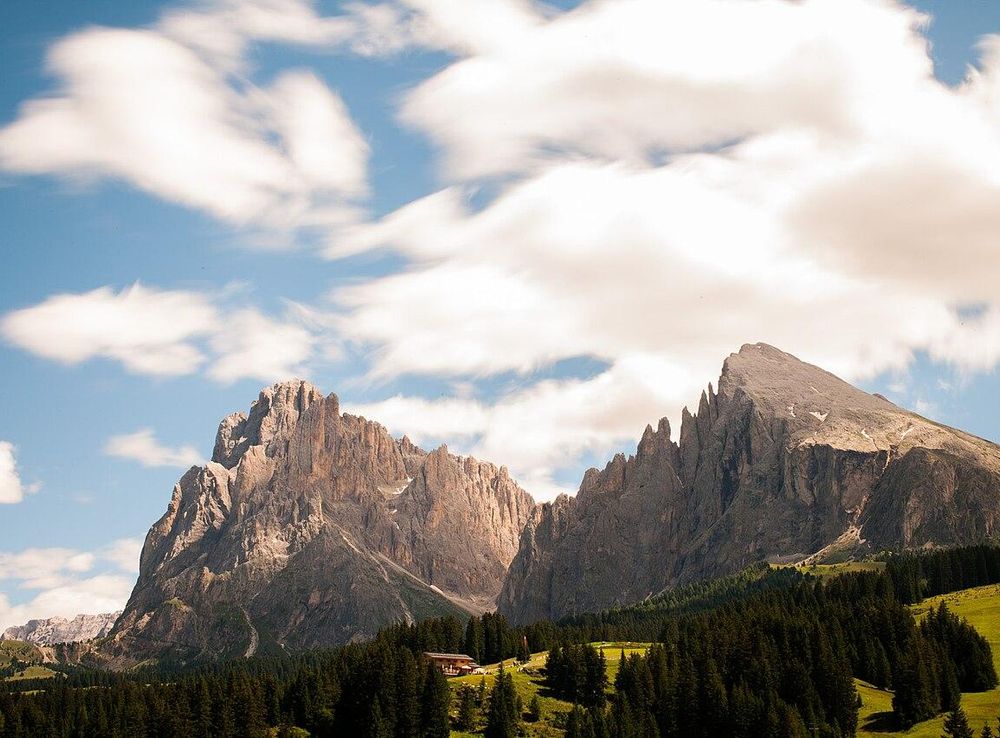
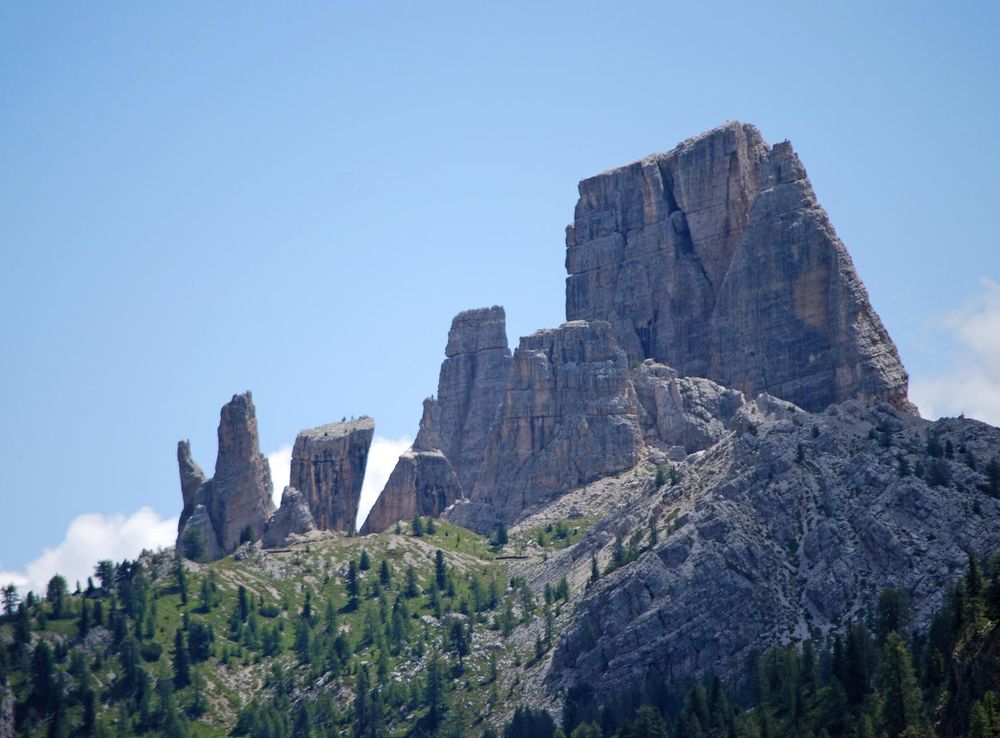
The Dolomites, also known as the 'Pale Mountains,' are named after the carbonate rock dolomite. They originated over 250 million years ago during the Triassic Period. The region was once covered by a vast tropical sea, and over time, mineral deposits from marine organisms formed the unique rock formations we see today.
The Ladin People
The Dolomites are home to the Ladin people, an ethnic group with a distinct language and culture. The Ladins have lived in the region for over a thousand years, with their language, Ladin, being a Romance language derived from Vulgar Latin. Their traditions, festivals, and crafts are integral to the cultural fabric of the Dolomites.
Roman Influence
The Romans extended their influence into the Dolomites around 15 BC. They constructed roads and infrastructure, facilitating trade and military movements. The Roman legacy is still visible in archaeological sites and ancient roads that crisscross the region.
Medieval Fortresses
During the Middle Ages, the Dolomites were dotted with fortresses and castles built by local lords and bishops. These structures served as defensive strongholds and symbols of power. Notable examples include the Castello di Andraz and Castello di Tures, which offer a glimpse into the feudal history of the region.
World War I
The Dolomites were a significant battleground during World War I, particularly in the conflict between Italy and Austria-Hungary. The rugged terrain saw the construction of tunnels, trenches, and fortifications. The open-air museums and preserved sites, such as the Lagazuoi Tunnels, provide a haunting reminder of the war's impact on the region.
UNESCO World Heritage Site
In 2009, the Dolomites were designated a UNESCO World Heritage Site in recognition of their unique geological beauty and historical significance. This status has helped to preserve the natural environment and promote sustainable tourism, ensuring that the Dolomites remain a pristine destination for future generations.