

Mayrhofen Travel Guide - Free Web & App
Your ultimate guide to Mayrhofen. Discover top landmarks, proposed trips, and local tips. Free on the web or via the Evendo companion app.


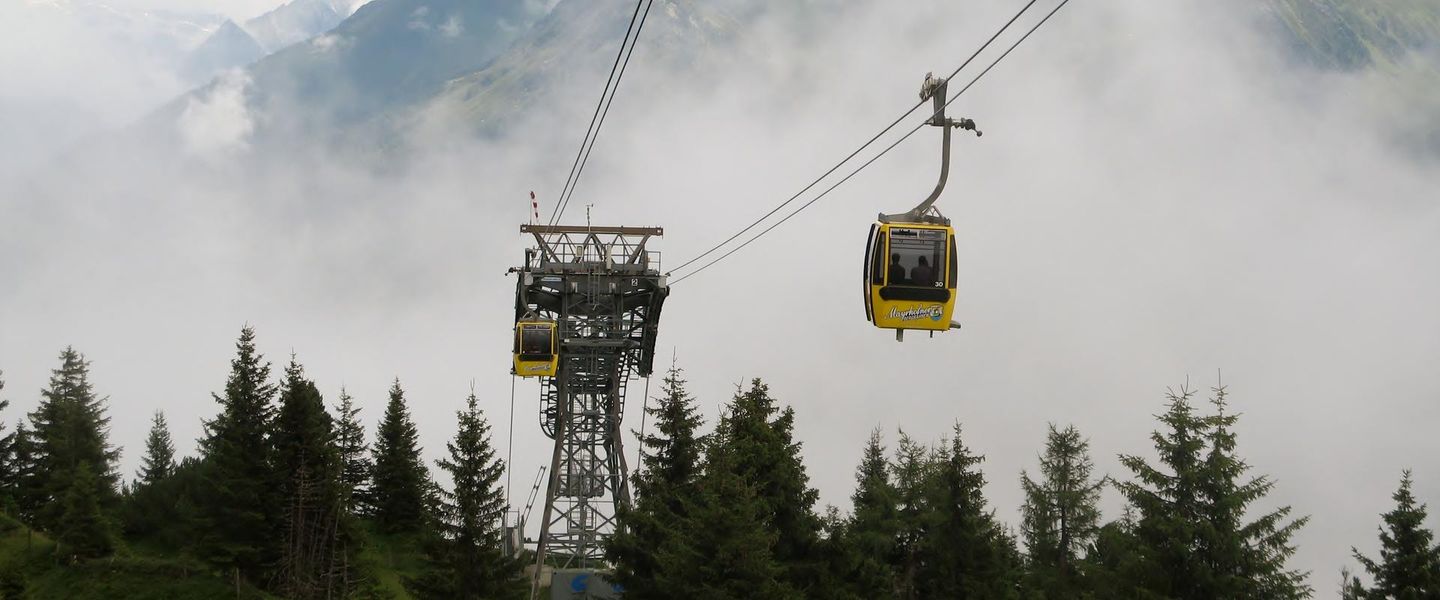


Mayrhofen, Austria, pairs Zillertal mountain scenery with skiing, alpine walks, Tyrolean food and year-round outdoor adventures around Penken and Ahorn.
Mountain Setting
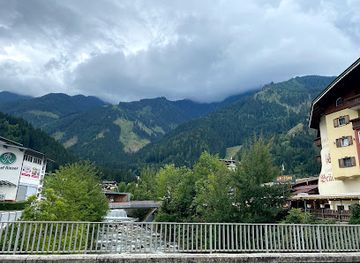
Mayrhofen lies at the southern end of Austria’s Zillertal valley in Tyrol, where the broad valley narrows towards high alpine terrain and the valleys of the Ziller, Stillup and Zemmbach. The town is surrounded by the Zillertal Alps, with the Penken and Ahorn mountains rising directly above the settlement and the higher peaks of the Zillertal Alps Nature Park extending south and east. Its location gives Mayrhofen an unusually varied mountain setting: cultivated valley meadows, dark conifer forests, steep limestone and gneiss peaks, glacial landscapes and remote side valleys all lie within reach of the town.Read more about Mayrhofen
A Four-Season Resort
Tyrolean Character
Getting to and around Mayrhofen
How to get there
Transportation
Best attractions in Mayrhofen
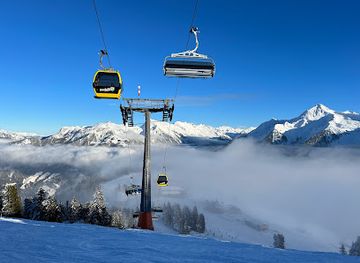
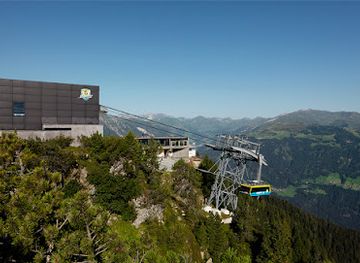
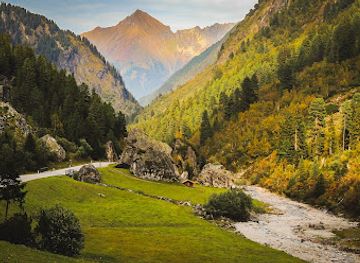
The Penken mountain is Mayrhofen’s principal winter sports and summer recreation area, with extensive ski terrain and high-level walking routes reached from the town by cable car. Opposite it, the Ahorn offers broad mountain scenery and access to trails above the valley, including routes towards alpine huts and panoramic viewpoints. The Stillupgrund, reached south of Mayrhofen, leads into a quieter mountain valley marked by forests, pasture and the Stillup reservoir. The Zillergrund extends eastwards through a more secluded landscape, while Ginzling provides an access point to the Zillertal Alps Nature Park and the dramatic valleys of the southern range. The town itself offers a useful base for understanding local farming and resort life, with traditional buildings alongside modern lift infrastructure. Higher destinations such as the Schlegeis reservoir and Hintertux Glacier are regional excursions rather than attractions in central Mayrhofen and should be treated as separate journeys.
-
Tourist attraction
Zillertal Arena
Discover Zillertal Arena: An alpine paradise for skiing, hiking, and breathtaking views in the heart of Austria's stunning landscape.
-
Tourist attraction
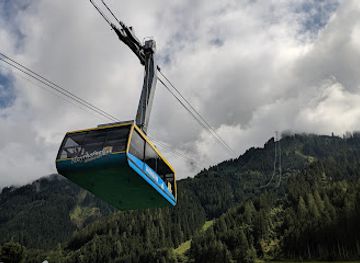
Penkenbahn - Mayrhofner Bergbahnen
Explore the magnificent Penkenbahn in Mayrhofen, a premier mountain cable car and ski resort offering breathtaking views and thrilling outdoor adventures.
-
Tourist attraction
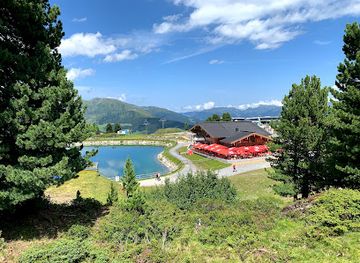
Ahornbahn
Discover the breathtaking landscapes and thrilling experiences at Ahornbahn in Mayrhofen, a perfect destination for outdoor enthusiasts year-round.
-
Tourist attraction
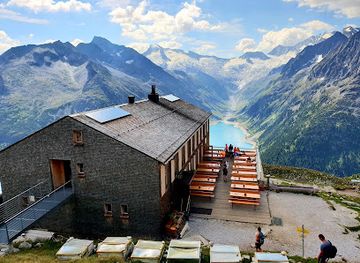
Schlegeis Stausee
Experience the stunning beauty of Schlegeis Stausee, a hidden gem in the Tyrolean Alps, perfect for hiking and outdoor adventures.

Best landmarks in Mayrhofen
The most prominent landmarks around Mayrhofen are natural: the Penken and Ahorn mountain faces define the town’s skyline, while the high peaks and glacial valleys of the Zillertal Alps form its southern horizon. The Stillup reservoir is a significant engineered feature within a steep alpine valley, combining hydroelectric infrastructure with a dramatic mountain setting. The Zillertal Alps Nature Park gives protected landscapes and traditional alpine pastures wider cultural significance, particularly around Ginzling and the remote valleys beyond it. In the settlement itself, Tyrolean farmhouses, chapels and historic village buildings preserve the architectural character of an agricultural valley community despite extensive resort development. The Ziller river and its tributary valleys are also important geographical features, explaining both the town’s linear settlement pattern and its historic links with the wider Zillertal.
-
Ski resort
Penkenbahn - Mayrhofner Bergbahnen
Discover the breathtaking Penkenbahn - Mayrhofner Bergbahnen, a premier ski resort offering unforgettable experiences in the heart of the Austrian Alps.
-
Ski resort
Ahornbahn
Experience the breathtaking beauty of Ahornbahn, Austria's premier ski resort and hiking area, perfect for adventurers and nature lovers alike.
-
Tourist attraction
Schlegeis Stausee
Explore the stunning Schlegeis Stausee, a breathtaking reservoir in the Zillertal Alps, ideal for hiking, photography, and serene nature escapes.
-
Hotel
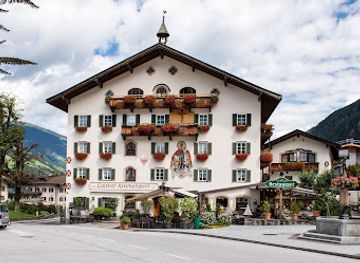
Alpenhotel Kramerwirt
Experience the heart of the Alps at Alpenhotel Kramerwirt, where Austrian hospitality meets breathtaking mountain views and delightful cuisine.
Explore Mayrhofen on the map
Plan your trip on one map. See where the top attractions, landmarks, restaurants and hotels are, and book hotels and experiences in a few clicks.
Best hotels in Mayrhofen
Best restaurants in Mayrhofen
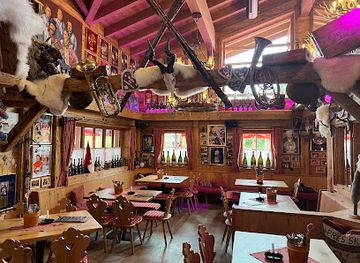
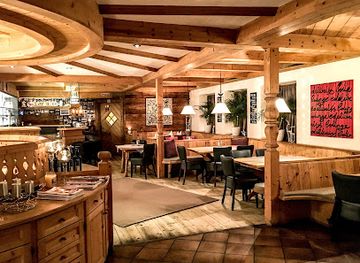
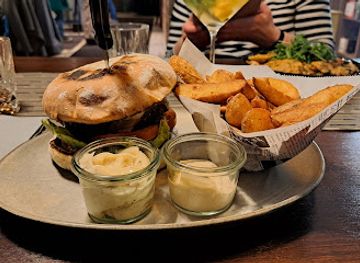
Mayrhofen’s dining identity is rooted in Tyrolean and broader Austrian cooking, with restaurants, cafés, traditional inns and mountain huts serving dishes such as Kaspressknödel, speck, mountain cheese, goulash, schnitzel and Kaiserschmarrn. Alpine dairy products, rye bread and locally produced meats reflect the farming traditions of the Zillertal, while seasonal menus may draw on mushrooms, game or fresh regional produce. Mountain restaurants on the Penken and Ahorn provide food during active days, although opening arrangements vary with the season and lift operations. In the town centre, visitors will find the widest choice of dining, from straightforward cafés and bakeries to more formal hotel restaurants. Villages and side valleys have fewer options, so walkers and drivers should not assume that food is available at every stop or on every route.
-
European
Kasermandl am Penken
Experience authentic Alpine cuisine at Kasermandl am Penken, where stunning mountain views meet delicious European flavors.
-
Bar
Brück'n Stadl
Experience vibrant nightlife and authentic Austrian cuisine at Brück'n Stadl in Mayrhofen – where dining meets dancing!
-
Restaurant
Edelweiss Lounge Restaurant Hotel Pizza Cafe Billard
Experience authentic Austrian cuisine at Edelweiss Lounge in Mayrhofen—where delightful flavors meet cozy ambiance.
-
 Inn
InnHotel & Gasthof Perauer
Discover warm hospitality and delicious cuisine at Hotel & Gasthof Perauer in scenic Mayrhofen, Tyrol.
Best bars in Mayrhofen
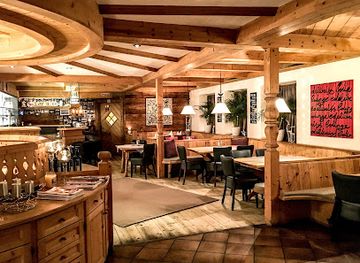
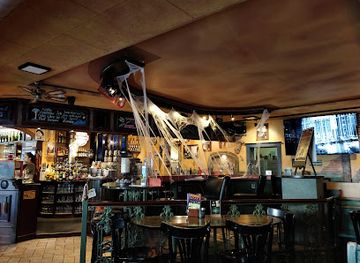
Mayrhofen has a livelier evening scene than many alpine villages, particularly during the winter ski season, when the town’s pubs, après-ski venues and hotel bars attract visitors returning from the slopes. Evening entertainment is concentrated around the resort centre and is generally more active during peak holiday periods than in the quieter summer months. Traditional pubs and convivial hotel bars offer a slower alternative, with Austrian beer, schnapps and regional wines commonly available. The surrounding villages and side valleys are considerably quieter, with evenings often centred on accommodation, inns and local cultural events rather than dedicated nightlife. Visitors should check current arrangements locally, as seasonal opening and programming vary and the mountain environment remains the main focus beyond the town.
-
Bar
Brück'n Stadl
Experience the vibrant nightlife at Brück'n Stadl – a lively bar, disco club, and restaurant in the heart of Mayrhofen, Austria.
-
Restaurant
Edelweiss Lounge Restaurant Hotel Pizza Cafe Billard
Experience the best of Austrian cuisine and pizza in a cozy lounge atmosphere at Edelweiss Restaurant in Mayrhofen.
-
Restaurant
Goldkind
Discover the culinary delights of Goldkind in Mayrhofen, where traditional Austrian cuisine meets modern dining in a cozy atmosphere.
-
Bar
Mo's Restaurant Bar und Live Music, Appartements
Experience the perfect blend of delicious cuisine and lively entertainment at Mo's Restaurant Bar in the heart of Mayrhofen.
Best nightclubs in Mayrhofen
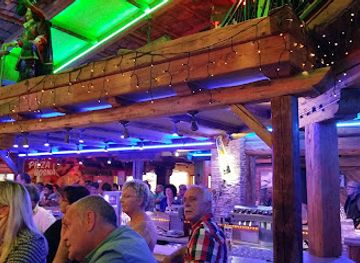
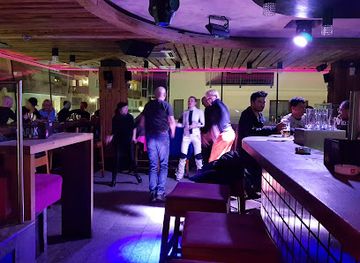
Mayrhofen has a livelier evening scene than many alpine villages, particularly during the winter ski season, when the town’s pubs, après-ski venues and hotel bars attract visitors returning from the slopes. Evening entertainment is concentrated around the resort centre and is generally more active during peak holiday periods than in the quieter summer months. Traditional pubs and convivial hotel bars offer a slower alternative, with Austrian beer, schnapps and regional wines commonly available. The surrounding villages and side valleys are considerably quieter, with evenings often centred on accommodation, inns and local cultural events rather than dedicated nightlife. Visitors should check current arrangements locally, as seasonal opening and programming vary and the mountain environment remains the main focus beyond the town.
-
Bar
Brück'n Stadl
Experience the electrifying nightlife at Brück'n Stadl, Mayrhofen's premier bar and disco, offering great food, drinks, and unforgettable vibes.
-
Bar
Harakiri-Bar Mayrhofen
Discover the vibrant nightlife of Harakiri-Bar Mayrhofen, where lively vibes meet stunning Alpine views in a welcoming atmosphere.
-
Bar
White Lounge
Experience the lively atmosphere and exquisite drinks at White Lounge, the heart of Mayrhofen's vibrant nightlife.
-
Bar
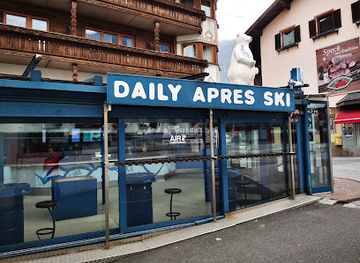
Ice Bar
Experience a frosty adventure at Mayrhofen's Ice Bar, where cocktails meet creativity in an unforgettable icy atmosphere.


Best shops in Mayrhofen
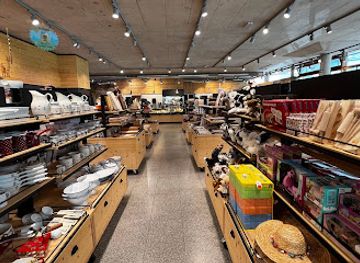
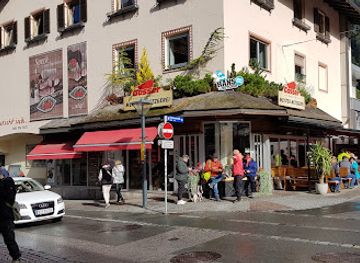
Shopping in Mayrhofen is concentrated in the town centre and is geared towards both everyday needs and mountain tourism. Visitors can find outdoor clothing and equipment, sports shops, bakeries, supermarkets, delicatessens and retailers selling regional food products. Traditional Tyrolean goods may include local cheeses, cured meats, breads, spirits, woollen items and handmade souvenirs, although product ranges vary between businesses. Craft and farm-produced goods are also available in the wider Zillertal, particularly through village shops and regional producers rather than a single large market district. Ginzling and the smaller side-valley settlements have limited retail provision, so those staying or walking away from Mayrhofen should carry essential supplies. The town’s shops reflect its role as a practical resort centre as much as a place for browsing independent local products.
-
Cheese shop
Erlebnissennerei Zillertal GmbH
Experience the rich flavors of local cheese and the art of cheese-making at Erlebnissennerei Zillertal GmbH in the stunning Zillertal Valley.
-
Supermarket
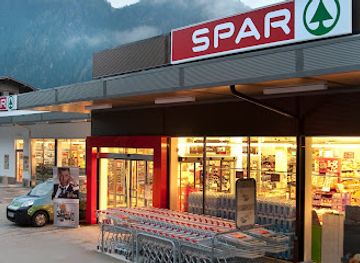
SPAR Markt Eder
Experience the convenience of SPAR Markt Eder in Mayrhofen, your trusted supermarket for fresh groceries and local specialties.
-
Supermarket
SPAR
Discover the convenience of SPAR in Mayrhofen, your one-stop supermarket for fresh produce, local delicacies, and everyday essentials.
-
Sporting goods store
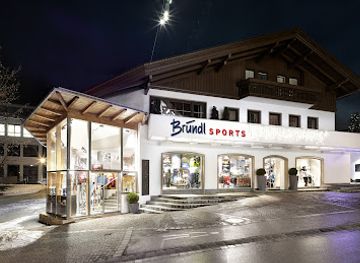
Bründl Sports Mayrhofen Zentrum
Discover the ultimate ski gear and expert advice at Bründl Sports Mayrhofen Zentrum, your starting point for unforgettable alpine adventures.
Get your free copy of our complete guide to Mayrhofen, delivered straight to you.
Everything on this page, from attractions and restaurants to essentials and local phrases, in one PDF you can read offline, print or share.
Already have an account? Sign in
Your Mayrhofen guide is ready.
We'll send it to · Not you? Sign out

Getting your guide ready…
We are putting together a fresh copy of the Mayrhofen guide. This can take up to a minute.
This can take a few moments. If your browser asks, choose Allow so the download can start. You'll find the guide in your Downloads folder.
Nothing happened? Download it again
Sorry, the guide is taking longer than usual. Please try again in a minute, or get it by email instead.
Mayrhofen essentials
Currency and Payment
Safety
Emergency Situations
Do's and Don'ts
Local Tips
From Eve
Local phrases worth knowing
You don't need to get them perfect. A few words go a long way, and locals appreciate the effort.
Basics
| English | Local | Say it |
|---|---|---|
| Hello | Servus | [SAYR-voos] |
| Goodbye | Auf Wiedersehen | [owf VEE-der-zayn] |
| Yes | Ja | [yah] |
| No | Nein | [nine] |
| Please/You're welcome | Bitte | [BEE-tuh] |
| Thank you | Danke | [DAHN-kuh] |
| Excuse me/Sorry | Entschuldigung | [ent-SHOOL-dee-goong] |
| How are you? | Wie geht es dir? | [vee gayt es deer] |
| Fine. And you? | Gut. Und dir? | [goot oond deer] |
| Do you speak English? | Sprechen Sie Englisch? | [shpre-khen zee ENG-lish] |
| I don't understand | Ich verstehe nicht | [ikh fer-SHTAY-uh nikht] |
Eating & Drinking
| English | Local | Say it |
|---|---|---|
| I'd like to see the menu, please | Ich hätte gerne die Speisekarte, bitte | [ikh HET-uh gair-nuh dee SHPY-zuh-kar-tuh, BEE-tuh] |
| I don't eat meat | Ich esse kein Fleisch | [ikh ESS-uh kine FLYSH] |
| Cheers! | Prost! | [prohst] |
| I would like to pay, please | Ich möchte zahlen, bitte | [ikh murk-tuh TSAH-len, BEE-tuh] |
Emergencies
| English | Local | Say it |
|---|---|---|
| Help! | Hilfe! | [HIL-fuh] |
| Go away! | Geh weg! | [gay vekh] |
| Call the Police! | Rufen Sie die Polizei! | [ROO-fen zee dee po-LEE-tsai] |
| Call a doctor! | Rufen Sie einen Arzt! | [ROO-fen zee EYE-nen AHRTsht] |
| I'm lost | Ich bin verloren | [ikh been fer-LOH-ren] |
| I'm ill | Ich bin krank | [ikh been krahngk] |
Shopping
| English | Local | Say it |
|---|---|---|
| I'd like to buy... | Ich möchte kaufen... | [ikh murk-tuh KOW-fen] |
| I'm just looking | Ich schaue nur | [ikh SHOW-uh noor] |
| How much is it? | Wie viel kostet es? | [vee feel KOS-tet es] |
| That's too expensive | Das ist zu teuer | [dahs ist tsoo TOY-uhr] |
| Can you lower the price? | Können Sie den Preis senken? | [KERN-en zee den PRYS ZEN-ken] |
Time & Numbers
| English | Local | Say it |
|---|---|---|
| What time is it? | Wie spät ist es? | [vee shpet ist es] |
| It's one o'clock | Es ist ein Uhr | [es ist iyn oor] |
| Half past (10) | Halb zehn | [halb tsayn] |
| Morning | Morgen | [MOHR-gen] |
| Afternoon | Nachmittag | [NAHKH-mit-tahk] |
| Evening | Abend | [AH-bent] |
| Yesterday | Gestern | [GESH-tern] |
| Today | Heute | [HOY-tuh] |
| Tomorrow | Morgen | [MOHR-gen] |
| 1 | eins | [ayns] |
| 2 | zwei | [tsvay] |
| 3 | drei | [dry] |
| 4 | vier | [feer] |
| 5 | fünf | [fuhnf] |
| 6 | sechs | [zeks] |
| 7 | sieben | [zee-ben] |
| 8 | acht | [ahkht] |
| 9 | neun | [noyn] |
| 10 | zehn | [tsayn] |
Transport & Directions
| English | Local | Say it |
|---|---|---|
| Where's a/the...? | Wo ist ein/der...? | [voh ist iyn/dehr] |
| What's the address? | Was ist die Adresse? | [vahs ist dee ah-DREH-suh] |
| Can you show me (on the map)? | Kannst du mir das zeigen (auf der Karte)? | [kahnst doo meer dahs tsee-gen (owf dehr KAR-tuh)] |
| When's the next (bus)? | Wann kommt der nächste (Bus)? | [vahn kohmt dehr NEKH-stuh (boos)] |
| A ticket (to ....) | Eine Fahrkarte (nach ....) | [IY-nuh FAHR-kar-tuh (nahkh)] |
History of Mayrhofen
A Valley Shaped by Ice and Water
Mayrhofen’s physical setting was formed by the geological development of the Central Alps and later reshaped by glacial erosion, rivers and repeated cycles of freezing and thawing. The Ziller valley and its tributary valleys provide a natural route southwards into the mountains, while the steep side valleys around Stillup, Zillergrund and Zemmtal preserve the dramatic relief that characterises the area. These geological processes are not historical events in the human sense, but they explain the distribution of settlements, pasture and transport routes that later shaped Mayrhofen’s development.
Settlement and Alpine Agriculture
Human settlement in the Zillertal developed around farming, livestock keeping and the seasonal use of mountain pastures. Mayrhofen’s historic economy depended on valley agriculture and transhumance, with summer grazing helping communities use higher meadows while conserving lowland hayfields for winter. Farmhouses, barns and scattered hamlets reflect this relationship between settlement and terrain. The area’s location at the head of the valley also connected it with routes into the surrounding mountains, including the communities of Brandberg and Ginzling that remain closely associated with the wider Mayrhofen area.
Mining, Trade and Mountain Routes
The wider Zillertal has a long history of mining and mineral working, particularly for copper and other ores in the alpine valleys, although Mayrhofen itself remained primarily an agricultural settlement. Mountain routes were used by miners, herders and traders, linking the valley with high passes and neighbouring parts of Tyrol and Salzburg. Religious buildings, farm structures and village patterns provide more visible evidence of the region’s historic communities than large monumental architecture. Local life was shaped by seasonal work, difficult transport and the practical demands of living close to high mountains.
Tourism and the Rise of Winter Sport
Tourism expanded in the Zillertal during the nineteenth and early twentieth centuries as improved roads, rail connections and growing interest in alpine scenery brought visitors to the valley. The arrival of the Zillertal railway in the early twentieth century strengthened links between Mayrhofen and the lower valley. Skiing later transformed the local economy, with lift development on Penken and Ahorn turning Mayrhofen into a major winter sports centre while summer walking and mountaineering remained important. Hotels, cable cars and road improvements changed the settlement’s appearance, but farming and alpine pasture continue to influence the surrounding landscape.
Nature Park and Modern Stewardship
The Zillertal Alps Nature Park represents a modern effort to conserve high mountain habitats while supporting carefully managed recreation, scientific work and environmental education. Its territory includes remote valleys, alpine pastures, glaciers and peaks around the southern Zillertal. Mayrhofen is an important gateway to this wider protected landscape, particularly through Ginzling and the nature park’s visitor facilities in the region. Contemporary tourism therefore operates alongside traditional land management, with pressure from transport, construction and recreational use balanced against the protection of fragile alpine environments.
Mayrhofen in Photos
Browse through our photo collection highlighting the charm and character of the destination.
Neighbouring destination travel guides
The closest destinations to Mayrhofen, if you have time for more than one.
-

-

-

-

-


Swipe for more destinations
Explore more

Explore more of Tux Alps
Discover the Tux Alps in Austria, where breathtaking landscapes and thrilling outdoor adventures await. Enjoy skiing, hiking, and the charm of traditional Alpine villages.
Explore Tux Alps
Explore more of Austria
Discover Austria's blend of alpine landscapes, rich cultural heritage, and culinary delights, from Vienna's historic charm to Tyrol's dramatic beauty.
Explore Austria