

Madonna di Campiglio Travel Guide - Free Web & App
Your ultimate guide to Madonna di Campiglio. Discover top landmarks, proposed trips, and local tips. Free on the web or via the Evendo companion app.


Madonna di Campiglio, Italy, pairs Brenta Dolomites scenery with skiing, hiking, mountain lakes, alpine cuisine and access to Adamello Brenta Nature Park.
Mountain Setting
Madonna di Campiglio is an elegant high-altitude resort in Trentino, northern Italy, positioned between the Brenta Dolomites to the east and the Adamello-Presanella mountain group to the west. Its compact centre lies in a broad wooded basin at around 1,550 metres, while lifts and mountain roads lead towards alpine landscapes of very different character: pale limestone pinnacles, glacial summits, larch forests, open pastures and reflective mountain lakes. The resort is one of the principal gateways to Adamello Brenta Nature Park, Italy's largest protected natural area.Read more about Madonna di Campiglio
A Resort Through the Seasons
Landscape, Heritage and Atmosphere
When is the best time to visit Madonna di Campiglio?
Best: July–September · 21–26°C| Month | High (°C) | Rainfall (mm) |
|---|---|---|
| January | 2 | 52 |
| February | 2 | 44 |
| March | 6 | 48 |
| April | 11 | 74 |
| May | 17 | 98 |
| June | 22 | 95 |
| July (best) | 26 | 105 |
| August (best) | 26 | 91 |
| September (best) | 21 | 74 |
| October | 14 | 71 |
| November | 8 | 55 |
| December | 4 | 55 |
Getting to and around Madonna di Campiglio
How to get there
Transportation
Best attractions in Madonna di Campiglio
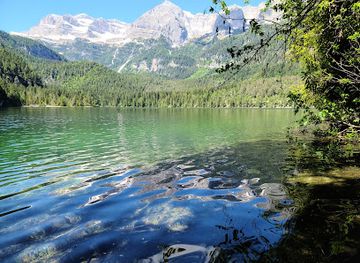
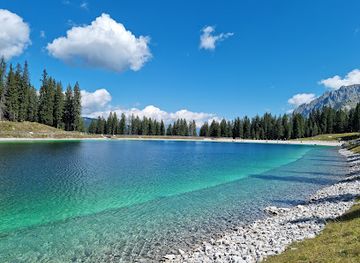
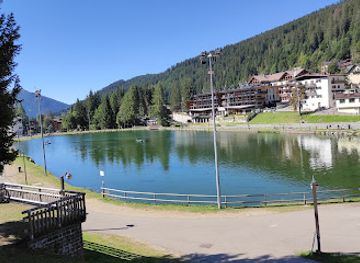
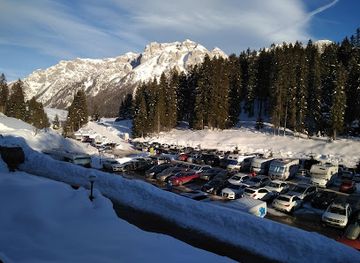
Madonna di Campiglio's principal attractions are its mountain landscapes and the routes leading into them. The Brenta Dolomites rise east of the resort in a succession of pale pinnacles, ridges and climbing walls, with paths and lift-assisted excursions providing access to high viewpoints. To the west, the Adamello and Presanella ranges offer a more glacial setting, reached through the surrounding valleys and protected areas of Adamello Brenta Nature Park. Lago delle Malghette is a popular mountain-lake destination, while the Val Genova valley near Carisolo is known for waterfalls, forests and access to the Adamello landscape. The resort itself provides a convenient base for skiing across the Campiglio Dolomiti di Brenta area, which links Madonna di Campiglio with Folgarida-Marilleva and Pinzolo. Nearby villages such as Pinzolo, Carisolo and Sant'Antonio di Mavignola add churches, valley culture and everyday alpine character to excursions beyond the central resort.
-
Country park
Parco Naturale Adamello Brenta Geoparco
Discover the stunning landscapes, diverse wildlife, and rich geological history of this UNESCO Global Geopark in the heart of the Trentino region.
-
Tourist attraction
Lago Montagnoli
Discover Lago Montagnoli: A picturesque alpine lake in Trentino, perfect for hiking, picnics, and serene relaxation amidst stunning mountain scenery.
-
Mountain cable car
Cabinovia Spinale
Ascend to panoramic views of the Brenta Dolomites via this modern cable car, gateway to year-round alpine adventures.
-
Tourist attraction
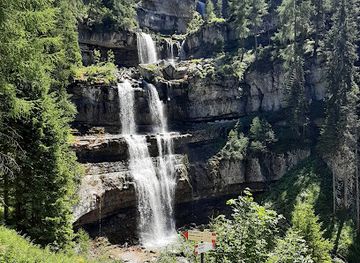
Cascata di Mezzo
Discover the majestic Cascata di Mezzo in Trentino: a stunning waterfall surrounded by breathtaking natural beauty. Perfect for hikers and nature enthusiasts.
Best landmarks in Madonna di Campiglio
The Brenta Dolomites are Madonna di Campiglio's defining natural landmark, their pale sedimentary towers and sharply cut ridges forming a dramatic contrast with the darker, more massive granite landscapes of Adamello and Presanella to the west. The surrounding peaks, passes and alpine lakes fall within the wider setting of Adamello Brenta Nature Park, whose protected forests, valleys and high pastures give the region much of its environmental significance. In the resort, the church of Santa Maria Antica is an important local religious landmark, while historic hotels and the established mountain-resort streets reflect the settlement's nineteenth-century tourism heritage. Lago delle Malghette provides a more intimate natural landmark among forests and high meadows. Beyond Madonna di Campiglio, the churches and village centres of Pinzolo, Carisolo and Val Rendena preserve the cultural landscape through which historic pastoral and trading routes once passed.
-
Mountain cabin
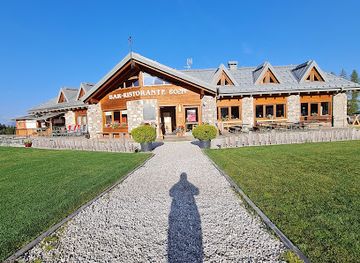
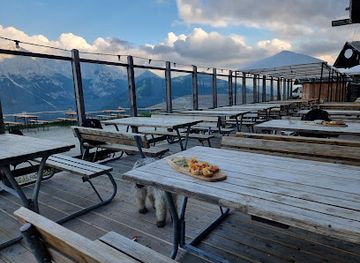
Rifugio Boch
Experience authentic Trentino cuisine and stunning Dolomite views at Rifugio Boch, the perfect mountain retreat in Madonna di Campiglio.
-
Mountain cabin
Rifugio Malga Ritorto
Experience the serene beauty of the Dolomites at Rifugio Malga Ritorto, a cozy mountain cabin perfect for adventure and relaxation.
-
Mountain cabin
Rifugio Tuckett e Sella
Discover the serene beauty and hearty cuisine of Rifugio Tuckett e Sella, a charming mountain cabin in the breathtaking Dolomites of Italy.
-
 Hotel
HotelVallesinella
Explore the breathtaking beauty of Vallesinella, a serene alpine retreat perfect for outdoor adventures and relaxation in the heart of the Dolomites.
Explore Madonna di Campiglio on the map
Plan your trip on one map. See where the top attractions, landmarks, restaurants and hotels are, and book hotels and experiences in a few clicks.
Best hotels in Madonna di Campiglio
Best restaurants in Madonna di Campiglio
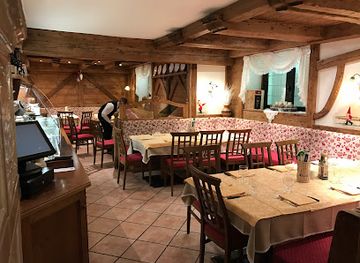
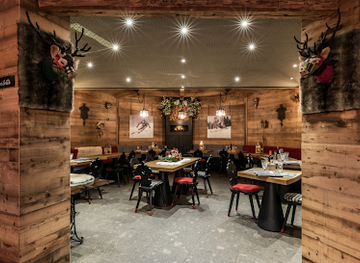
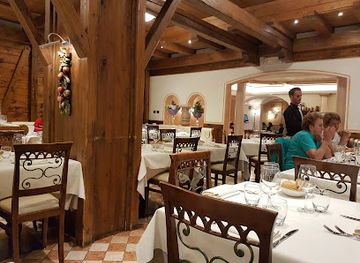
Dining in Madonna di Campiglio combines polished alpine hospitality with the cooking traditions of Trentino. Menus commonly draw on mountain products such as speck, local cheeses, mushrooms, polenta, potatoes and small fruits, while canederli, or bread dumplings, are among the region's best-known traditional dishes. Game and freshwater fish may appear seasonally, and vineyards in the wider Trentino area supply wines suited to hearty mountain food. The resort has the greatest concentration of restaurants, cafés and hotel dining rooms, while Pinzolo and other settlements in Val Rendena provide additional options outside Madonna di Campiglio's immediate centre. Mountain refuges and huts can offer simple meals and refreshments during excursions, but their opening periods and services are seasonal. Visitors looking for local character should also explore village inns and traditional restaurants rather than assuming that resort dining represents the whole valley's cuisine.
-
Italian
Chalet Spinale
Discover authentic Italian cuisine at Chalet Spinale in Madonna di Campiglio, where breathtaking views meet culinary excellence.
-
Pizza
Ristorante Le Roi
Discover authentic Italian flavors at Ristorante Le Roi in Madonna di Campiglio—your ultimate destination for delightful pizza and alpine charm.
-
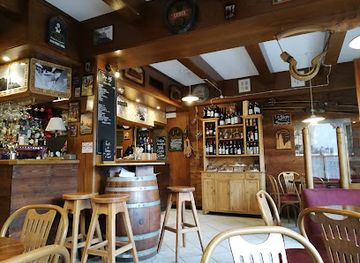
Brewpub
Home Stube
Experience authentic Italian flavors at Home Stube Brewpub in Madonna di Campiglio—where culinary excellence meets alpine charm.
-
Italian
Ristorante Antico Focolare
Experience authentic Italian cuisine at Ristorante Antico Focolare in Madonna di Campiglio - a culinary haven surrounded by breathtaking alpine beauty.
Best bars in Madonna di Campiglio
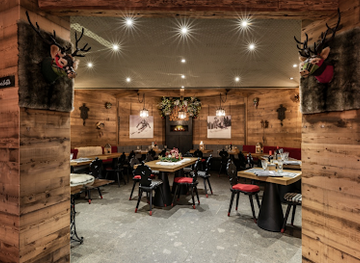
Madonna di Campiglio has a more active evening scene than many mountain villages, with hotel lounges, wine bars, cafés and après-ski venues centred on the resort's compact streets. Evening life is generally social and seasonal rather than built around a large nightclub district, and the atmosphere changes markedly between the busy winter ski period and quieter summer nights. Drinks may include Trentino wines, grappa and locally produced beers, alongside familiar Italian aperitivo traditions. In surrounding Val Rendena villages such as Pinzolo, evenings are usually more relaxed, with bars and traditional meeting places serving local residents and visitors. Cultural events, live music and festive programmes may be arranged at particular times of year, but availability varies, so current local listings are more reliable than assuming a permanent schedule.
-
Pizza
Ristorante Le Roi
Discover the flavors of Italy at Ristorante Le Roi, Madonna di Campiglio’s premier destination for authentic pizza and delicious Italian cuisine.
-
Brewpub
Home Stube
Discover the flavors of Italy at Home Stube, a cozy brewpub offering craft beer and hearty meals in the stunning Madonna di Campiglio.
-
Restaurant
Ristorante Pizzeria al Pappagallo
Discover the flavors of Italy at Ristorante Pizzeria al Pappagallo, a top-rated restaurant in Madonna di Campiglio known for its exceptional pizza and warm atmosphere.
-
Bar
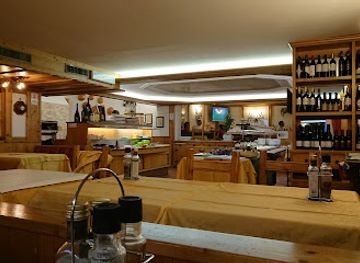
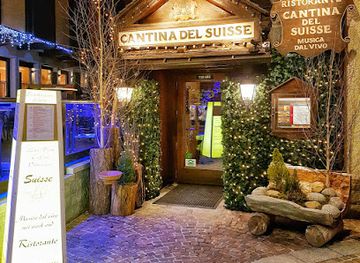
Bar Suisse
Experience the charm of Bar Suisse in Madonna di Campiglio, where cozy ambiance meets exquisite drinks and delightful pastries.

Best nightclubs in Madonna di Campiglio
Madonna di Campiglio has a more active evening scene than many mountain villages, with hotel lounges, wine bars, cafés and après-ski venues centred on the resort's compact streets. Evening life is generally social and seasonal rather than built around a large nightclub district, and the atmosphere changes markedly between the busy winter ski period and quieter summer nights. Drinks may include Trentino wines, grappa and locally produced beers, alongside familiar Italian aperitivo traditions. In surrounding Val Rendena villages such as Pinzolo, evenings are usually more relaxed, with bars and traditional meeting places serving local residents and visitors. Cultural events, live music and festive programmes may be arranged at particular times of year, but availability varies, so current local listings are more reliable than assuming a permanent schedule.
-
Bar
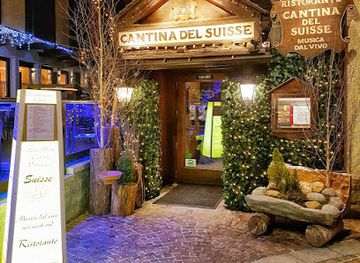
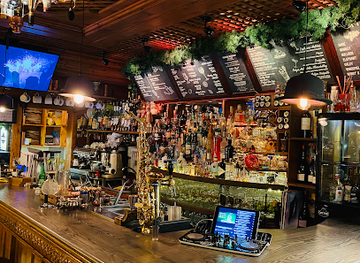
Bar Suisse
Experience the charm of Bar Suisse in Madonna di Campiglio, where cozy ambiance meets delicious offerings amidst stunning alpine views.
-
Bar
Cafe D'or
Discover the charm of Cafe D'or, a cozy bar in Madonna di Campiglio offering exquisite drinks and a vibrant atmosphere amidst the stunning Alps.
-
Pub
Pub Dolomiti
Discover the vibrant atmosphere of Pub Dolomiti in Madonna di Campiglio, where locals and tourists unite over drinks and good times in the heart of the Dolomites.
-
Bar
LAB Après-ski
Discover the ultimate après-ski experience at LAB Après-ski, where creative cocktails meet a vibrant atmosphere in beautiful Madonna di Campiglio.
Best shops in Madonna di Campiglio
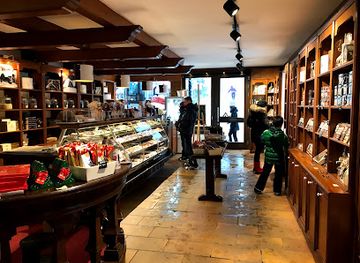
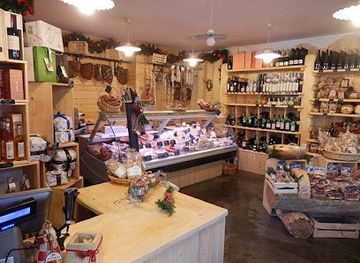
Shopping in Madonna di Campiglio is focused on practical mountain needs, resort clothing, food products and small-scale gifts rather than a large regional retail scene. The central streets contain outdoor and ski-related businesses, sports equipment services, cafés and shops aimed at visitors, while local products may include Trentino cheeses, cured meats, honey, preserves, wine and grappa. Traditional craft and alpine-themed goods are also found in the resort and neighbouring villages, although the range varies by season and individual business. Pinzolo and other Val Rendena settlements provide everyday shops and additional food retailers, while larger purchases may require travelling farther down the valley or to a regional town. Farm shops and local producers are useful for discovering the agricultural character of Trentino, but visitors should check opening arrangements rather than expect every rural business to operate as a permanent market.
-
Supermarket
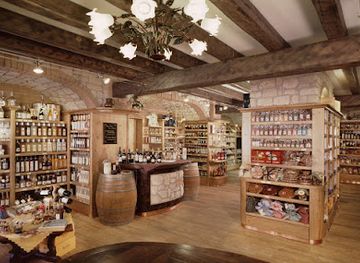
Ballardini Gourmet Market Enoteca Wineshop
Experience the best of Trentino's culinary delights at Ballardini Gourmet Market Enoteca Wineshop, where local flavors and fine wines await.
-
Clothing store
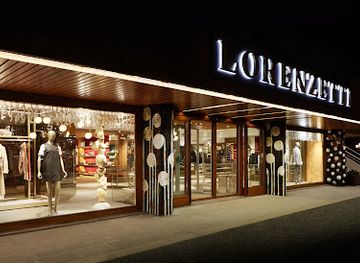
Lorenzetti Luxury
Discover stylish apparel for all ages at Lorenzetti Luxury, your go-to clothing store in beautiful Madonna di Campiglio, Italy.
-
Chocolate shop
Casa del cioccolato
Experience the essence of Italian chocolate at Casa del Cioccolato in Madonna di Campiglio, where every bite is a taste of artistry and passion.
-
Wine store
Sfiziosità da Marcello
Discover the finest wines and gourmet specialties at Sfiziosità da Marcello in Madonna di Campiglio, a true culinary gem in the Italian Alps.
Get your free copy of our complete guide to Madonna di Campiglio, delivered straight to you.
Everything on this page, from attractions and restaurants to essentials and local phrases, in one PDF you can read offline, print or share.
Already have an account? Sign in
Your Madonna di Campiglio guide is ready.
We'll send it to · Not you? Sign out

Getting your guide ready…
We are putting together a fresh copy of the Madonna di Campiglio guide. This can take up to a minute.
This can take a few moments. If your browser asks, choose Allow so the download can start. You'll find the guide in your Downloads folder.
Nothing happened? Download it again
Sorry, the guide is taking longer than usual. Please try again in a minute, or get it by email instead.
Madonna di Campiglio essentials
Currency and Payment
Safety
Emergency Situations
Do's and Don'ts
Local Tips
From Eve
Local phrases worth knowing
You don't need to get them perfect. A few words go a long way, and locals appreciate the effort.
Basics
| English | Local | Say it |
|---|---|---|
| Hello | Ciao | [chow] |
| Goodbye | Arrivederci | [ah-ree-veh-DEHR-chee] |
| Yes | Sì | [see] |
| No | No | [noh] |
| Please/You're welcome | Per favore/Prego | [pehr fah-VOH-reh/preh-goh] |
| Thank you | Grazie | [GRAH-tsyeh] |
| Excuse me/Sorry | Scusi/Mi dispiace | [SKOO-zee/mee dee-SPYAH-cheh] |
| How are you? | Come stai? | [KOH-meh stai] |
| Fine. And you? | Bene. E tu? | [BEH-neh. eh too] |
| Do you speak English? | Parli inglese? | [PAR-lee een-GLAY-zeh] |
| I don't understand | Non capisco | [nohn kah-PEES-koh] |
Eating & Drinking
| English | Local | Say it |
|---|---|---|
| I'd like to see the menu, please | Vorrei vedere il menù, per favore | [vohr-REH-ee veh-DEH-reh eel meh-NOO, pehr fah-VOH-reh] |
| I don't eat meat | Non mangio carne | [nohn MAHN-joh KAHR-neh] |
| Cheers! | Salute! | [sah-LOO-teh] |
| I would like to pay, please | Vorrei pagare, per favore | [vohr-REH-ee pah-GAH-reh, pehr fah-VOH-reh] |
Emergencies
| English | Local | Say it |
|---|---|---|
| Help! | Aiuto! | [ah-YOO-toh] |
| Go away! | Vai via! | [vah-ee VEE-ah] |
| Call the Police! | Chiamate la polizia! | [kyah-MAH-teh lah poh-LEE-tsyah] |
| Call a doctor! | Chiamate un dottore! | [kyah-MAH-teh oon DOHT-toh-reh] |
| I'm lost | Mi sono perso | [mee SOH-noh PEHR-soh] |
| I'm ill | Sono malato | [SOH-noh mah-LAH-toh] |
Shopping
| English | Local | Say it |
|---|---|---|
| I'd like to buy... | Vorrei comprare... | [vohr-REH-ee kohm-PRah-reh] |
| I'm just looking | Sto solo guardando | [stoh SOH-loh gwahr-DAHN-doh] |
| How much is it? | Quanto costa? | [KWAHN-toh KOHS-tah] |
| That's too expensive | È troppo caro | [eh TROH-poh KAH-roh] |
| Can you lower the price? | Puoi abbassare il prezzo? | [PWoh-ee ahb-bah-SAH-reh eel PREHT-soh] |
Time & Numbers
| English | Local | Say it |
|---|---|---|
| What time is it? | Che ora è? | [keh OH-rah eh] |
| It's one o'clock | È l'una | [eh LOO-nah] |
| Half past (10) | Sono le dieci e mezza | [SOH-noh leh DYE-chee eh MEHT-sah] |
| Morning | Mattina | [maht-TEE-nah] |
| Afternoon | Pomeriggio | [poh-meh-REE-joh] |
| Evening | Sera | [SEH-rah] |
| Yesterday | Ieri | [YEH-ree] |
| Today | Oggi | [OH-jee] |
| Tomorrow | Domani | [doh-MAH-nee] |
| 1 | Uno | [OO-noh] |
| 2 | Due | [DOO-eh] |
| 3 | Tre | [TREH] |
| 4 | Quattro | [KWAHT-troh] |
| 5 | Cinque | [CHEEN-kweh] |
| 6 | Sei | [SEH-ee] |
| 7 | Sette | [SEHT-teh] |
| 8 | Otto | [OH-ttoh] |
| 9 | Nove | [NOH-veh] |
| 10 | Dieci | [DYEH-chee] |
Transport & Directions
| English | Local | Say it |
|---|---|---|
| Where's a/the...? | Dov'è...? | [doh-VEH] |
| What's the address? | Qual è l'indirizzo? | [kwahl eh leen-dee-REET-soh] |
| Can you show me (on the map)? | Puoi mostrarmi (sulla mappa)? | [PWoh-ee mohs-TRAHR-mee (SOOL-lah MAHP-pah)] |
| When's the next (bus)? | Quando passa il prossimo (autobus)? | [KWAHN-doh PAHSS-sah eel PROHS-soh-moh (ow-TOH-boos)] |
| A ticket (to ....) | Un biglietto (per ....) | [oon bee-LYEH-toh (pehr)] |
History of Madonna di Campiglio
A Mountain Landscape Shaped by Ice
The valleys and peaks around Madonna di Campiglio were formed through long geological processes and later shaped by glacial erosion. The Brenta Dolomites are composed largely of pale carbonate rock whose weathering produced towers, ridges and sheer walls, while the Adamello-Presanella group to the west has a different granitic character and includes extensive high mountain terrain. Glaciers, seasonal snow and meltwater helped create the basins, lakes and valleys that later guided settlement, pastoral movement and routes across the mountains. This geological contrast remains one of the defining features of the area, with limestone spires and darker alpine massifs visible from many viewpoints.
Pastoral Life in the Rendena Mountains
Before the arrival of modern tourism, the surrounding valleys were shaped by small-scale agriculture, forestry and transhumance. Communities in Val Rendena and the neighbouring valleys moved livestock between valley settlements and seasonal alpine pastures, where hay meadows, barns and mountain huts supported cattle and dairy production. Tracks connecting villages, passes and grazing areas formed the practical network later used by walkers and mountaineers. Local life was closely tied to the mountain environment, with timber, livestock, cheese-making and limited trade providing important resources. Many nearby villages still retain churches, farm buildings and rural landscapes that express this older relationship with the Alps.
The Rise of Nineteenth-Century Tourism
Madonna di Campiglio developed as a recognised mountain resort during the nineteenth century, when improved roads and growing interest in alpine scenery brought visitors from beyond Trentino. Accommodation and hospitality expanded around the settlement, which began to serve both summer travellers and mountaineers exploring the Brenta group and the higher peaks towards Adamello. The resort's location between two major mountain systems gave it an appeal that combined scenic variety with access to emerging alpine routes. This period established the foundations of its later identity as a destination for organised mountain holidays rather than solely a local pastoral settlement.
From Mountaineering to Winter Sport
During the twentieth century, Madonna di Campiglio evolved from a seasonal summer resort into a major centre for winter tourism. The construction and expansion of ski lifts, pistes and supporting accommodation connected the resort with neighbouring sectors and helped make skiing central to its economy. Alpine competitions and high-profile winter events further strengthened its international reputation, while summer walking and climbing remained important parts of the annual cycle. The growth of tourism brought substantial change to the built environment and transport network, but it also increased attention to landscape management in the surrounding mountains.
Protected Landscapes and Modern Stewardship
Adamello Brenta Nature Park was established in 1967 and later expanded as a framework for protecting a large area of Trentino's mountains, forests, lakes and alpine habitats. The park encompasses landscapes around Madonna di Campiglio and links outdoor recreation with conservation, environmental education and monitoring. Protection has become increasingly significant as tourism, changing snow conditions and pressure on mountain ecosystems influence the area. Today, visitors encounter a destination where ski infrastructure and established paths coexist with protected valleys, wildlife habitats and traditional pastoral landscapes, provided that recreation is carried out in accordance with local regulations.
Madonna di Campiglio in Photos
Browse through our photo collection highlighting the charm and character of the destination.
Neighbouring destination travel guides
The closest destinations to Madonna di Campiglio, if you have time for more than one.
-

-

-
-

-


Swipe for more destinations
Explore more

Explore more of Val di Non
Discover Val di Non, Italy's serene valley of apple orchards, majestic mountains, and historic treasures. A perfect blend of nature, adventure, and culture awaits.
Explore Val di Non
Explore more of Italy
Discover Italy: A land of ancient history, artistic marvels, and culinary delights; where every corner reveals a new story and every meal is a celebration.
Explore Italy