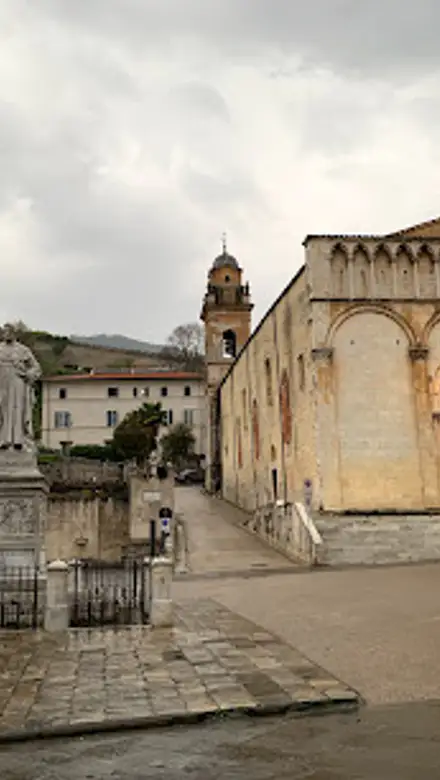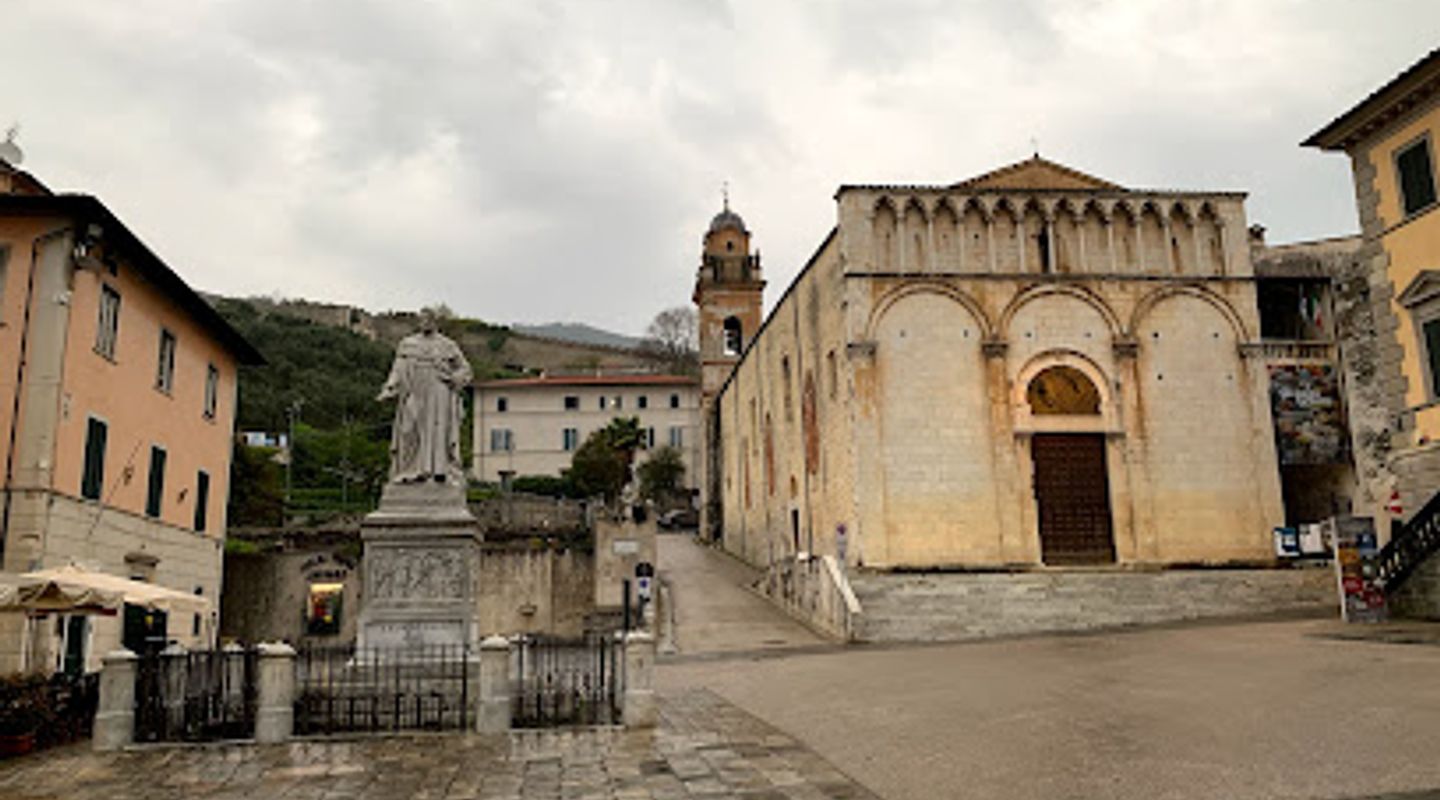
Duomo di Pietrasanta, Versilia Travel Guide
Discover the Duomo di Pietrasanta, a stunning blend of art and spirituality in the heart of Tuscany's picturesque landscape.
The Duomo di Pietrasanta, an architectural gem located in the heart of Tuscany, stands as a magnificent symbol of both religious devotion and artistic mastery. This stunning cathedral draws tourists from around the world, eager to admire its intricate design, historical significance, and the vibrant atmosphere of its surrounding piazza.
A brief summary to Duomo di Pietrasanta
- Piazza Duomo, Pietrasanta, Province of Lucca, 55045, IT
- Click to display
- Click to display

Know before you go
Hi, I'm Eve. Here are a few practical things to know before exploring Duomo di Pietrasanta.
- Visit early in the morning or late afternoon to avoid crowds and fully appreciate the cathedral's beauty.
- Don't miss the chance to explore the surrounding piazza, filled with local artisan shops and delightful cafés.
- Check the schedule for any special events or services that might enhance your visit.
- Take a guided tour to learn more about the cathedral's rich history and its significance in the local community.
Do you manage this location?
Take control to get all the benefits, like improved information, better appearance, and stronger visibility across AI-powered discovery. Learn more about listing your business on Evendo
Activate your presenceOther nearby places you may find interesting
The closest places of the same kind, if this one is not quite what you had in mind.

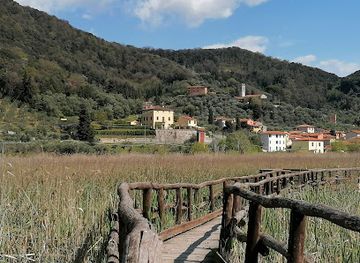

Explore Duomo di Pietrasanta on the Map
A handpicked selection of must-see spots near Duomo di Pietrasanta, mapped for you.
Unlock the Best of Duomo di Pietrasanta
Buy tickets
-
No tickets available
Book tours with entry

Book tours without entry
-
No tours available
Getting There
-
Car
If you are driving, head towards Pietrasanta. From Via Aurelia (SS1), take the exit for Pietrasanta. Follow signs for the city center. Once in Pietrasanta, look for Piazza Duomo. There are parking options nearby, including free and paid parking areas. The Duomo di Pietrasanta is located directly in the Piazza.
-
Public Transportation
To reach Duomo di Pietrasanta by public transport, take a train to Pietrasanta station, which is well-connected to major cities like Florence and Lucca. From the station, exit and walk towards Via Garibaldi. Continue straight until you reach the roundabout and take the first exit towards the city center. Follow the signs to Piazza Duomo, which is approximately a 15-minute walk from the station.
Discover more about Duomo di Pietrasanta













Your all‑in‑one travel companion app
Explore expert travel guides, compare and book tours, experiences, hotels, and more—all from the palm of your hand. Download now for seamless trip planning wherever your wanderlust takes you.


Explore More of Versilia

Looking beyond Duomo di Pietrasanta? Discover Versilia for broader travel guides, local hot-spots, and regional highlights.
Explore Versilia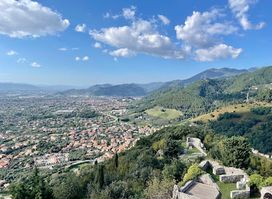
Explore Aghinolfi Castle in Montignoso: a historic fortress with stunning views, an archaeological park, and a glimpse into Tuscany's past.
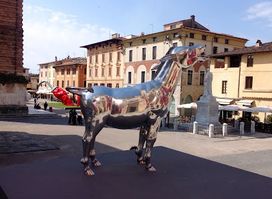
Explore the historic Palazzo Moroni in Pietrasanta, a captivating museum showcasing art and culture in a stunning architectural gem.