

Porta Venezia (Milan) Travel Guide - Free
Explore Porta Venezia in Milan with Evendo's free guide. Find the best shops, historic streets, restaurants, and gems on web or mobile.


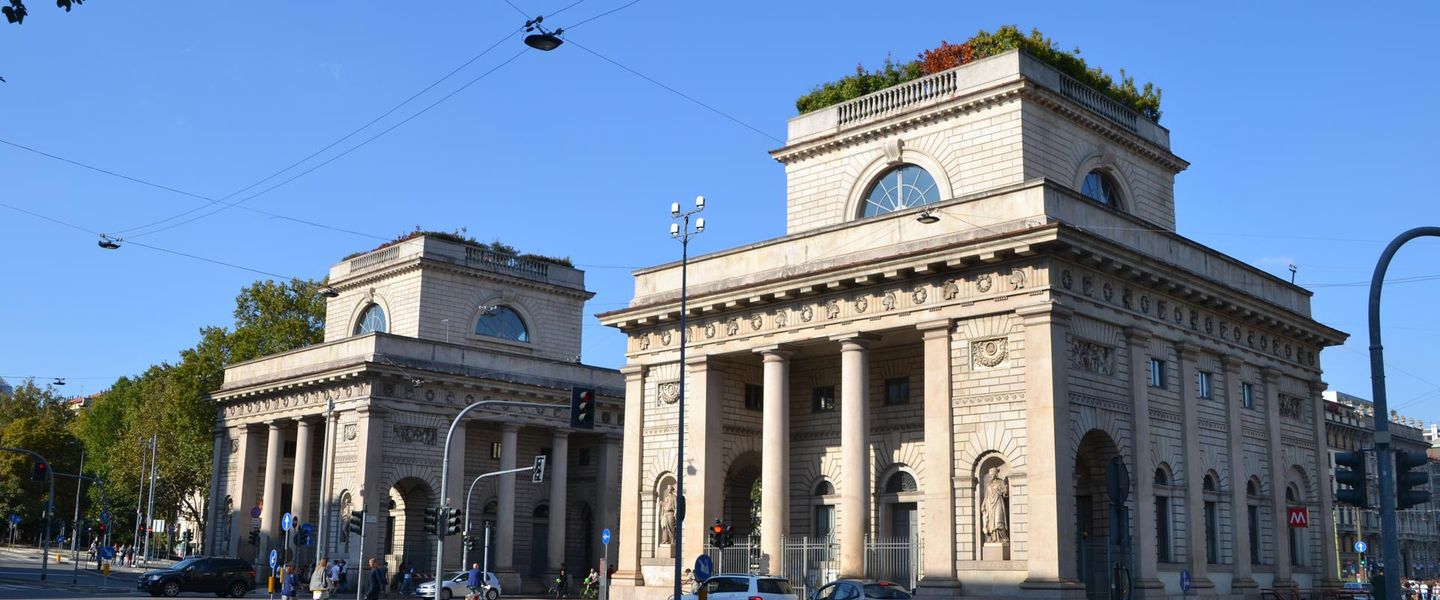


Porta Venezia in Milan blends Art Nouveau villas, Giardini Indro Montanelli, LGBTQ+ nightlife, global dining and Corso Buenos Aires shopping.
Architecture, Gardens and Urban Character
Porta Venezia occupies a lively stretch of central Milan between the historic centre and the northern districts, organised around the monumental gateway of the same name, Corso Buenos Aires and the tree-lined Giardini Indro Montanelli. Its streets combine grand nineteenth-century apartment blocks, Liberty-style façades, elegant villas and busy commercial avenues, while quieter side roads reveal cafés, courtyards and residential life. Corso Venezia forms the neighbourhood’s refined southern edge, linking it with Milan’s historic centre and the gardens.Read more about Porta Venezia
Culture and Everyday Life
Shopping and Street Life
Best attractions in Porta Venezia
The Giardini Indro Montanelli form Porta Venezia’s main visitor landscape, with broad paths, lawns and mature trees surrounding the Museo Civico di Storia Naturale, the Galleria d’Arte Moderna and PAC Padiglione d’Arte Contemporanea. The museums give the park a strong cultural focus, while the gardens themselves offer a welcome contrast to the traffic and retail activity of Corso Buenos Aires. At the southern entrance, the monumental Porta Venezia marks the historic route into the district, and Corso Venezia provides a graceful walk lined with palaces, villas and institutional buildings. Architecture enthusiasts should continue along Via Malpighi and Via Pisacane to see some of Milan’s most recognisable Liberty façades. For a more contemporary experience, the streets around Via Lecco and Via Melzo offer cafés, bars and restaurants that reflect the neighbourhood’s open, socially diverse character.
-
Shopping mall
Galleria Vittorio Emanuele II
Experience Milan's 'living room': a historic landmark blending luxury shopping, stunning architecture, and Italian tradition.
5 min drive · 1.6 km from neighbourhood centre
-
Tourist attraction
Sforzesco Castle
Explore Milan's iconic Sforzesco Castle: a historic fortress housing world-class museums and art, surrounded by the beautiful Parco Sempione.
6 min drive · 2.1 km from neighbourhood centre
-
Park
Parco Sempione
Escape to Milan's largest park, a green oasis with historical landmarks, art and recreational activities, right in the city center.
7 min drive · 2.2 km from neighbourhood centre
-
Tourist attraction
Milan Natural History Museum
Explore the wonders of nature at Milan's Natural History Museum, home to Italy's largest collection of dioramas and fascinating exhibits.
4 min walk · 0.3 km from neighbourhood centre


Best landmarks in Porta Venezia
Porta Venezia itself is the neighbourhood’s defining architectural marker, a nineteenth-century neoclassical gateway that replaced the older eastern entrance to Milan. The Giardini Indro Montanelli are significant as one of the city’s earliest major public parks, created during the late eighteenth-century Habsburg remodelling of Milan. Within and beside the gardens, the Villa Reale, the Museo Civico di Storia Naturale and the Galleria d’Arte Moderna form an important group of civic and aristocratic buildings. Around Via Malpighi and Via Pisacane, Liberty façades, wrought-iron balconies and sculpted decoration record the ambitions of Milan’s early twentieth-century residential development. Corso Venezia supplies a further sequence of palaces and villas, linking Porta Venezia’s local landmarks with the historic centre without making them indistinguishable from it.
-
Park
Indro Montanelli Gardens
Explore the lush greenery and historical charm of Indro Montanelli Gardens, a serene oasis in the heart of Milan, perfect for relaxation and exploration.
6 min walk · 0.5 km from neighbourhood centre
-
Historical landmark
Porta Venezia
Explore Porta Venezia, a stunning historical landmark in Milan, where architectural beauty meets vibrant local culture and rich history.
1 min walk · 0.1 km from neighbourhood centre
-
Historical place
Palazzo Serbelloni
Explore the exquisite Palazzo Serbelloni, a historical landmark in Milan, where art, culture, and nature blend seamlessly in a captivating experience.
10 min walk · 0.8 km from neighbourhood centre
-
Monument
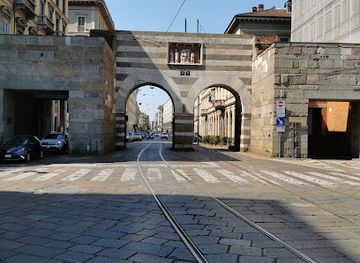
Arches of Ancient Porta Nuova
Explore the Arches of Ancient Porta Nuova, a timeless monument in Milan that showcases the city's rich history and stunning architecture.
11 min walk · 0.9 km from neighbourhood centre


Explore Porta Venezia on the map
A handpicked selection of must-see spots in Porta Venezia, mapped for you.
Best hotels in Porta Venezia
Best restaurants in Porta Venezia
Porta Venezia has one of Milan’s broadest local dining mixes, moving from polished establishments around Corso Venezia to informal cafés, bakeries and international restaurants on the side streets. Via Melzo and Via Lecco are particularly associated with relaxed eating and evening gatherings, while Corso Buenos Aires supplies plentiful coffee, quick meals and everyday shopping stops. Milanese specialities appear alongside food from many international communities, giving the area a more outward-looking culinary personality than a purely traditional quarter. Vegetarian and plant-based options are relatively visible, as are aperitivo venues and casual places suited to lingering conversations. The neighbourhood’s market-style food culture is less concentrated than in a dedicated historic market district, so the experience lies in comparing small businesses and restaurants across several streets rather than visiting one single food hall or destination.
-
Pizza
Maruzzella
Experience true Italian cuisine at Maruzzella in Milan – where delicious pizza meets warm hospitality.
1 min walk · 0.1 km from neighbourhood centre
-
Italian
Rosy e Gabriele 1
Experience authentic Italian flavors at Rosy e Gabriele in Milan – home to delicious pizzas and fresh seafood in a cozy setting.
2 min walk · 0.2 km from neighbourhood centre
-
Restaurant
Venice Ristorante Pizzeria
Discover the essence of Italy at Venice Ristorante Pizzeria in Milan - where every bite is a journey through authentic flavors.
1 min walk · 0.1 km from neighbourhood centre
-
Italian
ToscaNino Milano
Experience authentic Tuscan flavors at ToscaNino Milano – where Italian tradition meets modern flair in the heart of Milan.
3 min walk · 0.3 km from neighbourhood centre


Best bars in Porta Venezia
After dark, Porta Venezia becomes one of Milan’s most recognisable LGBTQ+ nightlife districts, with bars and venues concentrated particularly around Via Lecco and extending towards Via Melzo and nearby streets. The mood ranges from informal outdoor aperitivo gatherings to late evening drinks, dancing and themed events, though the precise programme and opening arrangements vary. The area also has cocktail bars, wine-focused venues and cafés that remain active after dinner, giving visitors alternatives to club-oriented nightlife. Corso Buenos Aires is more commercial and generally less atmospheric at night, while the gardens are not an evening entertainment zone. Because much of the nightlife sits among apartment buildings, visitors should keep voices down outside venues, respect queues and avoid blocking residential entrances.
-
Bar
The Tropical Cream Snc
Experience the vibrant nightlife of Milan at The Tropical Cream Snc, where delicious cocktails and a lively atmosphere await every night.
2 min walk · 0.2 km from neighbourhood centre
-
Cocktail bar
Turnè
Experience the essence of Milan's nightlife at Turnè, a cocktail bar offering innovative drinks in a cozy atmosphere.
4 min walk · 0.3 km from neighbourhood centre
-
Bar
Casa Mia Cocktail Bar
Experience the vibrant nightlife of Milan at Casa Mia Cocktail Bar, where crafted cocktails and a cozy atmosphere await every visitor.
5 min walk · 0.4 km from neighbourhood centre
-
Cocktail bar
Malpighi 8
Discover the lively ambiance and exquisite cocktails at Malpighi 8, a must-visit cocktail bar in Milan's nightlife scene.
2 min walk · 0.2 km from neighbourhood centre


Best nightclubs in Porta Venezia
After dark, Porta Venezia becomes one of Milan’s most recognisable LGBTQ+ nightlife districts, with bars and venues concentrated particularly around Via Lecco and extending towards Via Melzo and nearby streets. The mood ranges from informal outdoor aperitivo gatherings to late evening drinks, dancing and themed events, though the precise programme and opening arrangements vary. The area also has cocktail bars, wine-focused venues and cafés that remain active after dinner, giving visitors alternatives to club-oriented nightlife. Corso Buenos Aires is more commercial and generally less atmospheric at night, while the gardens are not an evening entertainment zone. Because much of the nightlife sits among apartment buildings, visitors should keep voices down outside venues, respect queues and avoid blocking residential entrances.
-
Bar
LOVE
Discover the vibrant nightlife at LOVE, an inexpensive bar in Milan offering cocktails, music, and a lively atmosphere perfect for socializing.
5 min walk · 0.4 km from neighbourhood centre
-
Disco club
Republic Milano
Discover the ultimate nightlife experience at Republic Milano, a premier disco club in the heart of Milan known for its vibrant atmosphere and electrifying music.
8 min walk · 0.6 km from neighbourhood centre
-
Night club
Peacock Lounge
Experience the pulsating nightlife of Milan at Peacock Lounge, where vibrant music and exquisite cocktails create unforgettable memories.
4 min walk · 0.4 km from neighbourhood centre
-
Night club
La Carrozzeria Club
Discover the electrifying nightlife of Milan at La Carrozzeria Club, where music, dancing, and unforgettable moments await you.
7 min walk · 0.5 km from neighbourhood centre



Best shops in Porta Venezia
Shopping in Porta Venezia ranges from the large-scale retail frontage of Corso Buenos Aires to smaller independent businesses scattered along Via Melzo, Via Lecco and the surrounding residential streets. Corso Buenos Aires is one of Milan’s principal shopping avenues, with mainstream fashion, footwear, beauty and everyday services rather than a specialist historic market atmosphere. The side streets offer a more varied browse through cafés, food shops, vintage-oriented businesses, design details and contemporary independent retail, although the mix changes over time. Corso Venezia is more architectural than commercial, with elegant buildings and a polished city-centre feel. Visitors seeking traditional Milanese produce should not expect one defining neighbourhood market; Porta Venezia’s retail character is instead a layered combination of long-established commercial activity and smaller businesses shaped by its diverse local community.
-
Clothing store
Vivienne Westwood
Discover the essence of British punk fashion at Vivienne Westwood in Milan, offering unique couture and striking designs for men and women.
9 min walk · 0.8 km from neighbourhood centre
-
Novelty store
THUN Shop Milano MiTHUN
Explore the enchanting THUN Shop in Milan for exquisite novelty gifts and unique wedding souvenirs that embody Italian craftsmanship.
9 min walk · 0.7 km from neighbourhood centre
-
Vintage clothing store
East Market Shop
Explore the artistic charm of East Market Shop in Milan, where vintage fashion meets unique style in a vibrant atmosphere.
6 min walk · 0.5 km from neighbourhood centre
-
Women's clothing store
Boutique Due di Due Milano
Explore Boutique Due di Due Milano for elegant women's fashion that captures Milan's chic style and sophistication.
7 min walk · 0.6 km from neighbourhood centre


Porta Venezia essentials
Getting There
Getting Around
Safety
Emergency Situations
Do's and Don'ts
Local Tips

From Eve
Local phrases worth knowing
You don't need to get them perfect. A few words go a long way, and locals appreciate the effort.
Basics
| English | Local | Say it |
|---|---|---|
| Hello | Ciao | [chow] |
| Goodbye | Arrivederci | [ah-ree-veh-dehr-chee] |
| Yes | Sì | [see] |
| No | No | [noh] |
| Please/You're welcome | Per favore/Prego | [pair fah-voh-reh/preh-goh] |
| Thank you | Grazie | [grah-tsyeh] |
| Excuse me/Sorry | Mi scusi/Scusa | [mee skoo-zee/skoo-sah] |
| How are you? | Come stai? | [koh-meh stai] |
| Fine. And you? | Bene. E tu? | [beh-neh. eh too] |
| Do you speak English? | Parli inglese? | [pahr-lee een-gleh-zeh] |
| I don't understand | Non capisco | [nohn kah-pee-skoh] |
Eating & Drinking
| English | Local | Say it |
|---|---|---|
| I'd like to see the menu, please | Vorrei vedere il menù, per favore | [vohr-ray veh-deh-reh eel meh-noo, pair fah-voh-reh] |
| I don't eat meat | Non mangio carne | [nohn mahn-joh kahr-neh] |
| Cheers! | Salute! | [sah-loo-teh] |
| I would like to pay, please | Vorrei pagare, per favore | [vohr-ray pah-gah-reh, pair fah-voh-reh] |
Emergencies
| English | Local | Say it |
|---|---|---|
| Help! | Aiuto! | [ah-yoo-toh] |
| Go away! | Vai via! | [vah-ee vee-ah] |
| Call the Police! | Chiama la polizia! | [kyah-mah lah poh-lee-tsya] |
| Call a doctor! | Chiama un dottore! | [kyah-mah oon doht-toh-reh] |
| I'm lost | Mi sono perso/a | [mee soh-noh pehr-soh/ah] |
| I'm ill | Sto male | [stoh mah-leh] |
Shopping
| English | Local | Say it |
|---|---|---|
| I'd like to buy... | Vorrei comprare... | [vohr-ray kohm-prah-reh] |
| I'm just looking | Sto solo guardando | [stoh soh-loh gwar-dahn-doh] |
| How much is it? | Quanto costa? | [kwahn-toh koh-stah] |
| That's too expensive | È troppo caro | [eh troh-poh kah-roh] |
| Can you lower the price? | Puoi abbassare il prezzo? | [pwah-ee ahb-bahs-sah-reh eel preh-tsoh] |
Time & Numbers
| English | Local | Say it |
|---|---|---|
| What time is it? | Che ora è? | [keh oh-rah eh] |
| It's one o'clock | È l'una | [eh loo-nah] |
| Half past (10) | Sono le dieci e mezza | [soh-noh leh dyeh-chee eh meh-tzah] |
| Morning | Mattina | [maht-tee-nah] |
| Afternoon | Pomeriggio | [poh-meh-ree-joh] |
| Evening | Sera | [seh-rah] |
| Yesterday | Ieri | [yeh-ree] |
| Today | Oggi | [oh-jee] |
| Tomorrow | Domani | [doh-mah-nee] |
| 1 | Uno | [oo-noh] |
| 2 | Due | [doo-eh] |
| 3 | Tre | [treh] |
| 4 | Quattro | [kwah-troh] |
| 5 | Cinque | [cheen-kweh] |
| 6 | Sei | [seh-ee] |
| 7 | Sette | [seht-teh] |
| 8 | Otto | [oh-ttoh] |
| 9 | Nove | [noh-veh] |
| 10 | Dieci | [dyeh-chee] |
Transport & Directions
| English | Local | Say it |
|---|---|---|
| Where's a/the...? | Dov'è un/il...? | [doh-veh oon/eel] |
| What's the address? | Qual è l'indirizzo? | [kwahl eh leen-dee-ree-tsoh] |
| Can you show me (on the map)? | Puoi mostrarmi (sulla mappa)? | [pwah-ee mohs-trar-mee soo-lah mahp-pah] |
| When's the next (bus)? | Quando è il prossimo (autobus)? | [kwahn-doh eh eel prohs-shee-moh ow-toh-boos] |
| A ticket (to ....) | Un biglietto (per ....) | [oon beel-lyet-toh pair] |
History of Porta Venezia
The Eastern Gate of Milan
The neighbourhood takes its name from Porta Venezia, one of Milan’s historic city gates on the eastern side of the old walled city. The present gateway was built between 1828 and 1833 to designs by Rodolfo Vantini during the Habsburg period, when the route leading towards Monza and the countryside was being formalised as an important urban approach. It was originally known as Porta Orientale and acquired the name Porta Venezia in 1860, following Italian unification and the association of the eastern route with Venice. The monumental gate helped give the surrounding area a clear identity as Milan expanded beyond its historic core.
Gardens and Aristocratic Expansion
The gardens now known as the Giardini Indro Montanelli were created in the late eighteenth century during Milan’s Habsburg-era transformation, with Giuseppe Piermarini involved in the design of the public gardens opened in 1784. Their creation established a landscaped civic space outside the medieval centre and encouraged development along the nearby Corso Venezia. Aristocratic villas and substantial residences appeared in the surrounding area, including the Villa Reale, while the broad avenues and formal buildings reflected Milan’s growing role as a regional capital. The gardens later became an important recreational and cultural setting rather than simply an ornamental edge to the city.
Nineteenth-Century Urban Growth
During the nineteenth century, Porta Venezia changed from a gateway district into a dense urban quarter as Milan’s population and commercial economy expanded. New apartment buildings, shops and services filled streets around Corso Venezia and the routes leading north-east from the gate. The construction of grand residences and civic institutions gave the area its characteristic mixture of formal façades and active commercial frontage. By the late nineteenth and early twentieth centuries, the development of the long Corso Buenos Aires had reinforced Porta Venezia’s role as a shopping and transport corridor, connecting the historic centre with the northern parts of the growing city.
Liberty Architecture and Contemporary Identity
The early twentieth century brought some of Porta Venezia’s most distinctive architecture, as Milanese Liberty, the Italian expression of Art Nouveau, appeared in villas and apartment buildings around Via Malpighi, Via Pisacane and nearby streets. Decorative ironwork, floral stonework and elaborate façades survived alongside more restrained later construction. In the post-war period, the area retained its commercial and residential importance while developing a particularly visible LGBTQ+ social and nightlife culture, especially around Via Lecco and neighbouring streets. Museums, independent food businesses and contemporary venues have since added further layers, leaving Porta Venezia as both a historic urban quarter and a prominent part of present-day Milanese cultural life.
Porta Venezia in Photos
Browse through our photo collection highlighting the charm and character of the destination.
Neighbourhoods near Porta Venezia
The closest neighbourhoods to Porta Venezia, if you have time for more than one stop.
-

-

-

-

-


Swipe for more neighbourhoods
Explore more

Explore more of Milan
Milan blends Gothic grandeur, design districts and Italian haute cuisine, with the Duomo, Brera art and Navigli canals shaping rich city sightseeing.
Explore Milan