

Free Ascona Travel Guide & Mobile App
Plan your Ascona trip with Evendo. Get free guides to top attractions, restaurants, hotels, and bars. Web access or download the mobile app.


Ascona on Lake Maggiore blends Ticinese history, lakeside promenades, Monte Verità, art, food and scenic excursions in Switzerland’s Italian-speaking south.
The Lake and the Borgo
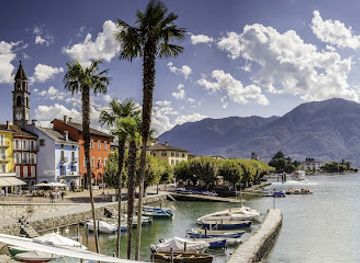
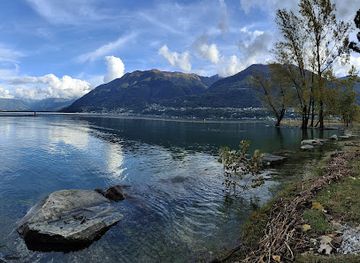
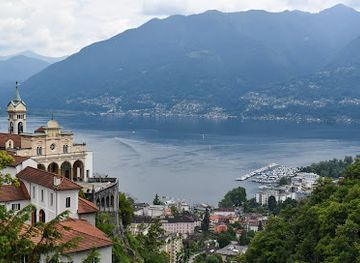
Ascona occupies a sunny northern shore of Lake Maggiore in Ticino, Switzerland’s Italian-speaking canton. Its historic centre, known as the Borgo, descends towards the water in a sequence of narrow lanes, painted façades, small squares and arcaded buildings. Along the lakeside promenade, cafés and restaurants face the lake’s shifting colours, while boats connect the town with other settlements around the Swiss and Italian shores. The atmosphere is relaxed but cultivated, shaped by a long tradition of hospitality, art and independent commerce.Read more about Ascona
Art, Architecture and Monte Verità
Ticinese Surroundings
When is the best time to visit Ascona?
Best: May, August–September · 23–29°C| Month | High (°C) | Rainfall (mm) |
|---|---|---|
| January | 8 | 62 |
| February | 10 | 56 |
| March | 15 | 58 |
| April | 19 | 82 |
| May (best) | 23 | 117 |
| June | 27 | 119 |
| July | 29 | 99 |
| August (best) | 29 | 102 |
| September (best) | 25 | 87 |
| October | 19 | 80 |
| November | 13 | 67 |
| December | 9 | 63 |
Getting to and around Ascona
How to get there
Transportation
Best attractions in Ascona
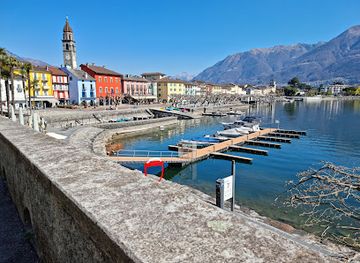
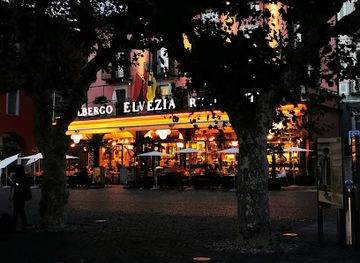
Ascona’s principal sightseeing experience begins in the Borgo, where lanes lead towards the lake and open onto the Piazza Giuseppe Motta promenade, lined with cafés, galleries and views across Lake Maggiore. The Church of Saints Peter and Paul provides an important glimpse of local religious art, while the nearby Collegio Papio adds Renaissance and educational history. On the wooded slopes above town, Monte Verità combines gardens, cultural history and perspectives over the lake through its museum and historic buildings. The lakeshore is also a natural starting point for boat journeys towards Locarno, the Brissago Islands and other settlements, subject to seasonal services. Art galleries and small independent exhibitions contribute to Ascona’s longstanding cultural reputation, while San Materno offers a quieter excursion into medieval heritage. Together these places give the town a varied rhythm of waterfront strolling, architectural discovery, hillside views and regional exploration.
-
Tourist attraction
Madonna del Sasso
Explore Madonna del Sasso, a breathtaking sanctuary with stunning views of Lake Maggiore, rich history, and exquisite artistry in Orselina.
8 min drive · 2.8 km from city centre
-
Animal park
Falconeria Locarno
Experience the breathtaking beauty of birds of prey at Falconeria Locarno, a must-visit animal park in Switzerland's scenic Locarno.
5 min drive · 1.5 km from city centre
-
Hiking area
Ascona lakeside
Experience the serene beauty of Ascona Lakeside, a picturesque gem on Lake Maggiore, where adventure and relaxation await every visitor.
8 min walk · 0.7 km from city centre
-
Park
Parco delle Camelie
Experience the serene beauty of Parco delle Camelie in Locarno, a botanical paradise with stunning camellias and tranquil gardens.
6 min drive · 1.9 km from city centre

Best landmarks in Ascona
The Church of Saints Peter and Paul is one of Ascona’s defining landmarks, standing in the historic Borgo with a long ecclesiastical history and artworks associated with Ticinese religious culture. Nearby, the Collegio Papio was founded in 1584 and represents the town’s role in Catholic education during the period of post-Reformation renewal; its courtyard and Renaissance character distinguish it from the surrounding domestic buildings. On the hill above the town, the Romanesque Church of San Materno is an important medieval monument, connected with archaeological remains that reveal the area’s earlier settlement. Monte Verità forms a different kind of landmark: its buildings and gardens embody the early twentieth-century reform and artistic communities that made Ascona internationally known. Along the lake, the Piazza Giuseppe Motta promenade expresses the town’s later development as a resort, linking historic architecture with civic leisure.
-
Church
Madonna del Sasso
Explore Madonna del Sasso, an iconic church in Orselina offering breathtaking views of Lake Maggiore and a rich spiritual experience.
8 min drive · 2.8 km from city centre
-
Hiking area
Ascona lakeside
Experience the enchanting beauty of Ascona Lakeside, where stunning landscapes, vibrant culture, and exceptional hiking adventures await.
8 min walk · 0.7 km from city centre
-
Tourist attraction
Locarno–Madonna del Sasso funicular
Discover the breathtaking views and rich history of Locarno with a ride on the scenic Locarno–Madonna del Sasso funicular, a must-see attraction.
8 min drive · 2.6 km from city centre
-
 Hotel
HotelH4 Hotel Arcadia Locarno
Experience luxury and tranquility at H4 Hotel Arcadia Locarno, your ideal lakeside retreat in the heart of Swiss beauty and culture.
7 min drive · 2.5 km from city centre

Explore Ascona on the map
Plan your Ascona trip on one map. See where the top attractions, landmarks, restaurants, bars and hotels are, find what's near where you're staying, and book hotels and experiences in a few clicks.
Best hotels in Ascona
Best restaurants in Ascona
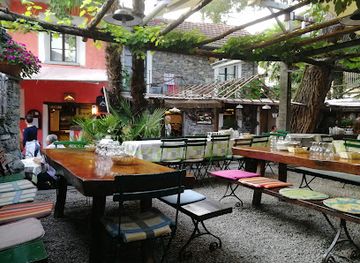
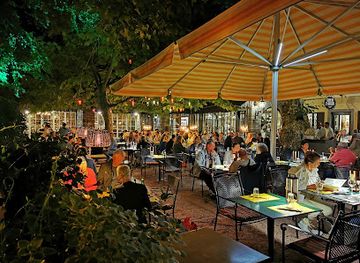
Ascona’s dining scene reflects Ticino’s position between Alpine Switzerland and northern Italy. Menus may feature risotto, polenta, freshwater fish from the lake, local cheeses, chestnuts and seasonal vegetables, alongside Italian-influenced pasta and meat dishes. Traditional grotto restaurants, often associated with Ticinese rural cooking, offer a more rustic setting, while the Borgo and Piazza Giuseppe Motta provide cafés, gelaterias and restaurants oriented towards the lakeside promenade. Local wines from Ticino, including Merlot-based selections, are commonly paired with regional food. Bakeries and cafés suit a slower breakfast or afternoon coffee, and markets or seasonal events may provide opportunities to sample local produce. The strongest distinction is often between the informal, stone-built atmosphere of a grotto and the more polished dining rooms facing the lake, rather than between separate culinary traditions.
-
Restaurant
Ristorante Osteria Nostrana
Experience authentic Italian flavors at Ristorante Osteria Nostrana in Ascona - where every meal is a celebration.
7 min walk · 0.6 km from city centre
-
Restaurant
Grotto Baldoria
Experience authentic Swiss cuisine in the heart of Ascona at Grotto Baldoria - where tradition meets taste.
8 min walk · 0.6 km from city centre
-
Swiss
Ristorante Grotto Broggini
Experience authentic Swiss cuisine at Ristorante Grotto Broggini in Losone – where tradition meets modern culinary artistry.
18 min walk · 1.5 km from city centre
-
Restaurant
Ristorante Easy
Discover Ristorante Easy: A culinary haven in Ascona offering exquisite local and international cuisine with stunning views of Lake Maggiore.
6 min walk · 0.5 km from city centre
Best bars in Ascona
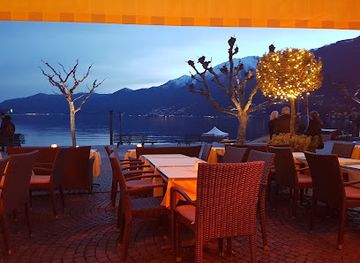
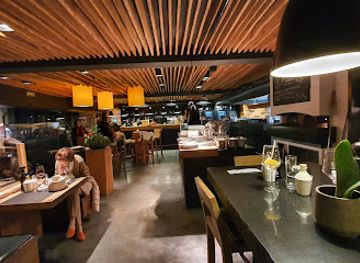
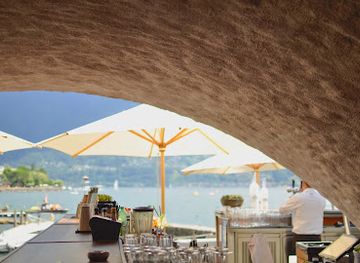
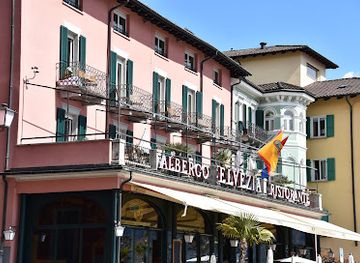
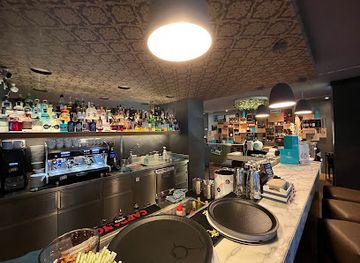
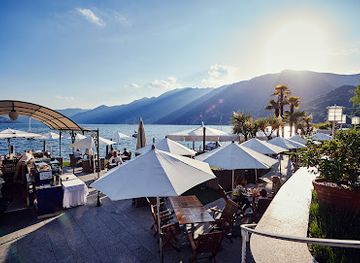
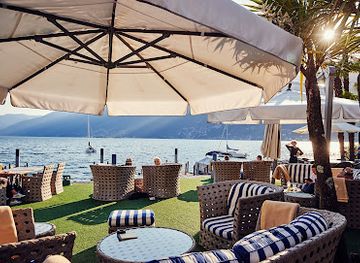
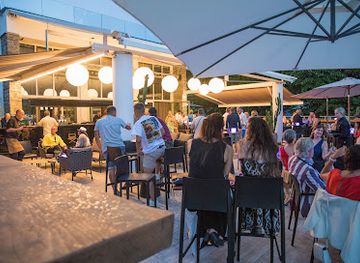
Ascona’s evening life is sociable and refined rather than dominated by large nightclubs. The Piazza Giuseppe Motta waterfront and adjoining Borgo streets provide the main setting for aperitifs, wine, cocktails and late conversations, with lake views becoming a central part of the experience after sunset. Hotel bars and established cafés add quieter options, while seasonal festivals and cultural programmes may bring concerts, open-air performances or live music to public spaces. The wider Locarno area offers a broader selection of music venues and late-night entertainment, but Ascona itself generally favours relaxed evenings over a concentrated club scene. Summer activity extends later along the promenade, whereas outside the main season the town’s nightlife becomes noticeably quieter and more dependent on individual venues and scheduled events.
-
Lounge
Sea Lounge
Experience the enchanting Sea Lounge in Ascona, where serene lake views meet delightful cocktails and vibrant ambiance for the perfect getaway.
11 min walk · 0.9 km from city centre
-
American
Papa Joe's Ascona
Experience a culinary adventure at Papa Joe's Ascona, where American and Caribbean flavors unite in a vibrant lakeside atmosphere.
10 min walk · 0.8 km from city centre
-
Restaurant
Monte Carlo Living Ascona
Experience exquisite dining at Monte Carlo Living Ascona, where fresh flavors and vibrant ambiance meet the stunning beauty of the lakeside.
9 min walk · 0.7 km from city centre
-
Bar
Restaurant & Lounge Marina Ascona
Experience exquisite cuisine and stunning lakeside views at Restaurant & Lounge Marina Ascona, the perfect dining destination in beautiful Ascona.
6 min walk · 0.5 km from city centre
Best nightclubs in Ascona
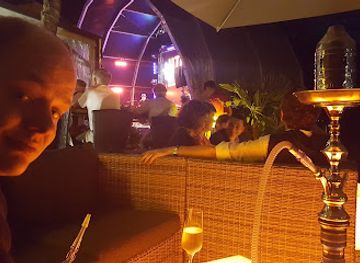
Ascona’s evening life is sociable and refined rather than dominated by large nightclubs. The Piazza Giuseppe Motta waterfront and adjoining Borgo streets provide the main setting for aperitifs, wine, cocktails and late conversations, with lake views becoming a central part of the experience after sunset. Hotel bars and established cafés add quieter options, while seasonal festivals and cultural programmes may bring concerts, open-air performances or live music to public spaces. The wider Locarno area offers a broader selection of music venues and late-night entertainment, but Ascona itself generally favours relaxed evenings over a concentrated club scene. Summer activity extends later along the promenade, whereas outside the main season the town’s nightlife becomes noticeably quieter and more dependent on individual venues and scheduled events.
-
Lounge
Sea Lounge
Unwind at the Sea Lounge in Ascona, where stunning lake views meet exquisite cocktails in a serene atmosphere.
11 min walk · 0.9 km from city centre
-
American
Papa Joe's Ascona
Explore the vibrant culinary fusion at Papa Joe's Ascona, where American, Caribbean, and South American cuisines meet in a lively lakeside setting.
10 min walk · 0.8 km from city centre
-
Restaurant
Restaurant & Lounge Marina Ascona
Experience exquisite Mediterranean cuisine and breathtaking views at Restaurant & Lounge Marina Ascona in the heart of picturesque Ascona.
6 min walk · 0.5 km from city centre
-
Bar
Delta Beach Lounge
Experience the best of Ascona's nightlife at Delta Beach Lounge with exquisite cocktails, small plates, and live music by the lakeside.
8 min walk · 0.7 km from city centre
Best shops in Ascona
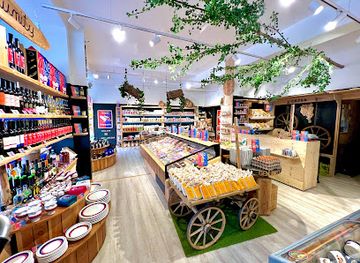
Shopping in Ascona centres on the Borgo and the streets around the lakeside promenade, where small boutiques, galleries, craft shops and independent retailers occupy historic buildings. The town’s artistic reputation is reflected in its concentration of galleries and shops selling prints, jewellery, ceramics and design objects, although stock and opening patterns vary by season. Visitors may also find Ticinese food products such as regional wines, cheeses, preserves and chestnut specialities, alongside more conventional Swiss gifts. The weekly market tradition in Ascona and nearby Locarno offers opportunities to browse produce and everyday goods, while Locarno provides a larger choice of shops and commercial services. Shopping here is more closely associated with leisurely browsing, local craftsmanship and lakeside retail than with large department stores or extensive enclosed shopping centres.
-
Department store
MANOR Ascona-Delta
Explore MANOR Ascona-Delta, your one-stop shop for fashion, home goods, toys, and more in the charming town of Ascona.
14 min walk · 1.1 km from city centre
-
Grocery store
Supermercato Migros - Ascona
Discover local flavors and international delights at Supermercato Migros in Ascona, your culinary hub for all your travel needs.
4 min walk · 0.3 km from city centre
-
Grocery store
GENUINITY - Prodotti del Ticino
Discover the authentic flavors of Ticino at Genuinity, your go-to grocery store for local wines, cheeses, and fresh produce in Ascona.
7 min walk · 0.5 km from city centre
-
Boutique
ITY Outlet Ascona
Discover unbeatable fashion deals at ITY Outlet Ascona, a boutique haven for stylish clothing in the heart of Switzerland's scenic Ascona.
9 min walk · 0.8 km from city centre



Get your free copy of our complete guide to Ascona, delivered straight to you.
Everything on this page, from attractions and restaurants to essentials and local phrases, in one PDF you can read offline, print or share.
Already have an account? Sign in
Your Ascona guide is ready.
We'll send it to · Not you? Sign out

Getting your guide ready…
We are putting together a fresh copy of the Ascona guide. This can take up to a minute.
This can take a few moments. If your browser asks, choose Allow so the download can start. You'll find the guide in your Downloads folder.
Nothing happened? Download it again
Sorry, the guide is taking longer than usual. Please try again in a minute, or get it by email instead.
Ascona essentials
Currency and Payment
Safety
Emergency Situations
Do's and Don'ts
Local Tips
From Eve
Local phrases worth knowing
You don't need to get them perfect. A few words go a long way, and locals appreciate the effort.
Basics
| English | Local | Say it |
|---|---|---|
| Hello | Ciao | [chow] |
| Goodbye | Arrivederci | [ah-ree-veh-dehr-chee] |
| Yes | Sì | [see] |
| No | No | [noh] |
| Please/You're welcome | Per favore/Prego | [pehr fah-voh-reh/preh-goh] |
| Thank you | Grazie | [grah-tsyeh] |
| Excuse me/Sorry | Mi scusi/Scusa | [mee skoo-zee/skoo-sah] |
| How are you? | Come stai? | [koh-meh stah-ee] |
| Fine. And you? | Bene. E tu? | [beh-neh. eh too] |
| Do you speak English? | Parli inglese? | [pahr-lee een-gleh-zeh] |
| I don't understand | Non capisco | [nohn kah-pee-skoh] |
Eating & Drinking
| English | Local | Say it |
|---|---|---|
| I'd like to see the menu, please | Vorrei vedere il menu, per favore | [vohr-reh-ee veh-deh-reh eel meh-noo, pehr fah-voh-reh] |
| I don't eat meat | Non mangio carne | [nohn mahn-joh kahr-neh] |
| Cheers! | Salute! | [sah-loo-teh] |
| I would like to pay, please | Vorrei pagare, per favore | [vohr-reh-ee pah-gah-reh, pehr fah-voh-reh] |
Emergencies
| English | Local | Say it |
|---|---|---|
| Help! | Aiuto! | [ah-yoo-toh] |
| Go away! | Vai via! | [vah-ee vyah] |
| Call the Police! | Chiama la polizia! | [kyah-mah lah poh-lee-tsya] |
| Call a doctor! | Chiama un dottore! | [kyah-mah oon doh-toh-reh] |
| I'm lost | Mi sono perso | [mee soh-no pehr-soh] |
| I'm ill | Mi sento male | [mee sehn-toh mah-leh] |
Shopping
| English | Local | Say it |
|---|---|---|
| I'd like to buy... | Vorrei comprare... | [vohr-reh-ee kohm-prah-reh] |
| I'm just looking | Sto solo guardando | [stoh soh-loh gwar-dahn-doh] |
| How much is it? | Quanto costa? | [kwahn-toh koh-stah] |
| That's too expensive | È troppo caro | [eh troh-poh kah-roh] |
| Can you lower the price? | Puoi abbassare il prezzo? | [pwoh-ee ahb-bah-sah-reh eel preh-tsoh] |
Time & Numbers
| English | Local | Say it |
|---|---|---|
| What time is it? | Che ora è? | [keh oh-rah eh] |
| It's one o'clock | È l'una | [eh loo-nah] |
| Half past (10) | Sono le dieci e mezza | [soh-noh leh dee-eh-chee eh meh-tsah] |
| Morning | Mattina | [maht-tee-nah] |
| Afternoon | Pomeriggio | [poh-meh-ree-joh] |
| Evening | Sera | [seh-rah] |
| Yesterday | Ieri | [ee-eh-ree] |
| Today | Oggi | [oh-jee] |
| Tomorrow | Domani | [doh-mah-nee] |
| 1 | Uno | [oo-noh] |
| 2 | Due | [doo-eh] |
| 3 | Tre | [treh] |
| 4 | Quattro | [kwah-troh] |
| 5 | Cinque | [cheen-kweh] |
| 6 | Sei | [say] |
| 7 | Sette | [seh-tteh] |
| 8 | Otto | [oh-ttoh] |
| 9 | Nove | [noh-veh] |
| 10 | Dieci | [dee-eh-chee] |
Transport & Directions
| English | Local | Say it |
|---|---|---|
| Where's a/the...? | Dov'è un/il...? | [doh-veh oon/eel] |
| What's the address? | Qual è l'indirizzo? | [kwahl eh leen-dee-reet-soh] |
| Can you show me (on the map)? | Puoi mostrarmi (sulla mappa)? | [pwoh-ee mohs-trahr-mee (sool-lah mahp-pah)] |
| When's the next (bus)? | Quando passa il prossimo (autobus)? | [kwahn-doh pahs-sah eel prohss-see-moh (ow-toh-boos)] |
| A ticket (to ....) | Un biglietto (per ....) | [oon beel-lyet-toh (pehr)] |
History of Ascona
Early Settlements on Lake Maggiore
The Ascona area has been inhabited since prehistoric times, as archaeological evidence from the surrounding region indicates. Its position beside Lake Maggiore offered access to water, fertile terraces and routes through the valleys leading towards the Alps. The ancient settlement at nearby San Materno is particularly important for understanding the locality’s early development, with archaeological remains documenting occupation across several periods. Roman influence reached the region, although Ascona did not emerge as a major Roman urban centre. Instead, its early history reflects the gradual formation of lakeside communities whose economies combined agriculture, fishing, trade and movement through the Alpine passes.
Medieval Ascona and San Materno
During the medieval period, Ascona developed around religious institutions, agricultural land and the strategic routes of the Lake Maggiore basin. The hill of San Materno became an important ecclesiastical site, and the Romanesque church there remains one of the area’s most significant medieval buildings. Ascona was linked to the wider political world of the Bishop of Como and later to the territories influenced by the Swiss Confederacy. The settlement’s location gave it commercial importance without turning it into a large fortified city. The medieval relationship between parish, landed estates and lakeside commerce helped establish the pattern of the historic town visible today.
Renaissance Learning and Catholic Reform
The sixteenth century brought religious upheaval to the Locarno region, where reforming ideas gained support among parts of the population. The movement was suppressed by the Catholic authorities, and several Protestant families left Locarno in the mid-sixteenth century, with some settling in other Swiss cities. In the subsequent Catholic renewal, Ascona became associated with renewed ecclesiastical and educational activity. The Collegio Papio was founded in 1584 through the benefaction of Bartolomeo Papio and became an important centre of Catholic education. Its presence, together with the Church of Saints Peter and Paul, reflects the religious and cultural reorganisation of the period.
From Rural Town to Lakeside Resort
For centuries Ascona remained principally a small agricultural and lakeside settlement, shaped by vineyards, chestnut woods, fishing and regional trade. Improved roads, rail connections in the wider Locarno area and the growth of tourism during the nineteenth and early twentieth centuries gradually changed its economy. Visitors were drawn by the mild climate, lake scenery and access to the valleys of Ticino. The waterfront became increasingly associated with promenades, hotels, restaurants and leisure, while the old Borgo retained its traditional urban form. This transition laid the foundations for Ascona’s modern identity as a resort without erasing its local architectural character.
Monte Verità and the Modern Cultural Imagination
Monte Verità, above Ascona, became a centre of alternative living and artistic experimentation from around 1900. Its residents and visitors included advocates of natural living, dancers, artists, writers and intellectuals, and the hill acquired an international reputation as a place of cultural freedom and reformist thought. The community was never a single, uniform movement, but its various currents helped connect Ascona with wider European debates about health, society, art and spirituality. In the twentieth century, cultural events and institutions further strengthened the town’s artistic profile. Monte Verità’s buildings, gardens and museum preserve this distinctive chapter of Ascona’s history.
Ascona in Photos
Browse through our photo collection highlighting the charm and character of the destination.
Cities near Ascona
The closest cities to Ascona, if you have time for more than one stop.
-

-

-

-

-


Swipe for more cities
Explore more

Explore more of Switzerland
Discover Switzerland's majestic landscapes, vibrant cities, and rich culture. From alpine adventures to urban exploration, experience the best of Europe in one destination.
Explore Switzerland