
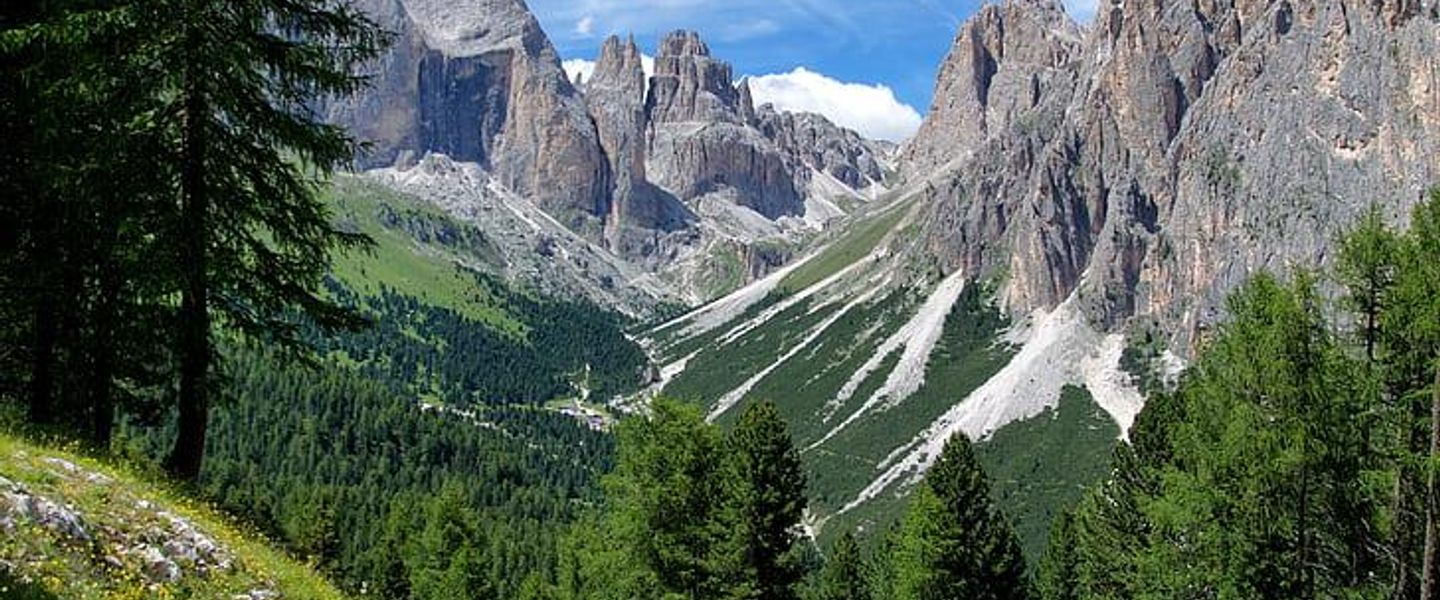
Alto Adige, Italy Travel Guide
Discover Alto Adige, Italy’s alpine gem, where breathtaking Dolomites, rich cultural heritage, and exquisite cuisine await in a perfect blend of Italian and Austrian traditions.
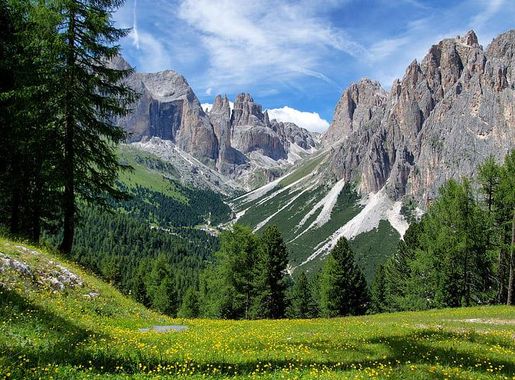
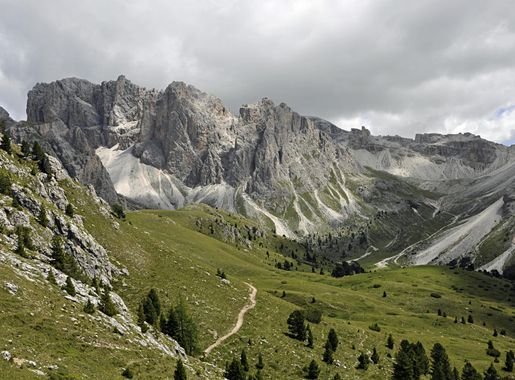
Alto Adige, also known as South Tyrol, is a unique region in northern Italy where the cultures of Italy and Austria merge beautifully. Nestled in the heart of the Alps, it offers stunning landscapes, rich history, and a blend of traditions that make it a must-visit destination for any traveler. One of the key highlights of Alto Adige is its breathtaking natural scenery. The Dolomites, a UNESCO World Heritage Site, dominate the skyline with their rugged peaks and are perfect for hiking, skiing, and climbing. Throughout the year, the landscape changes from lush green meadows in the summer to snow-covered wonderlands in the winter, providing endless opportunities for outdoor activities. Culturally, Alto Adige boasts a diverse heritage. The region is bilingual, with both Italian and German widely spoken, reflecting its historical ties to Austria. Visitors can explore charming towns like Bolzano, where medieval architecture meets modern boutique shops, and Merano, known for its beautiful spas and gardens. The local cuisine is a delightful mix of Italian and Tyrolean flavors, featuring hearty dishes such as speck, knödel, and polenta. Alto Adige is also a paradise for wine lovers. The region is famous for its vineyards and produces some of Italy's finest wines, including Gewürztraminer and Lagrein. Wine tasting tours and visits to local wineries offer an excellent way to experience the local culture and enjoy the picturesque countryside. Whether you're an adventurer, a history enthusiast, or simply looking to relax and enjoy the beauty of nature, Alto Adige has something to offer. Its unique blend of cultures, stunning landscapes, and warm hospitality make it a destination worth exploring.

Know before you go
Hi, I'm Eve. Here are a few practical things to know before exploring Alto Adige.
- Learn a few basic phrases in both Italian and German to enhance your interaction with locals.
- Visit during the autumn season to enjoy the wine harvest festivals and colorful foliage.
- Make sure to try local dishes like speck, knödel, and apple strudel for an authentic culinary experience.
- Consider renting a car to explore the region's picturesque villages and remote hiking trails.
- Check the weather forecast and pack accordingly, as mountain weather can change rapidly.
Destinations in Alto Adige
Resorts, valleys and scenic spots worth a trip of their own.



Explore Alto Adige: Things to Do, Places to Eat, Hotels & More
Handpicked recommendations for top attractions, local dining, accommodations, and more

Top Attractions & Sightseeing in Alto Adige
Top-rated picks
Best Attractions

Giardini Trauttmansdorff
Discover the beauty of Giardini Trauttmansdorff, a botanical garden and historic castle in Merano, offering breathtaking landscapes and diverse plant species.

Terme Merano
Discover relaxation and wellness at Terme Merano, a premier thermal spa offering stunning views and rejuvenating treatments amidst the South Tyrolean Alps.

Castel Trauttmansdorff
Discover the allure of Castel Trauttmansdorff—where history, nature, and culture converge in the heart of South Tyrol.

Tyrol Castle
Explore Tyrol Castle: A historical treasure in South Tyrol, featuring stunning views, rich exhibitions, and a serene chapel.

Best landmarks in Alto Adige
Top-rated picks
Best Landmarks
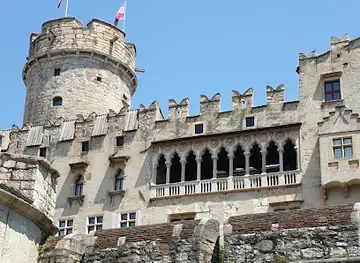
Buonconsiglio Castle Museum
Explore the stunning Buonconsiglio Castle Museum in Trento, a perfect blend of history, art, and breathtaking views of the Trentino valley.

Waltherplatz
Experience the heart of Bolzano at Waltherplatz, a historic square filled with charm, culture, and stunning architecture in South Tyrol.
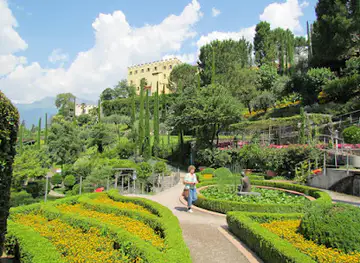
Castel Trauttmansdorff
Discover the breathtaking Castel Trauttmansdorff in Merano, where history, art, and nature come together in a stunning setting.
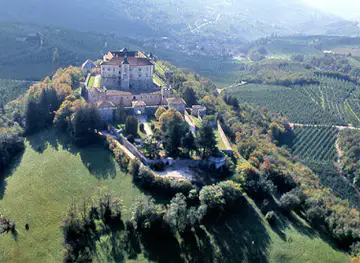
Castel Thun
Explore the majestic Castel Thun, a historical castle in the Italian Alps, rich in art and breathtaking views—a must-see for every tourist.

Best restaurants in Alto Adige
Top-rated picks
Best Restaurants

Restaurant Untergandlkeller
Experience authentic South Tyrolean cuisine at Restaurant Untergandlkeller in Lagundo - where every meal is a celebration of flavor.

Waidmannalm
Discover Waidmannalm: A charming mountain cabin restaurant offering authentic South Tyrolean cuisine with breathtaking alpine views.
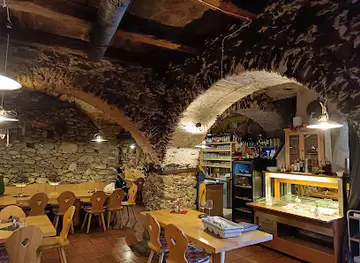
Restaurant Hilberkeller
Experience authentic Austrian and Italian cuisine at Restaurant Hilberkeller in scenic South Tyrol - A must-visit culinary destination.

Karrner
Experience the authentic flavors of South Tyrol at Karrner in Bolzano - where gourmet sandwiches meet exquisite local wines.

Best bars in Alto Adige
Top-rated picks
Best Bars

Forsterbräu Trento
Discover the flavors of Trentino at Forsterbräu Trento, a vibrant restaurant and beer hall offering local cuisine and craft beers in a welcoming atmosphere.

Forsterbräu Meran
Experience the essence of South Tyrolean culture at Forsterbräu Meran, where tradition meets flavor in every dish and brew.
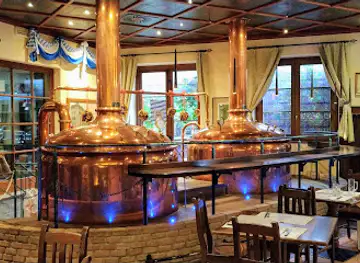
Birreria Pedavena
Discover the delightful blend of local brews and authentic pizzas at Birreria Pedavena in Trento, a vibrant beer hall experience awaits you!

Batzen Häusl
Experience the best of Bolzano's culinary scene at Batzen Häusl, a brewpub offering local dishes and house-brewed beers in a vibrant atmosphere.

Best nightclubs in Alto Adige
Top-rated picks
Best Nightclubs

Club Max
Discover the nightlife in Brixen at Club Max, where vibrant beats and a lively atmosphere create unforgettable memories.
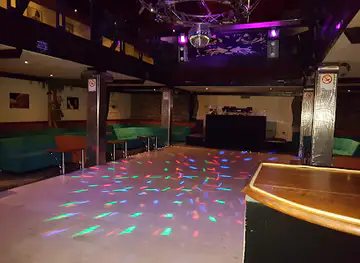
Apres-Club Discoteca
Experience the vibrant nightlife at Apres-Club Discoteca in Gargazon, South Tyrol's premier destination for dance and entertainment.

Dancing Okay
Dance the night away at Dancing Okay, Bolzano's vibrant disco club, where great music and a lively atmosphere await.
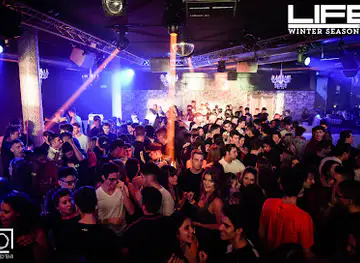
Discoteca Life
Discover the electrifying nightlife of Bolzano at Discoteca Life, where music meets vibrant energy for an unforgettable clubbing experience.

Best shops in Alto Adige
Top-rated picks
Best Shops

Outlet Center Brenner
Discover unbeatable shopping experiences and breathtaking views at Outlet Center Brenner in South Tyrol, Italy.

Twenty
Explore Twenty Shopping Mall in Bolzano for a unique blend of retail therapy, local delicacies, and family-friendly entertainment.

Centrum
Experience the vibrant shopping scene at Centrum in Bolzano, featuring diverse shops, delicious eateries, and a lively atmosphere for all visitors.

ALGO Shopping Center
Explore the vibrant ALGO Shopping Center in Algund, offering diverse shopping options, delicious dining, and a lively atmosphere for all visitors.

Explore Alto Adige on the Map
A handpicked selection of must-see spots in Alto Adige, mapped for you.
Alto Adige Essentials
-
Alto Adige, also known as South Tyrol, is located in the northern part of Italy. The nearest international airports are in Innsbruck, Austria, which is about 120 kilometers away, and Verona, Italy, approximately 150 kilometers away. From these airports, you can reach Alto Adige by train, bus, or rental car. The region is well-connected by the Italian rail network, with frequent trains from major Italian cities like Milan, Venice, and Rome to Bolzano, the capital of Alto Adige.
-
Within Alto Adige, the public transportation system is efficient and reliable. Regional trains connect major towns and cities, while buses serve smaller villages and rural areas. Tickets can be purchased online, at stations, or via mobile apps. Renting a car is also a viable option, especially if you plan to explore the mountainous regions. Bicycling is popular during warmer months, with numerous bike paths and rental options available. Taxis are available but can be expensive compared to public transport.
-
The official currency in Italy is the Euro (EUR). Credit and debit cards are widely accepted in hotels, restaurants, and shops. However, it is advisable to carry some cash, especially in smaller towns and rural areas where card payment may not be possible. ATMs are readily available in cities and larger towns. It is a good idea to notify your bank of your travel plans to avoid any issues with card transactions.
-
Alto Adige is generally a safe region for tourists. Violent crime is rare, but petty theft such as pickpocketing can occur, particularly in crowded areas and tourist hotspots. Bolzano, being the largest city, is where you should exercise the most caution, especially in busy markets and train stations. Always keep an eye on your belongings and avoid flashing valuables. It is recommended to stay in well-lit and populated areas at night.
-
In case of emergency, dial 112, the European emergency number, which connects you to police, fire, and medical services. Hospitals and clinics are available in major towns and cities, with Bolzano hosting the largest medical facility in the region. Pharmacies are common and can provide minor medical supplies and advice. It is advisable to have travel insurance that covers medical emergencies.
-
Fashion: Do dress in layers, as the weather can change quickly, especially in the mountains. Avoid wearing beachwear away from the beaches or pools. Religion: Do respect religious sites by dressing modestly and keeping noise to a minimum. Public Transport: Do validate your ticket before boarding trains and buses. Don’t talk loudly or play music on public transport. Greetings: Do greet locals with a polite 'Buongiorno' (Good morning) or 'Buonasera' (Good evening). Shaking hands is common. Eating & Drinking: Do try local specialties like Speck, Knödel, and apple strudel. Don’t rush your meals; dining is considered a leisurely and social activity.
-
To experience Alto Adige like a local, take part in traditional festivals such as the Törggelen, a harvest celebration featuring local wines and foods. Visit local markets to buy fresh produce and artisanal goods. Engage with locals in both Italian and German, as the region is bilingual. Spend time exploring the Dolomites, a UNESCO World Heritage site, either by hiking in the summer or skiing in the winter. Don't miss the chance to visit local wineries and taste the region’s renowned wines.
When is the best time to visit Alto Adige?
Useful Local Phrases for Alto Adige
You don't need to speak the language perfectly. Even learning a few simple words can make conversations warmer—and locals usually appreciate the effort.
— Eve

Here are the phrases I use most often in Alto Adige. Try a few—you'll be surprised how far they go! 😊
❤️
-
- HelloHallo
[ˈhaːlo] - GoodbyeAuf Wiedersehen
[aʊf ˈviːdɐˌzeːn] - YesJa
[ja] - NoNein
[naɪn] - Please/You're welcomeBitte
[ˈbɪtə] - Thank youDanke
[ˈdaŋkə] - Excuse me/SorryEntschuldigung
[ɛntˈʃʊldɪɡʊŋ] - How are you?Wie geht's?
[viː ɡeːts] - Fine. And you?Gut. Und dir?
[ɡuːt ʊnd diːr] - Do you speak English?Sprechen Sie Englisch?
[ˈʃprɛçən ziː ˈɛŋɡlɪʃ] - I don't understandIch verstehe nicht
[ɪχ fɛrˈʃteːə nɪçt]
- HelloHallo
-
- I'd like to see the menu, pleaseIch hätte gerne die Speisekarte, bitte
[ɪχ ˈhɛtə ˈɡɛrnə diː ˈʃpaɪ̯zəˌkaʁtə ˈbɪtə] - I don't eat meatIch esse kein Fleisch
[ɪχ ˈɛsə kaɪ̯n flaɪ̯ʃ] - Cheers!Prost!
[proːst] - I would like to pay, pleaseIch möchte bezahlen, bitte
[ɪχ ˈmœçtə bəˈtsalən ˈbɪtə]
- I'd like to see the menu, pleaseIch hätte gerne die Speisekarte, bitte
-
- Help!Hilfe!
[ˈhɪlfə] - Go away!Geh weg!
[ɡeː vɛk] - Call the Police!Rufen Sie die Polizei!
[ˈruːfən ziː diː pɔliˈtsaɪ̯] - Call a doctor!Rufen Sie einen Arzt!
[ˈruːfən ziː ˈaʁtst] - I'm lostIch habe mich verlaufen
[ɪχ ˈhaːbə mɪç fɛʁˈlaʊ̯fən] - I'm illIch bin krank
[ɪχ bɪn kraŋk]
- Help!Hilfe!
-
- I'd like to buy...Ich möchte kaufen...
[ɪχ ˈmœçtə ˈkaʊ̯fən] - I'm just lookingIch schaue nur
[ɪχ ˈʃaʊ̯ə nuːɐ] - How much is it?Wie viel kostet es?
[viː fiːl ˈkɔstɛt ɛs] - That's too expensiveDas ist zu teuer
[das ɪst tsuː ˈtɔʏ̯ɐ] - Can you lower the price?Könnten Sie den Preis senken?
[ˈkœntən ziː deːn praɪ̯s ˈzɛŋkən]
- I'd like to buy...Ich möchte kaufen...
-
- What time is it?Wie spät ist es?
[viː ʃpɛːt ɪst ɛs] - It's one o'clockEs ist ein Uhr
[ɛs ɪst aɪ̯n uːʁ] - Half past (10)Halb (10)
[halp (10)] - MorningMorgen
[ˈmɔʁɡən] - AfternoonNachmittag
[ˈnaχmɪtaɡ] - EveningAbend
[ˈaːbɛnt] - YesterdayGestern
[ˈɡɛstɐn] - TodayHeute
[ˈhɔʏ̯tə] - TomorrowMorgen
[ˈmɔʁɡən] - 1Eins
[aɪ̯ns] - 2Zwei
[t͡svaɪ̯] - 3Drei
[dʁaɪ̯] - 4Vier
[fiːɐ] - 5Fünf
[fʏnf] - 6Sechs
[zɛks] - 7Sieben
[ˈziːbən] - 8Acht
[aχt] - 9Neun
[nɔʏ̯n] - 10Zehn
[t͡seːn]
- What time is it?Wie spät ist es?
-
- Where's a/the...?Wo ist ein/eine ...?
[voː ɪst aɪ̯n/aɪ̯nə] - What's the address?Wie lautet die Adresse?
[viː ˈlaʊ̯tɛt diː aˈdʁɛsə] - Can you show me (on the map)?Könnten Sie mir (auf der Karte) zeigen?
[ˈkœntən ziː mɪʁ (aʊf deːɐ ˈkaʁtə) ˈtsaɪ̯ɡən] - When's the next (bus)?Wann kommt der nächste (Bus)?
[van kɔmt deːɐ ˈnɛːçstə (bʊs)] - A ticket (to ....)Ein Ticket (nach ....)
[aɪ̯n ˈtɪkɛt (naχ ....)]
- Where's a/the...?Wo ist ein/eine ...?
History of Alto Adige
-
Alto Adige, also known as South Tyrol, has a rich history that dates back to ancient times. Archaeological discoveries reveal that the region was inhabited by the Raetians, an ancient Alpine people. The Romans later conquered the area in the 1st century BC, integrating it into the Roman Empire. They built roads, such as the Via Claudia Augusta, which facilitated trade and movement across the Alps. The Roman influence is still evident today in the region’s architecture and road networks.
-
During the medieval period, Alto Adige was characterized by the rise of feudalism. The region was dotted with castles, many of which still stand today, such as Castle Tyrol, which served as the seat of the Counts of Tyrol. This era saw the growth of autonomous communities and the establishment of trade routes. The cities of Bolzano and Merano became important economic centers due to their strategic locations.
-
In the 14th century, Alto Adige became part of the Habsburg Monarchy. This period brought significant administrative and cultural changes. The region was officially incorporated into the County of Tyrol, under Austrian rule. The Habsburgs introduced new agricultural practices and promoted the cultivation of vineyards, which are still a hallmark of the region's landscape today. Austrian influence is also evident in the region’s architecture, cuisine, and bilingual signage.
-
The early 20th century was a tumultuous period for Alto Adige. After World War I, the Treaty of Saint-Germain in 1919 resulted in the annexation of the region by Italy. This transition was marked by significant political and cultural upheaval as Italian authorities sought to integrate the predominantly German-speaking population. Policies of Italianization were implemented, affecting education, public administration, and social life.
-
During World War II, Alto Adige found itself at the crossroads of conflict once again. In 1939, the Option Agreement between Adolf Hitler and Benito Mussolini offered the German-speaking inhabitants a choice: to emigrate to Nazi Germany or remain and face Italianization. This period was marked by significant emigration and hardship for those who stayed. The end of the war saw the region returning to Italian control, but with a renewed push for autonomy.
-
The post-World War II era was transformative for Alto Adige. In 1946, the Gruber-De Gasperi Agreement between Austria and Italy granted the region a degree of autonomy, recognizing its unique cultural and linguistic heritage. This led to the establishment of the Autonomous Province of Bolzano in 1972, providing the region with significant legislative and administrative powers. Today, Alto Adige is celebrated for its cultural diversity, with a strong emphasis on preserving its German, Italian, and Ladin heritage.
-
In recent decades, Alto Adige has emerged as a model of economic success and cultural coexistence. The region has invested heavily in sustainable tourism, agriculture, and renewable energy. Bolzano, the capital, is known for its green initiatives and quality of life. The region's unique blend of cultures is showcased in its festivals, cuisine, and bilingual education system, making it a vibrant and dynamic place to visit.
Neighbouring Regions of Alto Adige
The closest regions to Alto Adige, if you have time for more than one.
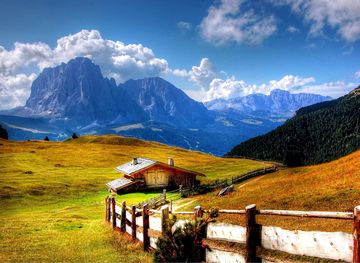

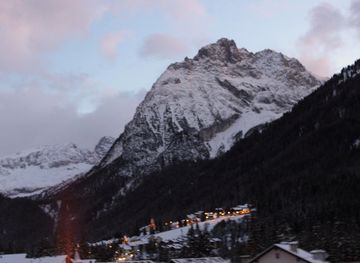
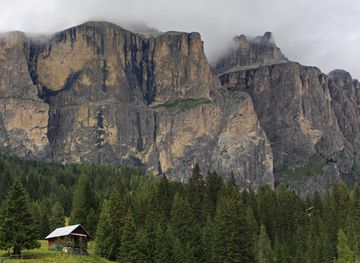


Your all‑in‑one travel companion app
Explore expert travel guides, compare and book tours, experiences, hotels, and more—all from the palm of your hand. Download now for seamless trip planning wherever your wanderlust takes you.


Explore More of Italy

Looking beyond Alto Adige? Discover Italy for broader travel guides, local hot-spots, and regional highlights.
Explore ItalyAlto Adige in Photos
Browse through our photo collection highlighting the charm and character of the destination.




Alto Adige: Italy's Alpine Gem
Alto Adige, also known as South Tyrol, is a unique region in northern Italy where the cultures of Italy and Austria merge beautifully. Nestled in the heart of the Alps, it offers stunning landscapes, rich history, and a blend of traditions that make it a must-visit destination for any traveler. One of the key highlights of Alto Adige is its breathtaking natural scenery. The Dolomites, a UNESCO World Heritage Site, dominate the skyline with their rugged peaks and are perfect for hiking, skiing, and climbing. Throughout the year, the landscape changes from lush green meadows in the summer to snow-covered wonderlands in the winter, providing endless opportunities for outdoor activities. Culturally, Alto Adige boasts a diverse heritage. The region is bilingual, with both Italian and German widely spoken, reflecting its historical ties to Austria. Visitors can explore charming towns like Bolzano, where medieval architecture meets modern boutique shops, and Merano, known for its beautiful spas and gardens. The local cuisine is a delightful mix of Italian and Tyrolean flavors, featuring hearty dishes such as speck, knödel, and polenta. Alto Adige is also a paradise for wine lovers. The region is famous for its vineyards and produces some of Italy's finest wines, including Gewürztraminer and Lagrein. Wine tasting tours and visits to local wineries offer an excellent way to experience the local culture and enjoy the picturesque countryside. Whether you're an adventurer, a history enthusiast, or simply looking to relax and enjoy the beauty of nature, Alto Adige has something to offer. Its unique blend of cultures, stunning landscapes, and warm hospitality make it a destination worth exploring.