

Val di Fassa, Italy Travel Guide
Experience the serene beauty and rich culture of Val di Fassa, Italy—a year-round destination nestled in the heart of the Dolomites, perfect for nature and adventure lovers.
Nestled in the heart of the Dolomites, Val di Fassa is a picturesque valley that promises awe-inspiring natural beauty and a slice of authentic Italian charm. Surrounded by towering peaks and lush meadows, this destination offers a serene retreat for nature lovers and outdoor enthusiasts alike. Whether you're an avid hiker, a skier, or simply someone who enjoys breathtaking landscapes, Val di Fassa has something for everyone. During the winter months, Val di Fassa transforms into a snowy wonderland, attracting skiers and snowboarders from all over the world. With well-groomed slopes and modern facilities, the valley is part of the famous Dolomiti Superski area, offering endless possibilities for winter sports. In the summer, the green valleys and colorful wildflowers make it a paradise for hikers, mountain bikers, and climbers. The local culture is equally captivating. Val di Fassa is home to the Ladin people, who have preserved their unique language and traditions for centuries. Visitors can explore charming villages with traditional wooden houses, sample delicious Ladin cuisine, and experience vibrant local festivals. The valley is dotted with quaint churches, museums, and artisan shops, providing a glimpse into the rich heritage of the region.

Know before you go
Hi, I'm Eve. Here are a few practical things to know before exploring Val di Fassa.
- Visit during the shoulder seasons (late spring or early autumn) to avoid crowds and enjoy milder weather.
- Try local Ladin dishes like 'polenta' and 'canederli' at traditional restaurants.
- Purchase a 'Val di Fassa Card' for discounts on local attractions and public transport.
- Pack layers of clothing as the weather can change quickly in the mountains.
- Don't miss the panoramic views from the Sass Pordoi cable car.
Destinations in Val di Fassa
Resorts, valleys and scenic spots worth a trip of their own.

Explore Val di Fassa: Things to Do, Places to Eat, Hotels & More
Handpicked recommendations for top attractions, local dining, accommodations, and more

Top Attractions & Sightseeing in Val di Fassa
Top-rated picks
Best Attractions

Passo Pordoi 2.239 m
Explore Passo Pordoi, a breathtaking mountain pass in the Dolomites, offering stunning views, outdoor adventures, and authentic Alpine culture.

Parco Naturale Sciliar - Catinaccio
Explore the breathtaking landscapes and diverse wildlife at Parco Naturale Sciliar - Catinaccio, a must-visit nature preserve in the heart of South Tyrol, Italy.

Duomo di Bolzano
Discover the breathtaking Duomo di Bolzano, a masterpiece of Gothic architecture and a spiritual haven in the heart of South Tyrol.

Brixner Dom
Discover the breathtaking beauty and rich history of Brixner Dom, a Baroque masterpiece in the heart of Bressanone, South Tyrol.

Best landmarks in Val di Fassa
Top-rated picks
Best Landmarks
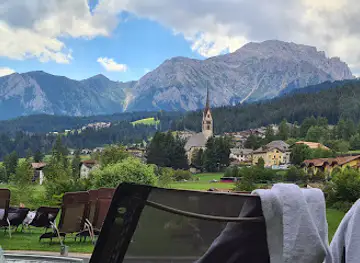
QC Terme Dolomiti
Experience ultimate relaxation and rejuvenation at QC Terme Dolomiti, a luxurious spa in the breathtaking Dolomites, Italy.
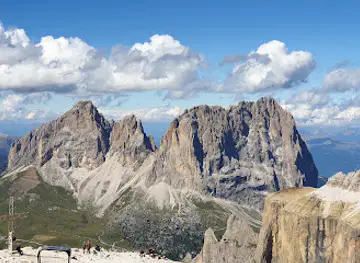
Terrazza delle Dolomiti
Explore the stunning Terrazza delle Dolomiti, where breathtaking mountain vistas and outdoor adventures await in the heart of the Italian Alps.

Rifugio Friedrich August
Experience the breathtaking Dolomites at Rifugio Friedrich August, where delicious local cuisine meets stunning mountain views.

Camping Vidor Family & Wellness Resort
Discover the perfect family getaway at Camping Vidor Family & Wellness Resort, where adventure meets relaxation amidst the stunning Dolomites.

Best restaurants in Val di Fassa
Top-rated picks
Best Restaurants

Rifugio Friedrich August
Experience authentic Italian cuisine with stunning views at Rifugio Friedrich August in the heart of the Dolomites.
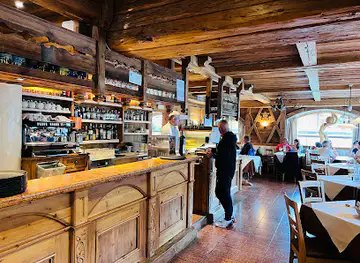
Ristorante Pizzeria Le Giare
Experience authentic Italian cuisine at Ristorante Pizzeria Le Giare in Pozza di Fassa – where delicious flavors meet stunning mountain views.
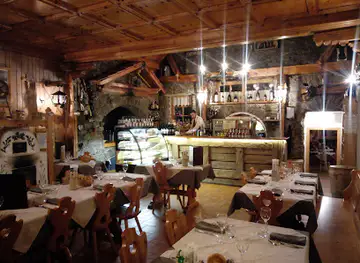
Ristorante Vecchio Mulino
Experience authentic Italian cuisine at Ristorante Vecchio Mulino in San Giovanni di Fassa - where tradition meets flavor amidst breathtaking scenery.

Da Michele Pozza
Experience authentic Italian flavors at Da Michele Pozza in Trentino—where tradition meets taste in every bite.

Best bars in Val di Fassa
Top-rated picks
Best Bars

Ristorante Pizzeria Le Giare
Experience authentic Italian cuisine and mouthwatering pizzas at Ristorante Pizzeria Le Giare in Pozza di Fassa.
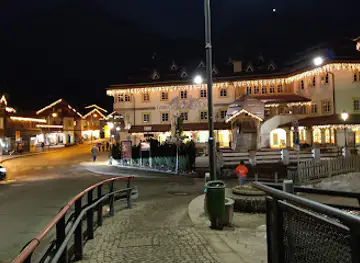
Bar Al Ponte
Discover the taste of Italy at Bar Al Ponte, where delicious pizzas and delightful treats await in scenic Pozza di Fassa.

Ristorante Bar Malga al Crocifisso
Experience authentic Italian cuisine with stunning views at Ristorante Bar Malga al Crocifisso in San Giovanni di Fassa.
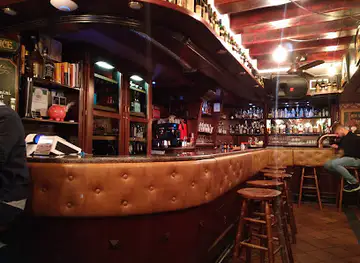
Pub Mirò
Discover the charm of Italian pub culture at Pub Mirò in San Giovanni di Fassa, where delightful beers and a cozy atmosphere await.

Best nightclubs in Val di Fassa
Top-rated picks
Best Nightclubs

Pub Mirò
Discover the lively ambiance of Pub Mirò in San Giovanni di Fassa, where great beer, delicious food, and stunning mountain views await.

Pub Bar Na Bela Vida Après Ski Campitello di Fassa / Val di Fassa
Discover the lively Na Bela Vida Pub in Campitello di Fassa, a perfect après-ski destination with live music, DJ nights, and a vibrant atmosphere.

Hexen Klub Disco
Experience the vibrant nightlife at Hexen Klub Disco in Canazei, where deep house music and a lively atmosphere await.

Chalet One Girls
Experience the electrifying nightlife at Chalet One Girls, Campitello di Fassa's top night club, blending local culture with modern entertainment.

Best shops in Val di Fassa
Top-rated picks
Best Shops

La Sportiva Factory Store
Explore the outdoors with premium gear from La Sportiva Factory Store in Ziano di Fiemme, where adventure meets quality.

Caseificio Sociale Val di Fassa - Mèlga De Fascia
Experience the authentic taste of the Dolomites at Caseificio Sociale Val di Fassa, where artisanal cheese and local wines come together.

Fassacoop
Experience the local charm at Fassacoop, Pozza di Fassa's vibrant grocery store offering fresh produce, unique clothing, and delightful home goods.

Gross Sport - Ski Rental & Sporting Goods
Explore the Dolomites with top-notch ski rentals and sporting goods at Gross Sport in San Giovanni di Fassa.

Explore Val di Fassa on the Map
A handpicked selection of must-see spots in Val di Fassa, mapped for you.
Val di Fassa Essentials
-
Val di Fassa is located in the Trentino region of northern Italy. The nearest major airport is Verona Villafranca Airport (VRN), approximately 180 kilometers away. From the airport, you can rent a car or take a shuttle service to reach Val di Fassa. Additionally, you can take a train to Trento or Bolzano and then a bus to Val di Fassa. During the winter season, specialized shuttle services are available from various airports to the ski resorts in the valley.
-
Within Val di Fassa, public transportation options include local buses that connect the villages and ski areas. The buses are frequent and convenient, especially during the ski season. Renting a car is also a practical option for exploring the valley at your own pace. Taxis are available but can be expensive. For those who enjoy biking, there are numerous bike rentals and well-marked trails.
-
The official currency in Italy is the Euro (EUR). Credit and debit cards are widely accepted, especially in hotels, restaurants, and shops. However, it is advisable to carry some cash for smaller establishments and remote areas. ATMs are readily available in the main villages of Val di Fassa.
-
Val di Fassa is generally a safe destination with low crime rates. However, it is always wise to take standard precautions. Avoid leaving valuables in plain sight and be cautious in crowded places. There are no specific high-crime areas targeting tourists, but it is always best to stay vigilant and aware of your surroundings.
-
In case of emergency, dial 112 for immediate assistance. There are medical facilities and pharmacies in the main villages of Val di Fassa. It is recommended to have travel insurance that covers medical emergencies. For minor health issues, local pharmacies offer over-the-counter medications.
-
Fashion: Do dress warmly and in layers, especially during the winter season. Don't wear overly casual clothing in fine dining restaurants. Religion: Do respect local customs and traditions. When visiting churches, dress modestly and cover your shoulders. Public Transport: Do be respectful and give up your seat to elderly passengers. Don't eat or drink on public transport. Greetings: Do greet people with a friendly 'Buongiorno' (Good morning) or 'Buonasera' (Good evening). A handshake is standard. Eating & Drinking: Do try local dishes and wines. Don't rush through meals; dining is a leisurely and social activity.
-
To experience Val di Fassa like a local, visit the weekly markets in the villages where you can buy fresh produce and local specialties. Engage with locals who are often friendly and willing to share tips about the best hiking trails and ski slopes. Don't miss the opportunity to attend local festivals and events to immerse yourself in the culture. Additionally, try the local Ladin cuisine, which is unique to the region.
When is the best time to visit Val di Fassa?
Useful Local Phrases for Val di Fassa
You don't need to speak the language perfectly. Even learning a few simple words can make conversations warmer—and locals usually appreciate the effort.
— Eve

Here are the phrases I use most often in Val di Fassa. Try a few—you'll be surprised how far they go! 😊
❤️
-
- HelloCiao
[chow] - GoodbyeAddio
[ah-dee-oh] - YesSì
[see] - NoNo
[noh] - Please/You're welcomePer favore
[per fah-voh-reh] - Thank youGrazie
[grah-tsyeh] - Excuse me/SorryScusa
[skoo-zah] - How are you?Come stai?
[koh-meh stai] - Fine. And you?Bene. E tu?
[beh-neh. eh too] - Do you speak English?Parli inglese?
[par-lee een-gleh-zeh] - I don't understandNon capisco
[nohn kah-pees-koh]
- HelloCiao
-
- I'd like to see the menu, pleaseVorrei vedere il menu, per favore
[vor-ray veh-deh-reh eel meh-noo, per fah-voh-reh] - I don't eat meatNon mangio carne
[nohn mahn-joh kar-neh] - Cheers!Salute!
[sah-loo-teh] - I would like to pay, pleaseVorrei pagare, per favore
[vor-ray pah-gah-reh, per fah-voh-reh]
- I'd like to see the menu, pleaseVorrei vedere il menu, per favore
-
- Help!Aiuto!
[ah-yoo-toh] - Go away!Vattene via!
[vaht-teh-neh vee-ah] - Call the Police!Chiama la polizia!
[kyah-mah lah poh-lee-tsee-ah] - Call a doctor!Chiama un dottore!
[kyah-mah oon doh-ttoh-reh] - I'm lostMi sono perso
[mee soh-noh pehr-soh] - I'm illSono malato
[soh-noh mah-lah-toh]
- Help!Aiuto!
-
- I'd like to buy...Vorrei comprare...
[vor-ray kom-prah-reh] - I'm just lookingSto solo guardando
[sto soh-loh guar-dahn-doh] - How much is it?Quanto costa?
[kwahn-toh koh-stah] - That's too expensiveÈ troppo costoso
[eh troh-poh koh-stoh-soh] - Can you lower the price?Puoi abbassare il prezzo?
[pwoy ah-bah-sah-reh eel preht-soh]
- I'd like to buy...Vorrei comprare...
-
- What time is it?Che ore sono?
[keh oh-reh soh-noh] - It's one o'clockÈ l'una
[eh loo-nah] - Half past (10)Dieci e mezza
[dee-eh-chee eh meh-zah] - MorningMattina
[maht-tee-nah] - AfternoonPomeriggio
[poh-meh-reej-joh] - EveningSera
[seh-rah] - YesterdayIeri
[yeh-ree] - TodayOggi
[oh-jjee] - TomorrowDomani
[doh-mah-nee] - 1Uno
[oo-noh] - 2Due
[doo-eh] - 3Tre
[treh] - 4Quattro
[kwah-troh] - 5Cinque
[cheen-kweh] - 6Sei
[seh-ee] - 7Sette
[seht-teh] - 8Otto
[oht-toh] - 9Nove
[noh-veh] - 10Dieci
[dee-eh-chee]
- What time is it?Che ore sono?
-
- Where's a/the...?Dove si trova...?
[doh-veh see troh-vah] - What's the address?Qual è l'indirizzo?
[kwahl eh leen-dee-reet-soh] - Can you show me (on the map)?Puoi mostrarmi (sulla mappa)?
[pwoy mohs-trar-mee (soo-lah mahp-pah)] - When's the next (bus)?Quando parte il prossimo (bus)?
[kwahn-doh par-teh eel prohs-ssee-moh (boos)] - A ticket (to ....)Un biglietto (per ....)
[oon bee-lyet-toh (per ....)]
- Where's a/the...?Dove si trova...?
History of Val di Fassa
-
Val di Fassa's history dates back to prehistoric times, with archaeological findings indicating the presence of early human settlements. The discovery of tools and artifacts in the area points to a thriving community that existed long before the Roman era.
-
During the Roman era, Val di Fassa became an essential route for trade and military movements. The valley's strategic location made it a vital passage through the Alps. Roman roads and fortifications in the area are a testament to its significance during this period.
-
In the medieval period, Val di Fassa was part of the feudal system under the rule of the Prince-Bishops of Brixen. Castles and fortresses, such as the ancient Castle of San Giovanni, were built to protect the territory and assert control over the valley's resources and population.
-
Val di Fassa is a stronghold of Ladin culture, a unique ethnic group with its language and traditions. The Ladin people have preserved their heritage through centuries of external influences. Their customs, folklore, and festivals, such as the 'Festa de Tobiè,' continue to thrive in the valley.
-
During World War I, Val di Fassa was a significant front in the conflict between Italian and Austro-Hungarian forces. The high-altitude battles in the Dolomites left a lasting impact on the region. Remnants of trenches, tunnels, and fortifications can still be found, serving as a poignant reminder of the war.
-
In the 20th century, Val di Fassa transformed into a popular tourist destination. The breathtaking landscapes, skiing opportunities, and rich cultural heritage attracted visitors from around the world. The development of infrastructure, including hotels and ski resorts, has played a crucial role in the valley's modern economy.
-
In 2009, the Dolomites, including Val di Fassa, were recognized as a UNESCO World Heritage Site. This designation highlighted the region's extraordinary natural beauty and geological significance, ensuring its protection and promoting sustainable tourism.
Neighbouring Regions of Val di Fassa
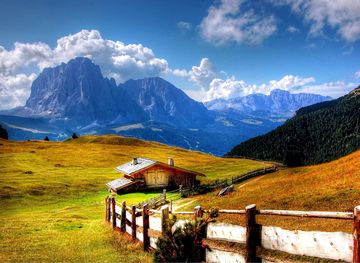
The closest regions to Val di Fassa, if you have time for more than one.

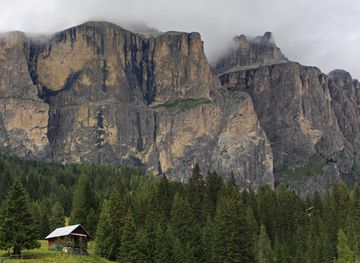
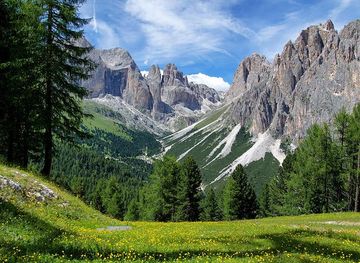

Your all‑in‑one travel companion app
Explore expert travel guides, compare and book tours, experiences, hotels, and more—all from the palm of your hand. Download now for seamless trip planning wherever your wanderlust takes you.


Explore More of Italy

Looking beyond Val di Fassa? Discover Italy for broader travel guides, local hot-spots, and regional highlights.
Explore ItalyVal di Fassa in Photos
Browse through our photo collection highlighting the charm and character of the destination.


Val di Fassa: The Heartbeat of the Dolomites
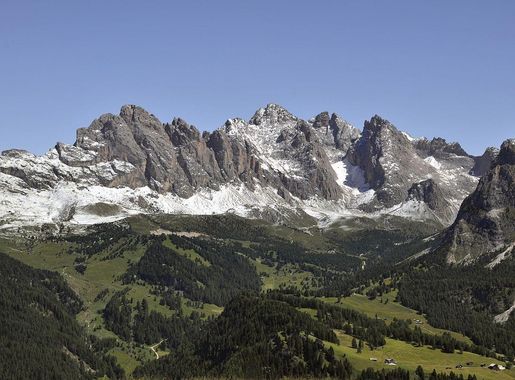
Nestled in the heart of the Dolomites, Val di Fassa is a picturesque valley that promises awe-inspiring natural beauty and a slice of authentic Italian charm. Surrounded by towering peaks and lush meadows, this destination offers a serene retreat for nature lovers and outdoor enthusiasts alike. Whether you're an avid hiker, a skier, or simply someone who enjoys breathtaking landscapes, Val di Fassa has something for everyone. During the winter months, Val di Fassa transforms into a snowy wonderland, attracting skiers and snowboarders from all over the world. With well-groomed slopes and modern facilities, the valley is part of the famous Dolomiti Superski area, offering endless possibilities for winter sports. In the summer, the green valleys and colorful wildflowers make it a paradise for hikers, mountain bikers, and climbers. The local culture is equally captivating. Val di Fassa is home to the Ladin people, who have preserved their unique language and traditions for centuries. Visitors can explore charming villages with traditional wooden houses, sample delicious Ladin cuisine, and experience vibrant local festivals. The valley is dotted with quaint churches, museums, and artisan shops, providing a glimpse into the rich heritage of the region.