

Free Val Gardena Travel Guide & Mobile App
Explore Val Gardena with free travel guides. Discover regional history, expert tips, proposed trips, and audio guides on web or mobile app.


Val Gardena combines Ladin villages, woodcarving, high-alpine trails and Dolomite skiing beneath the Sassolungo and Odle peaks.
Read more about Val Gardena
When is the best time to visit Val Gardena?
Best: June–August · 20–22°C| Month | High (°C) | Rainfall (mm) |
|---|---|---|
| January | 3 | 40 |
| February | 4 | 50 |
| March | 7 | 60 |
| April | 12 | 70 |
| May | 16 | 80 |
| June (best) | 20 | 90 |
| July (best) | 22 | 100 |
| August (best) | 22 | 90 |
| September | 18 | 80 |
| October | 12 | 70 |
| November | 7 | 60 |
| December | 4 | 50 |
Getting to and around Val Gardena
How to get there
Transportation
Best attractions in Val Gardena
Val Gardena’s attractions are arranged around its three principal villages and the high landscapes above them. Ortisei offers the Museum Gherdëina, which introduces local geology, archaeology, Ladin culture and woodcarving, as well as access towards Seceda and the Resciesa area. Santa Cristina provides a base for walks beneath the Sassolungo, while Selva di Val Gardena is closely associated with the high routes and ski terrain around the Sella and Gardena passes. The Puez-Odle Nature Park brings together forests, alpine meadows, limestone formations and the Vallunga, where marked paths lead into a more secluded mountain setting. In summer, visitors can choose between gentle pasture walks, demanding ridge excursions, climbing routes and hut-to-hut journeys. In winter, a broad network of pistes connects the valley with the wider Dolomiti Superski area. Churches, woodcarving studios and village museums add cultural depth, while the surrounding landscape supports wildlife observation, photography and cycling. Attractions are dispersed vertically, so lift operations, walking times and weather conditions are central to planning.
-
Mountain cable car
Terrazza delle Dolomiti
Experience the breathtaking views and exhilarating adventures at Terrazza delle Dolomiti, the heart of the Italian Alps.
-
Mountain cable car
Col Raiser
Experience the stunning Dolomites from above at Col Raiser, a captivating mountain cable car in Santa Cristina Valgardena, South Tyrol.
-
Catholic cathedral
Brixner Dom
Discover the Brixner Dom, a stunning baroque cathedral in Brixen, South Tyrol, rich in history and breathtaking artistry, perfect for every traveler.
-
Catholic cathedral
Duomo di Bolzano
Explore the breathtaking Duomo di Bolzano, a Gothic cathedral with stunning architecture and rich history in the heart of South Tyrol.

Best landmarks in Val Gardena
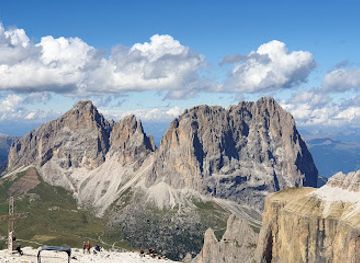
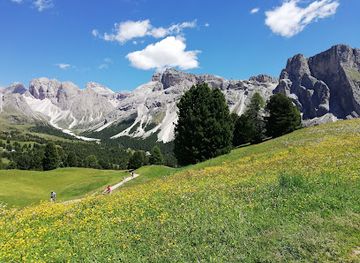
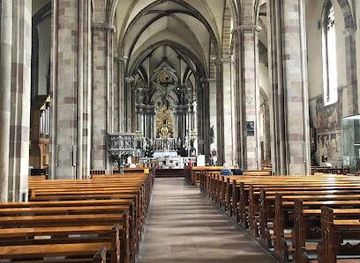
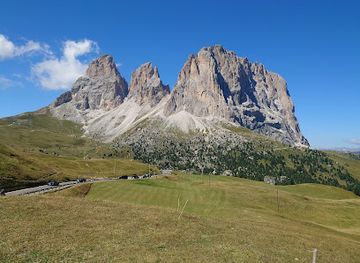
The defining landmarks of Val Gardena are its mountain forms as much as its buildings. The serrated Odle peaks above Seceda create one of the valley’s most recognisable views, while the Sassolungo massif rises as a powerful limestone silhouette south of the main settlements. The Vallunga provides a linear natural landmark within the Puez-Odle Nature Park, framed by steep rock walls and alpine meadows. In the inhabited valley, the parish church of Sant’Ulrico in Ortisei, the church of Santa Cristina and the churches of Selva reflect the religious architecture of historic mountain communities, with towers and spires visible against the slopes. Ortisei’s traditional streets and woodcarving heritage provide a more intimate cultural landmark than the high peaks, linking the village to a craft economy that shaped its modern identity. The landscape’s pale dolomite rock, shaped by erosion into pinnacles, ridges and towers, explains why the surrounding Dolomites hold international geological significance and why the valley’s most memorable places are often reached on foot or by mountain lift.
-
Nature preserve
Puez-Geisler Nature Park
Explore the breathtaking landscapes and diverse wildlife of Puez-Geisler Nature Park, a nature preserve in the heart of South Tyrol, Italy.
-
Tourist attraction
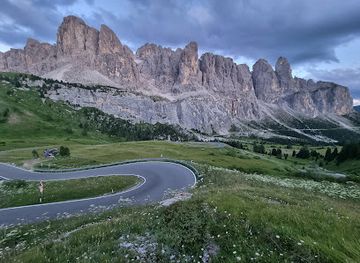
Grödner Joch / Ju de Frara
Experience the awe-inspiring beauty of Grödner Joch, a breathtaking mountain pass in the Dolomites, perfect for adventure and relaxation.
-
Hotel
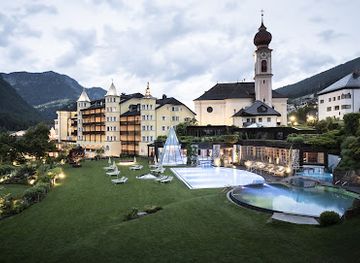
Hotel Adler
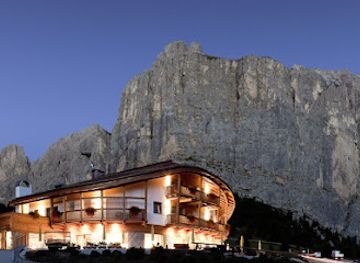
Experience unparalleled luxury and wellness at Hotel Adler, a premier alpine retreat in the stunning Dolomites of South Tyrol.
-
Hiking area
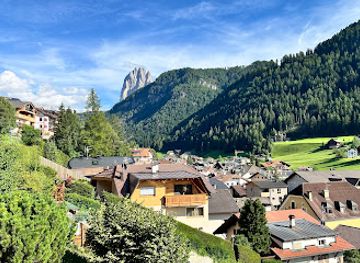
Ortisei - Val Gardena
Experience the breathtaking beauty of Ortisei in Val Gardena, where stunning alpine scenery meets rich cultural traditions in South Tyrol.
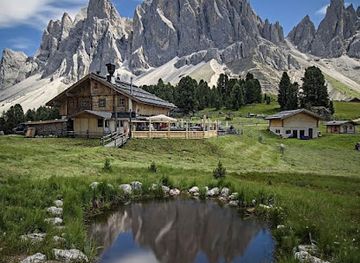
Explore Val Gardena on the map
Plan your trip on one map. See where the top cities, national parks and sights are, and book hotels and experiences in a few clicks.
Best hotels in Val Gardena
Best restaurants in Val Gardena
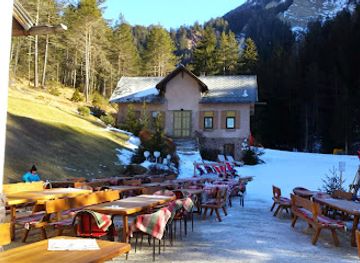
Dining in Val Gardena reflects the meeting of Ladin, South Tyrolean and Italian traditions. Menus commonly include canederli or dumplings, barley soup, potato dishes, local-style pasta, cured meats, cheeses and apple-based desserts, alongside Italian pizzas and pasta. Ladin specialities and seasonal mountain cooking are particularly worth seeking in traditional inns and family-run restaurants, while cafés and bakeries in Ortisei, Santa Cristina and Selva provide pastries, coffee and lighter meals. Mountain refuges offer hearty food suited to walkers and skiers, often with views over the surrounding peaks, though choices and payment methods can be more limited than in the villages. Local farms contribute dairy products, meats and other ingredients, while South Tyrolean wines and apple-based drinks are widely available. During busy seasons, popular restaurants can fill quickly, so advance reservations are sensible. Food is an important way to encounter the valley’s multilingual culture: menus may appear in Ladin, German and Italian, sometimes with additional explanations for international guests.
-
Italian
Vedl Mulin Srl
Experience authentic Italian cuisine at Vedl Mulin Srl in Ortisei, where traditional flavors meet breathtaking alpine views.
-
Cafe
Caffè Val d'Anna
Discover authentic flavors at Caffè Val d'Anna in Ortisei - your go-to café for delightful Italian coffee and pastries.
-
Shelter
Bar Ristorante Dantercepies
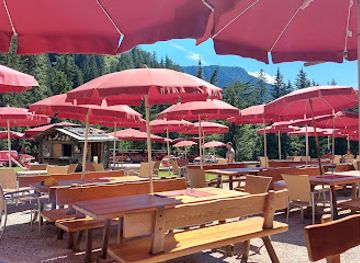
Discover exquisite local cuisine and breathtaking mountain views at Bar Ristorante Dantercepies in the Dolomites.
-
Wellness hotel
Hotel Chalet Gerard - The mountain lodge
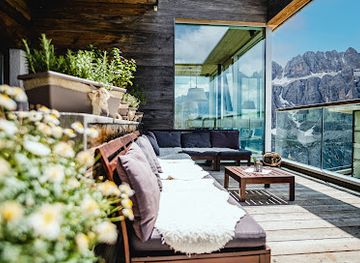
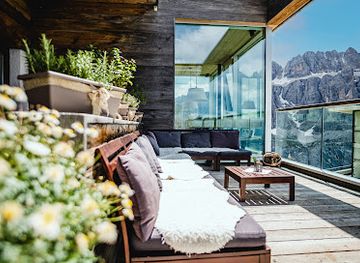
Experience luxury and wellness at Hotel Chalet Gerard nestled in the breathtaking Dolomites - perfect for relaxation and adventure seekers alike.
Best bars in Val Gardena
Evening life in Val Gardena is centred on restaurants, hotel lounges, wine bars, cafés and traditional pubs rather than a large urban club scene. Ortisei has the broadest choice of relaxed places for an evening drink, while Santa Cristina and Selva offer bars and après-ski venues suited to visitors staying in the surrounding resorts. During the winter season, music and socialising continue after the lifts close, but the atmosphere varies considerably between venues and many evenings remain relatively early by city standards. In summer, nightlife is more closely tied to dining, local events and walks through the villages. Some establishments serve South Tyrolean wines, Italian aperitivi, regional beers and spirits, while live music may appear as a seasonal offering. Visitors should check current arrangements locally, particularly outside the main ski period, when opening patterns in this mountain valley can be more limited.
-
Italian
Vedl Mulin Srl
Experience the essence of Italian cuisine at Vedl Mulin Srl in Ortisei, where every dish tells a story of tradition and flavor.
-
Restaurant
Caffè Val d'Anna
Discover the heart of Ortisei at Caffè Val d'Anna, where delicious coffee and stunning Dolomite views create an unforgettable café experience.
-
Shelter
Bar Ristorante Dantercepies
Experience culinary excellence and stunning views at Bar Ristorante Dantercepies in the heart of the Dolomites, a perfect retreat for adventurers.
-
Pizza
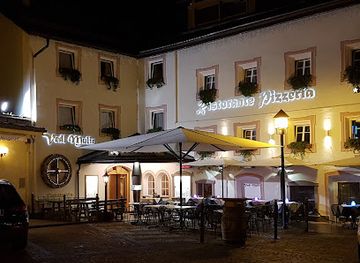
Cascade Ristorante Pizzeria Bar
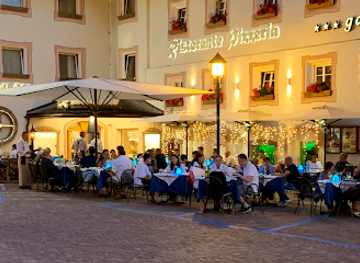
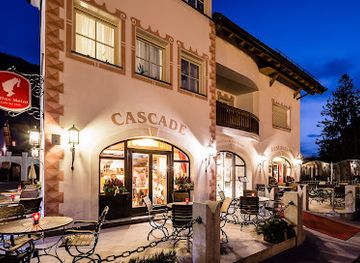
Experience the authentic taste of Italy with delicious pizzas and traditional dishes at Cascade Ristorante Pizzeria Bar in Ortisei.
Best nightclubs in Val Gardena
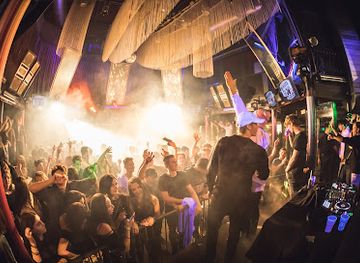
Evening life in Val Gardena is centred on restaurants, hotel lounges, wine bars, cafés and traditional pubs rather than a large urban club scene. Ortisei has the broadest choice of relaxed places for an evening drink, while Santa Cristina and Selva offer bars and après-ski venues suited to visitors staying in the surrounding resorts. During the winter season, music and socialising continue after the lifts close, but the atmosphere varies considerably between venues and many evenings remain relatively early by city standards. In summer, nightlife is more closely tied to dining, local events and walks through the villages. Some establishments serve South Tyrolean wines, Italian aperitivi, regional beers and spirits, while live music may appear as a seasonal offering. Visitors should check current arrangements locally, particularly outside the main ski period, when opening patterns in this mountain valley can be more limited.
-
Bar
Apreski Snowbar
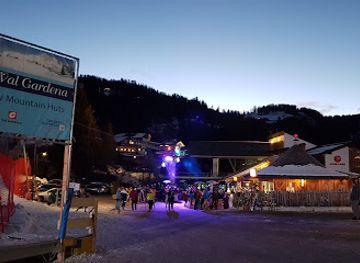
Experience the vibrant atmosphere of Apreski Snowbar in Selva di Val Gardena, where good food, drinks, and music meet the beauty of the Alps.
-
Night club
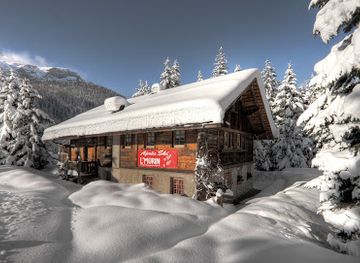
L'Murin Corvara
Discover the lively nightlife at L'Murin Corvara, where music, dance, and great company come together in the heart of South Tyrol.
-
Disco club
Club Max
Discover the electrifying nightlife at Club Max, Brixen's top disco club where music, dance, and vibrant crowds create unforgettable memories.
-
Dance club
Hexen Klub Disco
Experience the electrifying nightlife at Hexen Klub Disco in Canazei, where music and dance come alive in the heart of the Dolomites.

Best shops in Val Gardena
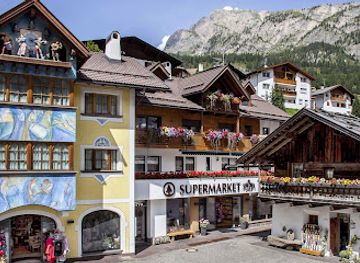
Shopping in Val Gardena is strongest in Ortisei, the valley’s principal commercial centre, with additional shops and services in Santa Cristina and Selva di Val Gardena. The region’s signature purchase is woodcarving, ranging from traditional religious figures to contemporary decorative work, and visitors should look for workshops or galleries that explain how pieces are made rather than treating all souvenirs as interchangeable. Other useful local products include South Tyrolean foods, cheeses, cured meats, preserves, breads, apple products and regional wines. Sports shops are prominent because of the valley’s walking and skiing economy, while boutiques, jewellers and craft galleries serve the resort market. Small supermarkets and village bakeries are practical for self-catering and trail provisions. Seasonal markets and local events may offer additional crafts and produce, but their dates can change. Shopping is generally more about regional workmanship, food and outdoor equipment than about large-scale retail, and the most rewarding purchases are connected to Ladin culture and the valley’s mountain economy.
-
Supermarket
Supermarket Senoner Sarteur DESPAR
Explore the vibrant Supermarket Senoner Sarteur DESPAR, your one-stop shop for groceries, local deli treats, and unique souvenirs in Selva di Val Gardena.
-
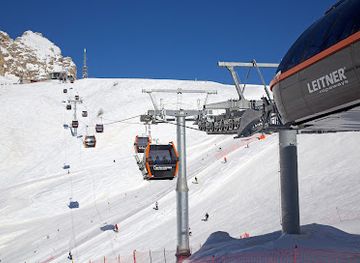
Mountain cable car
Dantercepies AG
Discover breathtaking views and thrilling outdoor adventures at Dantercepies AG, the gateway to the Dolomites.
-
Supermarket
Supermarket Valgardena Center DESPAR
Explore the flavors of South Tyrol at Supermarket Valgardena Center DESPAR, your go-to spot for local produce and delightful pastries in Selva di Val Gardena.
-
Tourist attraction
Forcella del Sassolungo
Discover the majestic Forcella del Sassolungo, where breathtaking views and exhilarating outdoor adventures await in the stunning Dolomites.
Get your free copy of our complete guide to Val Gardena, delivered straight to you.
Everything on this page, from attractions and restaurants to essentials and local phrases, in one PDF you can read offline, print or share.
Already have an account? Sign in
Your Val Gardena guide is ready.
We'll send it to · Not you? Sign out

Getting your guide ready…
We are putting together a fresh copy of the Val Gardena guide. This can take up to a minute.
This can take a few moments. If your browser asks, choose Allow so the download can start. You'll find the guide in your Downloads folder.
Nothing happened? Download it again
Sorry, the guide is taking longer than usual. Please try again in a minute, or get it by email instead.
Val Gardena essentials
Currency and Payment
Safety
Emergency Situations
Do's and Don'ts
Local Tips
From Eve
Local phrases worth knowing
You don't need to get them perfect. A few words go a long way, and locals appreciate the effort.
Basics
| English | Local | Say it |
|---|---|---|
| Hello | Bun di | [Boon dee] |
| Goodbye | A revëder | [Ah reh-ved-er] |
| Yes | Sì | [See] |
| No | No | [No] |
| Please/You’re welcome | Per piaser | [Per pee-ah-ser] |
| Thank you | Grazie | [Graht-see-eh] |
| Excuse me/Sorry | Scusi | [Skoo-zee] |
| How are you? | Cëra? | [Cher-ah] |
| Fine. And you? | Bun. E ti? | [Boon. Eh tee?] |
| Do you speak English? | Parlënghe ingles? | [Par-leng-eh in-glays?] |
| I don't understand | Nò capë | [No kap-eh] |
Eating & Drinking
| English | Local | Say it |
|---|---|---|
| I’d like to see the menu, please | Vöjë vëder ël menù, per piaser | [Voy-eh veh-der el meh-noo, per pee-ah-ser] |
| I don't eat meat | Nò mangë nè | [No man-geh nay] |
| Cheers! | Salute! | [Sah-loo-teh!] |
| I would like to pay, please | Vöjë pagà, per piaser | [Voy-eh pah-gah, per pee-ah-ser] |
Emergencies
| English | Local | Say it |
|---|---|---|
| Help! | Ajüt! | [Ai-yoot!] |
| Go away! | Va via! | [Vah via!] |
| Call the Police! | Ciamë la polizia! | [Chia-meh la politz-ee-ah!] |
| Call a doctor! | Ciamë un dotor! | [Chia-meh oon do-tor!] |
| I’m lost | Sò perdù | [So per-doo] |
| I’m ill | Sò malat | [So mah-lat] |
Shopping
| English | Local | Say it |
|---|---|---|
| I’d like to buy... | Vöjë cumpra... | [Voy-eh koom-prah...] |
| I’m just looking | Stöi vëder | [Stoy veh-der] |
| How much is it? | Quantë costa? | [Kwan-teh cost-ah?] |
| That’s too expensive | E tropp car | [Eh trop car] |
| Can you lower the price? | Pödes abbassà ël prez? | [Poe-des ab-bas-sah el pretz?] |
Time & Numbers
| English | Local | Say it |
|---|---|---|
| What time is it? | Che ora è? | [Keh oh-rah eh?] |
| It’s one o'clock | È l'ün | [Eh l'oon] |
| Half past (10) | Mez’ora (10) | [Mez-oh-rah (10)] |
| Morning | Mati | [Mah-tee] |
| Afternoon | Dopomeriggio | [Doh-poh-meh-ree-joh] |
| Evening | Sera | [Seh-rah] |
| Yesterday | Ieri | [Yeh-ree] |
| Today | Oggi | [Oh-gee] |
| Tomorrow | Domani | [Doh-mah-nee] |
| 1 | 1 | [1] |
| 2 | 2 | [2] |
| 3 | 3 | [3] |
| 4 | 4 | [4] |
| 5 | 5 | [5] |
| 6 | 6 | [6] |
| 7 | 7 | [7] |
| 8 | 8 | [8] |
| 9 | 9 | [9] |
| 10 | 10 | [10] |
Transport & Directions
| English | Local | Say it |
|---|---|---|
| Where's a/the...? | Dove è un/il...? | [Doh-veh eh oon/eel...?] |
| What’s the address? | Qual è l'indirizzo? | [Qual eh lin-dee-rit-so?] |
| Can you show me (on the map)? | Pödes mostrà (sü la mappa)? | [Poe-des mos-trah (soo lah mah-pah)?] |
| When's the next (bus)? | Quând è l'üna prossima (bus)? | [Kwan-d eh l'oon-ah pro-ssee-ma (bus)?] |
| A ticket (to ....) | Un biglietto (per ....) | [Oon beel-yet-toe (per ....)] |
History of Val Gardena
Prehistoric settlement and the Alpine passes
The wider Dolomite and South Tyrolean mountains have been used by people since prehistoric times, with movement shaped by seasonal pastures and routes across Alpine passes. Val Gardena’s early communities developed within this network of mountain agriculture and exchange rather than in isolation. Archaeological evidence across the region indicates long-term occupation, while the valley’s later Ladin language preserves the influence of Latin introduced during the Roman period. The high passes continued to connect communities, livestock routes and trading areas long before modern tourism transformed the valley.
Roman influence and the emergence of Ladin culture
Roman conquest and administration brought Latin into the central and eastern Alps. In several secluded valleys, including those around the Dolomites, local speech evolved into the group of Romance languages now known as Ladin. Val Gardena became one of the valleys where this linguistic and cultural tradition survived alongside Germanic and later Italian influences. Ladin identity remains visible in local place names, public cultural institutions, festivals and the continued use of the language, making the valley part of a broader historic Ladin area rather than simply a German- or Italian-speaking Alpine district.
Medieval lordship and parish communities
During the Middle Ages, Val Gardena was linked to the ecclesiastical and political structures of the wider Tyrol. Parish churches and chapels became important centres for scattered settlements, while mountain farming shaped land use and social organisation. The valley’s communities relied on livestock, forestry and limited cultivation, adapting to a short growing season and steep terrain. Medieval and early modern religious buildings, later rebuilt or enlarged, remain among the clearest signs of this period and still form focal points in Ortisei, Santa Cristina and Selva.
Woodcarving and the growth of a craft economy
Woodcarving developed into Val Gardena’s most distinctive traditional craft, encouraged by abundant local timber and the need for supplementary income in a mountain economy. Religious figures were initially an important product, and carving workshops later supplied customers far beyond the valley. The craft supported specialised skills, family enterprises and artistic education, particularly in Ortisei. Although tourism and modern manufacturing have changed the sector, carved figures and contemporary woodwork remain closely associated with Val Gardena’s cultural image and can be explored through local collections and workshops.
The First World War and the Alpine frontier
The First World War brought the conflict close to the Dolomites, where Italy and Austria-Hungary fought across high mountain positions. Val Gardena itself was not the principal battlefield, but the surrounding Dolomite passes and ridges were affected by military logistics, troop movements and the wider disruption of the front. The war ended the valley’s former political connection with Austria-Hungary: South Tyrol, including Val Gardena, became part of Italy after 1918. Military paths and remnants elsewhere in the Dolomites continue to reflect this period.
Tourism, skiing and modern regional identity
Organised tourism expanded in the nineteenth and early twentieth centuries as improved roads and accommodation made the valley more accessible to visitors attracted by mountain scenery and climbing. After the Second World War, winter sports became the dominant economic force, with lifts and pistes transforming Val Gardena into an international ski destination. Summer walking and the wider Dolomiti Superski network later broadened the season. Modern Val Gardena balances this tourism economy with Ladin cultural preservation, farming, environmental protection and the management of heavy seasonal demand.
The Dolomites as a UNESCO World Heritage landscape
The Dolomites were inscribed on the UNESCO World Heritage List in 2009 for their geological and geomorphological importance as well as their exceptional mountain scenery. Val Gardena lies within this broader heritage setting, where pale, resistant rock layers form pinnacles, towers and long ridges above forests and alpine pastures. The designation reinforces the importance of conserving the landscape while accommodating walking, climbing, skiing and settlement. It also places the valley within an international effort to interpret the Dolomites as both a natural and cultural environment.
Val Gardena in Photos
Browse through our photo collection highlighting the charm and character of the destination.
Neighbouring regions of Val Gardena
The closest regions to Val Gardena, if you have time for more than one.
-

-
-

-
-


Swipe for more regions
Explore more

Explore more of Italy
Discover Italy: A land of ancient history, artistic marvels, and culinary delights; where every corner reveals a new story and every meal is a celebration.
Explore Italy