

South Tyrol, Italy Travel Guide
Discover the perfect blend of Alpine beauty and Mediterranean charm in South Tyrol, Italy's hidden gem offering stunning landscapes, rich history, and delicious cuisine.
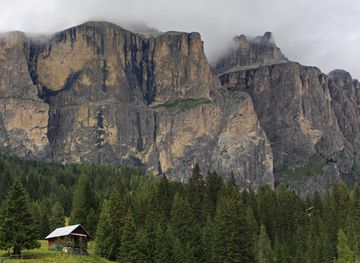
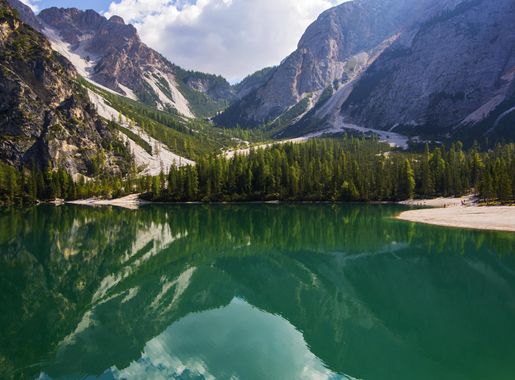
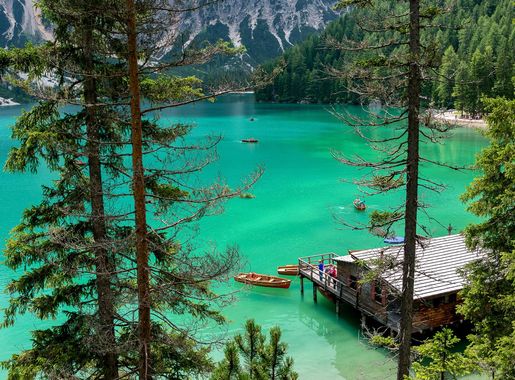
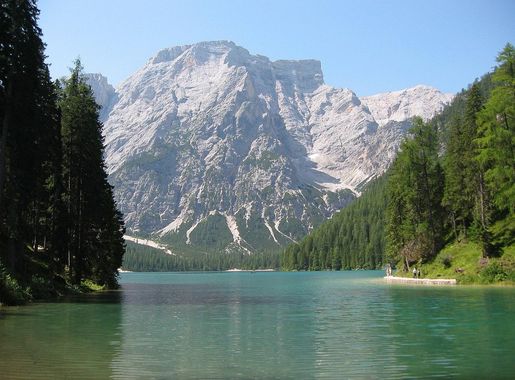
South Tyrol, located in the northern part of Italy, is a stunning region where the Italian and Austrian cultures blend seamlessly. This picturesque area is known for its breathtaking alpine scenery, charming villages, and rich history. Visitors can explore the Dolomites, a UNESCO World Heritage site, with its dramatic peaks and valleys perfect for hiking, skiing, and mountaineering. The region is also famous for its vineyards and apple orchards, offering delicious local wines and produce. In South Tyrol, you can immerse yourself in the unique blend of Mediterranean and Alpine cuisine. Enjoy hearty dishes like speck, a type of smoked ham, and knödel, a bread dumpling, paired with a glass of local wine. The region's capital, Bolzano, is a vibrant city with a mix of medieval and modern architecture, museums, and a lively market scene. Don't miss the South Tyrol Museum of Archaeology, home to the famous Ötzi the Iceman. South Tyrol's rich cultural heritage is evident in its many festivals and events throughout the year. Whether it's the Merano Wine Festival, the Bolzano Christmas Market, or the traditional Törggelen in autumn, there's always something to celebrate. The region's warm hospitality, stunning landscapes, and cultural diversity make it a must-visit destination for any traveler.

Know before you go
Hi, I'm Eve. Here are a few practical things to know before exploring South Tyrol.
- Learn a few basic phrases in both Italian and German; locals often speak both languages.
- Visit during the spring or autumn for fewer crowds and pleasant weather.
- Don't miss the Dolomites; they offer some of the best hiking and skiing in the world.
- Try the local wines; South Tyrol is known for its excellent white wines, especially Gewürztraminer.
- Participate in a traditional Törggelen meal in autumn, featuring new wine and chestnuts.
Destinations in South Tyrol
Resorts, valleys and scenic spots worth a trip of their own.

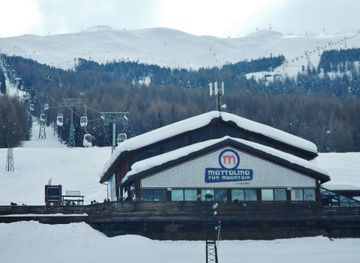


Explore South Tyrol: Things to Do, Places to Eat, Hotels & More
Handpicked recommendations for top attractions, local dining, accommodations, and more

Top Attractions & Sightseeing in South Tyrol
Top-rated picks
Best Attractions
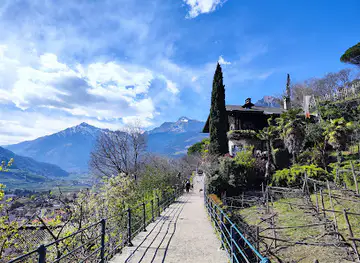
Tappeinerweg
Experience the breathtaking beauty of Tappeinerweg, a scenic walking path in Merano, South Tyrol, offering stunning views and tranquil nature.
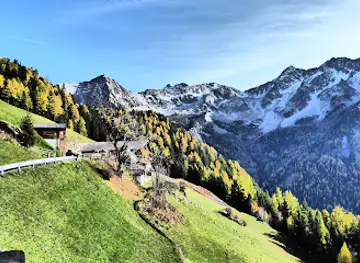
Reinbach Waterfalls
Experience the breathtaking beauty of Reinbach Waterfalls in South Tyrol, a perfect destination for nature lovers and hiking enthusiasts.

Duomo di Bolzano
Discover the stunning Duomo di Bolzano, a Gothic cathedral that showcases rich history, breathtaking architecture, and serene beauty in the heart of South Tyrol.

Brixner Dom
Discover the breathtaking Brixner Dom, a stunning Baroque cathedral in Bressanone, offering rich history, exquisite architecture, and serene beauty.

Best landmarks in South Tyrol
Top-rated picks
Best Landmarks
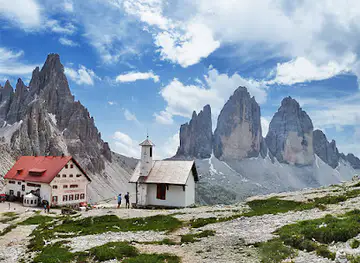
Parco Naturale Tre Cime
Explore the breathtaking Parco Naturale Tre Cime - a stunning nature preserve in the Dolomites, perfect for hiking and wildlife enthusiasts.

South Tyrol Archeological Museum
Explore the fascinating history of South Tyrol at the Archeological Museum, home to Ötzi the Iceman and a treasure trove of ancient artifacts.

Waltherplatz
Explore Waltherplatz, Bolzano's historical landmark, where vibrant culture meets stunning architecture in a picturesque Italian setting.

Fanes-Sennes-Braies Natural Park
Explore the stunning landscapes and diverse wildlife of Fanes-Sennes-Braies Natural Park in South Tyrol, a must-visit destination for nature lovers and adventurers.

Best restaurants in South Tyrol
Top-rated picks
Best Restaurants

Restaurant St. Hubertus
Experience Michelin-starred Italian fine dining amidst the breathtaking Dolomites at Restaurant St. Hubertus.

Anna Stuben 1 Stella Michelin
Discover culinary excellence at Anna Stuben, where Michelin-starred Italian cuisine meets breathtaking alpine views.
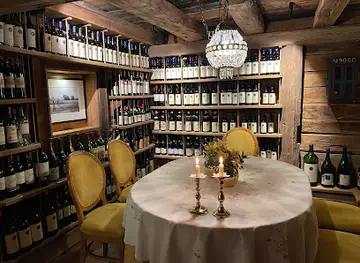
La Stüa de Michil
Experience exquisite fine dining with an Italian-Korean twist in the heart of Corvara's Dolomites.
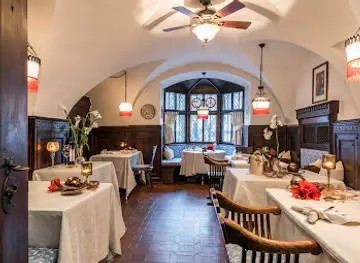
Gourmetstube Einhorn
Experience exquisite fine dining at Gourmetstube Einhorn in Vipiteno, where local flavors meet culinary artistry in an elegant setting.

Best bars in South Tyrol
Top-rated picks
Best Bars

Batzen Häusl
Discover the heart of Bolzano at Batzen Häusl, where traditional South Tyrolean cuisine meets local craft brewing in a charming atmosphere.

Hopfen & Co.
Discover the vibrant atmosphere of Hopfen & Co. in Bolzano, offering an exceptional selection of local craft beers and traditional cuisine in a cozy setting.

Biergarten Tirol
Discover the best of South Tyrolean culture and cuisine at Biergarten Tirol, a charming beer garden perfect for relaxation and indulgence.

Birreria Romagnolo di Bonato Luca e Bianchi Davide & Co S.a.s.
Discover the heart of South Tyrol at Birreria Romagnolo, where local beers and traditional dishes create an unforgettable dining experience.

Best nightclubs in South Tyrol
Top-rated picks
Best Nightclubs

Club Max
Experience Brixen's nightlife at Club Max, where vibrant music and an electric atmosphere await every weekend.

Hexen Klub Disco
Experience the electrifying nightlife at Hexen Klub Disco in Canazei, where unforgettable dance parties meet stunning Dolomite scenery.

Discoteca Life
Discover the heart of Bolzano's nightlife at Discoteca Life, a vibrant night club offering unforgettable experiences and exhilarating music.

Miró Club
Discover Bolzano's vibrant nightlife at Miró Club, a lively disco offering unforgettable music and a dynamic atmosphere.

Best shops in South Tyrol
Top-rated picks
Best Shops

Twenty
Discover a shopping paradise in Bolzano at Twenty, where local flair meets international brands in a delightful atmosphere.

Thuniversum Bolzano
Explore the enchanting Thuniversum Bolzano, where unique gifts and local craftsmanship meet in a delightful shopping experience.

Centrum
Discover Centrum in Bolzano - a shopping paradise with diverse stores, delicious eateries, and vibrant atmosphere for an unforgettable retail experience.

Pur Südtirol Merano
Experience the best of South Tyrolean cuisine at Pur Südtirol Merano, your gourmet grocery store and bistro in the heart of Merano.

Explore South Tyrol on the Map
A handpicked selection of must-see spots in South Tyrol, mapped for you.
South Tyrol Essentials
-
South Tyrol can be accessed through various means. The nearest international airports are located in Innsbruck (Austria), Verona, Venice, and Milan. From these airports, you can take a train or rent a car to reach South Tyrol. The region is well-connected by train services, with major stations in Bolzano, Merano, and Bressanone. Driving is also a popular option, with the A22 (Autostrada del Brennero) being the main highway connecting the region with Austria and other parts of Italy.
-
South Tyrol offers several options for getting around. The region has an efficient public transportation system, including trains, buses, and cable cars. The Mobilcard allows unlimited travel on public transport for one, three, or seven days. Taxis are readily available, but can be more expensive. Renting a car is a convenient option if you plan to explore remote areas or travel at your own pace. Biking is also popular, with many well-maintained bike paths.
-
The official currency in South Tyrol is the Euro (EUR). Credit cards are widely accepted in hotels, restaurants, and shops, but it is advisable to carry some cash for smaller establishments or rural areas. ATMs (bancomats) are available in all towns and cities, and most allow you to withdraw cash using international cards.
-
South Tyrol is generally a safe destination for tourists. However, it's always wise to take standard precautions. Avoid leaving your belongings unattended and be cautious in crowded areas. While the region does not have specific high-crime areas targeting tourists, it's best to stay vigilant. Petty crimes like pickpocketing can occur, especially in busy tourist spots.
-
In case of emergency, dial 112 for immediate assistance. This number connects you to all emergency services, including police, fire department, and medical help. Hospitals and medical facilities are available in major towns such as Bolzano and Merano. It is advisable to have travel insurance that covers medical emergencies. Pharmacies (Farmacia) are widespread, and many have emergency services outside regular hours.
-
Fashion: Do dress comfortably and appropriately for the weather. In winter, warm clothing is essential. Avoid overly casual attire in upscale restaurants. Religion: Do respect local customs, especially in churches and religious sites. Dress modestly and be quiet during services. Public Transport: Do validate your ticket before boarding trains and buses. Don't occupy seats reserved for elderly or disabled passengers. Greetings: Do greet people with a friendly 'Guten Tag' or 'Buongiorno' depending on the area. A handshake is common. Eating & Drinking: Do try local specialties like Speck and Knödel. Don't rush meals; dining is a leisurely activity. Tipping is appreciated but not mandatory.
-
To experience South Tyrol like a local, visit the weekly markets in towns such as Merano and Bolzano where you can buy fresh produce and traditional products. Participate in local festivals and events to immerse yourself in the culture. Try to learn a few phrases in German and Italian, as both languages are spoken here. Enjoy the region's outdoor activities, such as hiking, skiing, and cycling, to truly appreciate the natural beauty of the area.
When is the best time to visit South Tyrol?
Useful Local Phrases for South Tyrol
You don't need to speak the language perfectly. Even learning a few simple words can make conversations warmer—and locals usually appreciate the effort.
— Eve

Here are the phrases I use most often in South Tyrol. Try a few—you'll be surprised how far they go! 😊
❤️
-
- HelloHallo
[Hah-lo] - GoodbyeAuf Wiedersehen
[Owf Veeder-zane] - YesJa
[Yah] - NoNein
[Nine] - Please/You're welcomeBitte
[Bi-tte] - Thank youDanke
[Dahn-ke] - Excuse me/SorryEntschuldigung
[Ent-shool-dee-goong] - How are you?Wie geht's?
[Vee gates?] - Fine. And you?Gut. Und dir?
[Goot. Oond deer?] - Do you speak English?Sprechen Sie Englisch?
[Shpre-chen Zee Eng-lish?] - I don't understandIch verstehe nicht
[Ish fer-shtay-eh nicht]
- HelloHallo
-
- I'd like to see the menu, pleaseIch hätte gerne die Speisekarte, bitte
[Ish heh-teh gair-neh dee Spy-ze-kar-teh, bi-tte] - I don't eat meatIch esse kein Fleisch
[Ish ess-eh kine Flysh] - Cheers!Prost!
[Prohst] - I would like to pay, pleaseIch möchte zahlen, bitte
[Ish mer-chte tsah-len, bi-tte]
- I'd like to see the menu, pleaseIch hätte gerne die Speisekarte, bitte
-
- Help!Hilfe!
[Hil-fe] - Go away!Geh weg!
[Gay veg] - Call the Police!Rufen Sie die Polizei!
[Roo-fen Zee dee Pol-i-tsai] - Call a doctor!Rufen Sie einen Arzt!
[Roo-fen Zee eye-nen Arts-t] - I'm lostIch habe mich verlaufen
[Ish hah-beh mish fer-lau-fen] - I'm illIch bin krank
[Ish bin krank]
- Help!Hilfe!
-
- I'd like to buy...Ich möchte kaufen...
[Ish mer-chte kau-fen...] - I'm just lookingIch schaue nur
[Ish shau-eh noor] - How much is it?Wie viel kostet es?
[Vee feel kost-eh es?] - That's too expensiveDas ist zu teuer
[Das ist tsoo toy-er] - Can you lower the price?Könnten Sie den Preis senken?
[Kurn-ten Zee den Price sen-ken?]
- I'd like to buy...Ich möchte kaufen...
-
- What time is it?Wie spät ist es?
[Vee shpaht ist es?] - It's one o'clockEs ist ein Uhr
[Es ist ine Oor] - Half past (10)Halb (10)
[Hahlb (10)] - MorningMorgen
[Mor-gen] - AfternoonNachmittag
[Nahch-mitt-ag] - EveningAbend
[Ah-bent] - YesterdayGestern
[Geh-stern] - TodayHeute
[Hoy-teh] - TomorrowMorgen
[Mor-gen] - 1Eins
[Eins] - 2Zwei
[Zvai] - 3Drei
[Dry] - 4Vier
[Veer] - 5Fünf
[Foonf] - 6Sechs
[Zex] - 7Sieben
[Zee-ben] - 8Acht
[Acht] - 9Neun
[Noyn] - 10Zehn
[Tsen]
- What time is it?Wie spät ist es?
-
- Where's a/the...?Wo ist ein/das...?
[Vo ist ine/das...?] - What's the address?Wie lautet die Adresse?
[Vee lau-tet dee Ah-dres-se?] - Can you show me (on the map)?Können Sie mir (auf der Karte) zeigen?
[Kurn-nen Zee meer (owf der Kar-teh) tsai-gen?] - When's the next (bus)?Wann fährt der nächste (Bus)?
[Vahn fairt der nay-shte (Boos)?] - A ticket (to ....)Ein Ticket (nach ....)
[Ine Ti-ket (nahkh ....)]
- Where's a/the...?Wo ist ein/das...?
History of South Tyrol
-
South Tyrol, known as Alto Adige in Italian, has a deep-rooted history that dates back to ancient times. The region was originally inhabited by the Raetians, an ancient Alpine people. By the 15th century BC, the area saw the influence of the Etruscans and later the Celts. The Romans conquered South Tyrol in 15 BC under Emperor Augustus, integrating it into the Roman Empire. The Via Claudia Augusta, a Roman road, played a crucial role in connecting the region to the rest of the empire, facilitating trade and cultural exchange.
-
During the medieval period, South Tyrol became a patchwork of small feudal territories. It was part of the Duchy of Bavaria before becoming integrated into the Holy Roman Empire. This era saw the construction of numerous castles and fortresses, many of which still dot the landscape today. Notable examples include Tyrol Castle, which gave the region its name, and Runkelstein Castle, famous for its well-preserved frescoes depicting medieval courtly life. The region's strategic importance made it a contested area among various noble families.
-
In the 14th century, South Tyrol came under the control of the Habsburg dynasty, becoming part of the County of Tyrol. The Habsburgs' rule brought relative stability and prosperity to the region. The capital, Merano, flourished as a center of trade and culture. The Habsburgs also promoted the development of viticulture, leading to the region's long-standing tradition of winemaking. This period also saw the establishment of important religious institutions, including the Augustinian Canons Regular in Novacella Abbey.
-
The Napoleonic Wars in the early 19th century brought significant upheaval to South Tyrol. The region was briefly ceded to the Kingdom of Bavaria as a result of the Treaty of Pressburg in 1805. This led to widespread discontent among the Tyrolean population, culminating in the Tyrolean Rebellion of 1809. Led by Andreas Hofer, a local innkeeper and patriot, the Tyroleans launched a series of uprisings against Bavarian and French forces. Although initially successful, the rebellion was eventually crushed, and Hofer was executed. However, his legacy remains a symbol of Tyrolean resistance.
-
The aftermath of World War I brought dramatic changes to South Tyrol. The Treaty of Saint-Germain in 1919 resulted in the annexation of South Tyrol by Italy, despite the region's predominantly German-speaking population. This period was marked by efforts to Italianize the region, including the suppression of German language and culture. Many place names were changed to Italian, and the use of German in schools and public offices was restricted. These policies led to significant tensions and resistance among the local population.
-
During World War II, South Tyrol found itself once again in a precarious position. In 1939, Adolf Hitler and Benito Mussolini reached the Option Agreement, which forced the German-speaking population to choose between relocating to the Third Reich or remaining in South Tyrol and facing Italianization. Many families were torn apart by this difficult decision. After the war, South Tyrol was restored to Italy, but the region's autonomy and cultural rights became a contentious issue.
-
The post-war period saw significant efforts to address the grievances of the South Tyrolean population. The Gruber-De Gasperi Agreement of 1946 laid the groundwork for greater autonomy, which was further solidified by the Second Autonomy Statute in 1972. Today, South Tyrol enjoys a high degree of self-governance, with protections for its German-speaking and Ladin-speaking minorities. The region has thrived economically, thanks to its robust tourism industry, agriculture, and strong sense of cultural identity. South Tyrol stands as a testament to the resilience and adaptability of its people.
Neighbouring Regions of South Tyrol
The closest regions to South Tyrol, if you have time for more than one.



Your all‑in‑one travel companion app
Explore expert travel guides, compare and book tours, experiences, hotels, and more—all from the palm of your hand. Download now for seamless trip planning wherever your wanderlust takes you.


Explore More of Italy

Looking beyond South Tyrol? Discover Italy for broader travel guides, local hot-spots, and regional highlights.
Explore ItalySouth Tyrol in Photos
Browse through our photo collection highlighting the charm and character of the destination.




South Tyrol: Italy's Alpine Gem
South Tyrol, located in the northern part of Italy, is a stunning region where the Italian and Austrian cultures blend seamlessly. This picturesque area is known for its breathtaking alpine scenery, charming villages, and rich history. Visitors can explore the Dolomites, a UNESCO World Heritage site, with its dramatic peaks and valleys perfect for hiking, skiing, and mountaineering. The region is also famous for its vineyards and apple orchards, offering delicious local wines and produce. In South Tyrol, you can immerse yourself in the unique blend of Mediterranean and Alpine cuisine. Enjoy hearty dishes like speck, a type of smoked ham, and knödel, a bread dumpling, paired with a glass of local wine. The region's capital, Bolzano, is a vibrant city with a mix of medieval and modern architecture, museums, and a lively market scene. Don't miss the South Tyrol Museum of Archaeology, home to the famous Ötzi the Iceman. South Tyrol's rich cultural heritage is evident in its many festivals and events throughout the year. Whether it's the Merano Wine Festival, the Bolzano Christmas Market, or the traditional Törggelen in autumn, there's always something to celebrate. The region's warm hospitality, stunning landscapes, and cultural diversity make it a must-visit destination for any traveler.