

Verona City Centre (Verona) Travel Guide - Free
Explore Verona City Centre in Verona with Evendo's free guide. Find the best shops, historic streets, restaurants, and gems on web or mobile.


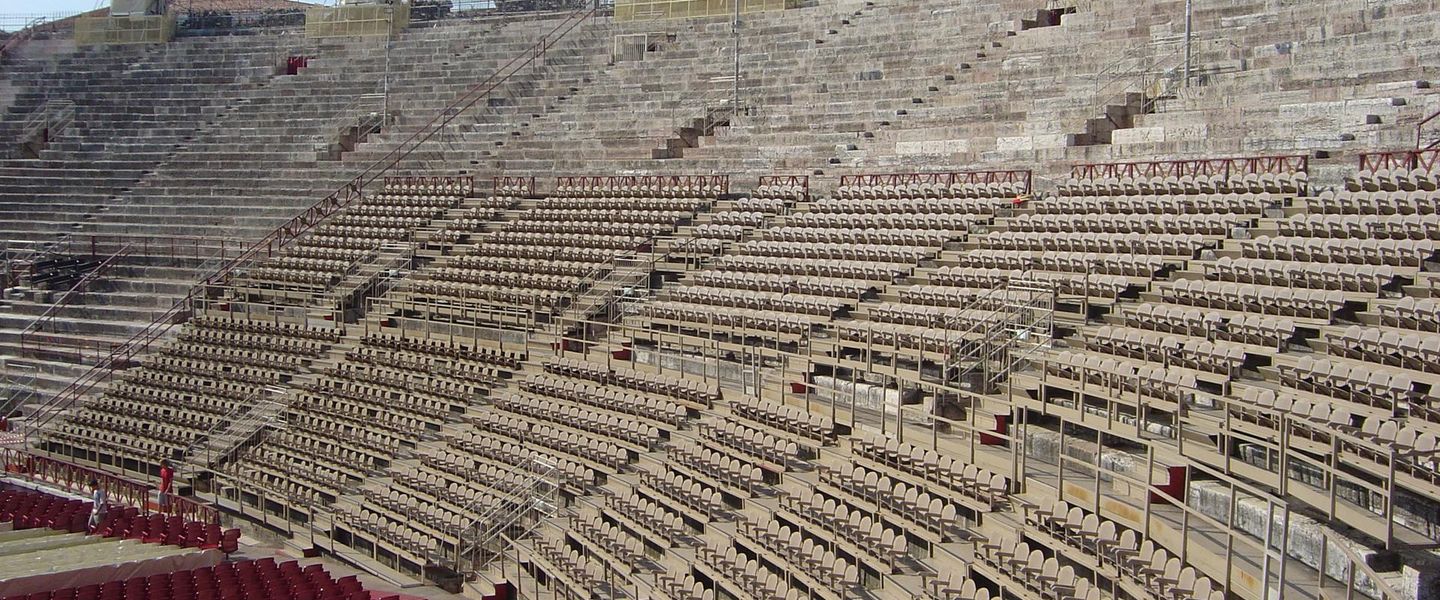


Verona City Centre blends Roman ruins, medieval squares, Renaissance palaces, riverside walks and celebrated opera beneath the Arena in historic Verona.
Roman Foundations and Medieval Squares
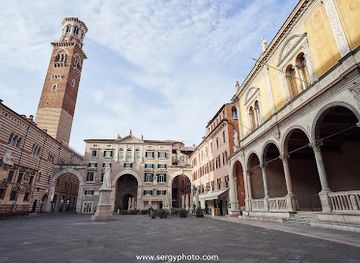
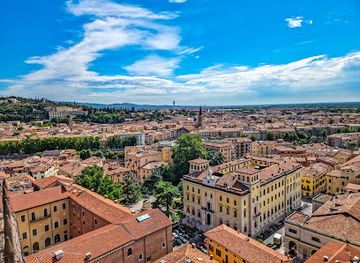
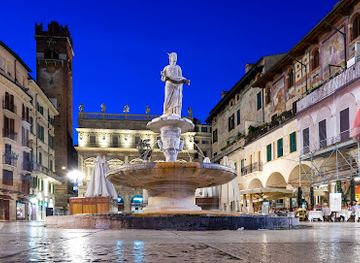
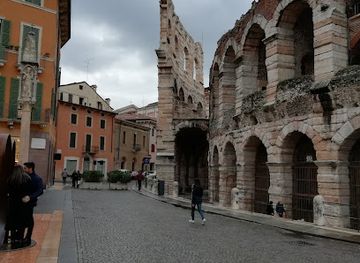
Verona City Centre occupies the compact historic core between the Adige River and the former medieval walls, where Roman, medieval, Renaissance and modern life share the same streets. The Arena di Verona dominates Piazza Bra, its vast amphitheatre still used for opera and concerts, while the nearby Corso Porta Borsari follows an ancient route towards the river. Around Piazza delle Erbe, market stalls and café terraces occupy the site of the Roman forum; a short walk leads to Piazza dei Signori, the former political heart framed by palaces and the monument to Dante.Read more about Verona City Centre
Streets, River and Architecture
Daily Life in the Historic Core
Best attractions in Verona City Centre
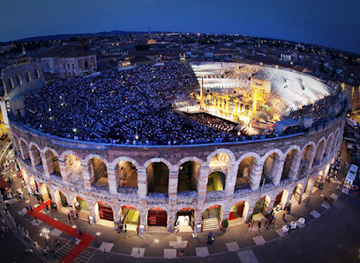
Verona City Centre's principal attractions are concentrated within an easily walkable historic core. Piazza Bra introduces the Arena di Verona, the first-century Roman amphitheatre whose summer opera season gives the square a distinctive evening atmosphere, while the Museo di Castelvecchio presents medieval and Renaissance art inside a restored fortress. Piazza delle Erbe occupies the ancient forum and remains a social and market space, with the nearby Torre dei Lamberti providing elevated views when open. Casa di Giulietta draws visitors to its literary association and courtyard, though the Shakespeare connection is imaginative rather than documentary. Piazza dei Signori, the Arche Scaligere, Santa Maria Antica, Sant'Anastasia and San Fermo Maggiore reveal the centre's medieval and religious heritage. Along the Adige, Ponte Pietra and Ponte Scaligero frame some of the city's most characteristic riverside views.
-
Tourist attraction
Arena di Verona
Discover the grandeur of Arena di Verona, a historical landmark and opera house that embodies the rich cultural heritage of Italy.
2 min walk · 0.2 km from neighbourhood centre
-
Museum
Castelvecchio Museum
Explore the fascinating history and art of Verona at Castelvecchio Museum, a stunning medieval castle turned museum offering rich cultural experiences.
4 min walk · 0.3 km from neighbourhood centre
-
Scenic spot
Piazza dei Signori
Explore the enchanting Piazza dei Signori, a historical and scenic spot in Verona, showcasing stunning architecture and vibrant local culture.
9 min walk · 0.7 km from neighbourhood centre
-
Tourist attraction
Torre dei Lamberti
Explore the breathtaking views and rich history of Torre dei Lamberti, a must-visit landmark in the heart of Verona.
8 min walk · 0.7 km from neighbourhood centre

Best landmarks in Verona City Centre
The Arena di Verona is the centre's defining monument: a remarkably preserved Roman amphitheatre whose scale and continued performance use connect ancient engineering with modern cultural life. The nearby Porta Borsari preserves the monumental entrance to the Roman city, while Ponte Pietra retains elements of Verona's historic river crossing and offers a direct visual link between the centre and the opposite bank. Castelvecchio, with its crenellated walls and fortified Ponte Scaligero, represents the military power of the Scaliger rulers; its museum installation gives the building a second architectural identity. Piazza dei Signori is framed by civic palaces associated with Verona's government, and the Arche Scaligere beside Santa Maria Antica mark the former ruling dynasty through elaborate Gothic funerary monuments. Together these structures show how political authority, defence, worship and commerce shaped the historic core.
-
 Arena
ArenaArena di Verona
Discover the stunning Arena di Verona, a historic Roman amphitheater hosting world-class operas and cultural events in a breathtaking setting.
3 min walk · 0.2 km from neighbourhood centre
-
Museum
Castelvecchio Museum
Discover the rich history and exquisite art of Verona at the Castelvecchio Museum, a medieval castle turned cultural gem.
4 min walk · 0.3 km from neighbourhood centre
-
Tourist attraction
Piazza delle Erbe
Explore the enchanting Piazza delle Erbe in Verona, where history meets vibrant market life and stunning architecture awaits every visitor.
8 min walk · 0.7 km from neighbourhood centre
-
Historical landmark
Porta Nuova
Explore Porta Nuova, a majestic historical landmark in Verona that beautifully reflects the city's architectural heritage and vibrant culture.
11 min walk · 0.9 km from neighbourhood centre

Explore Verona City Centre on the map
A handpicked selection of must-see spots in Verona City Centre, mapped for you.
Best hotels in Verona City Centre
Best restaurants in Verona City Centre
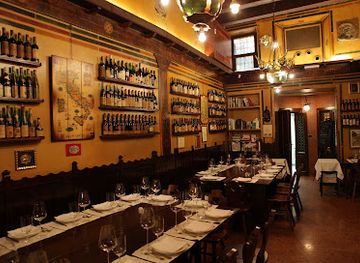
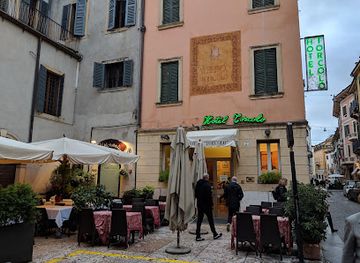
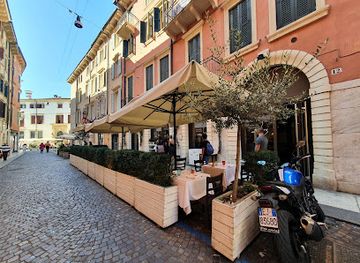
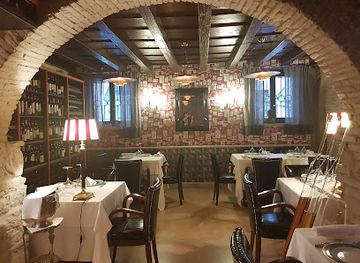
Dining in Verona City Centre ranges from traditional trattorie and osterie to aperitivo bars, pastry shops and contemporary restaurants occupying historic lanes. Around Piazza delle Erbe and the streets leading towards Corso Porta Borsari, menus often draw on Veronese cooking, including risotto all'Amarone, bigoli, pastissada de caval and seasonal preparations, while local wines such as Valpolicella and Soave are widely represented. The centre also has cafés suited to a morning espresso, gelaterie, bakeries and informal places for cicchetti-style small plates. Via Sottoriva is associated with atmospheric wine bars and casual eating beneath its arcades, while quieter streets near San Fermo and Sant'Anastasia offer a less square-focused setting. As the area serves both residents and visitors, reservations can be useful for sought-after dining rooms, particularly on opera evenings, but the historic core also supports spontaneous grazing between markets and cafés.
-
Restaurant
Antica Bottega del Vino
Experience authentic Italian cuisine and exquisite wines at Verona's historic Antica Bottega del Vino.
7 min walk · 0.5 km from neighbourhood centre
-
Italian
Torcolo
Experience authentic Italian cuisine at Torcolo in Verona - where every dish tells a story.
1 min walk · 0.1 km from neighbourhood centre
-
Italian
Locanda 4 Cuochi
Discover authentic Italian cuisine at Locanda 4 Cuochi in Verona - where tradition meets taste.
3 min walk · 0.2 km from neighbourhood centre
-
Italian
Darì Ristorante & Enoteca
Experience exquisite Italian cuisine at Darì Ristorante & Enoteca in Verona - where every dish tells a story.
6 min walk · 0.5 km from neighbourhood centre
Best bars in Verona City Centre
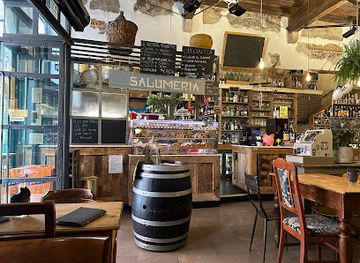
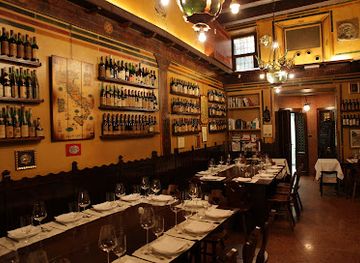
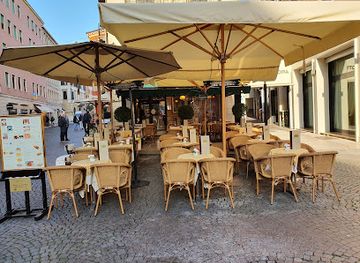
Evenings in Verona City Centre are shaped more by aperitivo, wine and performance culture than by a large club scene. Piazza delle Erbe and the lanes around it fill with outdoor tables, while bars along Corso Porta Borsari, Via Sottoriva and nearby side streets provide places to try wines from the Veneto and the surrounding Valpolicella area. Piazza Bra becomes especially theatrical on Arena performance nights, when opera audiences gather before and after shows, although the square is not itself a nightclub district. The centre includes cocktail bars, traditional osterie and venues with occasional live music, but nightlife generally remains social and conversational rather than all-night. Visitors seeking a quieter drink can move away from the busiest squares towards the river, while those attending a performance should expect concentrated crowds and later dining around the Arena.
-
Bar
La Tradision
Experience La Tradision in Verona: a blend of modern dining, vibrant atmosphere, and exquisite Italian flavors perfect for every traveler.
3 min walk · 0.2 km from neighbourhood centre
-
Bar
Antica Bottega del Vino
Experience the rich flavors of Italy at Antica Bottega del Vino, Verona's iconic wine bar and restaurant with a delightful selection of traditional dishes.
7 min walk · 0.5 km from neighbourhood centre
-
Espresso bar
Caffè Al Teatro
Experience the essence of Italian culture at Caffè Al Teatro, where exquisite espresso and delightful cuisine meet in the heart of Verona.
1 min walk · 0.1 km from neighbourhood centre
-
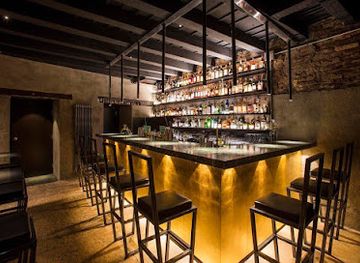
Cocktail bar
The Soda Jerk
Discover The Soda Jerk in Verona - a hidden cocktail bar offering creative drinks and a cozy atmosphere perfect for a night out.
12 min walk · 1.0 km from neighbourhood centre
Best nightclubs in Verona City Centre
Evenings in Verona City Centre are shaped more by aperitivo, wine and performance culture than by a large club scene. Piazza delle Erbe and the lanes around it fill with outdoor tables, while bars along Corso Porta Borsari, Via Sottoriva and nearby side streets provide places to try wines from the Veneto and the surrounding Valpolicella area. Piazza Bra becomes especially theatrical on Arena performance nights, when opera audiences gather before and after shows, although the square is not itself a nightclub district. The centre includes cocktail bars, traditional osterie and venues with occasional live music, but nightlife generally remains social and conversational rather than all-night. Visitors seeking a quieter drink can move away from the busiest squares towards the river, while those attending a performance should expect concentrated crowds and later dining around the Arena.
-
Dance club
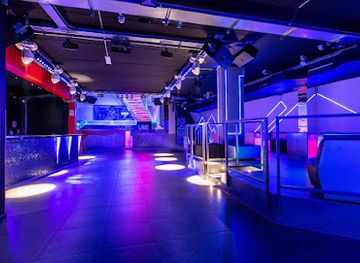
Discoteca Love Verona
Experience the vibrant nightlife of Verona at Discoteca Love, where dancing, music, and fun come together in an unforgettable atmosphere.
5 min drive · 1.7 km from neighbourhood centre
-
Disco club
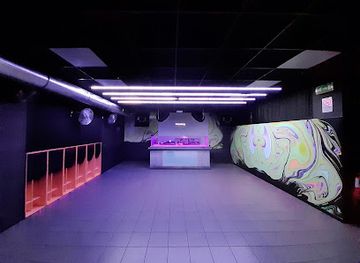
VENICEBERG
Discover the electrifying nightlife of Verona at VENICEBERG, the ultimate disco club for a thrilling night out filled with music and dancing.
5 min drive · 1.7 km from neighbourhood centre
Best shops in Verona City Centre
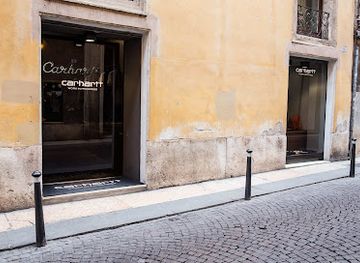
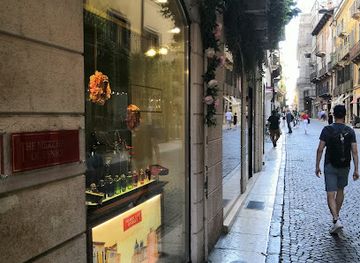
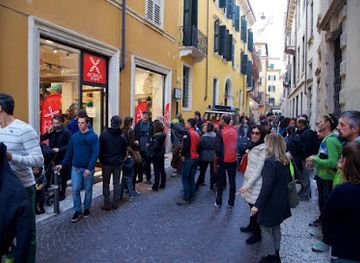
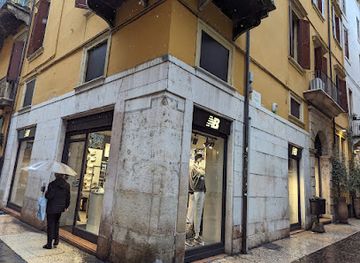
Shopping is most concentrated along Via Mazzini, the pedestrian route linking Piazza Bra with Piazza delle Erbe, where international retailers share space with jewellers, shoe shops and Italian fashion businesses. The streets near the Arena and Corso Porta Borsari add smaller boutiques, leather goods, bookshops and design-led stores, while Piazza delle Erbe retains a market presence alongside its cafés and historic façades. Visitors interested in regional food and wine can browse specialist delicatessens and enotecas rather than expecting a single dedicated food hall. Side streets around Sant'Anastasia and San Fermo are useful for independent retail and artisanal products, though the centre's commercial character is mixed and strongly shaped by tourism. Market stalls vary in quality and purpose, so it is worth distinguishing everyday local purchases from souvenirs and checking provenance when buying regional produce or craft goods.
-
Clothing store
Carhartt WIP Store Verona IV Spade 18-A
Explore the stylish world of urban fashion at Carhartt WIP Store in Verona, where quality meets contemporary streetwear.
6 min walk · 0.5 km from neighbourhood centre
-
Perfume store
The Merchant of Venice - Verona store
Discover the allure of Venetian fragrances at The Merchant of Venice in Verona - a must-visit for scent enthusiasts and tourists alike.
10 min walk · 0.8 km from neighbourhood centre
-
Sportswear store
Montura Store Verona
Explore the Montura Store in Verona for top-tier sportswear and outdoor gear, perfect for every adventure in Italy's stunning landscapes.
4 min walk · 0.3 km from neighbourhood centre
-
Clothing store
New Balance Store Verona Centro
Explore the New Balance Store in Verona Centro for stylish and comfortable athletic wear, perfectly blending performance with fashion in the heart of the city.
7 min walk · 0.6 km from neighbourhood centre
Verona City Centre essentials
Getting There
Getting Around
Safety
Emergency Situations
Do's and Don'ts
Local Tips

From Eve
Local phrases worth knowing
You don't need to get them perfect. A few words go a long way, and locals appreciate the effort.
Basics
| English | Local | Say it |
|---|---|---|
| Hello | Ciao | [chow] |
| Goodbye | Arrivederci | [ah-ree-veh-dehr-chee] |
| Yes | Sì | [see] |
| No | No | [noh] |
| Please/You're welcome | Per favore/Prego | [pehr fah-voh-reh/preh-goh] |
| Thank you | Grazie | [grah-tsyeh] |
| Excuse me/Sorry | Mi scusi/Scusa | [mee skoo-zee/skoo-zah] |
| How are you? | Come stai? | [koh-meh stai] |
| Fine. And you? | Bene. E tu? | [beh-neh. eh too] |
| Do you speak English? | Parli inglese? | [pahr-lee een-gleh-zeh] |
| I don't understand | Non capisco | [nohn kah-pee-skoh] |
Eating & Drinking
| English | Local | Say it |
|---|---|---|
| I'd like to see the menu, please | Vorrei vedere il menù, per favore | [vohr-reh veh-deh-reh eel meh-noo, pehr fah-voh-reh] |
| I don't eat meat | Non mangio carne | [nohn mahn-joh kahr-neh] |
| Cheers! | Salute! | [sah-loo-teh] |
| I would like to pay, please | Vorrei pagare, per favore | [vohr-reh pah-gah-reh, pehr fah-voh-reh] |
Emergencies
| English | Local | Say it |
|---|---|---|
| Help! | Aiuto! | [ah-yoo-toh] |
| Go away! | Vai via! | [vah-ee vee-ah] |
| Call the Police! | Chiama la polizia! | [kee-ah-mah lah poh-lee-tsyah] |
| Call a doctor! | Chiama un dottore! | [kee-ah-mah oon doh-toh-reh] |
| I'm lost | Mi sono perso | [mee soh-no pehr-soh] |
| I'm ill | Mi sento male | [mee sehn-toh mah-leh] |
Shopping
| English | Local | Say it |
|---|---|---|
| I'd like to buy... | Vorrei comprare... | [vohr-reh kohm-prah-reh] |
| I'm just looking | Sto solo guardando | [stoh soh-loh gwar-dahn-doh] |
| How much is it? | Quanto costa? | [kwahn-toh koh-stah] |
| That's too expensive | È troppo caro | [eh troh-poh kah-roh] |
| Can you lower the price? | Puoi abbassare il prezzo? | [pwah-ee ahb-bahs-sah-reh eel preh-tsoh] |
Time & Numbers
| English | Local | Say it |
|---|---|---|
| What time is it? | Che ora è? | [keh oh-rah eh] |
| It's one o'clock | È l'una | [eh loo-nah] |
| Half past (10) | Sono le dieci e mezza | [soh-no leh dyeh-chee eh meh-tzah] |
| Morning | Mattina | [maht-tee-nah] |
| Afternoon | Pomeriggio | [poh-meh-ree-joh] |
| Evening | Sera | [seh-rah] |
| Yesterday | Ieri | [yeh-ree] |
| Today | Oggi | [ohd-jee] |
| Tomorrow | Domani | [doh-mah-nee] |
| 1 | Uno | [oo-no] |
| 2 | Due | [doo-eh] |
| 3 | Tre | [treh] |
| 4 | Quattro | [kwah-troh] |
| 5 | Cinque | [cheen-kweh] |
| 6 | Sei | [seh-ee] |
| 7 | Sette | [seht-teh] |
| 8 | Otto | [oh-toh] |
| 9 | Nove | [noh-veh] |
| 10 | Dieci | [dyeh-chee] |
Transport & Directions
| English | Local | Say it |
|---|---|---|
| Where's a/the...? | Dov'è un/il...? | [doh-veh oon/eel] |
| What's the address? | Qual è l'indirizzo? | [kwahl eh leen-dee-reet-soh] |
| Can you show me (on the map)? | Puoi mostrarmi (sulla mappa)? | [pwah-ee mohs-trar-mee (sool-lah mahp-pah)] |
| When's the next (bus)? | Quando passa il prossimo (autobus)? | [kwahn-doh pahs-sah eel prohs-see-moh (ow-toh-boos)] |
| A ticket (to ....) | Un biglietto (per ....) | [oon bee-lyet-toh (pehr)] |
History of Verona City Centre
Roman Verona and the Forum
Verona's position at an important crossing of the Adige helped make it a significant Roman settlement, known as Verona, by the late Republic and early imperial period. The city developed around a regular urban plan, with the forum occupying the area now represented by Piazza delle Erbe and major roads linking the river crossings and gates. The Arena, built in the first century CE, stood beyond the forum's immediate civic space and accommodated large public spectacles. Sections of the Roman walls, the Porta Borsari gateway and the Ponte Pietra still reveal how thoroughly the modern centre overlays the ancient city.
Medieval Commune and Scaliger Power
After the decline of Roman authority, Verona contracted and changed, but its strategic position continued to attract rulers and merchants. During the communal period, the central squares became places of government, trade and public ceremony. The della Scala, or Scaliger, family consolidated control from the late thirteenth century, reshaping the centre with fortified residences, towers and palaces. Piazza dei Signori developed as an administrative and ceremonial space, while the Arche Scaligere beside Santa Maria Antica became a striking expression of dynastic authority. Castelvecchio and its bridge later strengthened the city's western defences and connection across the Adige.
Venetian Rule and Imperial Change
Verona submitted to Venice in 1405 and remained part of the Venetian state until Napoleon's campaigns in 1797. Venetian administration brought relative political continuity and influenced the appearance of civic buildings, commercial streets and palatial façades, although Verona retained a distinct mainland character rather than resembling Venice itself. After the fall of the Venetian Republic, the city passed through French and Austrian control before joining the Kingdom of Italy in 1866. These transitions affected fortifications, administration and military infrastructure, while the historic centre continued to function as Verona's principal civic and commercial district.
Preservation and Contemporary Centre
The historic core suffered damage during the Second World War, including destruction around bridges and parts of the riverfront, but important monuments were restored and reconstructed in the post-war decades. Castelvecchio was carefully reinterpreted as a museum by architect Carlo Scarpa between the 1950s and 1960s, placing modern museum design in dialogue with the medieval fortress. The Arena's continued use for large-scale opera, alongside the conservation of squares, churches and palaces, helped establish the centre as Verona's cultural focus. Today, heritage tourism, retail, hospitality and everyday city life coexist within the old street plan.
Verona City Centre in Photos
Browse through our photo collection highlighting the charm and character of the destination.
Neighbourhoods near Verona City Centre
The closest neighbourhoods to Verona City Centre, if you have time for more than one stop.
-

-

-


Swipe for more neighbourhoods
Explore more

Explore more of Verona
Verona, Italy, pairs Roman ruins, medieval squares, Renaissance palaces and Shakespearean associations with river walks, opera and Veneto cuisine.
Explore Verona