Stokes Hall Great House: A Glimpse into Jamaica's Colonial Past
Explore the ruins of Stokes Hall Great House in St. Thomas, Jamaica, and step back in time to discover the island's rich colonial history.
Stokes Hall Great House, located near Duckenfield in St. Thomas Parish, Jamaica, is a historical site offering a glimpse into the island's colonial past. Built by Luke Stokes in the 17th century, the great house stands in ruin after being destroyed by an earthquake in 1907, but it still offers visitors a chance to explore the remains of this once-grand estate and learn about its history.
A brief summary to Stokes Hall Great House
- WPCJ+732, Duckenfield, JM
Local tips
- Visit during the early morning to enjoy cooler temperatures and fewer crowds.
- Wear comfortable shoes to explore the grounds more easily.
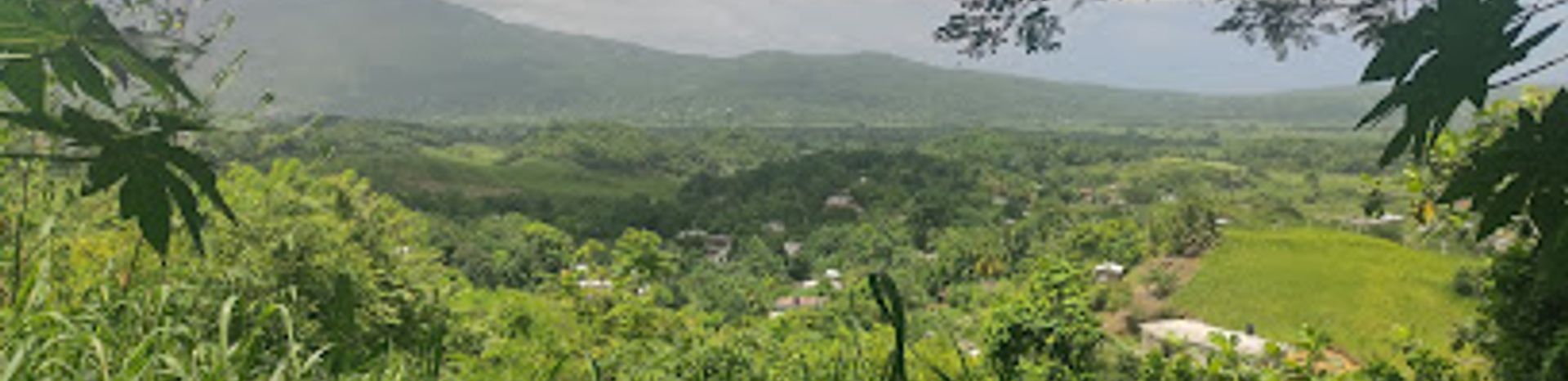
- Bring a camera to capture the stunning views of the surrounding landscape.

Getting There
-
Taxi
From Morant Bay, taxis are readily available. A taxi ride to Stokes Hall Great House, located in Duckenfield, typically takes around 15-20 minutes. Ensure to negotiate the fare before starting your journey. The estimated cost is between JMD 1,500 to JMD 2,500.
-
Public Transport
From the main bus terminal in Morant Bay, you can take a local bus heading towards Duckenfield. The bus fare is approximately JMD 200. Inform the driver of your destination, and they will drop you off near the road leading to Stokes Hall Great House. From there, it's a short 10-15 minute walk to the site.
-
Walking
If you are already in Duckenfield, Stokes Hall Great House is accessible by foot. From the main road, head towards the road marked WPCJ+732. The Great House is approximately a 10-15 minute walk from the main road.
Discover more about Stokes Hall Great House
Iconic landmarks you can’t miss

Stokes Hall Great House
0.0 km
Explore the ruins of Stokes Hall Great House in St. Thomas, Jamaica, and step back in time to discover its colonial history and panoramic views.
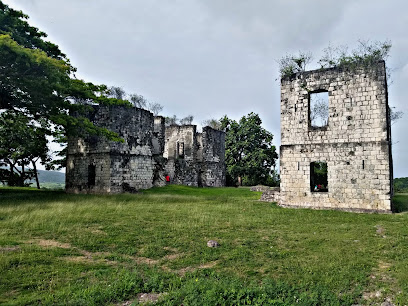
Fort Lindsay
7.6 km
Explore Fort Lindsay in St. Thomas, Jamaica: a historic fort offering a glimpse into Jamaica's colonial past and strategic military architecture.

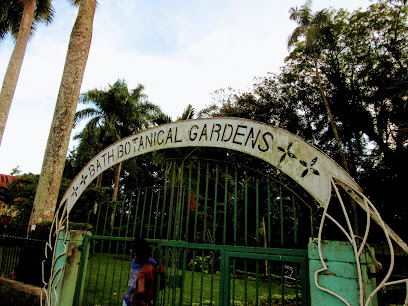
Bath Botanical Garden
8.9 km
Explore the lush landscapes and vibrant flora of Bath Botanical Garden, a serene oasis in Jamaica perfect for nature lovers and families.
Lyssons Beach
9.4 km
Discover Lyssons Beach: A serene escape on Jamaica's south coast with calm waters, fine sands, and a relaxing atmosphere.
Bath Fountain Hotel and Spa
10.1 km
Experience Jamaica's natural healing waters at Bath Fountain Hotel & Spa, a historic retreat in St. Thomas offering relaxation and wellness.
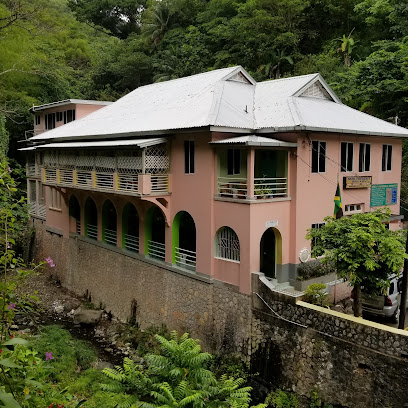
Whispering Bamboo Cove Resort
12.2 km
Experience tranquility at Whispering Bamboo Cove Resort in Jamaica: comfortable rooms, local cuisine, and stunning Caribbean views await!
Golden Shore Resort
12.5 km
Experience beachfront tranquility at Golden Shore Resort in Morant Bay, Jamaica. Discover local culture, comfortable stays, and island adventures.
St Thomas 876
13.2 km
Explore the unspoiled beauty and rich history of St. Thomas Parish, Jamaica, from the heart of Morant Bay. A true taste of local culture.
Morant Bay Urban Centre
13.2 km
Discover a modern commercial hub in historic Morant Bay, offering shopping, dining, and services for locals and tourists.
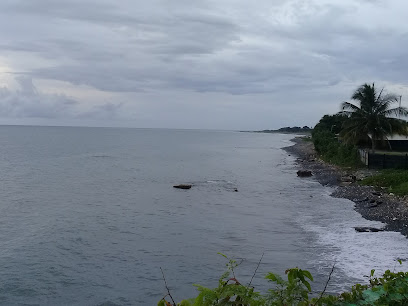
Mount Felix, Saint Thomas Parish
14.3 km
Discover the natural beauty and panoramic views of Mount Felix in St. Thomas Parish, Jamaica. A perfect escape for nature lovers and adventurers.
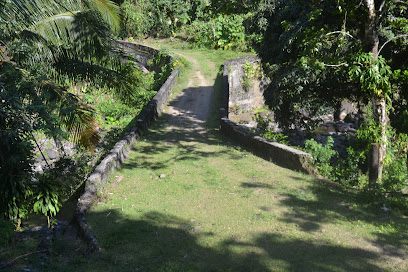
Morant Villa
15.1 km
Your comfortable and convenient home base for exploring the history and beauty of Morant Bay, Jamaica.
Morant Bay
15.3 km
Discover Morant Bay: Where Jamaican history meets coastal beauty and authentic local experiences on the southeastern coast.
Morant Bay Anglican Church
15.3 km
Discover the historical and spiritual heart of Morant Bay at the Anglican Church, a serene landmark with stunning Gothic architecture.
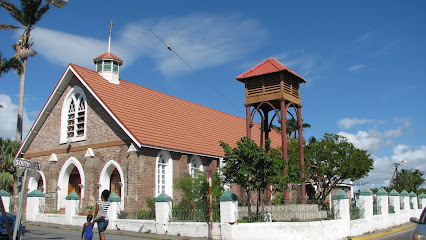
Morant Hall Landing Site
15.6 km
Discover the serene beauty of Morant Hall Landing Site, a tranquil fishing camp near Morant Bay, Jamaica, perfect for relaxation and local fishing experiences.
53 queens street
15.6 km
Experience the vibrant heart of Morant Bay at 53 Queens Street: a cultural hub with local charm, rich history, and authentic Jamaican spirit.
Unmissable attractions to see

Ica Wildlife Tours
9.3 km
Experience the wonder of Jamaica's wildlife at Ica Wildlife Tours, where adventure meets education in stunning natural surroundings.
Bath Fountain
9.4 km
Experience tranquility and natural beauty at Bath Fountain, a serene park perfect for relaxation and recreation in the vibrant city of Bath.
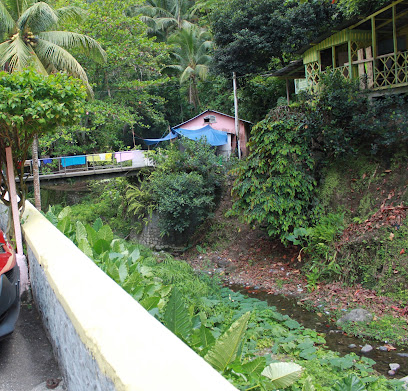
Turtle Bay Beach
11.1 km
Discover the tranquil beauty of Turtle Bay Beach, a serene nature preserve in Muirton, perfect for relaxation and nature exploration.
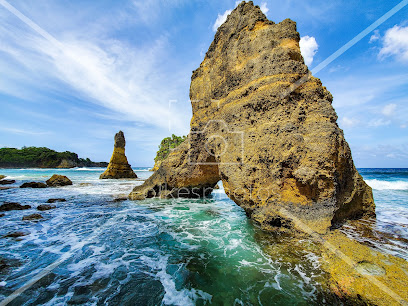
Reach Falls
13.1 km
Experience the breathtaking beauty of Reach Falls, a serene ecological park in Manchioneal, Jamaica, featuring stunning waterfalls and lush natural landscapes.
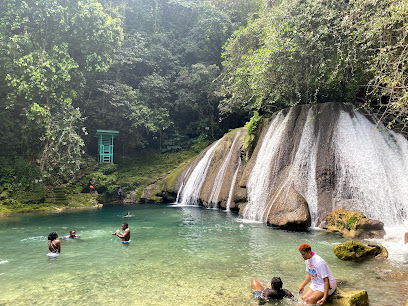
Swinging Bridge
21.8 km
Discover the breathtaking Swinging Bridge in Moore Town, a thrilling attraction surrounded by stunning natural beauty and cascading waterfalls.
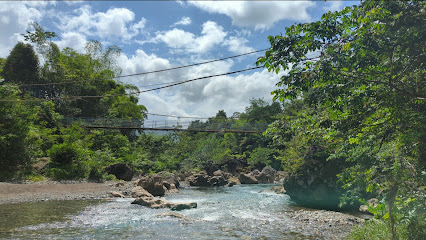
Katawud Village
21.9 km
Experience the authentic charm and vibrant culture of Katawud Village, a hidden gem in Jamaica that captivates every traveler.
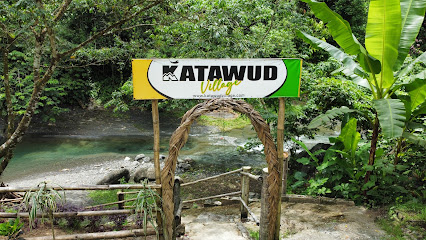
Reggae Falls Travel & Tours
23.2 km
Experience the beauty of Reggae Falls in Morant Bay, Jamaica, where nature meets vibrant culture amidst picturesque scenery.
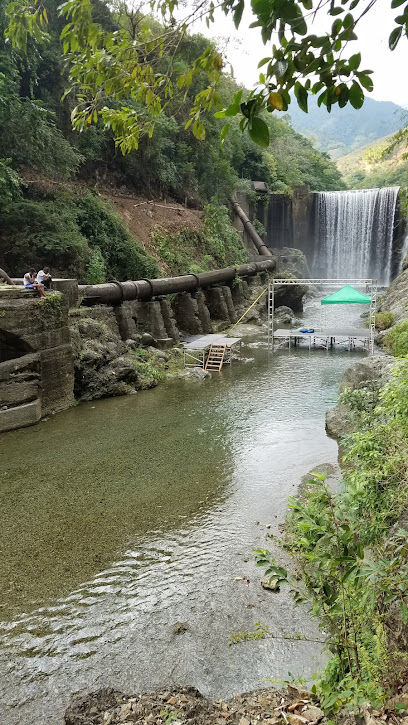
Nanny Falls
24.2 km
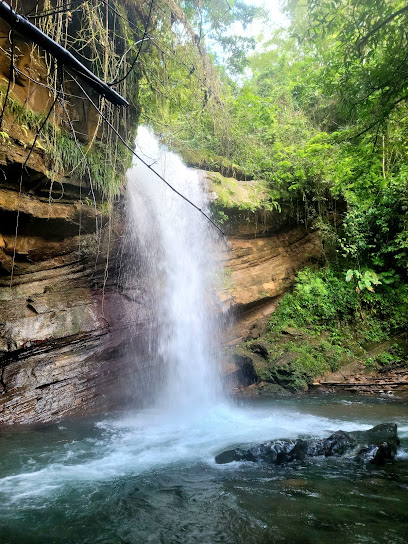
Experience the breathtaking beauty of Nanny Falls, a stunning waterfall in Jamaica perfect for adventure seekers and nature lovers alike.
Boston Bay
24.4 km
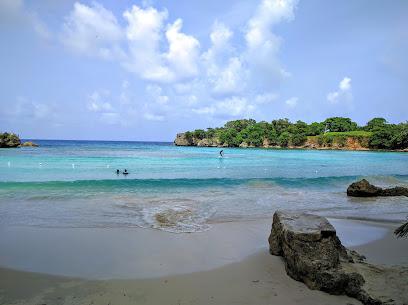
Experience the stunning coastal views, delicious jerk cuisine, and vibrant culture at Boston Bay, Jamaica's hidden paradise.
Grandpa Falls
25.3 km
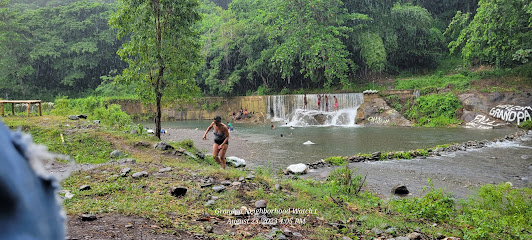
Explore the serene beauty of Grandpa Falls in Morant Bay, a tranquil oasis perfect for relaxation and adventure amidst Jamaica's stunning landscapes.
Seaman’s valley River tour and attraction
25.9 km
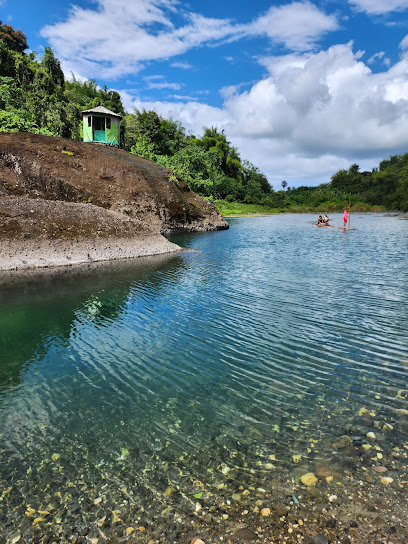
Experience the breathtaking beauty and adventure of Seaman’s Valley River Tour in Port Antonio. Immerse yourself in Jamaica's lush landscapes and vibrant culture.
Boston Beach
27.7 km
Discover the beauty of Boston Beach, Jamaica, with its pristine sands, crystal-clear waters, and vibrant local culture perfect for relaxation and adventure.
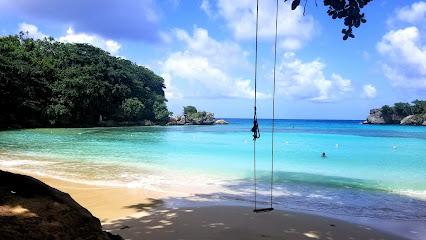
Rio grande river windsor Portland jamaica
28.4 km
Discover the enchanting Rio Grande River in Moore Town, Jamaica, a breathtaking destination for nature lovers and adventure seekers alike.
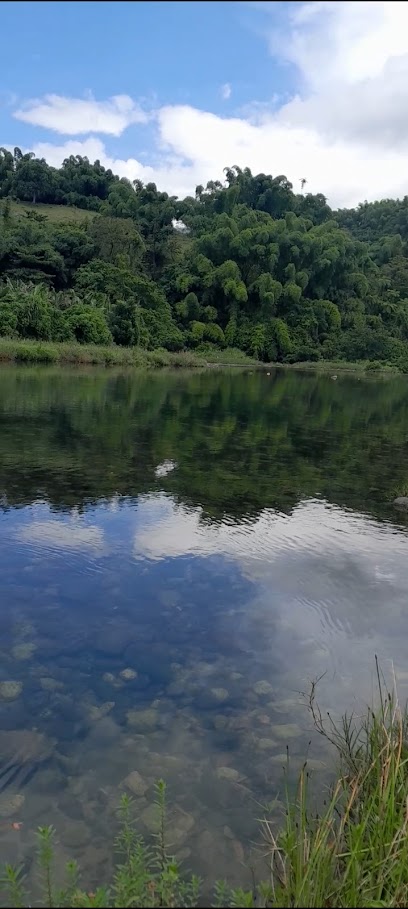
Restoration Village Farm
28.9 km
Discover the rich agricultural heritage of Jamaica at Restoration Village Farm, a unique museum and tourist attraction in Port Antonio.
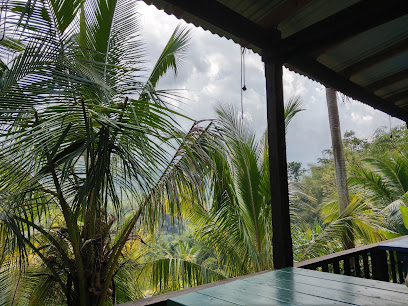
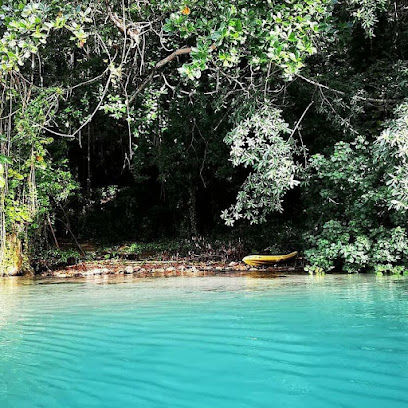
Blue Lagoon Tour Portland
29.8 km
Experience the serene beauty and adventure of Blue Lagoon Tour in Portland, Jamaica - a tropical paradise waiting to be explored.
Essential places to dine

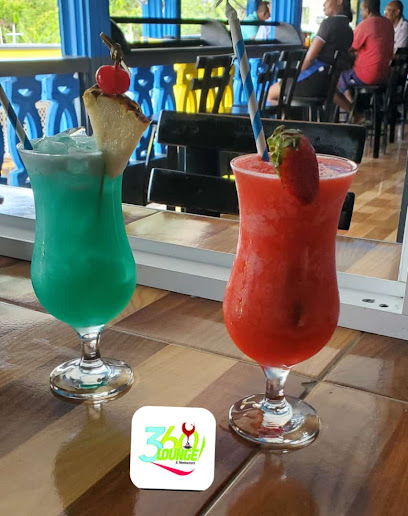
360 Lounge & Restaurant
7.5 km
Experience the vibrant flavors of Jamaica at 360 Lounge & Restaurant in Port Morant – where exquisite cuisine meets breathtaking views.
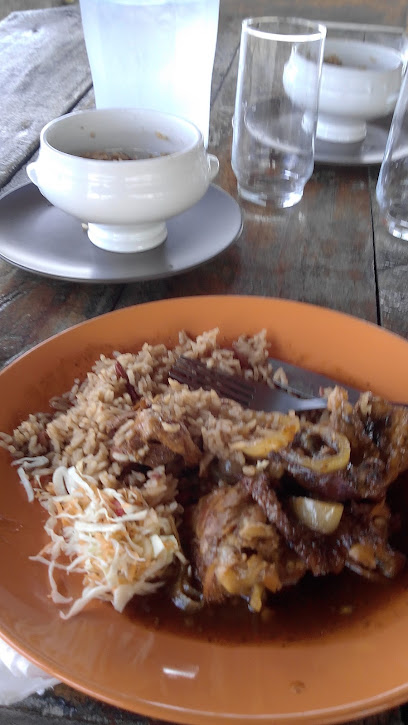
Allshmar
8.0 km
Experience the essence of Jamaican cuisine at Allshmar - where tradition meets taste in every dish.
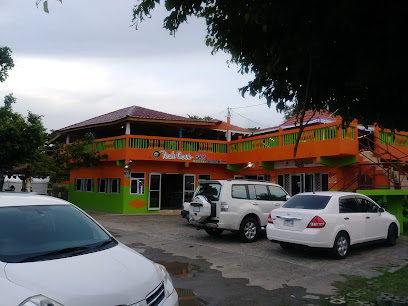
Fish Cove
8.2 km
Discover the best seafood experience at Fish Cove in Lyssons, Jamaica – where freshness meets flavor!
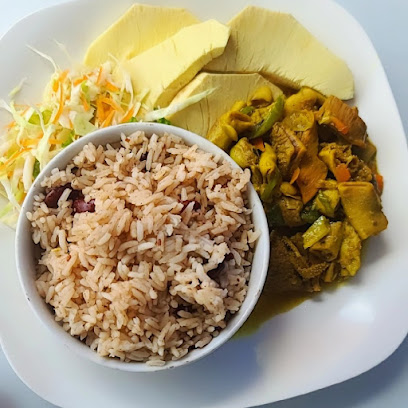
Weekenderz Kitchen
11.2 km
Savor the flavors of Jamaica at Weekenderz Kitchen in Morant Bay – where every dish tells a story.
Lyssons Jerk Centre
12.5 km
Experience authentic Jamaican cuisine at Lyssons Jerk Centre – where every bite tells a story of flavor and tradition.
Chilli Spot Delight
13.2 km
Experience authentic Jamaican cuisine at Chilli Spot Delight in Morant Bay - a culinary haven filled with flavor and hospitality.
The Spot Restaurant And Bar
14.1 km
Discover authentic Jamaican cuisine at The Spot Restaurant And Bar in Morant Bay - A culinary delight for every traveler!
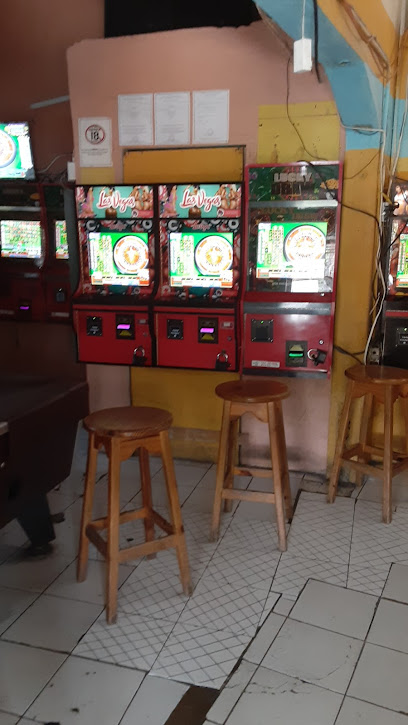
Dacres Kuk Up
15.0 km
Experience the vibrant flavors of Jamaican cuisine at Dacres Kuk Up in Morant Bay - where every meal tells a story.
Red Carpet Restaurant Bar & Lounge
15.2 km
Discover the vibrant flavors of Jamaica at Red Carpet Restaurant Bar & Lounge in Morant Bay, where every meal is a celebration.
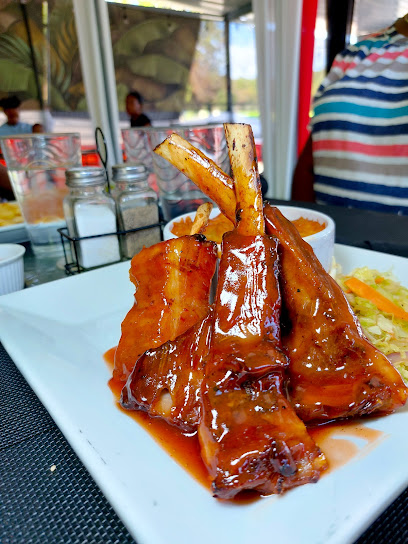
Robbie's Restaurant
15.2 km
Experience the heart of Jamaican cuisine at Robbie's Restaurant in Morant Bay - a culinary journey filled with authentic flavors.
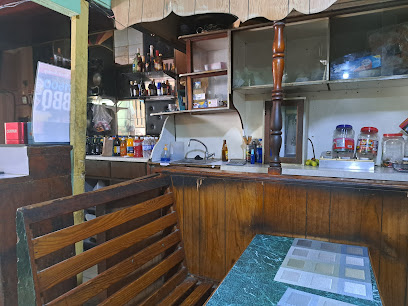
White Line Restaurant And BAR
15.2 km
Discover authentic Jamaican cuisine at White Line Restaurant And BAR in Morant Bay - where flavor meets hospitality.
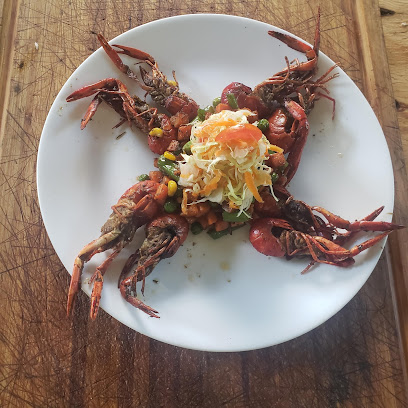
Di Deck Restaurant & Sports Bar
15.3 km
Discover the vibrant flavors of Jamaica at Di Deck Restaurant & Sports Bar – where great food meets sports excitement in Morant Bay.
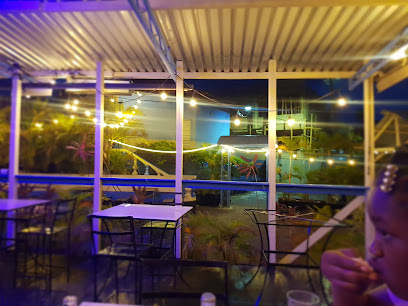
Intown Bar and Lounge
15.3 km
Discover Intown Bar and Lounge in Morant Bay - where delicious grilled cuisine meets vibrant local culture.
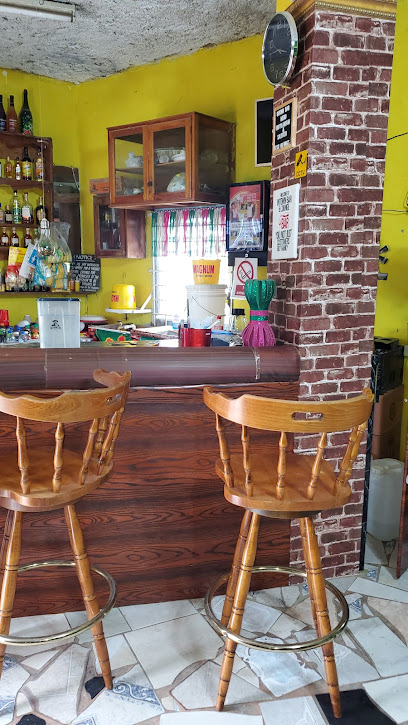
Juici Patties
15.3 km
Experience authentic Jamaican flavors at Juici Patties in Morant Bay – your destination for delicious patties and local cuisine.
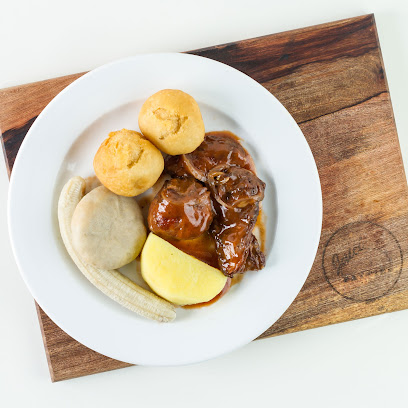
Deidre`s Restaurant, Lounge & Catering Services
15.4 km
Experience authentic Jamaican flavors at Deidre's Restaurant in Morant Bay – a culinary gem offering delightful dishes and vibrant ambiance.

Markets, malls and hidden boutiques

Vandouchy
11.1 km
Explore Vandouchy in Morant Bay for vibrant clothing that embodies the spirit of Jamaica, blending local flair with contemporary fashion.

20s sensation
13.2 km
Discover unique Jamaican fashion at 20s Sensation in Morant Bay, where vibrant styles meet local craftsmanship for an unforgettable shopping experience.
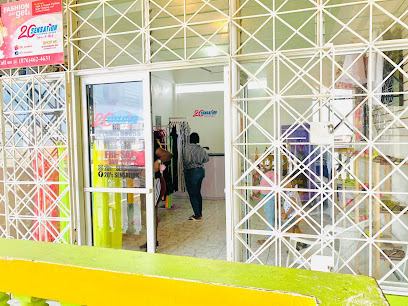
Intre Designs
13.2 km
Explore Intre Designs in Morant Bay for unique Jamaican collectibles and handcrafted treasures that embody the island's vibrant culture.
PATRESNAILZ
13.2 km
Discover local shopping, authentic Jamaican cuisine, and vibrant community life at PATRESNAILZ in Morant Bay.
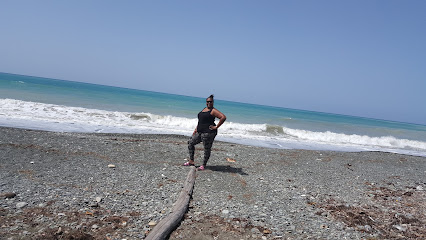
Glamorous Gifts
13.2 km
Explore Glamorous Gifts in Morant Bay for unique Jamaican souvenirs and handcrafted treasures, perfect for every traveler seeking authentic local art.
Blue and the Bonnets
13.2 km
Explore Blue and the Bonnets, Morant Bay's gem for book lovers, featuring local literature, cozy vibes, and a community spirit.
Efua's place
15.0 km
Experience the essence of Jamaica at Efua's Place, a charming grocery store offering local produce and unique culinary delights in Morant Bay.
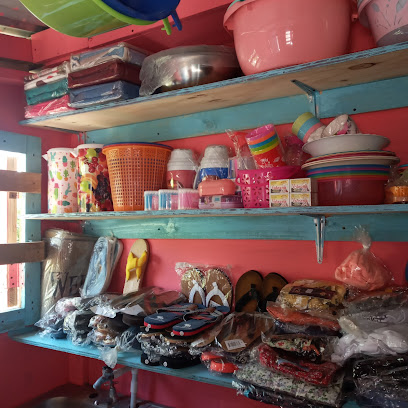
Aim To Please Variety Store
15.2 km
Explore the Aim To Please Variety Store in Morant Bay for unique fashion and local style, perfect for tourists seeking memorable finds.
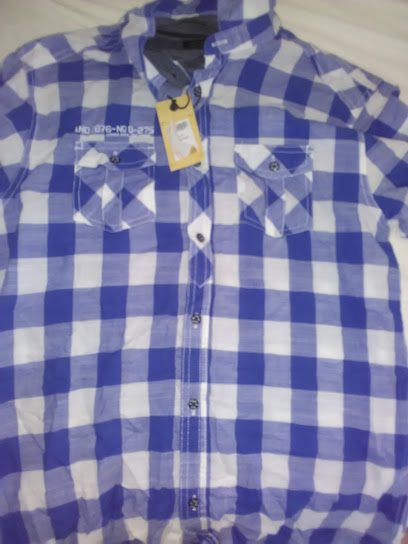
Essential Discount Mart
15.2 km
Explore local shopping at Essential Discount Mart in Morant Bay, where affordability meets a diverse selection of Jamaican products.
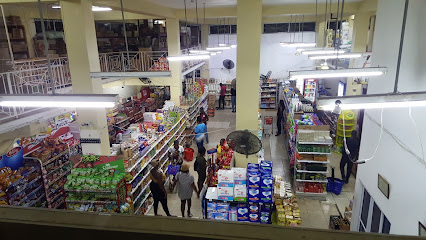
Itsslidesby_drefashion
15.3 km
Explore unique fashion at Itsslidesby_drefashion, Morant Bay's premier clothing store offering local and contemporary styles.

Yankee Plaza
15.4 km
Explore Yankee Plaza in Morant Bay for a unique shopping experience filled with local culture, dining, and vibrant Caribbean flair.
Lucky Dollar - MORANT BAY
15.4 km
Explore Lucky Dollar in Morant Bay for unique home goods and furniture that embody Jamaican culture and craftsmanship.
Joong Supermarket & Wholesale Morant Bay
15.4 km
Experience the vibrant local culture and flavors at Joong Supermarket & Wholesale in Morant Bay, your gateway to authentic Jamaican groceries.
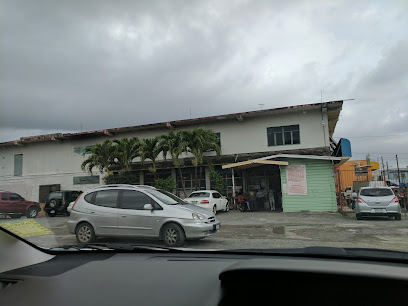
St. Thomas Farm Store
15.4 km
Explore the St. Thomas Farm Store in Morant Bay for fresh local produce and artisanal products, showcasing the best of Jamaican agriculture.

Find It Now Variety Store
15.4 km
Discover local treasures at Find It Now Variety Store in Morant Bay, where vibrant culture meets convenience.
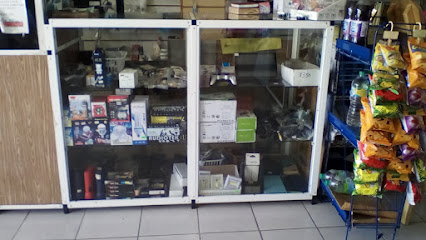
Essential bars & hidden hideouts

Wavez Sports Bar & Chill
8.8 km
Discover the ultimate sports bar experience at Wavez Sports Bar & Chill in Port Morant, where fun and flavor collide amid the excitement of live sports.
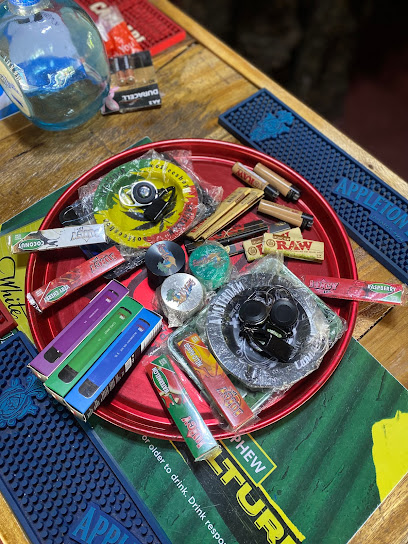
V.I.P. Beach Lounge
10.4 km
Discover the serene V.I.P. Beach Lounge in Jamaica, where breathtaking ocean views meet delicious drinks and a vibrant atmosphere.
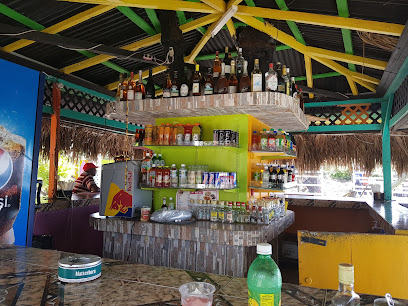
Dian's Hills View Lounge
11.8 km
Experience the perfect blend of breathtaking views and refreshing drinks at Dian's Hills View Lounge, the ultimate relaxation spot in Jamaica.
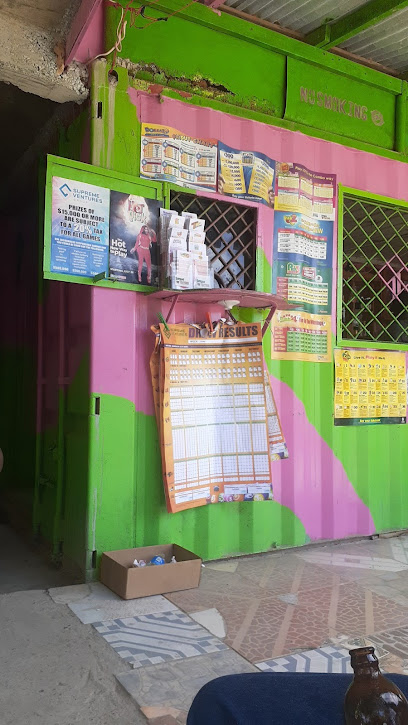
Walker's Wood
13.2 km
Discover the lively atmosphere of Walker's Wood in Morant Bay, a top sports bar offering great food, drinks, and local entertainment.
King Ah Diamond Sports Bar
13.9 km
Discover the lively atmosphere and authentic Jamaican flavors at King Ah Diamond Sports Bar in Morant Bay.
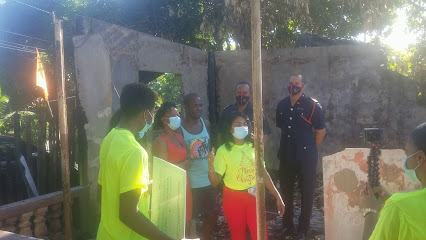
The Grid Bar and Longue
13.9 km
Discover the lively spirit of Jamaica at The Grid Bar and Lounge in Morant Bay, a hotspot for unforgettable nights filled with music and local culture.
OUR BAR
15.2 km
Experience the vibrant nightlife of Morant Bay at Our Bar, where great drinks meet a friendly atmosphere and local culture.
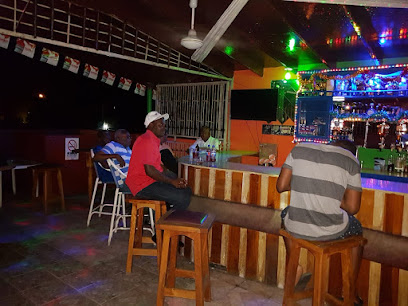
Pressa Plaza
15.5 km
Discover the lively spirit of Pressa Plaza, a vibrant bar in Morant Bay, Jamaica, perfect for refreshing drinks and local culture.
Island View Bar
15.9 km
Experience the vibrant local culture at Island View Bar in Rural Hill, Jamaica, where stunning views and refreshing drinks await.
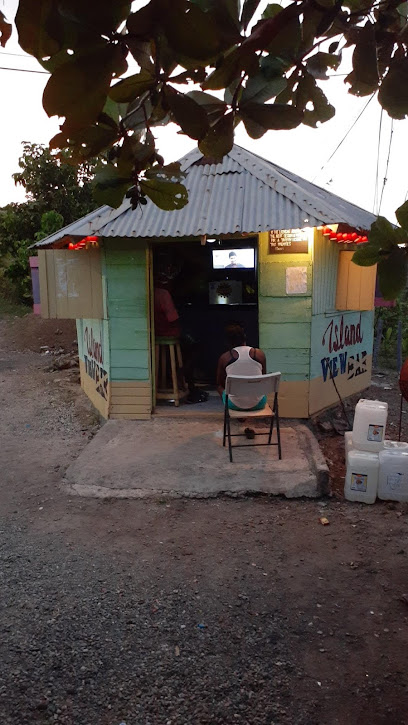
BRC BAR & GAMING Entertainment Ltd
16.0 km
Experience the vibrant flavors and exciting atmosphere at BRC BAR & GAMING in Morant Bay, where good food meets thrilling entertainment.
Ren's Chill Spot
16.0 km
Experience the tranquil beauty of Morant Bay at Ren's Chill Spot, a riverside bar perfect for relaxation and enjoying local flavors.
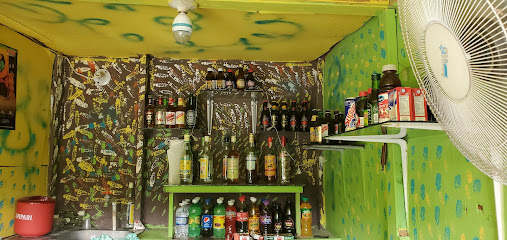
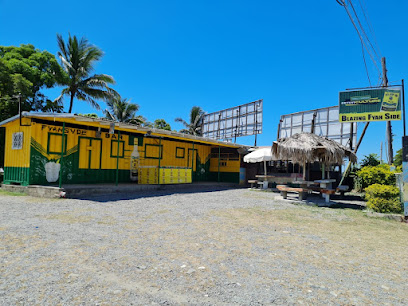
Blazing Fyah Side
16.3 km
Discover the lively ambiance of Blazing Fyah Side, a vibrant bar in Morant Bay where culture, music, and delicious drinks come together.
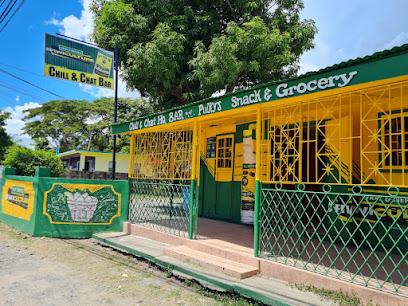
Chill & Chat Bar
17.4 km
Experience the vibrant atmosphere of Chill & Chat Bar in Morant Bay, where locals and tourists unite over delicious drinks and authentic Jamaican cuisine.
St.Thomas
18.1 km
Explore St. Thomas, Jamaica, where fresh seafood meets breathtaking landscapes for an unforgettable culinary adventure.
Cover's Bar & Grill
19.3 km
Savor the vibrant flavors of Jamaica at Cover's Bar & Grill, where great food and stunning views come together in Long Bay.
Nightclubs & after hour spots

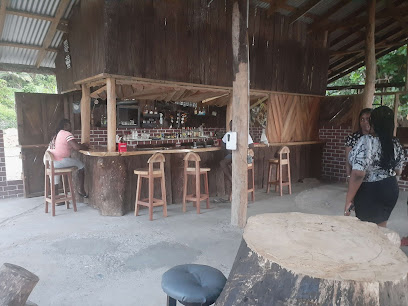
Chappy Records /The Untouchable Chappy Night Club & Restaurant Villa Maine Entertainment Ground
12.3 km
Chappy Records in Morant Bay: Your gateway to unforgettable nights filled with vibrant music, delicious food, and unforgettable entertainment.
Occasion Night Club
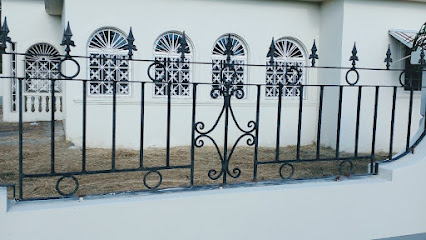
15.1 km
Immerse yourself in the vibrant nightlife at Occasion Night Club, a premier destination in Morant Bay for music, dance, and unforgettable experiences.
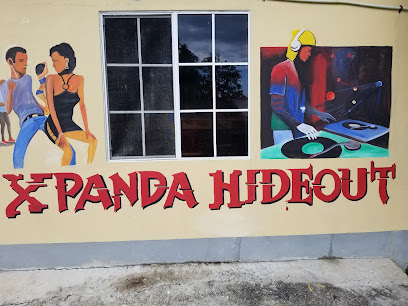
Xpanda sound system and recording studio
19.6 km
Discover the vibrant music scene at Xpanda Sound System, a premier recording studio in Morant Bay's Rozelle district, where creativity and sound unite.
Zilla's Night Club
34.3 km
Unleash your spirit at Zilla's Night Club, the ultimate adult entertainment venue in Port Antonio offering exhilarating performances and vibrant nightlife.
Irie Vibes Sports Bar
34.6 km
Experience the vibrant atmosphere of Irie Vibes Sports Bar, where Caribbean flavors meet thrilling sports action in Port Antonio.
Cristal Nightclub
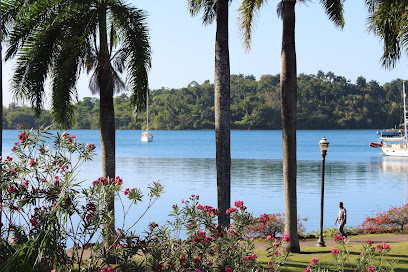
35.1 km
Experience the electrifying atmosphere of Cristal Nightclub in Port Antonio, where dancing, music, and cocktails come together for an unforgettable night.
Club Enigma JA
35.2 km
Dive into the vibrant nightlife of Port Antonio at Club Enigma JA, where music, dance, and fun come together for an unforgettable evening.
ShanShy Beach Complex
36.3 km
Experience the best of Caribbean relaxation at ShanShy Beach Complex, where beach vibes meet delicious dining in Port Antonio.
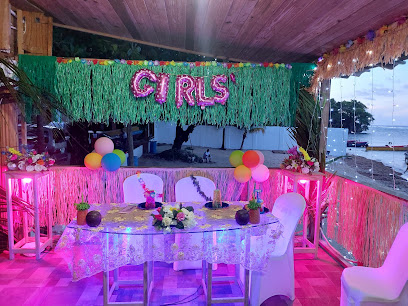
ROCK NIGHT CLUB
37.3 km
Discover Ramble's vibrant nightlife at Rock Night Club, where music, dance, and unforgettable moments come alive.
SugaFa2 Nightclub
44.1 km
Dive into the electric atmosphere of SugaFa2 Nightclub in Harbour View, where unforgettable nights of dancing, music, and culture await you.
Oasis Sports Bar
44.2 km
Oasis Sports Bar in Hope Bay: An engaging sports bar experience with delicious food and a vibrant atmosphere, perfect for fans and friends alike.
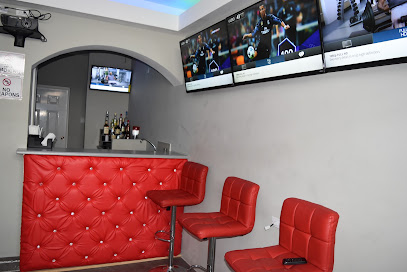
Club Paradise
49.8 km
Dive into the electrifying nightlife of Jamaica at Club Paradise, where music, dance, and vibrant culture come alive.
Fun & Thriller's Bicycle Club Head Quaters
52.3 km
Experience the vibrant nightlife of Kingston at Fun & Thriller's Bicycle Club Headquarters, where music and excitement reign supreme.
NatNettic Night Club Samoke Place
53.9 km
Discover the electrifying atmosphere and vibrant rhythms at NatNettic Night Club in Buff Bay – the heart of Jamaica's nightlife.
Club India
54.7 km
Discover Kingston's nightlife at Club India, a vibrant night club offering an unforgettable blend of music, dance, and cultural experiences.