

Free Yallahs Valley Travel Guide & Mobile App
Explore Yallahs Valley with free travel guides. Discover regional history, expert tips, proposed trips, and audio guides on web or mobile app.


Yallahs Valley in eastern Jamaica pairs river-fed farms, rural St Thomas communities and Blue Mountain foothills with a quieter island travel experience.
Read more about Yallahs Valley
When is the best time to visit Yallahs Valley?
Best: January–March · 30–31°C| Month | High (°C) | Rainfall (mm) |
|---|---|---|
| January (best) | 30 | 30 |
| February (best) | 31 | 25 |
| March (best) | 31 | 20 |
| April | 32 | 40 |
| May | 32 | 50 |
| June | 33 | 60 |
| July | 33 | 70 |
| August | 34 | 80 |
| September | 33 | 75 |
| October | 33 | 70 |
| November | 32 | 60 |
| December | 32 | 50 |
Getting to and around Yallahs Valley
How to get there
Transportation
Best attractions in Yallahs Valley
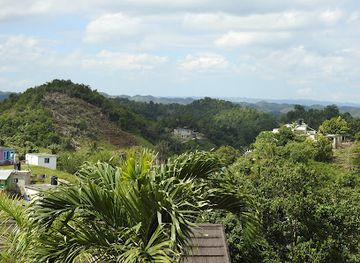
Yallahs Valley’s attractions are predominantly landscape-based rather than organised around a large collection of ticketed sights. The Yallahs River and its tributary valleys provide the geographical focus, while cultivated slopes, roadside produce stalls and views towards the Blue Mountain foothills reveal how water and agriculture shape eastern St Thomas. Visitors can explore the settlements around Yallahs, arrange responsible farm or food-production visits, and follow local roads for changing views between lowland communities and higher country. The valley also works as a gateway to wider parish experiences, including the historic districts around Morant Bay and the mountain environments farther inland, although these should be treated as separate excursions rather than attractions within the immediate valley. Birdwatching, photography, short rural walks and informal conversations with residents are more realistic activities than a packed sightseeing schedule. Conditions can change quickly after rain, and access to private farms, riverbanks and minor roads should be confirmed locally. The appeal is the combination of working countryside, tropical vegetation, river scenery and the gradual transition from coastal Jamaica into the foothills.
-
Travel lounge
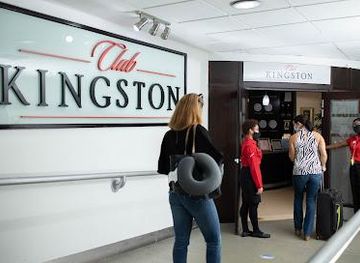
Club Kingston - VIP Airport Lounge / VIP Attractions
Discover the tranquility of Club Kingston - your ultimate VIP airport lounge experience in Kingston, Jamaica, offering luxury and comfort.
Best landmarks in Yallahs Valley
The most important physical landmark in Yallahs Valley is the Yallahs River, whose course has influenced settlement, farming and transport through the area. The surrounding foothills are equally significant: their steep, densely vegetated slopes form the valley’s defining backdrop and mark the approach to Jamaica’s eastern mountain country. Yallahs town contains the civic and religious buildings, roadside junctions and older structures that provide the clearest sense of the valley as a lived-in parish centre, although many are everyday landmarks rather than formally monumental buildings. Further across St Thomas, the Morant Bay Courthouse and associated historic sites are major landmarks of the parish and of Jamaica’s political history, but they lie outside Yallahs Valley and should be visited as a separate excursion. The valley’s smaller bridges, churches, cultivated hillsides and river crossings are visually less grand but reveal how rural infrastructure and community life have developed together. After heavy rain, the river and minor crossings can become hazardous, so scenic stops should never take priority over local safety advice.
-
Park
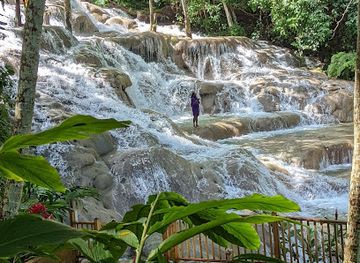
The World Famous Dunn's River Falls & Park
Climb, swim, and explore this iconic Jamaican waterfall where spring water meets the Caribbean Sea, offering adventure and natural beauty.
-
Park
Emancipation Park
A serene oasis in New Kingston, commemorating Jamaica's journey to freedom with art, gardens, and historical significance.
-
Museum
Bob Marley Museum
Explore the former home of reggae legend Bob Marley in Kingston, Jamaica, and immerse yourself in his life, music, and legacy.
-
Fresh food market
Coronation Market Jamaica
Experience the heart of Jamaican commerce and culture at Kingston's Coronation Market, a vibrant and historic marketplace.

Explore Yallahs Valley on the map
Plan your trip on one map. See where the top cities, national parks and sights are, and book hotels and experiences in a few clicks.
Best hotels in Yallahs Valley
Best restaurants in Yallahs Valley
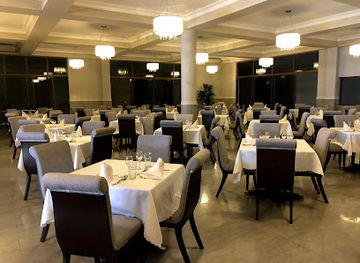
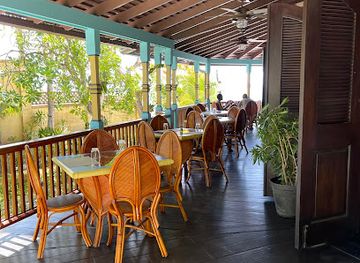
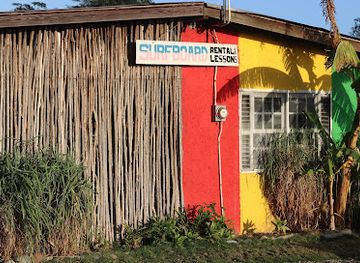
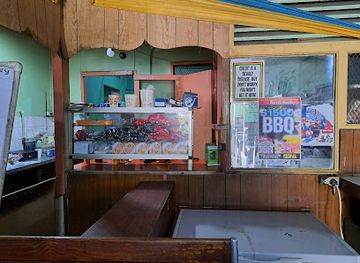
Dining in Yallahs Valley is centred on small local eateries, roadside cooks, takeaway counters and family-run establishments rather than a formal restaurant district. Menus may include rice and peas, jerk or stewed meats, fried fish, bammy, festivals, patties, soups and dishes based on seasonal provisions such as yam, cassava, sweet potato, plantain and breadfruit. Fresh fruit and juices are often available from roadside vendors, while the wider St Thomas countryside supports small-scale cultivation of bananas, cocoa, coffee and other crops. Ask what is being prepared that day, as availability can change with supply and weather. Fish and seafood are more closely associated with the coastal communities than with the inland valley itself, while cafés and larger dining choices are easier to find in busier towns outside the immediate rural area. Jamaican meals are often substantial and seasoned, and visitors should clarify portion sizes, ingredients and prices before ordering at informal stalls.
-
Restaurant
Bettino's Al Mare
Experience the best Italian dining in Jamaica at Bettino's Al Mare with stunning sea views and exquisite cuisine.
-
Restaurant
Christopher’s at Hermosa Cove
Experience authentic Jamaican flavors with stunning ocean views at Christopher's at Hermosa Cove in Ocho Rios.
-
Grill
The Longboarder Bar & Grill
Experience tropical flavors and breathtaking views at The Longboarder Bar & Grill on Roselle Beach in Morant Bay.
-
Restaurant
Robbie's Restaurant
Discover authentic Jamaican flavors at Robbie's Restaurant in Morant Bay – where every bite tells a story.
Best bars in Yallahs Valley
Evening life in Yallahs Valley is modest and local, with rum bars, neighbourhood shops, small restaurants and community gatherings more significant than purpose-built nightclubs. Yallahs town provides the most practical choice for an evening stop, while larger nightlife selections are found outside the valley in Kingston or other major Jamaican centres. Music may be part of social occasions, and occasional dances, fêtes or live performances are generally advertised locally rather than through a permanent visitor calendar. Rural evenings become quiet quickly, particularly on minor roads, so arrange transport before drinking or travelling after dark. A rum bar should be approached as a local social setting rather than a sightseeing attraction: greet people politely, ask before taking photographs and avoid assuming that every venue offers a tourist-oriented experience. The valley is better suited to an early dinner, a local drink or a community event than to late-night clubbing.
-
Restaurant
Margaritaville Ocho Rios
Experience the vibrant flavors and lively atmosphere of Margaritaville Ocho Rios, a must-visit culinary destination for every traveler in Jamaica.
-
Grill
Floyd's Pelican Bar
Discover Floyd's Pelican Bar: a must-visit grill in Jamaica serving delicious seafood and stunning ocean views, perfect for a relaxing getaway.
-
Restaurant
Uncorked!
Experience gourmet dining at Uncorked! in Kingston, where exceptional cheese and fine wines create unforgettable culinary moments.
-
Bar
Reggae Hill
Experience the heart of Jamaican culture at Reggae Hill, where delicious food meets the vibrant rhythms of reggae music in Ocho Rios.
Best nightclubs in Yallahs Valley
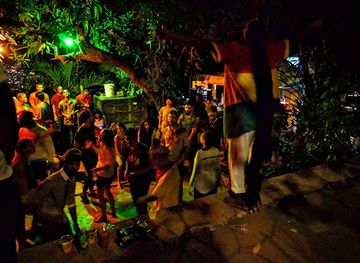
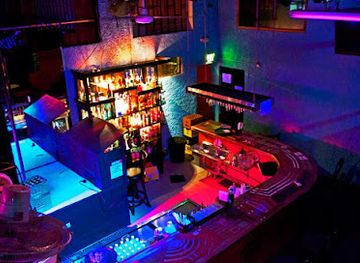
Evening life in Yallahs Valley is modest and local, with rum bars, neighbourhood shops, small restaurants and community gatherings more significant than purpose-built nightclubs. Yallahs town provides the most practical choice for an evening stop, while larger nightlife selections are found outside the valley in Kingston or other major Jamaican centres. Music may be part of social occasions, and occasional dances, fêtes or live performances are generally advertised locally rather than through a permanent visitor calendar. Rural evenings become quiet quickly, particularly on minor roads, so arrange transport before drinking or travelling after dark. A rum bar should be approached as a local social setting rather than a sightseeing attraction: greet people politely, ask before taking photographs and avoid assuming that every venue offers a tourist-oriented experience. The valley is better suited to an early dinner, a local drink or a community event than to late-night clubbing.
-
Bar
Kingston Dub Club
Discover the heartbeat of Kingston at Kingston Dub Club, where reggae rhythms and Jamaican culture collide in a vibrant celebration.
-
Night club
Go Go Club
Dive into the lively atmosphere of Go Go Club in Portmore, where Jamaican nightlife comes alive with music, dancing, and local culture.
-
Night club
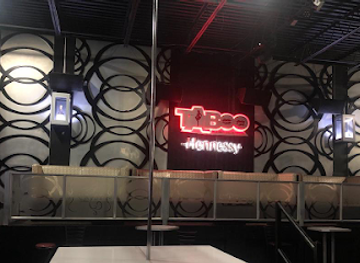
Taboo Kingston
Discover the heart of Kingston's nightlife at Taboo Kingston, where vibrant music, live entertainment, and a lively crowd create unforgettable memories.
-
Night club
Lucky 38
Immerse yourself in Kingston's nightlife at Lucky 38, a vibrant night club offering electrifying music and a dynamic atmosphere.

Best shops in Yallahs Valley
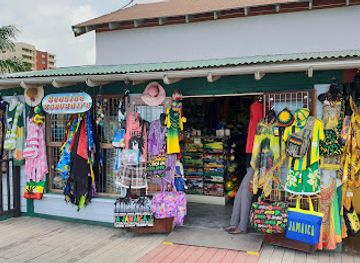
Shopping in Yallahs Valley is practical and local, with small groceries, roadside stalls, produce sellers and market-style trading rather than large retail centres. Visitors may find bananas, plantains, ground provisions, fruit, spices, prepared snacks and other seasonal goods, although selection depends on the day and the harvest. Small purchases are best made with Jamaican-dollar cash, and asking permission before photographing a stall or vendor is courteous. Yallahs town is the main local point for everyday supplies, while broader selections of clothing, household goods and craft products are more readily available in larger towns beyond the valley. Regional food products such as coffee, cocoa, pepper sauces and preserves may be available through individual producers, but they should not be assumed to be stocked permanently. The most appropriate souvenirs are well-labelled local foods or crafts bought directly from legitimate sellers, rather than plants, shells, archaeological objects or items taken from farms and riverbanks.
-
Shopping mall
Island Village Jamaica
Discover the vibrant shopping, dining, and entertainment at Island Village in Ocho Rios, Jamaica's ultimate shopping destination.
-
Supermarket
Joong Supermarket & Wholesale Morant Bay
Experience the vibrant local culture and flavors at Joong Supermarket & Wholesale in Morant Bay, your gateway to authentic Jamaican groceries.
-
Supermarket
Essential Discount Mart
Explore the vibrant Essential Discount Mart in Morant Bay for a unique shopping experience filled with local flavors and affordable goods.
-
Agricultural service
St. Thomas Farm Store
Experience the essence of Jamaican agriculture at St. Thomas Farm Store, where local produce and flavors come together in a vibrant community hub.
Get your free copy of our complete guide to Yallahs Valley, delivered straight to you.
Everything on this page, from attractions and restaurants to essentials and local phrases, in one PDF you can read offline, print or share.
Already have an account? Sign in
Your Yallahs Valley guide is ready.
We'll send it to · Not you? Sign out

Getting your guide ready…
We are putting together a fresh copy of the Yallahs Valley guide. This can take up to a minute.
This can take a few moments. If your browser asks, choose Allow so the download can start. You'll find the guide in your Downloads folder.
Nothing happened? Download it again
Sorry, the guide is taking longer than usual. Please try again in a minute, or get it by email instead.
Yallahs Valley essentials
Currency and Payment
Safety
Emergency Situations
Do's and Don'ts
Local Tips
From Eve
Local phrases worth knowing
You don't need to get them perfect. A few words go a long way, and locals appreciate the effort.
Basics
| English | Local | Say it |
|---|---|---|
| Hello | Wah Gwaan | [Wah Gwaan] |
| Goodbye | Likkle more | [Likkle more] |
| Yes | Yea | [Yea] |
| No | Nuh | [Nuh] |
| Please/You're welcome | Pleeze/No problem | [Pleeze/No problem] |
| Thank you | Tank yuh | [Tank yuh] |
| Excuse me/Sorry | Scuse me/Sorry | [Scuse me/Sorry] |
| How are you? | How yuh do? | [How yuh do?] |
| Fine. And you? | Mi deh yah. And yuh? | [Mi deh yah. And yuh?] |
| Do you speak English? | Yuh speak English? | [Yuh speak English?] |
| I don't understand | Mi nuh undastand | [Mi nuh undastand] |
Eating & Drinking
| English | Local | Say it |
|---|---|---|
| I'd like to see the menu, please | Mi wud like fi si di menu, pleeze | [Mi wud like fi si di menu, pleeze] |
| I don't eat meat | Mi nuh eat meat | [Mi nuh eat meat] |
| Cheers! | Cheers! | [Cheers!] |
| I would like to pay, please | Mi wud like fi pay, pleeze | [Mi wud like fi pay, pleeze] |
Emergencies
| English | Local | Say it |
|---|---|---|
| Help! | Help! | [Help!] |
| Go away! | Go weh! | [Go weh!] |
| Call the Police! | Call di Police! | [Call di Police!] |
| Call a doctor! | Call a doctor! | [Call a doctor!] |
| I'm lost | Mi lost | [Mi lost] |
| I'm ill | Mi sick | [Mi sick] |
Shopping
| English | Local | Say it |
|---|---|---|
| I'd like to buy... | Mi wud like fi buy... | [Mi wud like fi buy...] |
| I'm just looking | Mi a just look | [Mi a just look] |
| How much is it? | How much dat? | [How much dat?] |
| That's too expensive | Dat too expensive | [Dat too expensive] |
| Can you lower the price? | Yuh can lower di price? | [Yuh can lower di price?] |
Time & Numbers
| English | Local | Say it |
|---|---|---|
| What time is it? | Wah time it deh? | [Wah time it deh?] |
| It's one o'clock | It one o'clock | [It one o'clock] |
| Half past (10) | Half past ten | [Half past ten] |
| Morning | Mornin' | [Mornin'] |
| Afternoon | Afternoon | [Afternoon] |
| Evening | Evenin' | [Evenin'] |
| Yesterday | Yestaday | [Yestaday] |
| Today | Today | [Today] |
| Tomorrow | Tomorra | [Tomorra] |
| 1 | One | [One] |
| 2 | Two | [Two] |
| 3 | Three | [Three] |
| 4 | Four | [Four] |
| 5 | Five | [Five] |
| 6 | Six | [Six] |
| 7 | Seven | [Seven] |
| 8 | Eight | [Eight] |
| 9 | Nine | [Nine] |
| 10 | Ten | [Ten] |
Transport & Directions
| English | Local | Say it |
|---|---|---|
| Where's a/the...? | Wheh di...? | [Wheh di...?] |
| What's the address? | Wah di address? | [Wah di address?] |
| Can you show me (on the map)? | Can yuh show mi (pon di map)? | [Can yuh show mi (pon di map)?] |
| When's the next (bus)? | When di next (bus)? | [When di next (bus)?] |
| A ticket (to ....) | A ticket (fi....) | [A ticket (fi....)] |
History of Yallahs Valley
Indigenous Jamaica and the Yallahs Landscape
Before European colonisation, Jamaica was inhabited by Taíno communities whose lives were connected to fertile valleys, rivers, woodland and the coast. The Yallahs area offered access to fresh water, cultivable land and routes between the interior and the sea, although surviving evidence is uneven and many local archaeological details remain difficult to interpret. European settlement later disrupted Taíno society through disease, forced labour and displacement. The valley’s modern agricultural geography therefore sits within a much older human landscape shaped by movement between Jamaica’s mountains, rivers and coastal plains.
Spanish and British Colonial Rule
Jamaica became a Spanish colony after the arrival of Christopher Columbus in 1494 and was taken by England in 1655. Under British rule, St Thomas developed within the plantation economy that transformed much of Jamaica. Sugar, livestock and provisions were produced through the labour of enslaved Africans, while roads, estates and coastal shipping connected inland communities with ports and markets. The eastern parish did not develop in exactly the same way as Jamaica’s largest plantation districts, but its valleys and settlements were firmly affected by colonial landholding, slavery, Christianity and imperial trade.
Emancipation and the Post-Slavery Countryside
Slavery was abolished in Jamaica in stages, with full freedom taking effect in 1838 after the apprenticeship system. Emancipation changed land use and labour relations across St Thomas, as formerly enslaved people sought greater independence from estates and built family, church and farming communities. Small-scale cultivation, provision farming and local trading became important to rural livelihoods. The social geography visible around Yallahs Valley, with dispersed homes, cultivated plots and community institutions, reflects these long-term adjustments as well as later economic and demographic changes.
The Morant Bay Rebellion, 1865
The Morant Bay Rebellion began in St Thomas in October 1865 and became one of the defining events in Jamaica’s history. Led by Paul Bogle, protesters challenged poverty, unequal access to land, political exclusion and the treatment of Black rural communities. The uprising was violently suppressed, and the subsequent reprisals caused widespread loss of life. Its consequences included the end of Jamaica’s elected assembly and the introduction of direct Crown Colony government. Although the main events centred on Morant Bay and nearby districts, the rebellion reshaped political debate and public memory throughout St Thomas, including the Yallahs area.
Agriculture, Roads and Parish Connections
During the late nineteenth and twentieth centuries, roads and coastal connections strengthened links between Yallahs, the interior valleys and other St Thomas communities. Agriculture remained central, with bananas, coconuts, coffee, cocoa, sugar and food crops contributing at different times to household and commercial economies. The development of transport did not eliminate the valley’s rural character; instead, it allowed produce and people to move more easily between farms, market centres and the coast. Modern Yallahs Valley still reflects this combination of small-scale cultivation, roadside commerce and parish-level mobility.
Independent Jamaica and Contemporary St Thomas
Jamaica became independent from Britain in 1962, and St Thomas continued to balance rural livelihoods with the pressures of migration, limited employment and improving but uneven infrastructure. Contemporary Yallahs Valley is part of an eastern parish where farming, small businesses, public services and remittances all contribute to local life. Interest in community tourism, heritage, food production and the Blue Mountain environment has created new possibilities, but development remains closely tied to road access, flood resilience and the protection of rivers and upland ecosystems.
Yallahs Valley in Photos
Browse through our photo collection highlighting the charm and character of the destination.
Neighbouring regions of Yallahs Valley
The closest regions to Yallahs Valley, if you have time for more than one.
-

-

-

-

-


Swipe for more regions
Explore more
Explore more of Jamaica
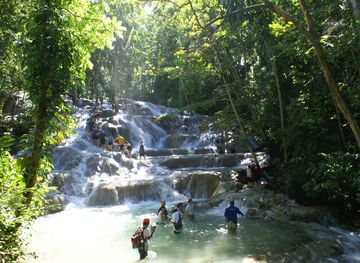
Discover Jamaica: A Caribbean paradise with stunning beaches, rich culture, and thrilling adventures. Experience the island's vibrant music, delicious cuisine, and warm hospitality.
Explore Jamaica