Nara Park, Buzen Travel Guide
Discover ancient temples, serene gardens, and friendly wild deer in this historic park at the heart of Japan's first permanent capital.
Nara Park is a spacious public park in Nara, Japan, famous for its free-roaming deer and historical landmarks. Established in 1880, the park is home to Todaiji Temple, Kasuga Taisha Shrine, Kofukuji Temple and the Nara National Museum, offering a blend of nature and culture.
A brief summary to Nara Park
- Nara, Nara, JP
- Click to display
- Click to display

Know before you go
Hi, I'm Eve. Here are a few practical things to know before exploring Nara Park.
- Buy deer crackers (shika-senbei) to feed the deer, but be aware that they can be quite assertive!
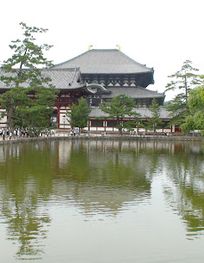
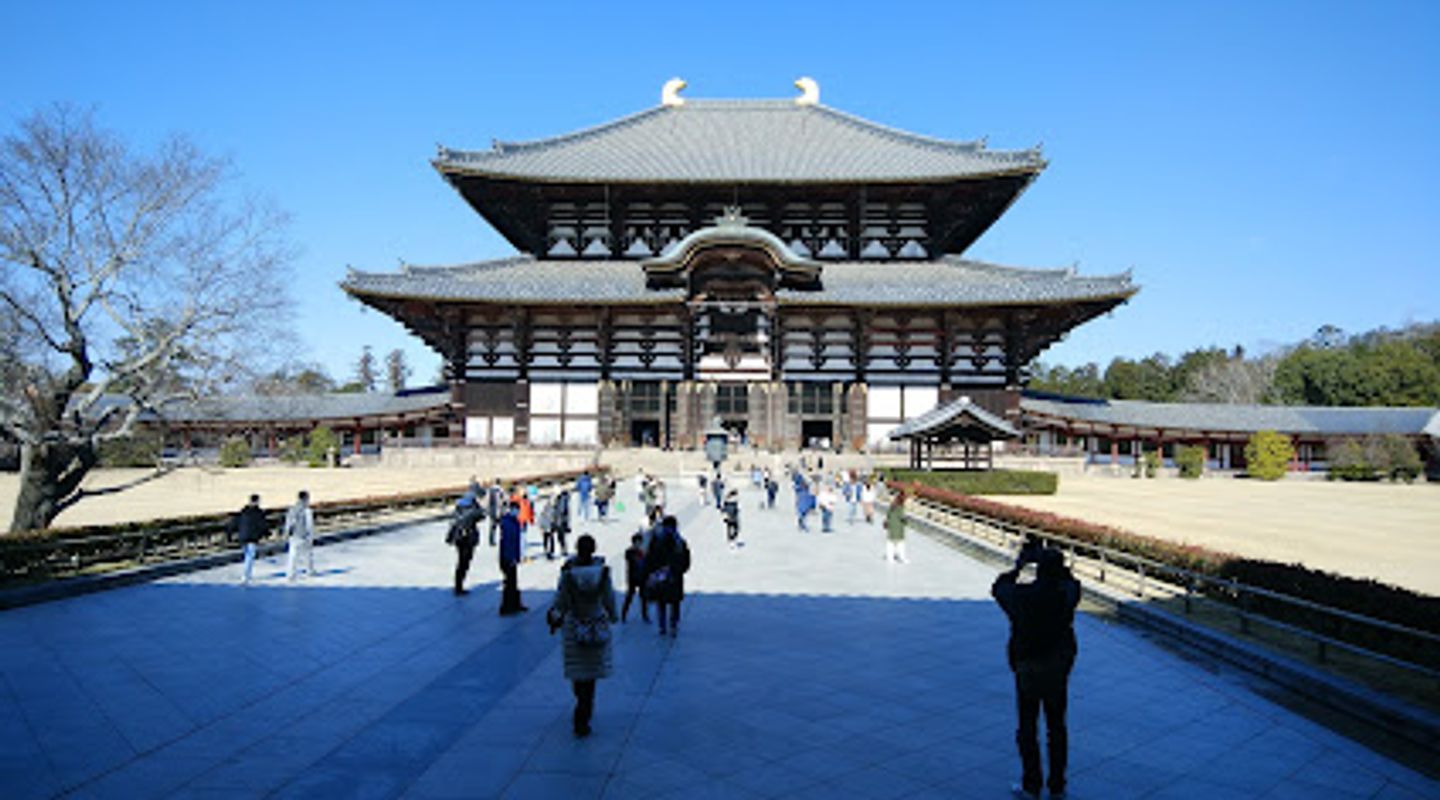
- Visit Todaiji Temple to see the Great Buddha Hall, one of the largest wooden structures in the world.
- Explore Kasuga Taisha Shrine, famous for its thousands of lanterns, especially during the Lantern Festivals.
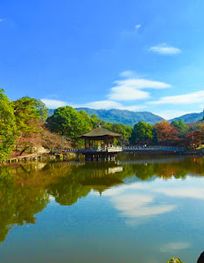
- Take a stroll around Sarusawa Pond for a picturesque view of Kofukuji Temple's pagoda reflected in the water.
- Wear comfortable shoes, as you'll be doing a lot of walking to see all the sights.
Do you manage this location?
Take control to get all the benefits, like improved information, better appearance, and stronger visibility across AI-powered discovery. Learn more about listing your business on Evendo
Activate your presenceOther nearby places you may find interesting
The closest places of the same kind, if this one is not quite what you had in mind.


Explore Nara Park on the Map
A handpicked selection of must-see spots near Nara Park, mapped for you.
Unlock the Best of Nara Park
Buy tickets
-
No tickets available
Book tours with entry


![[Deer, Samurai, & Buddhism] Nara Guided Walking Tour + Photoshoot](https://evendo.com/images/0001/90x59/c44c53b5-ab96-49d6-8b3d-449d3dd070db.jpg)


Getting There
-
Walking
From Kintetsu Nara Station, Nara Park is a short 5-minute walk. Exit the station and walk east; you'll soon see the park entrance. From JR Nara Station, walk east along Sanjo Dori Street for about 20 minutes until you reach the park. This route is straightforward and passes through a shopping street.
-
Public Transport
From JR Nara Station, take the Nara City Loop Bus (#2) from bus stop 2 at the East Exit bus terminal. The ride to Nara Park takes about 10 minutes and costs ¥210 for adults and ¥110 for children. From Kintetsu Nara Station, take the Nara City Loop Bus (#2) from bus stop 1. The fare is the same as from JR Nara Station.
-
Taxi
Taxis are readily available outside both JR Nara Station and Kintetsu Nara Station. A taxi ride from JR Nara Station to Nara Park costs approximately ¥730 and takes about 8 minutes. From Kintetsu Nara Station, the base fare for a small taxi is ¥660 for the first 1.5 kilometers, with an additional ¥90 for every 307 meters thereafter. Expect to pay around ¥1100 for a trip between the main train stations of Nara and Nara Park.
Discover more about Nara Park













Your all‑in‑one travel companion app
Explore expert travel guides, compare and book tours, experiences, hotels, and more—all from the palm of your hand. Download now for seamless trip planning wherever your wanderlust takes you.


Explore More of Buzen
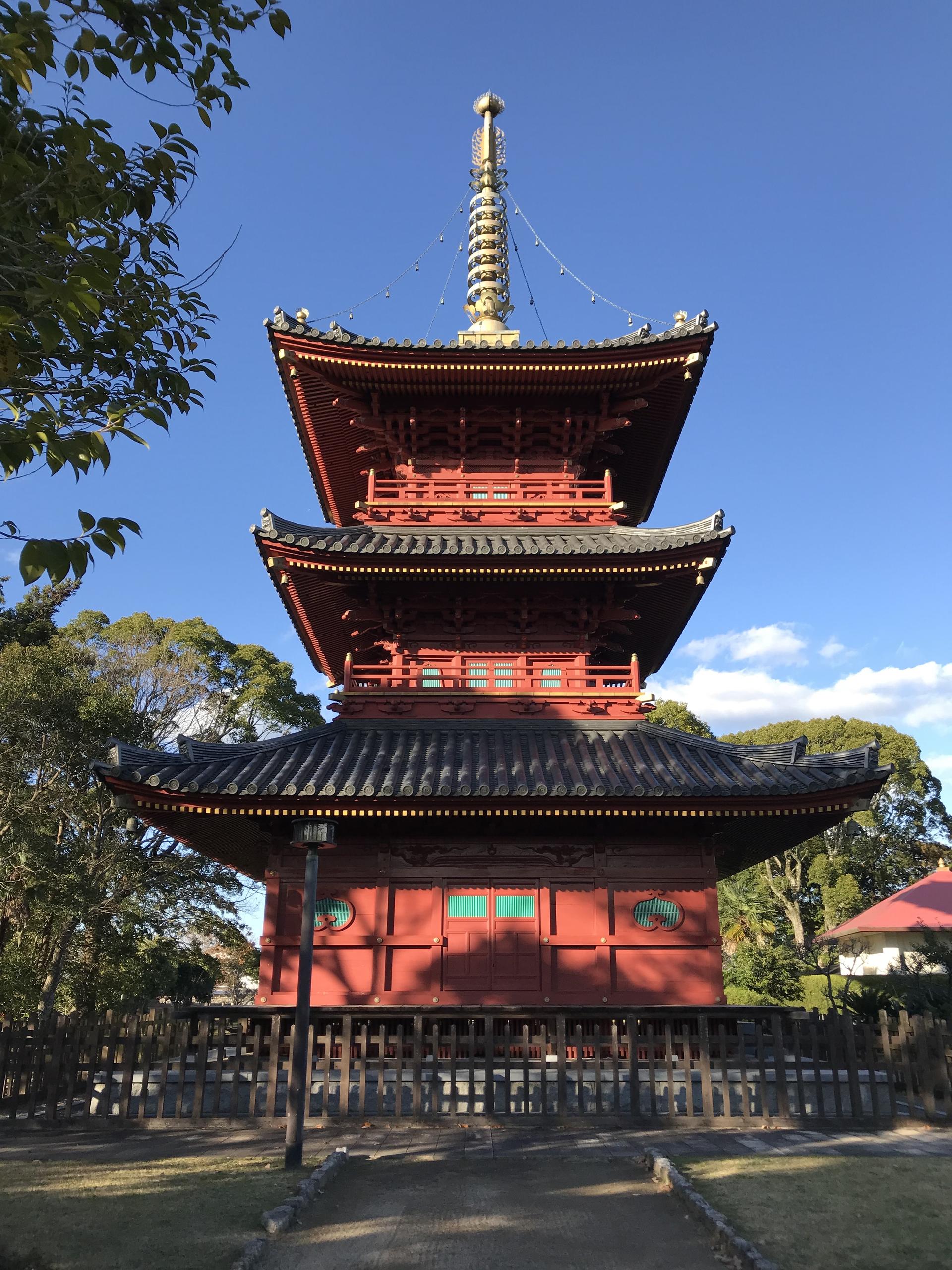
Looking beyond Nara Park? Discover Buzen for broader travel guides, local hot-spots, and regional highlights.
Explore Buzen