

Buzen, Japan Travel Guide
Discover Buzen, a tranquil town on Kyushu Island, Japan, known for its historic temples, scenic landscapes, and rich cultural heritage.
Nestled in the heart of Fukuoka Prefecture on Kyushu Island, Buzen offers a tranquil escape from the bustling cities of Japan. This charming town is rich in history, natural beauty, and cultural heritage. Visitors can explore ancient temples, hike through lush forests, and relax in serene hot springs. One of the highlights of Buzen is the Buzen Kokubunji Temple, a historic site dating back to the Nara period. The temple grounds are perfect for a peaceful stroll, with beautiful cherry blossoms in spring and vibrant foliage in autumn. Another must-visit spot is the Mikuni Shrine, known for its stunning architecture and annual festivals that showcase traditional Japanese culture. Nature enthusiasts will be delighted by the scenic hiking trails in Buzen. The town is surrounded by mountains and rivers, offering plenty of opportunities for outdoor activities. The Buzen River is a great spot for fishing or a leisurely boat ride, while the nearby hiking paths provide breathtaking views of the landscape. After a day of exploration, visitors can unwind in one of the local hot springs, enjoying the therapeutic waters and tranquil atmosphere. Buzen is also known for its local cuisine, which features fresh seafood and seasonal ingredients. Visitors can savor delicious dishes at local restaurants, or visit the bustling markets to sample regional specialties. The town's friendly residents and welcoming atmosphere make it an ideal destination for travelers seeking an authentic Japanese experience.

Know before you go
Hi, I'm Eve. Here are a few practical things to know before exploring Buzen.
- Visit Buzen in spring or autumn to experience the beautiful cherry blossoms and vibrant foliage.
- Wear comfortable shoes for hiking and exploring the town's scenic trails.
- Try the local seafood dishes at restaurants for an authentic taste of Buzen's cuisine.
- Attend one of the annual festivals at Mikuni Shrine to experience traditional Japanese culture.
- Relax in the local hot springs after a day of sightseeing to rejuvenate.
Explore Buzen: Things to Do, Places to Eat, Hotels & More
Handpicked recommendations for top attractions, local dining, accommodations, and more

Top Attractions & Sightseeing in Buzen
Top-rated picks
Best Attractions

Osaka Castle
Discover the rich history and stunning architecture of Osaka Castle, a must-visit fortress nestled in the heart of Osaka, Japan.

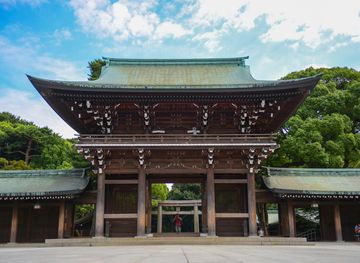
Meiji Jingu
Experience the tranquility and spiritual richness of Meiji Jingu, Tokyo's iconic Shinto shrine surrounded by lush nature and cultural heritage.

Snow Monkey Park (Jigokudani Yaen Koen)
Experience the captivating charm of Japan's Snow Monkey Park, where playful macaques meet stunning natural landscapes in Nagano's serene mountains.

Kyushu National Museum
Experience the rich cultural tapestry of Kyushu at the National Museum, a captivating destination for art and history lovers in Dazaifu, Japan.

Best landmarks in Buzen
Top-rated picks
Best Landmarks
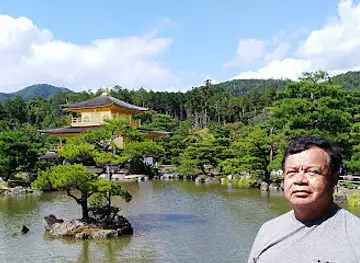
Dotonbori
Experience the vibrant energy of Dotonbori, Osaka's iconic district renowned for neon lights, delicious street food, and unforgettable entertainment.

Himeji Castle
Discover the majestic Himeji Castle, a UNESCO World Heritage site, rich in history and breathtaking architecture, nestled in the heart of Japan.

Arashiyama Bamboo Forest
Discover the enchanting Arashiyama Bamboo Forest, a serene escape in Kyoto filled with towering bamboo, tranquility, and stunning scenic beauty.

Imperial Palace East Gardens
Experience the serene beauty of the Imperial Palace East Gardens, a lush retreat steeped in history and tranquility in the heart of Tokyo.

Best restaurants in Buzen
Top-rated picks
Best Restaurants

Maruyoshi
Discover Maruyoshi: A hidden gem for authentic udon noodles in Buzen, Fukuoka offering rich flavors at wallet-friendly prices.
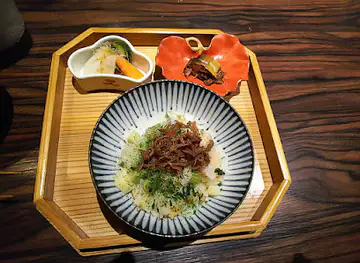
Aji Arai
Experience exquisite Japanese dining at Aji Arai in Nakatsu - where tradition meets culinary artistry.

Rurikyo
Discover the authentic taste of Japan at Rurikyo, where exquisite kaiseki cuisine meets serene ambiance in Nakatsu.

Eishin Buzen
Experience the essence of Japanese cuisine at Eishin Buzen - where fresh ingredients meet culinary artistry in every dish.

Best bars in Buzen
Top-rated picks
Best Bars
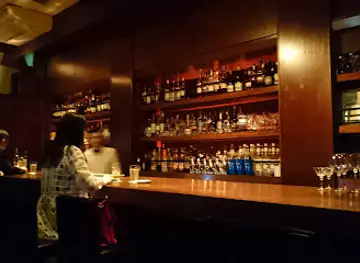
Oscar
Discover the stylish cocktail scene at Bar Oscar, Fukuoka's premier destination for exquisite mixology and vibrant nightlife.

Barr Nowhere
Discover the vibrant nightlife of Fukuoka at Barr Nowhere, where friendly vibes and crafted drinks create unforgettable memories.

CITADEL
Experience CITADEL in Fukuoka for innovative cocktails and a vibrant nightlife atmosphere, perfect for both locals and tourists alike.
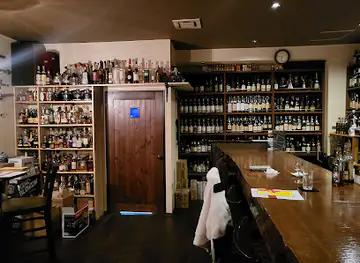
Bar Kitchen
Experience Fukuoka's nightlife at Bar Kitchen, where exquisite cocktails meet a vibrant atmosphere in the heart of Chuo Ward.

Best nightclubs in Buzen
Top-rated picks
Best Nightclubs

TK
Discover the electrifying nightlife at TK Nightclub in Tokyo's Shibuya, where music, dance, and unforgettable moments come alive.

Kujira Entertainment
Experience the vibrant nightlife of Tokyo at Kujira Entertainment, where cocktails, desserts, and live entertainment await in Kabukicho.

V2 TOKYO
Experience the pulsating energy of V2 TOKYO, a premier nightclub in Roppongi, where electrifying music and vibrant nightlife blend seamlessly.

WOMB
Experience the electrifying nightlife at WOMB, Tokyo's premier night club and live music venue in the heart of Shibuya.

Best shops in Buzen
Top-rated picks
Best Shops

CANAL CITY HAKATA
Discover the heart of Fukuoka at Canal City Hakata, where shopping, dining, and entertainment converge in a stunning architectural setting.

AMU Plaza Hakata City
Explore AMU Plaza Hakata City, Fukuoka's premier shopping destination with diverse shops, dining, and cultural experiences just steps from Hakata Station.

Tosu Premium Outlets
Discover unbeatable deals and delicious dining at Tosu Premium Outlets, the ultimate shopping destination in Saga, Japan.

Marinoa City Fukuoka
Explore Marinoa City Fukuoka, a waterfront shopping paradise offering a blend of retail, dining, and entertainment experiences in the heart of Japan.

Explore Buzen on the Map
A handpicked selection of must-see spots in Buzen, mapped for you.
Buzen Essentials
-
Buzen is located in the Fukuoka Prefecture of Japan. The nearest major airport is Fukuoka Airport, approximately 90 kilometers away. From Fukuoka Airport, you can take a train on the JR Kagoshima Line to Buzen. The journey takes around 1.5 to 2 hours. Alternatively, you can rent a car and drive to Buzen, which offers a scenic route through the countryside.
-
Within Buzen, the primary mode of transportation is by car. Rental cars are readily available and provide the best flexibility for exploring the area. Local buses operate within Buzen and connect to nearby towns, but service can be infrequent. Taxis are also available but can be expensive for longer distances. For those preferring eco-friendly options, cycling is a popular way to explore the town and its surroundings.
-
The official currency in Japan is the Japanese Yen (JPY). Credit cards are widely accepted in hotels, major restaurants, and shops in Buzen. However, it is advisable to carry some cash, especially for small purchases and in rural areas where card payments might not be accepted. ATMs are available at convenience stores and banks throughout Buzen.
-
Buzen is generally a very safe destination for tourists. There are no specific high-crime areas targeting tourists, but it is always best to stay vigilant. Avoid leaving your belongings unattended and be cautious when walking alone at night in unfamiliar areas. Standard safety precautions should be sufficient to ensure a trouble-free visit.
-
In case of emergency, dial 110 for police assistance or 119 for fire and medical emergencies. The local police station and medical facilities in Buzen are efficient and well-equipped. It is recommended to have travel insurance that covers medical emergencies. Pharmacies are available for over-the-counter medications and minor health issues.
-
Fashion: Do dress modestly, especially when visiting temples or shrines. Avoid overly casual or revealing clothing. Religion: Do show respect at religious sites. Always remove your shoes before entering temples and shrines. Public Transport: Do be polite and quiet on public transport. Don’t use your phone for loud conversations or eat while on the train or bus. Greetings: Do greet people with a bow instead of a handshake. Eating & Drinking: Do try local foods and take part in communal dining when offered. Don’t tip, as it is not a common practice in Japan.
-
To experience Buzen like a local, visit the morning markets where you can buy fresh local produce and seafood. Engage with the friendly locals who are often eager to share stories about the town’s history and culture. Explore the local temples and shrines, and don’t miss the seasonal festivals which offer a glimpse into traditional Japanese culture. Additionally, take the time to visit the scenic coastal areas and enjoy fresh seafood at local eateries.
When is the best time to visit Buzen?
Useful Local Phrases for Buzen
You don't need to speak the language perfectly. Even learning a few simple words can make conversations warmer—and locals usually appreciate the effort.
— Eve

Here are the phrases I use most often in Buzen. Try a few—you'll be surprised how far they go! 😊
❤️
-
- HelloHowdy
[Haudi] - GoodbyeSee ya
[See ya] - YesYep
[Yep] - NoNope
[Nope] - Please/You're welcomeSure thing
[Shoor thing] - Thank youThanks
[Thangs] - Excuse me/SorrySorry
[Sorry] - How are you?How's it going?
[How's it goin'?] - Fine. And you?I'm good, you?
[I'm good, ya?] - Do you speak English?You speak English?
[Ya speak English?] - I don't understandI don't get it
[I don't get it]
- HelloHowdy
-
- I'd like to see the menu, pleaseCan I see the menu?
[Can I see the menoo?] - I don't eat meatI'm a vegetarian
[I'm a vejetarian] - Cheers!Cheers!
[Cheers!] - I would like to pay, pleaseCan I get the check?
[Can I get the chek?]
- I'd like to see the menu, pleaseCan I see the menu?
-
- Help!Help!
[Help!] - Go away!Leave me alone!
[Leave me alone!] - Call the Police!Call the cops!
[Call the cops!] - Call a doctor!Get a doctor!
[Get a doktor!] - I'm lostI'm lost
[I'm lost] - I'm illI'm not feeling well
[I'm not feelin' well]
- Help!Help!
-
- I'd like to buy...I want to buy...
[I want to buy...] - I'm just lookingJust browsing
[Just browsing] - How much is it?What's the price?
[What's the price?] - That's too expensiveThat's pricey
[That's pricy] - Can you lower the price?Can you give me a discount?
[Can you give me a discount?]
- I'd like to buy...I want to buy...
-
- What time is it?What time is it?
[What time is it?] - It's one o'clockIt's one o'clock
[It's one o'clock] - Half past (10)Half past ten
[Half past ten] - MorningMorning
[Morning] - AfternoonAfternoon
[Afternoon] - EveningEvening
[Evening] - YesterdayYesterday
[Yesterday] - TodayToday
[Today] - TomorrowTomorrow
[Tomorrow] - 1One
[One] - 2Two
[Two] - 3Three
[Three] - 4Four
[Four] - 5Five
[Five] - 6Six
[Six] - 7Seven
[Seven] - 8Eight
[Eight] - 9Nine
[Nine] - 10Ten
[Ten]
- What time is it?What time is it?
-
- Where's a/the...?Where's the...?
[Where's the...?] - What's the address?What's the address?
[What's the address?] - Can you show me (on the map)?Can you show me on the map?
[Can you show me on the map?] - When's the next (bus)?When's the next bus?
[When's the next bus?] - A ticket (to ....)A ticket to ...
[A ticket to ...]
- Where's a/the...?Where's the...?
History of Buzen
-
Buzen, located in the northeastern part of Fukuoka Prefecture, has a rich history that dates back to ancient times. Archaeological findings show that the region was inhabited as early as the Jomon period (14,000-300 BCE), characterized by its distinctive pottery. The fertile plains and strategic coastal location made it an ideal spot for early settlements.
-
During the Asuka period (538-710 CE), Japan saw the formation of its provincial system, and Buzen was established as one of the original provinces. This period marked the beginning of a more organized and structured society, with Buzen gaining significance as an administrative and military center.
-
The Kamakura period (1185-1333 CE) and the subsequent Muromachi period (1336-1573 CE) were times of great turmoil and military conflict in Buzen. The province was often a battleground for warring samurai clans. Castles like Nakatsu Castle were built as defensive strongholds, and the area saw numerous battles and skirmishes as part of the larger power struggles in Japan.
-
Under the Tokugawa shogunate during the Edo period (1603-1868 CE), Buzen experienced relative peace and economic development. The region became known for its agricultural productivity, particularly in rice cultivation. The construction of roads and the development of towns facilitated trade and cultural exchange, contributing to Buzen's prosperity.
-
The Meiji Restoration in 1868 brought about significant changes as Japan rapidly modernized and industrialized. Buzen, like many other regions, saw the introduction of new technologies and industries. The construction of railways and improvements in infrastructure transformed Buzen into a more connected and economically diverse area.
-
During World War II, Buzen, like much of Japan, faced hardships and destruction. However, the post-war period saw a remarkable recovery and reconstruction effort. The region benefited from Japan's rapid economic growth during the latter half of the 20th century, leading to modernization and improved living standards.
-
Today, Buzen is known for its rich cultural heritage. Efforts have been made to preserve historical sites, traditional crafts, and local festivals. The area is home to temples, shrines, and historical landmarks that offer a glimpse into its storied past. Buzen's cultural events, such as the annual festivals and local craftsmanship, continue to attract visitors and celebrate the region's unique identity.
Neighbouring Regions of Buzen
The closest regions to Buzen, if you have time for more than one.


Your all‑in‑one travel companion app
Explore expert travel guides, compare and book tours, experiences, hotels, and more—all from the palm of your hand. Download now for seamless trip planning wherever your wanderlust takes you.


Explore More of Japan

Looking beyond Buzen? Discover Japan for broader travel guides, local hot-spots, and regional highlights.
Explore JapanBuzen in Photos
Browse through our photo collection highlighting the charm and character of the destination.

Buzen: The Hidden Gem of Japan's Kyushu Island
Nestled in the heart of Fukuoka Prefecture on Kyushu Island, Buzen offers a tranquil escape from the bustling cities of Japan. This charming town is rich in history, natural beauty, and cultural heritage. Visitors can explore ancient temples, hike through lush forests, and relax in serene hot springs. One of the highlights of Buzen is the Buzen Kokubunji Temple, a historic site dating back to the Nara period. The temple grounds are perfect for a peaceful stroll, with beautiful cherry blossoms in spring and vibrant foliage in autumn. Another must-visit spot is the Mikuni Shrine, known for its stunning architecture and annual festivals that showcase traditional Japanese culture. Nature enthusiasts will be delighted by the scenic hiking trails in Buzen. The town is surrounded by mountains and rivers, offering plenty of opportunities for outdoor activities. The Buzen River is a great spot for fishing or a leisurely boat ride, while the nearby hiking paths provide breathtaking views of the landscape. After a day of exploration, visitors can unwind in one of the local hot springs, enjoying the therapeutic waters and tranquil atmosphere. Buzen is also known for its local cuisine, which features fresh seafood and seasonal ingredients. Visitors can savor delicious dishes at local restaurants, or visit the bustling markets to sample regional specialties. The town's friendly residents and welcoming atmosphere make it an ideal destination for travelers seeking an authentic Japanese experience.