

Hozen-ji Temple Travel Guide
Free Guide: Find serenity and good luck at Hozen-ji Temple, a moss-covered gem hidden in Osaka's vibrant Dotonbori district.


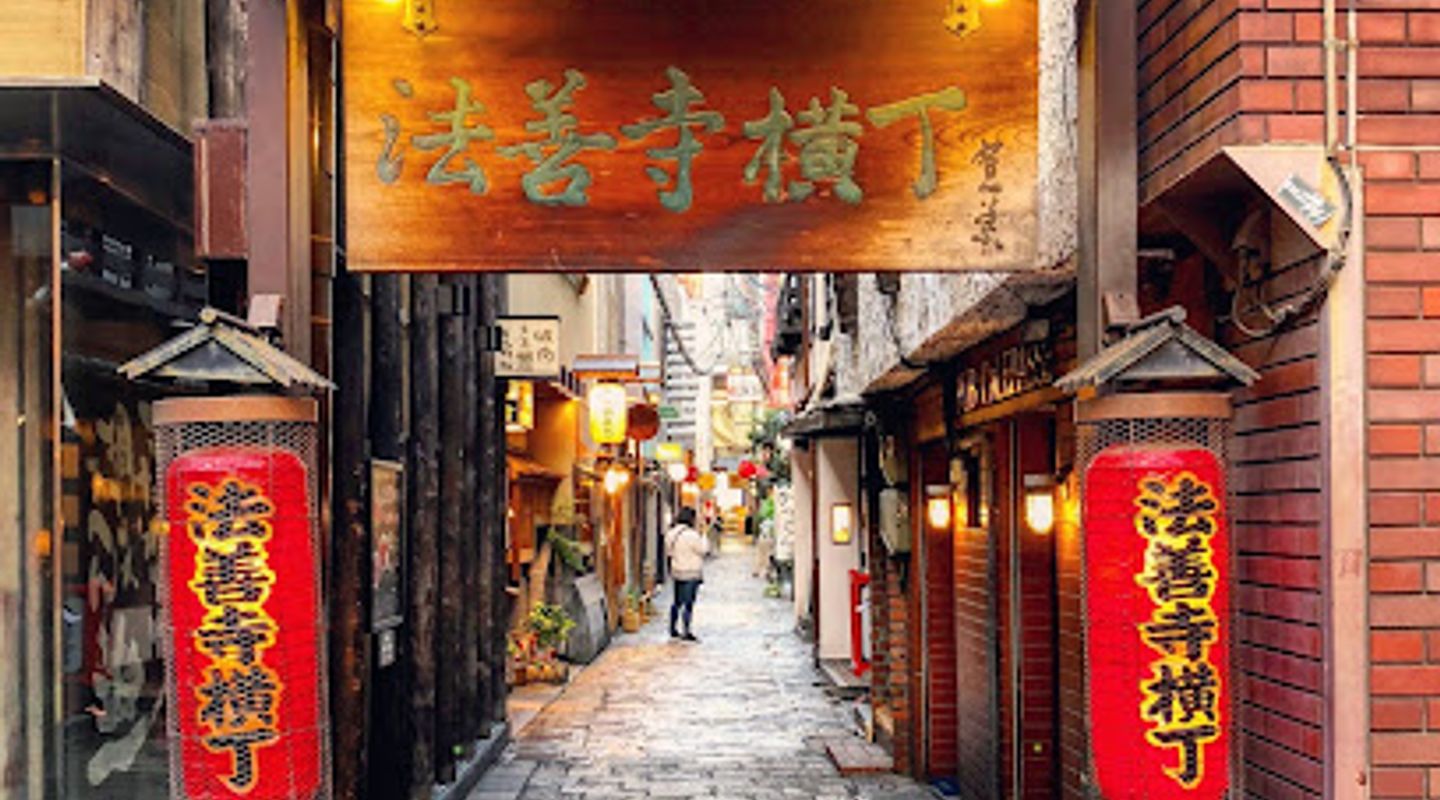
A brief summary of Hozen-ji Temple
Find serenity and good luck at Hozen-ji Temple, a moss-covered gem hidden in Osaka's vibrant Dotonbori district.
Escape the vibrant chaos of Dotonbori at Hozen-ji Temple, a small Buddhist sanctuary established in 1637. Known for its moss-covered Fudo Myoo statue, lovingly called 'Mizukake Fudo,' visitors splash water on the deity for good luck, creating a unique and serene atmosphere.
Opening hours
- Every dayOpen 24 hours
Opening hours as listed on the venue’s Google Business Profile. Hours can change for services and special events, so check with the venue before you go.
- Address
- 1 Chome-2-16 Namba, Chuo Ward, Osaka, 542-0076
- Phone
- Website
Getting there
Walking
Public Transport
Taxi
Discover more about Hozen-ji Temple
Overview
Nestled in the heart of Osaka's bustling Minami district, Hozen-ji Temple offers a tranquil escape from the surrounding energy of Dotonbori and Namba. Founded in 1637 during the Kanei period, the temple was once a hub for performing arts, hosting rakugo storytelling and stage plays. Although much of the temple was destroyed during World War II, the beloved Fudo Myoo statue miraculously survived.Today, Hozen-ji is best known for this statue, now completely covered in moss due to the tradition of visitors splashing water on it while making a wish. This practice has earned it the nickname 'Mizukake Fudo'. The act of splashing water on the statue is believed to bring good luck, and the lush green moss adds to the temple's unique and spiritual ambiance.Adjacent to the temple is Hozenji Yokocho, a narrow cobblestone alleyway filled with traditional restaurants and bars. The alley evokes the atmosphere of old Osaka, offering a culinary journey through local specialties like teppanyaki, okonomiyaki, and kushiage. Lanterns illuminate the alleyway in the evening, creating a magical atmosphere that transports visitors back in time. Hozenji Yokocho gained fame from Sakunosuke Oda's 1940 novel, 'Meoto Zenzai'.
Evendo Review Centre
 Google
Guest reviews
Explore Hozen-ji Temple on the map
A handpicked selection of must-see spots near Hozen-ji Temple, mapped for you.
Get your free copy of our complete guide to Hozen-ji Temple, delivered straight to you.
Everything on this page, from opening hours and how to get there to Eve’s tips and the best time to go, in one PDF you can read offline, print or share.
Already have an account? Sign in
Your Hozen-ji Temple guide is ready.
We'll send it to · Not you? Sign out

Getting your guide ready…
We are putting together a fresh copy of the Hozen-ji Temple guide. This can take up to a minute.
This can take a few moments. If your browser asks, choose Allow so the download can start. You'll find the guide in your Downloads folder.
Nothing happened? Download it again
Sorry, the guide is taking longer than usual. Please try again in a minute, or get it by email instead.
Unlock the best of Hozen-ji Temple
Skip-the-line tickets, guided tours with entry, and walking tours of the area, booked in a few clicks.
 Tour with entry
Osaka Walking Tour with Audioguide on Your Smartphone
from $10.67 Tour with entry
Osaka Walking Tour: Dotonbori, Kuromon Market & Street Food
from $22.80 Tour with entry
Osaka: Enjoy Street Food & Shopping in Dotonbori
from $27.06 Tour with entry
Osaka Dotonbori River Cruise with Walking Tour
from $31.99


Other nearby places you may find interesting
The closest places of the same kind, if this one is not quite what you had in mind.
-
-
-
-
-


Swipe for more places
More to explore near Hozen-ji Temple

 Best experiences near Hozen-ji Temple
 Best hotels near Hozen-ji Temple
 Best landmarks near Hozen-ji Temple
 Best attractions near Hozen-ji Temple
 Best shops near Hozen-ji Temple
 Best restaurants near Hozen-ji Temple
 Best bars near Hozen-ji Temple
Do you manage this location?
Take control to get all the benefits, like improved information, better appearance, and stronger visibility across AI-powered discovery.
Explore more
Explore more of Dewa
Discover Dewa, Japan's spiritual sanctuary, where sacred mountains, ancient shrines, and tranquil forests offer a journey into the heart of Japanese tradition and spirituality.
Explore Dewa
Explore more of Japan
Discover the harmony of tradition and modernity in Japan, where ancient temples and cutting-edge technology coexist in perfect balance.
Explore Japan
