

Free Dewa Travel Guide & Mobile App
Explore Dewa with free travel guides. Discover regional history, expert tips, proposed trips, and audio guides on web or mobile app.


Explore Dewa in northern Japan for sacred mountains, snowy landscapes, historic port towns, temple trails, rice culture and Sea of Japan cuisine.
Read more about Dewa
When is the best time to visit Dewa?
Best: May–June, September · 20–25°C| Month | High (°C) | Rainfall (mm) |
|---|---|---|
| January | 7 | 31 |
| February | 7 | 41 |
| March | 10 | 51 |
| April | 15 | 61 |
| May (best) | 20 | 71 |
| June (best) | 25 | 81 |
| July | 29 | 91 |
| August | 29 | 101 |
| September (best) | 25 | 91 |
| October | 19 | 81 |
| November | 14 | 71 |
| December | 8 | 51 |
Getting to and around Dewa
How to get there
Transportation
Destinations in Dewa
Resorts, valleys and scenic spots worth a trip of their own.

Swipe for more destinations
Best attractions in Dewa
Dewa’s attractions are distributed across a large historic landscape rather than concentrated in one city. The principal spiritual experience is Dewa Sanzan, where the cedar avenue and five-storey pagoda of Mount Haguro lead towards a summit shrine, while Gassan and Yudonosan offer more seasonal pilgrimage and mountain environments. Yamadera, formally Hōju-san Risshaku-ji, presents another celebrated temple setting, with buildings and paths climbing a wooded gorge. Along the Mogami River, boat excursions and valley scenery reveal the relationship between inland transport and the coast. The Shonai area combines rice-growing plains, food museums and historic port heritage in Tsuruoka and Sakata. Northern Dewa adds Akita’s festivals and museums, the samurai district of Kakunodate, the Oga Peninsula’s coastal landscapes and Namahage culture, and the broad volcanic scenery around Mount Chokai. Outdoor interests include hiking, cycling, snow activities, hot springs and bird or coastal nature observation, with access and conditions varying significantly by season.
-
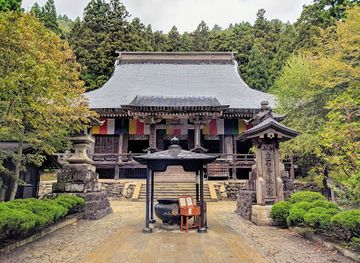
Buddhist temple
Rissyakuji Temple (Yamadera)
Experience the serene beauty and spiritual heritage of Rissyakuji Temple in Yamagata, Japan, a must-visit destination for peace seekers and nature lovers alike.
-
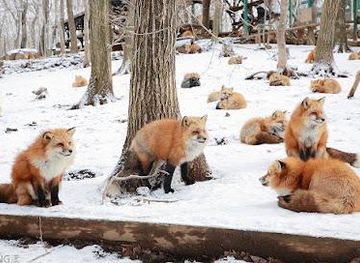
Zoo
Zaō Fox Village
Meet over 100 free-roaming foxes at this unique village in the Zao mountains, a haven for animal lovers and photographers alike.
-
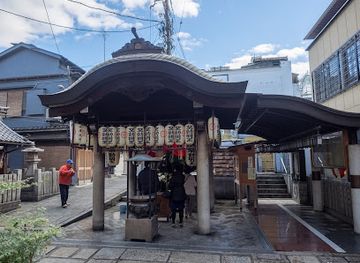
Place of worship
Hozen-ji Temple
Explore Hozen-ji Temple in Osaka: A tranquil Buddhist sanctuary surrounded by rich cultural history and serene landscapes.
-
City park
Kajo Park
Experience the beauty and history of Kajo Park, a serene city park in Yamagata, perfect for nature lovers and cultural enthusiasts.

Best landmarks in Dewa
Dewa’s most recognisable landmark is the five-storey pagoda at Mount Haguro, standing among ancient cedars on the approach to one of northern Japan’s major sacred mountain complexes. Yamadera’s temple buildings and stone stairway form a dramatic architectural and geographical landmark above the valley, while the Mogami River remains a defining natural corridor through the region. Sakata’s Sankyo Soko Storehouses, with their distinctive rows of timber warehouses and protective zelkova trees, express the town’s former importance in rice distribution and maritime trade. Kakunodate’s preserved samurai residences and merchant streets show how castle-town planning shaped northern society. In Akita, the remains and grounds of Kubota Castle represent the former domainal capital, while the Namahage traditions of the Oga Peninsula give its coastal communities a powerful cultural identity. Mount Chokai, rising above the borderlands of Yamagata and Akita, is a major visual landmark whose snow, forests and volcanic form dominate wide areas of the landscape.
-
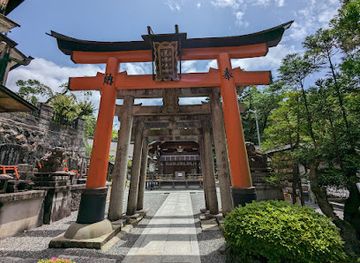
Shinto shrine
Fushimi Inari Taisha
Explore Kyoto's iconic Shinto shrine with thousands of vermilion torii gates winding up the sacred Mount Inari for an unforgettable cultural experience.
-
Observation deck
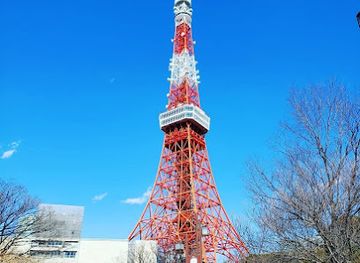
Tokyo Tower
Ascend to Tokyo Tower for panoramic city views, historical significance, and a vibrant cultural experience in the heart of Tokyo.
-
Castle
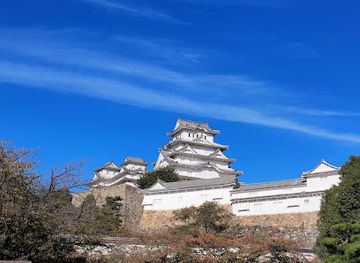
Himeji Castle
Discover the breathtaking beauty and rich history of Himeji Castle, Japan's most celebrated fortress and a UNESCO World Heritage site, perfect for every traveler.
-
Buddhist temple
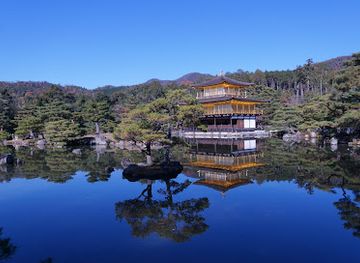
Kinkaku-ji
A dazzling Zen temple in Kyoto, Kinkaku-ji's iconic golden pavilion reflects centuries of history and serene beauty. A UNESCO World Heritage Site.
Explore Dewa on the map
Plan your trip on one map. See where the top cities, national parks and sights are, and book hotels and experiences in a few clicks.
Best hotels in Dewa
Best restaurants in Dewa
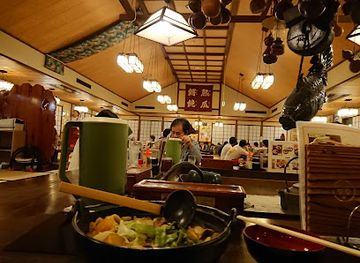
Eating in Dewa is closely linked to rice, snow, mountain produce and the Sea of Japan. The Shonai Plain supplies celebrated rice and supports a strong food culture around Tsuruoka, where restaurants and food producers use seasonal vegetables, fish, grains and fermentation traditions. Dewa Sanzan’s temple cuisine, shōjin ryōri, offers plant-based dishes shaped by Buddhist practice and mountain ingredients. Coastal towns such as Sakata and areas of Akita are known for fresh seafood, while inland kitchens make use of mushrooms, sansai mountain vegetables, pickles and preserved foods suited to long winters. Yamagata’s cherry-growing districts contribute fruit and confectionery, and local sake is widely associated with the region’s rice and clean water. Look for traditional set meals, soba, regional hot-pot dishes, cafés, izakaya and rural inns rather than expecting one single cuisine. Markets, brewery visits and small food shops are particularly useful for discovering local products.
-
Japanese regional restaurant
Kosaku Kawaguchiko
Savor authentic Hoto noodles and traditional Japanese dishes at Kosaku Kawaguchiko while enjoying breathtaking views of Mount Fuji.
-
 Restaurant
Hotel Okura Kyoto
Discover unparalleled luxury at Hotel Okura Kyoto - where tradition meets modern elegance in the heart of Japan's ancient capital.
-
Indian
Downtown B's Indian Kitchen, Tokyo
Discover authentic Indian cuisine at Downtown B's Indian Kitchen in Tokyo's vibrant Roppongi district, where every dish tells a flavorful story.
-
Soba noodle shop
Shojiya
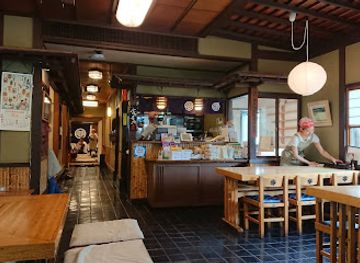
Experience 150 years of tradition at Shojiya Soba Noodle Shop in Yamagata—where every bowl tells a story.

Best bars in Dewa
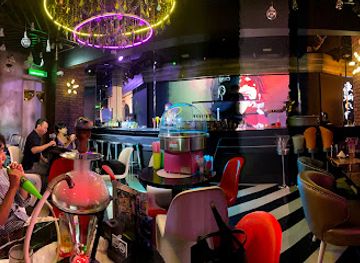
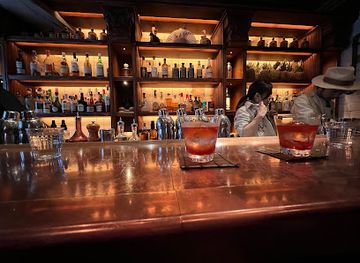
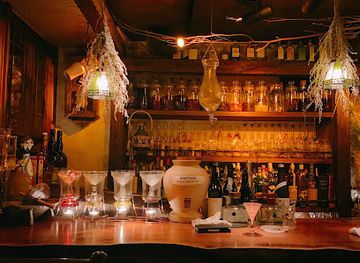
Dewa’s evening culture is led by izakaya, sake bars, restaurants and traditional pubs rather than a continuous metropolitan club scene. Tsuruoka, Sakata, Yamagata and Akita provide the broadest choice, with compact areas of dining and drinking around their principal stations and central streets. Local sake is an important feature, and some establishments also showcase regional beer and seasonal food. In smaller towns, evenings tend to centre on family-run restaurants, ryokan dining rooms and modest bars, while live music and festival events appear periodically rather than forming a permanent nightlife circuit. Akita City has the most developed late-evening offering on the northern side of the historic region, but visitors should check current arrangements locally. In rural Dewa, an early dinner, an onsen stay or a quiet walk through a historic district may be more realistic than late-night entertainment.
-
Bar
Shinjuku Golden-Gai
Discover Shinjuku Golden-Gai, Tokyo's iconic nightlife hub filled with unique bars and vibrant culture, perfect for an unforgettable evening out.
-
Bar
Kujira Entertainment
Discover the vibrant nightlife of Tokyo at Kujira Entertainment, a cocktail bar and modern izakaya in the heart of Shinjuku's Kabukicho district.
-
Bar
The SG Club
Discover The SG Club, a top cocktail bar in Tokyo's Shibuya, offering innovative drinks and a vibrant atmosphere for unforgettable nights.
-
Bar
Bar Benfiddich
Experience the art of cocktail craftsmanship at Bar Benfiddich, Tokyo's premier bar in Shinjuku, where elegance meets exceptional mixology.

Best nightclubs in Dewa
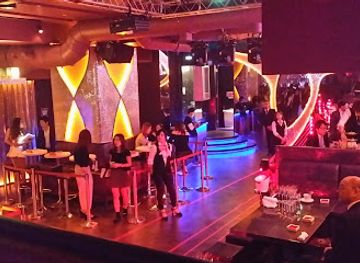
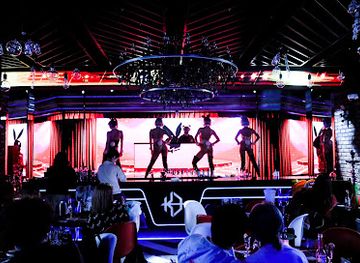
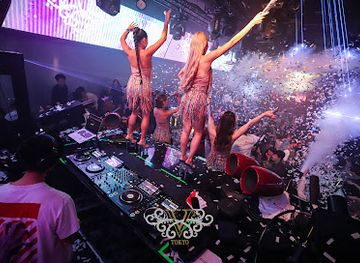
Dewa’s evening culture is led by izakaya, sake bars, restaurants and traditional pubs rather than a continuous metropolitan club scene. Tsuruoka, Sakata, Yamagata and Akita provide the broadest choice, with compact areas of dining and drinking around their principal stations and central streets. Local sake is an important feature, and some establishments also showcase regional beer and seasonal food. In smaller towns, evenings tend to centre on family-run restaurants, ryokan dining rooms and modest bars, while live music and festival events appear periodically rather than forming a permanent nightlife circuit. Akita City has the most developed late-evening offering on the northern side of the historic region, but visitors should check current arrangements locally. In rural Dewa, an early dinner, an onsen stay or a quiet walk through a historic district may be more realistic than late-night entertainment.
-
Night club
TK
Discover the electrifying nightlife of Tokyo at TK Nightclub, where music, lights, and energy come together for an unforgettable experience.
-
Night club
Kujira Entertainment
Experience the vibrant nightlife at Kujira Entertainment, a premier night club in Shinjuku with live shows, cocktails, and delicious cuisine.
-
Night club
V2 TOKYO
Experience Tokyo's vibrant nightlife at V2 Tokyo, a stylish night club in Roppongi offering electrifying music and expertly crafted cocktails.
-
Night club
CLUB VIZEL
Immerse yourself in the vibrant nightlife of Tokyo at CLUB VIZEL, where rock music and electrifying energy unite for an unforgettable experience.

Best shops in Dewa
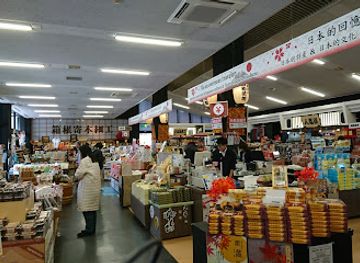
Shopping in Dewa is strongest in historic town centres, station districts, markets and specialist food shops rather than large luxury retail areas. Tsuruoka and Sakata are good places to look for Shonai rice, sake, pickles, miso, preserved foods and local confectionery, while Yamagata’s wider area is associated with cherries and fruit products. Akita offers regional sake, rice-based foods, lacquerware and crafts, with festival-related goods and Namahage masks particularly associated with local culture. Kakunodate’s historic streets contain galleries, craft outlets and shops connected with the town’s samurai heritage. Traditional textiles, woodwork, ceramics and mountain foods vary by locality, so labels and packaging can help identify their provenance. Department stores and station shops are useful for consolidated souvenirs, but farmers’ markets, brewery shops and small producers usually offer a closer connection to Dewa’s agricultural and food traditions.
-
Department store
Isetan Shinjuku
Discover the luxurious shopping experience at Isetan Shinjuku, Tokyo's premier department store with gourmet dining and unique cultural offerings.
-
Department store
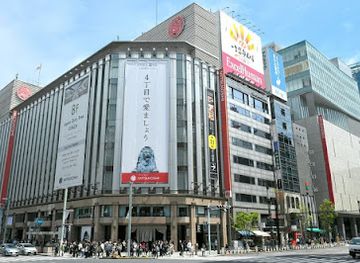
Mitsukoshi Ginza
Explore Mitsukoshi Ginza, a luxurious department store in Tokyo's vibrant Ginza district, blending shopping, dining, and culture in one iconic location.
-
Transit station
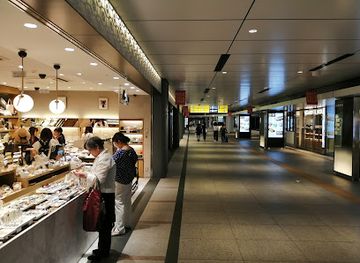
Tokyo Station
Explore Tokyo Station, a historic transit hub combining rich heritage, modern conveniences, and a vibrant shopping and dining experience.
-
Clothing store
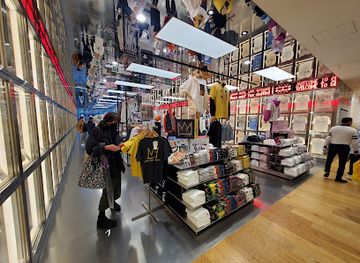
Uniqlo Ginza Flagship Store
Shop the latest fashion trends at Uniqlo Ginza, Tokyo's premier clothing destination with unique designs and exceptional quality.
Get your free copy of our complete guide to Dewa, delivered straight to you.
Everything on this page, from attractions and restaurants to essentials and local phrases, in one PDF you can read offline, print or share.
Already have an account? Sign in
Your Dewa guide is ready.
We'll send it to · Not you? Sign out

Getting your guide ready…
We are putting together a fresh copy of the Dewa guide. This can take up to a minute.
This can take a few moments. If your browser asks, choose Allow so the download can start. You'll find the guide in your Downloads folder.
Nothing happened? Download it again
Sorry, the guide is taking longer than usual. Please try again in a minute, or get it by email instead.
Dewa essentials
Currency and Payment
Safety
Emergency Situations
Do's and Don'ts
Local Tips
From Eve
Local phrases worth knowing
You don't need to get them perfect. A few words go a long way, and locals appreciate the effort.
Basics
| English | Local | Say it |
|---|---|---|
| Hello | こんにちは | [Konnichiwa] |
| Goodbye | さようなら | [Sayōnara] |
| Yes | はい | [Hai] |
| No | いいえ | [Iie] |
| Please/You’re welcome | お願いします | [Onegaishimasu] |
| Thank you | ありがとう | [Arigatou] |
| Excuse me/Sorry | すみません | [Sumimasen] |
| How are you? | お元気ですか? | [Ogenki desu ka?] |
| Fine. And you? | 元気です。あなたは? | [Genki desu. Anata wa?] |
| Do you speak English? | 英語を話せますか? | [Eigo o hanasemasu ka?] |
| I don't understand | わかりません | [Wakarimasen] |
Eating & Drinking
| English | Local | Say it |
|---|---|---|
| I’d like to see the menu, please | メニューを見せてください | [Menyū o misete kudasai] |
| I don't eat meat | 肉は食べません | [Niku wa tabemasen] |
| Cheers! | 乾杯! | [Kanpai!] |
| I would like to pay, please | お会計をお願いします | [Okaikei o onegaishimasu] |
Emergencies
| English | Local | Say it |
|---|---|---|
| Help! | 助けて! | [Tasukete!] |
| Go away! | どいて! | [Doite!] |
| Call the Police! | 警察を呼んで! | [Keisatsu o yonde!] |
| Call a doctor! | 医者を呼んで! | [Isha o yonde!] |
| I’m lost | 迷いました | [Mayoimashita] |
| I’m ill | 具合が悪いです | [Guai ga warui desu] |
Shopping
| English | Local | Say it |
|---|---|---|
| I’d like to buy... | …を買いたいです | [… o kaitai desu] |
| I’m just looking | 見ているだけです | [Mite iru dake desu] |
| How much is it? | いくらですか? | [Ikura desu ka?] |
| That’s too expensive | それは高すぎます | [Sore wa takasugimasu] |
| Can you lower the price? | 値下げできますか? | [Nesage dekimasu ka?] |
Time & Numbers
| English | Local | Say it |
|---|---|---|
| What time is it? | 今何時ですか? | [Ima nanji desu ka?] |
| It’s one o’clock | 1時です | [1-ji desu] |
| Half past (10) | 10時半です | [10-ji han desu] |
| Morning | 朝 | [Asa] |
| Afternoon | 午後 | [Gogo] |
| Evening | 夕方 | [Yūgata] |
| Yesterday | 昨日 | [Kinō] |
| Today | 今日 | [Kyō] |
| Tomorrow | 明日 | [Ashita] |
| 1 | 1 | [1] |
| 2 | 2 | [2] |
| 3 | 3 | [3] |
| 4 | 4 | [4] |
| 5 | 5 | [5] |
| 6 | 6 | [6] |
| 7 | 7 | [7] |
| 8 | 8 | [8] |
| 9 | 9 | [9] |
| 10 | 10 | [10] |
Transport & Directions
| English | Local | Say it |
|---|---|---|
| Where's a/the...? | …はどこですか? | [… wa doko desu ka?] |
| What’s the address? | 住所は何ですか? | [Jūsho wa nan desu ka?] |
| Can you show me (on the map)? | 地図で見せてくれますか? | [Chizu de misete kuremasu ka?] |
| When's the next (bus)? | 次の(バス)はいつですか? | [Tsugi no (basu) wa itsu desu ka?] |
| A ticket (to ....) | …への切符 | [… e no kippu] |
History of Dewa
Ancient Dewa Province
Dewa emerged as a frontier province of the expanding Japanese state during the early medieval period, covering a large part of the northern Tohoku region. Its position between the Sea of Japan and the interior mountains gave it strategic importance, while rivers and coastal routes supported settlement and administration. The province’s distance from the political centres of central Japan also encouraged distinctive local traditions. Many later settlements, roads and religious centres developed from this early framework, although the boundaries and administrative arrangements of Dewa changed repeatedly over time.
The Rise of Mountain Pilgrimage
The mountains of Dewa became important centres of religious practice through the growth of Shugendo and related forms of mountain asceticism. Haguro, Gassan and Yudonosan came to be understood together as Dewa Sanzan, a pilgrimage complex representing birth, death and rebirth in symbolic terms. Monks, ascetics and ordinary pilgrims travelled through demanding terrain, creating a religious landscape of shrines, lodgings, paths and sacred forests. The tradition remains visible in the approach to Mount Haguro and in the rituals associated with the Three Sacred Mountains.
Medieval Lords and Castle Towns
From the medieval period into the Edo era, powerful families and regional domains shaped Dewa’s political geography. The Mogami clan controlled much of the southern area for a time, while the Sakai family governed the Shonai domain from Tsuruoka during the Edo period. Northern districts were divided among other domains, including Akita and Kubota. Castle towns developed as administrative and commercial centres, leaving behind street plans, samurai residences, gardens and civic traditions that remain evident in places such as Tsuruoka, Akita and Kakunodate.
Rice, River Transport and Sakata’s Maritime Trade
The fertile Shonai Plain made rice production central to Dewa’s economy, while the Mogami River provided a crucial route between inland districts and the coast. Sakata became a major port for shipping rice and other goods along the Sea of Japan, linking northern domains with Osaka and other markets. Merchant wealth supported warehouses, residences and cultural patronage. The region’s canals, ports and rice stores were later transformed by modern transport, but Sakata’s waterfront heritage and the continuing importance of rice agriculture preserve this economic history.
Meiji Reorganisation and the Birth of Modern Prefectures
The political changes of the Meiji period ended the old domain system and reorganised Dewa’s territory. In 1868, the historical province was divided into Uzen in the south and Ugo in the north; these areas subsequently formed the basis of modern Yamagata and Akita prefectures, with later administrative adjustments. Railways, modern schools and new government institutions altered the relationship between inland towns, mountain communities and the coast. The name Dewa therefore survives chiefly as a historical and cultural designation rather than a current prefectural unit.
Snow Country, Industry and Regional Culture
Modern Dewa developed through a combination of agriculture, forestry, fisheries, food production and manufacturing. Heavy snowfall shaped architecture, transport, seasonal labour and preservation techniques, while coastal ports maintained links across the Sea of Japan. Towns and villages also sustained distinctive performing arts and festivals, including Akita’s Kanto tradition and the Namahage customs of the Oga Peninsula. In the late twentieth and early twenty-first centuries, heritage conservation, pilgrimage, gastronomy and nature-based travel became increasingly important ways of presenting the region’s culture.
Dewa in Photos
Browse through our photo collection highlighting the charm and character of the destination.
Neighbouring regions of Dewa
The closest regions to Dewa, if you have time for more than one.
-

-

-

-

-


Swipe for more regions
Explore more

Explore more of Japan
Discover the harmony of tradition and modernity in Japan, where ancient temples and cutting-edge technology coexist in perfect balance.
Explore Japan