

Ishigaki Island Travel Guide - Free Web & App
Your ultimate guide to Ishigaki Island. Discover top landmarks, proposed trips, and local tips. Free on the web or via the Evendo companion app.


Ishigaki Island, Japan, pairs subtropical beaches, coral reefs, Kabira Bay, Yaeyama culture and island-hopping with a relaxed southern atmosphere.
Subtropical Landscapes and Coral Waters
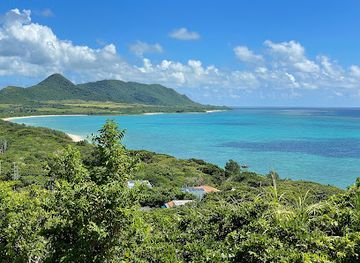
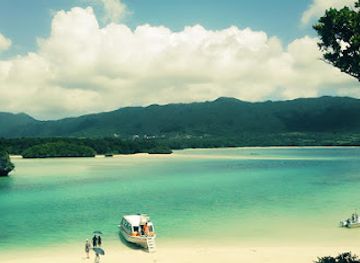
Ishigaki Island lies in Japan’s southern Okinawa Prefecture and is the principal gateway to the Yaeyama Islands, an archipelago scattered across the East China Sea. Its landscape combines forested hills, limestone outcrops, mangrove-lined waterways, agricultural plains and a deeply indented coastline. The celebrated Kabira Bay is known for its changing shades of blue and offshore pearl cultivation, while the northern Hirakubozaki Peninsula offers broad coastal views and a more open, rural character. Beaches such as Yonehara and Sukuji provide access to the island’s warm subtropical waters, although conditions, currents and local protection measures should always be checked before entering the sea.Read more about Ishigaki Island
Island Life and Cultural Heritage
Exploring Ishigaki
When is the best time to visit Ishigaki Island?
Best: January–March · 24–25°C| Month | High (°C) | Rainfall (mm) |
|---|---|---|
| January (best) | 24 | 77 |
| February (best) | 24 | 69 |
| March (best) | 25 | 74 |
| April | 27 | 72 |
| May | 29 | 99 |
| June | 31 | 171 |
| July | 32 | 242 |
| August | 32 | 238 |
| September | 31 | 228 |
| October | 31 | 148 |
| November | 29 | 104 |
| December | 27 | 85 |
Getting to and around Ishigaki Island
How to get there
Transportation
Best attractions in Ishigaki Island
Ishigaki’s attractions range from reef-fringed bays to forested hills and rural coastlines. Kabira Bay is the island’s most recognisable coastal sight, viewed from land or explored through glass-bottom boat excursions; swimming is generally restricted there because of marine cultivation and conservation considerations. Yonehara Beach and nearby coastal areas are associated with snorkelling, while Sukuji Beach offers a broad, sheltered-looking sweep of sand subject to local conditions. Tamatorizaki Observatory surveys the eastern coast, and Cape Hirakubozaki marks the island’s northern reach. Inland, Ishigaki Island Limestone Cave reveals formations created in ancient coral limestone, while Banna Park provides elevated views and wooded walking areas close to the city. Shiraho’s coast is known for its coral habitat, and the surrounding villages, sugar-cane fields and cattle country show a quieter side of the island beyond its principal visitor sites.
-
Tourist attraction
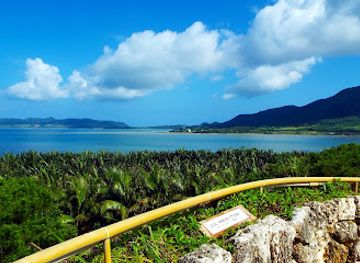
Tamatorizaki Observation Platform
Experience breathtaking views and the serene beauty of Okinawa at the Tamatorizaki Observation Platform, a must-see destination for all travelers.
-
Tourist attraction
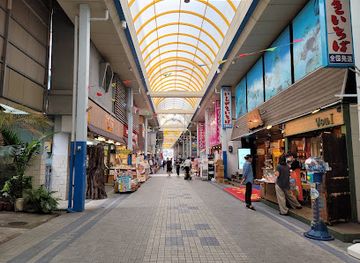
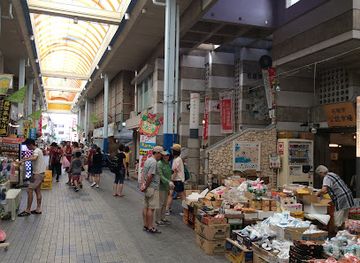
Ishigaki City Public Market
Explore the lively Ishigaki City Public Market, a hub of local culture, fresh seafood, and unique souvenirs in the heart of Okinawa.
-
Tourist attraction
Banna Park
Explore the breathtaking landscapes and recreational activities at Banna Park, a must-visit destination in Ishigaki, Okinawa.
-
Tourist attraction
Yoneko Yaki Kobo Shisa Farm
Explore the artistry of traditional Shisa pottery at Yoneko Yaki Kobo Shisa Farm in Ishigaki, Okinawa, where culture and creativity blend beautifully.



Best landmarks in Ishigaki Island
Kabira Bay is Ishigaki’s defining natural landmark, with limestone hills, wooded shorelines and shallow waters that shift in colour with light and weather; its pearl cultivation history also connects the landscape with local industry. Tamatorizaki Observatory is a prominent eastern viewpoint, while Cape Hirakubozaki provides a more exposed northern coastal setting and views towards surrounding islands. Mount Omoto forms the island’s highest mountain and an important inland geographical reference. Ishigaki Island Limestone Cave represents the geological story of uplifted coral limestone, with stalactite and stalagmite formations underground. Shiraho’s reef coast is significant for its marine environment, and the Yaeyama Museum in Ishigaki City offers cultural context for the islands’ history, traditional life and material heritage.
-
Observation deck
Tamatorizaki Observation Platform
Experience Ishigaki's ultimate beauty: panoramic ocean views, vibrant coral reefs, and tropical flowers await at Tamatorizaki Observation Platform.
-
Tourist attraction
Ishigaki Stalactite Cave
Discover a 200,000-year-old subterranean world of stalactites, stalagmites, and marine fossils in Ishigaki Island's natural wonder.
-
Theme park
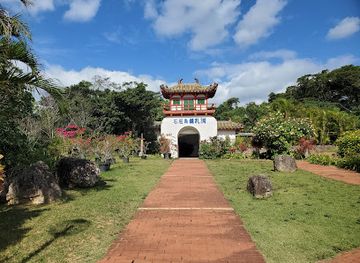
Ishigaki Yaima Village
Experience the charm of the Ryukyu Kingdom at Ishigaki Yaima Village, an open-air museum showcasing traditional Okinawan culture and architecture.
-
Farmers' market
JA Okinawa Farmers Market Yaeyama Yuratiku Market
Discover fresh produce, local crafts, and authentic Okinawan flavors at Ishigaki's vibrant JA Okinawa Farmers Market Yaeyama Yuratiku Market.
Explore Ishigaki Island on the map
Plan your trip on one map. See where the top attractions, landmarks, restaurants and hotels are, and book hotels and experiences in a few clicks.
Best hotels in Ishigaki Island
Best restaurants in Ishigaki Island
Ishigaki City has the island’s broadest choice of restaurants, izakaya, cafés and market counters, while smaller coastal settlements offer a more limited selection that may depend on local operating patterns. Regional specialities include Yaeyama soba, usually served with a distinctive flat noodle, Ishigaki beef, fresh seafood, tuna, mozuku seaweed and sea grapes, known locally as umibudo. Okinawan staples such as goya and dishes flavoured with island ingredients also appear on local menus. Awamori, the rice spirit of Okinawa, is a characteristic accompaniment, alongside Okinawan beer and tropical drinks. The public market and surrounding shopping streets in Ishigaki City are useful for seeing local produce and prepared food, while farm shops and small producers may offer island-grown fruit, black sugar, salt and packaged regional specialities.
-
Izakaya
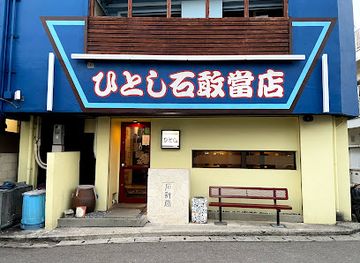
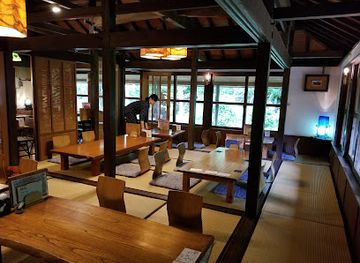
Hitoshi Ishiganto
Experience authentic Japanese izakaya culture at Hitoshi Ishiganto in Ishigaki - where great food meets warm hospitality.
-
Hamburger
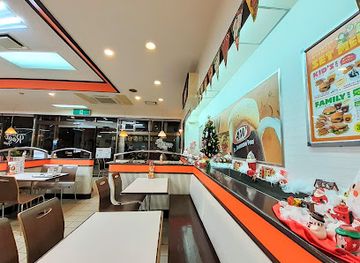
A&W Ishigaki
Discover A&W Ishigaki: Savor classic American burgers and root beer in Okinawa's tropical paradise.
-
Japanese
Tofu Higa
Experience authentic Japanese cuisine at Tofu Higa in Ishigaki - where fresh ingredients meet traditional flavors in every delicious bite.
-
Japanese regional restaurant
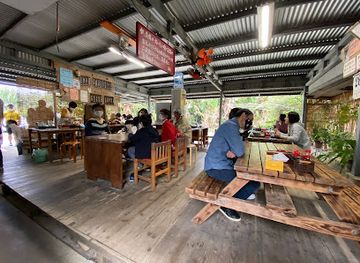
Funakura-no-sato
Discover authentic Okinawan cuisine at Funakura-no-sato—where traditional flavors meet modern izakaya style in the heart of Ishigaki.
Best bars in Ishigaki Island
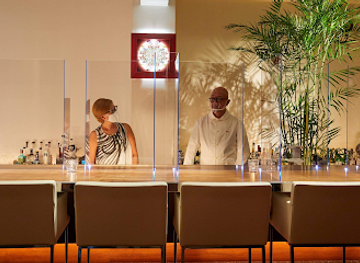
Ishigaki’s evening life is concentrated in Ishigaki City, particularly around the port, central shopping streets and the lanes near the public market. The atmosphere is more island-oriented than club-focused, with izakaya, small bars, awamori establishments and restaurants where visitors may encounter Yaeyama music or informal local hospitality. Some venues specialise in Okinawan and Yaeyama performance traditions, but programmes and opening patterns vary. Outside the city, evenings are generally quiet, with accommodation restaurants and small local establishments providing the main options rather than a continuous nightlife scene. Visitors staying around Kabira or on the northern coast should plan evening meals and transport carefully, since rural venues are more dispersed and taxis are less convenient than in the city.
-
Bar
BAR NOBU
Discover the vibrant nightlife of Ishigaki at Bar Nobu, where delightful drinks and a cozy atmosphere await every visitor.
-
Bar
Summer Glass
Unwind at Summer Glass, Ishigaki's vibrant bar offering a delightful mix of cocktails, local brews, and unforgettable nightlife experiences.
-
Bar
JAZZ BAR SCARECROW
Discover the enchanting ambiance of Jazz Bar Scarecrow in Ishigaki, where live jazz and crafted cocktails create an unforgettable night.
-
Bar
THE STAR BAR
Discover the enchanting atmosphere of The Star Bar in Ishigaki, where local flavors meet a vibrant nightlife experience.


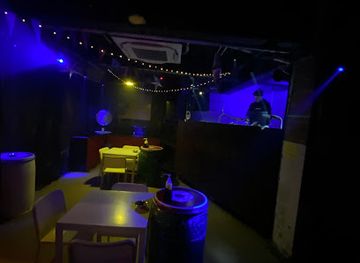
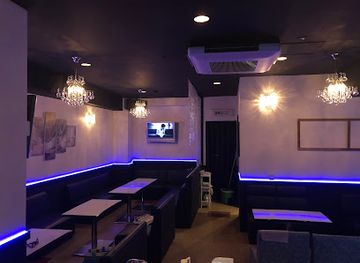
Best nightclubs in Ishigaki Island
Ishigaki’s evening life is concentrated in Ishigaki City, particularly around the port, central shopping streets and the lanes near the public market. The atmosphere is more island-oriented than club-focused, with izakaya, small bars, awamori establishments and restaurants where visitors may encounter Yaeyama music or informal local hospitality. Some venues specialise in Okinawan and Yaeyama performance traditions, but programmes and opening patterns vary. Outside the city, evenings are generally quiet, with accommodation restaurants and small local establishments providing the main options rather than a continuous nightlife scene. Visitors staying around Kabira or on the northern coast should plan evening meals and transport carefully, since rural venues are more dispersed and taxis are less convenient than in the city.
-
Pub
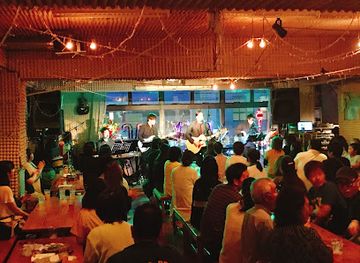
CITY JACK
CITY JACK in Ishigaki, Okinawa: A premier pub and live music venue offering an electrifying nightlife experience with unforgettable performances and a vibrant atmosphere.
-
Cabaret club
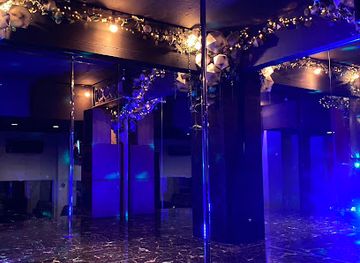
ShowLounge舞
Discover unforgettable performances at ShowLounge舞, a vibrant cabaret club in Ishigaki, Okinawa, where culture and entertainment come together.
-
Night club
DJ‘s BAR GRAND SLAM
Experience the vibrant nightlife at DJ's Bar Grand Slam in Ishigaki, Okinawa, where music, dance, and unforgettable memories await every night.
-
Lounge
NEW CLUB ARINA
Discover the vibrant nightlife of Ishigaki at New Club Arina, a premier lounge offering exquisite cocktails and a lively ambiance.
Best shops in Ishigaki Island
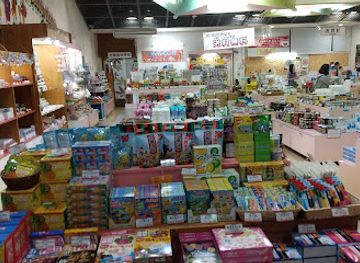
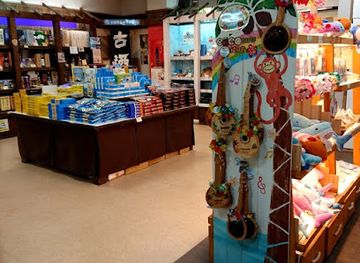
Shopping is centred on Ishigaki City, especially the Euglena Mall area, the public market and nearby streets around the port. Visitors can find regional food products such as black sugar, island salt, awamori, tropical fruit products and packaged Yaeyama specialities, although stock varies between shops. Ishigaki is also associated with minsa weaving, a traditional Yaeyama textile craft, as well as Okinawan ceramics, handmade goods and locally produced art. Small shops and craft businesses outside the city are more scattered, and remote coastal districts have limited retail facilities, so provisions and practical equipment are easiest to obtain before touring the island. The market is useful for experiencing local commerce, but it should not be treated as a permanent large-scale craft or produce market with identical traders every day.
-
Tourist attraction
Ishigaki Stalactite Cave
Explore the breathtaking Ishigaki Stalactite Cave, a natural wonder in Okinawa with stunning rock formations and rich geological history.
-
Theme park
Ishigaki Yaima Village
Discover the rich culture and breathtaking beauty of Ishigaki Yaima Village in Okinawa, a unique theme park experience for all ages.
-
Market
Ishigaki City Public Market
Discover Ishigaki City Public Market, a vibrant hub of local culture, fresh produce, and delicious Okinawan cuisine in the heart of Ishigaki.
-
Farmers' market
JA Okinawa Farmers Market Yaeyama Yuratiku Market
Experience the authentic flavors of Ishigaki at the vibrant JA Okinawa Farmers Market, where fresh produce and local culture meet.

Get your free copy of our complete guide to Ishigaki Island, delivered straight to you.
Everything on this page, from attractions and restaurants to essentials and local phrases, in one PDF you can read offline, print or share.
Already have an account? Sign in
Your Ishigaki Island guide is ready.
We'll send it to · Not you? Sign out

Getting your guide ready…
We are putting together a fresh copy of the Ishigaki Island guide. This can take up to a minute.
This can take a few moments. If your browser asks, choose Allow so the download can start. You'll find the guide in your Downloads folder.
Nothing happened? Download it again
Sorry, the guide is taking longer than usual. Please try again in a minute, or get it by email instead.
Ishigaki Island essentials
Currency and Payment
Safety
Emergency Situations
Do's and Don'ts
Local Tips
From Eve
Local phrases worth knowing
You don't need to get them perfect. A few words go a long way, and locals appreciate the effort.
Basics
| English | Local | Say it |
|---|---|---|
| Hello | ハイサイ | [Haisai] |
| Goodbye | バイバイ | [Baibai] |
| Yes | はい | [Hai] |
| No | いいえ | [Iie] |
| Please/You're welcome | どうぞ | [Douzo] |
| Thank you | ありがとう | [Arigatou] |
| Excuse me/Sorry | すみません | [Sumimasen] |
| How are you? | お元気ですか? | [Ogenki desu ka?] |
| Fine. And you? | 元気です。あなたは? | [Genki desu. Anata wa?] |
| Do you speak English? | 英語が話せますか? | [Eigo ga hanasemasu ka?] |
| I don't understand | わかりません | [Wakarimasen] |
Eating & Drinking
| English | Local | Say it |
|---|---|---|
| I'd like to see the menu, please | メニューを見せてください | [Menyuu wo misete kudasai] |
| I don't eat meat | 私は肉を食べません | [Watashi wa niku o tabemasen] |
| Cheers! | 乾杯! | [Kanpai!] |
| I would like to pay, please | お会計をお願いします | [O-kaikai o onegaishimasu] |
Emergencies
| English | Local | Say it |
|---|---|---|
| Help! | 助けて! | [Tasukete!] |
| Go away! | 行って! | [Itte!] |
| Call the Police! | 警察を呼んで! | [Keisatsu o yonde!] |
| Call a doctor! | 医者を呼んで! | [Isha o yonde!] |
| I'm lost | 道に迷いました | [Michi ni mayoimashita] |
| I'm ill | 具合が悪いです | [Guai ga warui desu] |
Shopping
| English | Local | Say it |
|---|---|---|
| I'd like to buy... | 買いたいです... | [Kaitai desu...] |
| I'm just looking | 見ているだけです | [Miteiru dake desu] |
| How much is it? | いくらですか? | [Ikura desu ka?] |
| That's too expensive | それは高すぎます | [Sore wa takasugimasu] |
| Can you lower the price? | 値引きしてもらえますか? | [Nebiki shite moraemasu ka?] |
Time & Numbers
| English | Local | Say it |
|---|---|---|
| What time is it? | 今何時ですか? | [Ima nanji desu ka?] |
| It's one o'clock | 一時です | [Ichiji desu] |
| Half past (10) | 10時半です | [Juuji han desu] |
| Morning | 朝 | [Asa] |
| Afternoon | 午後 | [Gogo] |
| Evening | 夕方 | [Yuugata] |
| Yesterday | 昨日 | [Kinou] |
| Today | 今日 | [Kyou] |
| Tomorrow | 明日 | [Ashita] |
| 1 | 一 | [Ichi] |
| 2 | 二 | [Ni] |
| 3 | 三 | [San] |
| 4 | 四 | [Shi] |
| 5 | 五 | [Go] |
| 6 | 六 | [Roku] |
| 7 | 七 | [Nana] |
| 8 | 八 | [Hachi] |
| 9 | 九 | [Kyuu] |
| 10 | 十 | [Ju] |
Transport & Directions
| English | Local | Say it |
|---|---|---|
| Where's a/the...? | ...はどこですか? | [...wa doko desu ka?] |
| What's the address? | 住所は何ですか? | [Jusho wa nan desu ka?] |
| Can you show me (on the map)? | (地図で)見せてもらえますか? | [(Chizu de) misete moraemasu ka?] |
| When's the next (bus)? | 次の(バス)はいつですか? | [Tsugi no (basu) wa itsu desu ka?] |
| A ticket (to ....) | (...)へのチケットをください | [(...) e no chiketto o kudasai] |
History of Ishigaki Island
Coral Limestone and Island Formation
Ishigaki’s physical character developed through long geological processes involving uplifted coral reefs, limestone and volcanic activity in the wider Ryukyu island arc. The island’s limestone caves, coastal terraces and reef-fringed shores are part of this geological inheritance. Mount Omoto, the highest point in the Yaeyama Islands, forms the dominant inland relief, while lowlands and coastal plains support agriculture and settlement. These natural conditions have shaped where communities developed, how water was managed and which parts of the coast became important for fishing and maritime travel.
Early Communities and the Yaeyama World
People have lived on Ishigaki for thousands of years, using its coastal waters, forests and fertile areas for fishing, gathering and cultivation. Archaeological evidence across the Yaeyama Islands records long-established island communities whose languages, beliefs and customs developed distinct regional characteristics. Traditional life was closely linked to seasonal weather, agriculture and the sea. Villages were not isolated from one another: canoe and boat routes connected Ishigaki with neighbouring islands, allowing goods, people and cultural practices to circulate across the archipelago.
Ishigaki under the Ryukyu Kingdom
From the early modern period, the Yaeyama Islands formed part of the Ryukyu Kingdom’s wider maritime and political network. Ishigaki, known historically as part of the Yaeyama region, supplied agricultural products and maintained links with other Ryukyuan islands. Village organisation, religious practices and tribute obligations developed within this system, while local beliefs centred on sacred places, ancestors and nature. Remnants of traditional settlement patterns and regional customs help explain why Ishigaki’s culture differs from that of mainland Japan as well as from the central Okinawan islands.
Modern Incorporation and Wartime Change
The Ryukyu Kingdom was transformed into Okinawa Prefecture in 1879, bringing Ishigaki into the modern Japanese state. Administration, education, transport and commercial agriculture gradually changed the island’s social and economic life. During the Pacific War, Ishigaki was affected by military activity and wartime shortages, as were many islands in Okinawa. The post-war period brought American administration of Okinawa until 1972, when sovereignty was returned to Japan. These political changes remain part of the wider historical context of contemporary Yaeyama identity.
Tourism, Conservation and Island Change
After the post-war decades, improved air and sea links made Ishigaki increasingly accessible to visitors from Okinawa and mainland Japan. Tourism developed around beaches, coral reefs, diving, scenic coastal roads and ferry connections to the Yaeyama Islands, while agriculture and cattle farming remained important to the local economy. Growing attention to coral-reef protection, marine habitats and sustainable tourism has accompanied this expansion. Today, Ishigaki combines a modern regional centre with rural communities and ecosystems that require careful management, particularly where coastal recreation meets sensitive reef environments.
Ishigaki Island in Photos
Browse through our photo collection highlighting the charm and character of the destination.
Neighbouring destination travel guides
The closest destinations to Ishigaki Island, if you have time for more than one.
-

-

-

-

-


Swipe for more destinations
Explore more

Explore more of Japan
Discover the harmony of tradition and modernity in Japan, where ancient temples and cutting-edge technology coexist in perfect balance.
Explore Japan