Isshin-ji Temple, Kinki Kansai Travel Guide
Discover Isshin-ji Temple in Osaka: Where modern design meets ancient Buddhist traditions and unique bone Buddha statues.
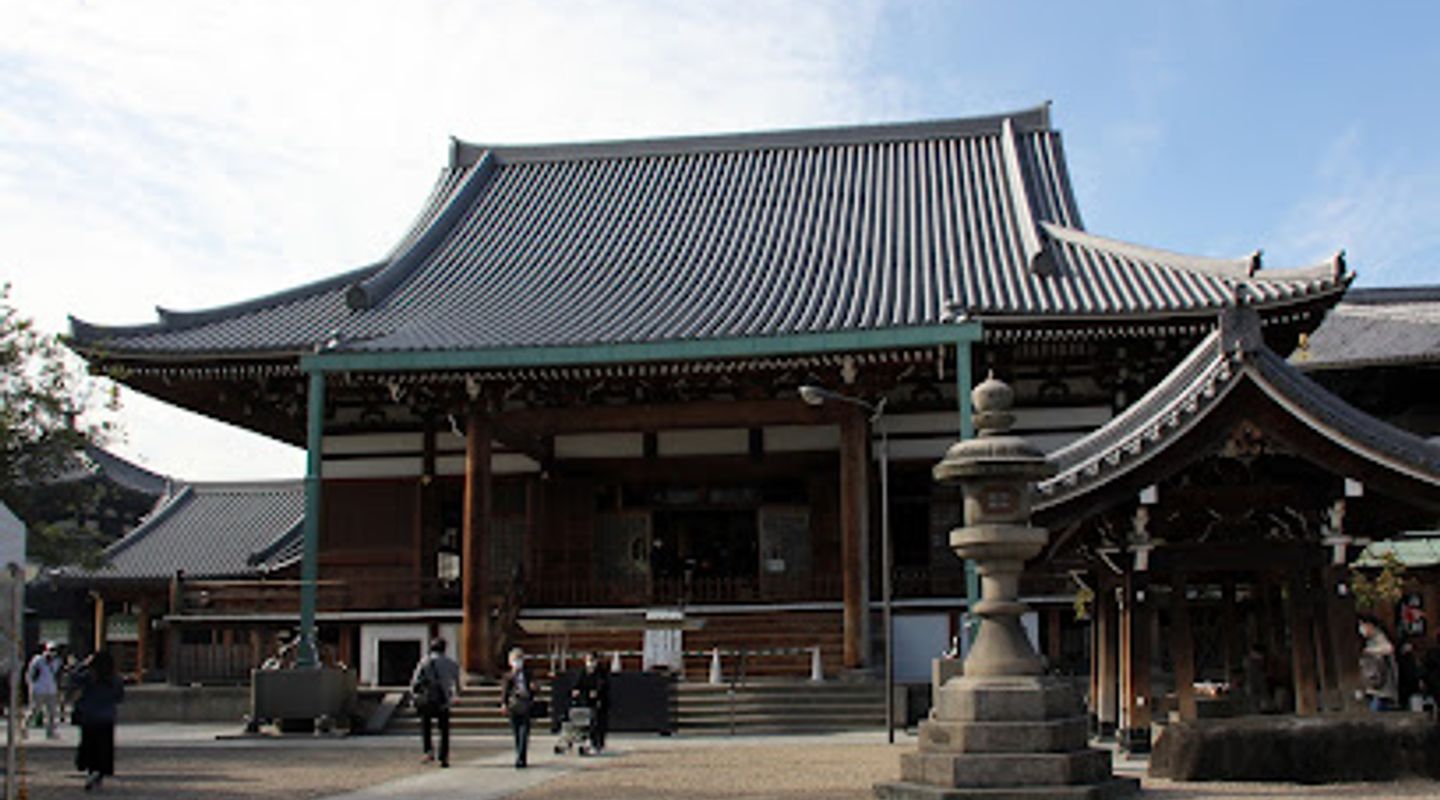
Isshin-ji Temple in Osaka blends modern architecture with a rich history rooted in Pure Land Buddhism. Founded in 1185, it's known for its unique practice of creating Buddha statues from the ashes of deceased devotees, symbolizing rebirth and remembrance. The temple's striking design and serene atmosphere offer a tranquil retreat in the heart of the city.
A brief summary to Isshin-ji Temple
- 2 Chome-8-69 Osaka, Osaka, 2 Chome Osaka, Tennoji Ward, Osaka, 543-0062, JP
- Click to display
- Click to display
- Monday 5 am-6 pm
- Tuesday 5 am-6 pm
- Wednesday 5 am-6 pm
- Thursday 5 am-6 pm
- Friday 5 am-6 pm
- Saturday 5 am-6 pm
- Sunday 5 am-6 pm

Know before you go
Hi, I'm Eve. Here are a few practical things to know before exploring Isshin-ji Temple.
- Visit early in the morning or later in the afternoon to avoid crowds and experience a more peaceful atmosphere.
- Take time to explore the various buildings and monuments within the temple grounds, each with its own unique history and significance.
- Respect the local customs and traditions when visiting, especially when viewing the Bone Buddha statues.
Do you manage this location?
Take control to get all the benefits, like improved information, better appearance, and stronger visibility across AI-powered discovery. Learn more about listing your business on Evendo
Activate your presenceOther nearby places you may find interesting
The closest places of the same kind, if this one is not quite what you had in mind.


Explore Isshin-ji Temple on the Map
A handpicked selection of must-see spots near Isshin-ji Temple, mapped for you.
Unlock the Best of Isshin-ji Temple
Buy tickets
-
No tickets available
Book tours with entry
-
No tours available
Book tours without entry

Getting There
-
Public Transport
From Tennoji Station (JR Loop Line, Midosuji Line, or Tanimachi Line), Isshin-ji Temple is a 10-15 minute walk. Alternatively, from Ebisucho Station (Sakaisuji Line), it's about an 8-minute walk. Subway fares in Osaka start from ¥180 depending on the distance.
-
Walking
Isshin-ji Temple is located north of Tennoji Park and west of Tennoji Temple. From Tennoji Station, exit north and walk along the main road, following signs for Tennoji Park. Turn left before entering the park and continue straight. The temple will be on your left. The walk is approximately 15 minutes.
Discover more about Isshin-ji Temple













Your all‑in‑one travel companion app
Explore expert travel guides, compare and book tours, experiences, hotels, and more—all from the palm of your hand. Download now for seamless trip planning wherever your wanderlust takes you.


Explore More of Kinki Kansai
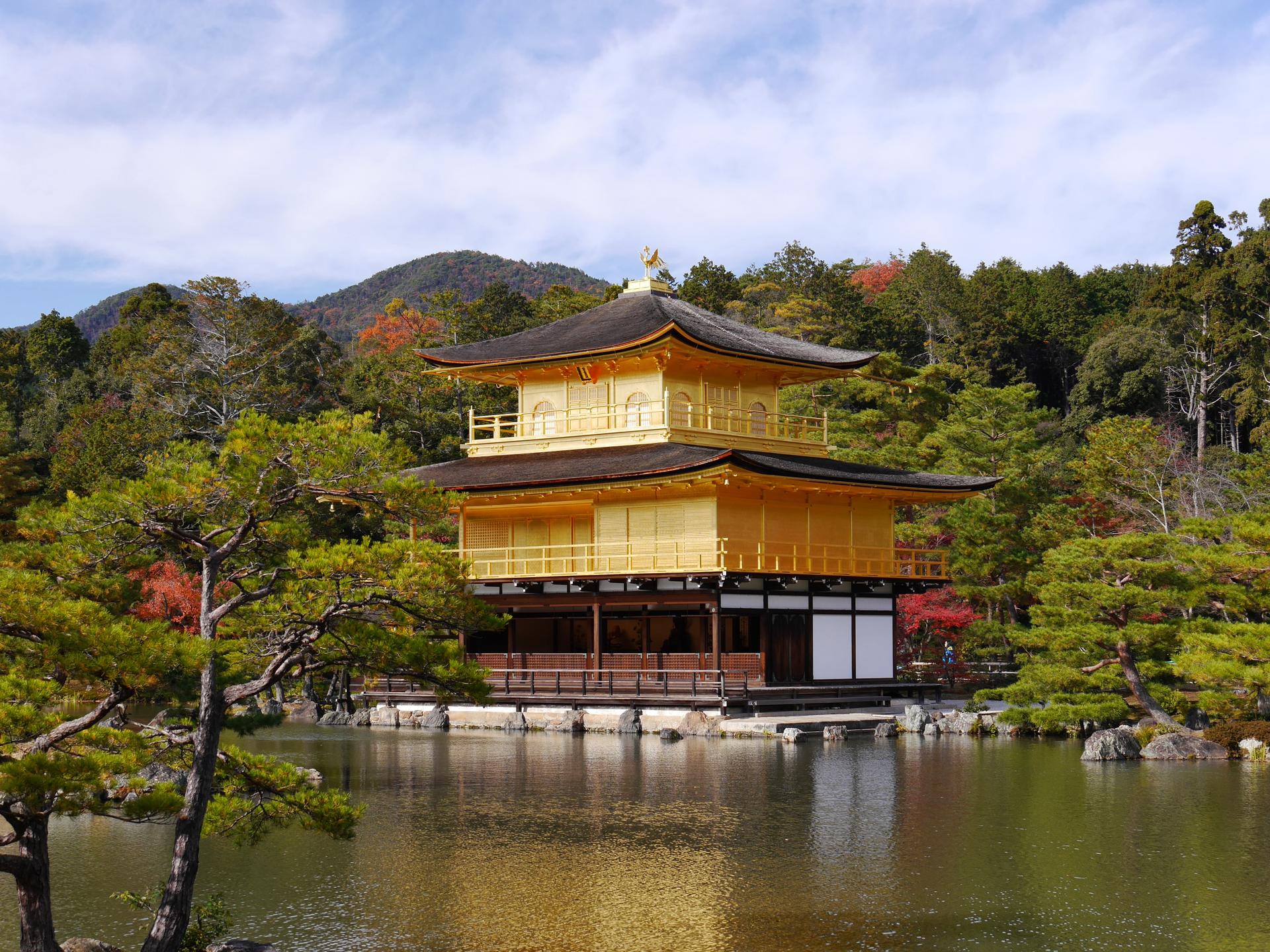
Looking beyond Isshin-ji Temple? Discover Kinki Kansai for broader travel guides, local hot-spots, and regional highlights.
Explore Kinki Kansai