
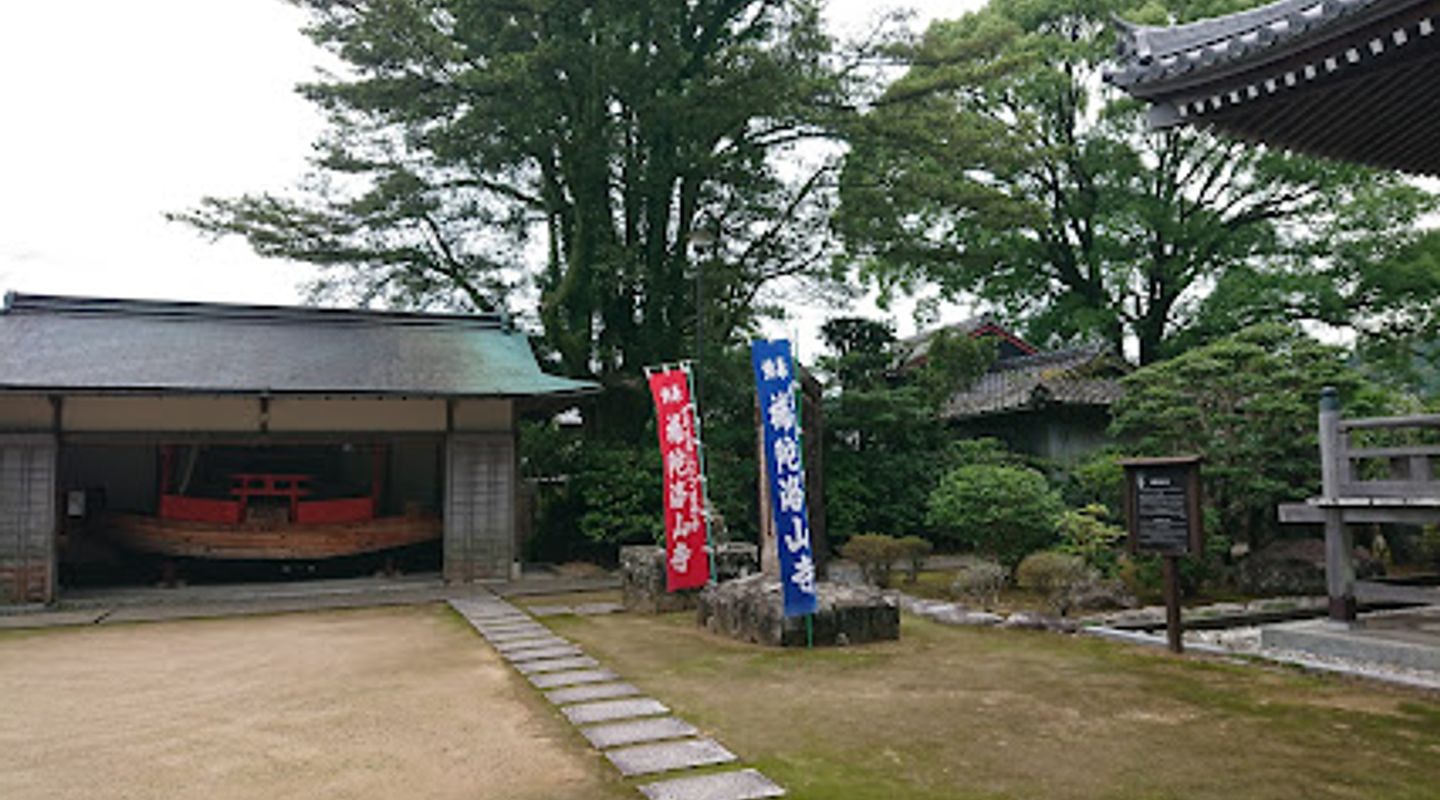
Fudarakusan-ji, Kinki Kansai Travel Guide
Explore Fudarakusan-ji Temple in Wakayama, a UNESCO World Heritage Site and starting point for ancient spiritual sea voyages.
Fudarakusan-ji is a Tendai Buddhist temple in Nachikatsuura, Wakayama, known for the ancient practice of Fudaraku Tokai, where monks set sail to reach the mythical Buddhist paradise of Fudaraku. Designated a UNESCO World Heritage Site, it offers a serene glimpse into Japan's spiritual past.
A brief summary to Fudarakusan-ji
- 348 Hamanomiya, Nachikatsuura, Hamanomiya, Higashimuro District, Wakayama, 649-5314, JP
- Click to display
- Click to display
- Monday 8:30 am-4 pm
- Tuesday 8:30 am-4 pm
- Wednesday 8:30 am-4 pm
- Thursday 8:30 am-4 pm
- Friday 8:30 am-4 pm
- Saturday 8:30 am-4 pm
- Sunday 8:30 am-4 pm

Know before you go
Hi, I'm Eve. Here are a few practical things to know before exploring Fudarakusan-ji.
- Visit early in the morning or late afternoon to avoid crowds and enjoy a peaceful atmosphere.
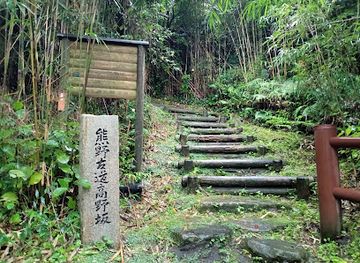
- Explore the Kumano Kodo trail that begins behind the temple for a deeper connection with Japan's spiritual traditions.
- Check the temple's schedule for special ceremonies or events to gain insights into local traditions.
Do you manage this location?
Take control to get all the benefits, like improved information, better appearance, and stronger visibility across AI-powered discovery. Learn more about listing your business on Evendo
Activate your presenceOther nearby places you may find interesting
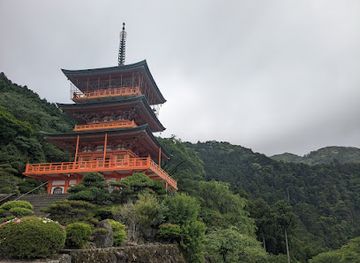
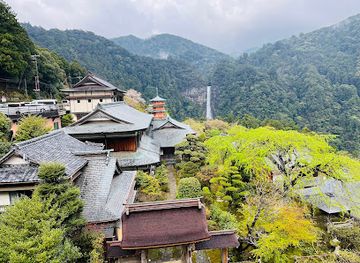
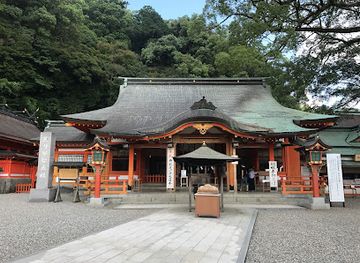
The closest places of the same kind, if this one is not quite what you had in mind.

Explore Fudarakusan-ji on the Map
A handpicked selection of must-see spots near Fudarakusan-ji, mapped for you.
Getting There
-
Public Transport
From JR Kii-Katsuura Station, take the Nachisan Line bus to Nachi Station (approximately 10 minutes). From Nachi Station, it is a short 3-minute walk to Fudarakusan-ji Temple. The bus fare is around 400 yen.
-
Walking
If you are in the Hamanomiya area, you can walk to Fudarakusan-ji Temple. From the Hamanomiya bus stop, walk south towards the temple, following the signposts. The walk is approximately 500 meters and should take about 10 minutes.
Discover more about Fudarakusan-ji













Your all‑in‑one travel companion app
Explore expert travel guides, compare and book tours, experiences, hotels, and more—all from the palm of your hand. Download now for seamless trip planning wherever your wanderlust takes you.


Explore More of Kinki Kansai
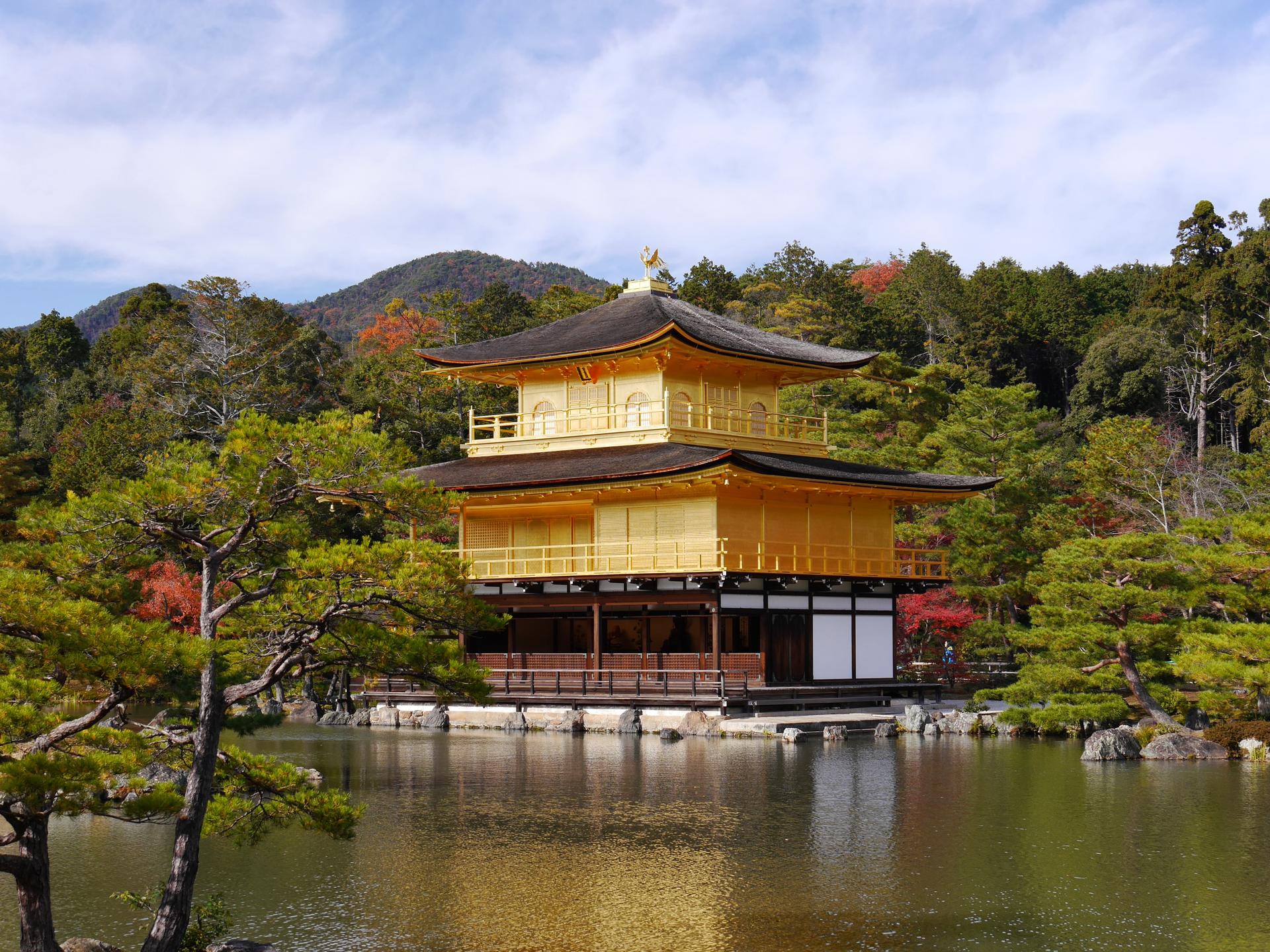
Looking beyond Fudarakusan-ji? Discover Kinki Kansai for broader travel guides, local hot-spots, and regional highlights.
Explore Kinki Kansai
Explore Ishibutai Tumulus, an ancient burial site in Asuka that reveals the rich history and culture of Japan's early civilizations amidst stunning natural beauty.
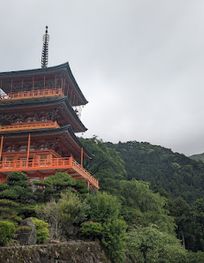
Walk a section of the ancient Kumano Kodo pilgrimage route, experience the spiritual heart of Japan, and explore serene paths lined with towering cedar trees.
