Sumiyoshi Taisha, Osaka Travel Guide
Free Guide: Discover Osaka's ancient Sumiyoshi Taisha Shrine: a maritime sanctuary with unique architecture, rich history, and serene beauty, dating back to the 3rd century.


A brief summary of Sumiyoshi Taisha
Discover Osaka's ancient Sumiyoshi Taisha Shrine: a maritime sanctuary with unique architecture, rich history, and serene beauty, dating back to the 3rd century.
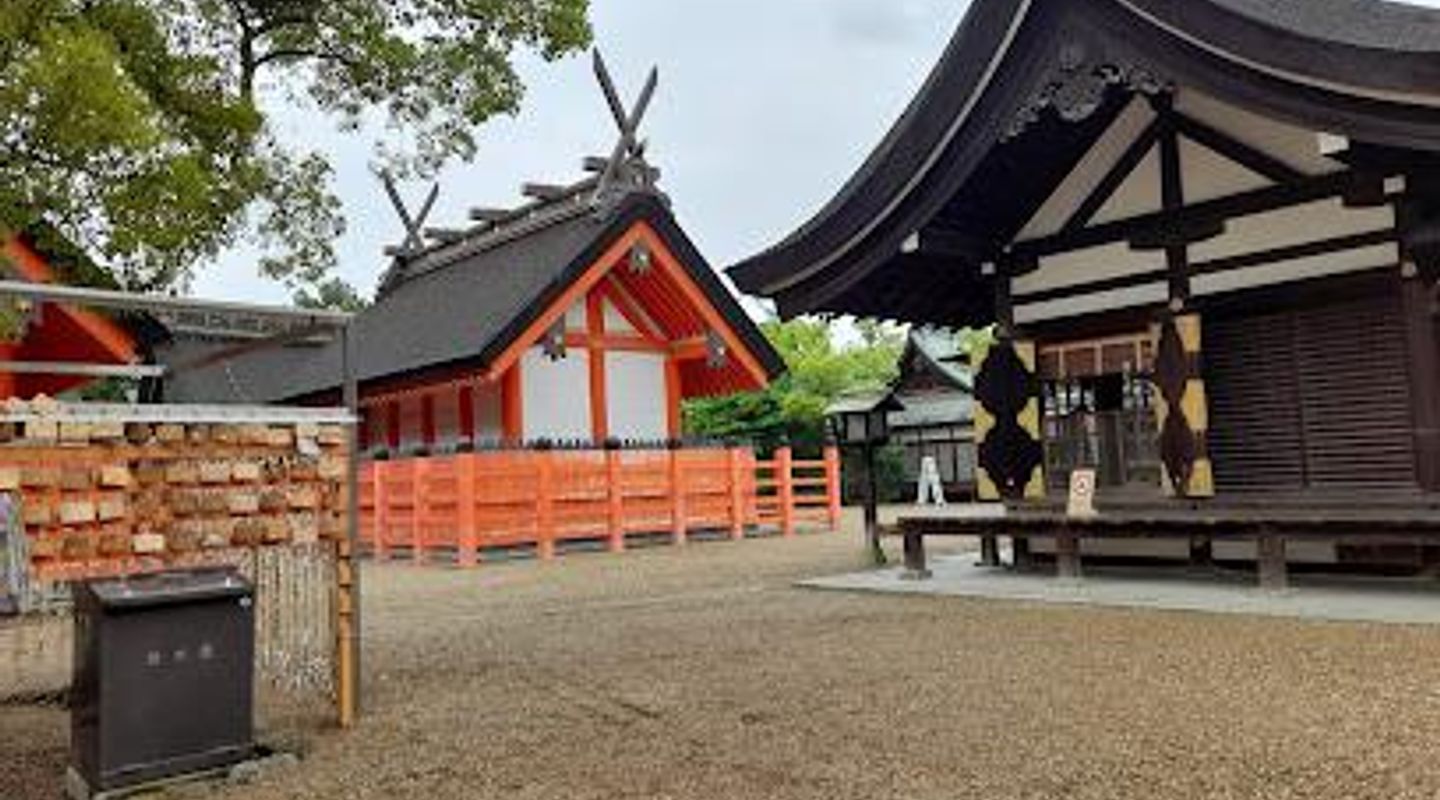
Sumiyoshi Taisha, Osaka's grand shrine, is a serene escape with ancient roots dating back to the 3rd century. Dedicated to the gods of the sea, it showcases the unique Sumiyoshi-zukuri architectural style, untouched by mainland Asian influences.
Opening hours
- Every day6 am–5 pm
Opening hours as listed on the venue’s Google Business Profile. Hours can change for services and special events, so check with the venue before you go.
- Address
- 2 Chome-9-89 Sumiyoshi, Sumiyoshi Ward, Osaka, 558-0045
- Phone
- Website
Getting there
Public Transport
Walking
Car
Discover more about Sumiyoshi Taisha
Overview
Sumiyoshi Taisha, also known as Sumiyoshi Grand Shrine, stands as one of Japan's oldest and most revered Shinto shrines. Founded in the 3rd century by Empress-regent Jingū, it predates the introduction of Buddhism to Japan, allowing for the development of the distinct Sumiyoshi-zukuri architectural style. This style, characterized by straight-edged roofs adorned with forked finials and horizontal billets, embodies a purely Japanese aesthetic.For nearly 2,000 years, Sumiyoshi Taisha has watched over Osaka Bay, initially serving to protect seafarers and ensure safe voyages. The shrine is dedicated to the Sumiyoshi Sanjin, three gods of the sea, and Empress Jingū herself, who was later enshrined there. Although the coastline has receded over time, the shrine remains deeply connected to maritime traditions, with many involved in fishing, shipping and other marine industries visiting to pray for safety.The four main halls (Hongū) are arranged in a unique straight line, an uncommon layout in shrine architecture. The current structures, dating back to 1810, are designated as National Treasures, meticulously rebuilt to preserve the ancient Sumiyoshi-zukuri style. The shrine complex also features the iconic Sorihashi Bridge, an arched bridge that creates a striking reflection on the pond below, evoking the image of a rainbow.Sumiyoshi Taisha is not only a historical landmark but also a vibrant center for cultural events and festivals. During Hatsumode, the first shrine visit of the New Year, it becomes one of the most visited shrines in the country, attracting over two million visitors. The shrine's rich history and unique architecture have also made it a source of inspiration for literature, appearing in the world's first novel, The Tale of Genji, and the works of Nobel Prize winner Yasunari Kawabata.
Evendo Review Centre
 Google
Guest reviews
Explore Sumiyoshi Taisha on the map
A handpicked selection of must-see spots near Sumiyoshi Taisha, mapped for you.
Get your free copy of our complete guide to Sumiyoshi Taisha, delivered straight to you.
Everything on this page, from opening hours and how to get there to Eve’s tips and the best time to go, in one PDF you can read offline, print or share.
Already have an account? Sign in
Your Sumiyoshi Taisha guide is ready.
We'll send it to · Not you? Sign out

Getting your guide ready…
We are putting together a fresh copy of the Sumiyoshi Taisha guide. This can take up to a minute.
This can take a few moments. If your browser asks, choose Allow so the download can start. You'll find the guide in your Downloads folder.
Nothing happened? Download it again
Sorry, the guide is taking longer than usual. Please try again in a minute, or get it by email instead.
Unlock the best of Sumiyoshi Taisha
Skip-the-line tickets, guided tours with entry, and walking tours of the area, booked in a few clicks.
 Tour with entry
Sakai's Samurai & Artisan Roots Osaka Tour
from $72.11 Tour with entry
Osaka Sumiyoshi Taisha Osaka Iconic Shrine Private Visit
from $75.16 Tour with entry
Osaka: Sumiyoshi Taisha Shrine & National Treasure Tour
from $79.97 Tour with entry
Osaka Tour Shrines Shinsekai and Korea Town
from $80.57

Other nearby places you may find interesting
The closest places of the same kind, if this one is not quite what you had in mind.
-
-
-
-
-


Swipe for more places
More to explore near Sumiyoshi Taisha

 Best experiences near Sumiyoshi Taisha
 Best hotels near Sumiyoshi Taisha
 Best landmarks near Sumiyoshi Taisha
 Best attractions near Sumiyoshi Taisha
 Best shops near Sumiyoshi Taisha
 Best restaurants near Sumiyoshi Taisha
 Best bars near Sumiyoshi Taisha
Do you manage this location?
Take control to get all the benefits, like improved information, better appearance, and stronger visibility across AI-powered discovery.
Explore more

Explore more of Osaka
Discover Osaka, Japan’s lively metropolis where tradition meets modernity, renowned for its culinary delights, historic landmarks, and vibrant nightlife.
Explore Osaka
Explore more of Japan
Discover the harmony of tradition and modernity in Japan, where ancient temples and cutting-edge technology coexist in perfect balance.
Explore Japan