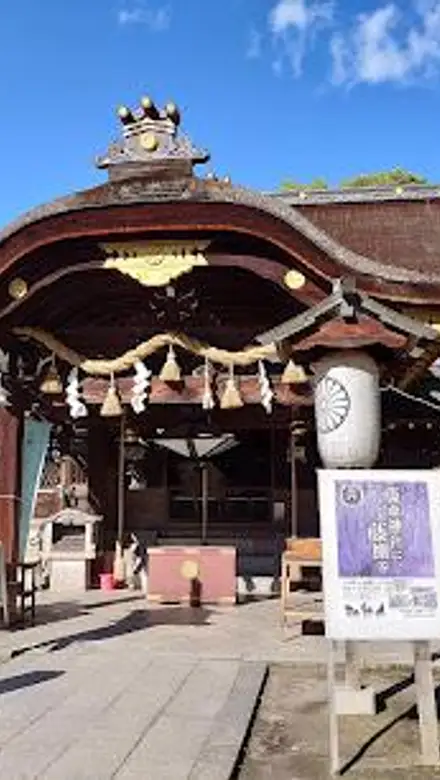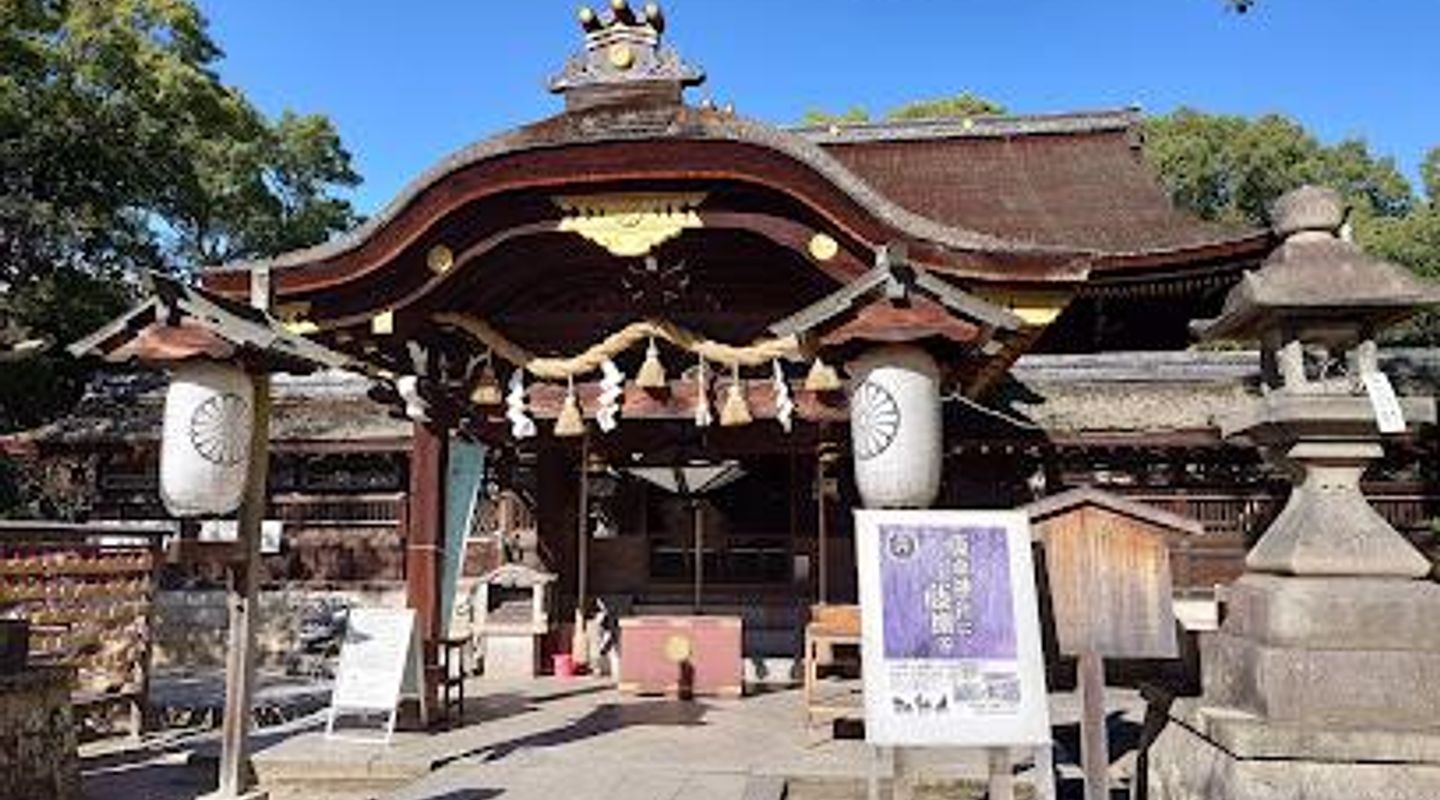
Fujinomori Shrine, Settsu Travel Guide
Discover Kyoto's Fujinomori Shrine: An ancient sanctuary with ties to victory, horses, Children's Day, and stunning hydrangea gardens.
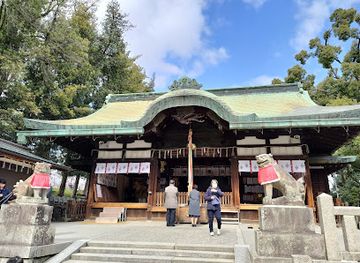
Fujinomori Shrine, nestled in Kyoto's Fushimi Ward, is an ancient Shinto shrine with a rich history dating back to before Kyoto became the capital. Known for its connections to the imperial family, its association with horses and victory, and as the birthplace of Children's Day, it offers a unique cultural experience.
A brief summary to Fujinomori Shrine
- 609 Fukakusa Toriizakicho, Kyoto, Fukakusa Toriizakicho, Fushimi Ward, Kyoto, 612-0864, JP
- Click to display
- Click to display
- Monday 9 am-5 pm
- Tuesday 9 am-5 pm
- Wednesday 9 am-5 pm
- Thursday 9 am-5 pm
- Friday 9 am-5 pm
- Saturday 9 am-5 pm
- Sunday 9 am-5 pm

Know before you go
Hi, I'm Eve. Here are a few practical things to know before exploring Fujinomori Shrine.
- Visit in June to see the stunning hydrangea garden in full bloom and enjoy the Hydrangea Festival.
- If you're interested in horseracing, purchase a good luck charm at the shrine office.
- Attend the Fujinomori Festival from May 1st to 5th to witness the exciting Kakeuma Shinji horse-riding ritual.
- Take a moment to drink from the 'Fuji' Spring Water, believed to bring good luck.
Do you manage this location?
Take control to get all the benefits, like improved information, better appearance, and stronger visibility across AI-powered discovery. Learn more about listing your business on Evendo
Activate your presenceOther nearby places you may find interesting
The closest places of the same kind, if this one is not quite what you had in mind.

Explore Fujinomori Shrine on the Map
A handpicked selection of must-see spots near Fujinomori Shrine, mapped for you.
Unlock the Best of Fujinomori Shrine
Buy tickets
-
No tickets available
Book tours with entry


Book tours without entry
-
No tours available
Getting There
-
Public Transport
From Kyoto Station, take the JR Nara Line to JR Fujinomori Station. The ride is approximately 7 minutes and costs between ¥120-¥270. From the station, it is a 10-minute walk to the shrine. Alternatively, take the Keihan Main Line to Sumizome Station, which is a 6-minute walk to Fujinomori Shrine. A third option is to take the Kyoto City Bus Daigo Takeda Line #2 to Tsujikaibashi Ichōme Bus Stop, which is a 5 minute walk to the shrine.
-
Walking
From Keihan Sumizome Station, exit and walk north for approximately 6 minutes to reach Fujinomori Shrine. The path is straightforward and well-signed. From JR Fujinomori Station, walk approximately 10 minutes to the shrine.
-
Taxi
Taxis are readily available in Kyoto. From Kyoto Station, a taxi ride to Fujinomori Shrine takes approximately 15-20 minutes, depending on traffic. The estimated cost is ¥4,100-¥5,000. Note that traffic can be heavy during peak tourist season and festivals.
Discover more about Fujinomori Shrine













Your all‑in‑one travel companion app
Explore expert travel guides, compare and book tours, experiences, hotels, and more—all from the palm of your hand. Download now for seamless trip planning wherever your wanderlust takes you.


Explore More of Settsu
Looking beyond Fujinomori Shrine? Discover Settsu for broader travel guides, local hot-spots, and regional highlights.
Explore Settsu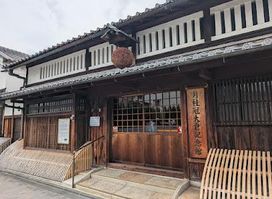
Explore the rich heritage and craftsmanship of sake at Gekkeikan Ōkura Sake Museum, a cultural gem in Kyoto's historic Fushimi Ward.
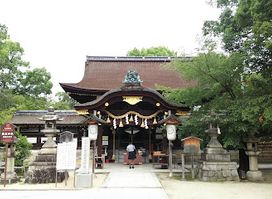
Experience the serene beauty and spiritual heritage of Fujinomori Shrine in Kyoto, a must-visit destination for travelers.