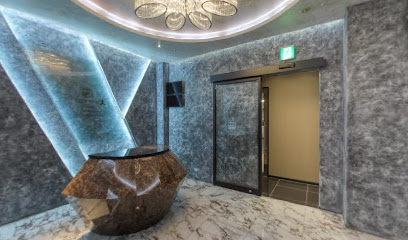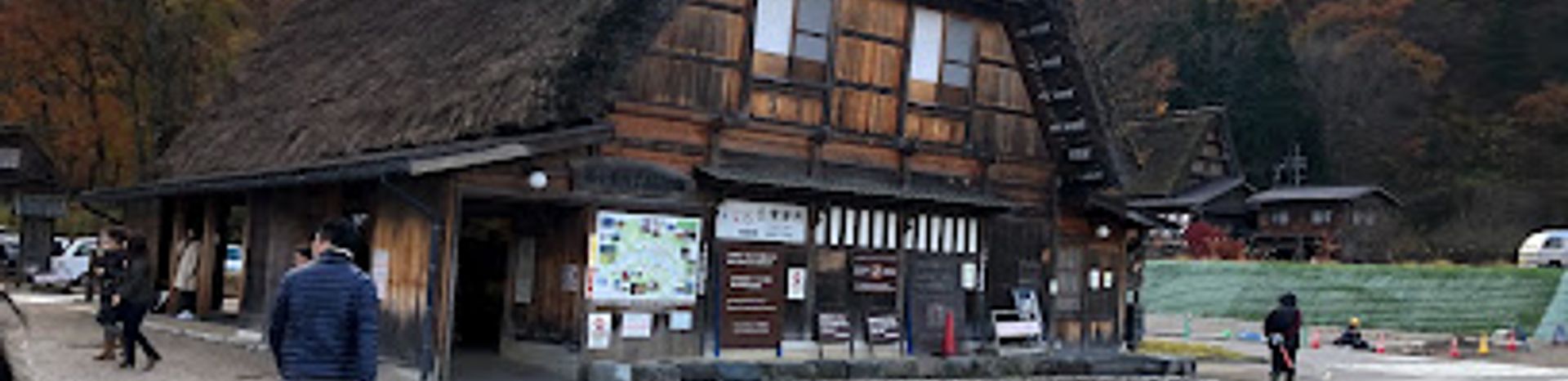
Jin Homura Art Museum: Where Contemporary Art Meets Traditional Architecture
Discover contemporary art in a traditional Gassho-style farmhouse at the Jin Homura Art Museum in Shirakawa-go, a unique cultural experience.
The Jin Homura Art Museum, nestled in the heart of Shirakawa-go, Gifu Prefecture, offers a unique cultural experience. Housed in a traditional Gassho-style farmhouse, the museum showcases the vibrant and dynamic works of artist Jin Homura, creating a captivating contrast between modern art and historical architecture.
A brief summary to Jin Homura Art Museum
- Ogimachi, Shirakawa, Ogimachi, Ono District, Gifu, 501-5627, JP
- +815769-6-1967
- Visit website
Local tips
- Visit during the snowy season for a picturesque experience, as the Gassho-style farmhouse looks stunning blanketed in snow.
- Take your time to appreciate the beauty of the exterior architecture before entering the museum.
- Combine your visit with exploring other attractions in Shirakawa-go for a complete cultural experience.

Getting There
-
Walking
If you are already in Ogimachi, the central village of Shirakawa-go, walking to the Jin Homura Art Museum is straightforward. Head north on the main road (Higashiyama Street) and follow the signs toward the museum. It is about a 10-15 minute walk from the main viewpoint near the Shirakawa-go bus terminal. No costs are associated with walking.
-
Public Transport
From the Shirakawa-go bus terminal, the Jin Homura Art Museum is a short walk away. However, if you prefer a quicker option, local shuttle buses may be available to transport visitors around the village. Check the local bus schedules and routes for the most up-to-date information. Shuttle bus fare is approximately 300 JPY.
-
Driving
If driving, the Jin Homura Art Museum is accessible via Route 156. Head towards Ogimachi, which is clearly marked. Once you reach the village, follow signs to the Seseragi Park Parking Area. From the parking area, cross the Deai Bridge to reach the World Heritage Village and the museum. Parking costs 1,000 JPY for standard cars. Note that parking rates may increase to 2,000 JPY starting October 2025. During peak seasons, be prepared to wait for more than 2 hours for a parking space.
Discover more about Jin Homura Art Museum
Iconic landmarks you can’t miss

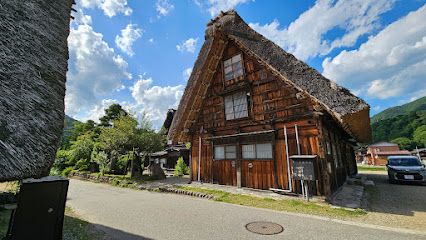
Shirakawago Three Houses
0.4 km
Explore the enchanting Shirakawago Three Houses, a UNESCO World Heritage site showcasing Japan's unique gassho-zukuri architecture amidst breathtaking natural beauty.
Hida Kokubunji Temple
34.0 km
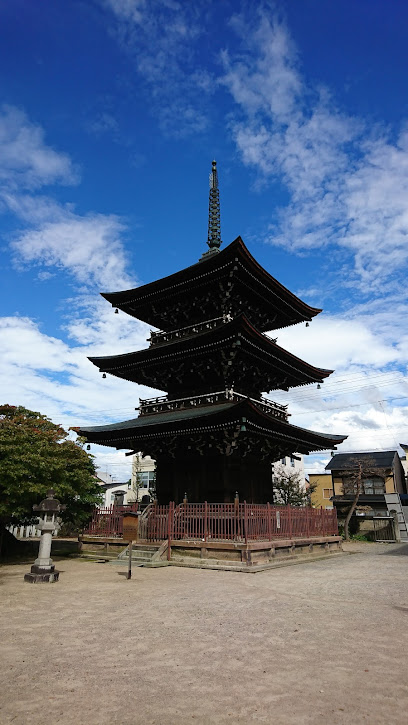
Explore Hida Kokubunji Temple in Takayama: a historic landmark with a three-story pagoda and ancient ginkgo tree dating back to 746 AD.
Inotani Checkpoint Hall
38.4 km
Explore the history of the Inotani Checkpoint, where Hida and Etchu once met, with ancient documents, models, and a VR basket ferry experience.
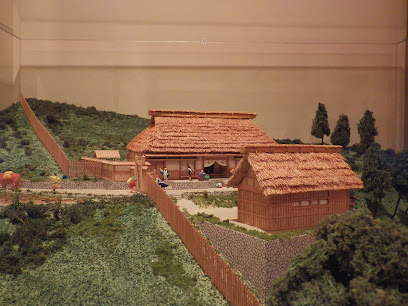
Kenrokuen Garden Kodatsuno Gate
39.9 km
Discover Kenrokuen Garden in Kanazawa: A landscape masterpiece blending history, artistry, and natural beauty in one of Japan's most celebrated gardens.
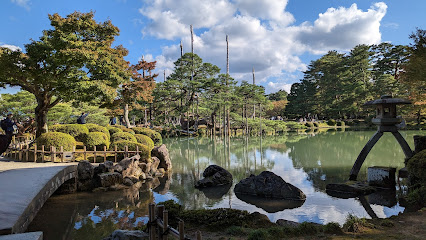
Kinjo Reitaku Sacred Well
40.0 km
Explore the serene Kinjo Reitaku Sacred Well in Kanazawa, a historical landmark surrounded by nature's beauty and rich cultural heritage.
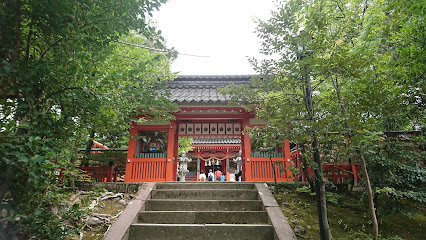
Ryuseki
40.0 km
Discover Ryuseki, a hidden gem in Kanazawa, offering a tranquil escape near the famed Kenrokuen Garden.
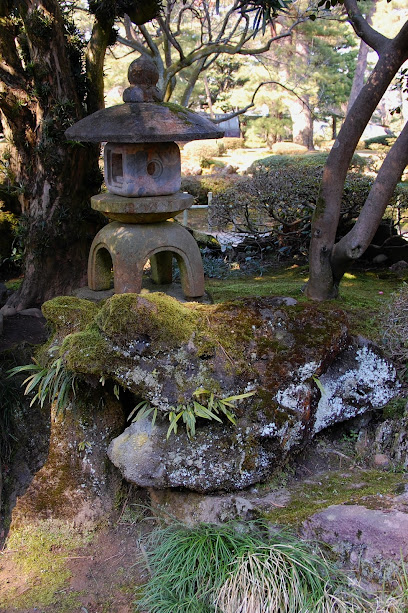
Sekirei-jima (Wagtail Island)
40.0 km
A symbolic island within Kanazawa's Kenrokuen Garden, representing life's journey through birth, marriage, and death.
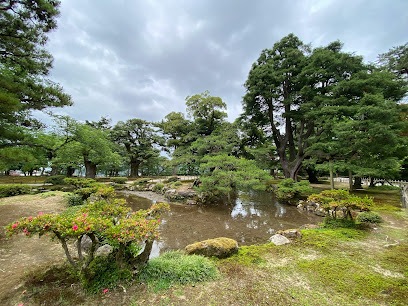
Kenrokuen Garden Kamisaka Gate
40.1 km
Explore the serene beauty of Kenrokuen Garden in Kanazawa, a masterpiece of Japanese landscaping and a must-visit for every nature lover.
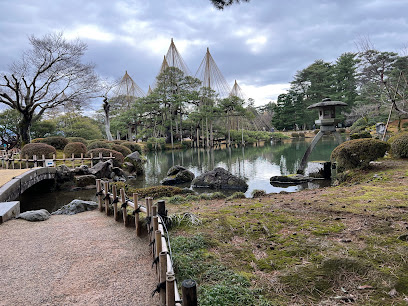
Yoshiro and Yoshio Taniguchi Museum of Architecture
40.1 km
Explore the architectural legacy of Yoshiro and Yoshio Taniguchi in a modern museum nestled in Kanazawa's historic temple district.
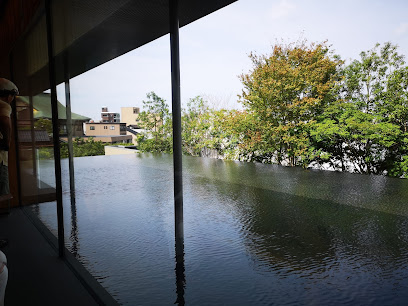
Gankou-Bashi (Flying Geese Bridge)
40.2 km
Discover the serene beauty of Kanazawa's Gankou-Bashi, the Flying Geese Bridge, nestled in the heart of Kenrokuen Garden.
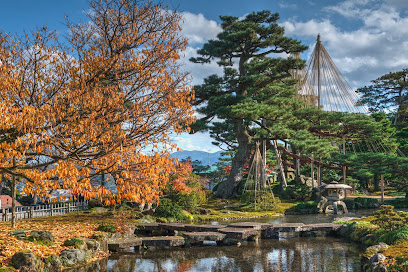
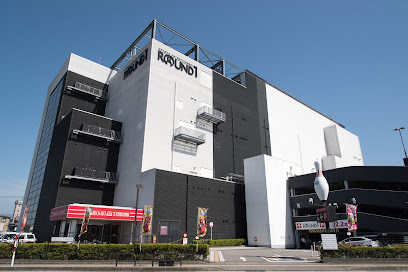
ROUND1 Stadium Kanazawa
40.2 km
Kanazawa's ultimate entertainment destination: bowling, karaoke, arcade games, and Spo-cha for endless fun, open late!
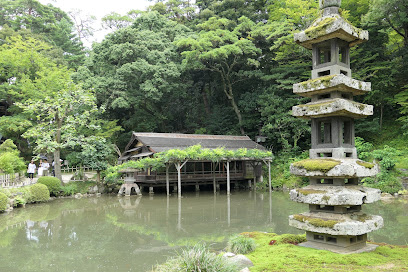
Kaiseki Pagoda
40.2 km
Discover the enigmatic Kaiseki Pagoda in Kenrokuen Garden, Kanazawa – a historic stone structure shrouded in mystery and surrounded by serene beauty.
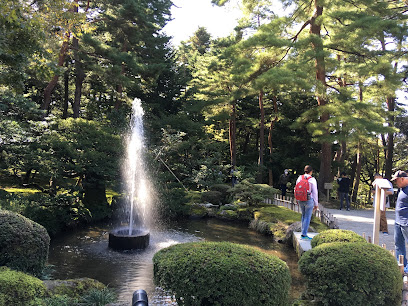
Fountain
40.3 km
Witness Japan's oldest fountain within Kanazawa's Kenrokuen Garden, a landscape masterpiece blending history, nature, and serene beauty.
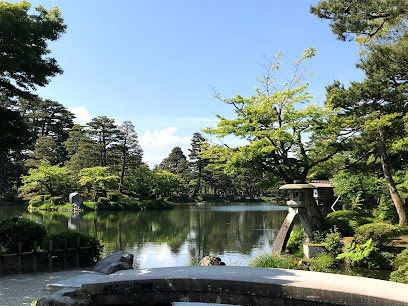
Renchi-mon Gate
40.3 km
Step through history at Renchi-mon Gate, the traditional entrance to Kanazawa's Kenrokuen Garden, a landscape of serene beauty and historical significance.
Kaname Inn Tatemachi
40.3 km
Experience Kanazawa in style and comfort at Kaname Inn Tatemachi, perfectly located on historic Tatemachi Street for exploring the city's best attractions.

Unmissable attractions to see

Shirakawa-go Gassho-Zukuri Minka-en
0.2 km
Explore the breathtaking Shirakawa-go Gassho-Zukuri Minka-en, a UNESCO World Heritage site showcasing traditional farmhouses in a stunning mountain setting.
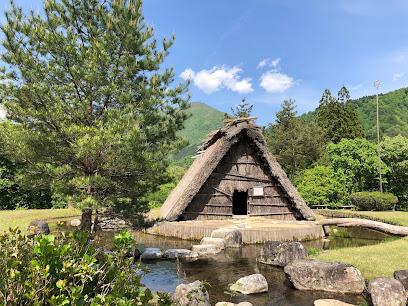
Shirakawa-go
0.4 km
Explore Shirakawa-go: A UNESCO Heritage Site with captivating gassho-zukuri houses and breathtaking views of the Japanese Alps, perfect for cultural immersion.
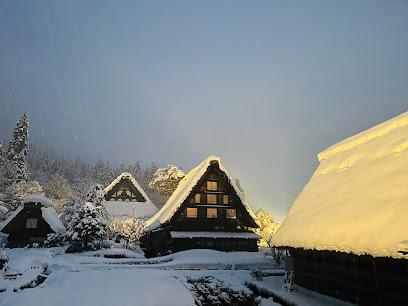
Myozenji Museum
0.4 km
Explore traditional life and architecture at Myozenji Museum in Shirakawa-go, a window into the region's rich cultural heritage and history.
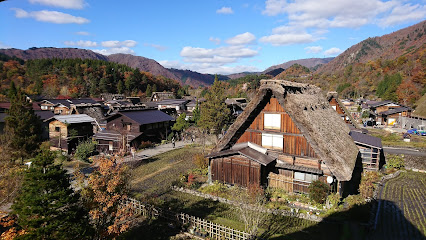
Hachiman Shrine Shirakawa
0.4 km
Discover the serene beauty and cultural richness of Hachiman Shrine in Shirakawa, a must-visit destination for those exploring Japan's spiritual heritage.
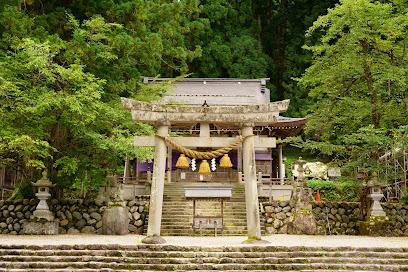
Myozenji
0.4 km
Explore Myozenji, a serene Buddhist temple in Shirakawa, where tranquility meets rich cultural heritage amidst stunning natural beauty.
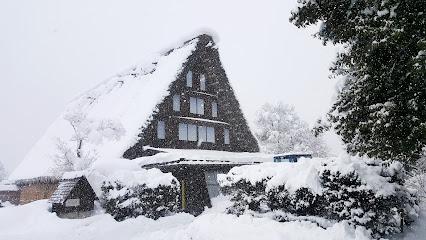
Kanda House
0.4 km
Explore the Kanda House in Shirakawa, a captivating heritage building that unveils the beauty of traditional Japanese culture and history.
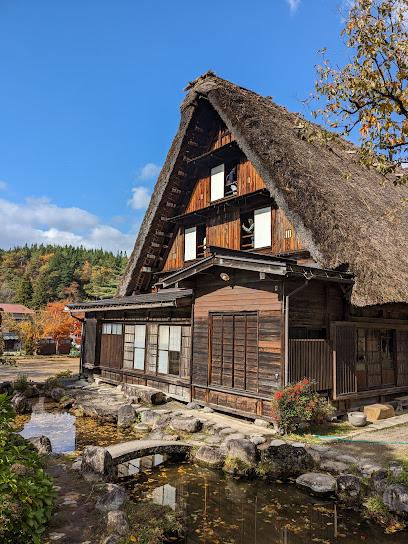
Nagase House
0.5 km
Experience the enchanting Nagase House, a historic gassho-zukuri farmhouse in Shirakawa-go, surrounded by breathtaking natural landscapes and rich cultural heritage.
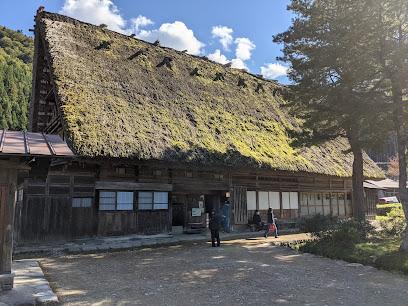
Wooden Walkway
0.5 km
Experience the serene beauty of Shirakawa-go with a stroll along the picturesque Wooden Walkway, offering stunning views of traditional Japan.
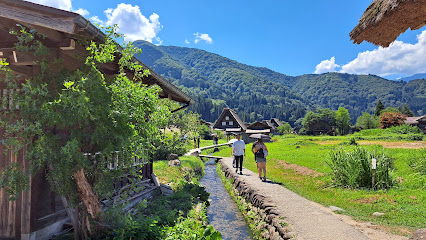
Water Lily Pond
0.6 km
Find serenity at Shirakawa-go's Water Lily Pond, a tranquil escape reflecting the beauty of the Japanese Alps.
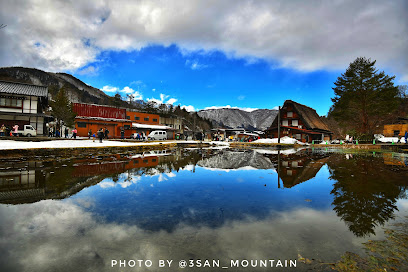
Wada House
0.6 km
Discover the charm of Wada House, a UNESCO World Heritage Site showcasing traditional gassho-zukuri architecture in the heart of Shirakawa-go.
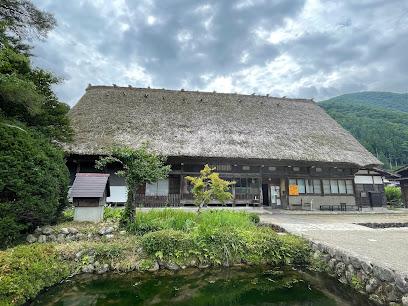
Ogimachi Castle Observation Deck
0.8 km
Discover breathtaking views and rich history at Ogimachi Castle Observation Deck in Shirakawa-go, a UNESCO World Heritage Site in Japan.
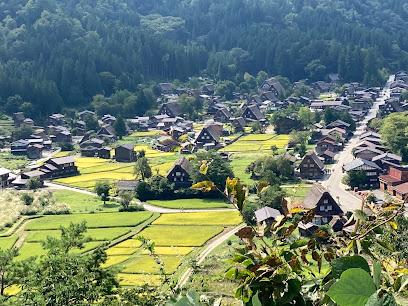
Shiroyama Tenshukaku Observation Deck
0.9 km
Experience unparalleled views of Shirakawa-go from Shiroyama Tenshukaku Observation Deck, a must-see destination for every traveler in Gifu Prefecture.
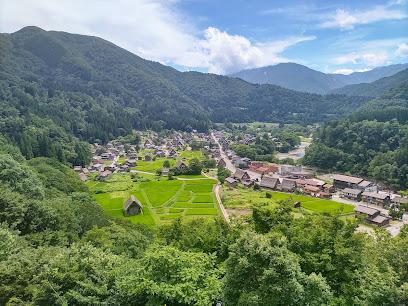
合掌村 Ogimachi
0.9 km
Explore the timeless beauty of Ogimachi, a UNESCO World Heritage village showcasing traditional gassho-style farmhouses in a stunning natural setting.
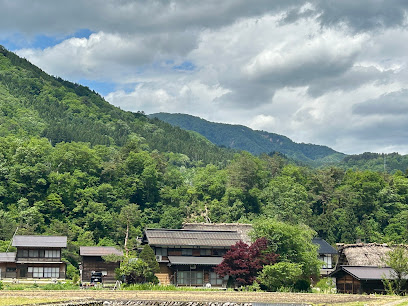
Hatotani Hachiman Shrine
0.9 km
Discover tranquility at Hatotani Hachiman Shrine in Shirakawa, Gifu. Immerse yourself in nature and explore Japan's rich spiritual heritage.
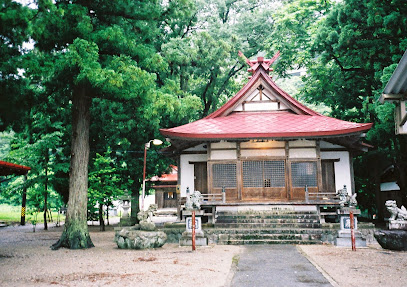
White Road Shirakawago Observatory
3.3 km
Discover the stunning landscapes from the White Road Shirakawago Observatory, a picturesque spot in Gifu, Japan, perfect for nature lovers and photographers.
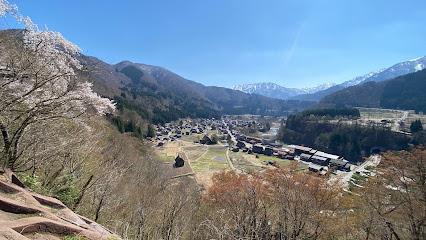
Essential places to dine

Soba Wakimoto
0.1 km
Savor authentic handmade soba noodles in Shirakawa's scenic Ogimachi village, where tradition meets breathtaking views.
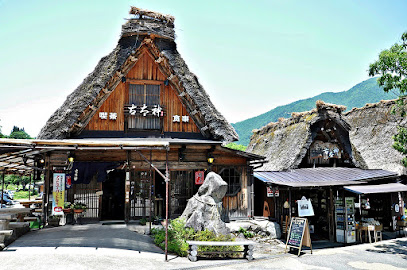
Soba dojo Restaurant
0.2 km
Experience authentic soba noodles in the heart of Shirakawa-go's breathtaking landscape at Soba Dojo.
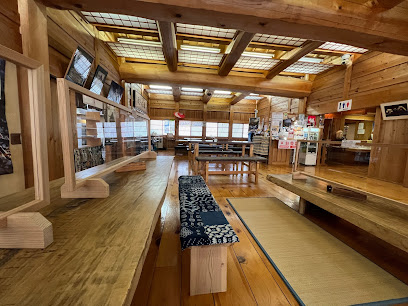
Hidaji
0.3 km
Discover authentic Soba noodles at Hidaji, a charming Syokudo restaurant nestled in Shirakawa's picturesque landscape.
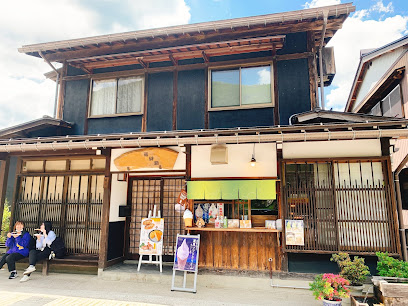
Shiraogi
0.4 km
Discover authentic teishoku dining at Shiraogi in Shirakawa - where every meal tells a story steeped in tradition.
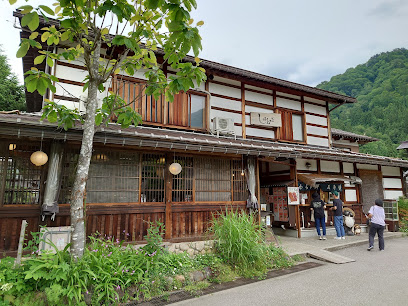
Yamamotoya
0.4 km
Discover authentic soba noodles at Yamamotoya in Shirakawa - where tradition meets deliciousness amidst breathtaking scenery.
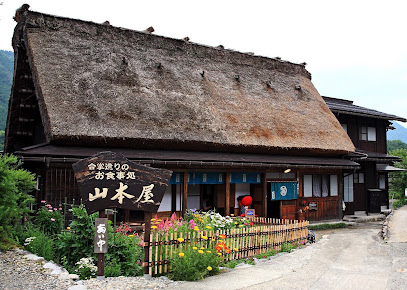
Nomura
0.4 km
Experience authentic Japanese soba noodles at Nomura in Shirakawa—where tradition meets flavor in every bowl.
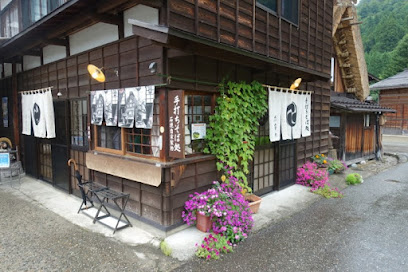
Kita no Sho
0.4 km
Discover authentic Japanese cuisine at Kita no Sho in Shirakawa—where tradition meets flavor in every dish.
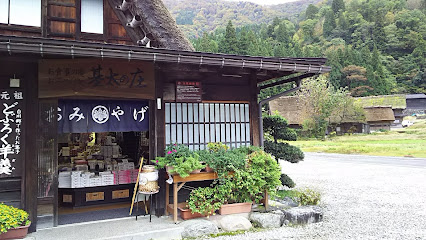
忠兵衛
0.4 km
Discover the essence of Japanese cuisine at 忠兵衛, where traditional soba noodles meet authentic regional flavors in picturesque Shirakawa.
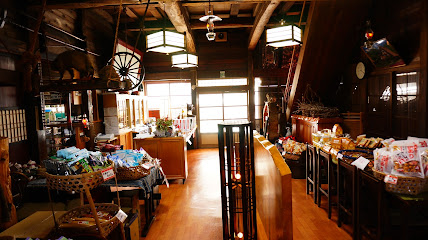
Keyaki
0.4 km
Discover authentic Japanese cuisine at Keyaki in Shirakawa-go—where tradition meets flavor in a breathtaking setting.
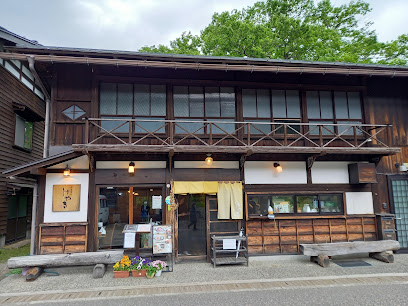
Zensuke
0.4 km
Discover authentic Japanese flavors at Zensuke in Shirakawa-go—home to exquisite kushiyaki amidst breathtaking heritage scenery.
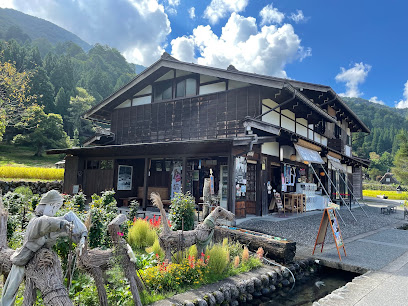
Shiawaseya Kichibei
0.5 km
Experience authentic local cuisine at Shiawaseya Kichibei in Shirakawa-go, where tradition meets convenience amidst stunning scenery.
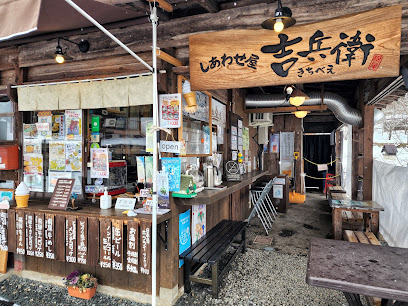
Yukinko
0.5 km
Experience authentic Japanese cuisine at Yukinko in Shirakawa-go amidst stunning landscapes and traditional architecture.
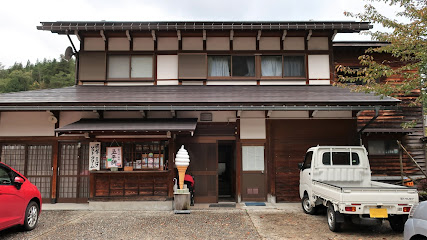
Tanaka-ya
0.5 km
Experience the essence of Japan at Tanaka-ya, where handmade soba noodles meet breathtaking views in Shirakawa-go.
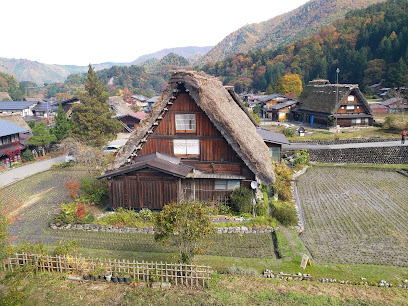
Hakusuien
0.6 km
Experience authentic Japanese dining at Hakusuien in Shirakawa – where tradition meets taste in every dish.
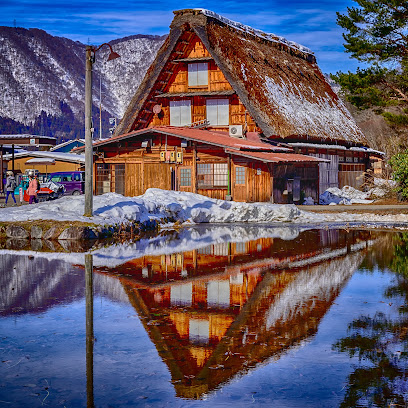
Shirakawago Restaurant Irori
0.6 km
Experience authentic Japanese cuisine at Shirakawago Restaurant Irori, nestled in the scenic beauty of Shirakawa-go's heritage village.
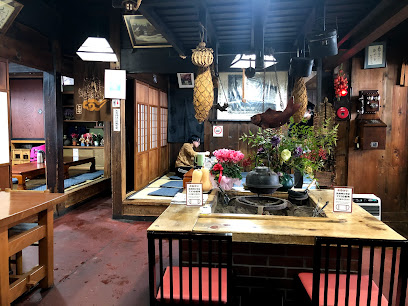
Markets, malls and hidden boutiques

Kodaijin Souvenir Store
0.2 km
Explore Kodaijin Souvenir Store in Shirakawa for unique Japanese treasures and cultural keepsakes to commemorate your travels.
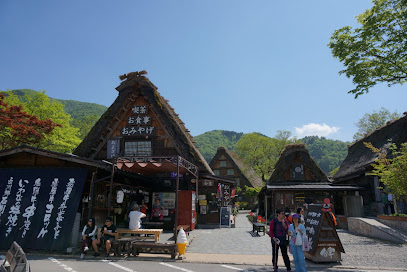
Oishinbo
0.2 km
Discover unique souvenirs and local delicacies at Oishinbo in the enchanting Shirakawa-go, a UNESCO World Heritage site.
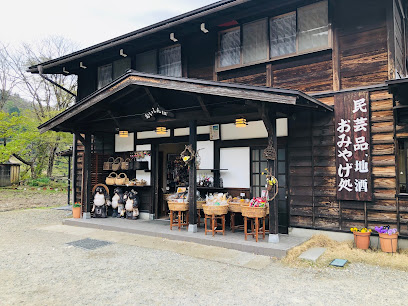
Kataribe
0.3 km
Explore Kataribe Souvenir Store in Shirakawa for authentic Japanese crafts and unique gifts that embody the spirit of traditional culture.
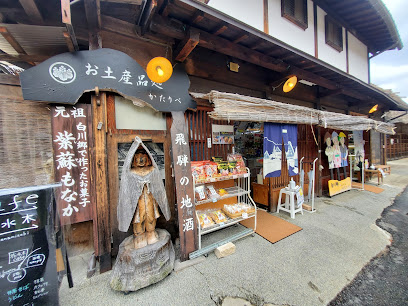
Kinu Yukari
0.3 km
Discover the exquisite world of silk at Kinu Yukari, a traditional silk store in the heart of Shirakawa-go, offering unique garments and cultural insights.
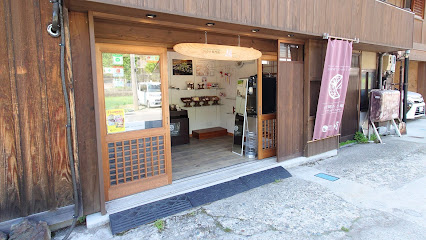
Shin ge do
0.3 km
Explore the exquisite craftsmanship and unique offerings at Shin ge do, a must-visit souvenir store in the enchanting Shirakawa-go village.
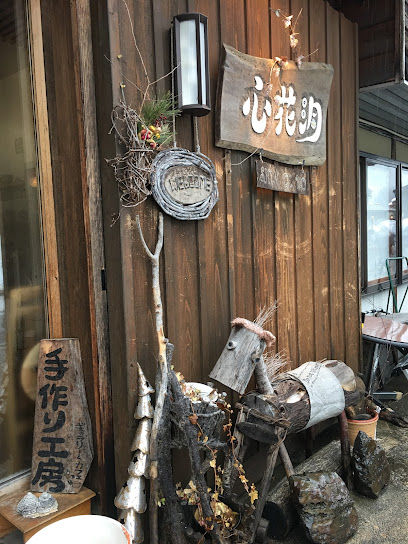
Ebisu-ya
0.3 km
Discover authentic Japanese souvenirs at Ebisu-ya in Shirakawa-go, a treasure trove of local crafts and traditional gifts.
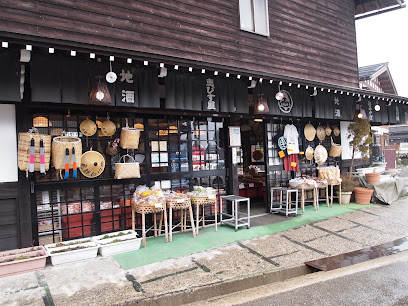
民芸品店おけさ
0.3 km
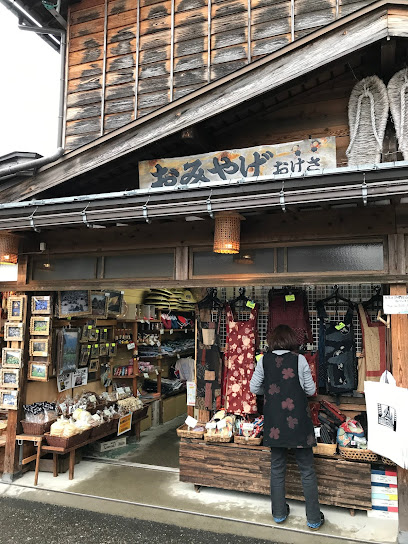
Explore the charm of Shirakawa at Okesa Souvenir Store, where authentic Japanese crafts and heartfelt memories combine.
”Kyoshu” Traditional Coffee Shop
0.3 km
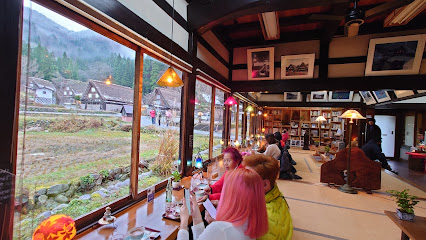
Experience authentic Japanese coffee culture at Kyoshu Traditional Coffee Shop in scenic Shirakawa-go, a UNESCO World Heritage site.
佐藤民芸品店
0.4 km
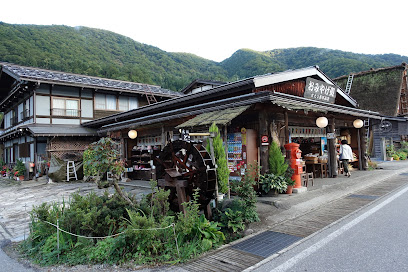
Discover the essence of Japanese craftsmanship at Sato Mingei Handicrafts Shop in Shirakawa-go, a UNESCO World Heritage Site.
Ichihi
0.4 km
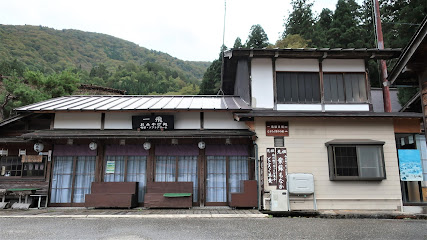
Explore Ichihi, a charming souvenir store in Shirakawa-go, offering unique local crafts and delicacies that capture Japan's rich heritage.
Sanrakudo
0.4 km
Discover the essence of Japan at Sanrakudo, a charming souvenir store in Shirakawa-go offering handcrafted treasures and local delicacies.
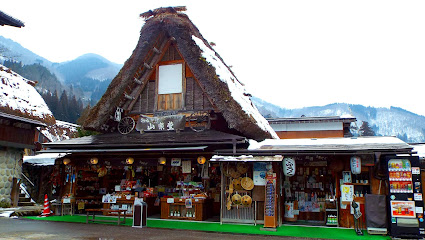
Shirakawago Purin no Ie (Pudding House)
0.4 km
Experience the sweetness of Shirakawa-go at Purin no Ie, renowned for its delicious puddings and delightful desserts in a charming café setting.
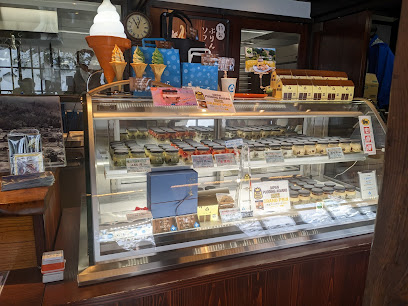
白川郷HAKKO堂
0.4 km
Discover the perfect blend of tradition and taste at 白川郷HAKKO堂, where exceptional coffee meets the serene beauty of Shirakawa.
Kondou Shoten
0.4 km
Discover authentic Japanese liquors at Kondou Shoten in Shirakawa, a treasure trove of local sake and spirits.
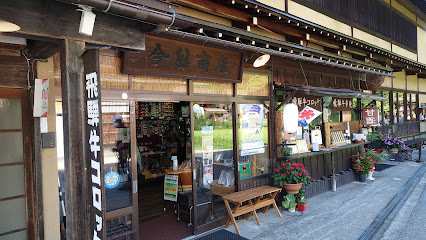
Mamekichi Honpo Shirakawago
0.4 km
Explore Mamekichi Honpo Shirakawago, a quaint souvenir store in Shirakawa-go, showcasing local crafts and delicious treats steeped in tradition.
Essential bars & hidden hideouts

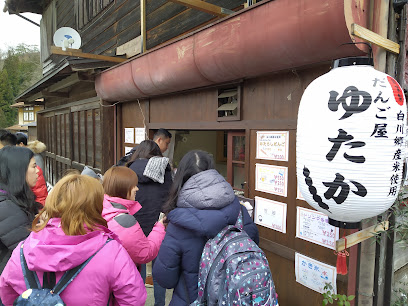
だんご屋 ゆたか
0.6 km
Experience the sweetness of traditional Japanese dango at だんご屋 ゆたか, a charming takeout restaurant in the historic village of Shirakawa.
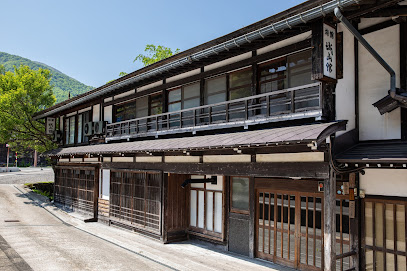
Shiroyamakan
0.6 km
Experience the essence of Japan at Shiroyamakan, a traditional inn offering authentic cuisine and stunning views in Shirakawa.
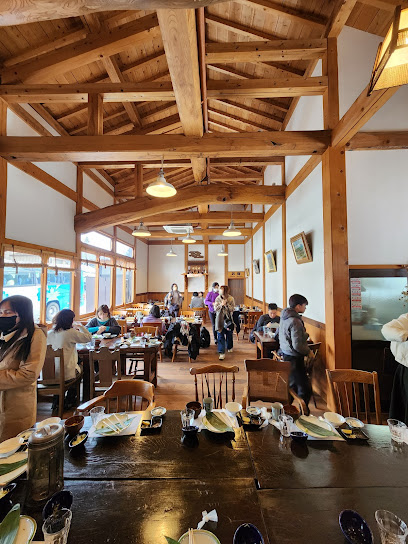
Koshiyama
0.9 km
Discover Koshiyama in Shirakawa for authentic soba noodles and unique antiques, a perfect blend of culinary delight and cultural charm.
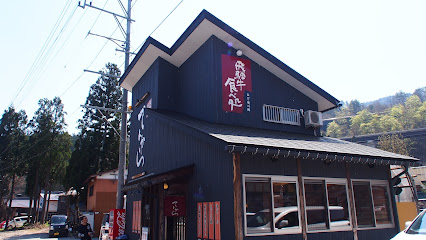
Tenkara, Shirakawa
1.3 km
Discover the exquisite flavors of authentic Yakiniku at Tenkara, Shirakawa, where quality meets tradition in a picturesque setting.
Yamakoshi
1.7 km
Experience the authentic taste of Japan at Yamakoshi, a charming soba noodle shop in Shirakawa, where tradition meets flavor.
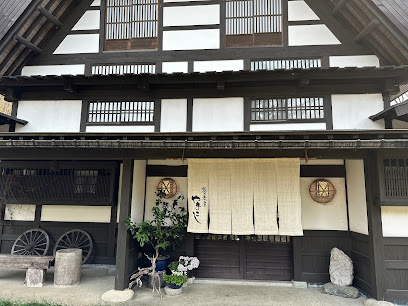
リトルビレッジ
25.7 km
Discover the vibrant atmosphere of Little Village Bar in Hida, Gifu, where local flavors and friendly faces create an unforgettable experience.
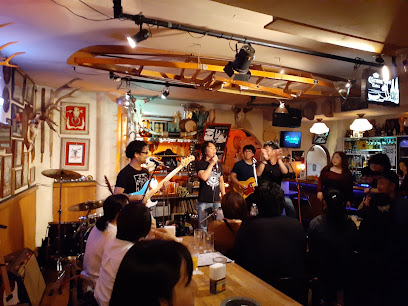
Shinanoya
25.7 km
Discover the vibrant flavors of traditional Japanese izakaya dining combined with exquisite wines at Shinanoya in Hida, Gifu.
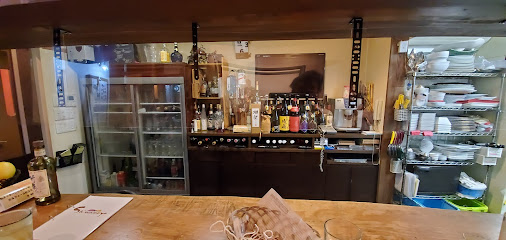
Marin Blue
25.7 km
Experience the warmth of Hida's nightlife at Marin Blue, a charming bar offering local drinks and a cozy atmosphere for all travelers.

Cinq
33.6 km
Experience the charm of Takayama at Cinq, a cozy bar offering exquisite drinks and a welcoming atmosphere for all visitors.
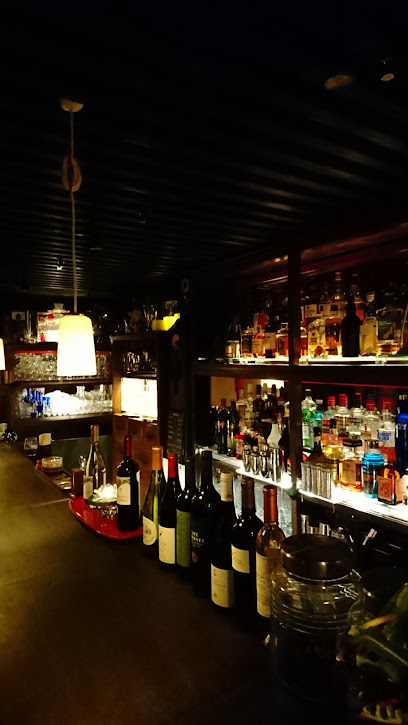
Barrl
33.9 km
Discover the vibrant nightlife at Barrl, a cozy pub in Takayama, where locals and tourists come together for a memorable evening.
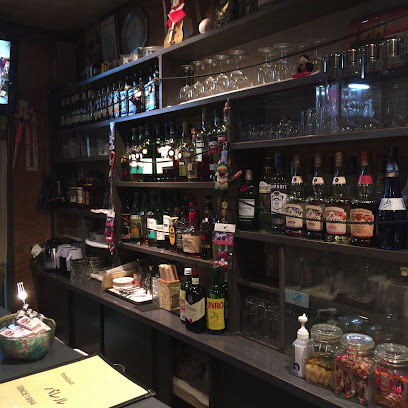
Yu
34.0 km
Discover Yu in Takayama, where expertly crafted cocktails meet a cozy ambiance, perfect for a memorable night out.
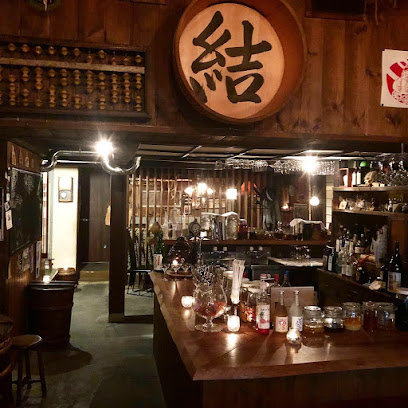
Hids' cafe & bar
34.0 km
Experience the unique blend of café culture and bar vibes at Hids' Cafe & Bar, a must-visit spot in the heart of Takayama.
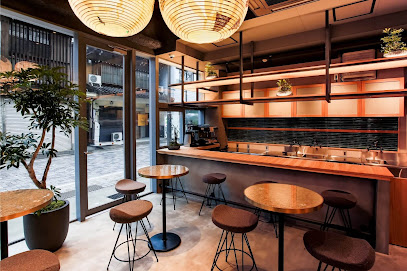
Botchini
34.0 km
Discover the charm of Botchini, a cozy bar in Takayama, serving local delights and exquisite drinks in a warm atmosphere.
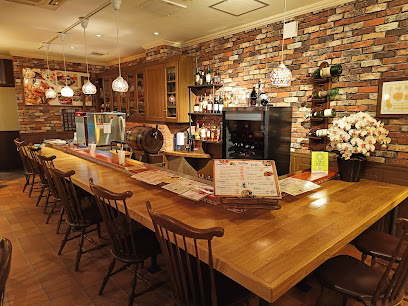
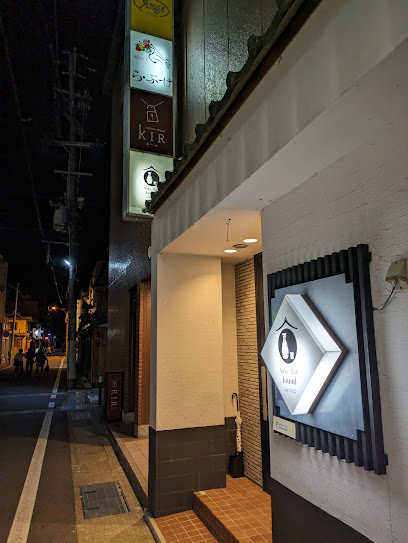
飛騨高山Sake Bar found-ふぁうんど-
34.0 km
Experience the true taste of Takayama with a visit to 飛騨高山Sake Bar found-ふぁうんど-, where local sake comes to life.
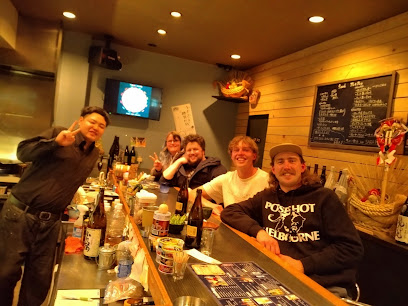
ちょい飲みbarSARA
34.0 km
Discover the vibrant nightlife of Takayama at ちょい飲みbarSARA, where friendly faces and affordable drinks await you.
Nightclubs & after hour spots

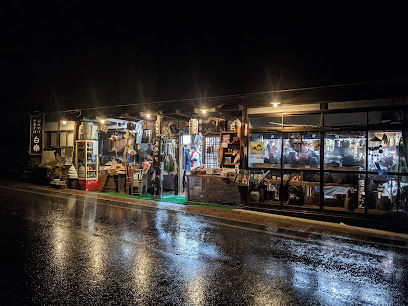
Hakuraku
0.3 km
Experience the charm of Hakuraku Cafe in Shirakawa-go, featuring traditional sweets and breathtaking views in a serene setting.
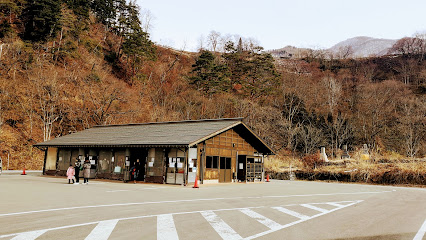
Shirakawa-go Bus Terminal
0.7 km
Discover the stunning Shirakawa-go Bus Terminal, your gateway to the enchanting village of Shirakawa-go and its unique gassho-zukuri heritage.
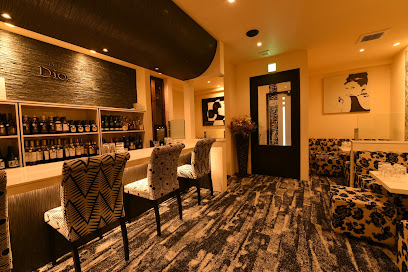
CLUB Dio。
34.3 km
Discover the vibrant nightlife at CLUB Dio, a premier lounge in Takayama offering creative cocktails and a lively atmosphere.
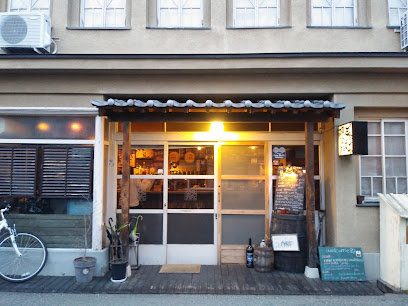
Japanese Bar Sannomachi Club
34.5 km
Discover the taste of tradition at Sannomachi Club, where every dish tells a story of Japanese heritage and culinary artistry.
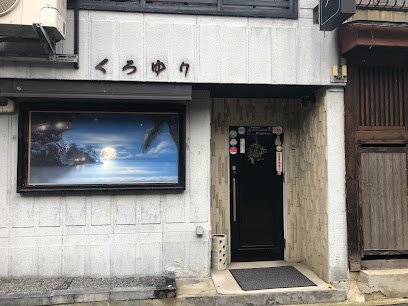
くろゆり
36.3 km
Explore the joy of karaoke at くろゆり in Hida, Gifu, where unforgettable nights and vibrant entertainment await every visitor.
tricky
40.3 km
Discover the electrifying nightlife of Kanazawa at Tricky Night Club, where dance and music come alive for an unforgettable experience.
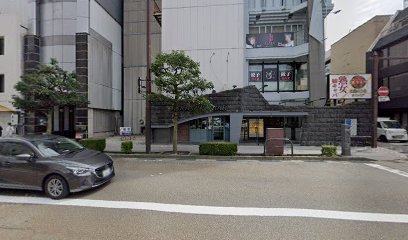
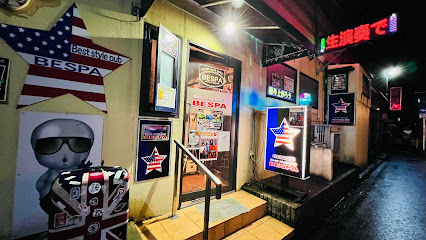
Bespa
40.3 km
Dive into the vibrant nightlife of Kanazawa at Bespa, where music, dancing, and karaoke await to create unforgettable memories.
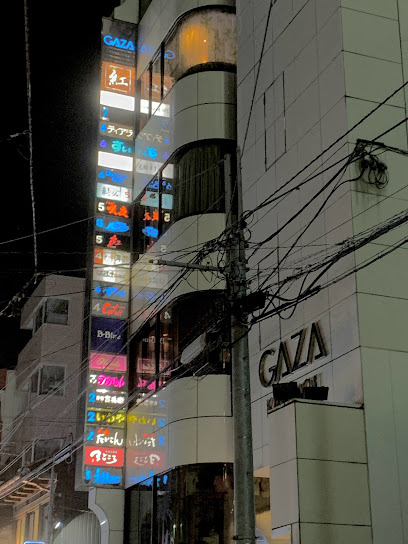
クラブ 紅 【Kou】
40.3 km
Dive into the vibrant nightlife of Kanazawa at Kou Nightclub, where unforgettable music and a lively atmosphere await every night.
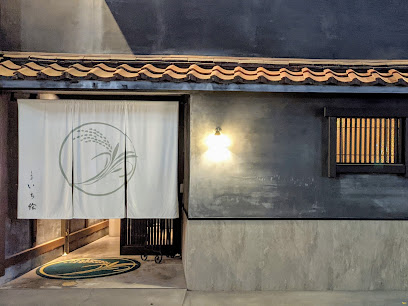
Ichie
40.3 km
Discover the electrifying nightlife at Ichie, Kanazawa's premier night club, where every night is a celebration of music and dance.
Club Harlem
40.4 km
Unleash your nightlife spirit at Club Harlem, Kanazawa's premier night club featuring electrifying music and unforgettable performances.
Club Crystal
40.4 km
Discover the electric atmosphere of Club Crystal, a premier cabaret club in Kanazawa, where entertainment and nightlife blend seamlessly for an unforgettable experience.
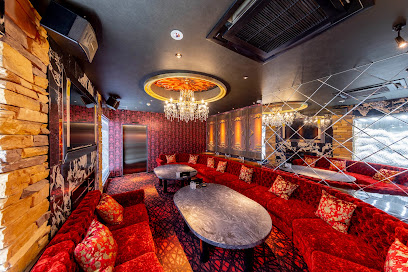
Eight Hall
40.4 km
Discover the heart of Kanazawa's music scene at Eight Hall, a lively venue showcasing top local and international talent in a vibrant atmosphere.
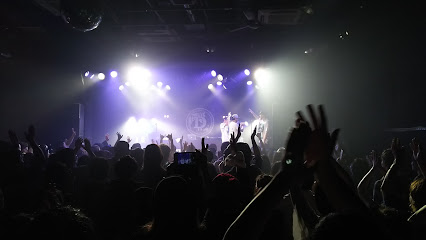
Apstage (フィリピンパブ)
40.4 km
Unleash your nightlife spirit at Apstage, Kanazawa’s vibrant night club offering music, dance, and a lively atmosphere for an unforgettable evening.
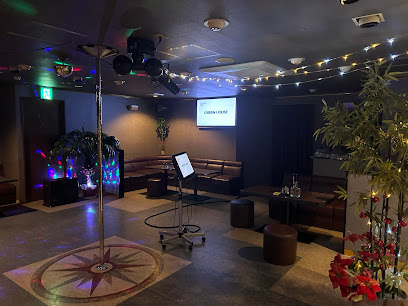
Main
40.4 km
Explore Kanazawa's electrifying nightlife at Main Night Club, where unforgettable dance and music experiences await.
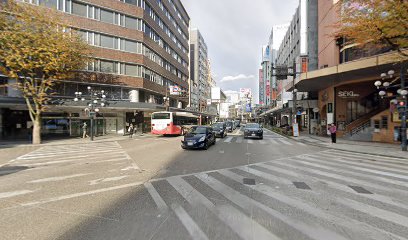
俱楽部 上
40.5 km
Experience electrifying nightlife at 俱楽部 上, Kanazawa's premier night club, where music, dance, and vibrant energy come together.