

Free Chikugo Travel Guide & Mobile App
Explore Chikugo with free travel guides. Discover regional history, expert tips, proposed trips, and audio guides on web or mobile app.


Discover Chikugo: Where Tradition Meets Nature in Fukuoka's Enchanting Heartland, Offering Cultural Riches, Scenic Beauty, and Authentic Japanese Experiences.
Read more about Chikugo
When is the best time to visit Chikugo?
Best: May, October–November · 17–24°C| Month | High (°C) | Rainfall (mm) |
|---|---|---|
| January | 10 | 61 |
| February | 10 | 80 |
| March | 14 | 110 |
| April | 20 | 131 |
| May (best) | 24 | 141 |
| June | 29 | 180 |
| July | 32 | 211 |
| August | 32 | 171 |
| September | 30 | 220 |
| October (best) | 23 | 111 |
| November (best) | 17 | 100 |
| December | 12 | 61 |
Getting to and around Chikugo
How to get there
Transportation
Best attractions in Chikugo
Nestled in the heart of Fukuoka Prefecture, Chikugo offers an enchanting blend of historical charm and natural beauty, perfect for any traveler seeking an authentic Japanese experience. Wander through the serene Yame Central Tea Garden, where you can savor the finest green tea while taking in picturesque landscapes. Dive into history at the sacred Mizuta Tenmangu Shrine, dedicated to the deity of learning, or explore the ancient ruins of Chikugo-Kokubu, a site that whispers tales of Japan's bygone eras. For a touch of modernity, visit the Kurume Kasuri Weaving Museum to marvel at the intricate craftsmanship of traditional textiles. Nature lovers will relish a trip to the sprawling Kora Taisha Shrine, located on Mount Kora, offering breathtaking views and tranquil hiking trails. With its rich tapestry of cultural heritage, stunning scenery, and warm local hospitality, Chikugo promises an unforgettable journey for every visitor.
-
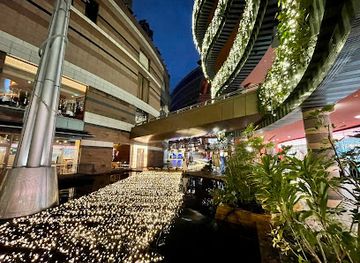
CANAL CITY HAKATA
Discover the vibrant blend of shopping, dining, and entertainment at Canal City Hakata in Fukuoka, Japan.
-
Huis Ten Bosch
Experience the magic of Huis Ten Bosch, Japan's largest theme park, where Dutch charm meets thrilling attractions and breathtaking gardens.
-

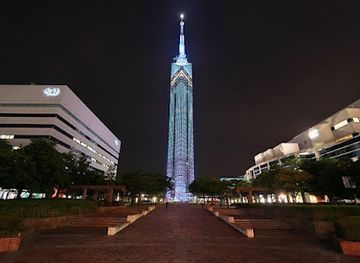
Fukuoka Tower
Discover stunning views and rich culture at Fukuoka Tower, Japan's tallest seaside observation deck, perfect for sightseeing and events.
-
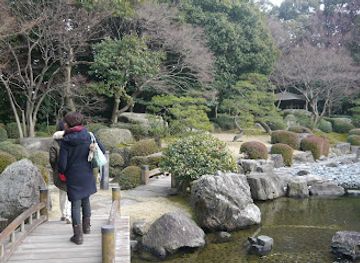
Ohori Park
Discover the tranquil beauty of Ohori Park in Fukuoka, where lush gardens and serene lakes create a perfect escape from the urban hustle.

Best landmarks in Chikugo
Nestled in the picturesque Fukuoka Prefecture, Chikugo offers an enchanting blend of historical and cultural landmarks that will captivate any visitor. Step into the past at the ancient Koura Taisha Shrine, a spiritual haven surrounded by lush greenery, or explore the intricate beauty of Mizuta Tenmangu Shrine, dedicated to the deity of learning. The Yame Traditional Crafts Museum is a must-visit for art enthusiasts, showcasing exquisite local pottery and hand-crafted lanterns. Take a leisurely stroll through the serene Chikugo River Lift Bridge, a unique mechanical marvel, and enjoy panoramic views of the region. Don’t miss the annual Okunchi Festival, a vibrant celebration with traditional music, dance, and colorful floats that bring the streets of Chikugo to life. For a taste of local flavor, visit the numerous sake breweries dotting the area, where you can sample some of the finest sake in Japan. With its rich tapestry of history, culture, and natural beauty, Chikugo promises an unforgettable journey for every traveler.
-
Buddhist temple
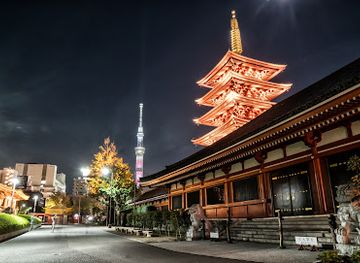
Sensō-ji
Explore Tokyo's oldest temple, Sensō-ji, with its iconic gates, vibrant shopping street, and serene temple grounds in the heart of Asakusa.
-
Sculpture
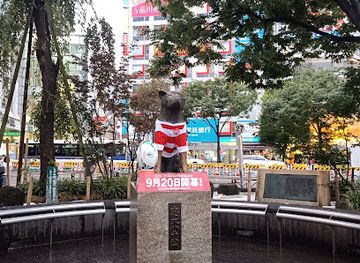
Hachikō Memorial Statue
A symbol of unwavering loyalty and devotion, the Hachikō Memorial Statue is a must-see landmark outside Shibuya Station in Tokyo.
-
Observation deck
Fukuoka Tower
Experience breathtaking panoramic views from Japan's tallest seaside tower, a symbol of Fukuoka offering stunning city and bay vistas.
-
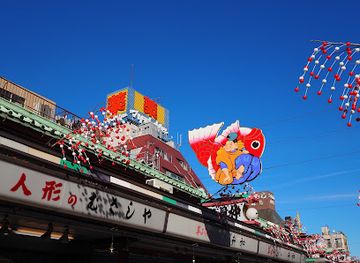
Tourist attraction
Nakamise-dori Street
Explore Tokyo's oldest shopping street, Nakamise-dori, for traditional crafts, tasty snacks, and a vibrant glimpse into Japan's rich history.
Explore Chikugo on the map
Plan your trip on one map. See where the top cities, national parks and sights are, and book hotels and experiences in a few clicks.
Best hotels in Chikugo
Best restaurants in Chikugo
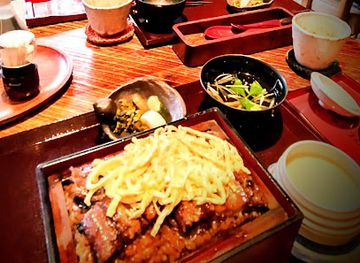
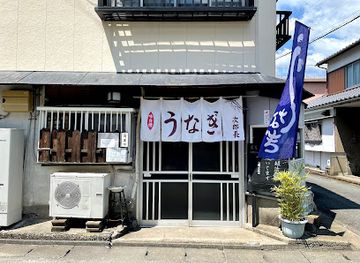
Chikugo, nestled in the Fukuoka Prefecture, is a hidden gem for culinary enthusiasts, offering a delightful blend of traditional and contemporary Japanese cuisine. Visitors can savor the region's famous eel dishes, known as 'unagi,' which are often served in the iconic unagi-don style with a rich, savory sauce. The area's fertile lands produce a bounty of fresh vegetables and rice, forming the backbone of many local dishes. Wander through the charming streets to find cozy izakayas serving local sake and shochu, paired with delectable small plates like tempura and yakitori. Don't miss the chance to try 'mizutaki,' a comforting chicken hot pot that is a local specialty, best enjoyed in the colder months. The dining scene in Chikugo is a vibrant tapestry of flavors, steeped in tradition yet open to innovation, making every meal a memorable experience.
-
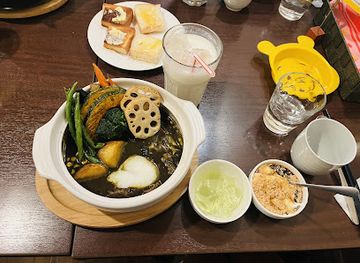
Japanese Curry
Jungle Soup Curry
Discover authentic Japanese curry flavors at Jungle Soup Curry in Fukuoka—where tradition meets taste in every bowl.
-
Restaurant
Joyfull
Experience Joyfull in Chikugo: Affordable casual dining with a diverse menu featuring Japanese and Western dishes perfect for families.
-
Japanese
皿屋福柳 筑後支店 うなぎレストラン UMORI
Discover the art of unagi at Saraya Fukuryu's UMORI - an authentic Japanese dining experience in Chikugo.
-
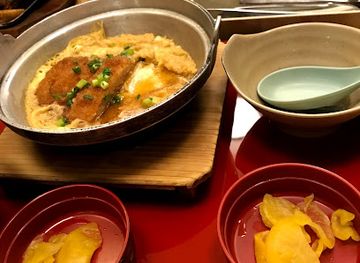
Unagi restaurant
Jirocho
Experience the exquisite flavors of unagi at Jirocho, Chikugo's premier destination for authentic Japanese cuisine.
Best bars in Chikugo
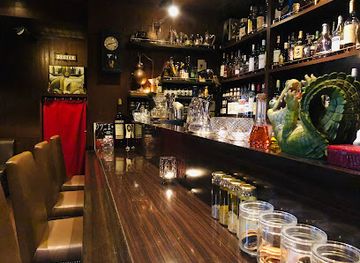
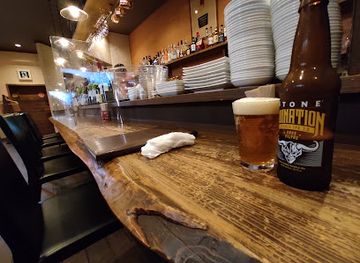
Chikugo's nightlife scene is a captivating blend of traditional and contemporary experiences, offering something for every type of night owl. As the sun sets, the city comes alive with izakayas (Japanese-style pubs) where you can savor local delicacies and sip on Chikugo's famed sake. For those seeking a more modern vibe, sleek bars and vibrant nightclubs pulse with energy, featuring live music, DJs, and a mix of both local and international patrons. Don’t miss the chance to visit the hidden gem speakeasies, where innovative cocktails are crafted with precision in an intimate setting. Whether you’re mingling with locals at a cozy bar, dancing the night away, or enjoying a relaxed evening under the lantern-lit streets, Chikugo offers an unforgettable nocturnal adventure.
-
Bar
Bar Fuji
Discover the vibrant nightlife of Fukuoka at Bar Fuji, where excellent drinks and a welcoming atmosphere await every visitor.
-
Sebek
Experience the vibrant nightlife at Sebek, a lively bar in Fukuoka's Nakasu district, perfect for cocktails and mingling with locals.
-
Corro
Discover the culinary magic of Corro in Chikugo, where Japanese izakaya meets Italian and Spanish flavors in a cozy setting.
-
Bar
レイグランデ
Discover the charm of レイグランデ in Chikugo, where exceptional drinks meet a welcoming atmosphere for an unforgettable night out.


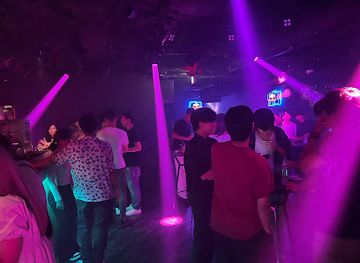
Best nightclubs in Chikugo
Chikugo's nightlife scene is a captivating blend of traditional and contemporary experiences, offering something for every type of night owl. As the sun sets, the city comes alive with izakayas (Japanese-style pubs) where you can savor local delicacies and sip on Chikugo's famed sake. For those seeking a more modern vibe, sleek bars and vibrant nightclubs pulse with energy, featuring live music, DJs, and a mix of both local and international patrons. Don’t miss the chance to visit the hidden gem speakeasies, where innovative cocktails are crafted with precision in an intimate setting. Whether you’re mingling with locals at a cozy bar, dancing the night away, or enjoying a relaxed evening under the lantern-lit streets, Chikugo offers an unforgettable nocturnal adventure.
-
Cat's
Discover the electrifying nightlife at Cat's, Fukuoka's top night club offering a lively atmosphere, great music, and unforgettable experiences.
-
Night club
Ibiza
Experience the electrifying nightlife at Ibiza, Fukuoka's premier nightclub, where music, dancing, and unforgettable memories await.
-
Night club
GALA RESORT Nakasu Fukuoka Hakata Night club
Experience Fukuoka's nightlife at GALA RESORT Nakasu, a vibrant night club with electrifying music and an unforgettable atmosphere.
-
Night club
Happy Cock
Experience the pulse of Fukuoka's nightlife at Happy Cock, a vibrant nightclub offering great music, friendly service, and an unforgettable atmosphere.



Best shops in Chikugo
Chikugo's shopping scene is a delightful blend of traditional and modern, offering visitors a unique experience. Stroll through bustling markets like Yame's traditional craft shops, where you can find exquisite handmade washi paper and intricate bamboo crafts, perfect for souvenirs. For a touch of contemporary flair, head to the chic boutiques in Kurume, known for its high-quality textiles and denim, reflecting the city's rich history in fabric production. Don't miss out on the local food markets, where you can sample and purchase regional delicacies such as the famous Kurume ramen, green tea from Yame, and locally brewed sake. With a mix of charming local stores and lively shopping streets, Chikugo promises a memorable shopping adventure that captures the essence of Japanese culture and craftsmanship.
-
Department store
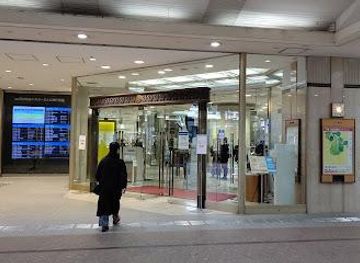
MITSUKOSHI
Discover the essence of Japanese shopping at Mitsukoshi in Fukuoka, where luxury meets tradition in a vibrant retail experience.
-
Shopping mall
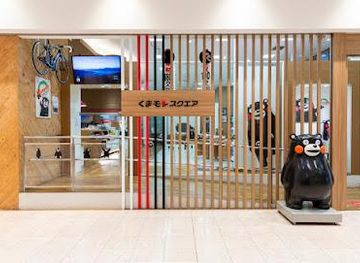
Kumamon Square
Discover the charm of Kumamon Square, a lively shopping mall featuring local crafts, delicious food, and cultural events in Kumamoto.
-
Shopping mall
SOLARIA PLAZA
Discover SOLARIA PLAZA, Fukuoka's vibrant shopping mall with diverse stores, delectable dining, and entertainment for every traveler.
-
Shopping mall
Sun Live Chikugo
Explore Sun Live Chikugo: A vibrant shopping mall in Fukuoka with fresh food markets and trendy clothing stores, perfect for unique finds and local flavors.


Get your free copy of our complete guide to Chikugo, delivered straight to you.
Everything on this page, from attractions and restaurants to essentials and local phrases, in one PDF you can read offline, print or share.
Already have an account? Sign in
Your Chikugo guide is ready.
We'll send it to · Not you? Sign out

Getting your guide ready…
We are putting together a fresh copy of the Chikugo guide. This can take up to a minute.
This can take a few moments. If your browser asks, choose Allow so the download can start. You'll find the guide in your Downloads folder.
Nothing happened? Download it again
Sorry, the guide is taking longer than usual. Please try again in a minute, or get it by email instead.
Chikugo essentials
Currency and Payment
Safety
Emergency Situations
Do's and Don'ts
Local Tips
From Eve
Local phrases worth knowing
You don't need to get them perfect. A few words go a long way, and locals appreciate the effort.
Basics
| English | Local | Say it |
|---|---|---|
| Hello | こんにちは | [Konnichiwa] |
| Goodbye | さようなら | [Sayōnara] |
| Yes | はい | [Hai] |
| No | いいえ | [Iie] |
| Please/You're welcome | お願いします | [Onegaishimasu] |
| Thank you | ありがとうございます | [Arigatou gozaimasu] |
| Excuse me/Sorry | すみません | [Sumimasen] |
| How are you? | お元気ですか? | [Ogenki desu ka?] |
| Fine. And you? | 元気です。あなたは? | [Genki desu. Anata wa?] |
| Do you speak English? | 英語を話せますか? | [Eigo o hanasemasu ka?] |
| I don't understand | 理解できません | [Rikai dekimasen] |
Eating & Drinking
| English | Local | Say it |
|---|---|---|
| I'd like to see the menu, please | メニューを見せてください | [Menyū o misete kudasai] |
| I don't eat meat | 肉は食べません | [Niku wa tabemasen] |
| Cheers! | 乾杯! | [Kanpai!] |
| I would like to pay, please | お会計をお願いします | [Okaikei o onegaishimasu] |
Emergencies
| English | Local | Say it |
|---|---|---|
| Help! | 助けて! | [Tasukete!] |
| Go away! | どいて! | [Doite!] |
| Call the Police! | 警察を呼んで! | [Keisatsu o yonde!] |
| Call a doctor! | 医者を呼んで! | [Isha o yonde!] |
| I'm lost | 迷いました | [Mayoimashita] |
| I'm ill | 具合が悪いです | [Guai ga warui desu] |
Shopping
| English | Local | Say it |
|---|---|---|
| I'd like to buy... | ...を買いたいです | [... o kaitai desu] |
| I'm just looking | 見ているだけです | [Mite iru dake desu] |
| How much is it? | これはいくらですか? | [Kore wa ikura desu ka?] |
| That's too expensive | それは高すぎます | [Sore wa takasugimasu] |
| Can you lower the price? | 値段を下げてもらえますか? | [Nedan o sagete moraemasu ka?] |
Time & Numbers
| English | Local | Say it |
|---|---|---|
| What time is it? | 今何時ですか? | [Ima nanji desu ka?] |
| It's one o'clock | 1時です | [Ichi-ji desu] |
| Half past (10) | 10時半です | [Jū-ji han desu] |
| Morning | 朝 | [Asa] |
| Afternoon | 午後 | [Gogo] |
| Evening | 夕方 | [Yūgata] |
| Yesterday | 昨日 | [Kinō] |
| Today | 今日 | [Kyō] |
| Tomorrow | 明日 | [Ashita] |
| 1 | 1 | [Ichi] |
| 2 | 2 | [Ni] |
| 3 | 3 | [San] |
| 4 | 4 | [Shi] |
| 5 | 5 | [Go] |
| 6 | 6 | [Roku] |
| 7 | 7 | [Shichi] |
| 8 | 8 | [Hachi] |
| 9 | 9 | [Kyū] |
| 10 | 10 | [Jū] |
Transport & Directions
| English | Local | Say it |
|---|---|---|
| Where's a/the...? | ...はどこですか? | [... wa doko desu ka?] |
| What's the address? | 住所は何ですか? | [Jūsho wa nan desu ka?] |
| Can you show me (on the map)? | 地図で見せてもらえますか? | [Chizu de misete moraemasu ka?] |
| When's the next (bus)? | 次の(バス)はいつですか? | [Tsugi no (basu) wa itsu desu ka?] |
| A ticket (to ....) | ...までの切符 | [... made no kippu] |
History of Chikugo
Ancient Origins and Early Settlements
Chikugo, located in Fukuoka Prefecture, has a rich history that dates back to ancient times. Archaeological evidence suggests that the area was inhabited as early as the Jomon period (14,000–300 BCE). The fertile plains of Chikugo attracted early settlers who engaged in rice cultivation, which became a pivotal part of the region's culture and economy.
The Rise of the Chikugo Province
During the Nara period (710–794 CE), Chikugo was established as one of the historical provinces of Japan. It played a significant role in the administrative and political landscape of the time. The province was known for its agricultural productivity and was a crucial supplier of rice to the central government.
Medieval Feudal Era
In the Kamakura period (1185–1333) and Muromachi period (1336–1573), Chikugo saw the rise of various samurai clans. The Tachibana clan, in particular, wielded significant influence in the region. This era was marked by feudal conflicts and the construction of numerous castles and fortifications, some remnants of which can still be explored today.
Edo Period and Economic Flourishing
The Edo period (1603–1868) brought stability and economic growth to Chikugo under the Tokugawa shogunate's rule. The area became a center for agriculture, particularly rice and wheat production. The Yame region within Chikugo also gained fame for its high-quality tea, which remains a celebrated product to this day.
Modernization in the Meiji Era
With the Meiji Restoration in 1868, Chikugo underwent significant modernization. The introduction of railway lines and improved infrastructure facilitated economic development. Industrialization saw the rise of new industries, including textile production, which complemented the region's agricultural base.
World War II and Post-war Reconstruction
Like much of Japan, Chikugo faced hardships during World War II, including air raids and resource shortages. The post-war period, however, was marked by rapid reconstruction and economic recovery. The region's agricultural and industrial sectors rebounded, contributing to Japan's overall post-war economic miracle.
Cultural Heritage and Festivals
Chikugo is renowned for its rich cultural heritage, including traditional festivals and crafts. The Kurume Kasuri, a traditional woven fabric, is one of the region's most famous cultural exports. Annual events such as the Chikugo River Fireworks Festival draw visitors from all over Japan, showcasing the area's vibrant community spirit.
Natural Beauty and Modern Attractions
The Chikugo region is blessed with natural beauty, from the Chikugo River, which is the longest river in Kyushu, to the lush tea fields of Yame. Modern attractions include the Yame Traditional Crafts Museum and various hot springs that offer a relaxing retreat for visitors. The blend of historical charm and natural scenery makes Chikugo a unique destination.
Chikugo in Photos
Browse through our photo collection highlighting the charm and character of the destination.
Neighbouring regions of Chikugo
The closest regions to Chikugo, if you have time for more than one.
-

-

-

-

-


Swipe for more regions
Explore more

Explore more of Japan
Discover the harmony of tradition and modernity in Japan, where ancient temples and cutting-edge technology coexist in perfect balance.
Explore Japan