

Free Hizen Travel Guide & Mobile App
Explore Hizen with free travel guides. Discover regional history, expert tips, proposed trips, and audio guides on web or mobile app.


Explore Hizen in Kyushu for historic ports, Arita porcelain, volcanic hot springs, castle towns, coastal scenery and distinctive regional cuisine.
Read more about Hizen
When is the best time to visit Hizen?
Best: April–May, October · 20–24°C| Month | High (°C) | Rainfall (mm) |
|---|---|---|
| January | 10 | 70 |
| February | 11 | 80 |
| March | 15 | 110 |
| April (best) | 20 | 130 |
| May (best) | 24 | 140 |
| June | 28 | 210 |
| July | 32 | 230 |
| August | 33 | 180 |
| September | 29 | 170 |
| October (best) | 23 | 100 |
| November | 16 | 90 |
| December | 12 | 70 |
Getting to and around Hizen
How to get there
Transportation
Top city travel guides in Hizen
The cities of Hizen, and the easiest places to base yourself.

Swipe for more cities
Destinations in Hizen
Resorts, valleys and scenic spots worth a trip of their own.

Swipe for more destinations
Best attractions in Hizen
Hizen’s attractions range from archaeological landscapes and castle towns to ceramic villages, port museums, hot springs and volcanic scenery. Yoshinogari Historical Park near Kanzaki presents a carefully interpreted Yayoi settlement, while Saga and Karatsu offer museums, gardens, castle remains and historic urban quarters. Arita and Imari are central to the region’s craft identity, with kilns, galleries, porcelain museums and traditional streets that show how production and trade developed. Nagasaki provides a dense concentration of international-history sites, peace-related museums, hillside viewpoints and religious heritage, while Sasebo and the western coast offer maritime perspectives. The Shimabara Peninsula combines Shimabara Castle, old town waterways, Unzen’s volcanic landscapes and established hot-spring resorts. Beaches, pine forests, rural cycling routes and island or coastal excursions broaden the outdoor choices, although journeys between them can be lengthy. Hizen is particularly rewarding for visitors who combine cultural interests with slow travel: a pottery workshop, local train, garden, hot-spring bath or seafood market often reveals more about the region than a rapid checklist of major sights.
-
Tourist attraction
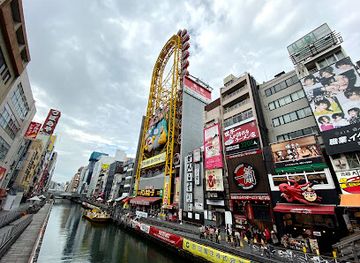
Dotonbori
Experience the vibrant streets of Dotonbori, Osaka, where neon lights meet delicious street food and lively entertainment.
-
Scenic spot
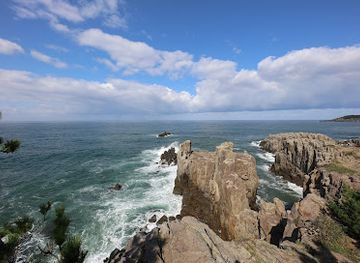
Tojinbo
Explore Tojinbo, Japan's stunning coastal cliffs, where nature's artistry meets breathtaking ocean views and unforgettable adventures.
-
War museum
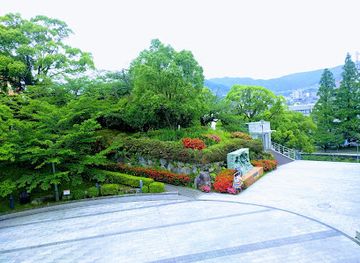
Nagasaki Atomic Bomb Museum
Discover Nagasaki's poignant history at the Atomic Bomb Museum—where the past inspires a future of peace and understanding.
-
Historical landmark
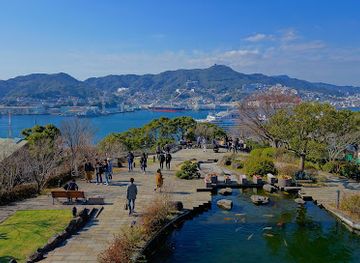
Glover Garden
Discover the beauty of Glover Garden, a historical landmark in Nagasaki, where stunning gardens meet rich heritage and breathtaking views.
Best landmarks in Hizen
-
Shopping mall
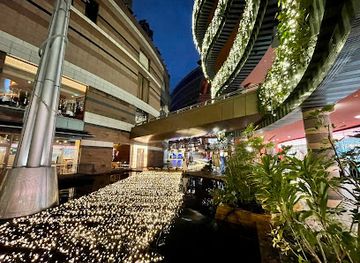
CANAL CITY HAKATA
Experience Fukuoka's 'city within a city' – a vibrant complex with shopping, entertainment, stunning architecture, and captivating canal fountain shows.
-
Shinto shrine
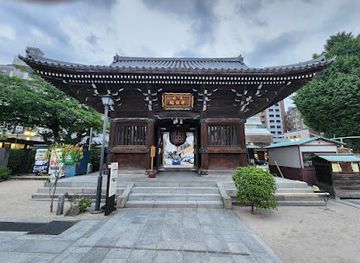
Dazaifu Tenmangu太宰府天満宮
Discover Dazaifu Tenmangu Shrine: A historical and spiritual haven dedicated to the deity of learning, culture, and the arts, surrounded by stunning plum blossoms.
-
Observation deck
Fukuoka Tower
Experience breathtaking 360° views of Fukuoka City and Hakata Bay from Japan's tallest seaside tower, a shimmering 'Mirror Sail' landmark.
-
Shinto shrine
Kushida Shrine
Explore Fukuoka's spiritual heart at Kushida Shrine, home to the Hakata Gion Yamakasa festival and ancient cultural treasures.


Explore Hizen on the map
Plan your trip on one map. See where the top cities, national parks and sights are, and book hotels and experiences in a few clicks.
Best hotels in Hizen
Best restaurants in Hizen
Hizen’s food reflects its rice-growing plains, productive seas and long history of overseas contact. Saga is known nationally for high-quality beef, while the Ariake Sea supplies distinctive seafood and shellfish that appear in seasonal dishes and local markets. Karatsu and the western coast emphasise fish, squid and other marine produce, and Nagasaki’s culinary traditions include champon noodles, sara udon and castella, foods shaped by Chinese and European connections rather than simply copied from elsewhere in Japan. In Arita, Imari, Takeo and Ureshino, meals are often served in locally made ceramics, making tableware part of the regional experience. Visitors will find izakaya, set-meal restaurants, cafés, noodle shops, rural inns and hot-spring ryokan dining alongside more formal establishments. Tea from Ureshino, local tofu, citrus, pickles and seasonal vegetables are useful discoveries, while markets and department-food halls provide a practical way to sample regional produce.
-
Indian
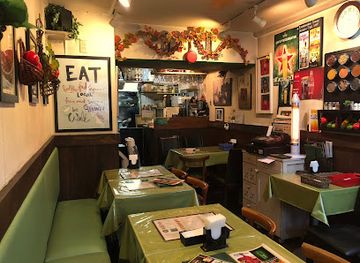
Downtown B's Indian Kitchen, Tokyo
Discover authentic Indian cuisine at Downtown B's Indian Kitchen in Tokyo - where rich flavors meet modern dining.
-
Japanese
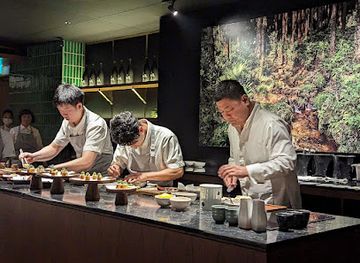
Narisawa
Discover Narisawa in Tokyo: where seasonal ingredients meet artistic culinary creations for an unforgettable dining experience.
-
Restaurant
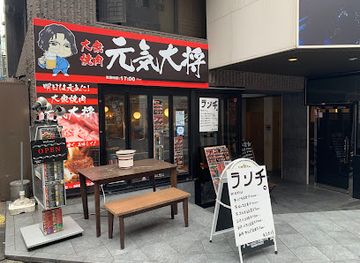
Genki Taisho Wagyu 元気大将-Halal
Savor the finest halal wagyu beef at Genki Taisho Wagyu in Shinjuku - an unforgettable culinary experience awaits!
-
Ramen
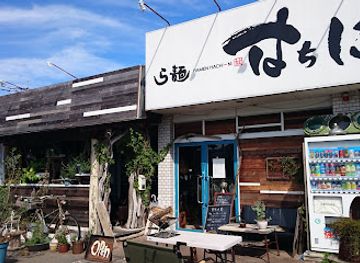
Hachini
Discover Hachini: A must-visit ramen shop in Takahagi offering authentic flavors and a cozy atmosphere perfect for any noodle lover.
Best bars in Hizen
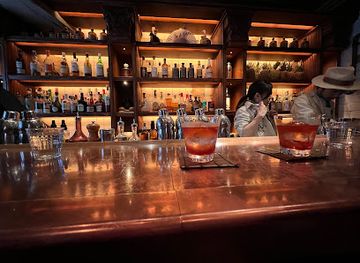
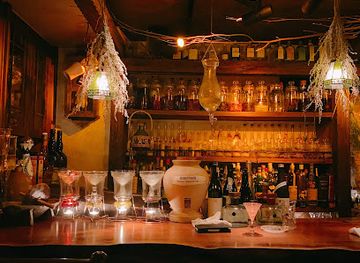
Nightlife in Hizen is concentrated in Nagasaki, Saga, Sasebo and the evening districts of larger hot-spring towns rather than spread evenly across the countryside. Nagasaki has the broadest choice of izakaya, small bars, cafés and live-music spaces, with many venues occupying compact streets and hillside neighbourhoods. Saga and Sasebo provide local dining and drinking scenes centred on restaurants, standing bars and karaoke, while Ureshino, Takeo and Unzen are more associated with ryokan meals, traditional inns and quiet evening walks than with clubs. Coastal and rural towns generally close earlier, although seasonal festivals can create temporary evening activity. Beer, sake, shochu and locally produced drinks are available, but visitors can experience the region’s night culture through food, illuminated streets, conversation and public baths without making alcohol the focus.
-
Bar
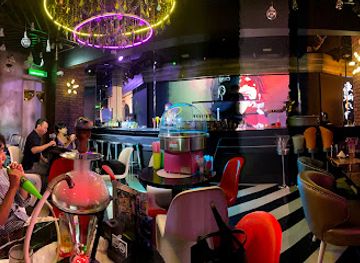
Kujira Entertainment
Experience the electrifying nightlife at Kujira Entertainment in Shinjuku, Tokyo, where cocktails, desserts, and live entertainment create unforgettable memories.
-
Cocktail bar
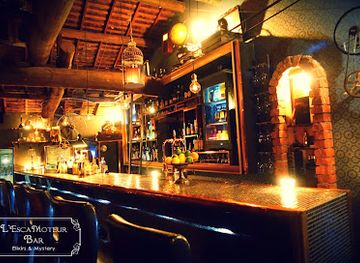
L'Escamoteur
Discover L'Escamoteur, Kyoto's enchanting cocktail bar where mixology meets magic in an unforgettable nightlife experience.
-
Bar
The SG Club
Experience the allure of The SG Club, a cocktail bar in Shibuya where innovative mixology meets a stylish atmosphere, perfect for unforgettable nights out.
-
Bar
Bar Benfiddich
Discover the artistry of cocktails at Bar Benfiddich, Tokyo's premier cocktail bar renowned for its innovative drinks and intimate atmosphere.
Best nightclubs in Hizen
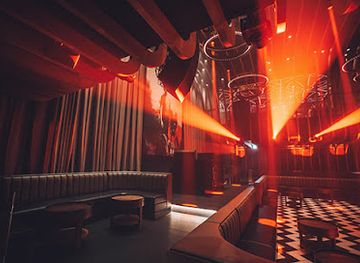
Nightlife in Hizen is concentrated in Nagasaki, Saga, Sasebo and the evening districts of larger hot-spring towns rather than spread evenly across the countryside. Nagasaki has the broadest choice of izakaya, small bars, cafés and live-music spaces, with many venues occupying compact streets and hillside neighbourhoods. Saga and Sasebo provide local dining and drinking scenes centred on restaurants, standing bars and karaoke, while Ureshino, Takeo and Unzen are more associated with ryokan meals, traditional inns and quiet evening walks than with clubs. Coastal and rural towns generally close earlier, although seasonal festivals can create temporary evening activity. Beer, sake, shochu and locally produced drinks are available, but visitors can experience the region’s night culture through food, illuminated streets, conversation and public baths without making alcohol the focus.
-
Night club
TK
Dive into the electric atmosphere of TK Nightclub, Tokyo's premier nightlife destination, where music and dance come alive in Shibuya.
-
Night club
V2 TOKYO
Immerse yourself in the electrifying nightlife of Tokyo at V2 Tokyo, where music, dance, and vibrant energy await.
-
Night club
WOMB
Experience the electrifying nightlife at WOMB, Tokyo's iconic nightclub offering world-class DJs, stunning visuals, and an unforgettable atmosphere.
-
Night club
1 OAK TOKYO
Discover the vibrant nightlife at 1 OAK Tokyo, where world-class DJs and an extravagant atmosphere create unforgettable moments.


Best shops in Hizen
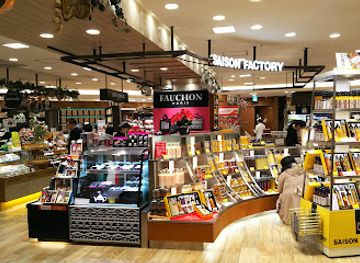
Shopping in Hizen is especially strong for ceramics, food products and small-scale craft rather than for luxury retail. Arita and neighbouring pottery districts offer porcelain tableware ranging from everyday pieces to finely decorated works, while Imari, Karatsu and Hasami each have their own design languages and production histories; buying directly from a studio can be rewarding, but visitors should check shipping arrangements for fragile pieces. Nagasaki’s central shopping streets and arcades combine department stores, independent food shops, castella sellers, tea merchants and craft retailers. Saga and Sasebo provide broader high-street shopping, with markets and food halls useful for regional produce. Ureshino tea, local sweets, pickles, dried seafood, sake and shochu make practical souvenirs, and historic-town shops often stock kitchenware connected to the local ceramic tradition. Market days and pottery fairs can change seasonally, so travellers should check local visitor information for current dates rather than relying on a fixed annual schedule.
-
Department store
Hankyu Umeda Main Store
Explore the vibrant Hankyu Umeda Main Store in Osaka, a shopping paradise with luxury boutiques, local goods, and delicious dining options.
-
Shopping mall
Karuizawa Prince Shopping Plaza
Discover luxury shopping and breathtaking scenery at Karuizawa Prince Shopping Plaza, an ultimate destination for fashion lovers and nature enthusiasts.
-
Department store
Hanshin Department Store Umeda Main Store
Explore the vibrant shopping culture at Hanshin Department Store Umeda Main Store, Osaka's premier destination for fashion, food, and local craftsmanship.
-
Shopping mall
Hirakata T-SITE
Experience the unique blend of shopping, dining, and culture at Hirakata T-SITE in Osaka, where modernity meets tradition.

Get your free copy of our complete guide to Hizen, delivered straight to you.
Everything on this page, from attractions and restaurants to essentials and local phrases, in one PDF you can read offline, print or share.
Already have an account? Sign in
Your Hizen guide is ready.
We'll send it to · Not you? Sign out

Getting your guide ready…
We are putting together a fresh copy of the Hizen guide. This can take up to a minute.
This can take a few moments. If your browser asks, choose Allow so the download can start. You'll find the guide in your Downloads folder.
Nothing happened? Download it again
Sorry, the guide is taking longer than usual. Please try again in a minute, or get it by email instead.
Hizen essentials
Currency and Payment
Safety
Emergency Situations
Do's and Don'ts
Local Tips
From Eve
Local phrases worth knowing
You don't need to get them perfect. A few words go a long way, and locals appreciate the effort.
Basics
| English | Local | Say it |
|---|---|---|
| Hello | こんにちは | [Konnichiwa] |
| Goodbye | さようなら | [Sayōnara] |
| Yes | はい | [Hai] |
| No | いいえ | [Iie] |
| Please/You're welcome | どうぞ | [Dōzo] |
| Thank you | ありがとう | [Arigatou] |
| Excuse me/Sorry | すみません | [Sumimasen] |
| How are you? | お元気ですか? | [Ogenki desu ka?] |
| Fine. And you? | 元気です。あなたは? | [Genki desu. Anata wa?] |
| Do you speak English? | 英語を話せますか? | [Eigo o hanasemasu ka?] |
| I don't understand | わかりません | [Wakarimasen] |
Eating & Drinking
| English | Local | Say it |
|---|---|---|
| I'd like to see the menu, please | メニューを見せてください | [Menyū o misete kudasai] |
| I don't eat meat | 肉を食べません | [Niku o tabemasen] |
| Cheers! | 乾杯! | [Kanpai!] |
| I would like to pay, please | 支払いをお願いします | [Shiharai o onegaishimasu] |
Emergencies
| English | Local | Say it |
|---|---|---|
| Help! | 助けて! | [Tasukete!] |
| Go away! | どいて! | [Doite!] |
| Call the Police! | 警察を呼んで! | [Keisatsu o yonde!] |
| Call a doctor! | 医者を呼んで! | [Isha o yonde!] |
| I'm lost | 迷子になりました | [Maigo ni narimashita] |
| I'm ill | 具合が悪いです | [Guai ga warui desu] |
Shopping
| English | Local | Say it |
|---|---|---|
| I'd like to buy... | …を買いたいです | [… o kaitai desu] |
| I'm just looking | 見ているだけです | [Mite iru dake desu] |
| How much is it? | いくらですか? | [Ikura desu ka?] |
| That's too expensive | それは高すぎます | [Sore wa takasugimasu] |
| Can you lower the price? | 値段を下げられますか? | [Nedan o sageraremasu ka?] |
Time & Numbers
| English | Local | Say it |
|---|---|---|
| What time is it? | 今何時ですか? | [Ima nanji desu ka?] |
| It's one o'clock | 1時です | [Ichi-ji desu] |
| Half past (10) | 10時半です | [Jū-ji han desu] |
| Morning | 朝 | [Asa] |
| Afternoon | 午後 | [Gogo] |
| Evening | 夕方 | [Yūgata] |
| Yesterday | 昨日 | [Kinō] |
| Today | 今日 | [Kyō] |
| Tomorrow | 明日 | [Ashita] |
| 1 | 1 | [Ichi] |
| 2 | 2 | [Ni] |
| 3 | 3 | [San] |
| 4 | 4 | [Shi] |
| 5 | 5 | [Go] |
| 6 | 6 | [Roku] |
| 7 | 7 | [Nana] |
| 8 | 8 | [Hachi] |
| 9 | 9 | [Kyū] |
| 10 | 10 | [Jū] |
Transport & Directions
| English | Local | Say it |
|---|---|---|
| Where's a/the...? | …はどこですか? | [… wa doko desu ka?] |
| What's the address? | 住所は何ですか? | [Jūsho wa nan desu ka?] |
| Can you show me (on the map)? | 地図で見せてくれますか? | [Chizu de misete kuremasu ka?] |
| When's the next (bus)? | 次の(バス)はいつですか? | [Tsugi no (basu) wa itsu desu ka?] |
| A ticket (to ....) | (…)までのチケット | [(…) made no chiketto] |
History of Hizen
Early Hizen and the Yoshinogari Settlement
The Saga Plain contains Yoshinogari, one of Japan’s most important Yayoi-period archaeological sites. Occupied from roughly the third century BC into the third century AD, the settlement reveals a large, defended community with moats, raised-floor buildings, burial areas and evidence of social hierarchy. Its position near productive lowlands and routes linking the Ariake Sea with inland Kyushu helped make the area significant during a period when wet-rice agriculture, metalworking and long-distance exchange were reshaping Japanese society. The reconstructed settlement and archaeological park provide a powerful introduction to the deep prehistory of Hizen.
The Ancient Province of Hizen
Hizen emerged as an established province within Japan’s classical administrative system, occupying much of present-day Saga and Nagasaki prefectures. Its position on Kyushu’s north-western coast gave it access to the Korean Peninsula, the Asian mainland and the sea routes of the Genkai and Ariake coasts. Government centres, religious institutions and agricultural estates developed over succeeding centuries, while the region’s mountains, islands and waterways produced strong local differences. The province’s later history cannot be separated from its maritime position: Hizen was both a cultivated agricultural area and one of Japan’s important western gateways.
Medieval Lords, Ports and Castle Towns
During the medieval period, Hizen was divided among competing warrior families and local powers, including the Matsura around the north-western coast and the Ryuzoji, Nabeshima and Arima in other parts of the province. Castle sites, fortified settlements and port communities expanded as rulers competed for land, trade and influence. From the sixteenth century, Nagasaki and other ports became connected to Portuguese and Spanish merchants and Catholic missionaries. The arrival of Christianity brought new communities and political tensions, helping to make Hizen one of the most internationally connected and religiously contested parts of Japan.
Christianity, Persecution and the Shimabara Rebellion
Christianity spread widely in parts of Hizen during the late sixteenth century, especially around Nagasaki and the Shimabara Peninsula. After the Tokugawa government restricted overseas contact and suppressed the faith, hidden Christian communities maintained elements of their religion in private. In 1637–38, peasants and mostly Christian rebels occupied Hara Castle in a major uprising commonly known as the Shimabara Rebellion. The revolt was defeated, but it reinforced the shogunate’s policy of religious control and contributed to the severe restrictions placed on Christianity. The region’s later Christian heritage remains visible in churches, museums and communities across Nagasaki Prefecture.
Arita Porcelain and Hizen Ceramics
The discovery of high-quality porcelain clay near Arita in the early seventeenth century transformed Hizen’s economy and artistic reputation. Korean potters working in Japan helped establish techniques that developed into what is now known as Arita ware, while related production flourished in Imari, Karatsu, Hasami and other districts. Ceramics were sold domestically and exported through the port of Imari, reaching markets in Europe and elsewhere in Asia under the broad name Imari ware. Kilns, merchant houses, museums and specialised studios still express the industrial and artistic legacy of this development.
Nagasaki and Controlled International Exchange
Under the Tokugawa shogunate, Nagasaki became Japan’s principal officially permitted port for trade with the Dutch and Chinese. The artificial island of Dejima served as the Dutch trading post, while Chinese merchants lived and traded in designated areas. Through these channels, books, scientific knowledge, medicines, instruments and information reached Japan, making Nagasaki a major centre of rangaku, or Dutch learning. The city’s international quarter, temples, merchant traditions and cuisine preserve traces of this carefully regulated exchange, which continued until the political and commercial changes of the nineteenth century.
Meiji Industrialisation and Wartime Transformation
The opening of Japan’s ports and the Meiji government’s industrial policies changed Hizen’s coastal economy. Nagasaki developed major shipbuilding and engineering works, while coal mining and maritime industries expanded on nearby islands and along the wider Nagasaki coast. The port became strategically important for shipping, naval activity and modern industry. In August 1945, Nagasaki suffered the second atomic bombing, an event that caused immense loss of life and altered the city’s modern history. Today, peace museums, memorial spaces and surviving industrial sites form an essential part of the region’s historical landscape.
Hizen in Photos
Browse through our photo collection highlighting the charm and character of the destination.
Neighbouring regions of Hizen
The closest regions to Hizen, if you have time for more than one.
-

-

-

-

-


Swipe for more regions
Explore more

Explore more of Japan
Discover the harmony of tradition and modernity in Japan, where ancient temples and cutting-edge technology coexist in perfect balance.
Explore Japan