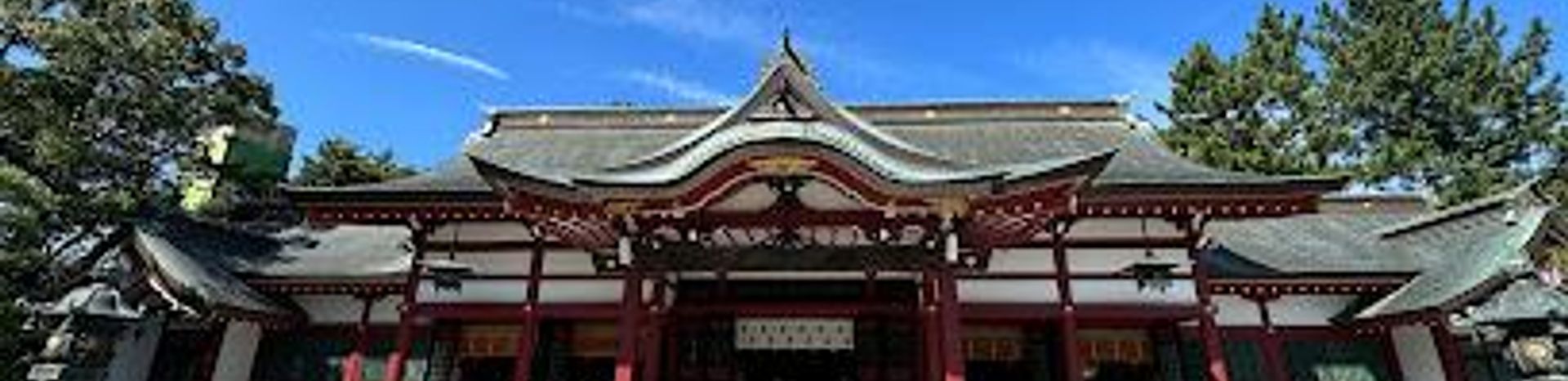
Kehi Jingu Shrine: Guardian of Hokuriku
Discover Kehi Jingu Shrine in Tsuruga: a historic Shinto shrine with a famous torii gate, sacred spring water, and tranquil atmosphere.
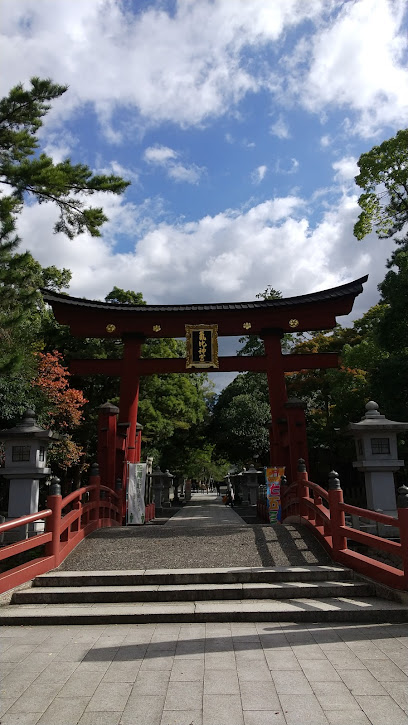
Kehi Jingu Shrine, affectionately known as 'Kei-san' by locals, has been an integral part of the Hokuriku region for over 1,300 years. Founded in 702 AD, this Shinto shrine is renowned for its impressive wooden torii gate, sacred water, and unique matchmaking charms.
A brief summary to Kehi Jingu Shrine
- 11-68 Akebonocho, Tsuruga, Akebonocho, Fukui, 914-0075, JP
- +81770-22-0794
- Visit website
- Monday 5 am-5 pm
- Tuesday 5 am-5 pm
- Wednesday 5 am-5 pm
- Thursday 5 am-5 pm
- Friday 5 am-5 pm
- Saturday 5 am-5 pm
- Sunday 5 am-5 pm
Local tips
- Visit early in the morning to experience the shrine's peaceful atmosphere before the crowds arrive.
- Take a moment to drink or touch the sacred 'Chomeisui' water for good health and longevity.
- Look for the statue and stone monument commemorating Matsuo Basho's visit and poetry.
- Explore the shrine grounds to discover the various smaller shrines and cultural properties.
- Check the shrine's calendar for festivals and events to experience local traditions.

Getting There
-
Walking
From JR Tsuruga Station, Kehi Jingu Shrine is approximately a 15-minute walk. Exit the station and walk straight along the main street. You'll pass shops and local businesses as you head towards the large, vermilion torii gate that marks the entrance to the shrine. The shrine is located in the northeastern part of downtown Tsuruga City.
-
Public Transport
From JR Tsuruga Station, take the Tsuruga Excursion Line Bus (Tourism Route) or the community bus 'Matsubara Line' to the 'Kehi Jingu' or 'Kehi Jingu-mae' bus stop. The bus ride takes about 3-5 minutes. The fare for the Gurutto Tsuruga Shuyu Bus (Tourism Route) is ¥200 per ride or ¥500 for a 1-day pass. The community bus fare is approximately the same.
-
Taxi
A taxi from JR Tsuruga Station to Kehi Jingu Shrine takes approximately 5 minutes. Taxi fares in smaller cities and rural areas of Japan generally have a flag-down fare starting around ¥500-¥600. The distance-based fare is approximately ¥90 for each 280-meter segment. Expect to pay around ¥950 - ¥1200 for the short trip.
Discover more about Kehi Jingu Shrine
Iconic landmarks you can’t miss

Tsuruga Tourism Association
0.2 km
Explore the scenic beauty and cultural richness of Tsuruga with the Tsuruga Tourism Association, your essential guide to Fukui's coastal wonders.
Tsuruga Tourist Information Centre
1.1 km
Explore the rich heritage and natural beauty of Fukui Prefecture at the Tsuruga Tourist Information Centre, your essential travel companion in Tsuruga.
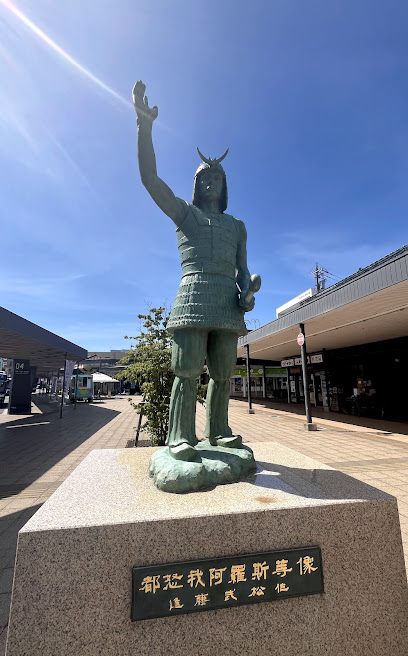
Tsuruga Station
1.1 km
Discover the heart of Fukui at Tsuruga Station, your starting point for unforgettable adventures in Japan's scenic landscapes and rich history.
Mariyama Beach
2.9 km
Experience the tranquil beauty of Mariyama Beach in Tsuruga, Fukui, where serene sands meet the stunning Sea of Japan.
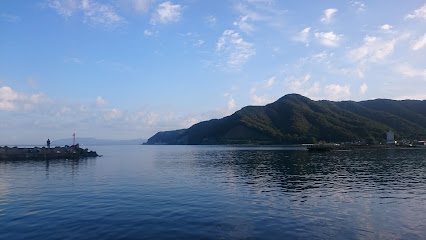
Wakasamikatagoko Sight Seeing Information Center
19.5 km
Explore the beauty of Wakasa with invaluable insights from the Wakasamikatagoko Sight Seeing Information Center, your gateway to unforgettable experiences in Fukui Prefecture.
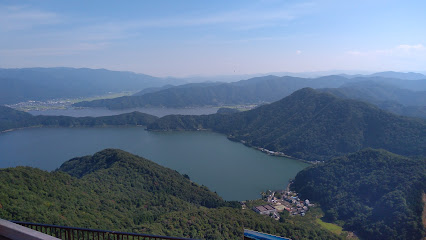
Omikageyama
19.5 km
Explore the breathtaking Omikageyama Mountain Peak in Fukui for serene hikes and stunning panoramic views, a perfect escape into nature's embrace.
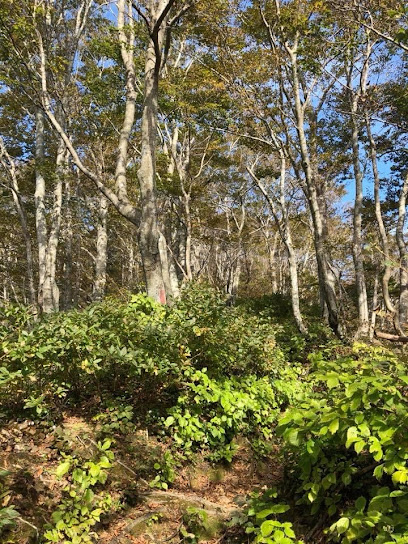
Wakasa Terrace
19.6 km
Experience the stunning panoramic views of Wakasa Terrace, where nature and tranquility meet in Fukui Prefecture, Japan.
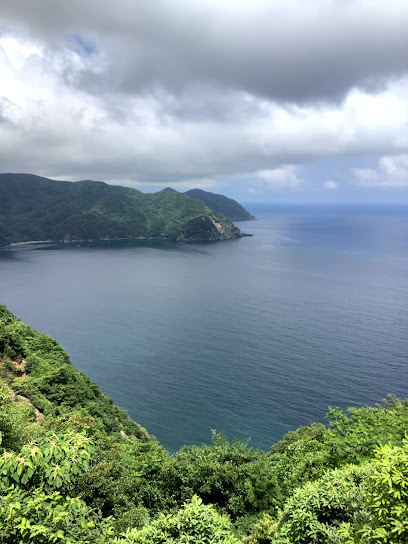
Hotel Suigekka
20.0 km
Experience traditional Japanese hospitality at Hotel Suigekka in Wakasa, surrounded by stunning natural landscapes and rich cultural heritage.

Japanese cuisine & Inn Nagata
20.0 km
Discover the essence of Japanese culture at Japanese cuisine & Inn Nagata, where tradition meets culinary excellence in a serene setting.
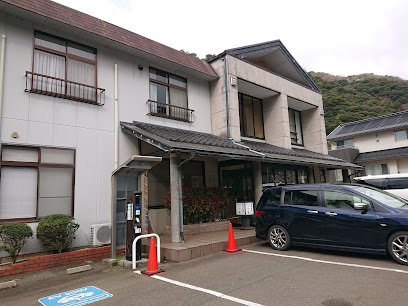
Yamaya
20.7 km
Experience authentic Japanese hospitality at Yamaya, a traditional inn nestled in the serene landscapes of Wakasa, Fukui. Immerse yourself in culture and culinary delights.
Matsuoka
21.6 km
Discover the charm of Matsuoka, a budget-friendly Japanese inn in Wakasa, offering authentic experiences and warm hospitality amidst serene surroundings.
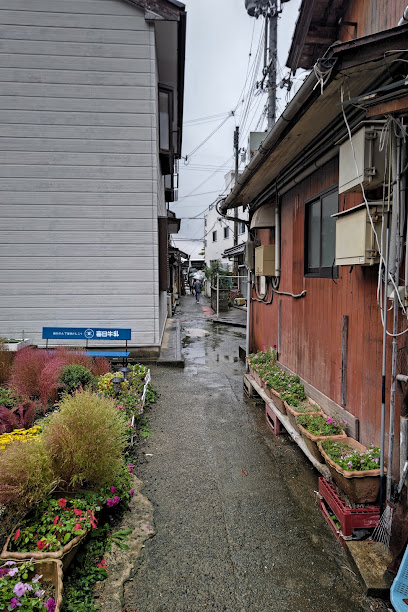
Wakasahime Shrine
33.0 km
Discover the tranquility of Wakasahime Shrine, a sacred Shinto site in Obama, Fukui, where nature and spirituality intertwine.
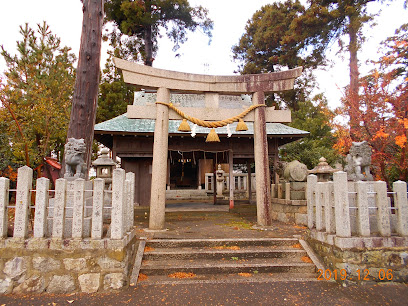
Obama Castle Site
34.1 km
Explore the ruins of Obama Castle in Fukui, Japan, a historic seaside fortress and former stronghold of the Sakai clan.
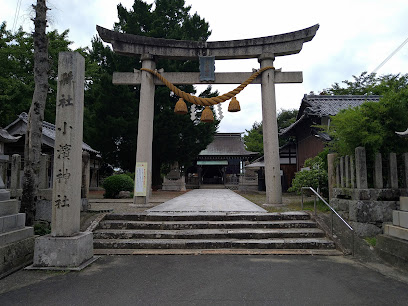
Wakasa High School
34.1 km
Explore Wakasa High School in Obama, Fukui - a unique insight into Japan's educational landscape and a blend of culture and modernity.
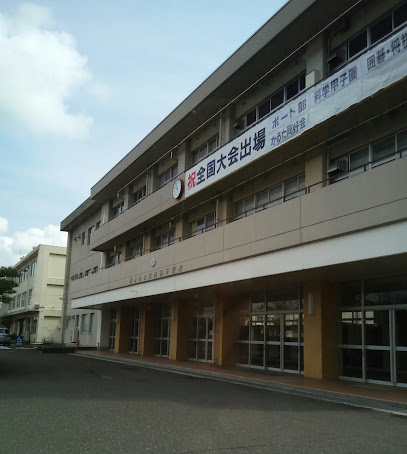
Jinguji Temple
34.2 km
Discover the tranquility and beauty of Jinguji Temple in Obama, a serene Buddhist sanctuary that invites reflection and appreciation of Japanese culture.
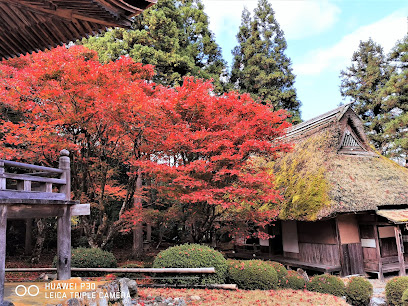
Unmissable attractions to see

Tsuruga Railway Museum(Former Tsuruga Harbor Station Building)
0.7 km
Explore Japan's railway history at the Tsuruga Railway Museum, once a vital gateway connecting Japan to Europe via the Trans-Siberian Railway.
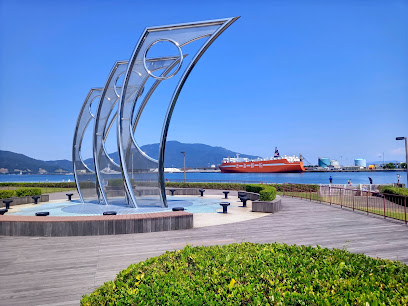
Tsuruga Red Brick Warehouse
0.8 km
Step back in time at Tsuruga Red Brick Warehouse: Explore history, dine in a unique setting, and discover a captivating diorama of old Tsuruga.
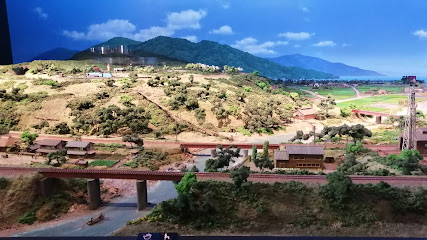
Kanegasaki Park
0.9 km
Discover scenic views and a tranquil atmosphere at Tsuruga's waterfront park, a blend of nature and history.
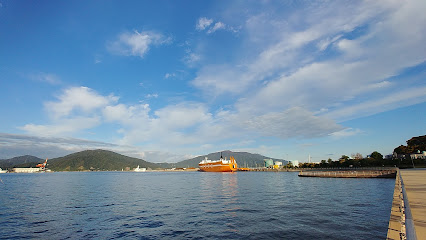
Suzaki Light Beacon
0.9 km
Discover the historical Suzaki Light Beacon in Tsuruga, a symbol of maritime history and a guiding light of Japan's harbor city.
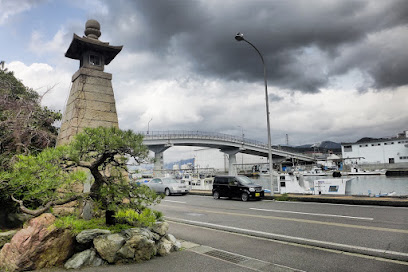
Port of Humanity Tsuruga Museum
1.0 km
Immerse yourself in Tsuruga's maritime history at the Port of Humanity Tsuruga Museum, where the past meets the present through engaging exhibits.
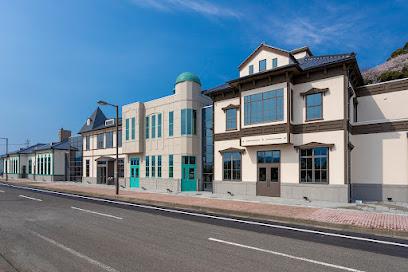
Kanegasakigu
1.1 km
Discover Kanegasakigu Shrine in Tsuruga: Where history, love, and stunning cherry blossoms create an unforgettable experience.
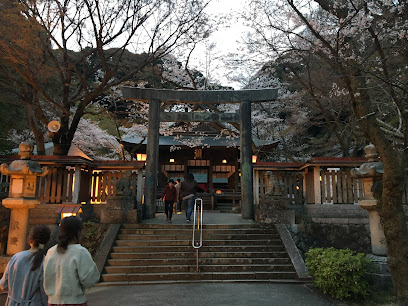
Kehi no Matsubara
2.1 km
Discover Kehi no Matsubara: A scenic coastal escape with stunning pine forests, sandy beaches, and serene walking trails in Tsuruga, Fukui.
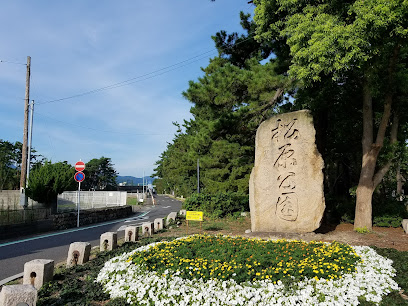
Jōgū Shrine
5.7 km
Discover tranquility at Jōgū Shrine in Tsuruga, a serene Shinto sanctuary rich in cultural heritage and natural beauty, perfect for spiritual reflection.
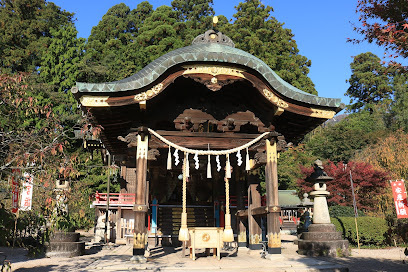
Tenoura Beach Resort
6.6 km
Escape to Tenoura Beach Resort in Tsuruga for serene shores, clear waters, and a tranquil retreat on the Sea of Japan coastline.
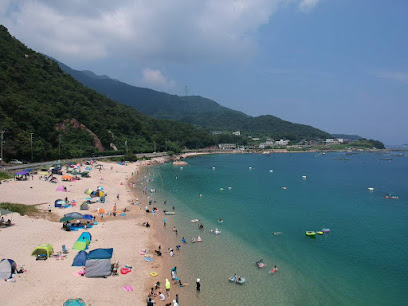
Suishohama Beach (Diamond Beach)
9.4 km
Experience the serene beauty of Suishohama Beach, a pristine public beach in Fukui, Japan, perfect for sunbathing, swimming, and relaxation.
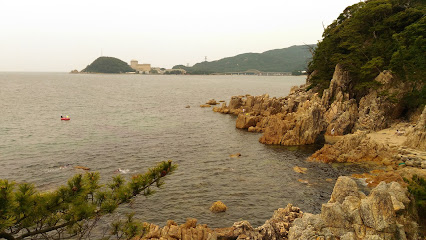
Diamond Long beach
9.4 km
Discover Diamond Long Beach in Fukui: Pristine sands, crystal waters, and breathtaking sunsets await in this coastal paradise.
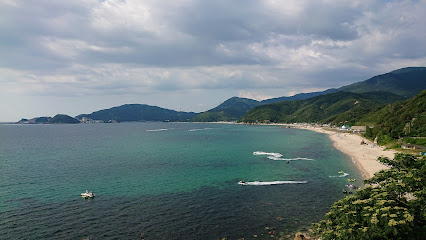
Fukui Prefectural Varve Museum
19.3 km
Explore 70,000 years of geological history at the Fukui Prefectural Varve Museum, home to the world-renowned Lake Suigetsu varves.
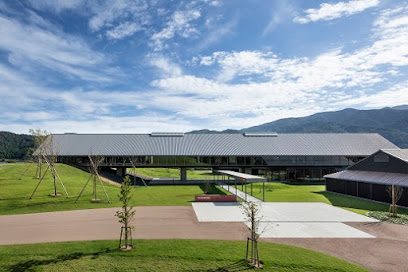
Wakasa-Mikata Museum of Jomon Period, DOKIDOKI
19.3 km
Explore ancient Japanese history at the Wakasa-Mikata Jomon Museum, home to artifacts and exhibits from the fascinating Jomon period.
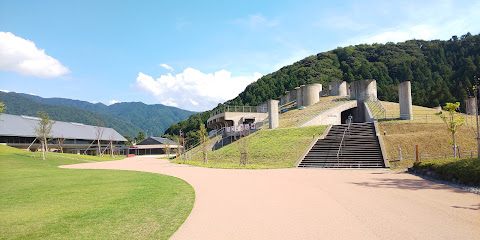
Goko Terrace
19.5 km
Discover the breathtaking views and serene beauty of Goko Terrace, a must-visit observation deck in Wakasa, Japan.
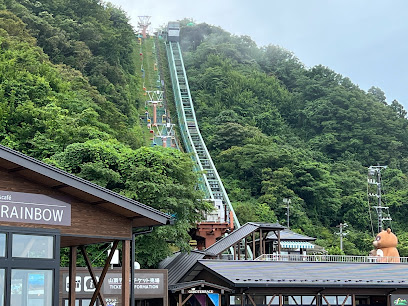
Rainbow Line Summit Park
19.5 km
Experience breathtaking views and nature's tranquility at Rainbow Line Summit Park in Fukui, Japan.
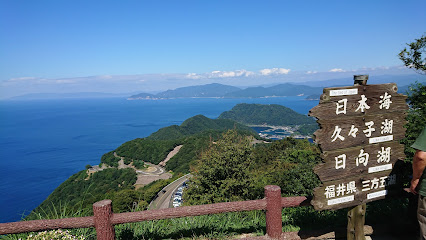
Essential places to dine

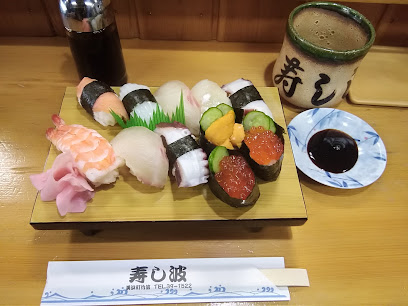
Sushi Nami
10.0 km
Discover authentic sushi and traditional Japanese cuisine at Sushi Nami in Mihama, Fukui—an unforgettable culinary experience awaits.
The Gran Resort Mikatagoko
15.8 km
Discover tranquility at The Gran Resort Mikatagoko – where authentic Japanese cuisine meets serene landscapes in Fukui.
Kohan
20.1 km
Discover the exquisite flavors of unagi at Kohan in Wakasa – a true taste of Japan's culinary heritage amidst stunning natural beauty.
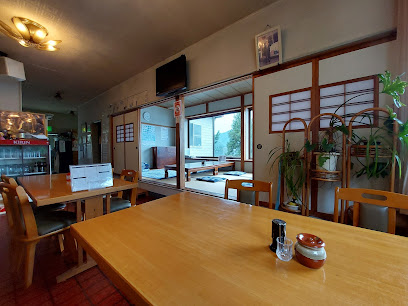
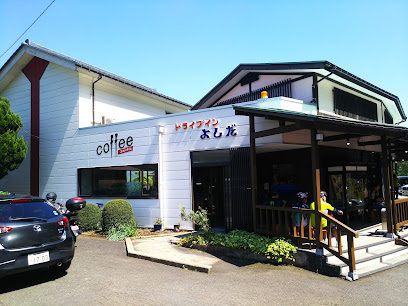
Drive-In Yoshida
20.3 km
Experience authentic Japanese cuisine at Drive-In Yoshida, where flavor meets convenience in beautiful Wakasa.
Hatago Okeya
30.1 km
Discover authentic Japanese seafood at Hatago Okeya – where tradition meets flavor in every bite.
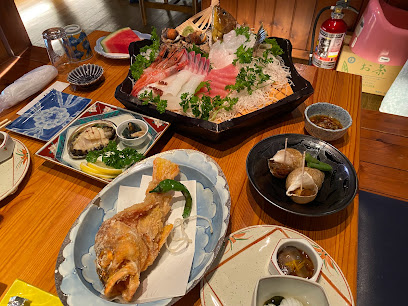
Suchi Ichi
32.7 km
Discover authentic Japanese flavors at Suchi Ichi - your go-to sushi restaurant in Fukutani.
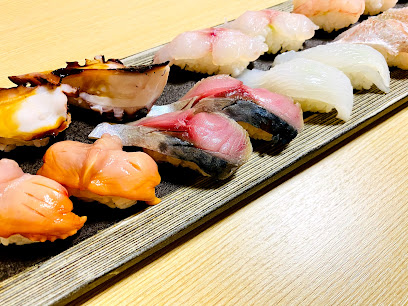
Mimatsu
34.2 km
Discover authentic Japanese cuisine at Mimatsu in Takashima - where fresh ingredients meet exquisite culinary craftsmanship.
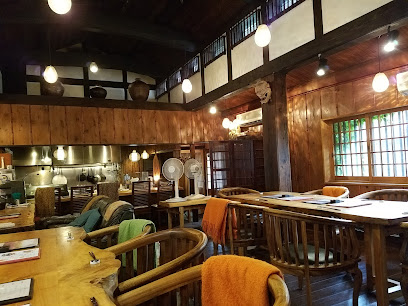
Nishiyama-tei
34.6 km
Indulge in exquisite Teppanyaki at Nishiyama-tei, where master chefs create unforgettable culinary experiences with premium Wakasa Beef.
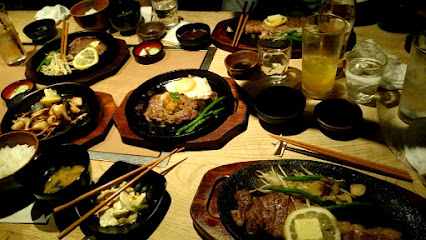
寿し島川/㈲鮨富
34.7 km
Experience the finest sushi at 寿し島川/㈲鮨富 in Obama – where tradition meets taste in every exquisite dish.
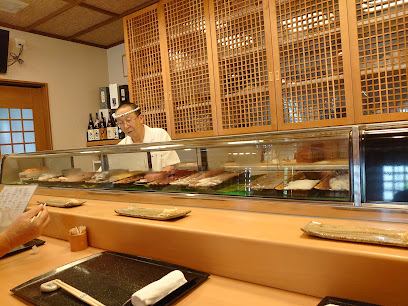
Goemon
34.7 km
Experience authentic Japanese seafood at Goemon in Obama - where freshness meets tradition.
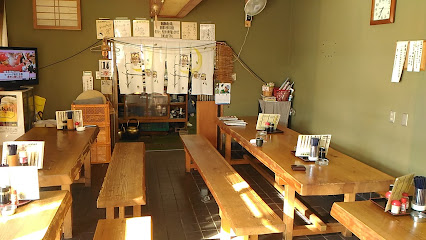
Toretore Sushi
34.8 km
Experience authentic Japanese flavors at Toretore Sushi in Obama—where fresh ingredients meet traditional culinary art.
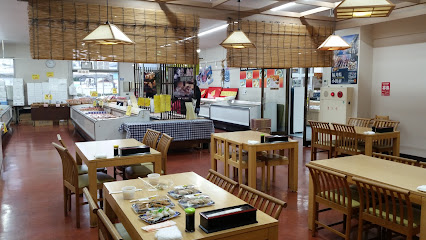
Wakasa Fisherman's Wharf
34.8 km
Discover fresh seafood delights at Wakasa Fisherman's Wharf, where culinary traditions meet coastal charm in Obama, Fukui.
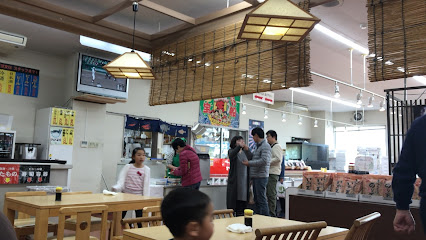
Kaikoen
34.8 km
Experience authentic Japanese cuisine at Kaikoen in Obama; savor fresh seafood and traditional dishes with stunning harbor views.
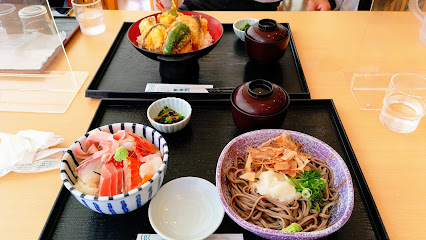
Kirakutei
35.0 km
Experience authentic Japanese flavors at Kirakutei in Obama – a seafood lover's paradise where every dish tells a story.
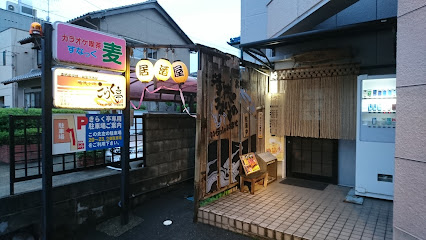
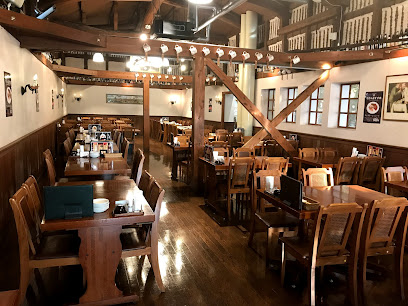
Nagahama Roman Beer
35.5 km
Discover the art of brewing at Nagahama Roman Beer, where local flavors meet handcrafted excellence in every sip.
Markets, malls and hidden boutiques

Shadi Saradakanmihamaten
13.0 km
Explore unique gifts and local fashion at Shadi Saradakanmihamaten, a charming gift shop in Fukui, Japan.
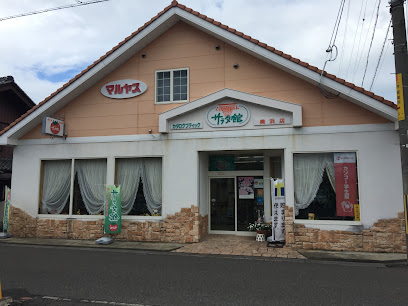
Kansendo
13.6 km
Explore Kansendo in Mihama, Fukui, for an authentic taste of Japanese confectionery and a charming cultural experience.
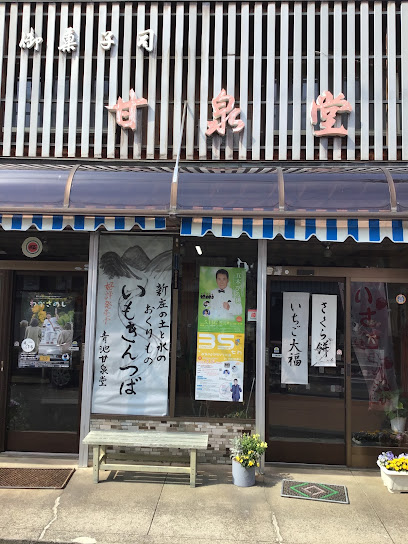
Oka Liquor Store
13.7 km
Explore the rich flavors of Fukui at Oka Liquor Store, where local spirits and international selections await every traveler.
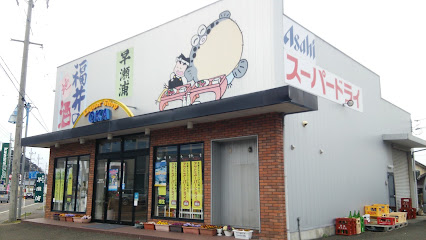
Ministop Wakasa Mihama
14.4 km
Visit Ministop Wakasa Mihama for 24/7 convenience, offering snacks, drinks, and ATM access to enhance your travel experience in Mihama.
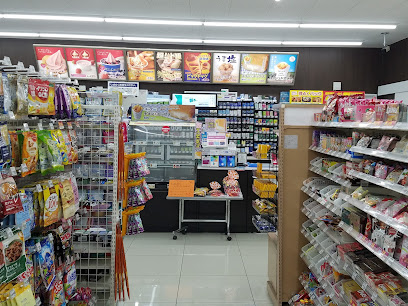
Aurora
15.5 km
Discover the cozy charm of Aurora in Mihama, where rich coffee blends and inviting ambiance create the perfect retreat for travelers.
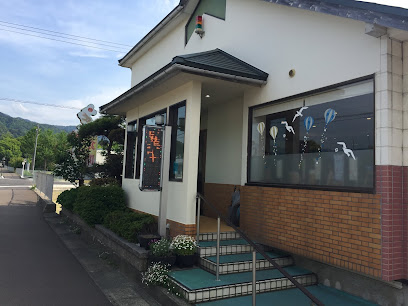
Ardennes Kanamori
17.5 km
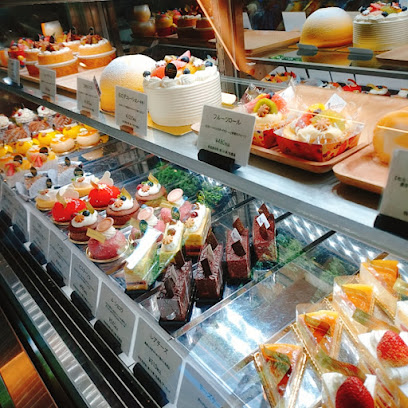
Explore the delectable world of Ardennes Kanamori, where exquisite cakes and desserts meet the charm of Wakasa's scenic beauty.
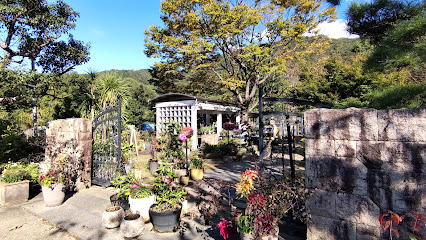
Landscape Garden
18.8 km
Explore the breathtaking beauty of Landscape Garden, a serene retreat in Fukui, Japan, perfect for nature lovers and peace seekers alike.
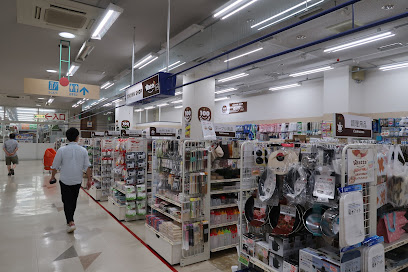
100円ショップ ワッツウィズ 三方ショッピングセンターレピア店
19.0 km
Discover unbeatable value and unique finds at 100円ショップ ワッツウィズ, your go-to dollar store in Wakasa, Japan.
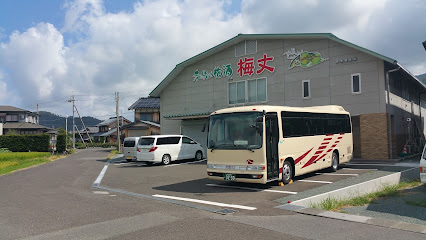
Eco Farm Mikata Plum Liquor Plant
19.1 km
Explore the rich flavors of plum liquor at Eco Farm Mikata, a unique destination in Fukui Prefecture, Japan.
Rainbow Shop NIJIIRO
19.3 km
Explore the charm of Rainbow Shop NIJIIRO in Mihama, offering unique local souvenirs that capture the essence of Japan.
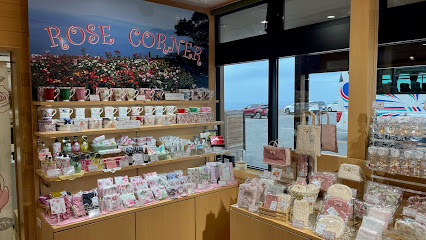
Roadside Station MIKATAGOKO
19.5 km
Experience the essence of Wakasa at Roadside Station MIKATAGOKO, your perfect stop for local souvenirs and travel insights.
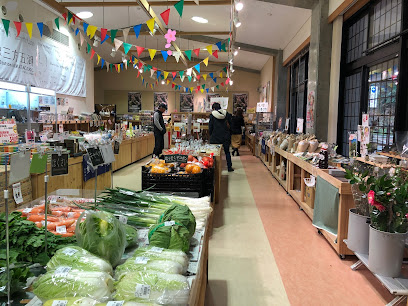
Tobiuo
19.6 km
Discover the freshest seafood at Tobiuo in Wakasa, a must-visit fish store for culinary enthusiasts and tourists alike.
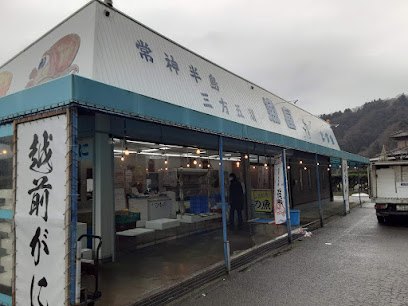
Kokoiro
25.5 km
Discover Kokoiro, a charming cafe in Wakasa, where exquisite coffee and serene ambiance meet local culture for a perfect escape.
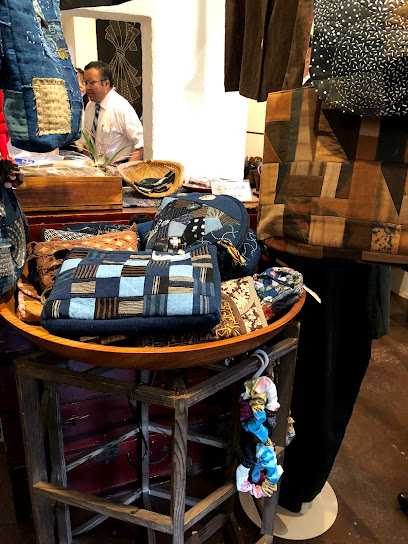
Heiwado Wani
56.5 km
Explore Heiwado Wani in Otsu – a vibrant supermarket offering local and international delicacies and an authentic taste of Japan.
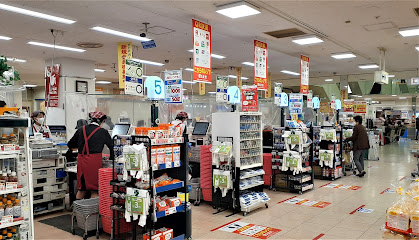
Kitekana JA Green Omi Farmers Market
57.0 km
Discover fresh, organic produce and local delicacies at Kitekana JA Green Omi Farmers Market in Omihachiman, Shiga - a true taste of Japan.
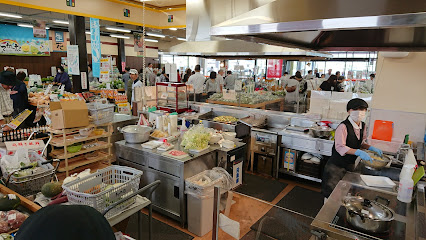
Essential bars & hidden hideouts

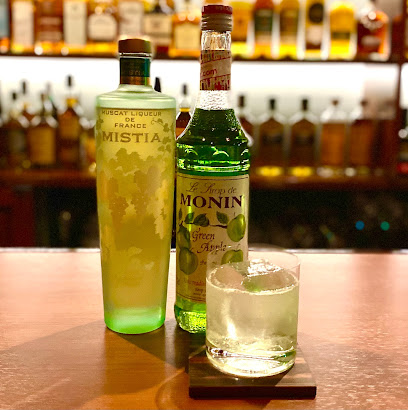
Cocktail&Whisky夜長
0.2 km
Discover the charm of Cocktail&Whisky夜長, Tsuruga's premier bar for cocktail and whisky enthusiasts, offering an unforgettable night out.
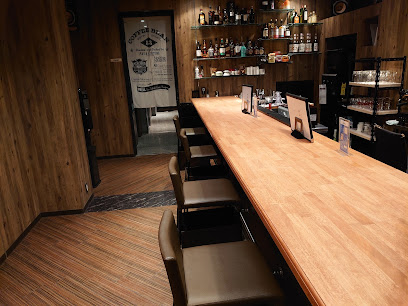
Tama
0.2 km
Experience the perfect blend of local flavors and vibrant atmosphere at Tama, a charming bar and cafe in Tsuruga, Fukui.
Light
0.3 km
Experience the best of Tsuruga's nightlife at Light, where delicious ramen meets a delightful dessert buffet in a vibrant bar atmosphere.
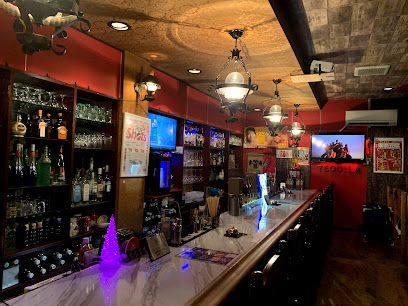
Brick House
13.6 km
Experience the unique flavors of Brick House in Mihama, where delightful pastries meet aromatic coffee in a cozy café setting.
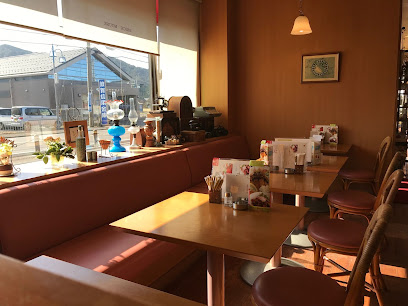
51Bar Uragawa
13.7 km
Discover 51Bar Uragawa in Mihama, Fukui—a vibrant bar where exquisite drinks meet a lively atmosphere for an unforgettable night out.
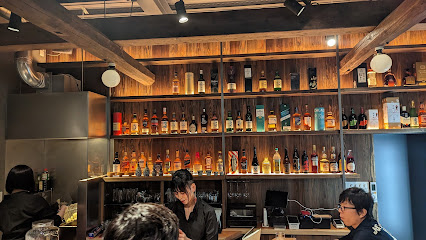
Anagura Momonji
13.9 km
Anagura Momonji: A Cozy Izakaya Experience in Mihama, Serving Authentic Japanese Cuisine and Drinks in a Welcoming Atmosphere.
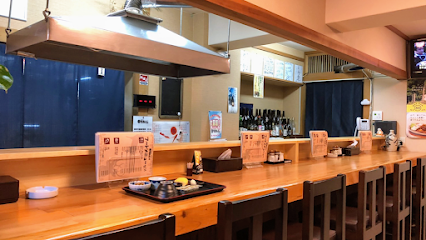
Mihama Shokudo
15.5 km
Discover authentic Japanese flavors at Mihama Shokudo, a charming Syokudo restaurant in the scenic town of Mihama, Fukui.
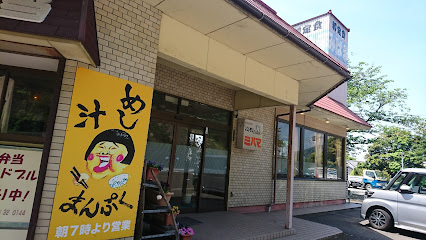
Woody papa
16.4 km
Experience the taste of authentic wood-fired pizza at Woody Papa in Mihama, where fresh ingredients meet Italian tradition.
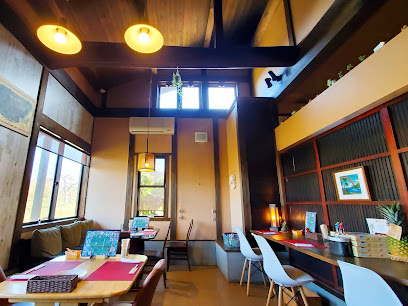
raito house
18.1 km
Experience the authentic taste of Japan at Raito House, a charming restaurant in Wakasa offering delightful local flavors.
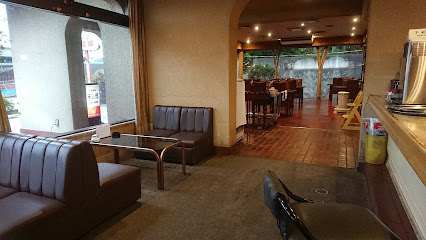
Kirayama Chaya
18.6 km
Experience the charm and exquisite flavors of Kirayama Chaya, a delightful café and dessert restaurant in the heart of Wakasa, Fukui.
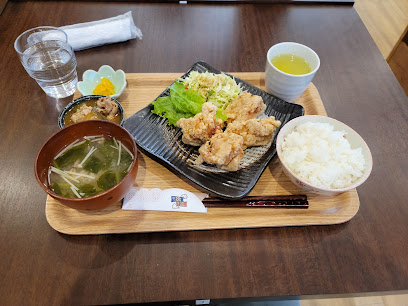
ももhana
18.9 km
Discover the essence of Japanese izakaya culture at ももhana, where flavors unite in a cozy, communal setting.
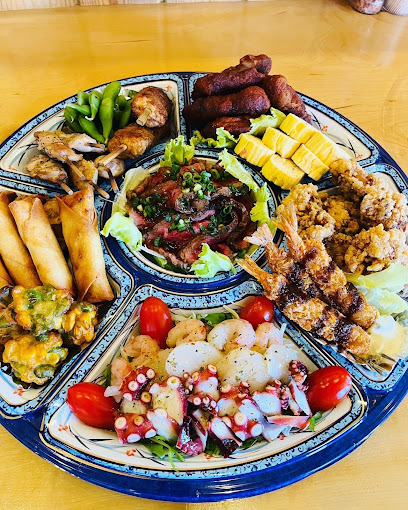
Mikata Hidamari
19.0 km
Discover Mikata Hidamari in Fukui: An authentic izakaya offering traditional Japanese dishes in a cozy and inviting atmosphere.
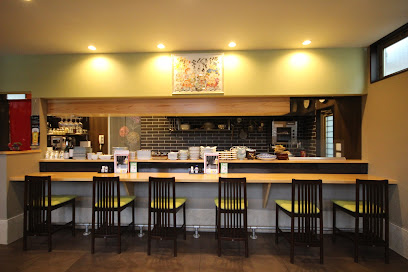
Rainbow Cafe
19.3 km
Experience the delightful fusion of local flavors and vibrant dishes at Rainbow Cafe in Mihama, Fukui.
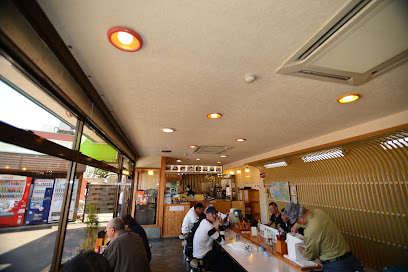
Sata Cafe
20.6 km
Experience the flavors of Fukui at Sata Cafe, where traditional Japanese cuisine meets a warm, inviting atmosphere in beautiful Wakasa.
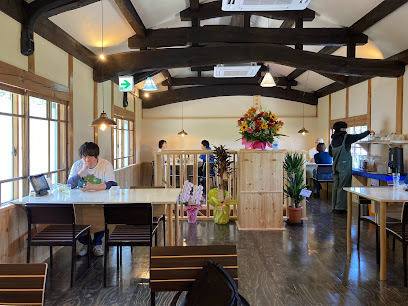
Yamada
21.3 km
Experience authentic Japanese cuisine at Yamada, a welcoming Syokudo and Teishoku restaurant in the heart of Wakasa, Fukui.
Nightclubs & after hour spots

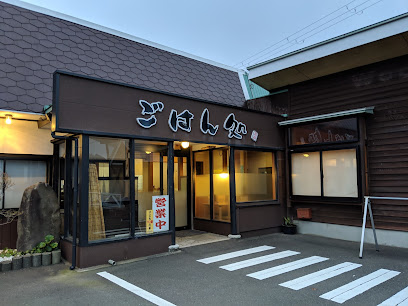
CHARMY BAR
28.8 km
Experience the unique charm of Echizen at Charmy Bar, where delightful drinks and a warm atmosphere await every traveler.
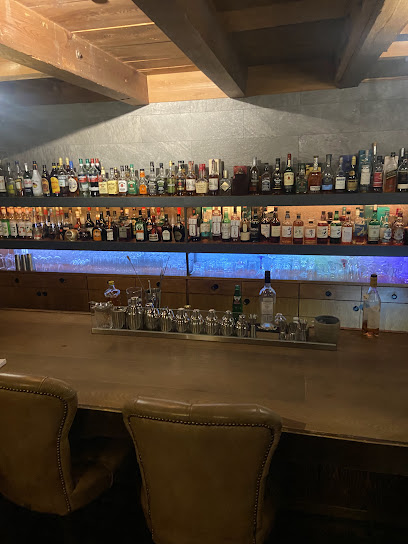
THE BAR 灯火
47.3 km
Discover THE BAR 灯火 in Fukui, where a cozy atmosphere meets exquisite drink selection for an unforgettable evening experience.
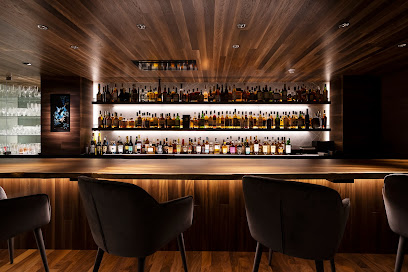
ラウンジ夜来香
74.9 km
Discover the essence of Gujo's nightlife at ラウンジ夜来香, a lively lounge blending local culture with modern entertainment for an unforgettable experience.
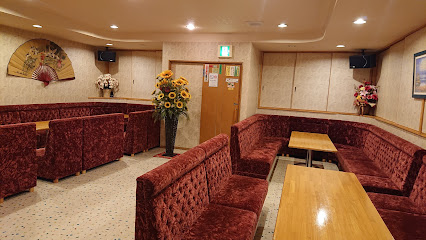
KARAOKE & BAR Maria
75.3 km
Experience the lively nightlife of Gujo at Karaoke & Bar Maria, where singing, drinks, and fun come together in a vibrant atmosphere.
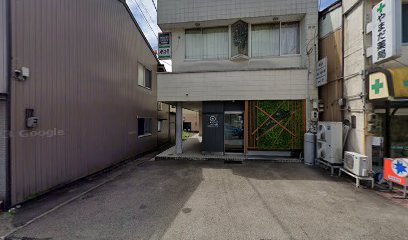
CLUB METRO
76.0 km
Discover the electric nightlife of Kyoto at CLUB METRO, a vibrant night club offering eclectic music and unforgettable performances.
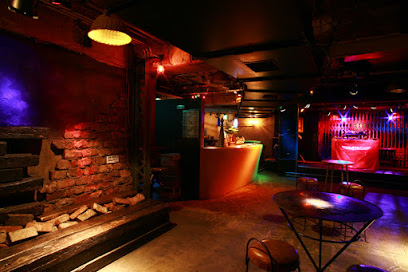
West Harlem
77.0 km
Discover the vibrant nightlife of West Harlem, a unique night club in Kyoto, where local music and a lively atmosphere come together for an unforgettable experience.
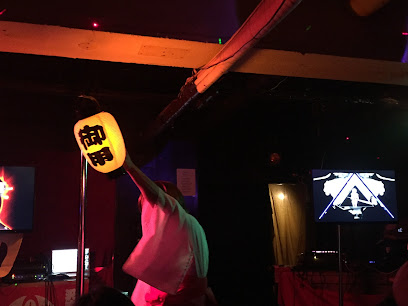
THE PINK KYOTO
77.0 km
Discover the heartbeat of Kyoto's nightlife at The Pink Kyoto, where unforgettable nights and vibrant energy await every visitor.
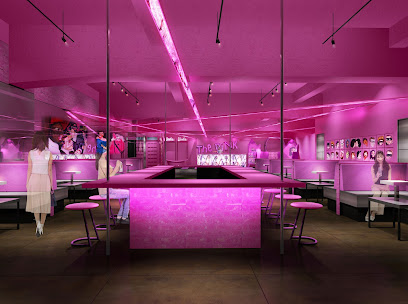
KITSUNE KYOTO
77.0 km
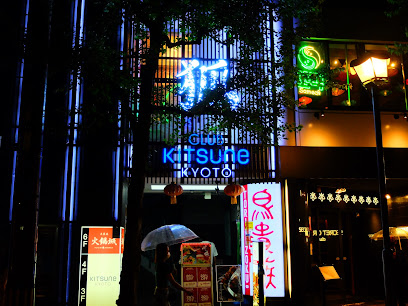
Dive into the electrifying nightlife of KITSUNE KYOTO, where vibrant music and exceptional atmosphere meet in the heart of Kyoto.
Club CK Discotheque Kyoto
77.0 km
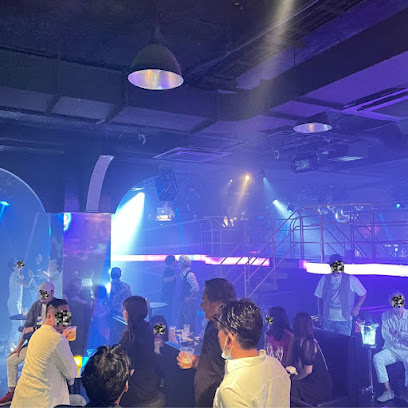
Discover the electrifying nightlife of Kyoto at Club CK Discotheque, a premier destination for dancing, drinks, and unforgettable entertainment.
BABEL KYOTO
77.0 km
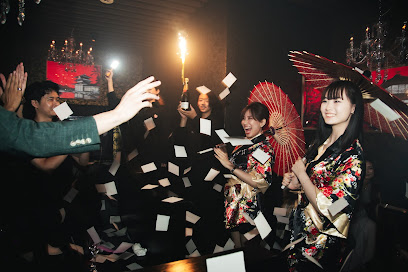
Discover the vibrant nightlife at BABEL KYOTO, where electrifying music, stunning ambiance, and unforgettable experiences await every night.
Cabaret (formerly BAR Baaru)
77.1 km
Experience Kyoto's nightlife at Cabaret, a lively bar offering cocktails, karaoke, and live music in a vibrant and welcoming atmosphere.
Octave
77.1 km
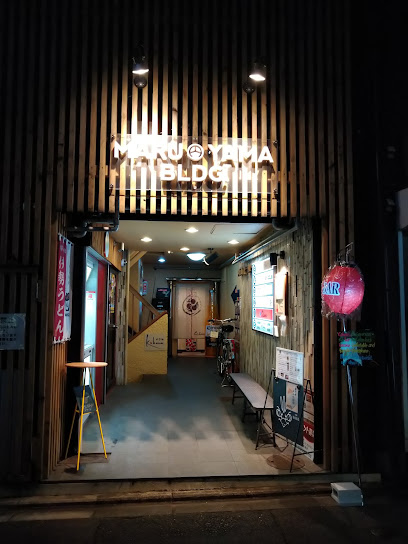
Discover Octave, the pulse of Kyoto's nightlife, where cocktails flow and music ignites the dance floor in a vibrant atmosphere.
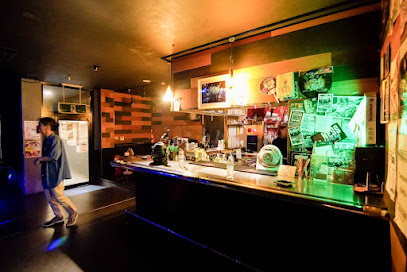
KYOTO Chambers
77.1 km
Immerse yourself in the electrifying nightlife of Kyoto at KYOTO Chambers, where unforgettable experiences await in a stylish setting.
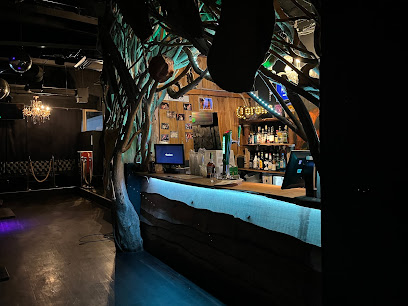
Maharaja
77.2 km
Experience the electric nightlife of Kyoto at Maharaja, where dancing and vibrant rhythms create unforgettable memories.
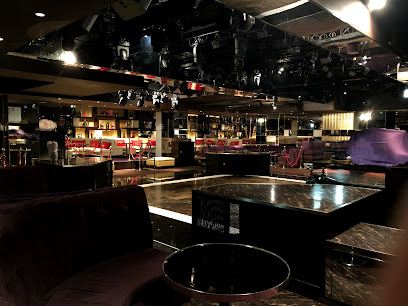
京都フィリピン Lounge Infinity
77.2 km
Experience Kyoto's nightlife at Lounge Infinity, a stylish night club in Gion, where tradition meets modern entertainment and unforgettable memories await.