

Free Wakasa Travel Guide & Mobile App
Explore Wakasa with free travel guides. Discover regional history, expert tips, proposed trips, and audio guides on web or mobile app.


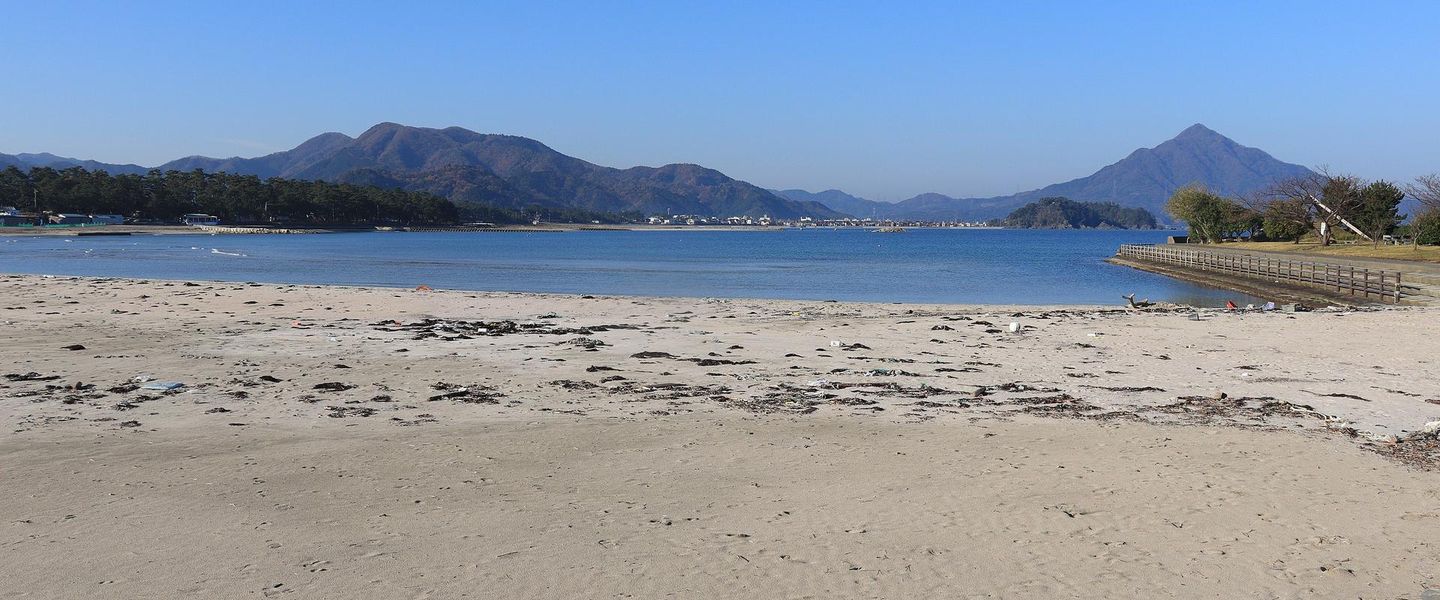


Explore Wakasa in western Japan for Obama’s sea heritage, sacred temples, the Saba Kaido, rugged coastlines, beaches and fresh seafood.
Read more about Wakasa
When is the best time to visit Wakasa?
Best: April–May, October · 19–24°C| Month | High (°C) | Rainfall (mm) |
|---|---|---|
| January | 8 | 90 |
| February | 9 | 80 |
| March | 13 | 100 |
| April (best) | 19 | 110 |
| May (best) | 24 | 120 |
| June | 29 | 160 |
| July | 33 | 210 |
| August | 33 | 170 |
| September | 29 | 210 |
| October (best) | 23 | 140 |
| November | 16 | 120 |
| December | 10 | 110 |
Getting to and around Wakasa
How to get there
Transportation
Best attractions in Wakasa
Wakasa’s attractions are spread between a historic port, wooded valleys and a heavily indented coastline. In Obama, visitors can explore the Saba Kaido Museum, traditional streets, seafood culture and collections connected with the town’s former role as a gateway to Kyoto. The inland town of Wakasa offers access to Kumagawa-juku, whose old buildings and route markers evoke the transport of salted mackerel through the mountains. Religious heritage is particularly strong at Myotsuji Temple and Jinguji, where important wooden architecture and Buddhist images stand in quiet rural settings. Along the coast, boat excursions to the Sotomo Cliffs reveal granite formations shaped by the Sea of Japan, while the beaches around Takahama and Oi are used for seasonal swimming and seaside recreation. The wider Wakasa landscape also supports walking, cycling, fishing and scenic drives, with the Mikata Five Lakes near Mihama providing another distinctive waterscape within the broader region. Weather and transport distances make a measured itinerary worthwhile: the appeal lies in moving between small-scale cultural sites, fishing communities, temples, coves and mountain roads rather than visiting a single concentrated attraction zone.
-
Tourist attraction
Tojinbo
Explore the dramatic Tojinbo Cliffs: a natural wonder sculpted by time and legend on the Sea of Japan coast in Fukui.
-
Tourist attraction
Naminoue Shrine
Discover Okinawa's spiritual heart at Naminoue Shrine: a cliffside sanctuary blending Ryukyuan tradition and stunning ocean views.
-
Tourist attraction
Kurokabe Square
Explore Kurokabe Square in Nagahama: A historic district with stunning glass art, craft workshops, and local culinary delights.
-
Tourist attraction
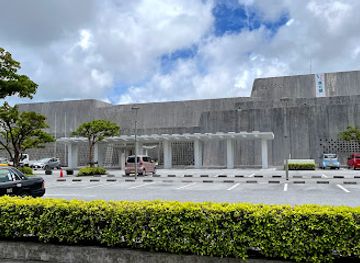
Okinawa Prefectural Museum & Art Museum
Discover Okinawa's rich history, culture, and art at this modern museum complex in Naha, featuring diverse exhibits and collections.
Best landmarks in Wakasa
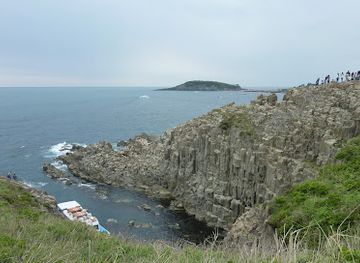
The most recognisable natural landmark in Wakasa is the Sotomo Cliffs, a line of sea-carved granite formations and caves on the Obama coast whose scale is best understood from a sightseeing boat when conditions allow. In the inland valleys, Kumagawa-juku preserves the linear form of a former post town on the Saba Kaido, with traditional buildings and streets that reflect its role in long-distance trade. Myotsuji Temple is distinguished by its historic pagoda and wooden halls, while Jinguji is significant for its temple architecture and surviving traces of the region’s blended religious traditions. Obama’s historic temple districts and former merchant areas recall the port’s importance, even though Obama Castle itself no longer survives as a complete structure. The coast near Takahama and Oi contributes another class of landmark: long beaches, rocky headlands and views across Wakasa Bay that define the region geographically. Near Mihama, the Mikata Five Lakes form a contrasting inland waterscape, with separate lakes linked by waterways and framed by low mountains.
-
Castle
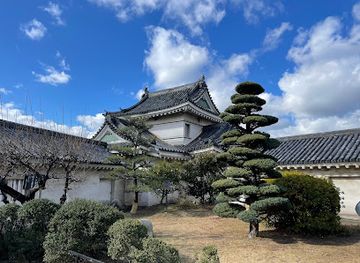
Wakayama Castle
Explore Wakayama Castle, a majestic Japanese fortress offering stunning views, rich history, and beautiful gardens in the heart of Wakayama.
-
Scenic spot
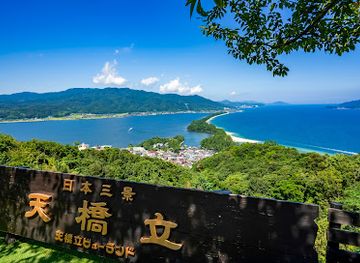
Amanohashidate
Discover the serene beauty of Amanohashidate, a stunning sandbar in Kyoto, known for its breathtaking views and tranquil landscapes.
-
Scenic spot
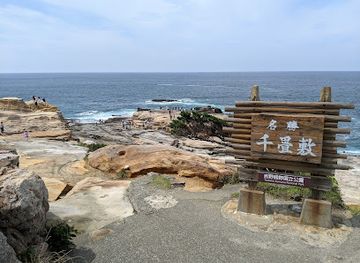
Senjojiki Rock Plateau
Discover the stunning vistas of Senjojiki Rock Plateau in Wakayama, Japan - a must-visit scenic spot with delicious seafood and unique souvenirs.
-
Historical landmark
Ichijōdani Asakura Ruins
Explore the historic Ichijōdani Asakura Ruins, a captivating glimpse into Japan's Sengoku period, surrounded by stunning landscapes.
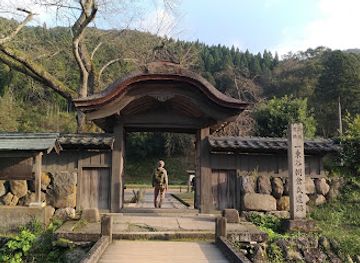
Explore Wakasa on the map
Plan your trip on one map. See where the top cities, national parks and sights are, and book hotels and experiences in a few clicks.
Best hotels in Wakasa
Best restaurants in Wakasa
Wakasa dining is anchored in the produce of Wakasa Bay and the agricultural valleys behind it. Mackerel is the emblematic ingredient, recalling the preserved fish once carried towards Kyoto along the Saba Kaido, and may appear grilled, marinated, pressed into sushi or prepared in other local styles. Seasonal crab, sea urchin, oysters, white fish and other catches feature in restaurants and traditional Japanese inns, while locally grown rice provides the basis for sushi and set meals. Obama has the broadest choice of seafood restaurants, cafés and informal eateries, but smaller coastal towns and rural villages also offer meals centred on the day's catch. Ryokan dining can be an important part of a stay, especially when seasonal seafood is served as a sequence of carefully prepared dishes. Visitors should also look for local pickles, fermented foods, vegetables and regional sweets rather than assuming that Wakasa cuisine is exclusively maritime. Menus vary by season, and advance arrangements are sensible at smaller inns.
-
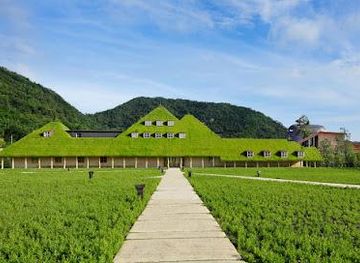
Confectionery store
La Collina Ōmi-Hachiman
Discover Taneya's flagship wonderland of grass-roofed architecture, freshly baked baumkuchen, sustainable gardens, and serene satoyama views at the base of Mount Hachiman.
-
Restaurant
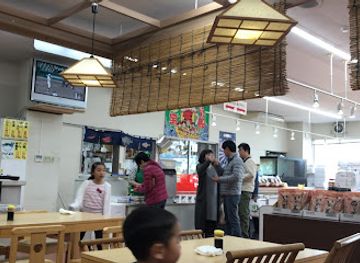
Wakasa Fisherman's Wharf
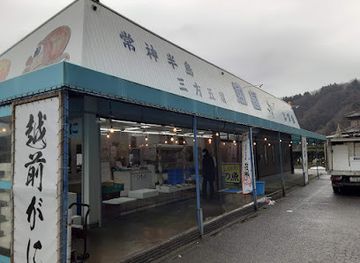
Discover fresh seafood delights at Wakasa Fisherman's Wharf, where culinary traditions meet coastal charm in Obama, Fukui.
-
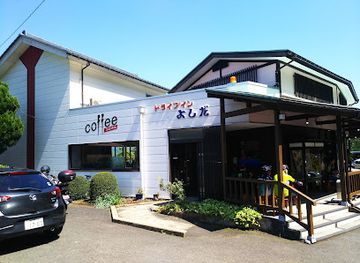
Restaurant
Drive-In Yoshida
Experience authentic Japanese cuisine at Drive-In Yoshida, where flavor meets convenience in beautiful Wakasa.
-
Seafood
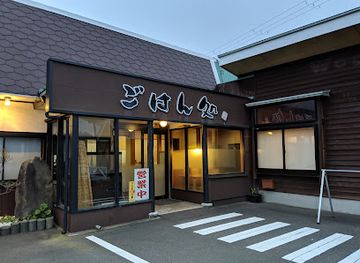
Goemon
Experience authentic Japanese seafood at Goemon in Obama - where freshness meets tradition.
Best bars in Wakasa
Wakasa has a modest, locally oriented evening scene rather than a concentrated nightlife district. In Obama, evenings commonly centre on small izakaya, seafood restaurants, sake-focused establishments and traditional bars around the town centre, where the atmosphere is shaped by local dining rather than late-night clubbing. Coastal towns such as Takahama and Oi become busier during the summer beach season, with accommodation venues and casual restaurants providing evening options, but quieter months can be subdued. Rural Wakasa is better suited to a meal at a minshuku or ryokan, a drink with dinner or an early night than to bar-hopping. Visitors should not assume that small establishments accept cards or English-speaking customers, and hotel staff can often explain local options. Regional sake and other Japanese drinks may accompany food, but enjoying Wakasa’s evening culture does not depend on alcohol.
-
Park
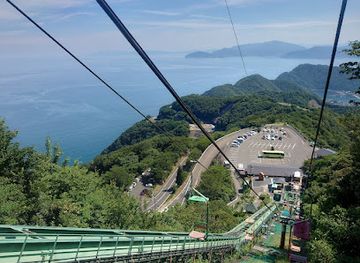
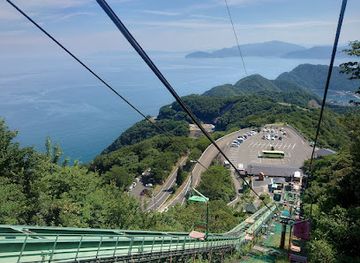
Rainbow Line Summit Park
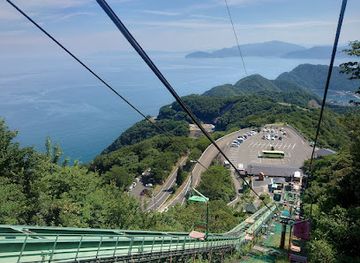
Experience nature's splendor at Rainbow Line Summit Park with stunning views, vibrant flowers, and serene pathways in Fukui, Japan.
-
Restaurant
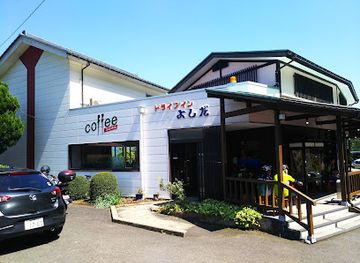
Drive-In Yoshida
Experience the unique drive-in dining at Drive-In Yoshida, where authentic Japanese flavors meet stunning natural landscapes in Fukui.
-
Syokudo and Teishoku restaurant
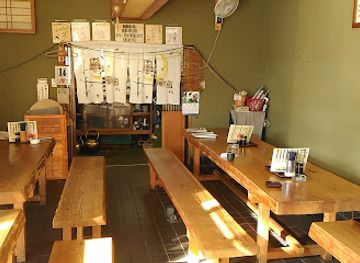
Yamada
Experience authentic Japanese cuisine at Yamada, a welcoming Syokudo and Teishoku restaurant in the heart of Wakasa, Fukui.
-
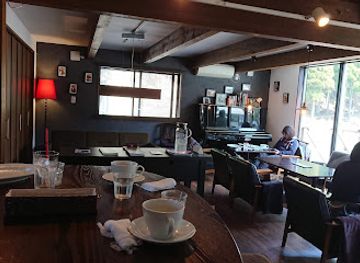
Cafe
Saba*Cafe
Experience the charm of Saba*Cafe in Wakasa, where fresh ingredients and a cozy atmosphere create the perfect culinary escape for travelers.
Best nightclubs in Wakasa
Wakasa has a modest, locally oriented evening scene rather than a concentrated nightlife district. In Obama, evenings commonly centre on small izakaya, seafood restaurants, sake-focused establishments and traditional bars around the town centre, where the atmosphere is shaped by local dining rather than late-night clubbing. Coastal towns such as Takahama and Oi become busier during the summer beach season, with accommodation venues and casual restaurants providing evening options, but quieter months can be subdued. Rural Wakasa is better suited to a meal at a minshuku or ryokan, a drink with dinner or an early night than to bar-hopping. Visitors should not assume that small establishments accept cards or English-speaking customers, and hotel staff can often explain local options. Regional sake and other Japanese drinks may accompany food, but enjoying Wakasa’s evening culture does not depend on alcohol.
-
Park
Rainbow Line Summit Park
Experience breathtaking views and nature's tranquility at Rainbow Line Summit Park in Fukui, Japan, a perfect retreat for all nature enthusiasts.
-
Night club
TK
Discover Tokyo's vibrant nightlife at TK Night Club, where electrifying music and an exhilarating atmosphere await in the heart of Shibuya.
-
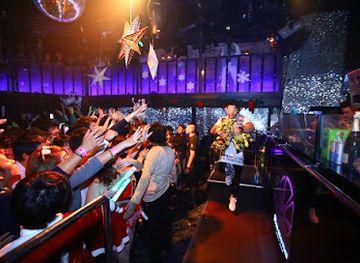
Night club
Kujira Entertainment
Experience Tokyo's vibrant nightlife at Kujira Entertainment, where exquisite cocktails, modern izakaya dining, and electrifying entertainment await.
-
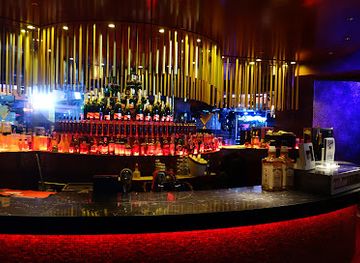
Night club
Ammona
Immerse yourself in Osaka's nightlife at Ammona, a vibrant night club offering electrifying music, delicious cocktails, and an unforgettable experience.

Best shops in Wakasa
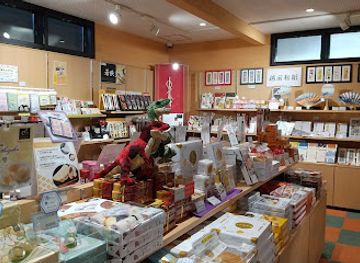
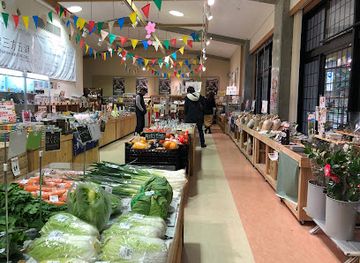
Shopping in Wakasa is closely tied to food, heritage and small-town streets rather than large retail complexes. Obama is the best place to look for packaged mackerel products, seafood, local pickles, rice-based foods, Japanese sweets and gifts connected with the Saba Kaido. Its traditional areas also contain small craft, pottery and souvenir businesses, although opening arrangements can vary. In Kumagawa-juku, visitors may find locally produced foods and heritage-oriented shops reflecting the post town’s historic role, while farmers’ stalls and roadside shops in the rural valleys sell seasonal vegetables, rice and processed produce. Coastal communities offer seafood products and practical beach-season goods rather than a broad fashion or luxury selection. Markets and shops outside the main towns may operate at limited times, so it is sensible to make purchases during daytime visits and carry cash. For distinctive souvenirs, prioritise regional food, ceramics, textiles and small craft items over generic tourist merchandise.
-
Observation deck
Goko Terrace
Discover the breathtaking views and serene landscapes at Goko Terrace, a must-visit observation deck in Wakasa, Japan.
-
Park
Rainbow Line Summit Park
Experience the breathtaking beauty and tranquility of Rainbow Line Summit Park, a hidden gem in Fukui, Japan, perfect for nature lovers and families.
-
Toll road rest stop
Roadside Station MIKATAGOKO
Experience the essence of Wakasa at Roadside Station MIKATAGOKO, your perfect stop for local souvenirs and travel insights.
-
Fish store
Tobiuo
Discover the freshest seafood at Tobiuo in Wakasa, a must-visit fish store for culinary enthusiasts and tourists alike.
Get your free copy of our complete guide to Wakasa, delivered straight to you.
Everything on this page, from attractions and restaurants to essentials and local phrases, in one PDF you can read offline, print or share.
Already have an account? Sign in
Your Wakasa guide is ready.
We'll send it to · Not you? Sign out

Getting your guide ready…
We are putting together a fresh copy of the Wakasa guide. This can take up to a minute.
This can take a few moments. If your browser asks, choose Allow so the download can start. You'll find the guide in your Downloads folder.
Nothing happened? Download it again
Sorry, the guide is taking longer than usual. Please try again in a minute, or get it by email instead.
Wakasa essentials
Currency and Payment
Safety
Emergency Situations
Do's and Don'ts
Local Tips
From Eve
Local phrases worth knowing
You don't need to get them perfect. A few words go a long way, and locals appreciate the effort.
Basics
| English | Local | Say it |
|---|---|---|
| Hello | こんにちは | [Konnichiwa] |
| Goodbye | さようなら | [Sayōnara] |
| Yes | はい | [Hai] |
| No | いいえ | [Iie] |
| Please/You're welcome | お願いします | [Onegaishimasu] |
| Thank you | ありがとう | [Arigatou] |
| Excuse me/Sorry | すみません | [Sumimasen] |
| How are you? | お元気ですか? | [Ogenki desu ka?] |
| Fine. And you? | 元気です。あなたは? | [Genki desu. Anata wa?] |
| Do you speak English? | 英語は話せますか? | [Eigo wa hanasemasu ka?] |
| I don't understand | わかりません | [Wakarimasen] |
Eating & Drinking
| English | Local | Say it |
|---|---|---|
| I'd like to see the menu, please | メニューを見せてください | [Menū o misete kudasai] |
| I don't eat meat | 肉は食べません | [Niku wa tabemasen] |
| Cheers! | 乾杯! | [Kanpai!] |
| I would like to pay, please | お会計をお願いします | [Okaikei o onegaishimasu] |
Emergencies
| English | Local | Say it |
|---|---|---|
| Help! | 助けて! | [Tasukete!] |
| Go away! | どいて! | [Doite!] |
| Call the Police! | 警察を呼んで! | [Keisatsu o yonde!] |
| Call a doctor! | 医者を呼んで! | [Isha o yonde!] |
| I'm lost | 道に迷いました | [Michi ni mayoimashita] |
| I'm ill | 具合が悪いです | [Guai ga warui desu] |
Shopping
| English | Local | Say it |
|---|---|---|
| I'd like to buy... | …を買いたいです | [… o kaitai desu] |
| I'm just looking | 見ているだけです | [Mite iru dake desu] |
| How much is it? | これはいくらですか? | [Kore wa ikura desu ka?] |
| That's too expensive | それは高すぎます | [Sore wa takasugimasu] |
| Can you lower the price? | 値段を下げてもらえますか? | [Nedan o sagete moraemasu ka?] |
Time & Numbers
| English | Local | Say it |
|---|---|---|
| What time is it? | 今何時ですか? | [Ima nanji desu ka?] |
| It's one o'clock | 1時です | [Ichi-ji desu] |
| Half past (10) | 10時半です | [Jū-ji han desu] |
| Morning | 朝 | [Asa] |
| Afternoon | 午後 | [Gogo] |
| Evening | 夕方 | [Yūgata] |
| Yesterday | 昨日 | [Kinō] |
| Today | 今日 | [Kyō] |
| Tomorrow | 明日 | [Ashita] |
| 1 | 1 | [Ichi] |
| 2 | 2 | [Ni] |
| 3 | 3 | [San] |
| 4 | 4 | [Shi] |
| 5 | 5 | [Go] |
| 6 | 6 | [Roku] |
| 7 | 7 | [Nana] |
| 8 | 8 | [Hachi] |
| 9 | 9 | [Kyū] |
| 10 | 10 | [Jū] |
Transport & Directions
| English | Local | Say it |
|---|---|---|
| Where's a/the...? | …はどこですか? | [… wa doko desu ka?] |
| What's the address? | 住所は何ですか? | [Jūsho wa nan desu ka?] |
| Can you show me (on the map)? | 地図で見せてくれますか? | [Chizu de misete kuremasu ka?] |
| When's the next (bus)? | 次の(バス)はいつですか? | [Tsugi no (basu) wa itsu desu ka?] |
| A ticket (to ....) | …への切符 | [… e no kippu] |
History of Wakasa
Early Settlement and the Ancient Wakasa Province
Wakasa's sheltered bays, rivers and fertile coastal plains supported settlement from prehistoric times, with archaeological evidence showing long maritime connections around the Sea of Japan. Under Japan's ancient provincial system, Wakasa became a recognised province centred on the western part of present-day Fukui Prefecture. Its position between the Japan Sea and the regions around Nara and Kyoto gave it importance beyond its modest population. Salt-making, fishing, rice cultivation and coastal transport formed the foundations of a regional economy that remained influential for centuries.
Seafood, Salt and the Saba Kaido
Wakasa became known as a supplier of seafood and salt to the imperial and aristocratic centres of Kyoto. Mackerel was preserved with salt and carried inland along routes now collectively remembered as the Saba Kaido, or Mackerel Road. The journey linked Obama and other Wakasa ports with Kyoto through mountain settlements, including Kumagawa-juku. Although modern roads and refrigeration transformed the trade, the route remains visible in historic streets, traditional buildings, food culture and walking itineraries across the inland part of the region.
The Growth of Buddhism and Sacred Landscapes
From the medieval period, temples and religious institutions shaped Wakasa's valleys and communities. Myotsuji and Jinguji are especially important survivals: their wooden halls, statues and ritual traditions reflect the long interaction between Buddhism and local forms of worship. Wakasa was not simply a passage for goods; it was also connected to religious networks extending through central Japan. The survival of temple architecture and artworks in rural settings gives the region a historical character distinct from the larger urban centres of Kyoto and Fukui.
Obama Castle Town and the Edo Period
During the Edo period, Obama developed as a castle town and regional port under the rule of the Sakai family, whose domain held strategic importance on the Sea of Japan side. The town's harbour, merchant quarters and roads connected maritime trade with inland administration. Much of the castle itself has disappeared, but the urban pattern, temples, historic residences and museum collections preserve elements of Obama’s past. The period also strengthened the link between local seafood production and the markets of Kyoto.
Modernisation, Railways and Coastal Industry
The nineteenth and twentieth centuries brought administrative reform, improved roads, rail connections and new forms of coastal industry to Wakasa. Fishing remained important, while farming, forestry and small-scale manufacturing continued in the valleys. The opening of modern transport links reduced the isolation of the peninsula and made travel between Obama, Tsuruga, Kyoto and the wider region easier. At the same time, urban growth remained limited, leaving much of Wakasa's coastline and mountain interior comparatively lightly developed.
Wakasa as a Contemporary Coastal Region
Today, Wakasa combines historic tourism, fishing, agriculture, outdoor recreation and seaside leisure. Obama and the surrounding towns promote the Saba Kaido, temple heritage and culinary traditions, while Takahama, Oi and other coastal communities attract visitors to beaches and marine landscapes. The region's modern identity is shaped by its relationship with Wakasa Bay: it is both a working coast and a place where conservation, heritage interpretation and seasonal tourism are increasingly important.
Wakasa in Photos
Browse through our photo collection highlighting the charm and character of the destination.
Neighbouring regions of Wakasa
The closest regions to Wakasa, if you have time for more than one.
-

-

-
-

-


Swipe for more regions
Explore more

Explore more of Japan
Discover the harmony of tradition and modernity in Japan, where ancient temples and cutting-edge technology coexist in perfect balance.
Explore Japan