

Le Hocq Tower Travel Guide - Free Web & App
Your ultimate guide to Le Hocq Tower. Discover top landmarks, proposed trips, and local tips. Free on the web or via the Evendo companion app.


Le Hocq Tower in Jersey combines a historic coastal defence tower, tidal beach scenery and easy access to St Clement’s maritime landscape in south-east Jersey.
A Coastal Landmark
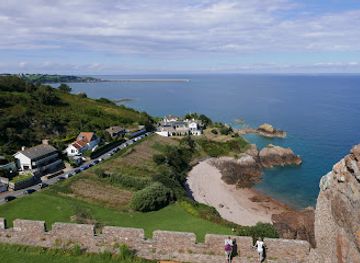
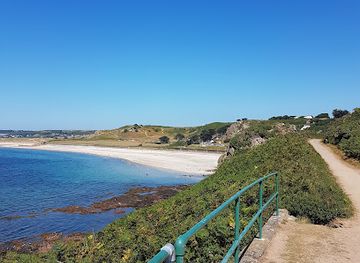
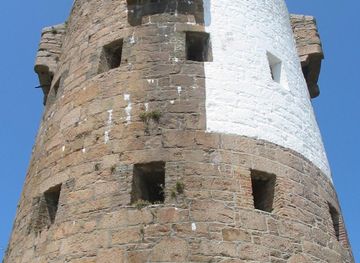
Le Hocq Tower stands on the shore at Le Hocq, in the parish of St Clement on Jersey’s south-eastern coast. The compact destination combines a historic granite coastal defence tower with a broad intertidal beach, rocky foreshore and open views across St Clement’s Bay. At low tide, the changing shoreline reveals sand, stones and rock pools, while at high tide the sea reaches much closer to the sea wall and coastal edge. The tower is the defining feature, but the surrounding maritime setting is equally important: this is a place for seeing Jersey’s tidal landscape rather than a large attraction complex with extensive facilities.Read more about Le Hocq Tower
History and Setting
Exploring Le Hocq
When is the best time to visit Le Hocq Tower?
Best: July–September · 22–25°C| Month | High (°C) | Rainfall (mm) |
|---|---|---|
| January | 12 | 81 |
| February | 11 | 70 |
| March | 13 | 75 |
| April | 15 | 66 |
| May | 18 | 60 |
| June | 22 | 56 |
| July (best) | 24 | 50 |
| August (best) | 25 | 53 |
| September (best) | 22 | 55 |
| October | 17 | 65 |
| November | 13 | 75 |
| December | 13 | 80 |
Getting to and around Le Hocq Tower
How to get there
Transportation
Best attractions in Le Hocq Tower
The principal attraction at Le Hocq is the historic tower itself, standing beside the south-eastern shore as a substantial reminder of Jersey’s coastal-defence history. Around it, Le Hocq beach provides a changing landscape of sand, shingle, rock and shallow tidal water, with the widest shoreline exposed at low tide. The sea wall and nearby coastal roads offer views across St Clement’s Bay, while the foreshore rewards careful observation of rock pools and marine habitats when conditions allow. Le Hocq is also a useful starting point for exploring the wider St Clement coast, where harbour features, traditional shoreline buildings and open views create a broader maritime context. Visitors should not expect a museum complex or a large visitor centre at the tower; the appeal lies in the relationship between monument, beach and tide. St Helier, a short distance away, provides the island’s principal museums, shops, restaurants and organised visitor services.
-
Park
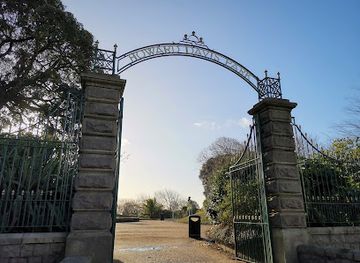
Howard Davis Park
Explore the lush greenery and tranquil beauty of Howard Davis Park in St. Helier, Jersey, a perfect retreat for nature lovers and families alike.
-
Garden
Les Jardins de la Mer
Experience the breathtaking beauty of Les Jardins de la Mer, a tranquil coastal garden in St. Helier, Jersey, perfect for nature lovers and relaxation seekers.
-
Maritime museum
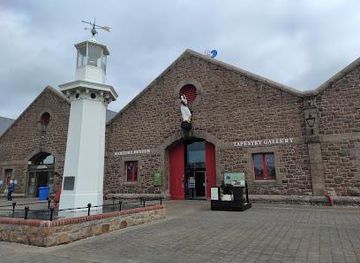
Maritime Museum & Occupation Tapestry Gallery
Explore Jersey's maritime history and the captivating Occupation Tapestry at the Maritime Museum & Occupation Tapestry Gallery in St Helier.
-
Local history museum
La Hougue Bie Museum
Explore the fascinating history of Jersey at La Hougue Bie Museum, featuring ancient artifacts and beautiful grounds that celebrate the island's rich heritage.


Best landmarks in Le Hocq Tower
Le Hocq Tower is the defining landmark, a granite coastal defence structure dating from the early eighteenth century and positioned to overlook the shore at St Clement. Its significance comes from both its military history and its setting: the tower demonstrates how Jersey’s defensive network was integrated with bays, roads and maritime approaches rather than confined to inland forts. Le Hocq beach and the broad tidal foreshore form the principal natural landmarks, changing markedly between low and high water. The sea wall and open views across St Clement’s Bay add to the sense of a working, inhabited coast. Nearby shoreline features in St Clement provide further context, but should be treated as part of the wider parish rather than as elements of the tower itself. The monument is most effectively understood from the surrounding public coastal area, where its profile, masonry and relationship with the bay are clearly visible.
-
Tourist attraction
Jersey War Tunnels
Uncover the rich history of Jersey's WWII past at the Jersey War Tunnels, an immersive museum experience showcasing resilience and community spirit.
-
Castle
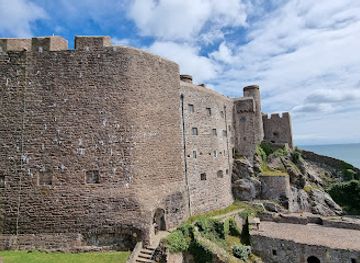
Mont Orgueil Castle
Discover the enchanting Mont Orgueil Castle, a historical gem in Jersey offering stunning views and rich tales of the island's past.
-
 Castle
Elizabeth Castle
Explore Elizabeth Castle, a historical landmark in Jersey offering stunning views, rich heritage, and engaging exhibits for all ages.
-
Park
Howard Davis Park
Discover the beauty and tranquility of Howard Davis Park in Jersey, a perfect blend of nature, history, and relaxation for every traveler.
Explore Le Hocq Tower on the map
Plan your trip on one map. See where the top attractions, landmarks, restaurants and hotels are, and book hotels and experiences in a few clicks.
Best hotels in Le Hocq Tower
Best restaurants in Le Hocq Tower
Le Hocq itself is primarily a coastal landmark and beach setting rather than a dining district, so visitors should plan to eat in nearby St Clement settlements or continue into St Helier. Jersey’s food culture draws on its island setting, with seafood, dairy produce, potatoes, seasonal vegetables and locally made products appearing across cafés, pubs and restaurants, although the exact menus vary by establishment. Traditional pubs and informal cafés in the surrounding parishes can provide a more local setting, while St Helier offers the broadest choice of restaurants and international cuisines. Farm shops and food retailers around the island may also be useful for picnic supplies, particularly for visitors planning a coastal walk. Do not rely on finding refreshments directly beside the tower, and check current opening arrangements before making Le Hocq the first or last stop of a food-focused outing.
-
Fast Food
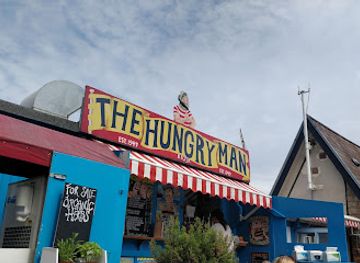
The Hungry Man
Experience delicious fast food at The Hungry Man in Rozel - perfect for tourists craving quality meals in beautiful Jersey.
-
Restaurant
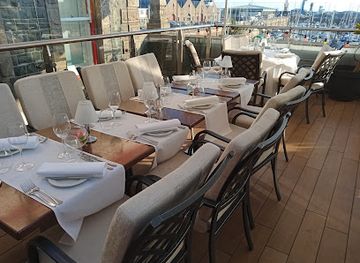
Quayside Bistro & Grill
Experience the essence of Jersey's cuisine at Quayside Bistro & Grill – where fresh seafood meets stunning waterfront views.
-
Restaurant
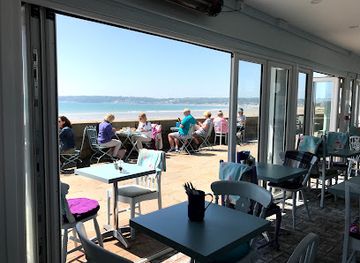
The Lookout Beach Cafe & Restaurant
Experience coastal dining at its finest at The Lookout Beach Cafe & Restaurant in Jersey, where culinary delights meet stunning ocean views.
-
Restaurant
Corbiere Phare
Explore Corbiere Phare: A stunning lighthouse on Jersey's coast offering breathtaking views, rich history, and delicious local cuisine.
Best bars in Le Hocq Tower
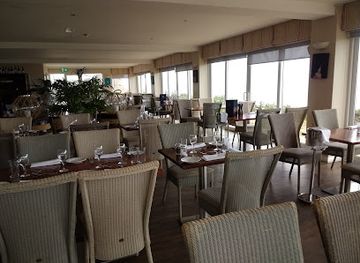
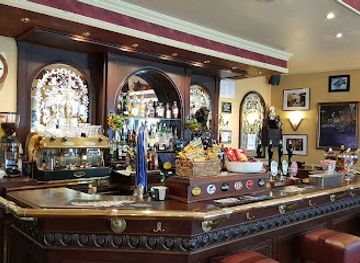
Le Hocq has no established nightlife district and is best experienced as a quiet coastal location, particularly outside daylight hours when the beach and sea wall offer little artificial lighting. Evening drinks and traditional pub atmosphere are more readily found in St Clement’s residential and village areas or in St Helier, where Jersey’s principal concentration of bars, pubs and evening venues is located. The island’s social scene tends towards relaxed hospitality, dining and pub-based evenings rather than a continuous club strip, although entertainment varies by season and venue. Visitors should avoid treating the shoreline as an informal late-night venue: tides, uneven surfaces, limited lighting and exposed weather make it unsuitable for careless wandering after dark. Accommodation bases in the south-east may provide a quieter alternative to St Helier’s evening options.
-
Pub
The Cock & Bottle
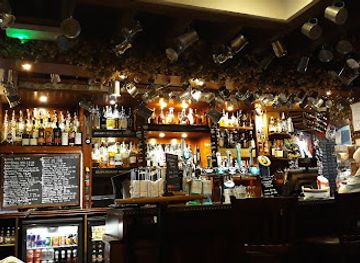
Experience the charm of The Cock & Bottle, a traditional pub in St. Helier, offering local flavors and a cozy atmosphere in the heart of Royal Square.
-
Pub
The Lamplighter
Experience the charm of The Lamplighter, a lively pub in St. Helier offering great drinks, delicious food, and a taste of local culture.
-
Restaurant
White Horse Pub & Dining
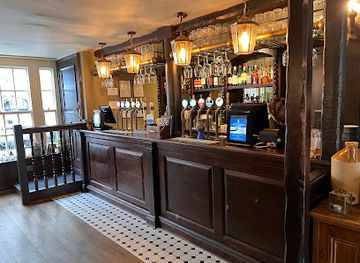
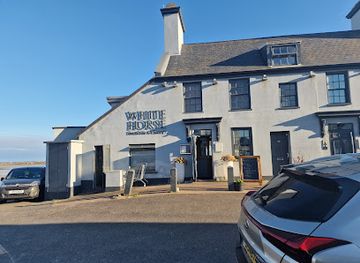
Discover the culinary delights of the White Horse Pub & Dining in St. Saviour, Jersey, where local ingredients meet a cozy atmosphere.
-
Live music bar
Blue Note Bar
Experience the best live music and vibrant atmosphere at Blue Note Bar in St Helier, Jersey – where every night is a celebration!
Best nightclubs in Le Hocq Tower
Le Hocq has no established nightlife district and is best experienced as a quiet coastal location, particularly outside daylight hours when the beach and sea wall offer little artificial lighting. Evening drinks and traditional pub atmosphere are more readily found in St Clement’s residential and village areas or in St Helier, where Jersey’s principal concentration of bars, pubs and evening venues is located. The island’s social scene tends towards relaxed hospitality, dining and pub-based evenings rather than a continuous club strip, although entertainment varies by season and venue. Visitors should avoid treating the shoreline as an informal late-night venue: tides, uneven surfaces, limited lighting and exposed weather make it unsuitable for careless wandering after dark. Accommodation bases in the south-east may provide a quieter alternative to St Helier’s evening options.
-
Pub
Le Hocq Inn
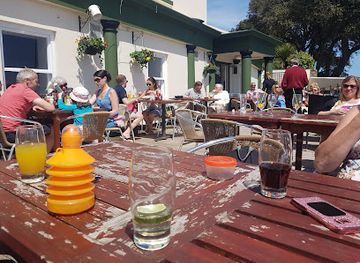
Discover the delightful Le Hocq Inn, a charming pub and restaurant in Jersey, offering local cuisine, stunning sea views, and a warm atmosphere.
-
Bar
Vittoria
Experience the vibrant nightlife at Vittoria, a popular bar in Liberty Wharf, St. Helier, Jersey, known for its lively atmosphere and excellent drink selection.
-
Sports bar
The Up & Down
Discover the lively sports bar experience at The Up & Down in St Helier, Jersey, featuring karaoke, live music, and delicious British cuisine.
-
Club
The Cultured Lounge
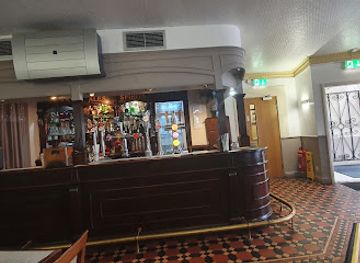
Experience the vibrant nightlife at The Cultured Lounge in St. Helier, Jersey, where music, dancing, and culture collide for an unforgettable evening.


Best shops in Le Hocq Tower
There is little conventional shopping at Le Hocq itself, and visitors should use nearby settlements or St Helier for provisions, gifts and specialist retail. Shops around St Clement may be convenient for basic supplies, while the island’s capital offers the widest selection of independent retailers, food shops, galleries and larger everyday services. Jersey-related purchases can include local food products, dairy specialities, preserves, confectionery, crafts and artwork, although availability varies between businesses and seasons. Farm shops and small producers elsewhere on the island may also appeal to visitors travelling by car, particularly those assembling a picnic for the coast. Outdoor equipment and practical clothing are more likely to be found in larger commercial areas than beside the tower. The limited retail provision is part of Le Hocq’s character as a historic shoreline rather than a built-up resort.
-
Tourist attraction
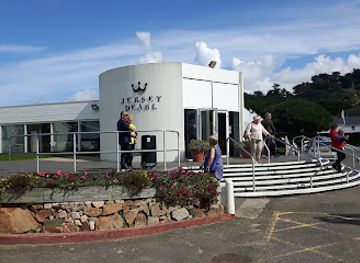
Jersey Pearl
Explore the artistic beauty of Jersey Pearl, where exquisite jewelry meets culinary delights and cultural heritage in a picturesque setting.
-
Market
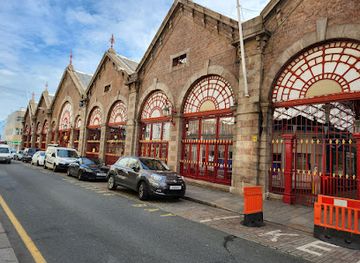
Central Market
Discover the charm of Central Market in St Helier, a lively hub for fresh produce, artisanal foods, and local culture in Jersey.
-
Shopping mall
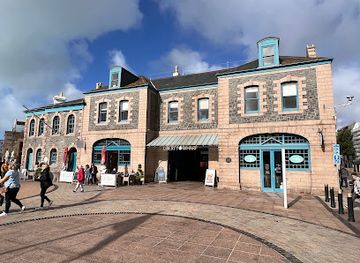
Liberty Wharf Shopping Centre
Explore Liberty Wharf Shopping Centre in St Helier for a unique shopping experience with diverse shops and delightful dining options, all by the waterfront.
-
Tourist attraction
Jersey Lavender Ltd
Discover the beauty and tranquility of Jersey Lavender Ltd, where fragrant fields meet delightful lavender products in a picturesque setting.
Get your free copy of our complete guide to Le Hocq Tower, delivered straight to you.
Everything on this page, from attractions and restaurants to essentials and local phrases, in one PDF you can read offline, print or share.
Already have an account? Sign in
Your Le Hocq Tower guide is ready.
We'll send it to · Not you? Sign out

Getting your guide ready…
We are putting together a fresh copy of the Le Hocq Tower guide. This can take up to a minute.
This can take a few moments. If your browser asks, choose Allow so the download can start. You'll find the guide in your Downloads folder.
Nothing happened? Download it again
Sorry, the guide is taking longer than usual. Please try again in a minute, or get it by email instead.
Le Hocq Tower essentials
Currency and Payment
Safety
Emergency Situations
Do's and Don'ts
Local Tips
From Eve
Local phrases worth knowing
You don't need to get them perfect. A few words go a long way, and locals appreciate the effort.
Basics
| English | Local | Say it |
|---|---|---|
| Hello | Bonjour | [bon-zhoor] |
| Goodbye | Au revoir | [oh re-vwar] |
| Yes | Oui | [wee] |
| No | Non | [nohn] |
| Please/You're welcome | S'il vous plaît/De rien | [see voo pleh/dee ryen] |
| Thank you | Merci | [mehr-see] |
| Excuse me/Sorry | Excusez-moi/Désolé | [eks-kew-zay mwah/day-zoh-lay] |
| How are you? | Comment ça va? | [koh-mohn sah vah] |
| Fine. And you? | Bien. Et vous? | [byen. ay voo] |
| Do you speak English? | Parlez-vous anglais? | [par-lay voo ahn-glay] |
| I don't understand | Je ne comprends pas | [zhuh nuh kohm-prahn pah] |
Eating & Drinking
| English | Local | Say it |
|---|---|---|
| I'd like to see the menu, please | Je voudrais voir le menu, s'il vous plaît | [zhuh voo-dray vwahr luh muh-noo, see voo pleh] |
| I don't eat meat | Je ne mange pas de viande | [zhuh nuh mahnj pah duh vyand] |
| Cheers! | Santé! | [sahn-tay] |
| I would like to pay, please | Je voudrais payer, s'il vous plaît | [zhuh voo-dray pay-ay, see voo pleh] |
Emergencies
| English | Local | Say it |
|---|---|---|
| Help! | Au secours! | [oh suh-koo] |
| Go away! | Allez-vous-en! | [al-lay voo zahn] |
| Call the Police! | Appelez la police! | [ah-puh-lay lah poh-leece] |
| Call a doctor! | Appelez un médecin! | [ah-puh-lay uh meh-duh-sahn] |
| I'm lost | Je suis perdu | [zhuh swee pair-doo] |
| I'm ill | Je suis malade | [zhuh swee mah-lahd] |
Shopping
| English | Local | Say it |
|---|---|---|
| I'd like to buy... | Je voudrais acheter... | [zhuh voo-dray ah-shuh-tay] |
| I'm just looking | Je ne fais que regarder | [zhuh nuh fay kuh reh-gar-day] |
| How much is it? | Combien ça coûte? | [kohm-byen sah koot] |
| That's too expensive | C'est trop cher | [say troh shair] |
| Can you lower the price? | Pouvez-vous baisser le prix? | [poo-vay voo beh-say luh pree] |
Time & Numbers
| English | Local | Say it |
|---|---|---|
| What time is it? | Quelle heure est-il? | [kell ur ay teel] |
| It's one o'clock | Il est une heure | [eel ay zewn ur] |
| Half past (10) | Dix heures et demi | [dees ur ay dem-ee] |
| Morning | Matin | [mah-tahn] |
| Afternoon | Après-midi | [ah-pray-mee-dee] |
| Evening | Soir | [swahr] |
| Yesterday | Hier | [yehr] |
| Today | Aujourd'hui | [oh-zhoor-dwee] |
| Tomorrow | Demain | [duh-mahn] |
| 1 | Un | [uhn] |
| 2 | Deux | [duh] |
| 3 | Trois | [twah] |
| 4 | Quatre | [kah-truh] |
| 5 | Cinq | [sank] |
| 6 | Six | [sees] |
| 7 | Sept | [sept] |
| 8 | Huit | [wheet] |
| 9 | Neuf | [nuff] |
| 10 | Dix | [dees] |
Transport & Directions
| English | Local | Say it |
|---|---|---|
| Where's a/the...? | Où est le/la...? | [oo ay luh/lah] |
| What's the address? | Quelle est l'adresse? | [kell ay lah-dress] |
| Can you show me (on the map)? | Pouvez-vous me montrer (sur la carte)? | [poo-vay voo muh mohn-tray (soor lah kart)] |
| When's the next (bus)? | Quand est le prochain (bus)? | [kahn ay luh proh-shahn (bus)] |
| A ticket (to ....) | Un billet (pour ....) | [uhn bee-yay (poor)] |
History of Le Hocq Tower
Jersey’s Coastal Defence Landscape
Jersey’s position close to the French coast made its shoreline strategically important for centuries. The island’s defensive network developed in response to changing military technology, political tension and the possibility of attack from across the Channel. Coastal towers were particularly useful because they provided elevated positions for observation and artillery while allowing relatively small garrisons to guard exposed sections of coast. Le Hocq’s location on the south-eastern shore reflects this wider defensive logic: the tower overlooked a bay and approach route rather than standing within an inland settlement.
The Early Eighteenth-Century Tower
Le Hocq Tower was built in the early eighteenth century, generally dated to 1708, as part of Jersey’s programme of coastal fortification. Its granite construction and elevated position were intended to withstand the difficult conditions of an exposed shoreline while supporting surveillance and defence. The tower belongs to the same broad historical period as other coastal fortifications around Jersey, when the island’s relationship with Britain, France and the wider Channel region made military preparedness a continuing concern. Its survival preserves a direct physical link with that period of island history.
From Military Outpost to Coastal Landmark
As military systems changed, individual coastal towers became less central to the defence of Jersey, although the shoreline continued to have strategic and maritime significance. Le Hocq developed a more peaceful identity connected with the beach, local coastal access and the daily life of St Clement. The tower’s setting also illustrates how Jersey’s defensive monuments were absorbed into an inhabited landscape: rather than existing as isolated ruins, many remain beside roads, sea walls, harbours and beaches used by local communities.
Occupation and the Modern Coast
During the German Occupation of Jersey from 1940 to 1945, the island’s coast again formed part of a militarised landscape, with extensive twentieth-century defensive works added in different locations. Le Hocq Tower belongs to an earlier phase and should not be confused with those later fortifications, but its presence helps explain the long military history of Jersey’s shoreline. In the post-war period, the coast became increasingly valued for recreation, heritage and landscape appreciation. Today, Le Hocq is encountered primarily as a historic monument beside a tidal beach and as part of Jersey’s broader coastal heritage.
Le Hocq Tower in Photos
Browse through our photo collection highlighting the charm and character of the destination.
Cities in Le Hocq Tower
The towns and cities of Le Hocq Tower, and the easiest places to base yourself.
-

-

-

-

-

-


Swipe for more cities
Neighbouring destination travel guides
The closest destinations to Le Hocq Tower, if you have time for more than one.
-

-

-
-

-


Swipe for more destinations
Explore more
Explore more of Saint Clément
Discover Saint Clément in Jersey: A blend of beautiful beaches, rich history, and delightful local flavors on the southeastern coast of Jersey.
Explore Saint Clément
Explore more of Jersey
Discover the charm of Jersey, the largest Channel Island, with its stunning landscapes, rich history, and a delightful blend of British and French cultures.
Explore Jersey