

Free St. Clement Travel Guide & Mobile App
Plan your St. Clement trip with Evendo. Get free guides to top attractions, restaurants, hotels, and bars. Web access or download the mobile app.


St Clement, Jersey, brings together sandy bays, coastal towers, Samarès Manor, village heritage and easy access to Saint Helier for relaxed island sightseeing.
A Shoreline Parish
St Clement occupies Jersey’s southeastern corner, stretching from the eastern edge of Saint Helier towards the open coast. It is a parish of sandy bays, rocky foreshore and low headlands, with St Clement’s Bay, Green Island and Le Hocq giving the shoreline much of its character. The coast is particularly appealing for walking: tides reveal broad sands and tidal pools, while the sea looks across towards the French coast on clear days. Although closely connected to the island’s capital, St Clement retains a more open, residential atmosphere, with lanes leading inland past fields, granite walls and older farmsteads.Read more about St. Clement
Manors, Churches and Coastal Defences
Village Life and Island Access
When is the best time to visit St. Clement?
Best: June–August · 18–20°C| Month | High (°C) | Rainfall (mm) |
|---|---|---|
| January | 8 | 87 |
| February | 7 | 74 |
| March | 8 | 65 |
| April | 10 | 59 |
| May | 14 | 53 |
| June (best) | 18 | 43 |
| July (best) | 20 | 34 |
| August (best) | 20 | 36 |
| September | 18 | 48 |
| October | 15 | 68 |
| November | 12 | 82 |
| December | 9 | 89 |
Getting to and around St. Clement
How to get there
Transportation
Best attractions in St. Clement
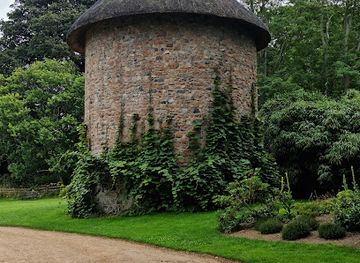
St Clement’s attractions are spread between the coast, parish lanes and historic estates. Samarès Manor is the principal heritage visit, combining a medieval-rooted manor setting with formal and specialist gardens that give the estate a strong horticultural identity. Along the shore, Le Hocq offers a small harbour, beach scenery and the distinctive Le Hocq Tower, while St Clement’s Bay changes dramatically with the tide and is well suited to coastal walks when conditions allow. Green Island provides another open shoreline perspective, though access and safe routes depend on tides and weather. The parish church adds architectural and spiritual context to the landscape, while remnants of German Occupation fortifications connect the coast to Jersey’s twentieth-century history. St Clement’s proximity to Saint Helier also makes it easy to extend a visit towards the island’s museums, Central Market and waterfront without confusing the capital’s urban attractions with those belonging to the parish.
-
Local history museum
La Hougue Bie Museum
Uncover Jersey's rich history at La Hougue Bie Museum, featuring ancient artifacts and a stunning Neolithic burial mound in a picturesque setting.
6 min drive · 2.0 km from city centre
-
Historical landmark
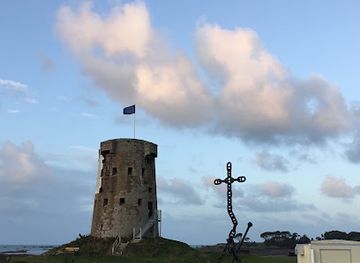
Le Hocq Tower
Explore the historic Le Hocq Tower in Jersey, where maritime history meets stunning coastal views, perfect for every traveler.
6 min drive · 2.0 km from city centre
-
Heritage preservation
Underground
Uncover the rich heritage of Jersey at Underground, a captivating preservation site that brings history to life through immersive experiences.
14 min walk · 1.1 km from city centre


Best landmarks in St. Clement
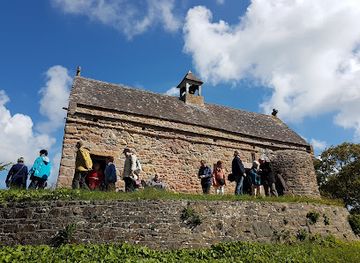
St Clement’s most recognisable landmarks express the parish’s religious, agricultural and military history. St Clement’s Church is a long-established parish church whose medieval origins reflect the importance of ecclesiastical institutions in Jersey’s rural communities. Samarès Manor represents the island’s manorial tradition and remains associated with an historic estate landscape rather than a single monumental façade. At Le Hocq, the coastal tower is a compact defensive structure positioned beside the shore, part of Jersey’s wider response to threats from across the Channel. The coastline itself is also a landmark of place: St Clement’s Bay, Green Island and the Le Hocq waterfront reveal the island’s powerful tides and exposed southeastern setting. German Occupation bunkers and other wartime remains add a modern military layer to an area long shaped by farming, worship and maritime defence.
-
Botanical garden
The Botanic Gardens at Samarès Manor
Discover the enchanting beauty of The Botanic Gardens at Samarès Manor, where vibrant flora meets serene tranquility in the heart of Jersey.
7 min drive · 2.2 km from city centre
-
Local history museum
La Hougue Bie Museum
Discover Jersey's ancient past at La Hougue Bie Museum, a historical gem featuring Neolithic burial mounds and engaging local history exhibits.
6 min drive · 2.0 km from city centre
-
Pub
Le Hocq Inn
Discover the charm of Jersey at Le Hocq Inn, where local flavors meet stunning coastal views in a welcoming pub atmosphere.
6 min drive · 2.0 km from city centre
-
Park
Le Hocq
Discover the serene beauty of Le Hocq Park in Jersey, a perfect blend of nature and history along the stunning coastline.
6 min drive · 2.0 km from city centre

Explore St. Clement on the map
Plan your St. Clement trip on one map. See where the top attractions, landmarks, restaurants, bars and hotels are, find what's near where you're staying, and book hotels and experiences in a few clicks.
Best hotels in St. Clement
Best restaurants in St. Clement
St Clement’s dining scene is shaped more by neighbourhood cafés, pubs, beachside stops and local food shopping than by a concentrated restaurant quarter. Menus across Jersey commonly draw on island produce and the surrounding sea, with locally landed fish, shellfish, dairy products, Jersey Royal potatoes and seasonal vegetables appearing in traditional and contemporary dishes. Around the parish and its coastal roads, eating can be combined with a walk near St Clement’s Bay or Le Hocq, while Samarès Manor provides a heritage setting associated with gardens and estate visitors. For a wider choice of international cuisine, markets, bakeries and restaurants, nearby Saint Helier is the island’s main food centre. Jersey’s Norman and British influences are reflected in the mixture of seafood, hearty pub food, café fare and modern dining rather than in one narrowly defined local cuisine.
-
 Restaurant
Longueville Manor Hotel and Restaurant
Discover unmatched luxury and exquisite dining at Longueville Manor Hotel and Restaurant in Jersey's serene countryside.
6 min drive · 2.0 km from city centre
-
Restaurant
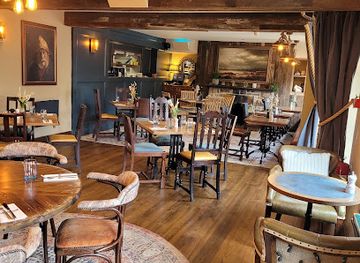
Le Hocq Inn
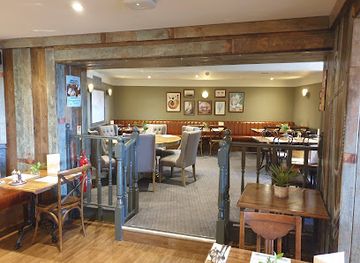
Experience the best of Jersey's culinary scene at Le Hocq Inn, where delicious food meets breathtaking coastal views in a charming pub atmosphere.
6 min drive · 2.0 km from city centre
-
Restaurant
The Seymour Pub & Restaurant
Discover the flavors of Jersey at The Seymour Pub & Restaurant - where local cuisine meets warm hospitality.
7 min drive · 2.3 km from city centre
-
Restaurant
Stanley's
Discover the flavors of Jersey at Stanley's - where fresh ingredients meet warm hospitality in a charming setting.
17 min walk · 1.4 km from city centre
Best bars in St. Clement
St Clement has a quieter evening character than central Saint Helier, with social life concentrated in local pubs, restaurants and residential neighbourhoods rather than a large nightclub district. A coastal evening near Le Hocq or St Clement’s Bay may be more about changing light, sea air and a relaxed meal than late-night entertainment, although weather and tides should be considered after dark. Saint Helier, a short journey away, offers Jersey’s broader selection of pubs, cocktail bars, wine-led venues, live music and theatre-style entertainment. The island’s nightlife is generally compact and seasonal, so venue availability can vary, while evening buses and taxis should be checked in advance when returning to St Clement. Respectful behaviour is particularly important in smaller parish communities and around residential streets.
-
Pub
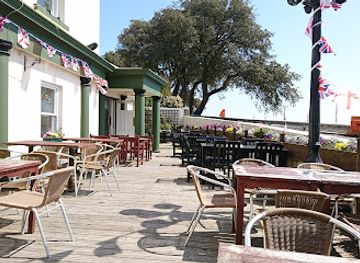
Le Hocq Inn
Discover the coastal charm and delicious local cuisine at Le Hocq Inn, a welcoming pub and restaurant in St. Clement, Jersey.
6 min drive · 2.0 km from city centre
-
Bar
The Seymour Pub & Restaurant
Discover the vibrant atmosphere and delightful menu at The Seymour Pub & Restaurant in Jersey - a perfect spot for food and drink lovers.
7 min drive · 2.3 km from city centre
-
Bar
The Pembroke Pub & Country Kitchen
Discover the heart of Jersey at The Pembroke Pub & Country Kitchen, where traditional fare meets a cozy atmosphere in a local favorite.
12 min walk · 1.0 km from city centre


Best nightclubs in St. Clement
St Clement has a quieter evening character than central Saint Helier, with social life concentrated in local pubs, restaurants and residential neighbourhoods rather than a large nightclub district. A coastal evening near Le Hocq or St Clement’s Bay may be more about changing light, sea air and a relaxed meal than late-night entertainment, although weather and tides should be considered after dark. Saint Helier, a short journey away, offers Jersey’s broader selection of pubs, cocktail bars, wine-led venues, live music and theatre-style entertainment. The island’s nightlife is generally compact and seasonal, so venue availability can vary, while evening buses and taxis should be checked in advance when returning to St Clement. Respectful behaviour is particularly important in smaller parish communities and around residential streets.
-
Soccer club
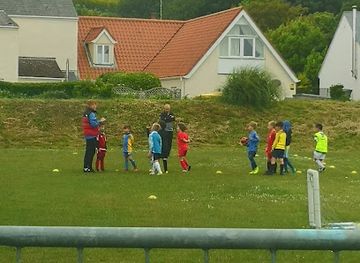
St Clement's Football Club
Discover the vibrant atmosphere of St Clement's Football Club, a hub of local sporting culture in beautiful Jersey.
16 min walk · 1.3 km from city centre
Best shops in St. Clement
Shopping in St Clement is mainly local and practical, with small businesses, convenience outlets and food retailers serving residential neighbourhoods rather than a major pedestrian retail centre. The parish’s most distinctive purchases are likely to be island produce and Jersey-made food items, including dairy products, seasonal goods and products associated with Jersey Royal potatoes, whose cultivation is part of the island’s agricultural identity. Visitors seeking crafts, gifts, antiques, clothing and a broader selection of independent shops will find more choice in nearby Saint Helier, particularly around its central shopping streets and covered markets. Farm shops and seasonal stalls can offer a more direct connection with Jersey’s countryside, but stock varies. Travellers should distinguish genuinely local produce from generic souvenirs and check any restrictions before taking food or plant products overseas.
-
Supermarket
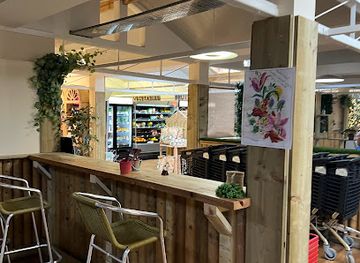
Coop Locale Pontac
Discover the best of Jersey at Coop Locale Pontac, where local flavors and international goods meet for an unforgettable shopping experience.
5 min drive · 1.6 km from city centre
-
Wine store
Love Wine
Explore the exquisite selection of wines at Love Wine in Jersey, where every bottle tells a story of tradition and craftsmanship.
7 min drive · 2.2 km from city centre
-
Stationery store
MaisieMooDesigns
Explore the unique collection of artisanal stationery at MaisieMooDesigns and take home a piece of Jersey's creativity.
6 min drive · 1.9 km from city centre
-
Convenience store
Coop
Discover everyday essentials and delightful snacks at Coop St Saviour, your friendly neighborhood convenience store.
6 min drive · 1.9 km from city centre

Get your free copy of our complete guide to St. Clement, delivered straight to you.
Everything on this page, from attractions and restaurants to essentials and local phrases, in one PDF you can read offline, print or share.
Already have an account? Sign in
Your St. Clement guide is ready.
We'll send it to · Not you? Sign out

Getting your guide ready…
We are putting together a fresh copy of the St. Clement guide. This can take up to a minute.
This can take a few moments. If your browser asks, choose Allow so the download can start. You'll find the guide in your Downloads folder.
Nothing happened? Download it again
Sorry, the guide is taking longer than usual. Please try again in a minute, or get it by email instead.
St. Clement essentials
Currency and Payment
Safety
Emergency Situations
Do's and Don'ts
Local Tips
From Eve
Local phrases worth knowing
You don't need to get them perfect. A few words go a long way, and locals appreciate the effort.
Basics
| English | Local | Say it |
|---|---|---|
| Hello | Bonjour | [Bon-zhoor] |
| Goodbye | Au revoir | [O reh-vwar] |
| Yes | Oui | [Wee] |
| No | Non | [Non] |
| Please/You're welcome | S'il vous plaît/De rien | [Seel voo pleh/Dee ryen] |
| Thank you | Merci | [Mer-see] |
| Excuse me/Sorry | Excusez-moi/Désolé | [Ex-kew-zay mwah/Day-zo-lay] |
| How are you? | Comment ça va? | [Kohm-mohn sah vah] |
| Fine. And you? | Bien. Et vous? | [Byen. Ay voo] |
| Do you speak English? | Parlez-vous anglais? | [Par-lay voo ahn-glay] |
| I don't understand | Je ne comprends pas | [Zhe nuh kohm-prahnd pah] |
Eating & Drinking
| English | Local | Say it |
|---|---|---|
| I'd like to see the menu, please | Je voudrais voir le menu, s'il vous plaît | [Zhe voo-dray vwahr luh menu, seel voo pleh] |
| I don't eat meat | Je ne mange pas de viande | [Zhe nuh mahnj pah duh vyand] |
| Cheers! | Santé! | [Sahn-tay] |
| I would like to pay, please | Je voudrais payer, s'il vous plaît | [Zhe voo-dray pay-yay, seel voo pleh] |
Emergencies
| English | Local | Say it |
|---|---|---|
| Help! | Au secours! | [O se-koor] |
| Go away! | Allez-vous en! | [Al-ay vooz ahn] |
| Call the Police! | Appelez la police! | [Ah-puh-lay lah poh-lees] |
| Call a doctor! | Appelez un médecin! | [Ah-puh-lay uh may-dsahn] |
| I'm lost | Je suis perdu | [Zhe swee pair-doo] |
| I'm ill | Je suis malade | [Zhe swee mah-lahd] |
Shopping
| English | Local | Say it |
|---|---|---|
| I'd like to buy... | Je voudrais acheter... | [Zhe voo-dray ah-shuh-tay...] |
| I'm just looking | Je regarde juste | [Zhe ruh-gard zhust] |
| How much is it? | Combien ça coûte? | [Kohm-byen sah koot] |
| That's too expensive | C'est trop cher | [Say troh shair] |
| Can you lower the price? | Pouvez-vous baisser le prix? | [Poo-veh voo bay-say luh pree] |
Time & Numbers
| English | Local | Say it |
|---|---|---|
| What time is it? | Quelle heure est-il? | [Kell er ay-teel] |
| It's one o'clock | Il est une heure | [Eel ay oon er] |
| Half past (10) | Dix heures et demie | [Dees er ay-tuh duh-mee] |
| Morning | Matin | [Mah-tan] |
| Afternoon | Après-midi | [Ah-pray mee-dee] |
| Evening | Soir | [Swah] |
| Yesterday | Hier | [Yair] |
| Today | Aujourd'hui | [Oh-zhoor-dwee] |
| Tomorrow | Demain | [Duh-man] |
| 1 | Un | [Un] |
| 2 | Deux | [Duh] |
| 3 | Trois | [Twah] |
| 4 | Quatre | [Kat-ruh] |
| 5 | Cinq | [Sank] |
| 6 | Six | [Sees] |
| 7 | Sept | [Set] |
| 8 | Huit | [Weet] |
| 9 | Neuf | [Nuhf] |
| 10 | Dix | [Dees] |
Transport & Directions
| English | Local | Say it |
|---|---|---|
| Where's a/the...? | Où est...? | [Oo ay...] |
| What's the address? | Quelle est l'adresse? | [Kell ay lah-dress] |
| Can you show me (on the map)? | Pouvez-vous me montrer (sur la carte)? | [Poo-veh voo muh mohn-tray (soor lah kart)] |
| When's the next (bus)? | Quand est le prochain (bus)? | [Kahn ay luh proh-shahn (bus)] |
| A ticket (to ....) | Un billet (pour ...) | [Un bee-yay (poor)] |
History of St. Clement
Early Settlement and the Island Landscape
St Clement’s history began within the much older human landscape of southeastern Jersey, where coastal resources, fertile ground and sheltered sites encouraged settlement long before the modern parish took shape. Jersey’s prehistoric monuments and archaeological remains demonstrate sustained activity across the island, although individual sites in St Clement should not be assigned a specific function without archaeological evidence. The parish’s position beside the sea also placed it within the wider maritime world of the Channel Islands, where communities farmed, fished and exchanged goods with neighbouring coasts. Its present boundaries and institutions developed gradually from this mixture of shoreline activity, cultivated land and scattered rural settlement.
The Medieval Parish Takes Shape
By the medieval period, St Clement had become an established ecclesiastical and agricultural community. The parish church, dedicated to Saint Clement, embodies this development and reflects the importance of the parish system in organising worship, landholding and local administration. Medieval Jersey belonged to the Duchy of Normandy before becoming part of the English Crown’s territories after the Norman Conquest of England, and its language and customs retained strong Norman influences. Estates such as Samarès formed part of the network of manors that structured rural life, while the coast remained a working environment rather than simply a place for leisure.
Reformation, Manor Life and Coastal Trade
The sixteenth-century Reformation altered religious life in Jersey, as it did elsewhere under the English Crown, and parish churches moved from Catholic traditions to Protestant worship. Through the early modern period, St Clement remained predominantly agricultural, with manor estates, small farms and lanes linking inland holdings to the shore. Jersey’s position between England and France encouraged maritime trade but also exposed the island to conflict and smuggling. Coastal places such as Le Hocq gained strategic importance as Jersey developed defensive measures against attack. The landscape visible today, including historic estates and old parish routes, reflects the long relationship between landholding, farming and the sea.
Defence on the Southeastern Coast
Jersey’s exposed eastern and southern shores were repeatedly strengthened as European conflicts made the island a vulnerable outpost. Le Hocq Tower belongs to this tradition of coastal defence and is associated with the system of towers and fortifications built or adapted to protect Jersey’s approaches. The tower’s compact form and position near the shore illustrate how military architecture was fitted into a working coastal landscape. Defensive works did not remove the area’s agricultural character, but they added sentries, batteries and military roads to the parish’s older pattern of fields, lanes and waterfront activity.
Occupation and Wartime Fortification
German forces occupied Jersey from 1940 until the island’s liberation in May 1945, transforming the coast with bunkers, gun positions, observation posts and other elements of the Atlantic Wall. St Clement, like other coastal parishes, became part of this heavily defended military landscape. The occupation affected everyday life through restrictions, requisitioning, shortages and the presence of foreign troops, while construction projects altered beaches and access routes. Remains of the period survive across Jersey and provide a tangible reminder that the island’s scenery is also a record of twentieth-century military history.
A Parish Connected to Modern Jersey
After liberation, St Clement gradually shifted from a primarily rural parish towards a more densely settled coastal community linked closely to Saint Helier. Residential development, improved roads and regular public transport brought the parish into the everyday orbit of Jersey’s capital, while farms, manor grounds and open coastal areas preserved older elements of its identity. Samarès Manor became an important heritage and garden destination, and beaches such as St Clement’s Bay continued to serve both local residents and visitors. Today the parish combines historic institutions, wartime traces, suburban life and a shoreline shaped by the strong tidal range of the Channel Islands.
St. Clement in Photos
Browse through our photo collection highlighting the charm and character of the destination.
Cities near St. Clement
The closest cities to St. Clement, if you have time for more than one stop.
-

-

-

-

-


Swipe for more cities
Explore more

Explore more of Jersey
Discover the charm of Jersey, the largest Channel Island, with its stunning landscapes, rich history, and a delightful blend of British and French cultures.
Explore Jersey