

St. Ouen's Bay Travel Guide - Free Web & App
Your ultimate guide to St. Ouen's Bay. Discover top landmarks, proposed trips, and local tips. Free on the web or via the Evendo companion app.


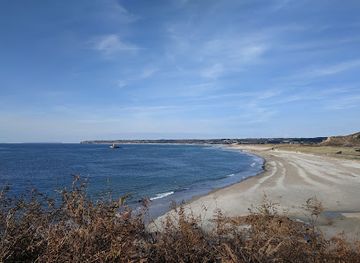
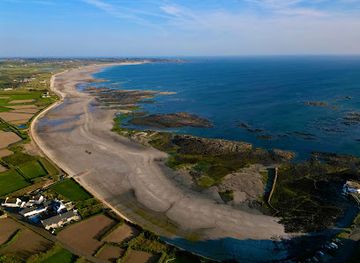
Discover the breathtaking beauty of St. Ouen's Bay in Jersey, where golden sands, rolling dunes, and stunning sunsets create an unforgettable coastal escape.
Read more about St. Ouen's Bay
When is the best time to visit St. Ouen's Bay?
Best: June–August · 20–22°C| Month | High (°C) | Rainfall (mm) |
|---|---|---|
| January | 12 | 70 |
| February | 12 | 55 |
| March | 12 | 50 |
| April | 13 | 40 |
| May | 16 | 34 |
| June (best) | 20 | 27 |
| July (best) | 22 | 26 |
| August (best) | 22 | 29 |
| September | 20 | 40 |
| October | 17 | 58 |
| November | 14 | 68 |
| December | 13 | 75 |
Getting to and around St. Ouen's Bay
How to get there
Transportation
Best attractions in St. Ouen's Bay
St. Ouen's Bay in Jersey offers visitors a stunning combination of natural beauty and historical intrigue. From the vast sandy beach perfect for surfing and sunbathing, to the towering sand dunes and rugged cliffs ideal for hiking and birdwatching, there is something for every nature lover. History buffs will be captivated by the ancient ruins of Grosnez Castle overlooking the bay, as well as the nearby Neolithic dolmen at La Hougue Bie. With charming seaside cafes and shops lining the coast, visitors can indulge in local cuisine and souvenirs while taking in the breathtaking views of the Atlantic Ocean. St. Ouen's Bay is a must-visit destination for those seeking a blend of outdoor adventure and cultural exploration.
-
 Garden
The spot
Experience the tranquil beauty of The Spot garden in Jersey, a perfect retreat for nature lovers and a serene escape from the everyday hustle.
Best landmarks in St. Ouen's Bay
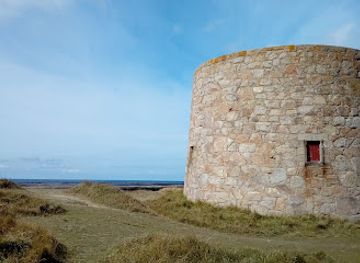
St. Ouen's Bay in Jersey offers visitors a mix of stunning natural beauty and rich history. From the vast sandy beach perfect for surfing and sunbathing, to the towering cliffs and sand dunes ideal for hiking and birdwatching, there is something for everyone. Explore the ancient La Rocco Tower perched on the edge of the bay, visit the historic Grosnez Castle overlooking the sea, and discover the quaint fishing village of L'Etacq with its charming cafes and shops. Whether you are a nature lover, history buff, or simply looking for a relaxing getaway, St. Ouen's Bay has it all.
-
Tourist attraction
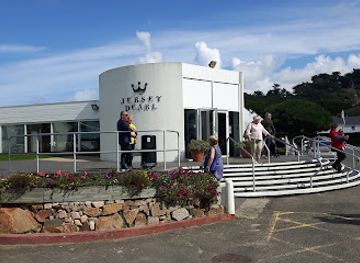
Jersey Pearl
Visit Jersey Pearl for an exquisite blend of pearl craftsmanship, cultural insights, and delightful café experiences in the heart of Jersey.
-
Museum
Channel Islands Military Museum
Discover the rich military history of the Channel Islands at the Channel Islands Military Museum, where engaging exhibits bring the past to life.
-
Tourist attraction
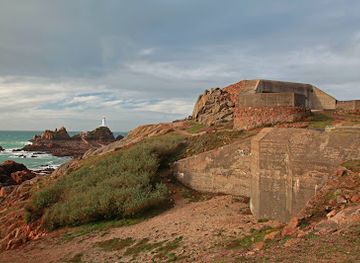
Strong Point Corbiere
Experience the rich history and stunning views at Strong Point Corbière, a must-see tourist attraction in Jersey's breathtaking coastal landscape.
-
Tourist attraction
St Ouens Bay
Explore the stunning landscapes, vibrant marine life, and thrilling water sports at St. Ouens Bay, a coastal gem in Jersey.
Explore St. Ouen's Bay on the map
Plan your trip on one map. See where the top attractions, landmarks, restaurants and hotels are, and book hotels and experiences in a few clicks.
Best hotels in St. Ouen's Bay
Best restaurants in St. Ouen's Bay
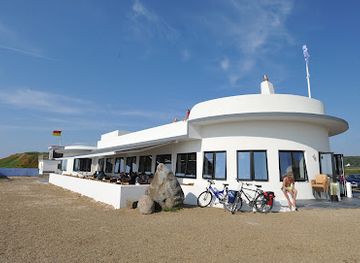
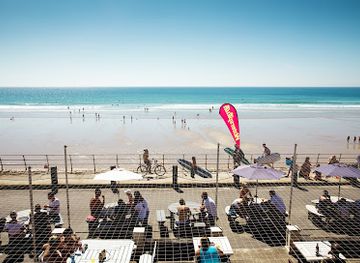
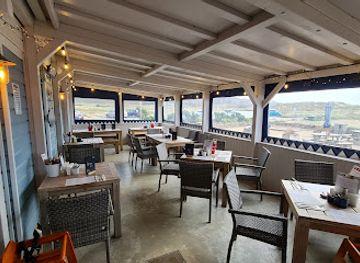
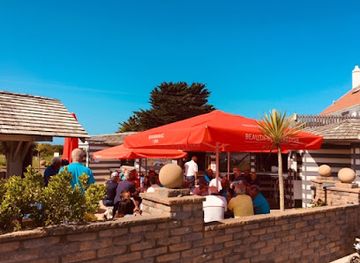
St. Ouen's Bay offers a diverse dining scene that caters to all tastes and preferences. From quaint seaside cafes serving up fresh seafood to upscale restaurants with stunning ocean views, visitors can indulge in a culinary experience like no other. Whether you're craving traditional Jersey cuisine or international flavors, the restaurants in St. Ouen's Bay have something for everyone. Don't miss the opportunity to savor local delicacies and enjoy a memorable dining experience in this picturesque setting.
-
Restaurant
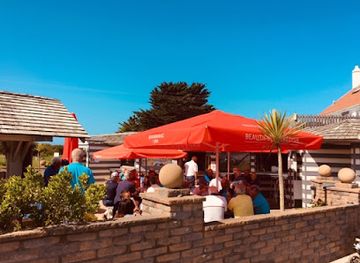
El Tico
Discover exquisite dining at El Tico in Jersey with breathtaking views of St. Ouen's Bay; perfect for food lovers seeking local flavors.
-
Restaurant
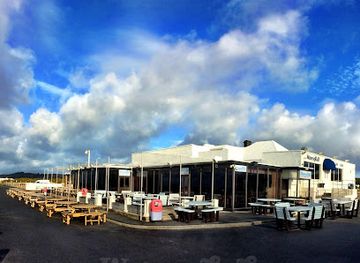
Watersplash Beach Bar & Diner
Discover culinary delights at Watersplash Beach Bar & Diner with stunning ocean views in Jersey.
-
Restaurant
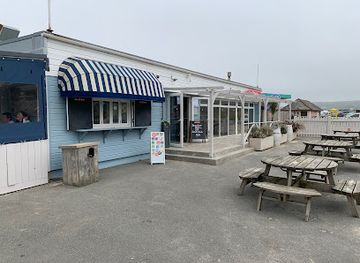
Le Braye Cafe
Discover culinary bliss at Le Braye Cafe, where fresh seafood meets stunning coastal views in beautiful Jersey.
-
Restaurant
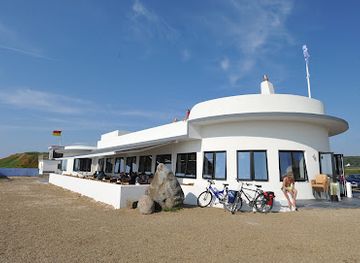
Rocco's Restaurant & Bar
Discover exquisite dining at Rocco's Restaurant & Bar in Jersey’s scenic Les Mielles Golf & Country Club - where culinary excellence meets breathtaking views.
Best bars in St. Ouen's Bay
St. Ouen's Bay offers a vibrant nightlife scene with a variety of bars, pubs, and clubs to suit every taste. From beachfront cocktail lounges with stunning sunset views to lively music venues hosting local bands and DJs, visitors can expect a lively and diverse atmosphere. The nightlife in St. Ouen's Bay provides the perfect opportunity to unwind after a day of exploring the island and to mingle with locals and fellow travelers alike.
-
Restaurant
El Tico
Discover El Tico, a coastal restaurant in Jersey offering fresh local cuisine and stunning ocean views for an unforgettable dining experience.
-
Restaurant
Watersplash Beach Bar & Diner
Experience delicious local cuisine and stunning ocean views at Watersplash Beach Bar & Diner in Jersey.
-
Restaurant
Le Braye Cafe
Experience the best of Jersey at Le Braye Cafe, where fresh seafood meets stunning coastal views in a cozy atmosphere.
-
Bar
Rocco's Restaurant & Bar
Discover Rocco's Restaurant & Bar at Les Mielles Golf & Country Club, where exquisite local cuisine meets stunning views in a relaxed setting.
Best nightclubs in St. Ouen's Bay
St. Ouen's Bay offers a vibrant nightlife scene with a variety of bars, pubs, and clubs to suit every taste. From beachfront cocktail lounges with stunning sunset views to lively music venues hosting local bands and DJs, visitors can expect a lively and diverse atmosphere. The nightlife in St. Ouen's Bay provides the perfect opportunity to unwind after a day of exploring the island and to mingle with locals and fellow travelers alike.
-
Restaurant
Watersplash Beach Bar & Diner
Experience the joy of coastal dining at Watersplash Beach Bar & Diner, where delightful flavors meet stunning seaside views in Jersey.
-
Bar
Rocco's Restaurant & Bar
Experience exquisite dining at Rocco's Restaurant & Bar in Jersey, where gourmet cuisine meets stunning landscape at Les Mielles Golf & Country Club.
-
Pub
Farmers Inn
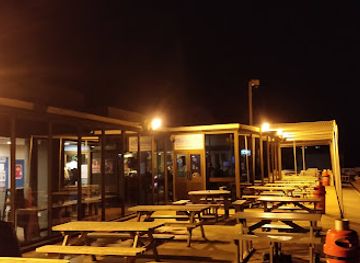
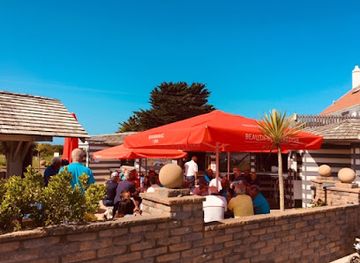
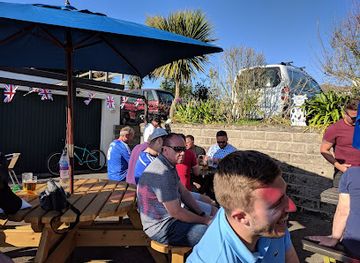
Experience the charm of Farmers Inn, a beloved pub in St Ouen, offering delightful drinks and hearty meals in a cozy atmosphere.
-
Bar
FREDIFAZBER
Discover the lively charm of FREDIFAZBER, a premier bar in Jersey offering a unique nightlife experience with local flavors and vibrant entertainment.
Best shops in St. Ouen's Bay
The shopping scene in St. Ouen's Bay offers a unique blend of local crafts, artisanal products, and vintage finds that reflect the rich cultural heritage of Jersey. Visitors can explore quaint boutiques, bustling markets, and charming street vendors selling everything from handmade jewelry to locally-produced food items. The vibrant atmosphere and eclectic mix of shops make shopping in St. Ouen's Bay a truly delightful experience for tourists looking to bring home a piece of the island's history and charm.
-
Tourist attraction
Jersey Pearl
Explore the unique blend of artistry, culture, and culinary delights at Jersey Pearl, a must-visit destination on the beautiful island of Jersey.
-
Convenience store
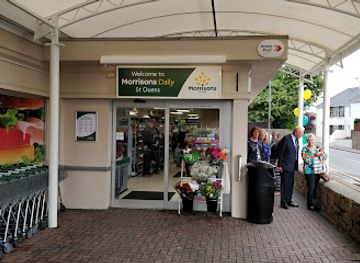
Morrisons Daily
Discover the convenience of Morrisons Daily, your go-to store for essentials, snacks, and local treats while exploring the beautiful island of Jersey.
-
Farm shop
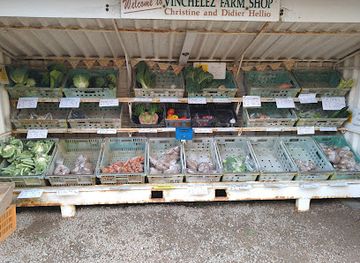
Manor Farm
Explore Jersey's countryside at Manor Farm, where fresh local produce meets a warm community atmosphere.
-
Computer store
Island Technology
Discover the latest in electronics and computer technology at Island Technology in Jersey, your go-to destination for all tech needs.
Get your free copy of our complete guide to St. Ouen's Bay, delivered straight to you.
Everything on this page, from attractions and restaurants to essentials and local phrases, in one PDF you can read offline, print or share.
Already have an account? Sign in
Your St. Ouen's Bay guide is ready.
We'll send it to · Not you? Sign out

Getting your guide ready…
We are putting together a fresh copy of the St. Ouen's Bay guide. This can take up to a minute.
This can take a few moments. If your browser asks, choose Allow so the download can start. You'll find the guide in your Downloads folder.
Nothing happened? Download it again
Sorry, the guide is taking longer than usual. Please try again in a minute, or get it by email instead.
St. Ouen's Bay essentials
Currency and Payment
Safety
Emergency Situations
Do's and Don'ts
Local Tips
From Eve
Local phrases worth knowing
You don't need to get them perfect. A few words go a long way, and locals appreciate the effort.
Basics
| English | Local | Say it |
|---|---|---|
| Hello | Bonjour | [bon-zhoor] |
| Goodbye | Au revoir | [oh ruh-vwahr] |
| Yes | Oui | [wee] |
| No | Non | [nohn] |
| Please/You're welcome | S'il vous plaît / De rien | [seel voo pleh / duh ryen] |
| Thank you | Merci | [mehr-see] |
| Excuse me/Sorry | Pardon / Désolé | [pahr-dohn / day-zoh-lay] |
| How are you? | Comment ça va? | [koh-mohn sah vah?] |
| Fine. And you? | Bien. Et vous? | [byehn. ay voo] |
| Do you speak English? | Parlez-vous anglais? | [par-lay voo ahn-glay] |
| I don't understand | Je ne comprends pas | [zhuh nuh kohm-prahnd pah] |
Eating & Drinking
| English | Local | Say it |
|---|---|---|
| I'd like to see the menu, please | Je voudrais voir le menu, s'il vous plaît | [zhuh voo-dray vwahr luh men-yoo, seel voo pleh] |
| I don't eat meat | Je ne mange pas de viande | [zhuh nuh mahnj pah duh vee-and] |
| Cheers! | Santé! | [sahn-tay] |
| I would like to pay, please | Je voudrais payer, s'il vous plaît | [zhuh voo-dray pay-ay, seel voo pleh] |
Emergencies
| English | Local | Say it |
|---|---|---|
| Help! | Au secours! | [oh suh-coor] |
| Go away! | Allez-vous en! | [ah-lay voo zahn] |
| Call the Police! | Appelez la police! | [ah-play lah poh-leece] |
| Call a doctor! | Appelez un médecin! | [ah-play uh mayd-sahn] |
| I'm lost | Je suis perdu | [zhuh swee pair-doo] |
| I'm ill | Je suis malade | [zhuh swee mah-lahd] |
Shopping
| English | Local | Say it |
|---|---|---|
| I'd like to buy... | Je voudrais acheter... | [zhuh voo-dray ash-tay...] |
| I'm just looking | Je regarde juste | [zhuh ruh-gahrd zhuhst] |
| How much is it? | Combien ça coûte? | [kohm-byen sah koot] |
| That's too expensive | C'est trop cher | [say tro shair] |
| Can you lower the price? | Pouvez-vous baisser le prix? | [poo-veh voo bay-say luh pree] |
Time & Numbers
| English | Local | Say it |
|---|---|---|
| What time is it? | Quelle heure est-il? | [kell ur ay teel] |
| It's one o'clock | Il est une heure | [eel ayz oon ur] |
| Half past (10) | Dix heures et demie | [dees ur ay duh-mee] |
| Morning | Matin | [mah-tahn] |
| Afternoon | Après-midi | [ah-pray-mee-dee] |
| Evening | Soir | [swah] |
| Yesterday | Hier | [yehr] |
| Today | Aujourd'hui | [oh-zhoor-dwee] |
| Tomorrow | Demain | [duh-mahn] |
| 1 | Un | [uhn] |
| 2 | Deux | [duh] |
| 3 | Trois | [twah] |
| 4 | Quatre | [kat] |
| 5 | Cinq | [sank] |
| 6 | Six | [sees] |
| 7 | Sept | [seht] |
| 8 | Huit | [weet] |
| 9 | Neuf | [nuf] |
| 10 | Dix | [dees] |
Transport & Directions
| English | Local | Say it |
|---|---|---|
| Where's a/the...? | Où est...? | [oo ay...] |
| What's the address? | Quelle est l'adresse? | [kell ay la-dress] |
| Can you show me (on the map)? | Pouvez-vous me montrer (sur la carte)? | [poo-veh voo muh mohn-tray (soor lah kart)] |
| When's the next (bus)? | Quand est le prochain (bus)? | [kahn ay luh proh-shahn (bus)] |
| A ticket (to ....) | Un billet (pour ...) | [uhn bee-yay (poor ...)] |
History of St. Ouen's Bay
Ancient Beginnings
St. Ouen's Bay has been a site of human activity since the Neolithic period. Archaeological finds such as flint tools and burial mounds suggest that the area was inhabited by early settlers who took advantage of the fertile land and abundant fishing opportunities.
Medieval Period
During the medieval period, St. Ouen's Bay was part of the feudal system under the control of local lords. The bay provided a strategic point for defense against potential invaders and pirates. The remnants of medieval fortifications, including the ruins of Grosnez Castle, still stand as a testament to this era.
Smuggling Economy
In the 18th and early 19th centuries, St. Ouen's Bay became infamous for its smuggling activities. The rugged coastline and hidden coves offered the perfect cover for smugglers who transported contraband goods such as alcohol and tobacco. Local folklore is rich with tales of daring escapades and secret hideouts.
German Occupation
During World War II, Jersey was occupied by German forces, and St. Ouen's Bay played a significant role in the island's defense system. The Germans constructed a series of bunkers, gun emplacements, and observation towers along the bay. Today, these structures are preserved as part of the Channel Islands Occupation Society's efforts to educate the public about this period.
Post-War Era and Tourism
After the war, St. Ouen's Bay transformed into a popular tourist destination. The pristine sandy beach, impressive surf, and scenic beauty attracted visitors from across the globe. Surfing culture flourished, and the bay became known as a premier surfing spot in the British Isles.
Environmental Conservation
In recent years, St. Ouen's Bay has been the focus of significant environmental conservation efforts. The area is a designated Site of Special Interest, with initiatives aimed at protecting its unique coastal habitats, including sand dunes and wetlands. Conservation projects have been implemented to preserve the biodiversity of the bay for future generations.
St. Ouen's Bay in Photos
Browse through our photo collection highlighting the charm and character of the destination.
Cities in St. Ouen's Bay
The towns and cities of St. Ouen's Bay, and the easiest places to base yourself.

Swipe for more cities
Neighbouring destination travel guides
The closest destinations to St. Ouen's Bay, if you have time for more than one.
-

-

-

-

-


Swipe for more destinations
Explore more

Explore more of Saint Ouen
Discover Saint Ouen in Jersey: where unspoiled beaches, rich history, and natural beauty merge to create a tranquil and captivating getaway.
Explore Saint Ouen
Explore more of Jersey
Discover the charm of Jersey, the largest Channel Island, with its stunning landscapes, rich history, and a delightful blend of British and French cultures.
Explore Jersey