

Plemont Bay Travel Guide - Free Web & App
Your ultimate guide to Plemont Bay. Discover top landmarks, proposed trips, and local tips. Free on the web or via the Evendo companion app.


Plemont Bay, Jersey, pairs sea caves, cliffs, a sandy cove and coastal walks with island history, rock pools and dramatic views across the north-west coast.
A Sheltered Cove on the North-West Coast
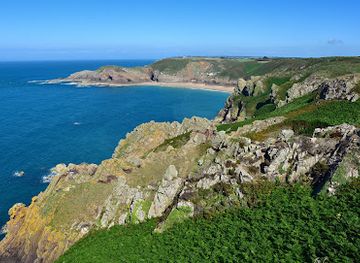
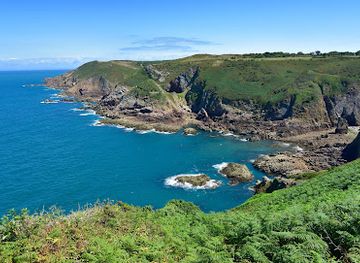
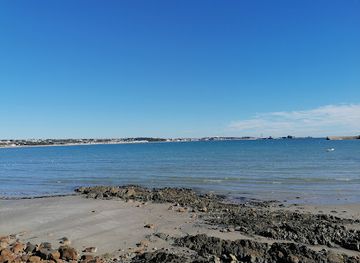
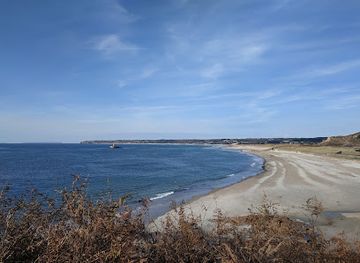
Plemont Bay occupies a cleft in Jersey’s rugged north-west coast, where high cliffs descend towards a sandy beach framed by dark rock ledges and sea caves. The bay is compact, but its scenery changes markedly with the tide: at low water, broad sands and rock pools appear, while the incoming sea reaches into the cave entrances and narrows the accessible shore. A waterfall can form on the cliff face after wet weather, adding another seasonal feature to the cove.Read more about Plemont Bay
Cliffs, Caves and Coastal Walks
A Quiet Corner of Jersey
When is the best time to visit Plemont Bay?
Best: June–August · 20–22°C| Month | High (°C) | Rainfall (mm) |
|---|---|---|
| January | 12 | 88 |
| February | 12 | 79 |
| March | 12 | 74 |
| April | 14 | 65 |
| May | 18 | 60 |
| June (best) | 20 | 54 |
| July (best) | 22 | 53 |
| August (best) | 22 | 57 |
| September | 21 | 65 |
| October | 18 | 71 |
| November | 15 | 78 |
| December | 13 | 86 |
Getting to and around Plemont Bay
How to get there
Transportation
Best attractions in Plemont Bay
Plemont Bay’s principal attraction is the cove itself, where a sandy beach, intertidal rock shelves and sea caves sit below high north-western cliffs. At low tide, visitors can examine rock pools and the entrances to caves, although these areas must be left well before the tide returns. After rain, water may descend from the cliff face as a temporary waterfall. The surrounding Plemont headland offers open coastal walking, sea views and a strong sense of Jersey’s exposed western landscape, with pasture and heath replacing the built-up character of St Helier. The wider coast contains wartime remains and other natural viewpoints, but these should be approached as part of established routes rather than through informal cliff-edge paths. Plemont is also a useful setting for observing the relationship between Jersey’s geology, farming landscape and conservation history, while the limited facilities make it more suitable for a self-sufficient coastal visit than a conventional beach-resort day.
-
Castle
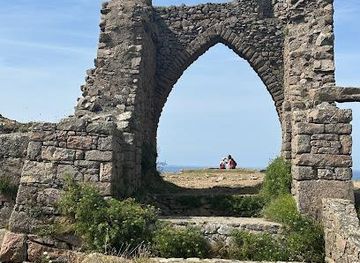
Grosnez Castle
Explore the historic Grosnez Castle in Jersey, a captivating site blending medieval architecture with breathtaking coastal views.
-
History museum
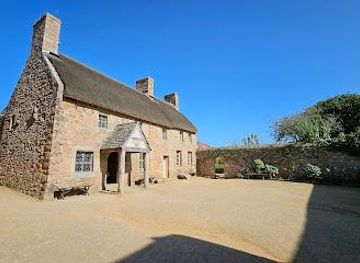
Hamptonne Country Life Museum
Discover Jersey's agricultural heritage at Hamptonne Country Life Museum, a historical gem offering engaging exhibits and beautiful gardens.
-
Tourist attraction
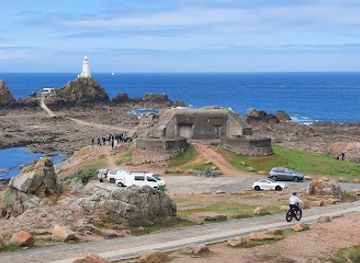
Strong Point Corbiere
Explore the breathtaking views and rich maritime history at Strong Point Corbiere, Jersey's iconic coastal attraction featuring the famous lighthouse.
-
Sculpture
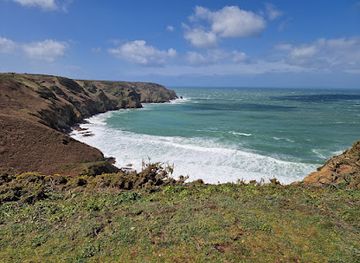
Two Giant Puffins
Explore the breathtaking Two Giant Puffins sculpture on Jersey's stunning coastline, a perfect blend of art and nature.
Best landmarks in Plemont Bay
Plemont Bay is defined by the natural landmarks compressed into a small coastal amphitheatre: steep cliffs, a sandy cove, wave-cut rock platforms and caves opened by the sea. The headland above the beach is significant both as an open north-western viewpoint and as protected coastal land whose future became a focus of Jersey’s conservation movement. A waterfall descending the cliff after rainfall is a seasonal feature rather than a permanent engineered attraction. The wider setting also contains traces of Jersey’s twentieth-century defensive landscape, reflecting the German Occupation and the militarisation of exposed coastlines during the Second World War. The contrast between these concrete remnants, the island’s agricultural fields and the constantly changing shore gives Plemont a distinctive cultural and geographical identity. Natural features are best viewed from established paths and the beach at suitable tidal states, rather than by climbing cliffs or entering unstable structures.
-
Beach
Plémont Beach
Discover the serene beauty of Plémont Beach in Jersey, a perfect destination for sunbathing, swimming, and exploring nature's wonders.
-
Scenic spot
Devil's Hole Viewing Platform
Discover the stunning coastal views and tranquility at Devil's Hole Viewing Platform, a must-visit scenic spot in Jersey, ideal for nature lovers and photographers.
-
Historical landmark
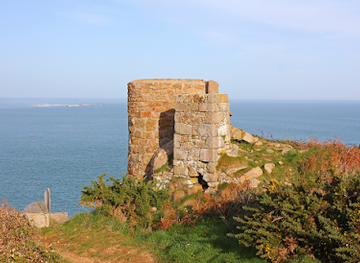
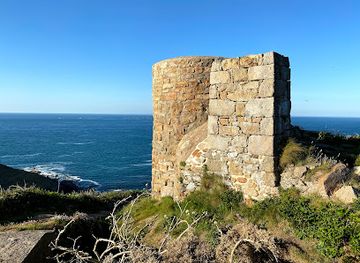
Plemont Fort Ruins & WWII Bunker
Explore the Plemont Fort Ruins & WWII Bunker, a captivating historical landmark with stunning coastal views on Jersey's picturesque coastline.
-
Historical landmark
Plemont Guard House
Explore the Plemont Guard House, a historic landmark on Jersey's breathtaking coastline, blending rich maritime history with stunning coastal views.
Explore Plemont Bay on the map
Plan your trip on one map. See where the top attractions, landmarks, restaurants and hotels are, and book hotels and experiences in a few clicks.
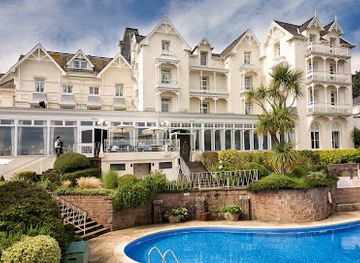
Best hotels in Plemont Bay
Best restaurants in Plemont Bay
Dining at Plemont is limited and should not be confused with the more extensive choice found in Jersey’s towns and villages. A seasonal café near the bay may provide simple refreshments when operating, but visitors should check current arrangements and avoid relying on it for a full meal. Many people bring water and a packed lunch, particularly when combining Plemont with a coastal walk. More substantial food is generally found in nearby western and northern settlements or in larger centres reached by road, where cafés, pubs, restaurants and food shops serve Jersey produce alongside familiar British and international dishes. Local specialities across the island can include Jersey Royal potatoes, dairy products, seafood and shellfish, although availability varies by season and establishment. The rural setting means that advance planning is useful, especially outside the main daytime visiting period.
-
Restaurant
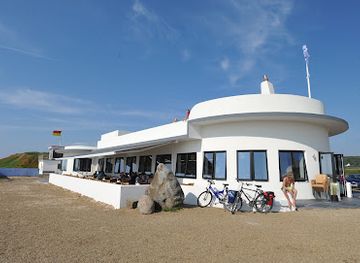
El Tico
Experience exquisite dining with breathtaking coastal views at El Tico in Jersey - where every meal is a feast for your senses.
-
Family-friendly
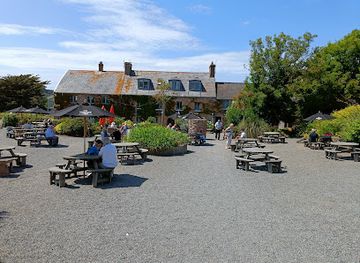
The Portelet Inn - Randalls Pubs
Discover family-friendly dining at The Portelet Inn in Jersey—where delicious food meets stunning coastal views.
-
Restaurant
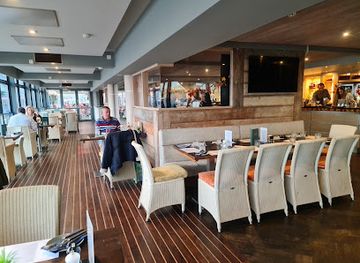
The Boat House
Experience exquisite dining at The Boat House in St Aubin with stunning harbor views and a diverse menu perfect for all tastes.
-
Restaurant
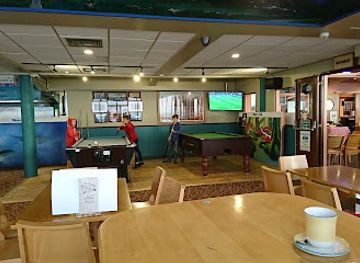
Watersplash Beach Bar & Diner
Experience coastal dining at its finest at Watersplash Beach Bar & Diner in Jersey, where delicious food meets stunning ocean views.
Best bars in Plemont Bay
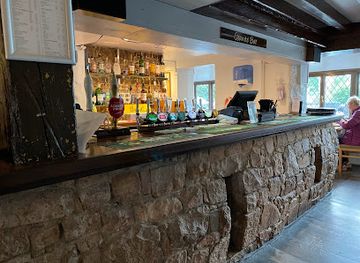
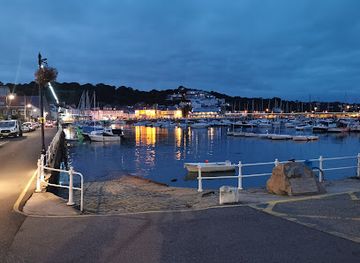
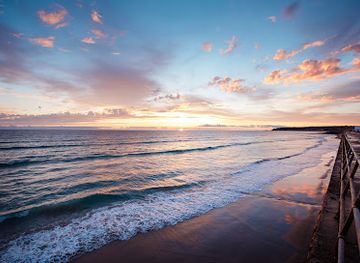
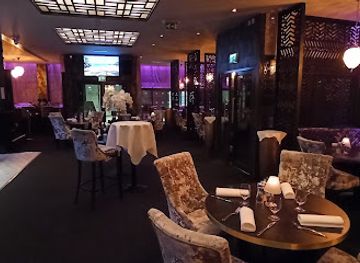
Plemont Bay has no nightlife district, nightclub scene or concentration of late-opening venues. Evening activity is principally the quiet enjoyment of the coast, such as watching changing light from the headland, provided visitors remain within safe areas and leave before darkness makes the steps and cliff paths difficult. For a drink or a more sociable evening, visitors normally travel to established pubs, restaurants and hotel bars in nearby western villages or to St Helier, where Jersey’s broader hospitality scene is concentrated. Traditional pubs elsewhere on the island offer a more authentic local evening atmosphere than any commercial nightlife associated with the bay itself. Opening patterns, transport options and seasonal availability vary, so anyone planning to return after dark should arrange transport in advance and avoid treating the rural approach roads as a lit promenade.
-
Family-friendly
The Portelet Inn - Randalls Pubs
Discover the family-friendly Portelet Inn in Jersey, where great food and stunning views create unforgettable moments for all.
-
Restaurant
The Boat House
Experience exquisite dining and stunning waterfront views at The Boat House, a must-visit restaurant and bar in St Aubin.
-
Restaurant
The Tenby - Randalls Pubs
Discover the charm of The Tenby, a coastal pub in St Aubin offering delectable food, refreshing drinks, and breathtaking views over St Aubin's Bay.
-
Restaurant
Watersplash Beach Bar & Diner
Experience coastal dining at its finest at Watersplash Beach Bar & Diner, where fresh flavors meet stunning ocean views in Jersey.
Best nightclubs in Plemont Bay
Plemont Bay has no nightlife district, nightclub scene or concentration of late-opening venues. Evening activity is principally the quiet enjoyment of the coast, such as watching changing light from the headland, provided visitors remain within safe areas and leave before darkness makes the steps and cliff paths difficult. For a drink or a more sociable evening, visitors normally travel to established pubs, restaurants and hotel bars in nearby western villages or to St Helier, where Jersey’s broader hospitality scene is concentrated. Traditional pubs elsewhere on the island offer a more authentic local evening atmosphere than any commercial nightlife associated with the bay itself. Opening patterns, transport options and seasonal availability vary, so anyone planning to return after dark should arrange transport in advance and avoid treating the rural approach roads as a lit promenade.
-
Live music bar
Blue Note Bar
Discover the rhythm of St Helier at Blue Note Bar, where live music meets a lively atmosphere for an unforgettable night out.
-
Restaurant
Tides Restaurant & Voyager Lounge Bar
Discover the exquisite flavors of modern British cuisine at Tides Restaurant & Voyager Lounge Bar in St. Aubin, Jersey, with stunning views and delightful ambiance.
-
Bar
Vittoria
Experience the vibrant nightlife of Jersey at Vittoria, Liberty Wharf's favorite bar for locals and tourists alike, featuring great drinks and a lively atmosphere.
-
Sports bar
The Up & Down
Experience the ultimate nightlife at The Up & Down, a vibrant sports bar in St Helier, Jersey, with karaoke, live music, and delicious British cuisine.


Best shops in Plemont Bay
Plemont Bay has no shopping centre, retail street or substantial collection of independent shops. Visitors should bring essentials with them and treat any seasonal refreshment outlet near the access point as a limited facility rather than a dependable shopping stop. Local products and gifts are more readily found in Jersey’s villages, farm shops and larger towns, where visitors may encounter island produce, dairy goods, Jersey Royal potatoes, preserves, crafts and locally made artwork. St Helier provides the widest choice of shops and practical supplies, while western settlements offer a more rural selection of food shops and small businesses. Purchases connected with Plemont are therefore usually modest souvenirs or provisions acquired elsewhere on the island, rather than goods bought at the bay itself. Opening days and product ranges vary, particularly outside the main visitor season.
-
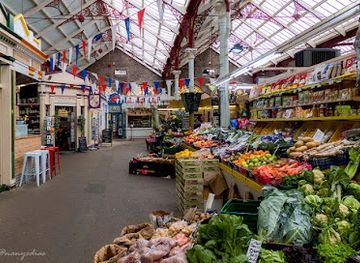
Market
Jersey Market
Explore Jersey Market: A vibrant hub of local crafts, gifts, and fresh produce in the heart of St Helier.
-
Tourist attraction
Jersey Pearl
Discover the enchanting world of pearls at Jersey Pearl, where culture, craftsmanship, and culinary delights await in a picturesque setting.
-
Coffee shop
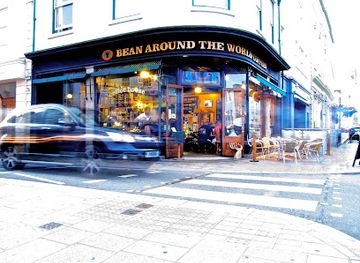
Bean Around The World
Explore the essence of Jersey with artisanal coffee and delightful pastries at Bean Around The World, a must-visit café in St Helier.
-
Supermarket
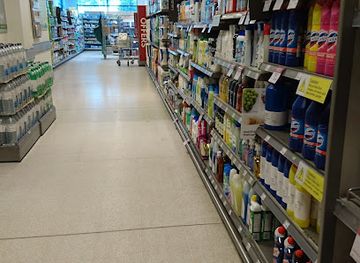
Waitrose & Partners
Savor the finest local produce and gourmet selections at Waitrose & Partners in Jersey, the ultimate stop for culinary enthusiasts.
Get your free copy of our complete guide to Plemont Bay, delivered straight to you.
Everything on this page, from attractions and restaurants to essentials and local phrases, in one PDF you can read offline, print or share.
Already have an account? Sign in
Your Plemont Bay guide is ready.
We'll send it to · Not you? Sign out

Getting your guide ready…
We are putting together a fresh copy of the Plemont Bay guide. This can take up to a minute.
This can take a few moments. If your browser asks, choose Allow so the download can start. You'll find the guide in your Downloads folder.
Nothing happened? Download it again
Sorry, the guide is taking longer than usual. Please try again in a minute, or get it by email instead.
Plemont Bay essentials
Currency and Payment
Safety
Emergency Situations
Do's and Don'ts
Local Tips
From Eve
Local phrases worth knowing
You don't need to get them perfect. A few words go a long way, and locals appreciate the effort.
Basics
| English | Local | Say it |
|---|---|---|
| Hello | Bonjour | [bon-zhoor] |
| Goodbye | Au revoir | [oh reh-vwahr] |
| Yes | Oui | [wee] |
| No | Non | [nohn] |
| Please/You're welcome | S'il vous plaît/De rien | [see voo pleh/duh ree-ahn] |
| Thank you | Merci | [mehr-see] |
| Excuse me/Sorry | Excusez-moi/Désolé | [ex-kew-zay mwa/day-zoh-lay] |
| How are you? | Comment ça va? | [koh-mohn sah vah] |
| Fine. And you? | Bien. Et toi? | [byen. ay twah] |
| Do you speak English? | Parlez-vous anglais? | [par-lay voo ahn-glay] |
| I don't understand | Je ne comprends pas | [zhuh nuh kohm-prahnd pah] |
Eating & Drinking
| English | Local | Say it |
|---|---|---|
| I'd like to see the menu, please | Je voudrais voir le menu, s'il vous plaît | [zhuh voo-dray vwahr luh muh-nyu, see voo pleh] |
| I don't eat meat | Je ne mange pas de viande | [zhuh nuh mahnj pah duh vee-ahnd] |
| Cheers! | Santé! | [sahn-tay] |
| I would like to pay, please | Je voudrais payer, s'il vous plaît | [zhuh voo-dray pay-ay, see voo pleh] |
Emergencies
| English | Local | Say it |
|---|---|---|
| Help! | À l'aide! | [ah leyd] |
| Go away! | Allez-vous en! | [ah-lay vooz ahn] |
| Call the Police! | Appelez la police! | [ah-pleh lah poh-lees] |
| Call a doctor! | Appelez un docteur! | [ah-pleh uh dohk-tuhr] |
| I'm lost | Je suis perdu | [zhuh swee pair-doo] |
| I'm ill | Je suis malade | [zhuh swee mah-lahd] |
Shopping
| English | Local | Say it |
|---|---|---|
| I'd like to buy... | Je voudrais acheter... | [zhuh voo-dray zah-shay] |
| I'm just looking | Je regarde juste | [zhuh ruh-gard zhuhst] |
| How much is it? | Combien ça coûte? | [kohm-byen sah koot] |
| That's too expensive | C'est trop cher | [say troh shair] |
| Can you lower the price? | Pouvez-vous baisser le prix? | [poo-veh voo bay-say luh pree] |
Time & Numbers
| English | Local | Say it |
|---|---|---|
| What time is it? | Quelle heure est-il? | [kell ur ay teel] |
| It's one o'clock | Il est une heure | [eel ayz oon ur] |
| Half past (10) | Dix heures et demie | [dees ur ay duh-mee] |
| Morning | Matin | [mah-tahn] |
| Afternoon | Après-midi | [ah-pray-mee-dee] |
| Evening | Soir | [swahr] |
| Yesterday | Hier | [yehr] |
| Today | Aujourd'hui | [oh-zhoor-dwee] |
| Tomorrow | Demain | [duh-mahn] |
| 1 | Un | [uhn] |
| 2 | Deux | [duh] |
| 3 | Trois | [twah] |
| 4 | Quatre | [kat] |
| 5 | Cinq | [sank] |
| 6 | Six | [sees] |
| 7 | Sept | [set] |
| 8 | Huit | [wheat] |
| 9 | Neuf | [nuhf] |
| 10 | Dix | [dees] |
Transport & Directions
| English | Local | Say it |
|---|---|---|
| Where's a/the...? | Où est...? | [oo ay] |
| What's the address? | Quelle est l'adresse? | [kell ay lah-dress] |
| Can you show me (on the map)? | Pouvez-vous me montrer (sur la carte)? | [poo-veh voo muh mohn-tray (soor lah kart)] |
| When's the next (bus)? | Quand est le prochain (bus)? | [kahn ay luh proh-shahn (boos)] |
| A ticket (to ....) | Un billet (pour ....) | [uhn bee-yay (poor)] |
History of Plemont Bay
A Coast Shaped by Sea and Ice
Plemont’s physical character reflects long geological processes rather than a single historical event. Waves have progressively cut into the north-west coast, exploiting lines of weakness in the rock to create cliffs, ledges and caves, while repeated changes in sea level altered the relationship between the shore and the headland. The sandy cove, intertidal platforms and exposed cliff faces continue to be reshaped by tides, storms and weathering. These processes explain why Plemont is best understood as a changing coastal landscape, with features that can look markedly different according to tide, season and conditions.
Farming and Coastal Settlement
For centuries, the land behind Plemont formed part of Jersey’s rural landscape, shaped by small-scale agriculture, grazing and the network of lanes and fields characteristic of the island’s western parishes. The bay itself was not an urban settlement, but the coast was closely connected to nearby farming communities and to the practical use of the shore. Jersey’s granite-built farmhouses, earth banks and enclosed fields provide the wider historical context for understanding Plemont: an apparently wild coastline exists alongside land long managed by people, rather than apart from human activity.
Wartime Jersey on the Headland
During the German Occupation of Jersey from 1940 to 1945, the island’s exposed coastline was incorporated into extensive defensive planning. Concrete fortifications, observation positions and other military remains were built at sites around Jersey, including the wider north-west coast. Plemont is therefore encountered within a landscape where natural cliffs and twentieth-century military history overlap, although the bay itself remains primarily valued for its coastal scenery. Visitors should treat any surviving structures with caution and avoid entering unstable or restricted areas.
Protecting the Plemont Headland
In the early twenty-first century, public concern focused on the future of the Plemont headland after proposals associated with redevelopment of a former holiday-camp site. The National Trust for Jersey acquired the headland in 2014, helping secure its landscape character and public value. That campaign became an important episode in Jersey’s modern conservation history, illustrating the importance placed on keeping prominent coastal land open and protecting its relationship with the sea. Today, Plemont’s identity rests not only on its caves and beach but also on this modern history of community-led environmental stewardship.
Plemont Bay in Photos
Browse through our photo collection highlighting the charm and character of the destination.
Cities in Plemont Bay
The towns and cities of Plemont Bay, and the easiest places to base yourself.
-

-

-

-

-

-


Swipe for more cities
Neighbouring destination travel guides
The closest destinations to Plemont Bay, if you have time for more than one.
-

-

-

-

-


Swipe for more destinations
Explore more

Explore more of Saint Ouen
Discover Saint Ouen in Jersey: where unspoiled beaches, rich history, and natural beauty merge to create a tranquil and captivating getaway.
Explore Saint Ouen
Explore more of Jersey
Discover the charm of Jersey, the largest Channel Island, with its stunning landscapes, rich history, and a delightful blend of British and French cultures.
Explore Jersey