

Free Aqaba Coast Travel Guide & Mobile App
Explore Aqaba Coast with free travel guides. Discover regional history, expert tips, proposed trips, and audio guides on web or mobile app.


Explore Aqaba Coast for Jordanian history, Red Sea reefs, seafood, diving and warm waterfront evenings beside desert mountains.
Read more about Aqaba Coast
When is the best time to visit Aqaba Coast?
Best: March, November–December · 22–27°C| Month | High (°C) | Rainfall (mm) |
|---|---|---|
| January | 20 | 10 |
| February | 21 | 8 |
| March (best) | 25 | 7 |
| April | 29 | 4 |
| May | 33 | 1 |
| June | 36 | 0 |
| July | 38 | 0 |
| August | 38 | 0 |
| September | 36 | 1 |
| October | 32 | 3 |
| November (best) | 27 | 5 |
| December (best) | 22 | 9 |
Getting to and around Aqaba Coast
How to get there
Transportation
Top city travel guides in Aqaba Coast
The cities of Aqaba Coast, and the easiest places to base yourself.

Swipe for more cities
Best attractions in Aqaba Coast
Aqaba Coast’s attractions combine marine recreation, historic remains and the practical energy of a working Jordanian port. The clearest waters and coral reefs are found along the southern shore, where organised diving, snorkelling and boat trips provide access to colourful reef habitats and submerged sites. The Aqaba Marine Park area is particularly associated with conservation and underwater activities, although visitors should use authorised access points and follow local environmental rules. Tala Bay offers a more resort-focused stretch of coast with beaches, watersports and waterfront facilities. In the city, the excavated remains of Ayla introduce the early Islamic history of the port, while the nearby archaeological museum and castle help explain Aqaba’s strategic importance. The central souks, fish market and seafront are attractions in a more everyday sense, revealing the relationship between commerce, fishing, hospitality and tourism. Families may prefer hotel pools, glass-bottom boats and gently supervised beach activities, while experienced divers can arrange deeper reef excursions. Inland desert scenery is close by, but Wadi Rum and Petra are separate destinations outside Aqaba Coast and should be planned as longer excursions rather than treated as local attractions.
-
Beach
Al-Ghandour Beach
Experience the tranquility of Al-Ghandour Beach, a stunning destination in Aqaba, Jordan, perfect for relaxation, water sports, and unforgettable sunsets.
-
AlHafayer Park
Experience the tranquil beauty of AlHafayer Park in Aqaba, a perfect retreat for nature lovers and families seeking relaxation in a vibrant setting.
-
Tourist attraction
Berenice Beach Club / شاطئ ومنتجع برنيس العقبه
Discover the beauty and tranquility of Berenice Beach Club in Aqaba, where sun-soaked beaches meet vibrant marine adventures.
-
Tourist information center
Wadi Rum Visitor Center
Discover the Wadi Rum Visitor Center, your essential guide to exploring the majestic landscapes and rich culture of Jordan's Wadi Rum desert.


Best landmarks in Aqaba Coast
Aqaba Castle is the coast’s most recognisable historic structure, a fortified complex in the centre of Aqaba whose present form reflects medieval Mamluk associations and later modifications. Its position beside the historic core illustrates how defence, administration and maritime trade were connected. Nearby, the remains of Ayla mark the site of an early Islamic port city laid out around streets, gates and civic buildings; the excavations are important not simply as ruins but as evidence of Aqaba’s early urban role. The modern port and shoreline form a different kind of landmark, expressing the city’s continuing importance as Jordan’s outlet to the Red Sea. Along the southern coast, coral reefs and the clear waters of the gulf are natural landmarks as much as recreational assets, although their value is best appreciated without touching or damaging them. The surrounding arid mountains create a dramatic backdrop and help explain the narrow geography of the coastal strip. Resort architecture at Tala Bay reflects Aqaba’s contemporary tourism economy, while the waterfront’s meeting of fishing, shipping and leisure gives the city a distinctive visual identity.
-
Park
AlHafayer Park
Experience the natural beauty and cultural charm of AlHafayer Park in Aqaba, a perfect escape for tourists seeking relaxation and adventure.
-
Tourist attraction
Berenice Beach Club / شاطئ ومنتجع برنيس العقبه
Discover the beauty of Berenice Beach Club in Aqaba, where relaxation meets adventure on the stunning shores of the Red Sea.
-
Plaza
Arab Revolt Plaza
Experience the vibrant culture and historical significance of Arab Revolt Plaza in the heart of Aqaba, where tradition meets modernity.
-
Resort hotel
Ayla Oasis
Experience luxury and adventure at Ayla Oasis, a premier resort hotel in Aqaba, Jordan. Enjoy golf, gourmet dining, and stunning views along the Red Sea.


Explore Aqaba Coast on the map
Plan your trip on one map. See where the top cities, national parks and sights are, and book hotels and experiences in a few clicks.
Best hotels in Aqaba Coast
Best restaurants in Aqaba Coast
Aqaba’s dining reflects both its Red Sea position and Jordanian culinary traditions. Seafood is prominent, with fish and prawns appearing in restaurants and market-oriented establishments, although availability depends on the catch and the season. Local meals also include mezze, hummus, falafel, grilled meats, shawarma, maqluba, mansaf and fresh bread, while rice dishes and salads suit the hot climate. The central city has modest cafés, bakeries and family restaurants, whereas large hotels and southern resorts offer broader international menus and licensed dining. Jordanian sweets, dates, Arabic coffee and mint tea are useful introductions to local hospitality, and fresh juices are common in warmer months. Visitors interested in seafood can ask what is locally available rather than assuming every fish on a menu was caught nearby. Markets and food shops provide fruit, spices and snacks for beach days, but food should be kept cool in the heat. Dining times are flexible, and during Ramadan daytime food service may be more limited outside hotels and designated venues.
-
Restaurant
خبزة وصينية khubza & Seneya
Discover authentic Jordanian flavors at Khubza & Seneya in Aqaba - where tradition meets culinary excellence.
-
Restaurant
Al Shami Restaurant
Discover authentic Jordanian flavors at Al Shami Restaurant in Aqaba – where every dish tells a story.
-
Italian
Pachi pizza & pasta
Experience authentic Italian flavors at Pachi Pizza & Pasta in Aqaba - where every meal is crafted with passion.
-
Chicken
Tikka Chicken Plus
Discover authentic Middle Eastern flavors at Tikka Chicken Plus in Aqaba - where every bite takes you on a delicious journey.


Best bars in Aqaba Coast
Aqaba’s evening life is more relaxed than the club scenes of major international resort cities. Central coffee shops, restaurants and traditional cafés remain active after sunset, when cooler temperatures bring people onto the streets and waterfront. Licensed hotel bars and resort venues provide the most predictable settings for wine, beer, cocktails and evening meals, particularly around the southern resort area and larger hotels. Some venues offer live music or occasional entertainment, but programmes and opening arrangements are subject to change. In the city centre, tea, Arabic coffee, conversation and late dining are often more characteristic than dancing. Alcohol is not widely available in every establishment, and visitors should respect local customs and venue rules. During Ramadan, nightlife and food-service patterns can change considerably, with activity often moving later into the evening. The safest approach is to confirm current arrangements with accommodation staff and use recognised venues rather than treating the waterfront or isolated beaches as nightlife areas.
-
Restaurant
Buffalo Wings & Rings - Aqaba
Savor the best American chicken wings and fast food in Aqaba at Buffalo Wings & Rings, where flavor meets fun.
-
Restaurant
Mirwas Cafe and Restaurant
Experience the best of Middle Eastern and Italian cuisine at Mirwas Cafe and Restaurant in Aqaba, with a stunning marina view and diverse menu options.
-
Restaurant
B12 Beach Club
Experience luxury and relaxation at B12 Beach Club, Aqaba's premier destination for sun, sea, and sensational dining.
-
Pub
Rovers Return
Discover the lively ambiance and delicious cuisine at Rovers Return, Aqaba's premier pub for locals and tourists alike.


Best nightclubs in Aqaba Coast
Aqaba’s evening life is more relaxed than the club scenes of major international resort cities. Central coffee shops, restaurants and traditional cafés remain active after sunset, when cooler temperatures bring people onto the streets and waterfront. Licensed hotel bars and resort venues provide the most predictable settings for wine, beer, cocktails and evening meals, particularly around the southern resort area and larger hotels. Some venues offer live music or occasional entertainment, but programmes and opening arrangements are subject to change. In the city centre, tea, Arabic coffee, conversation and late dining are often more characteristic than dancing. Alcohol is not widely available in every establishment, and visitors should respect local customs and venue rules. During Ramadan, nightlife and food-service patterns can change considerably, with activity often moving later into the evening. The safest approach is to confirm current arrangements with accommodation staff and use recognised venues rather than treating the waterfront or isolated beaches as nightlife areas.
-
Restaurant
B12 Beach Club
Experience the ultimate beach getaway at B12 Beach Club in Aqaba, where stunning views meet delectable dining and thrilling water sports.
-
Pub
Rovers Return
Experience the vibrant local culture at Rovers Return, a beloved pub in Aqaba known for its diverse menu and lively atmosphere.
-
Club
Saraya Aqaba Beach Club
Discover the perfect blend of relaxation and entertainment at Saraya Aqaba Beach Club, a vibrant retreat by the Red Sea.
-
Cocktail bar
Trio
Experience the vibrant nightlife of Aqaba at Trio, a cocktail bar offering handcrafted drinks and a lively atmosphere perfect for all occasions.


Best shops in Aqaba Coast
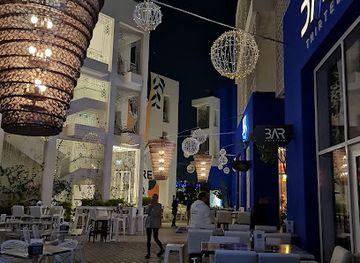
Shopping in Aqaba ranges from traditional central souks to modern hotel and resort retail. The city’s markets are useful for spices, dates, sweets, coffee, scarves, simple clothing, perfumes and everyday goods, with bargaining sometimes accepted in small independent shops but not assumed in every business. Gold and jewellery shops are a visible part of the commercial centre, while larger stores and hotels sell Dead Sea products, Jordanian foods and packaged gifts. Visitors may also find Bedouin-inspired textiles, ceramics and handmade items, though quality and provenance vary, so ask clearly about materials and production rather than assuming an item is locally made. Supermarkets and food shops are practical for water, fruit and beach supplies. Tala Bay and other resort areas offer more curated souvenirs and holiday shopping but are generally less representative of everyday Aqaba commerce. When buying anything made from coral, shells, antiquities or wildlife products, avoid it: removing marine life is damaging and transporting archaeological material can be illegal.
-
Shopping mall
Shweikh Mall
Experience the best of shopping, dining, and entertainment at Shweikh Mall in Aqaba, Jordan's premier shopping destination.
-
Shopping mall
China Town
Discover the vibrant shopping and cultural scene at China Town in Aqaba, a hub of local crafts, cuisine, and unique shops.
-
Shopping mall
Aqaba Gateway
Discover Aqaba Gateway, the ultimate shopping mall in Aqaba, Jordan, featuring duty-free deals and a vibrant atmosphere perfect for tourists.
-
Plaza
Arab Revolt Plaza
Explore the Arab Revolt Plaza in Aqaba, where history meets vibrant local culture amidst stunning views of the Gulf.



Get your free copy of our complete guide to Aqaba Coast, delivered straight to you.
Everything on this page, from attractions and restaurants to essentials and local phrases, in one PDF you can read offline, print or share.
Already have an account? Sign in
Your Aqaba Coast guide is ready.
We'll send it to · Not you? Sign out

Getting your guide ready…
We are putting together a fresh copy of the Aqaba Coast guide. This can take up to a minute.
This can take a few moments. If your browser asks, choose Allow so the download can start. You'll find the guide in your Downloads folder.
Nothing happened? Download it again
Sorry, the guide is taking longer than usual. Please try again in a minute, or get it by email instead.
Aqaba Coast essentials
Currency and Payment
Safety
Emergency Situations
Do's and Don'ts
Local Tips
From Eve
Local phrases worth knowing
You don't need to get them perfect. A few words go a long way, and locals appreciate the effort.
Basics
| English | Local | Say it |
|---|---|---|
| Hello | مرحبا | [Marhaba] |
| Goodbye | مع السلامة | [Ma'a as-salama] |
| Yes | نعم | [Na'am] |
| No | لا | [La] |
| Please/You're welcome | من فضلك | [Min fadlik] |
| Thank you | شكرا | [Shukran] |
| Excuse me/Sorry | عفوا | [Afwan] |
| How are you? | كيف حالك؟ | [Kayfa halak?] |
| Fine. And you? | بخير. وأنت؟ | [Bikhayr. Wa anta?] |
| Do you speak English? | هل تتكلم الإنجليزية؟ | [Hal tatakallam al-ingliziya?] |
| I don't understand | أنا لا أفهم | [Ana la afham] |
Eating & Drinking
| English | Local | Say it |
|---|---|---|
| I'd like to see the menu, please | أود رؤية القائمة، من فضلك | [Awad ru'yat al-qa'ima, min fadlik] |
| I don't eat meat | أنا لا أأكل اللحم | [Ana la akul al-lahm] |
| Cheers! | صحتين | [Sahtein] |
| I would like to pay, please | أود الدفع، من فضلك | [Awad ad-daf', min fadlik] |
Emergencies
| English | Local | Say it |
|---|---|---|
| Help! | نجدة! | [Najda!] |
| Go away! | اذهب بعيداً! | [Izhab ba'idan!] |
| Call the Police! | اتصل بالشرطة! | [Ittasil bil-shurta!] |
| Call a doctor! | اتصل بطبيب! | [Ittasil bi-tabib!] |
| I'm lost | أنا ضائع | [Ana da'ia] |
| I'm ill | أنا مريض | [Ana marid] |
Shopping
| English | Local | Say it |
|---|---|---|
| I'd like to buy... | أود شراء... | [Awad shir'a...] |
| I'm just looking | أنا فقط أنظر | [Ana faqat anzur] |
| How much is it? | كم ثمنه؟ | [Kam thamanu?] |
| That's too expensive | هذا غالي جداً | [Hatha ghali jidan] |
| Can you lower the price? | هل يمكنك تخفيض السعر؟ | [Hal yumkinuka takhfid as-si'r?] |
Time & Numbers
| English | Local | Say it |
|---|---|---|
| What time is it? | كم الساعة؟ | [Kam as-saa'a?] |
| It's one o'clock | الساعة الواحدة | [As-saa'a al-wahid] |
| Half past (10) | نصف بعد (10) | [Nisf ba'd (10)] |
| Morning | صباح | [Sabah] |
| Afternoon | بعد الظهر | [Ba'd al-zuhur] |
| Evening | مساء | [Masa'] |
| Yesterday | أمس | [Ams] |
| Today | اليوم | [Al-yawm] |
| Tomorrow | غداً | [Ghadan] |
| 1 | واحد | [Wahid] |
| 2 | اثنان | [Ithnan] |
| 3 | ثلاثة | [Thalatha] |
| 4 | أربعة | [Arba'a] |
| 5 | خمسة | [Khamsa] |
| 6 | ستة | [Sitta] |
| 7 | سبعة | [Sab'a] |
| 8 | ثمانية | [Thamaniya] |
| 9 | تسعة | [Tis'a] |
| 10 | عشرة | [Ashara] |
Transport & Directions
| English | Local | Say it |
|---|---|---|
| Where's a/the...? | أين يوجد ...؟ | [Ayn yujad ...?] |
| What's the address? | ما هو العنوان؟ | [Ma huwa al-'unwan?] |
| Can you show me (on the map)? | هل يمكنك أن تريني (على الخريطة)؟ | [Hal yumkinuka an turini (ala al-kharita)?] |
| When's the next (bus)? | متى يأتي (الباص) التالي؟ | [Mata ya'ti (al-bas) at-tali?] |
| A ticket (to ....) | تذكرة (إلى ...) | [Tadhkarah (ila ...)] |
History of Aqaba Coast
Early Red Sea and Bronze Age Trade
The head of the Gulf of Aqaba has long been important because it links the Red Sea with the deserts and inland routes of the Levant. Archaeological evidence from the wider Aqaba area points to prehistoric and Bronze Age activity, while later settlements benefited from access to seaborne trade and nearby mineral resources. The coast’s importance has never depended solely on its beaches: its value lies in the meeting of sea routes, caravan paths and mountain passes leading towards the interior of Jordan and the Arabian Peninsula.
Ayla and the Early Islamic Port
Ayla was founded in the early Islamic period, traditionally in the seventh century, on the site of present-day Aqaba’s historic centre. It became a significant port and staging point for travellers, merchants and pilgrims moving between the Red Sea, the Levant and the Hijaz. Excavated remains include sections of a planned town, defensive walls and buildings that reveal the organised character of the settlement. Ayla demonstrates that Aqaba was an important urban and commercial centre long before the arrival of modern tourism.
Pilgrimage, Trade and Medieval Fortifications
During the medieval period, Aqaba served routes connected with pilgrimage to Mecca and Medina as well as regional commerce. Its position made control of the port strategically valuable, and fortifications were maintained or rebuilt under successive Islamic rulers. Aqaba Castle, also known as the Mamluk Castle, reflects this military and administrative role, although the surviving structure incorporates several phases of construction and later alteration. The port was one link in a much longer network connecting Egypt, the Levant and western Arabia.
Ottoman Administration and the Port Town
Under Ottoman rule, Aqaba remained a relatively small but strategically placed settlement within the empire’s Red Sea and Hijaz sphere. Its importance was tied to communications, pilgrimage routes and the movement of goods rather than to large-scale urban development. The town’s historic buildings and fortifications were altered over time, yet the basic geographical advantage endured: Aqaba was the natural maritime outlet for the southern part of the lands that later became Jordan.
The Arab Revolt and the Capture of Aqaba in 1917
Aqaba became internationally prominent during the Arab Revolt against Ottoman rule. In July 1917, Arab forces led by Sharifian commanders, with support from T. E. Lawrence and other allies, approached Aqaba from the inland desert and captured the Ottoman-held port. The attack from the landward side was strategically significant because the town was more heavily defended against a seaborne assault. The episode helped establish Aqaba as a symbol in modern accounts of the revolt, although its history is broader than the campaign narrative.
Modern Jordanian Port and Tourism Coast
After the creation and development of the modern Jordanian state, Aqaba grew from a modest port into the country’s principal maritime outlet and a major centre for trade, industry and tourism. Roads, port infrastructure, hotels and southern resort development reshaped the coastline, while diving and marine recreation brought international visitors. Contemporary Aqaba therefore contains several overlapping identities: historic town, commercial port, borderland city, resort and gateway to southern Jordan. Managing development alongside coral-reef conservation remains central to the coast’s future.
Aqaba Coast in Photos
Browse through our photo collection highlighting the charm and character of the destination.
Neighbouring regions of Aqaba Coast
The closest regions to Aqaba Coast, if you have time for more than one.
-
-

-

-

-


Swipe for more regions
Explore more

Explore more of Jordan
Discover Jordan: A land of ancient cities, breathtaking deserts, and therapeutic seas. Experience the blend of history and modernity in this Middle Eastern gem.
Explore Jordan