

Free Eastern Highlands Travel Guide & Mobile App
Explore Eastern Highlands with free travel guides. Discover regional history, expert tips, proposed trips, and audio guides on web or mobile app.


Explore Jordan’s Eastern Highlands for Amman’s ancient hills, Madaba’s mosaics, Salt’s Ottoman heritage and wide limestone plateaux.
Read more about Eastern Highlands
When is the best time to visit Eastern Highlands?
Best: May–June, September · 24–29°C| Month | High (°C) | Rainfall (mm) |
|---|---|---|
| January | 8 | 71 |
| February | 9 | 60 |
| March | 14 | 55 |
| April | 19 | 45 |
| May (best) | 24 | 36 |
| June (best) | 29 | 25 |
| July | 32 | 21 |
| August | 32 | 25 |
| September (best) | 27 | 31 |
| October | 20 | 41 |
| November | 12 | 50 |
| December | 7 | 60 |
Getting to and around Eastern Highlands
How to get there
Transportation
Top city travel guides in Eastern Highlands
The cities of Eastern Highlands, and the easiest places to base yourself.
-

-
-

-

-

-


Swipe for more cities
Destinations in Eastern Highlands
Resorts, valleys and scenic spots worth a trip of their own.
-

-

-
-

-
-


Swipe for more destinations
Best attractions in Eastern Highlands
The Eastern Highlands offer a dense combination of archaeological, religious, urban and rural attractions. Amman’s Citadel and Roman Theatre provide the clearest introduction to the region’s ancient urban history, while museums and old commercial quarters add context to the capital’s modern development. In the west, Salt is valued for its historic hillside streets, former merchant houses and Ottoman-era architecture. Madaba is the principal centre for Byzantine mosaic heritage, with churches and archaeological remains that reward careful visits rather than hurried sightseeing. Mount Nebo combines religious significance with open views across the Jordan Valley, while Umm ar-Rasas presents a more remote archaeological landscape of churches, towers and mosaic floors. Iraq al-Amir adds a Hellenistic monument amid a rural valley, and the plateau’s villages, farms and dry hills provide opportunities for short walks and scenic drives. Facilities vary considerably: major urban sites are easier to access, whereas rural ruins may have little shade, few services and limited public transport. The attraction landscape is therefore defined by contrasts between city archaeology, protected religious heritage, historic townscapes and wide semi-arid countryside.
-
Historical landmark
Masada National Park
Discover the breathtaking beauty and rich history of Masada National Park, a UNESCO World Heritage site offering stunning views and ancient ruins.
-
Beach
Ein Bokek beach
Discover the calming essence of Ein Bokek Beach, a breathtaking destination on the Dead Sea known for its therapeutic waters and stunning desert views.
-
Historical landmark
Ad-Dayr
Explore Ad-Dayr, the magnificent Monastery of Petra, a historical masterpiece showcasing Nabataean architecture and breathtaking landscapes.
-
Park
AlHafayer Park
Experience the natural beauty and vibrant culture at AlHafayer Park, a peaceful oasis by the Red Sea in Aqaba, Jordan.



Best landmarks in Eastern Highlands
Amman’s Citadel is the region’s most recognisable landmark, occupying a hilltop that has been reused from the Ammonite period through the classical and Islamic eras. Its surviving Temple of Hercules, Umayyad Palace complex and later structures express the capital’s layered history, while the Roman Theatre below remains a powerful feature of the city centre. In Salt, the closely packed limestone houses and steep historic streets form an architectural landmark in their own right, reflecting the town’s late Ottoman commercial prosperity. Madaba’s Church of St George is internationally associated with the sixth-century mosaic map of the Holy Land, one of the most important surviving cartographic mosaics from the Byzantine world. Mount Nebo is both a religious landmark and a geographical viewpoint, its ridge looking across the Jordan Valley. Further south-east, Umm ar-Rasas is marked by its fortified archaeological remains, churches and mosaic pavements, while Qasr al-Abd at Iraq al-Amir stands as an unusual Hellenistic monument in a cultivated valley. Together these places give the plateau a recognisable visual identity shaped by limestone, hilltop settlement and long religious history.
-
Historical place
Petra
Explore Petra, the Rose City of Jordan, where ancient history meets breathtaking architecture in a UNESCO World Heritage Site.
-
Historical landmark
Masada National Park
Uncover the rich history and stunning landscapes of Masada National Park, a UNESCO World Heritage site and Israel's iconic desert fortress.
-
Park
The Hashemite Plaza
Discover The Hashemite Plaza: A historical landmark and park in Amman, celebrating Jordanian culture with vibrant events and serene landscapes.
-
Historical place
Archaeological Site of Jerash
Discover the enchanting ruins of Jerash, a remarkable blend of history, culture, and breathtaking landscapes in the heart of Jordan.


Explore Eastern Highlands on the map
Plan your trip on one map. See where the top cities, national parks and sights are, and book hotels and experiences in a few clicks.
Best hotels in Eastern Highlands
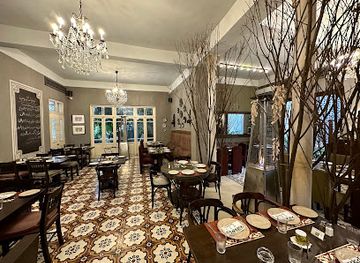
Best restaurants in Eastern Highlands
Dining in the Eastern Highlands ranges from busy Amman restaurants and coffee houses to family-run establishments in Madaba, Salt and smaller plateau towns. Jordanian staples such as hummus, falafel, mouttabal, grilled meats, rice dishes, stuffed vegetables and flatbreads are widely available, while mansaf remains the country’s best-known celebratory dish: lamb served with rice and a fermented yoghurt sauce. Olive oil, olives, yoghurt, pulses and seasonal vegetables reflect the agricultural character of the highlands. Madaba and surrounding villages are useful places to encounter home-style cooking and Christian community traditions, although menus vary by establishment. Amman provides the broadest choice, including Levantine, international and contemporary Jordanian food, as well as bakeries, cafés and specialist sweet shops. In Salt, traditional foods and local hospitality are part of the historic town experience. Outside the main centres, restaurants may close earlier or offer a limited menu, so carry water and plan meals when visiting archaeological sites. Alcohol is available only in appropriate licensed venues and is not a feature of ordinary local dining.
-
Restaurant
Tawaheen AlHawa
Experience authentic Middle Eastern cuisine at Tawaheen AlHawa in Amman – where tradition meets flavor.
-
Lebanese
Fakhreldin Restaurant
Savor authentic Lebanese flavors at Fakhreldin Restaurant in Amman - perfect for family gatherings or special occasions.
-
Armenian
Levant Restaurant
Discover authentic Armenian cuisine at Levant Restaurant in Amman – where tradition meets taste in every bite.
-
Middle Eastern
Sufra Restaurant
Discover the flavors of Jordan at Sufra Restaurant, where traditional Middle Eastern dishes meet modern dining experiences.


Best bars in Eastern Highlands
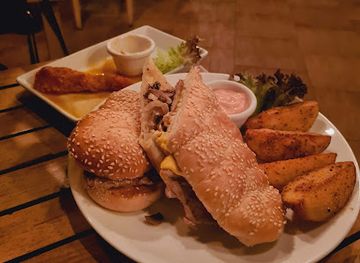
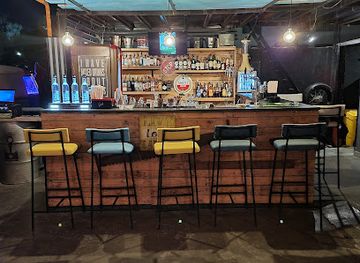
Nightlife is concentrated in Amman, where cafés, restaurants, hotel lounges, live-music venues and licensed bars provide the region’s widest range of evening options. Different parts of the capital have distinct atmospheres, from busy central coffee houses and traditional eateries to more contemporary dining areas in western districts. Nightclubs exist but are not the defining feature of the Eastern Highlands, and venues, events and opening arrangements can change. Madaba has a quieter evening scene centred on cafés, restaurants and accommodation used by visitors exploring its religious and archaeological heritage. Salt and rural plateau towns generally favour family restaurants, tea and coffee houses, and social gatherings rather than late-night entertainment. Alcohol is served in selected licensed hotels, restaurants and bars, not universally, and visitors should follow venue rules and local sensitivities. During religious periods, including Ramadan, opening patterns and the character of evening activity may change substantially, with many places becoming busier after sunset.
-
Restaurant
HIGH GARDEN Rooftop
Discover a culinary haven at High Garden Rooftop, where exquisite cuisine meets breathtaking views in the heart of Amman.
-
Bar
Rustic Bar and Eatery
Rustic Bar and Eatery in Amman: A perfect blend of local flavors and cocktail creativity in a vibrant, cozy setting.
-
Pub
The Corner's Pub
Discover the vibrant nightlife at The Corner's Pub in Amman, where delicious food and drinks meet a cozy, friendly atmosphere.
-
Irish pub
Dubliners
Experience the heart of Irish culture at Dubliners, the top Irish pub in Amman, offering authentic cuisine, live music, and a vibrant atmosphere.



Best nightclubs in Eastern Highlands
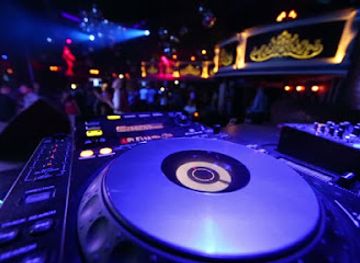
Nightlife is concentrated in Amman, where cafés, restaurants, hotel lounges, live-music venues and licensed bars provide the region’s widest range of evening options. Different parts of the capital have distinct atmospheres, from busy central coffee houses and traditional eateries to more contemporary dining areas in western districts. Nightclubs exist but are not the defining feature of the Eastern Highlands, and venues, events and opening arrangements can change. Madaba has a quieter evening scene centred on cafés, restaurants and accommodation used by visitors exploring its religious and archaeological heritage. Salt and rural plateau towns generally favour family restaurants, tea and coffee houses, and social gatherings rather than late-night entertainment. Alcohol is served in selected licensed hotels, restaurants and bars, not universally, and visitors should follow venue rules and local sensitivities. During religious periods, including Ramadan, opening patterns and the character of evening activity may change substantially, with many places becoming busier after sunset.
-
Club
OMNI CLUB AMMAN
Discover the vibrant nightlife at OMNI CLUB AMMAN, where electrifying music and a stylish atmosphere create unforgettable experiences in the heart of Jordan.
-
Lounge
Jasmine Lounge
Discover the elegance of Jasmine Lounge at Crowne Plaza Amman, where luxury meets culinary excellence in an inviting atmosphere.
-
Restaurant
Sekrab
Experience the vibrant flavors and lively atmosphere of Sekrab, the ultimate dining destination on Amman's Rainbow Street.
-
Disco club
Rogina
Discover the energetic nightlife at Rogina, Amman's premier disco club and live music bar, where unforgettable nights await.


Best shops in Eastern Highlands
Shopping in the Eastern Highlands is strongest in Amman, where central souqs, traditional food shops, bookshops, bakeries, craft retailers and modern commercial areas serve different parts of the city. Visitors can look for olive oil, dates, spices, soap, coffee, embroidered textiles, ceramics and Jordanian sweets, but quality and pricing vary, so comparing products is sensible. Madaba’s small shops cater to visitors interested in mosaics, religious souvenirs, handmade goods and local food products; choose carefully where an item is labelled handmade, as not every mosaic-style product is locally made. Salt is better suited to browsing independent shops, food businesses and craft outlets around its historic centre than to large-scale retail. Farmers’ stalls and small grocers on the plateau offer seasonal produce, olives and preserved foods, although availability follows local harvests. Amman has the region’s broadest selection of fashion, jewellery and contemporary design, while rural areas have fewer dedicated shopping facilities. Bargaining may be acceptable in some informal markets, but fixed prices are common in established shops.
-
Shopping mall
City Mall
Explore an extensive shopping haven at City Mall in Amman, where diverse retail, delightful dining, and family-friendly entertainment await.
-
Shopping mall
Abdali Mall
Experience the best of shopping, dining, and entertainment at Abdali Mall, Amman's premier shopping destination.
-
Shopping mall
Taj Lifestyle Center
Explore the Taj Lifestyle Center in Amman for a delightful shopping experience combined with local dining and vibrant entertainment options.
-
Shopping mall
Mecca Mall
Explore Mecca Mall in Amman – your ultimate shopping and dining destination, blending local culture with global brands.



Get your free copy of our complete guide to Eastern Highlands, delivered straight to you.
Everything on this page, from attractions and restaurants to essentials and local phrases, in one PDF you can read offline, print or share.
Already have an account? Sign in
Your Eastern Highlands guide is ready.
We'll send it to · Not you? Sign out

Getting your guide ready…
We are putting together a fresh copy of the Eastern Highlands guide. This can take up to a minute.
This can take a few moments. If your browser asks, choose Allow so the download can start. You'll find the guide in your Downloads folder.
Nothing happened? Download it again
Sorry, the guide is taking longer than usual. Please try again in a minute, or get it by email instead.
Eastern Highlands essentials
Currency and Payment
Safety
Emergency Situations
Do's and Don'ts
Local Tips
From Eve
Local phrases worth knowing
You don't need to get them perfect. A few words go a long way, and locals appreciate the effort.
Basics
| English | Local | Say it |
|---|---|---|
| Hello | Hi | [Hai] |
| Goodbye | See ya | [See ya] |
| Yes | Yep | [Yep] |
| No | Nah | [Nah] |
| Please/You're welcome | Sure thing | [Shur thing] |
| Thank you | Thanks | [Thangs] |
| Excuse me/Sorry | Sorry | [Sorry] |
| How are you? | How's it going? | [How's it goin'?] |
| Fine. And you? | Good. You? | [Good. You?] |
| Do you speak English? | Can you speak English? | [Can you speak English?] |
| I don't understand | I don’t get it | [I don’t get it] |
Eating & Drinking
| English | Local | Say it |
|---|---|---|
| I'd like to see the menu, please | Can I see the menu? | [Can I see the menu?] |
| I don't eat meat | I'm a vegetarian | [I'm a vegetarian] |
| Cheers! | Cheers! | [Cheers!] |
| I would like to pay, please | Can I get the check? | [Can I get the check?] |
Emergencies
| English | Local | Say it |
|---|---|---|
| Help! | Help! | [Help!] |
| Go away! | Leave me alone! | [Leave me alone!] |
| Call the Police! | Call the cops! | [Call the cops!] |
| Call a doctor! | Get a doctor! | [Get a doctor!] |
| I'm lost | I'm lost | [I'm lost] |
| I'm ill | I'm not feeling well | [I'm not feeling well] |
Shopping
| English | Local | Say it |
|---|---|---|
| I'd like to buy... | I want to buy... | [I want to buy...] |
| I'm just looking | Just browsing | [Just browsing] |
| How much is it? | What’s the price? | [What’s the price?] |
| That's too expensive | That's a bit pricey | [That's a bit pricey] |
| Can you lower the price? | Can you give me a better price? | [Can you give me a better price?] |
Time & Numbers
| English | Local | Say it |
|---|---|---|
| What time is it? | What time is it? | [What time is it?] |
| It's one o'clock | It's one o'clock | [It's one o'clock] |
| Half past (10) | Half past ten | [Half past ten] |
| Morning | Morning | [Morning] |
| Afternoon | Afternoon | [Afternoon] |
| Evening | Evening | [Evening] |
| Yesterday | Yesterday | [Yesterday] |
| Today | Today | [Today] |
| Tomorrow | Tomorrow | [Tomorrow] |
| 1 | One | [One] |
| 2 | Two | [Two] |
| 3 | Three | [Three] |
| 4 | Four | [Four] |
| 5 | Five | [Five] |
| 6 | Six | [Six] |
| 7 | Seven | [Seven] |
| 8 | Eight | [Eight] |
| 9 | Nine | [Nine] |
| 10 | Ten | [Ten] |
Transport & Directions
| English | Local | Say it |
|---|---|---|
| Where's a/the...? | Where's the...? | [Where's the...?] |
| What's the address? | What's the address? | [What's the address?] |
| Can you show me (on the map)? | Can you point it out on the map? | [Can you point it out on the map?] |
| When's the next (bus)? | When's the next bus? | [When's the next bus?] |
| A ticket (to ....) | A ticket to ... | [A ticket to ...] |
History of Eastern Highlands
Neolithic Ain Ghazal and Early Settlement
The plateau around modern Amman was settled long before the emergence of the classical cities. Ain Ghazal, on the capital’s eastern side, was one of the largest known Neolithic settlements in the Near East and was occupied from the eighth millennium BC. Archaeologists have found substantial structures, tools, evidence of farming and the famous plaster statues modelled in human form. The site demonstrates that communities in the central Jordanian highlands had developed complex social and ritual practices thousands of years ago. Although much of Ain Ghazal is not presented as a conventional open-air visitor attraction, its discoveries are fundamental to understanding the region’s early history.
Ammonite Rabbath-Ammon and the Classical City
The hill later known as Amman’s Citadel formed the centre of Rabbath-Ammon, the capital of the Ammonites, whose kingdom occupied parts of the central Jordanian plateau during the Iron Age. The settlement stood on important routes linking the inland highlands with the Levant and Arabian regions. Hellenistic and Roman rule subsequently transformed the city, which became known as Philadelphia. Temples, civic buildings, streets and the theatre reflected the urban culture of the classical eastern Mediterranean. The surviving Roman Theatre and Citadel remains show how successive powers adapted the same strategic hill rather than abandoning it.
Hellenistic Iraq al-Amir
West of Amman, the valley of Iraq al-Amir preserves the remains of Qasr al-Abd, a substantial Hellenistic monument generally associated with the powerful Tobiads in the second century BC. Its position among farmland and rocky hills illustrates the way elite estates combined agriculture, water management and monumental architecture. The structure’s name means ‘Castle of the Servant’, although its original function and appearance have been reconstructed through archaeological study rather than preserved intact. Iraq al-Amir is important because it reveals the political and economic networks of the highlands during the period between Alexander’s successors and the rise of Roman power.
The Byzantine Christian Landscape
From the fourth to the seventh centuries AD, the central Jordanian plateau became a productive Christian landscape of towns, villages, churches and monasteries. Madaba was a prominent ecclesiastical centre, and workshops in the area produced elaborate mosaic pavements depicting geometric designs, plants, animals and biblical scenes. The Madaba Map, a sixth-century mosaic map of the Holy Land preserved in the city’s Greek Orthodox Church of St George, is the best-known example. Umm ar-Rasas, further south-east, preserves another important cluster of churches and mosaics. These remains reflect both religious patronage and the prosperity of agricultural communities.
Early Islamic Rule and the Desert Routes
The Islamic conquest in the seventh century brought the plateau into the caliphates that succeeded Byzantine rule. Settlement patterns and political centres changed, but roads, farms and towns continued to connect the highlands with the desert and the wider Levant. The Umayyad period is represented most famously by desert estates and caravan infrastructure elsewhere in eastern Jordan, while central highland towns retained older religious and agricultural landscapes. Over later centuries, Abbasid, Mamluk and Ottoman administrations governed the region through changing combinations of urban authority, local landholders and tribal relationships. The plateau’s position between settled country and desert remained historically significant.
Ottoman Amman, Salt and the Modern Plateau
Under Ottoman rule, Salt developed as an important commercial town linking the Jordanian plateau with Palestine and the Jordan Valley. Its prosperity in the late nineteenth and early twentieth centuries produced substantial limestone houses, often built by merchants whose business networks crossed regional boundaries. Amman, by contrast, was a smaller settlement until the late Ottoman period, when the Hejaz Railway and wider political changes encouraged renewed growth. After the establishment of the Emirate of Transjordan in 1921, Amman became the political centre and expanded rapidly. Modern roads, migration and state institutions transformed the highlands into Jordan’s principal urban and administrative region.
Contemporary Urban and Cultural Transformation
Since the twentieth century, Amman and the surrounding plateau have experienced swift population growth, shaped by economic migration, regional displacement and the concentration of government, education and commerce in the capital. New neighbourhoods spread across the hills while older districts retained markets, workshops, religious buildings and traditional food businesses. Madaba and Salt developed distinct identities as heritage and regional service centres, while roads connected the central plateau more closely with the rest of Jordan. Contemporary life in the Eastern Highlands therefore combines ancient archaeological settings with dense urban development, changing suburbs and an increasingly diverse cultural scene.
Eastern Highlands in Photos
Browse through our photo collection highlighting the charm and character of the destination.
Neighbouring regions of Eastern Highlands
The closest regions to Eastern Highlands, if you have time for more than one.
-

-
-

-

-


Swipe for more regions
Explore more

Explore more of Jordan
Discover Jordan: A land of ancient cities, breathtaking deserts, and therapeutic seas. Experience the blend of history and modernity in this Middle Eastern gem.
Explore Jordan