

Free Ma'an Plateau Travel Guide & Mobile App
Explore Ma'an Plateau with free travel guides. Discover regional history, expert tips, proposed trips, and audio guides on web or mobile app.


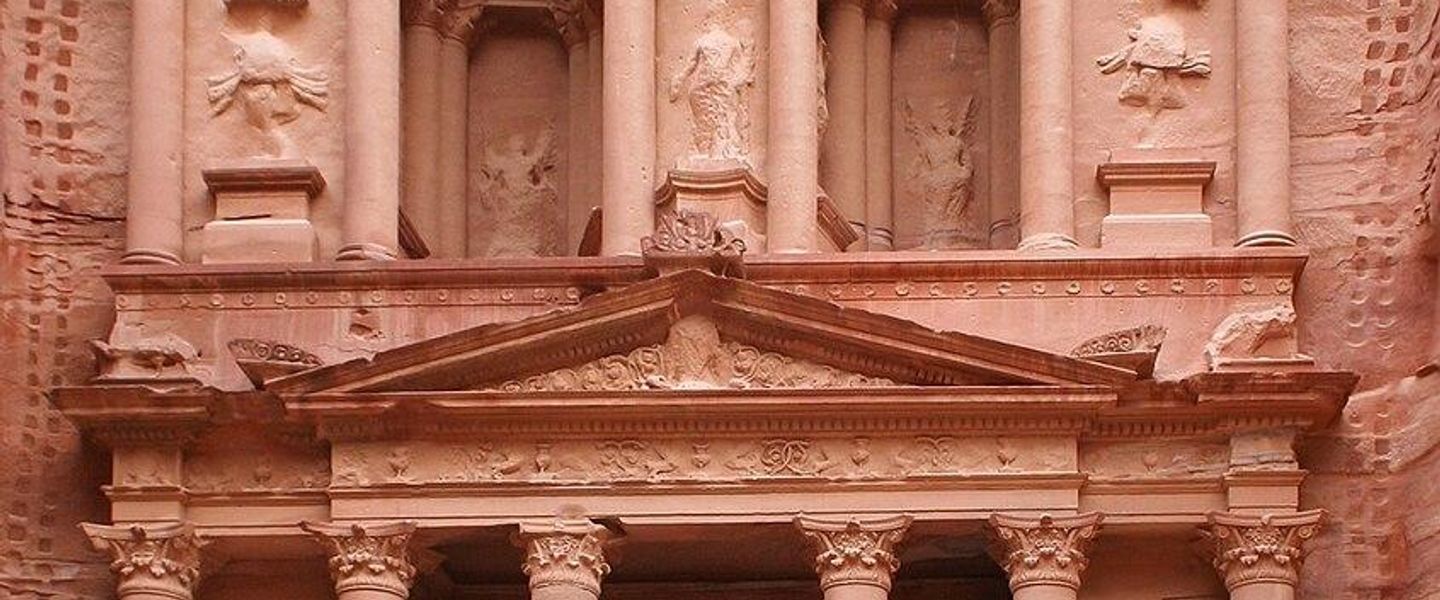


Explore Ma'an Plateau in southern Jordan for high-desert landscapes, railway history, Roman sites and a local gateway to Petra and Shobak.
Read more about Ma'an Plateau
When is the best time to visit Ma'an Plateau?
Best: April–May, October · 25–29°C| Month | High (°C) | Rainfall (mm) |
|---|---|---|
| January | 13 | 11 |
| February | 15 | 9 |
| March | 20 | 8 |
| April (best) | 25 | 7 |
| May (best) | 29 | 5 |
| June | 34 | 2 |
| July | 37 | 1 |
| August | 37 | 1 |
| September | 33 | 2 |
| October (best) | 27 | 3 |
| November | 20 | 6 |
| December | 15 | 9 |
Getting to and around Ma'an Plateau
How to get there
Transportation
Top city travel guides in Ma'an Plateau
The cities of Ma'an Plateau, and the easiest places to base yourself.
-

-


Swipe for more cities
Destinations in Ma'an Plateau
Resorts, valleys and scenic spots worth a trip of their own.

Swipe for more destinations
Best attractions in Ma'an Plateau
The Ma'an Plateau's attractions are defined by historical landscapes and open-country travel rather than a dense circuit of museums and purpose-built entertainment. In Ma'an, visitors can explore the town's everyday commercial life and seek out surviving railway structures associated with the Hejaz Railway, whose route changed the character of southern desert travel. Around the wider plateau, Udhruh is important for its Roman and later strategic remains, while the Shobak area provides access to highland scenery and the imposing medieval Shobak Castle on the plateau's western margins. The castle is particularly striking for its isolated position and evidence of successive periods of occupation. Petra is the region's major nearby draw, but it lies west of the plateau around Wadi Musa and should be planned as a separate excursion. Outdoor appeal comes from long views, quiet roads, geological contrasts and clear night skies, although visitors should use established access routes and avoid unsupported desert travel. The plateau suits travellers interested in archaeology, transport history, landscape photography and the relationship between settlements and scarce water rather than those seeking a concentrated collection of attractions.
-
Visitor center
Petra Visitor Center
Discover Petra's breathtaking history and beauty at the Petra Visitor Center, your essential starting point for exploring this ancient wonder.
-
Historical landmark
The Treasury
Discover the iconic Treasury of Petra, a breathtaking archaeological marvel and a testament to the ancient Nabatean civilization's artistry.
-
Tourist attraction
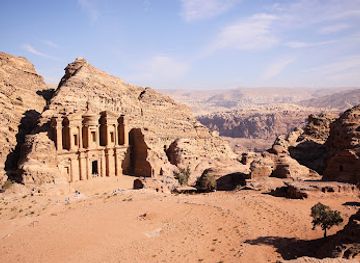
The Monastery
Explore The Monastery in Uum Sayhoun, a breathtaking archaeological site showcasing the stunning legacy of the Nabateans.
-
Tourist attraction
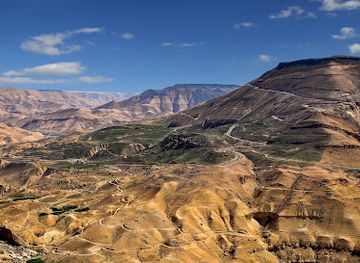
مطل الموجب Moujib Panorama
Explore the stunning views and natural wonders at Moujib Panorama, a must-visit tourist attraction in the heart of Jordan.


Best landmarks in Ma'an Plateau
The Hejaz Railway remains Ma'an Plateau's defining historic landmark, even where only stations, track alignments or associated structures survive. It represents the Ottoman attempt to connect Damascus with Medina and gives physical form to the plateau's long role as a transport corridor. Near the western side of the wider Ma'an region, Udhruh is notable for its substantial Roman-period remains and strategic setting, reflecting the importance of controlling routes and water sources across southern Jordan. Shobak Castle, also known historically as Montreal, occupies an isolated hill in the highlands west of Ma'an and is one of the area's most recognisable medieval structures; its walls and position convey the defensive logic of the Crusader frontier. The plateau itself is a geographical landmark in a broader sense: its elevated limestone surface, broad horizons and abrupt western transitions distinguish it from the sandstone landscapes near Petra and the lower desert routes towards Aqaba. Petra, although close enough to shape many itineraries, lies outside the plateau proper around Wadi Musa and is therefore best treated as a neighbouring landmark rather than a Ma'an landmark.
-
Historical place
Petra
Explore Petra, the ancient city of the Nabateans, renowned for its breathtaking rock-cut architecture and rich cultural heritage.
-
Historical landmark
Amman Citadel
Explore the Amman Citadel, a stunning archaeological site that unveils the rich history and architectural wonders of Jordan's ancient civilizations.
-
Visitor center
Petra Visitor Center
Discover the gateway to Petra, where ancient history meets breathtaking landscapes at the Petra Visitor Center in Wadi Musa.
-
Historical landmark
The Treasury
Discover the awe-inspiring Treasury of Petra, a UNESCO World Heritage Site, showcasing ancient Nabatean architecture amidst breathtaking natural beauty.
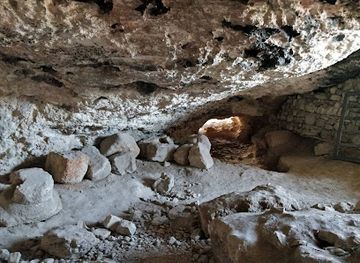
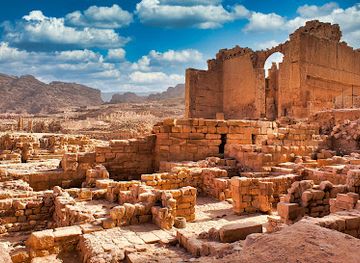
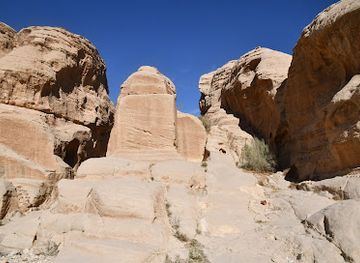
Explore Ma'an Plateau on the map
Plan your trip on one map. See where the top cities, national parks and sights are, and book hotels and experiences in a few clicks.
Best hotels in Ma'an Plateau
Best restaurants in Ma'an Plateau
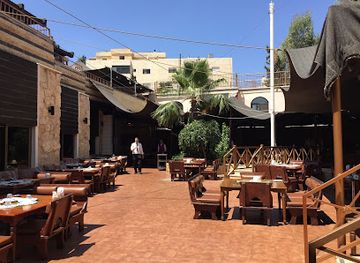
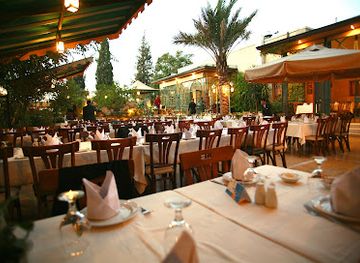
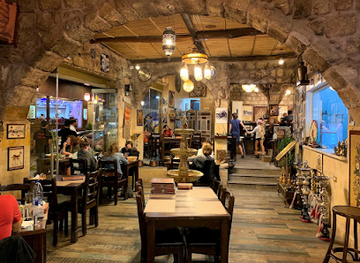
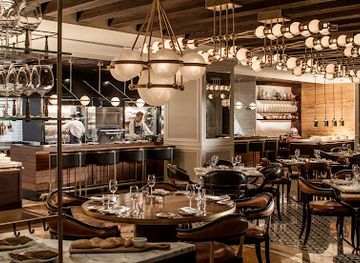
Dining on the Ma'an Plateau is rooted in Jordanian home-style cooking and the practical food culture of a regional crossroads. In Ma'an, expect cafés and modest restaurants serving dishes such as mansaf, rice with meat, grilled meats, falafel, hummus, ful and fresh salads, alongside tea and Arabic coffee. Mansaf is a Jordanian national dish rather than an exclusively Ma'an speciality, but it remains an important part of hospitality and celebratory meals across the south. Bread, yoghurt, olives and seasonal vegetables are useful staples on longer road journeys, while sweet pastries and dates are widely available from shops. Restaurants around Ma'an generally cater more to residents and passing travellers than to a specialised international dining market, so menus and service can be straightforward. Visitors staying in guesthouses or arranged camps may encounter meals prepared communally, often featuring rice, chicken or lamb and meze-style accompaniments. Carry snacks and water when travelling to scattered historic sites, as cafés and shops are not consistently available beyond the main settlements and highway stops.
-
Restaurant
Tawaheen AlHawa
Discover authentic Jordanian cuisine at Tawaheen AlHawa, where every dish tells a story of tradition and flavor.
-
Lebanese
Fakhreldin Restaurant
Experience authentic Lebanese cuisine at Fakhreldin Restaurant in Amman - a culinary delight for families and food lovers alike.
-
Restaurant
Al Wadi Restaurant
Experience authentic Jordanian flavors at Al Wadi Restaurant in scenic Wadi Musa - a must-visit culinary destination.
-
Restaurant
La Capitale Restaurant
Experience exquisite French cuisine at La Capitale Restaurant in Amman’s luxurious Four Seasons Hotel – where fine dining meets elegance.
Best bars in Ma'an Plateau
The Ma'an Plateau does not have a major bar or nightclub scene. Evening life in Ma'an centres on family restaurants, tea rooms, cafés and social gatherings rather than alcohol-led entertainment, and visitors should not expect a concentrated nightlife district. Alcohol is not generally available in ordinary local cafés, while its sale and consumption are governed by Jordanian law and the policies of individual hotels or licensed establishments. The most natural evening activities are a meal, tea, conversation and, outside town, observing the stars away from road lighting. Larger tourist centres elsewhere in southern Jordan offer a broader range of hotel-based evening options, but they are outside the central plateau and should not be presented as local Ma'an nightlife. Dress and behaviour should remain restrained in public spaces, particularly in smaller communities and during religious periods.
-
Bar
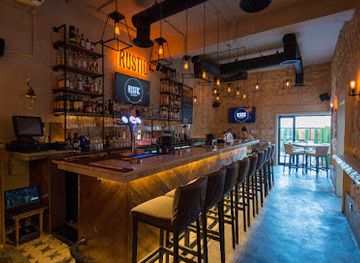
Rustic Bar and Eatery
Experience the lively ambiance and diverse menu of Rustic Bar and Eatery in Amman, a must-visit for food lovers and cocktail enthusiasts.
-
Pub
The Corner's Pub
Discover The Corner's Pub in Amman, a perfect blend of local flavors, international drinks, and a vibrant atmosphere for tourists and locals alike.
-
Gastropub
Cantaloupe Gastro Pub
Discover Cantaloupe Gastro Pub, Amman's vibrant gastropub blending delicious cuisine with breathtaking city views for an unforgettable dining experience.
-
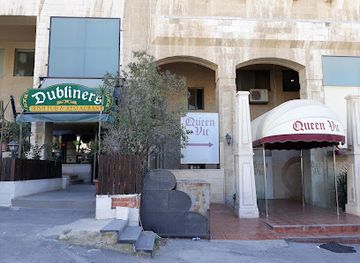
Irish pub
Dubliners
Dubliners: A Taste of Authentic Irish Culture in Amman with Traditional Food and Lively Atmosphere.


Best nightclubs in Ma'an Plateau
The Ma'an Plateau does not have a major bar or nightclub scene. Evening life in Ma'an centres on family restaurants, tea rooms, cafés and social gatherings rather than alcohol-led entertainment, and visitors should not expect a concentrated nightlife district. Alcohol is not generally available in ordinary local cafés, while its sale and consumption are governed by Jordanian law and the policies of individual hotels or licensed establishments. The most natural evening activities are a meal, tea, conversation and, outside town, observing the stars away from road lighting. Larger tourist centres elsewhere in southern Jordan offer a broader range of hotel-based evening options, but they are outside the central plateau and should not be presented as local Ma'an nightlife. Dress and behaviour should remain restrained in public spaces, particularly in smaller communities and during religious periods.
-
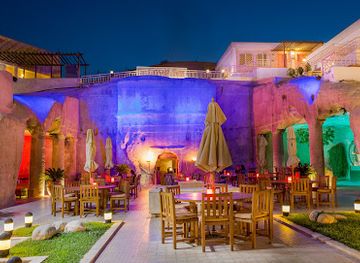
Bar
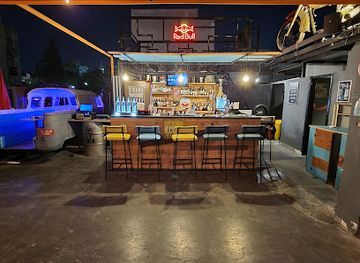
The Cave Bar
Experience the enchanting blend of history and modernity at The Cave Bar in Wadi Musa, where ancient charm meets contemporary relaxation.
-
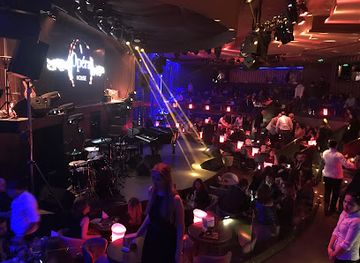
Night club
OMNI CLUB AMMAN
Discover the pulse of Amman's nightlife at Omni Club, where exceptional music and vibrant crowds create unforgettable experiences.
-
Lounge
Jasmine Lounge
Experience a luxurious dining escape at Jasmine Lounge in Amman, where exquisite flavors meet elegant surroundings.
-
Restaurant
Sekrab
Discover Sekrab, Amman's vibrant restaurant and lounge, where culinary delights meet live music for an unforgettable experience.
Best shops in Ma'an Plateau
Shopping on the Ma'an Plateau is primarily practical and local rather than centred on a large tourist retail district. Ma'an's shops and markets are useful for bottled water, bread, snacks, basic travel supplies, clothing and everyday household goods, while small food sellers provide dates, nuts, spices, sweets and other provisions for road journeys. Visitors may find locally familiar Jordanian products and Bedouin-influenced textiles or handicrafts, but availability and authenticity vary, so ask about materials, provenance and prices before buying. The plateau is not a major centre for designer fashion or extensive souvenir shopping; Petra and Wadi Musa, outside the plateau to the west, have a much more tourism-oriented retail scene. In Ma'an, straightforward courtesy and clear price discussions are preferable to aggressive bargaining, particularly in ordinary shops. Purchases of archaeological objects should be avoided, since removing antiquities or buying items of uncertain provenance is illegal and harms the region's heritage.
-
Historical place
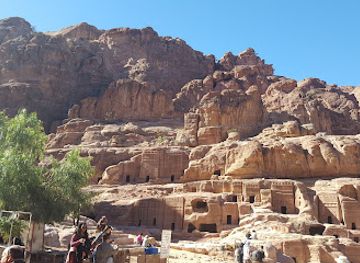
Petra
Experience Petra, the breathtaking ancient city carved into rose-red cliffs—a UNESCO World Heritage site and a treasure of Jordan's rich history.
-
Clothing store
Jobedu
Explore Jobedu in Amman for a unique blend of fashion and culture, showcasing local designs and heritage in a vibrant shopping experience.
-
Hotel
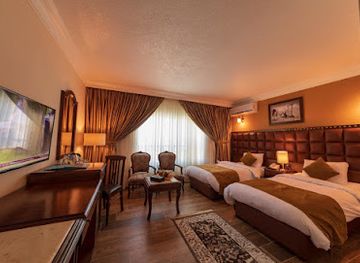
Town Season Hotel
Discover the charm of Town Season Hotel, the boutique retreat in Wadi Musa, perfectly situated for exploring the wonders of Petra.
-
Bar
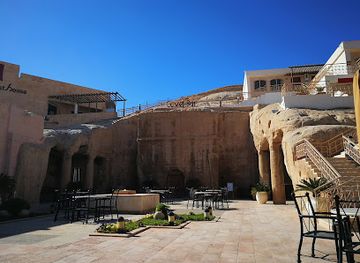
The Cave Bar
Discover the enchanting Cave Bar in Wadi Musa, a unique nightlife destination set within a natural cave, perfect for drinks and relaxation after exploring Petra.

Get your free copy of our complete guide to Ma'an Plateau, delivered straight to you.
Everything on this page, from attractions and restaurants to essentials and local phrases, in one PDF you can read offline, print or share.
Already have an account? Sign in
Your Ma'an Plateau guide is ready.
We'll send it to · Not you? Sign out

Getting your guide ready…
We are putting together a fresh copy of the Ma'an Plateau guide. This can take up to a minute.
This can take a few moments. If your browser asks, choose Allow so the download can start. You'll find the guide in your Downloads folder.
Nothing happened? Download it again
Sorry, the guide is taking longer than usual. Please try again in a minute, or get it by email instead.
Ma'an Plateau essentials
Currency and Payment
Safety
Emergency Situations
Do's and Don'ts
Local Tips
From Eve
Local phrases worth knowing
You don't need to get them perfect. A few words go a long way, and locals appreciate the effort.
Basics
| English | Local | Say it |
|---|---|---|
| Hello | مرحبا | [Marhaba] |
| Goodbye | وداعا | [Wadā'ān] |
| Yes | نعم | [Na'am] |
| No | لا | [Lā] |
| Please/You're welcome | من فضلك | [Min faḍlik] |
| Thank you | شكرا | [Shukran] |
| Excuse me/Sorry | عفوا | [ʿAfwan] |
| How are you? | كيف حالك؟ | [Kayfa ḥālak?] |
| Fine. And you? | جيد. وأنت؟ | [Jayid. Wa anta?] |
| Do you speak English? | هل تتحدث الإنجليزية؟ | [Hal tataḥaddath al-inglīziyyah?] |
| I don't understand | لا أفهم | [Lā afham] |
Eating & Drinking
| English | Local | Say it |
|---|---|---|
| I'd like to see the menu, please | أود رؤية القائمة، من فضلك | [Awad rū'yat al-qā'imah, min faḍlik] |
| I don't eat meat | لا أأكل اللحم | [Lā ā'kul al-laḥm] |
| Cheers! | في صحتك! | [Fī ṣiḥṭik!] |
| I would like to pay, please | أود الدفع، من فضلك | [Awad ad-daʿ, min faḍlik] |
Emergencies
| English | Local | Say it |
|---|---|---|
| Help! | مساعدة! | [Musā'adah!] |
| Go away! | اذهب بعيدا! | [Idhhab baʿīdā!] |
| Call the Police! | اتصل بالشرطة! | [Ittiṣil bi-ash-shurṭah!] |
| Call a doctor! | اتصل بطبيب! | [Ittiṣil bi-ṭabīb!] |
| I'm lost | أنا ضائع | [Ana ḍā'iʿ] |
| I'm ill | أنا مريض | [Ana marīḍ] |
Shopping
| English | Local | Say it |
|---|---|---|
| I'd like to buy... | أود شراء... | [Awad shirā'] |
| I'm just looking | أنا فقط أنظر | [Ana faqaṭ anẓur] |
| How much is it? | كم ثمنه؟ | [Kam thamanuh?] |
| That's too expensive | هذا مكلف جدا | [Hādhā mukallaf jiddan] |
| Can you lower the price? | هل يمكنك خفض السعر؟ | [Hal yumkinuka khafḍ as-siʿr?] |
Time & Numbers
| English | Local | Say it |
|---|---|---|
| What time is it? | كم الساعة؟ | [Kam as-sā'ah?] |
| It's one o'clock | إنها الساعة الواحدة | [Innahā as-sā'ah al-wāḥidah] |
| Half past (10) | نصف الساعة (10) | [Niṣf as-sā'ah (10)] |
| Morning | صباحا | [Ṣabāḥan] |
| Afternoon | بعد الظهر | [Baʿd aẓ-ẓuhr] |
| Evening | مساء | [Masā'] |
| Yesterday | أمس | [Ams] |
| Today | اليوم | [Al-yawm] |
| Tomorrow | غدا | [Ghadān] |
| 1 | واحد | [Wāḥid] |
| 2 | اثنان | [Ithnān] |
| 3 | ثلاثة | [Thalāthah] |
| 4 | أربعة | [Arbaʿah] |
| 5 | خمسة | [Khamsah] |
| 6 | ستة | [Sittah] |
| 7 | سبعة | [Sabʿah] |
| 8 | ثمانية | [Thamāniyah] |
| 9 | تسعة | [Tisʿah] |
| 10 | عشرة | [ʿAsharah] |
Transport & Directions
| English | Local | Say it |
|---|---|---|
| Where's a/the...? | أين ...؟ | [Ayna ...?] |
| What's the address? | ما هو العنوان؟ | [Mā huwa al-ʿunwān?] |
| Can you show me (on the map)? | هل يمكنك إخباري (على الخريطة)؟ | [Hal yumkinuka ikhbārī (ʿalā al-kharīṭah)?] |
| When's the next (bus)? | متى يأتي (الباص) التالي؟ | [Matā ya'tī (al-bāṣ) at-tālī?] |
| A ticket (to ....) | تذكرة (إلى ...) | [Tadhkarah (ilā ...)] |
History of Ma'an Plateau
Prehistoric Pastoral Landscapes
The plateau and its surrounding deserts have long been used by mobile pastoral communities, whose movements followed seasonal water and grazing rather than permanent surface rivers. Archaeological evidence across southern Jordan records repeated occupation from prehistoric periods, although many traces are dispersed and difficult to interpret without specialist guidance. The enduring importance of wells, seasonal pastures and routes across otherwise dry country helps explain the location of later settlements and caravan stations. The landscape should therefore not be understood as empty desert: it has supported movement, livestock keeping and exchange for thousands of years.
Nabataean and Roman Southern Jordan
Southern Jordan formed part of the commercial and strategic world shaped by the Nabataean kingdom, whose capital was at Petra west of the plateau. Nabataean routes connected Petra with the Hejaz, the Red Sea and the interior, while later Roman control formalised movement through roads and military installations. The Roman province of Arabia, created in the early second century, brought new administrative structures and road-building. Udhruh, on the western side of the Ma'an region, is associated with substantial Roman occupation and illustrates the importance of controlling water, communications and approaches across the highlands.
Pilgrimage Routes and Islamic Rule
After the early Islamic conquests, southern Jordan remained connected to routes leading towards the holy cities of the Hejaz. Pilgrims, officials and traders travelled through a demanding environment where wells, fortified stations and established settlements were vital. Ma'an's position between the Levant and the Arabian Peninsula gave it continuing significance even as routes changed. Successive Islamic dynasties left different levels of physical evidence, but the plateau's role as a corridor between settled northern lands and the Hejaz endured well beyond the medieval period.
Ottoman Administration and the Hejaz Railway
Ottoman rule brought the plateau into a more centrally organised imperial system, culminating in the construction of the Hejaz Railway in the early twentieth century. The line was intended to connect Damascus with Medina and support administration and pilgrimage, while also carrying supplies and passengers. Ma'an became one of its important southern stations. Railway buildings, embankments and associated remains preserve the memory of a project that transformed movement across the desert, even though passenger railway services no longer provide the region's normal transport.
The Arab Revolt and the End of Ottoman Rule
During the Arab Revolt of 1916–1918, the Hejaz Railway became a principal target because it sustained Ottoman forces and communications in Arabia. The railway around Ma'an was drawn into fighting, sabotage and shifting control during the final years of Ottoman rule. These events were part of a wider conflict extending from the Hejaz and Aqaba towards the Levant, rather than an isolated local episode. Their legacy remains visible in railway ruins and in the historical importance attached to southern Jordan's stations and desert routes.
Modern Ma'an and the Southern Transport Corridor
In the twentieth century, Ma'an developed as a regional service centre linked to Jordan's national road network and the economic life of the south. Road transport gradually replaced the railway as the principal means of moving people and goods, while public administration, education, commerce and nearby extractive industries reshaped local employment. The town's modern identity is therefore connected both to older caravan and pilgrimage routes and to contemporary travel between Amman, Petra, Aqaba and the far south. The plateau remains a corridor, but it is now organised around highways, vehicles and regional services.
Ma'an Plateau in Photos
Browse through our photo collection highlighting the charm and character of the destination.
Neighbouring regions of Ma'an Plateau
The closest regions to Ma'an Plateau, if you have time for more than one.
-

-

-

-

-


Swipe for more regions
Explore more

Explore more of Jordan
Discover Jordan: A land of ancient cities, breathtaking deserts, and therapeutic seas. Experience the blend of history and modernity in this Middle Eastern gem.
Explore Jordan