

Free Ghor al-Safi Travel Guide & Mobile App
Explore Ghor al-Safi with free travel guides. Discover regional history, expert tips, proposed trips, and audio guides on web or mobile app.


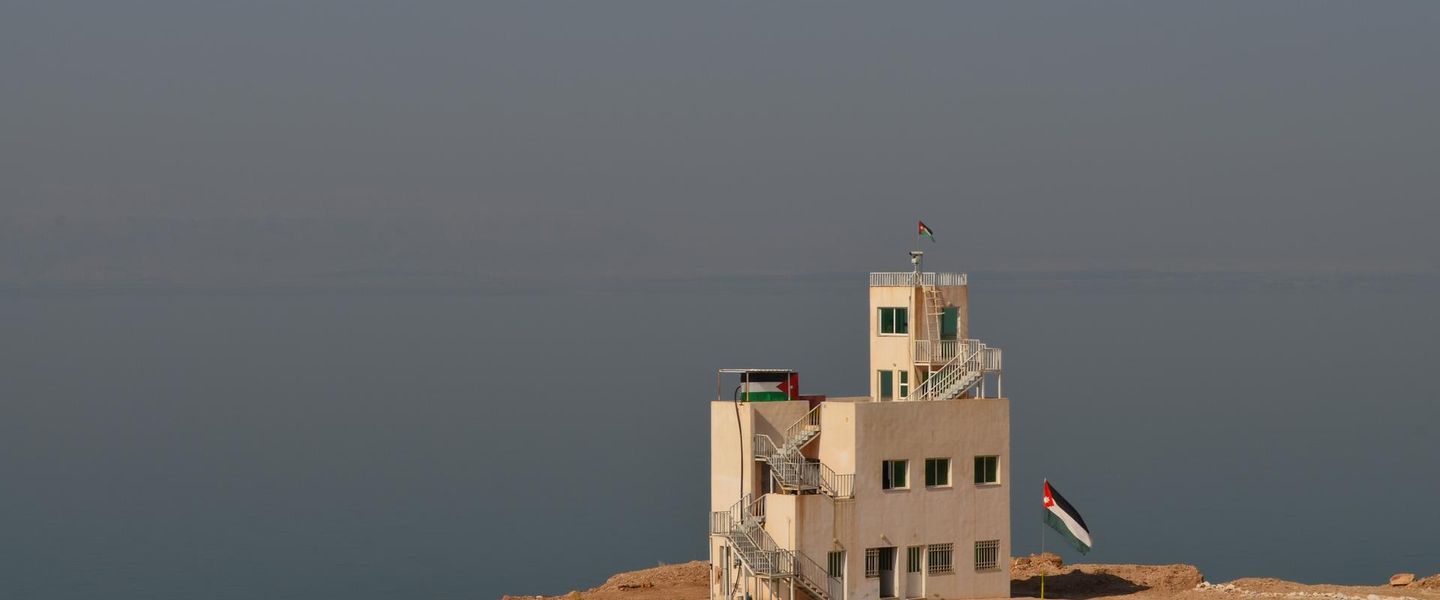


Explore Ghor al-Safi in Jordan for Dead Sea landscapes, Lot’s Cave, ancient Zoara, irrigated farms and a quieter southern valley experience.
Read more about Ghor al-Safi
When is the best time to visit Ghor al-Safi?
Best: March–April, November · 24–30°C| Month | High (°C) | Rainfall (mm) |
|---|---|---|
| January | 19 | 11 |
| February | 21 | 9 |
| March (best) | 24 | 7 |
| April (best) | 30 | 4 |
| May | 33 | 1 |
| June | 37 | 0 |
| July | 39 | 0 |
| August | 37 | 1 |
| September | 35 | 1 |
| October | 31 | 3 |
| November (best) | 25 | 5 |
| December | 20 | 8 |
Getting to and around Ghor al-Safi
How to get there
Transportation
Best attractions in Ghor al-Safi
Ghor al-Safi’s attractions are concentrated in archaeology, religious tradition and landscape rather than in a large collection of purpose-built visitor facilities. The principal cultural visit is Lot’s Cave, located in the hills above the southern Dead Sea and associated with a Byzantine church and monastic remains. The site combines a religiously significant setting with wide views over the lowlands, although access and interpretation can be limited. Around modern Al-Safi, the broader archaeological landscape of ancient Zoara reflects successive periods of settlement and administration, with the Zoara papyri providing important historical context even though the original documents are studied through museums and scholarship rather than encountered as a conventional local exhibition. The irrigated farms of the Ghor are an attraction in their own right, showing how date palms, vegetables and other crops are cultivated in an exceptionally hot, dry environment. Visitors may also appreciate the changing Dead Sea shoreline and the dramatic contrast between green fields, mineral flats and the bare escarpment, but should use caution around unstable ground and avoid assuming that every shoreline track is publicly accessible. The area is best explored slowly, with local guidance and a focus on geology, rural life and archaeology.
-
Tourist attraction
مطل الموجب Moujib Panorama
Discover the breathtaking vistas of Moujib Panorama in Dhiban, where nature's beauty and tranquility come together to create unforgettable memories.
-
Tourist attraction
حمامات عفرا Afra Mineral Hot Springs (Spa)
Discover rejuvenation at Afra Mineral Hot Springs – a tranquil spa experience in the heart of Jordan's stunning landscapes.
-
Historical landmark
Lot's Cave
Discover the historical and spiritual significance of Lot's Cave in Gawr as-Safi, a landmark that invites reflection and adventure amidst stunning natural beauty.
-
Hiking area
Wadi Al Hasa Hike Trail
Discover the breathtaking beauty of the Wadi Al Hasa Hike Trail in Jordan, where nature and culture blend for an unforgettable outdoor adventure.


Best landmarks in Ghor al-Safi
Lot’s Cave is the area’s most recognisable religious landmark, set in a limestone hillside above the southern Dead Sea and traditionally linked with the biblical story of Lot. Nearby Byzantine remains, including a church and monastic complex, give the site architectural and historical substance beyond its scriptural associations. The wider setting is defined by the southern Dead Sea basin, where the low elevation, salt-rich environment and retreating shoreline create a landscape unlike Jordan’s high plateau. Ancient Zoara is the region’s principal historical landmark in a broader sense: the ancient settlement is associated with modern Ghor al-Safi and with documentary evidence that illuminates life in the late antique and early Islamic Jordan Valley. The mouth of Wadi al-Hasa is another geographical reference point, marking the meeting of a major incised valley with the cultivated lowlands. Rather than a single monumental skyline, Ghor al-Safi’s identity comes from the relationship between these places—cave and monastery, ancient settlement, wadi, irrigated plain and receding lake—within a fragile desert environment.
-
Heritage museum
Museum at the Lowest Place on Earth
Explore the rich history and culture at the Museum at the Lowest Place on Earth in Gawr as-Safi, Jordan, a captivating heritage destination for all travelers.
-
Historical landmark
Lot's Cave
Discover Lot's Cave in Gawr as-Safi, a historical landmark steeped in biblical lore and natural beauty, perfect for travelers seeking adventure and culture.
-
Hiking area
Wadi Al Hasa Hike Trail
Explore the stunning landscapes and rich heritage of Wadi Al Hasa Hike Trail, an unforgettable adventure in the heart of Jordan's natural beauty.
-
Historical landmark
Ghor Al-Safi Sugar Mills
Discover the historical significance and natural beauty of Ghor Al-Safi Sugar Mills, a landmark that embodies Jordan's agricultural heritage.


Explore Ghor al-Safi on the map
Plan your trip on one map. See where the top cities, national parks and sights are, and book hotels and experiences in a few clicks.
Best hotels in Ghor al-Safi
Best restaurants in Ghor al-Safi
Dining in Ghor al-Safi is predominantly local and informal, with modest cafés, small eateries and shops serving residents rather than a concentrated tourist restaurant scene. Expect familiar Jordanian dishes such as hummus, falafel, grilled meats, rice dishes, salads and flatbreads, with sweet tea and Arabic coffee commonly available. The agricultural plain contributes fresh vegetables, dates and other produce to local meals, while the wider Jordanian tradition of communal home cooking remains more significant than a sharply separate Ghor al-Safi cuisine. Visitors should arrange meals through accommodation providers or a driver when planning a full day among rural sites, and should carry water and simple provisions. Larger dining choices are more likely at established hotels and towns outside the immediate area, while small local businesses may operate according to community routines rather than posted tourist hours. Modest dress and considerate behaviour are appropriate in village cafés and family-oriented places, and cash is the dependable payment method.
-
Restaurant
Al Wadi Restaurant
Experience authentic Jordanian cuisine at Al Wadi Restaurant in Wadi Musa – where tradition meets flavor amidst stunning surroundings.
-
Restaurant
Abu Elias Restaurant
Experience authentic Jordanian cuisine at Abu Elias Restaurant in Wadi Musa - a perfect culinary stop after exploring Petra's ancient wonders.
-
Restaurant
My Mom's Recipe Restaurant
Discover authentic Jordanian cuisine at My Mom's Recipe Restaurant in Wadi Musa – where every dish tells a story of tradition and flavor.
-
American
Buffalo Wings & Rings - Dead Sea
Experience mouthwatering American cuisine at Buffalo Wings & Rings by the Dead Sea – perfect for food lovers and sports enthusiasts alike.


Best bars in Ghor al-Safi
Ghor al-Safi has no substantial bar or nightclub district, and evening life is centred on family homes, local cafés and informal social gatherings rather than alcohol-led entertainment. Visitors staying in the area should not expect a resort nightlife scene or late-opening venues. Any licensed drinking facilities are more likely to be connected with larger hotels elsewhere around the Dead Sea than with rural Al-Safi itself, and should not be assumed to operate locally. The most characteristic evening experience is the cooler air after sunset, conversation over tea or coffee and the changing light across the valley and Dead Sea basin. Because roads are dark and services are dispersed, plan the return journey before dusk and avoid driving unfamiliar mountain roads after drinking. Travellers seeking restaurants, hotel lounges or more organised evening entertainment will generally need to use a larger Dead Sea resort area outside Ghor al-Safi or continue towards another Jordanian town.
-
Bar
Rustic Bar and Eatery
Discover the inviting atmosphere of Rustic Bar and Eatery in Amman, where delicious food and creative cocktails meet friendly service.
-
Pub
The Corner's Pub
Discover the lively atmosphere of The Corner's Pub in Amman, where local flavors meet international drinks in a friendly setting.
-
Gastropub
Cantaloupe Gastro Pub
Discover the vibrant culinary scene at Cantaloupe Gastro Pub in Amman, where traditional flavors meet modern dining in a lively atmosphere.
-
Irish pub
Dubliners
Dubliners in Amman: Experience authentic Irish cuisine, vibrant entertainment, and a warm atmosphere in the heart of the city.


Best nightclubs in Ghor al-Safi
Ghor al-Safi has no substantial bar or nightclub district, and evening life is centred on family homes, local cafés and informal social gatherings rather than alcohol-led entertainment. Visitors staying in the area should not expect a resort nightlife scene or late-opening venues. Any licensed drinking facilities are more likely to be connected with larger hotels elsewhere around the Dead Sea than with rural Al-Safi itself, and should not be assumed to operate locally. The most characteristic evening experience is the cooler air after sunset, conversation over tea or coffee and the changing light across the valley and Dead Sea basin. Because roads are dark and services are dispersed, plan the return journey before dusk and avoid driving unfamiliar mountain roads after drinking. Travellers seeking restaurants, hotel lounges or more organised evening entertainment will generally need to use a larger Dead Sea resort area outside Ghor al-Safi or continue towards another Jordanian town.
-
Bar
The Cave Bar
Discover the unique Cave Bar in Wadi Musa, where history meets vibrant nightlife amidst stunning rock formations.
-
Night club
OMNI CLUB AMMAN
Discover the pulsating nightlife at OMNI CLUB AMMAN, your ultimate destination for dancing and entertainment in the heart of the city.
-
Restaurant
Sekrab
Discover the vibrant flavors of Jordanian cuisine at Sekrab, a lively restaurant and lounge on Rainbow Street in Amman, perfect for memorable dining experiences.
-
Lounge
Ghoroub Sunset Bar & Lounge
Experience stunning sunsets and chic ambiance at Ghoroub Sunset Bar & Lounge in Amman, the perfect spot for relaxation and socializing.


Best shops in Ghor al-Safi
Shopping in Ghor al-Safi is local and practical rather than centred on a formal retail district. Small shops and village businesses provide drinks, snacks, household goods and basic provisions, while agricultural produce is the most appropriate regional purchase. Depending on the season and availability, visitors may find dates, fresh vegetables and other crops from the irrigated Ghor, although buying should be arranged directly and respectfully rather than assuming that every farm sells to tourists. There is limited specialist craft or souvenir retail in the immediate area, so travellers seeking Jordanian handicrafts, books or a wider selection of packaged products will find more choice in larger towns and established Dead Sea hotels outside the region. Carry cash in Jordanian dinars, as card facilities are not dependable in rural shops. If purchasing food from local producers, ask about prices and packaging first, and do not enter fields or photograph farm operations without permission.
-
Shopping mall
City Mall
Experience the best of shopping and dining at City Mall, a vibrant hub in Amman offering endless retail and entertainment options.
-
Shopping mall
Abdali Mall
Experience the ultimate shopping, dining, and entertainment destination at Abdali Mall in Amman, Jordan.
-
Shopping mall
Taj Lifestyle Center
Explore the ultimate shopping and dining experience at Taj Lifestyle Center in Amman, a vibrant hub for tourists and locals alike.
-
Shopping mall
Swefieh Village
Experience the lively shopping and dining adventure at Swefieh Village in Amman, offering over 50 cafes, restaurants, and boutique stores.


Get your free copy of our complete guide to Ghor al-Safi, delivered straight to you.
Everything on this page, from attractions and restaurants to essentials and local phrases, in one PDF you can read offline, print or share.
Already have an account? Sign in
Your Ghor al-Safi guide is ready.
We'll send it to · Not you? Sign out

Getting your guide ready…
We are putting together a fresh copy of the Ghor al-Safi guide. This can take up to a minute.
This can take a few moments. If your browser asks, choose Allow so the download can start. You'll find the guide in your Downloads folder.
Nothing happened? Download it again
Sorry, the guide is taking longer than usual. Please try again in a minute, or get it by email instead.
Ghor al-Safi essentials
Currency and Payment
Safety
Emergency Situations
Do's and Don'ts
Local Tips
From Eve
Local phrases worth knowing
You don't need to get them perfect. A few words go a long way, and locals appreciate the effort.
Basics
| English | Local | Say it |
|---|---|---|
| Hello | مرحبا | [Marhaban] |
| Goodbye | مع السلامة | [Ma'a as-salama] |
| Yes | نعم | [Na'am] |
| No | لا | [La] |
| Please/You're welcome | من فضلك | [Min fadlik] |
| Thank you | شكرا | [Shukran] |
| Excuse me/Sorry | عفوا | [Afwan] |
| How are you? | كيف حالك؟ | [Kayfa halak?] |
| Fine. And you? | بخير. وأنت؟ | [Bikhayr. Wa anta?] |
| Do you speak English? | هل تتكلم الإنجليزية؟ | [Hal tatakallam al-ingliziya?] |
| I don't understand | لا أفهم | [La afham] |
Eating & Drinking
| English | Local | Say it |
|---|---|---|
| I'd like to see the menu, please | أود رؤية القائمة، من فضلك | [Awad ru'yat al-qa'ima, min fadlik] |
| I don't eat meat | لا أكل اللحم | [La akul al-lahm] |
| Cheers! | في صحتك! | [Fi sihtik!] |
| I would like to pay, please | أود الدفع، من فضلك | [Awad ad-daf', min fadlik] |
Emergencies
| English | Local | Say it |
|---|---|---|
| Help! | نجدة! | [Najda!] |
| Go away! | اذهب بعيدا! | [Idhab ba'ida!] |
| Call the Police! | اتصل بالشرطة! | [Ittasil bil-shurta!] |
| Call a doctor! | اتصل بالطبيب! | [Ittasil bil-tabeeb!] |
| I'm lost | أنا ضائع | [Ana da'i'] |
| I'm ill | أنا مريض | [Ana marid] |
Shopping
| English | Local | Say it |
|---|---|---|
| I'd like to buy... | أود شراء... | [Awad shira...] |
| I'm just looking | أنا فقط أنظر | [Ana faqat anzur] |
| How much is it? | كم ثمنه؟ | [Kam thamanuh?] |
| That's too expensive | هذا مكلف جدا | [Hatha mukallaf jidan] |
| Can you lower the price? | هل يمكنك تخفيض السعر؟ | [Hal yumkinuka takhfid as-si'r?] |
Time & Numbers
| English | Local | Say it |
|---|---|---|
| What time is it? | كم الساعة؟ | [Kam as-saa'a?] |
| It's one o'clock | الساعة الواحدة | [As-saa'a al-wahidah] |
| Half past (10) | نصف (10) | [Nisf (10)] |
| Morning | صباحا | [Sabahan] |
| Afternoon | بعد الظهر | [Ba'd az-zuhur] |
| Evening | مساءا | [Masa'an] |
| Yesterday | أمس | [Ams] |
| Today | اليوم | [Al-yawm] |
| Tomorrow | غدا | [Ghadan] |
| 1 | واحد | [Wahid] |
| 2 | اثنان | [Ithnayn] |
| 3 | ثلاثة | [Thalatha] |
| 4 | أربعة | [Arba'a] |
| 5 | خمسة | [Khamsa] |
| 6 | ستة | [Sitta] |
| 7 | سبعة | [Sab'a] |
| 8 | ثمانية | [Thamaniya] |
| 9 | تسعة | [Tis'a] |
| 10 | عشرة | [Ashara] |
Transport & Directions
| English | Local | Say it |
|---|---|---|
| Where's a/the...? | أين...؟ | [Ayn...?] |
| What's the address? | ما هو العنوان؟ | [Ma huwa al-unwan?] |
| Can you show me (on the map)? | هل يمكنك إظهار لي (على الخريطة)؟ | [Hal yumkinuka izhar li (ala al-kharita)?] |
| When's the next (bus)? | متى يأتي (الباص) القادم؟ | [Mata ya'ti (al-bus) al-qadim?] |
| A ticket (to ....) | تذكرة (إلى ....) | [Tadhkara (ila ....)] |
History of Ghor al-Safi
Ancient Zoara and the Southern Dead Sea
Ghor al-Safi is generally associated with ancient Zoara, a settlement at the southern end of the Dead Sea basin. Its position near the mouth of Wadi al-Hasa connected the lowlands with routes leading towards the plateau and southern Jordan. The fertile, irrigated plain was valuable in an otherwise arid environment, while the Dead Sea provided mineral resources and a distinctive transport corridor. Classical and later sources record Zoara as an established settlement, although the exact extent of the ancient town has changed repeatedly through time.
Lot Traditions and Early Christian Settlement
The hills above the southern Dead Sea preserve religious traditions linking the area with Lot, the figure associated with the destruction of Sodom and Gomorrah in the Hebrew Bible and Christian Old Testament. Lot’s Cave became a place of pilgrimage, and archaeological remains nearby include a Byzantine-period church and monastic complex. These remains demonstrate the region’s importance within late antique Christian pilgrimage networks. The biblical identification is traditional, while the archaeological evidence provides the more tangible record of settlement and worship.
The Byzantine and Early Islamic Valley
During late antiquity, the southern Jordan Valley formed part of a wider landscape of farming settlements, churches and administrative centres. Zoara and neighbouring communities benefited from irrigated agriculture and their position near routes across the Dead Sea region. After the seventh-century Muslim conquest, the area continued as an inhabited and cultivated part of southern Jordan rather than disappearing from history. Documentary material found in the region, including papyri associated with Zoara, offers valuable evidence for taxation, property, legal affairs and everyday administration.
The Zoara Papyri
The Zoara papyri, dating principally from late antiquity and the early Islamic centuries, are among the most important documentary sources connected with the southern Dead Sea. Written mainly in Greek and Arabic, they record practical matters such as land, agricultural production, contracts and official business. Their importance lies not in a single dramatic event but in the detailed picture they provide of ordinary institutions and communities living in a frontier environment. They also confirm the continuing administrative significance of Zoara after the transition from Byzantine to Islamic rule.
Agriculture in the Modern Ghor
In the modern period, the low-lying Ghor became increasingly recognised as an important agricultural zone within Jordan. Irrigation allows crops to be grown in a landscape that is naturally hot and dry, with dates, vegetables and other produce associated with the southern Jordan Valley. Modern farming has altered the appearance and economy of the area, creating a marked contrast between cultivated plains and barren escarpments. Ghor al-Safi’s contemporary identity is therefore shaped as much by agricultural labour and water management as by its archaeological past.
The Changing Dead Sea Landscape
The Dead Sea has fallen substantially during the modern era as water inflow has been reduced and water is diverted for domestic, agricultural and industrial use. Around southern Ghor al-Safi, this environmental change affects shorelines, access routes and the relationship between settlement, farming and the lake. The shrinking water body is also exposing unstable ground and creating sinkholes in parts of the Dead Sea basin. Visitors should follow local advice and avoid unmarked shoreline areas, abandoned tracks and unstable terrain.
Ghor al-Safi in Photos
Browse through our photo collection highlighting the charm and character of the destination.
Neighbouring regions of Ghor al-Safi
The closest regions to Ghor al-Safi, if you have time for more than one.
-

-

-
-

-


Swipe for more regions
Explore more

Explore more of Jordan
Discover Jordan: A land of ancient cities, breathtaking deserts, and therapeutic seas. Experience the blend of history and modernity in this Middle Eastern gem.
Explore Jordan