

Free Al Karak Plateau Travel Guide & Mobile App
Explore Al Karak Plateau with free travel guides. Discover regional history, expert tips, proposed trips, and audio guides on web or mobile app.


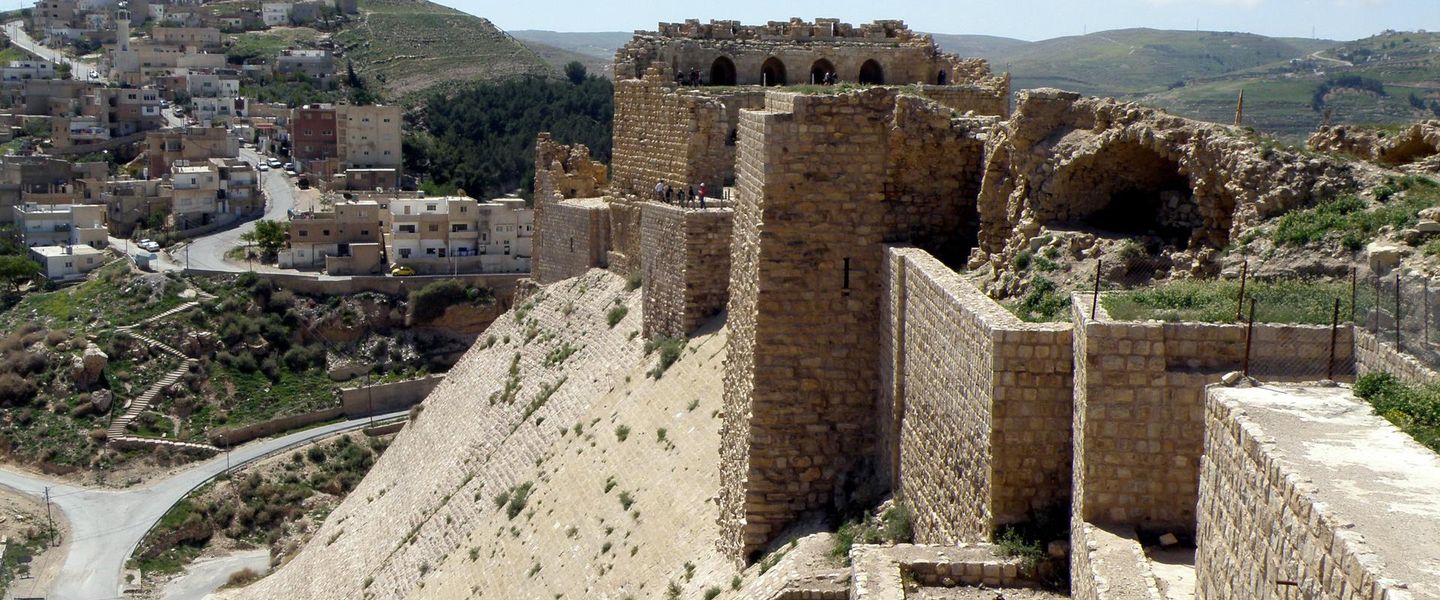


Explore Al Karak Plateau for Crusader history, highland villages, limestone landscapes, local food and wide views above Jordan’s Dead Sea escarpment.
Read more about Al Karak Plateau
When is the best time to visit Al Karak Plateau?
Best: May–June, October · 24–29°C| Month | High (°C) | Rainfall (mm) |
|---|---|---|
| January | 11 | 60 |
| February | 12 | 50 |
| March | 16 | 40 |
| April | 21 | 30 |
| May (best) | 25 | 20 |
| June (best) | 29 | 10 |
| July | 32 | 5 |
| August | 32 | 5 |
| September | 29 | 10 |
| October (best) | 24 | 20 |
| November | 17 | 30 |
| December | 12 | 40 |
Getting to and around Al Karak Plateau
How to get there
Transportation
Top city travel guides in Al Karak Plateau
The cities of Al Karak Plateau, and the easiest places to base yourself.

Swipe for more cities
Destinations in Al Karak Plateau
Resorts, valleys and scenic spots worth a trip of their own.
-

-


Swipe for more destinations
Best attractions in Al Karak Plateau
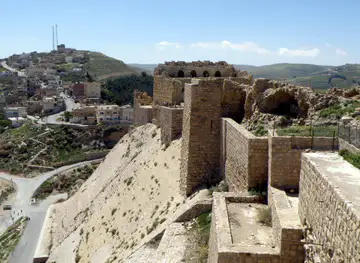
Karak Castle is the plateau’s central attraction, combining Crusader architecture with Ayyubid and Mamluk adaptations in a large complex of courtyards, vaulted rooms, passageways and defensive walls. The surrounding old town adds historic context, with stone houses, small shops and religious buildings gathered around the fortress ridge. In and around Muta and Al-Mazar, visitors can explore places associated with early Islamic history and the region’s continuing religious significance. The wider plateau is an attraction in its own right: agricultural uplands, limestone ridges, deep valleys and western escarpment views offer a sense of Jordan’s transition from highland to Dead Sea country. Rural drives are best taken in daylight, when fields, orchards and villages can be seen clearly. The region suits visitors interested in heritage, landscape photography, walking around historic settlements and observing contemporary life beyond Jordan’s principal tourist centres. It has fewer purpose-built family attractions and museums than Amman or Aqaba, but its appeal lies in the relationship between a working highland town, a major fortress and the open countryside surrounding them.
-
Historical place
Petra
Explore Petra, the stunning archaeological wonder of Jordan, renowned for its rock-cut architecture and rich Nabatean history.
-
Historical landmark
Amman Citadel
Explore the Amman Citadel, a historical landmark that showcases Jordan's rich heritage and offers stunning panoramic views of the city.
-
Historical landmark
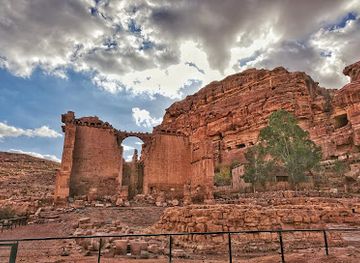
The Treasury
Discover the awe-inspiring Treasury in Petra, Jordan, an ancient wonder carved into rock that embodies the brilliance of the Nabatean civilization.
-
Historical landmark
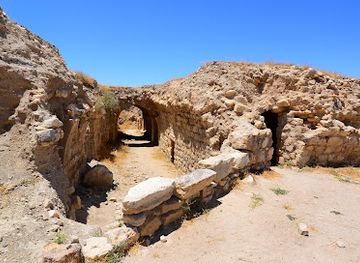
Kerak Castle
Explore the rich history and stunning architecture of Kerak Castle, a must-visit landmark in Jordan offering breathtaking views and cultural insights.


Best landmarks in Al Karak Plateau
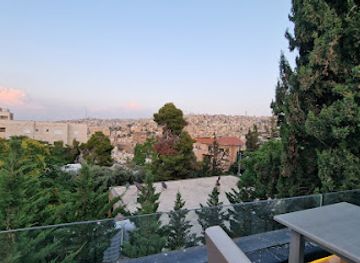
Karak Castle is the defining landmark of Al Karak Plateau, occupying a ridge above the town and displaying the layered military history of the region. Its heavy stone walls, gateways, towers and subterranean vaulted spaces illustrate how Crusader and later Muslim rulers adapted the same strategic position. The historic urban fabric around the castle is also significant: limestone buildings, narrow lanes and religious structures show how the fortress settlement continued as a living town rather than becoming an isolated archaeological site. Around Muta and Al-Mazar, religious memorials and sites associated with the Battle of Mu'tah connect the landscape with early Islamic history and remain meaningful to visitors and local communities. Beyond built heritage, the plateau’s western escarpment is a geographical landmark, marking the sharp descent from cultivated highlands towards the Dead Sea depression. Wide views across the broken valleys and pale limestone terrain are especially characteristic of the region, although access to viewpoints can be informal and should be approached carefully.
-
Historical place
Petra
Explore the ancient city of Petra, a UNESCO World Heritage Site, where history and breathtaking architecture meet amidst stunning natural beauty.
-
Historical landmark
Amman Citadel
Discover the rich history and breathtaking views at the Amman Citadel, a must-see archaeological site in the heart of Jordan's capital.
-
Historical landmark
Kerak Castle
Explore the historic splendor of Kerak Castle, a medieval fortress steeped in history, offering breathtaking views and a glimpse into Jordan's fascinating past.
-
National reserve
Wadi Mujib
Discover the breathtaking beauty and thrilling adventures of Wadi Mujib, a UNESCO Biosphere Reserve in Jordan, perfect for nature lovers and adventurers.


Explore Al Karak Plateau on the map
Plan your trip on one map. See where the top cities, national parks and sights are, and book hotels and experiences in a few clicks.
Best hotels in Al Karak Plateau
Best restaurants in Al Karak Plateau
Dining on Al Karak Plateau is rooted in Jordanian home-style cooking rather than a specialised restaurant scene. In Al Karak, visitors will find simple eateries, cafés and family-run restaurants serving dishes such as mansaf, rice with meat, grilled meats, stews, hummus, falafel, flatbreads, salads, pickles and yoghurt-based accompaniments. Mansaf, made with lamb, rice or bulgur and a fermented dried-yoghurt sauce, is strongly associated with Jordanian hospitality and is often served on special occasions, though preparation and presentation vary between households. Tea, cardamom coffee and Arabic coffee are common throughout the day. Olive oil, olives, seasonal vegetables and locally produced dairy reflect the plateau’s agricultural setting. Rural meals may be arranged through guesthouses or local hosts rather than found at regular intervals along country roads, so carry water and plan ahead when touring away from Al Karak. Service is generally informal, and shared dishes are part of the social character of eating in the region.
-
Historical landmark
Kerak Castle
Explore Kerak Castle: A majestic fortress showcasing Jordan's rich heritage with breathtaking views and captivating historical tales.
-
Restaurant
Wild Jordan Center
Discover Wild Jordan Center: A Family-Friendly Restaurant & Eco-Conscious Hub in Amman Offering Local Cuisine & Tourist Information.
-
Traditional restaurant
MU'AB RESTAURANT
Discover the rich flavors of traditional Jordanian cuisine at Mu'ab Restaurant in Kerak - a culinary delight awaits you.
-
Restaurant
Adel Halabi Restaurant
Discover authentic Jordanian flavors at Adel Halabi Restaurant in Kerak - a culinary experience steeped in tradition and local culture.


Best bars in Al Karak Plateau
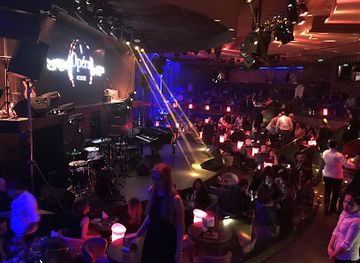
Al Karak Plateau does not have a prominent nightclub culture, and evening life is centred on family visits, cafés, restaurants and social gatherings rather than late-night entertainment. In Al Karak, coffee shops and casual eateries provide places to drink tea or Arabic coffee and watch the town’s evening rhythm, while larger accommodation establishments may offer more facilities than village businesses. Alcohol is not central to public life and may be unavailable in many local establishments; visitors should follow the customs and policies of each venue. After dark, the countryside becomes quiet, with limited transport and little commercial activity outside the main town. Travellers seeking extensive bars, live-music programming or clubs generally need to look in Jordan’s larger urban or resort centres outside the plateau, rather than expecting a developed nightlife district locally.
-
Pub
The Corner's Pub
Experience the lively atmosphere and delicious food at The Corner's Pub, a favorite spot for locals and travelers in Amman.
-
Gastropub
Cantaloupe Gastro Pub
Discover Cantaloupe Gastro Pub in Amman - a blend of gourmet cuisine, lively atmosphere, and stunning city views, perfect for food and nightlife lovers.
-
British
Brick Lane Restaurant & Pub
Experience a delightful fusion of British and Irish flavors at Brick Lane Restaurant & Pub in Amman, where every bite tells a story.
-
Bar
Good Pub
Experience Amman's nightlife at The Good Pub, where local flavors meet international brews in a vibrant and welcoming atmosphere.


Best nightclubs in Al Karak Plateau
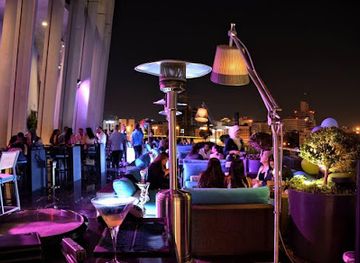
Al Karak Plateau does not have a prominent nightclub culture, and evening life is centred on family visits, cafés, restaurants and social gatherings rather than late-night entertainment. In Al Karak, coffee shops and casual eateries provide places to drink tea or Arabic coffee and watch the town’s evening rhythm, while larger accommodation establishments may offer more facilities than village businesses. Alcohol is not central to public life and may be unavailable in many local establishments; visitors should follow the customs and policies of each venue. After dark, the countryside becomes quiet, with limited transport and little commercial activity outside the main town. Travellers seeking extensive bars, live-music programming or clubs generally need to look in Jordan’s larger urban or resort centres outside the plateau, rather than expecting a developed nightlife district locally.
-
Night club
OMNI CLUB AMMAN
Join the vibrant nightlife at OMNI CLUB AMMAN - where electrifying beats and unforgettable experiences await in the heart of Jordan.
-
Restaurant
Sekrab
Experience the vibrant dining scene of Amman at Sekrab, where delicious Jordanian cuisine meets a lively nightlife atmosphere.
-
Disco club
Rogina
Discover the electrifying nightlife at Rogina, Amman's premier disco club and live music venue that promises unforgettable evenings filled with dancing and entertainment.
-
Lounge
The Deck Lounge
Experience luxury and relaxation at The Deck Lounge in Amman Rotana, where exquisite cocktails and stunning skyline views await.
Best shops in Al Karak Plateau
Shopping on Al Karak Plateau is practical and local in character, with Al Karak town providing the widest choice of food shops, everyday goods, small cafés and market-style businesses. Visitors can look for Jordanian staples such as olive oil, olives, pickles, herbs, dried foods, sweets and packages of coffee or tea, although quality and packaging vary and products should be labelled clearly for travel. Small shops may also carry locally made textiles, embroidered items or simple craft goods, but the plateau is not primarily a destination for large-scale artisan retail. Purchases are often made through ordinary town businesses rather than a single dedicated bazaar. Markets and shops can be quieter outside peak trading periods, and rural villages offer fewer reliable opportunities for souvenirs. When buying from small producers, ask about ingredients and transport restrictions, carry reusable bags where possible and avoid purchasing archaeological objects or historic stones, which should remain in the landscape.
-
Historical place
Petra
Discover the enchanting ruins of Petra, a UNESCO World Heritage Site and one of the New Seven Wonders of the World, rich in history and breathtaking landscapes.
-
Shopping mall
City Mall
Discover the ultimate shopping experience at City Mall in Amman, where exceptional stores, delicious dining, and exciting entertainment await.
-
Shopping mall
Abdali Mall
Explore Abdali Mall in Amman, a vibrant shopping destination offering a blend of retail, dining, and entertainment for the ultimate experience.
-
Shopping mall
Taj Lifestyle Center
Discover the ultimate shopping haven at the Taj Lifestyle Center in Amman, featuring diverse brands, dining, and entertainment options.



Get your free copy of our complete guide to Al Karak Plateau, delivered straight to you.
Everything on this page, from attractions and restaurants to essentials and local phrases, in one PDF you can read offline, print or share.
Already have an account? Sign in
Your Al Karak Plateau guide is ready.
We'll send it to · Not you? Sign out

Getting your guide ready…
We are putting together a fresh copy of the Al Karak Plateau guide. This can take up to a minute.
This can take a few moments. If your browser asks, choose Allow so the download can start. You'll find the guide in your Downloads folder.
Nothing happened? Download it again
Sorry, the guide is taking longer than usual. Please try again in a minute, or get it by email instead.
Al Karak Plateau essentials
Currency and Payment
Safety
Emergency Situations
Do's and Don'ts
Local Tips
From Eve
Local phrases worth knowing
You don't need to get them perfect. A few words go a long way, and locals appreciate the effort.
Basics
| English | Local | Say it |
|---|---|---|
| Hello | مرحبا | [Marhaban] |
| Goodbye | مع السلامة | [Ma'a as-salama] |
| Yes | نعم | [Na'am] |
| No | لا | [La] |
| Please/You're welcome | من فضلك | [Min fadlik] |
| Thank you | شكرا | [Shukran] |
| Excuse me/Sorry | عفوا | [Afwan] |
| How are you? | كيف حالك؟ | [Kayfa halak?] |
| Fine. And you? | بخير. وأنت؟ | [Bikhayr. Wa anta?] |
| Do you speak English? | هل تتحدث الإنجليزية؟ | [Hal tatahadath al-ingliziyya?] |
| I don't understand | لا أفهم | [La afham] |
Eating & Drinking
| English | Local | Say it |
|---|---|---|
| I'd like to see the menu, please | أود رؤية القائمة، من فضلك | [Awad ru'yat al-qa'ima, min fadlik] |
| I don't eat meat | لا آكل اللحم | [La akul al-lahm] |
| Cheers! | في صحتك! | [Fi sihatak!] |
| I would like to pay, please | أود الدفع، من فضلك | [Awad ad-daf', min fadlik] |
Emergencies
| English | Local | Say it |
|---|---|---|
| Help! | نجدة! | [Najda!] |
| Go away! | اذهب بعيدا! | [Idhab ba'idan!] |
| Call the Police! | اتصل بالشرطة! | [Ittasil bil-shurta!] |
| Call a doctor! | اتصل بطبيب! | [Ittasil bi-tabeeb!] |
| I'm lost | أنا ضائع | [Ana dae'] |
| I'm ill | أنا مريض | [Ana marid] |
Shopping
| English | Local | Say it |
|---|---|---|
| I'd like to buy... | أود شراء... | [Awad shira'] |
| I'm just looking | أنا أتطلع فقط | [Ana atatall'a faqat] |
| How much is it? | كم ثمنه؟ | [Kam thamanu?] |
| That's too expensive | هذا مكلف جدا | [Hatha mukallaf jidan] |
| Can you lower the price? | هل يمكنك تخفيض السعر؟ | [Hal yumkinuka takhfidh as-si'r?] |
Time & Numbers
| English | Local | Say it |
|---|---|---|
| What time is it? | كم الساعة؟ | [Kam as-saa'a?] |
| It's one o'clock | الساعة واحدة | [As-saa'a wahida] |
| Half past (10) | نصف بعد (10) | [Nisf ba'd (10)] |
| Morning | صباح | [Sabah] |
| Afternoon | بعد الظهر | [Ba'd al-zuhur] |
| Evening | مساء | [Masa'] |
| Yesterday | أمس | [Ams] |
| Today | اليوم | [Al-yawm] |
| Tomorrow | غدا | [Ghadan] |
| 1 | واحد | [Wahid] |
| 2 | اثنان | [Ithnan] |
| 3 | ثلاثة | [Thalatha] |
| 4 | أربعة | [Arba'a] |
| 5 | خمسة | [Khamsa] |
| 6 | ستة | [Sitta] |
| 7 | سبعة | [Sab'a] |
| 8 | ثمانية | [Thamaniya] |
| 9 | تسعة | [Tis'a] |
| 10 | عشرة | [Ashara] |
Transport & Directions
| English | Local | Say it |
|---|---|---|
| Where's a/the...? | أين الـ...؟ | [Ayn al...?] |
| What's the address? | ما هو العنوان؟ | [Ma huwa al-unwan?] |
| Can you show me (on the map)? | هل يمكنك أن تريني (على الخريطة)؟ | [Hal yumkinuka an turini (ala al-kharita)?] |
| When's the next (bus)? | متى تأتي (الحافلة) التالية؟ | [Mata ta'ti (al-hafila) at-taliya?] |
| A ticket (to ....) | تذكرة (إلى ....) | [Tadhkira (ila ....)] |
History of Al Karak Plateau
Moabite and Iron Age Frontier
The Karak highlands formed part of the ancient Moabite cultural sphere east of the Dead Sea. Although the best-known Moabite inscriptions and centres lie elsewhere, the plateau’s position between the Dead Sea, southern Levant and interior desert made it a long-standing zone of settlement, farming and movement. Its defensible ridges and access to upland water supported communities whose history was shaped by competition between local kingdoms and larger powers. Later populations inherited routes and agricultural patterns established during these early periods.
Roman and Byzantine Highland Settlement
Under Roman and Byzantine rule, the wider Karak uplands were incorporated into the political and economic systems of the eastern Mediterranean. Roads, estates, villages and religious communities connected the plateau with neighbouring parts of Arabia and Palestine. Christianity became firmly established during the Byzantine period, leaving a cultural legacy visible in the region’s archaeological remains and later sacred traditions. The plateau’s agricultural role continued, with grain, olives and livestock suited to its upland climate.
Early Islamic Karak
The region became part of the Muslim-ruled territories of Bilad al-Sham after the seventh-century Arab conquests. Muta, near Al Karak, is associated with the Battle of Mu'tah in 629, one of the earliest major encounters between the forces of the nascent Muslim community and the Byzantine sphere. The battle acquired lasting importance in Islamic historical memory, and the surrounding area remains connected with religious sites and traditions associated with its commanders and martyrs.
Crusader Lordship and the Construction of Karak Castle
In the twelfth century, the Crusaders established a stronghold at Karak as part of the lordship of Oultrejourdain. The fortress commanded routes linking Jerusalem, the Dead Sea and territories to the south, while its rulers taxed and controlled movement across a strategically important frontier. Karak Castle was expanded into a major fortified complex, with walls, towers, halls and underground passages. Its survival, despite repeated attacks, explains why the town became one of Jordan’s most historically recognisable places.
Saladin, Ayyubid Rule and the Mamluks
Karak’s Crusader power was challenged during the campaigns of Saladin and his successors, and the castle eventually passed into Muslim control in the late twelfth century. Under Ayyubid and later Mamluk rule, the fortress remained strategically valuable on routes across southern Bilad al-Sham. The Mamluks repaired and adapted the site while organising the region within a wider system of provincial administration, military movement and trade. The castle’s surviving form reflects both Crusader construction and later Muslim modifications.
Ottoman Karak and the 1910 Uprising
The Karak district was incorporated into the Ottoman Empire from the early sixteenth century and remained part of its administrative world until the First World War. Ottoman authority was mediated through local notables, taxation and the management of routes across the plateau. In 1910, resistance to Ottoman administrative and fiscal measures developed into a major uprising in the Karak area. The episode exposed tensions between centralising imperial policies and local interests, and it remains an important part of modern regional memory.
Jordanian Development after Independence
After the establishment of the Emirate of Transjordan and, later, the independent Hashemite Kingdom of Jordan, Al Karak evolved from a provincial highland centre into a region connected to national education, roads, public services and modern agriculture. The establishment of Mutah University near Al Karak in the twentieth century gave the area a major educational institution and helped strengthen its role in southern Jordan. Today, historic identity, village networks and contemporary economic life coexist across the plateau.
Al Karak Plateau in Photos
Browse through our photo collection highlighting the charm and character of the destination.
Neighbouring regions of Al Karak Plateau
The closest regions to Al Karak Plateau, if you have time for more than one.
-

-

-

-

-


Swipe for more regions
Explore more

Explore more of Jordan
Discover Jordan: A land of ancient cities, breathtaking deserts, and therapeutic seas. Experience the blend of history and modernity in this Middle Eastern gem.
Explore Jordan