

Southern Jordan Valley, Jordan Travel Guide
Discover the Southern Jordan Valley in Jordan: A blend of ancient history, spiritual significance, and breathtaking natural beauty.
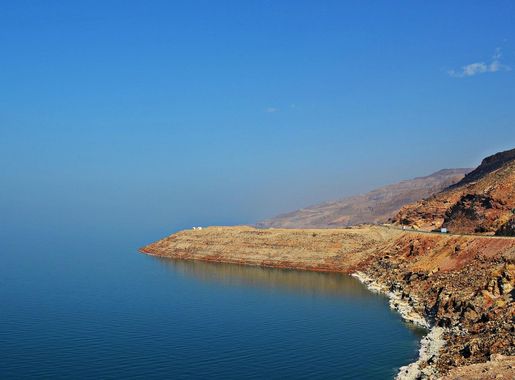
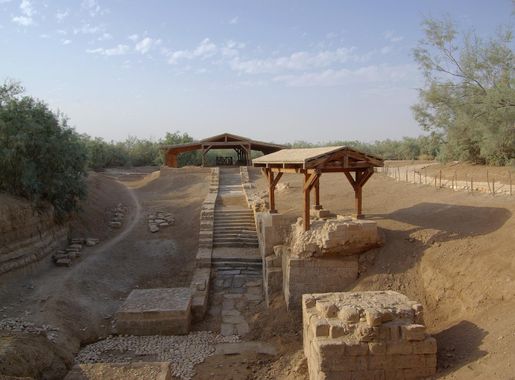
The Southern Jordan Valley in Jordan is a hidden gem that boasts a rich history and stunning natural beauty. This fertile valley, located near the Dead Sea, is known for its warm climate and lush landscapes. It has been a cradle of civilization for millennia, with ancient ruins and archaeological sites that tell stories of bygone eras. The valley is home to several significant sites, including the biblical city of Jericho and the historic Baptism Site of Jesus Christ. Tourists can explore these ancient landmarks and immerse themselves in the deep spiritual and cultural heritage of the region. The Jordan River, flowing through the valley, adds to the area's charm, offering opportunities for serene river walks and picturesque views. Apart from its historical significance, the Southern Jordan Valley is also a haven for nature lovers. The region's diverse flora and fauna, coupled with its stunning landscapes, make it an ideal destination for outdoor activities such as hiking, bird watching, and nature photography. The local markets, filled with fresh produce and traditional handicrafts, provide a glimpse into the daily life and vibrant culture of the local communities.

Know before you go
Hi, I'm Eve. Here are a few practical things to know before exploring Southern Jordan Valley.
- Visit early in the morning to avoid the midday heat, especially during the summer months.
- Carry a hat, sunscreen, and plenty of water as the valley can get quite warm.
- Hire a local guide to get the most out of the historical and cultural sites.
- Don't miss the local markets for fresh produce and unique handicrafts.
- Wear comfortable walking shoes, as some sites require a fair amount of walking.
Explore Southern Jordan Valley: Things to Do, Places to Eat, Hotels & More
Handpicked recommendations for top attractions, local dining, accommodations, and more

Top Attractions & Sightseeing in Southern Jordan Valley
Top-rated picks
Best Attractions

Amman National Park
Experience the natural beauty and tranquility of Amman National Park, a lush escape in Jordan's capital perfect for outdoor enthusiasts and families alike.

Jordan River
Discover the Jordan River, a historic and beautiful natural wonder steeped in tradition, perfect for adventure and reflection.

AlHafayer Park
Experience the serene beauty and recreational charm of AlHafayer Park in Aqaba, a perfect spot for relaxation and exploration along the Red Sea coast.

Yarmouk Nature Reserve
Explore the serene beauty of Yarmouk Nature Reserve, a stunning national park in Jordan, featuring diverse wildlife, lush landscapes, and rich cultural heritage.

Best landmarks in Southern Jordan Valley
Top-rated picks
Best Landmarks
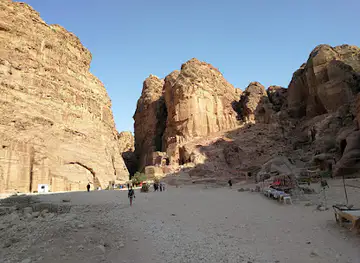
Petra
Explore Petra, the Rose City of Jordan, where ancient history meets breathtaking landscapes in an unforgettable archaeological adventure.
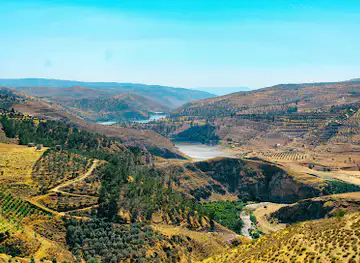
Archaeological Site of Jerash
Experience the grandeur of the ancient Roman city of Jerash, where history and stunning architecture converge in one of Jordan's top archaeological sites.
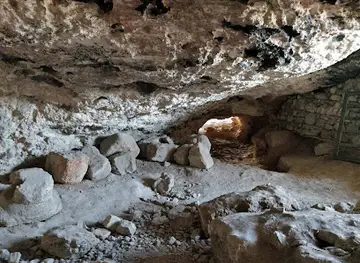
Amman Citadel
Discover the ancient wonders and breathtaking views at Amman Citadel, a historical landmark that reflects Jordan's rich cultural heritage.

Roman Theater
Explore the grandeur of the Roman Theater in Amman, a historical landmark showcasing ancient architecture and vibrant Jordanian culture.

Best restaurants in Southern Jordan Valley
Top-rated picks
Best Restaurants

Tawaheen AlHawa
Savor authentic Jordanian flavors at Tawaheen AlHawa in Amman - where every meal is a celebration of culinary heritage.

Jabri Restaurant (Central Branch) مطعم جبري المركزي
Discover authentic Jordanian cuisine at Jabri Restaurant in Amman – where tradition meets taste in every dish.

Fakhreldin Restaurant
Experience authentic Lebanese dining at Fakhreldin Restaurant in Amman - where flavor meets family tradition.

La Capitale Restaurant
Experience exquisite French cuisine at La Capitale Restaurant in Amman’s Four Seasons Hotel – where luxury meets culinary excellence.

Best bars in Southern Jordan Valley
Top-rated picks
Best Bars
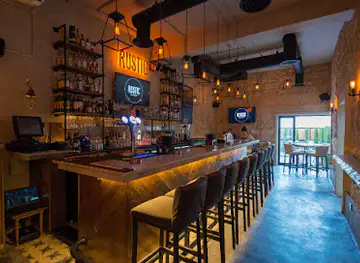
Rustic Bar and Eatery
Experience the vibrant flavors of Amman's nightlife at Rustic Bar and Eatery, where local cuisine meets a lively atmosphere.

The Corner's Pub
Experience the vibrant nightlife of Amman at The Corner's Pub, where live music and great food come together for an unforgettable evening.

Dubliners
Experience the charm of an authentic Irish pub in Amman, where traditional cuisine meets a lively atmosphere perfect for socializing.

Brick Lane Restaurant & Pub
Experience the lively ambiance and diverse menu at Brick Lane Restaurant & Pub, a must-visit spot in Amman for food lovers.

Best nightclubs in Southern Jordan Valley
Top-rated picks
Best Nightclubs

OMNI CLUB AMMAN
Discover the electrifying nightlife of OMNI Club Amman, where music, dance, and unforgettable experiences await in the heart of Jordan.

Sekrab
Experience the vibrant flavors of Amman at Sekrab, a unique restaurant and lounge on Rainbow Street, perfect for a delightful culinary journey.

Long Island club
Discover the electric nightlife of Amman at Long Island Club, where music, dancing, and fun come together in a vibrant atmosphere.

Boom Club Amman _ ديسكو بووم عمان
Discover the electrifying nightlife at Boom Club Amman, where music, dance, and vibrant energy unite for an unforgettable night out.

Best shops in Southern Jordan Valley
Top-rated picks
Best Shops

City Mall
Explore City Mall in Amman for a vibrant shopping experience with diverse stores, delicious dining, and fun entertainment options.

Abdali Mall
Experience the best of shopping, dining, and entertainment at Abdali Mall in Amman – a must-visit destination for every traveler.

Taj Lifestyle Center
Explore the Taj Lifestyle Center, Amman's premier shopping mall with diverse stores, dining, and entertainment options for every traveler.

Mecca Mall
Experience shopping, dining, and entertainment at Mecca Mall, Amman's leading shopping destination with diverse offerings for every visitor.

Explore Southern Jordan Valley on the Map
A handpicked selection of must-see spots in Southern Jordan Valley, mapped for you.
Southern Jordan Valley Essentials
-
The Southern Jordan Valley is accessible via Queen Alia International Airport in Amman, which is approximately 80 kilometers away. From Amman, travelers can reach the Southern Jordan Valley by renting a car, hiring a private taxi, or using public buses. The journey typically takes around 1.5 to 2 hours by road.
-
In the Southern Jordan Valley, transportation options include local taxis, buses, and rental cars. Taxis are readily available and can be hired for short or long trips. Public buses connect major towns and villages, but schedules can be irregular. Renting a car offers more flexibility and allows travelers to explore the area at their own pace.
-
The official currency in Jordan is the Jordanian Dinar (JOD). Credit cards are accepted in many hotels, restaurants, and larger shops, but it is advisable to carry cash for smaller establishments and rural areas. ATMs are available in major towns throughout the Southern Jordan Valley.
-
The Southern Jordan Valley is generally safe for tourists. However, standard precautions should be taken, such as avoiding isolated areas at night and keeping an eye on personal belongings. While crime rates are relatively low, it is advisable to remain vigilant, especially in crowded places. Currently, there are no specific high-crime areas targeting tourists.
-
In case of emergency, dial 911 for assistance. Local police stations and medical facilities are available in the Southern Jordan Valley. It is recommended to have travel insurance that covers medical emergencies. Pharmacies are available in towns where travelers can purchase over-the-counter medications for minor health issues.
-
Fashion: Do dress modestly, particularly when visiting religious sites. Avoid wearing revealing clothing. Religion: Do respect local traditions and customs. Remove your shoes when entering mosques and dress appropriately. Public Transport: Do be respectful and give up your seat to elderly passengers. Don’t eat or drink on public transport. Greetings: Do greet people with a handshake. A slight nod of respect is appreciated. Eating & Drinking: Do try local dishes and accept food offerings graciously. Don’t refuse hospitality, as it is considered impolite.
-
To experience the Southern Jordan Valley like a local, visit the local markets where you can buy fresh produce and traditional Jordanian goods. Engage with locals, who are often friendly and willing to share stories about the area's history and culture. Don't miss visiting the historical sites such as the Baptism Site of Jesus Christ (Bethany Beyond the Jordan) and the ancient ruins of Pella. For a unique experience, explore the natural reserves and enjoy bird-watching along the Jordan River.
When is the best time to visit Southern Jordan Valley?
Useful Local Phrases for Southern Jordan Valley
You don't need to speak the language perfectly. Even learning a few simple words can make conversations warmer—and locals usually appreciate the effort.
— Eve

Here are the phrases I use most often in Southern Jordan Valley. Try a few—you'll be surprised how far they go! 😊
❤️
-
- Helloمرحبا
[Marhaba] - Goodbyeوداعا
[Wada'an] - Yesنعم
[Na'am] - Noلا
[La] - Please/You’re welcomeمن فضلك
[Min fadlik] - Thank youشكرا
[Shukran] - Excuse me/Sorryعفوا
[Afwan] - How are you?كيف حالك؟
[Kayfa halak?] - Fine. And you?بخير. وأنت؟
[Bikhayr. Wa anta?] - Do you speak English?هل تتحدث الإنجليزية؟
[Hal tatahadath al-ingliziyya?] - I don't understandلا أفهم
[La afham]
- Helloمرحبا
-
- I’d like to see the menu, pleaseأود رؤية القائمة، من فضلك
[Awad ru'yat al-qa'ima, min fadlik] - I don't eat meatلا أتناول اللحم
[La atanaawal al-lahm] - Cheers!صحتين
[Sahteen] - I would like to pay, pleaseأود الدفع، من فضلك
[Awad al-daf', min fadlik]
- I’d like to see the menu, pleaseأود رؤية القائمة، من فضلك
-
- Help!ساعدني!
[Sa'idni!] - Go away!ابتعد!
[Ibt'id!] - Call the Police!اتصل بالشرطة!
[Ittasil bil-shurta!] - Call a doctor!اتصل بالطبيب!
[Ittasil bil-tabeeb!] - I’m lostأنا ضائع
[Ana da'i'] - I’m illأنا مريض
[Ana marid]
- Help!ساعدني!
-
- I’d like to buy...أود أن أشتري...
[Awad an ashtari...] - I’m just lookingأنا فقط أبحث
[Ana faqat abhas] - How much is it?كم ثمنه؟
[Kam thamanuh?] - That’s too expensiveهذا غالي جدا
[Hatha ghali jidan] - Can you lower the price?هل يمكنك تخفيض السعر؟
[Hal yumkinuka takhfid al-si'r?]
- I’d like to buy...أود أن أشتري...
-
- What time is it?كم الساعة؟
[Kam al-sa'a?] - It’s one o'clockالساعة الواحدة
[Al-sa'a al-wahidah] - Half past (10)نصف (10)
[Nisf (10)] - Morningصباحا
[Sabahan] - Afternoonبعد الظهر
[Ba'ad al-dhuhr] - Eveningمساء
[Masa'a] - Yesterdayأمس
[Ams] - Todayاليوم
[Al-yawm] - Tomorrowغدا
[Ghadan] - 11
[1] - 22
[2] - 33
[3] - 44
[4] - 55
[5] - 66
[6] - 77
[7] - 88
[8] - 99
[9] - 1010
[10]
- What time is it?كم الساعة؟
-
- Where's a/the...?أين...؟
[Ayn...?] - What's the address?ما هو العنوان؟
[Ma huwa al-unwan?] - Can you show me (on the map)?هل يمكنك أن تريني (على الخريطة)؟
[Hal yumkinuka an turini (ala al-kharita)?] - When's the next (bus)?متى يأتي (الحافلة) التالية؟
[Mata ya'ti (al-hafila) al-taliya?] - A ticket (to ....)تذكرة (إلى....)
[Tadhkara (ila....)]
- Where's a/the...?أين...؟
History of Southern Jordan Valley
-
The Southern Jordan Valley was a critical hub in ancient trade networks. Its strategic location on the King's Highway connected it to major civilizations like Egypt, Mesopotamia, and the Levant. Caravans laden with spices, textiles, and precious metals traversed this valley, leaving behind a rich tapestry of cultural exchange.
-
The Southern Jordan Valley is steeped in biblical history. It is believed to be the location of Sodom and Gomorrah, the infamous cities mentioned in the Book of Genesis. The valley also features in the Exodus narrative, where the Israelites crossed into the Promised Land. Numerous archaeological sites, such as Tell Deir Alla, offer evidence of ancient settlements and their connection to biblical events.
-
During the Nabataean Kingdom (4th century BCE - 1st century CE), the Southern Jordan Valley thrived as an agricultural and trade center. The Nabataeans, known for their architectural marvels in Petra, also left their mark here. They developed sophisticated irrigation systems, enabling the cultivation of crops in the arid landscape. Ruins of Nabataean farms and water channels can still be explored today.
-
Under Roman rule, the Southern Jordan Valley saw extensive development. The Romans built the city of Pella, which became a major urban center in the region. The valley's fertile lands were used to grow cereals and olives, contributing to the Roman Empire's food supply. Roman roads, bridges, and fortresses, such as Qasr el-Yahud, highlight the valley's importance in connecting the empire.
-
The Byzantine era (4th-7th centuries CE) brought significant religious and cultural changes to the Southern Jordan Valley. Monasteries, churches, and pilgrimage routes flourished as Christianity spread. The ruins of the Church of Saint John the Baptist near the Jordan River are a testament to the valley's spiritual importance. Byzantine mosaics and artifacts found in the region reflect the artistic and religious fervor of the time.
-
The arrival of Islam in the 7th century CE transformed the Southern Jordan Valley once again. The Umayyad Caliphate established several settlements and fortified structures, like Qasr al-Abd. Islamic architecture and inscriptions found in the valley illustrate the cultural and religious shift. The valley also served as a strategic location during the early Islamic conquests, linking it to broader historical narratives.
-
During the Ottoman period (1516-1918), the Southern Jordan Valley was integrated into the empire's administrative framework. The Ottomans built infrastructure to support agriculture and trade, including caravanserais and water mills. The valley's villages and agricultural lands were vital for sustaining local populations and supplying goods to larger Ottoman cities. Architectural remnants from this period, such as the Ottoman bridge at Umm Qais, offer insights into the region's historical continuity.
-
In the 20th century, the Southern Jordan Valley underwent significant changes with the establishment of the Emirate of Transjordan and later the Hashemite Kingdom of Jordan. Modern irrigation projects have transformed the valley into a key agricultural area, producing a variety of crops. The region's historical sites have become important tourist attractions, drawing visitors from around the world to explore its rich heritage and natural beauty.
Neighbouring Regions of Southern Jordan Valley
The closest regions to Southern Jordan Valley, if you have time for more than one.

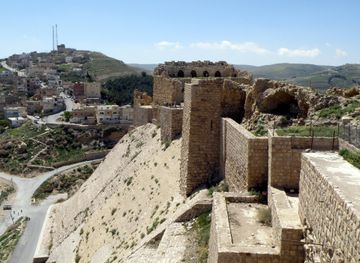
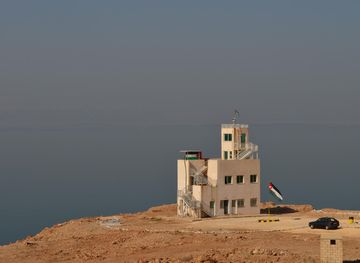
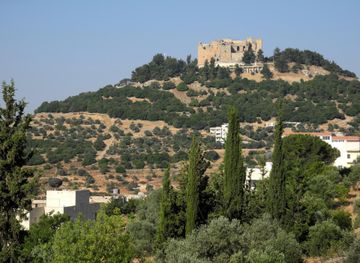
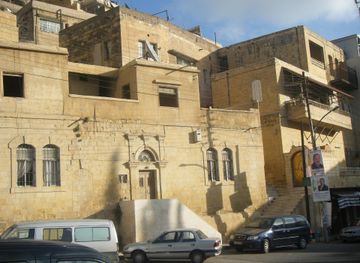

Your all‑in‑one travel companion app
Explore expert travel guides, compare and book tours, experiences, hotels, and more—all from the palm of your hand. Download now for seamless trip planning wherever your wanderlust takes you.


Explore More of Jordan

Looking beyond Southern Jordan Valley? Discover Jordan for broader travel guides, local hot-spots, and regional highlights.
Explore JordanSouthern Jordan Valley in Photos
Browse through our photo collection highlighting the charm and character of the destination.





The Enigmatic Southern Jordan Valley
The Southern Jordan Valley in Jordan is a hidden gem that boasts a rich history and stunning natural beauty. This fertile valley, located near the Dead Sea, is known for its warm climate and lush landscapes. It has been a cradle of civilization for millennia, with ancient ruins and archaeological sites that tell stories of bygone eras. The valley is home to several significant sites, including the biblical city of Jericho and the historic Baptism Site of Jesus Christ. Tourists can explore these ancient landmarks and immerse themselves in the deep spiritual and cultural heritage of the region. The Jordan River, flowing through the valley, adds to the area's charm, offering opportunities for serene river walks and picturesque views. Apart from its historical significance, the Southern Jordan Valley is also a haven for nature lovers. The region's diverse flora and fauna, coupled with its stunning landscapes, make it an ideal destination for outdoor activities such as hiking, bird watching, and nature photography. The local markets, filled with fresh produce and traditional handicrafts, provide a glimpse into the daily life and vibrant culture of the local communities.