

Free Manhattan Travel Guide & Mobile App
Plan your Manhattan trip with Evendo. Get free guides to top attractions, restaurants, hotels, and bars. Web access or download the mobile app.




Manhattan, Kansas blends Flint Hills scenery, Native and frontier history, university culture, museums, local food and outdoor adventures near Konza Prairie.
Prairie Country and University Energy
Manhattan sits in north-eastern Kansas at the meeting of the Kansas and Big Blue rivers, where the settled landscape begins to open towards the Flint Hills. The city is home to Kansas State University, whose students, research institutions and sporting traditions lend the community an energetic character, while the surrounding prairie gives it a strong sense of place. Downtown Manhattan centres on Poyntz Avenue, a walkable commercial street lined with independent businesses, cafés, restaurants and civic buildings. Nearby Aggieville has a younger, more social atmosphere shaped by university life.Read more about Manhattan
History, Science and the Open Landscape
A Lively Small-City Base
When is the best time to visit Manhattan?
Best: May, September–October · 19–27°C| Month | High (°C) | Rainfall (mm) |
|---|---|---|
| January | 3 | 30 |
| February | 6 | 35 |
| March | 12 | 45 |
| April | 18 | 60 |
| May (best) | 26 | 90 |
| June | 31 | 105 |
| July | 33 | 90 |
| August | 32 | 75 |
| September (best) | 27 | 60 |
| October (best) | 19 | 45 |
| November | 11 | 35 |
| December | 4 | 30 |
Getting to and around Manhattan
How to get there
Transportation
Best attractions in Manhattan
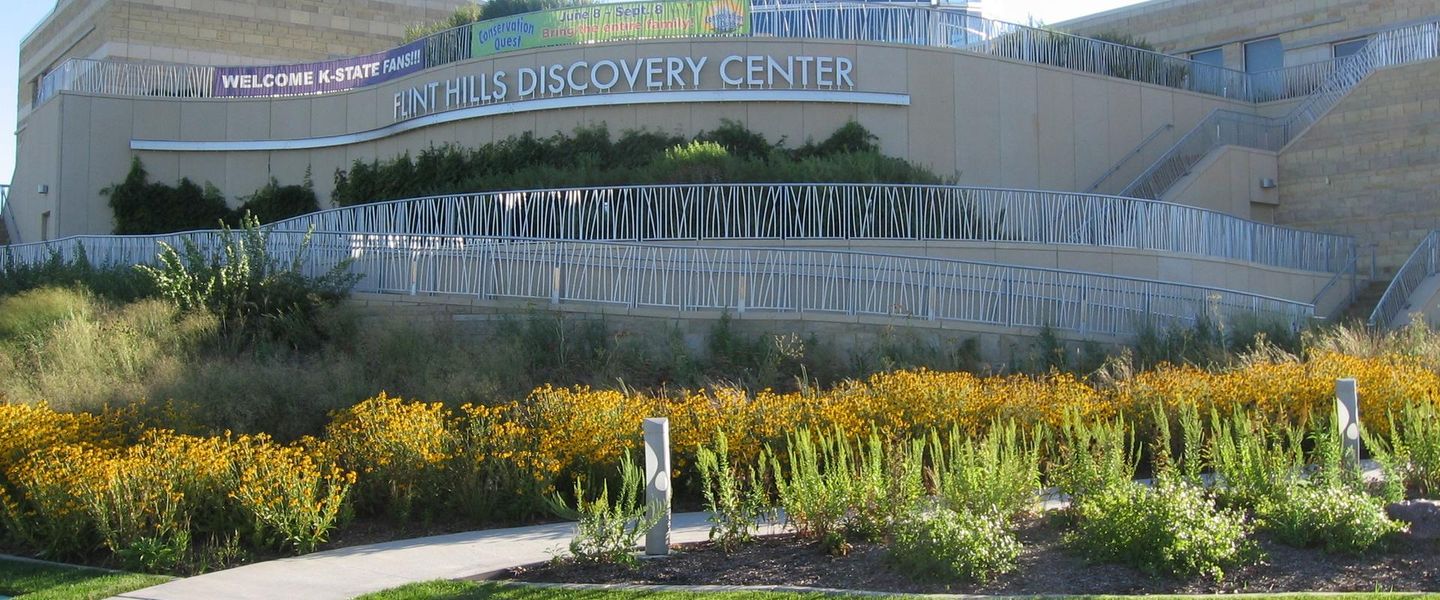
Manhattan's principal attractions combine prairie interpretation, university culture and family-friendly recreation. The Flint Hills Discovery Center explains the geology, ecology and human stories of the tallgrass region through exhibitions and interactive displays, making it a useful introduction to the landscape beyond town. The Marianna Kistler Beach Museum of Art on the Kansas State University campus presents American art with strong connections to Kansas and the surrounding region. Sunset Zoo occupies a wooded setting with animal habitats and educational programmes, while Manhattan City Park provides open space and leisure facilities near the river. For a more expansive experience, the Konza Prairie Biological Station lies south of the city and offers marked trails across rolling native grassland; it is a separate natural-area destination rather than an urban park. Downtown Poyntz Avenue and Aggieville add independent shops, cafés, restaurants and student-oriented activity to the sightseeing mix.
-
Brewpub
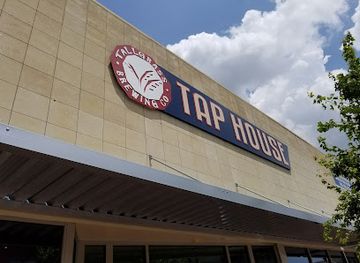
Tallgrass Tap House
Discover the flavors of Manhattan, Kansas at Tallgrass Tap House, where craft beer meets gourmet dining in a vibrant brewpub atmosphere.
13 min walk · 1.0 km from city centre
-
Tourist attraction
Tuttle Creek State Park
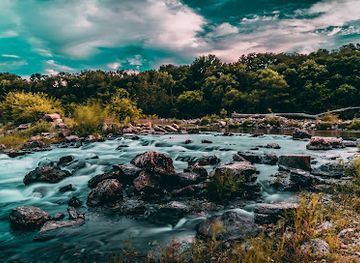
Explore Tuttle Creek State Park: A natural paradise for outdoor enthusiasts in Kansas, offering hiking, fishing, and breathtaking landscapes.
25 min drive · 8.2 km from city centre
-
Tourist attraction
CiCo Park
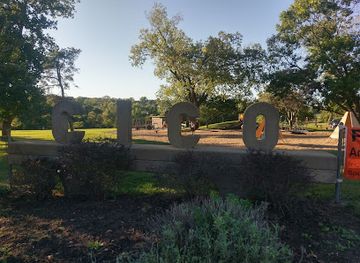
Discover CiCo Park, a beautiful urban park in Manhattan, Kansas, offering lush landscapes, recreational activities, and a tranquil escape for all visitors.
14 min drive · 4.6 km from city centre
-
City park
Frank Anneberg Park
Discover Frank Anneberg Park, a scenic urban retreat in Manhattan, Kansas, perfect for outdoor activities, family picnics, and community events.
15 min drive · 5.1 km from city centre
Best landmarks in Manhattan
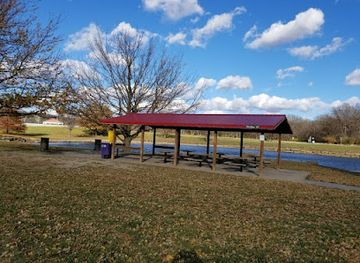
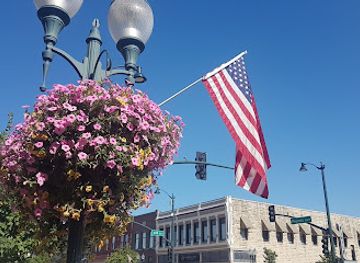
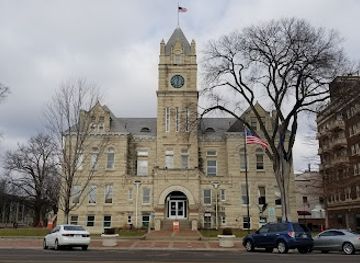
Manhattan's landmarks express its river-valley origins, university identity and relationship with the Flint Hills. Downtown's Poyntz Avenue forms the city's historic commercial spine, with civic and commercial buildings that reflect Manhattan's growth as a regional trading centre. Kansas State University's campus provides a second architectural focus, including the historic Anderson Hall and the limestone-influenced academic character associated with the institution. The Manhattan City Park pavilion and riverfront setting recall the importance of public open space in a city shaped by the Kansas and Big Blue rivers. The Flint Hills Discovery Center is a modern civic landmark whose design and exhibitions draw attention to the prairie beyond the built-up area. Nearby Fort Riley, with its military heritage and historic buildings, is an important regional landmark west of Manhattan, but it should be treated as a separate destination rather than part of the city's own landmark core.
-
Shopping mall
Manhattan Town Center
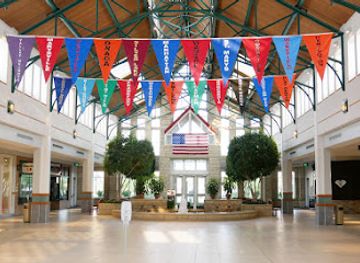
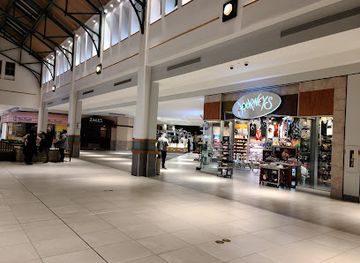
Experience the unique charm of Manhattan Town Center, a nostalgic shopping mall in Kansas offering diverse retail, dining, and entertainment options.
15 min walk · 1.2 km from city centre
-
Brewpub
Tallgrass Tap House
Experience the best of craft beer and gourmet cuisine at Tallgrass Tap House in Manhattan, Kansas - a brewpub that tantalizes your taste buds.
13 min walk · 1.0 km from city centre
-
American
Bourbon & Baker
Discover American flavors at Bourbon & Baker, where small plates meet an artisan bakery, and bourbon lovers find their haven.
13 min walk · 1.0 km from city centre
-
 Hotel
HotelBluemont Hotel
Discover the Bluemont Hotel in Manhattan, Kansas—a perfect blend of comfort, convenience, and vibrant local culture for every traveler.
7 min walk · 0.5 km from city centre
Explore Manhattan on the map
Plan your Manhattan trip on one map. See where the top attractions, landmarks, restaurants, bars and hotels are, find what's near where you're staying, and book hotels and experiences in a few clicks.
Best hotels in Manhattan
Best restaurants in Manhattan
Manhattan's food scene reflects north-eastern Kansas, university life and the broader cooking traditions of the Great Plains. Barbecue, burgers, steaks and comfort food are easy reference points, while cafés, bakeries and casual restaurants around downtown and Aggieville serve a younger and more varied clientele. Local dining also includes Mexican, Asian and other international influences brought by the university community. The city is a useful place to sample Kansas-style barbecue, generally associated with slow-smoked meats and richly seasoned sauces, although individual approaches vary. Farmers' markets and seasonal food events connect restaurants and home cooks with regional produce, baked goods and locally made products. Dining areas tend to be informal, with Poyntz Avenue offering a more mixed downtown setting and Aggieville concentrating social eating and late-day activity near the campus.
-
Steak
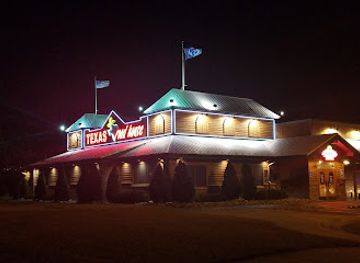
Texas Roadhouse
Experience authentic American cuisine at Texas Roadhouse - renowned for its delicious steaks and warm hospitality in Manhattan, Kansas.
19 min walk · 1.5 km from city centre
-
Brewpub
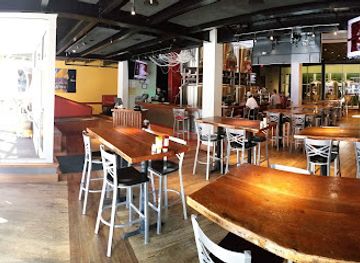
Tallgrass Tap House
Experience unique craft brews and delicious cuisine at Tallgrass Tap House in Manhattan, KS – where flavor meets community.
13 min walk · 1.0 km from city centre
-
Restaurant
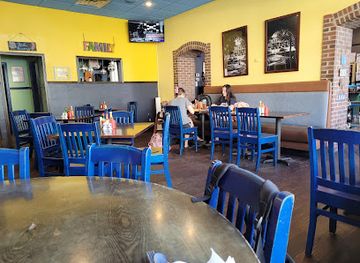
The Chef
Experience the flavors of America at The Chef, where every breakfast is crafted with care in the heart of Manhattan, Kansas.
13 min walk · 1.0 km from city centre
-
Japanese
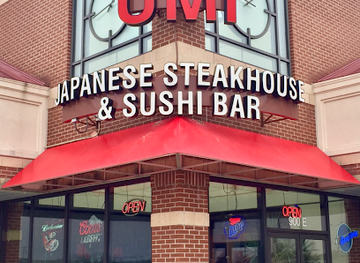
UMI Japanese Steakhouse and Sushi Bar
Experience authentic Japanese cuisine at UMI Japanese Steakhouse and Sushi Bar - where sushi meets steak in a vibrant setting.
5 min drive · 1.6 km from city centre
Best bars in Manhattan
Manhattan's evening life is shaped by Kansas State University and is concentrated chiefly in Aggieville, the long-established entertainment district beside campus. Its bars and casual venues attract students and a wider local crowd, with busier periods around university sporting events and the academic calendar. Downtown Poyntz Avenue offers a more mixed evening scene through restaurants, cafés, occasional live music and community events rather than a large nightclub circuit. The city also supports performances and public programmes connected with Kansas State University and local arts organisations, giving visitors alternatives to bar-focused nightlife. Manhattan is not a major late-night destination, and the atmosphere varies considerably between term time, holidays and quieter summer periods. Visitors should arrange a safe journey back to their accommodation and remember that US drinking laws and identification requirements are enforced.
-
Sports bar
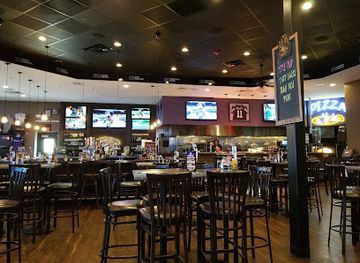
Powercat Sports Grill
Experience the ultimate sports bar vibe at Powercat Sports Grill in Manhattan, KS, with delicious food, vibrant atmosphere, and live sports action.
11 min drive · 3.7 km from city centre
-
Grill
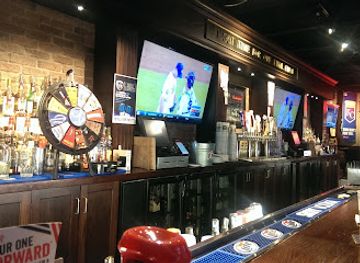
Tanner's Bar & Grill
Experience the vibrant atmosphere and delicious American cuisine at Tanner's Bar & Grill in Manhattan, Kansas, perfect for sports fans and food lovers.
5 min walk · 0.4 km from city centre
-
Bar
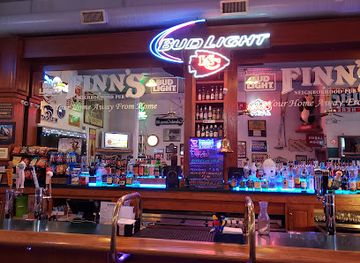
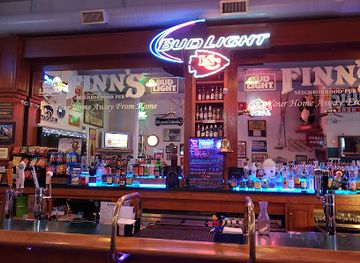
Finn's Neighborhood Pub
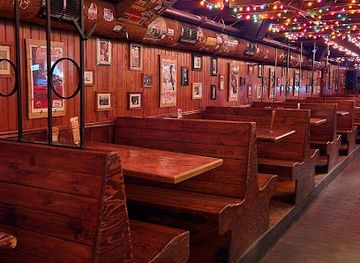
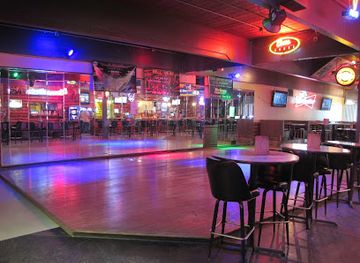
Experience the vibrant nightlife at Finn's Neighborhood Pub, where cocktails, karaoke, and live music create an unforgettable atmosphere in Manhattan, KS.
13 min walk · 1.0 km from city centre
-
Bar
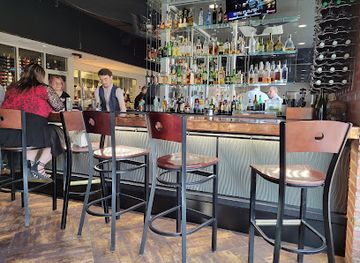
Wine Dive + Kitchen
Discover the best of American cuisine and fine dining at Wine Dive + Kitchen in Manhattan, Kansas, where every meal is a celebration of flavor and local ingredients.
13 min walk · 1.0 km from city centre
Best nightclubs in Manhattan
Manhattan's evening life is shaped by Kansas State University and is concentrated chiefly in Aggieville, the long-established entertainment district beside campus. Its bars and casual venues attract students and a wider local crowd, with busier periods around university sporting events and the academic calendar. Downtown Poyntz Avenue offers a more mixed evening scene through restaurants, cafés, occasional live music and community events rather than a large nightclub circuit. The city also supports performances and public programmes connected with Kansas State University and local arts organisations, giving visitors alternatives to bar-focused nightlife. Manhattan is not a major late-night destination, and the atmosphere varies considerably between term time, holidays and quieter summer periods. Visitors should arrange a safe journey back to their accommodation and remember that US drinking laws and identification requirements are enforced.
-
Bar
Finn's Neighborhood Pub
Discover Finn's Neighborhood Pub in Manhattan, Kansas – a lively bar with cocktails, karaoke, and live music for an unforgettable night out.
13 min walk · 1.0 km from city centre
-
Bar
Auntie Mae's Parlor
Discover Auntie Mae's Parlor: Manhattan's lively bar with live music, great drinks, and a friendly atmosphere for all.
4 min walk · 0.3 km from city centre
-
Night club
RC McGraws Bar and Grill
Discover the vibrant atmosphere at RC McGraws Bar and Grill, a top night club and bar in Manhattan, Kansas, perfect for unwinding with food and drinks.
8 min drive · 2.7 km from city centre
-
Bar
Dirty Dawg Saloon
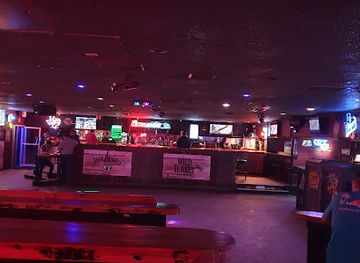
Discover the energetic nightlife at Dirty Dawg Saloon, a vibrant bar in Manhattan, Kansas, perfect for drinks, entertainment, and memorable nights.
6 min walk · 0.5 km from city centre
Best shops in Manhattan
Shopping in Manhattan is divided between the independent businesses of downtown Poyntz Avenue, the student-oriented outlets around Aggieville and larger commercial areas outside the historic centre. Poyntz Avenue is the most characterful place for browsing local gifts, clothing, books, art and specialist goods, while Aggieville has a youthful retail and social atmosphere linked to Kansas State University. Manhattan Town Center and surrounding commercial districts provide chain retailers and everyday shopping. Seasonal farmers' markets offer regional produce, baked goods and crafts, and shops connected with the Flint Hills often carry prairie-themed artwork, local food products and Kansas souvenirs. Visitors interested in university culture will also find Kansas State apparel and sports merchandise widely represented. Retail patterns and market schedules change, so independent shops and seasonal stalls are best approached as part of the city's local rhythm rather than as a fixed single shopping quarter.
-
Shopping mall
Manhattan Town Center
Explore Manhattan Town Center, a vibrant shopping mall in Kansas offering diverse retail options, delightful dining, and family-friendly entertainment.
15 min walk · 1.2 km from city centre
-
Shopping mall
West Loop Shopping Center
Experience a shopper's paradise at the West Loop Shopping Center in Manhattan, KS, where great stores, dining, and entertainment await.
10 min drive · 3.4 km from city centre
-
Shopping mall
Manhattan Marketplace
Discover a vibrant shopping experience at Manhattan Marketplace, where local charm meets a diverse selection of stores and eateries.
12 min walk · 1.0 km from city centre
-
Variety store
Five Below
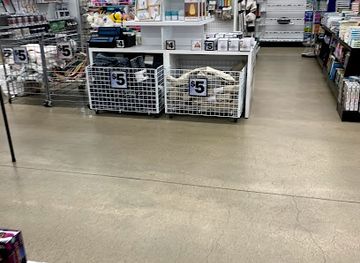
Explore Five Below in Manhattan, KS – your one-stop shop for affordable fun, fashion, and unique gifts, all priced at $5 or less.
5 min drive · 1.7 km from city centre
Get your free copy of our complete guide to Manhattan, delivered straight to you.
Everything on this page, from attractions and restaurants to essentials and local phrases, in one PDF you can read offline, print or share.
Already have an account? Sign in
Your Manhattan guide is ready.
We'll send it to · Not you? Sign out

Getting your guide ready…
We are putting together a fresh copy of the Manhattan guide. This can take up to a minute.
This can take a few moments. If your browser asks, choose Allow so the download can start. You'll find the guide in your Downloads folder.
Nothing happened? Download it again
Sorry, the guide is taking longer than usual. Please try again in a minute, or get it by email instead.
Manhattan essentials
Currency and Payment
Safety
Emergency Situations
Do's and Don'ts
Local Tips
From Eve
Local phrases worth knowing
You don't need to get them perfect. A few words go a long way, and locals appreciate the effort.
Basics
| English | Local | Say it |
|---|---|---|
| Hello | Howdy | [haw-dee] |
| Goodbye | See ya | [see yuh] |
| Yes | Yep | [yep] |
| No | Nah | [nah] |
| Please/You're welcome | Please | [pleez] |
| Thank you | Thanks | [th-anks] |
| Excuse me/Sorry | Pardon | [par-dn] |
| How are you? | Howdy | [haw-dee] |
| Fine. And you? | Good. You? | [gud yuh] |
| Do you speak English? | Y'all speak English? | [yawl speak ing-glish] |
| I don't understand | I ain't get it | [i ent get it] |
Eating & Drinking
| English | Local | Say it |
|---|---|---|
| I'd like to see the menu, please | Menu please | [men-yoo pleez] |
| I don't eat meat | No meat for me | [no meet for me] |
| Cheers! | Bottoms up! | [bot-ums up] |
| I would like to pay, please | Check please | [chek pleez] |
Emergencies
| English | Local | Say it |
|---|---|---|
| Help! | Help! | [help] |
| Go away! | Leave me be! | [leev me bee] |
| Call the Police! | Call the cops! | [call the cops] |
| Call a doctor! | Call a doc! | [call a doc] |
| I'm lost | I'm lost | [im lost] |
| I'm ill | I'm sick | [im sik] |
Shopping
| English | Local | Say it |
|---|---|---|
| I'd like to buy... | I wanna buy... | [i wanna buy] |
| I'm just looking | Just looking | [just look-ing] |
| How much is it? | How much? | [how much] |
| That's too expensive | Too much | [too much] |
| Can you lower the price? | Can you do better? | [can yuh do bet-ter] |
Time & Numbers
| English | Local | Say it |
|---|---|---|
| What time is it? | What time is it? | [what time is it] |
| It's one o'clock | It's one | [its one] |
| Half past (10) | Half past ten | [half past ten] |
| Morning | Morning | [morn-ing] |
| Afternoon | Afternoon | [after-noon] |
| Evening | Evening | [even-ing] |
| Yesterday | Yesterday | [yester-day] |
| Today | Today | [to-day] |
| Tomorrow | Tomorrow | [tom-or-row] |
| 1 | One | [wun] |
| 2 | Two | [too] |
| 3 | Three | [three] |
| 4 | Four | [for] |
| 5 | Five | [fahyv] |
| 6 | Six | [siks] |
| 7 | Seven | [sev-en] |
| 8 | Eight | [ayt] |
| 9 | Nine | [nine] |
| 10 | Ten | [ten] |
Transport & Directions
| English | Local | Say it |
|---|---|---|
| Where's a/the...? | Where's the...? | [wheres the] |
| What's the address? | What's the address? | [whats the address] |
| Can you show me (on the map)? | Show me | [show me] |
| When's the next (bus)? | When's the next bus? | [whens the next bus] |
| A ticket (to ....) | Ticket to... | [ticket to] |
History of Manhattan
Kansa Country Before Settlement
The Manhattan area lies within the historic homeland of the Kansa, or Kaw, people, whose name gave Kansas its identity. Indigenous communities used and travelled through the river valleys and prairie long before the arrival of American settlers. The broader region was also shaped by the movements and settlements of other Native nations, including peoples displaced westward during the nineteenth century. This earlier history remains important to understanding the landscape: the rivers, grasslands and seasonal ecology that attract visitors today were not empty wilderness but part of an established Indigenous world.
The Founding of Manhattan
Manhattan was established in 1855 during the rapid settlement of Kansas Territory. It grew from the combination of an earlier settlement known as Polistra and the community of Canton, positioned near the confluence of the Kansas and Big Blue rivers. The name Manhattan was adopted as the town developed, reflecting the ambitions of settlers who hoped to create a significant commercial centre. The city's location supported river transport, agriculture and trade, while the surrounding prairie and fertile bottomlands encouraged continued settlement during the territorial period.
Railways, Agriculture and Growth
Manhattan's development accelerated after the arrival of rail connections, which linked local farms and businesses with wider markets and reduced dependence on river transport. Agriculture became central to the local economy, with grain, livestock and related commerce shaping the city's growth. The town's position in the Kansas River valley also made it a service centre for surrounding rural communities. Downtown streets and surviving commercial buildings reflect this period of expansion, when Manhattan evolved from a frontier settlement into an established regional town.
The Birth of Kansas State
Kansas State University began in 1863 as Kansas State Agricultural College, the first land-grant institution created under the Morrill Act. Its establishment transformed Manhattan's educational, economic and cultural life. The college promoted agricultural science and practical education suited to the state's developing economy, later expanding into engineering, research, the arts and other disciplines. The campus remains one of the city's defining institutions, and university traditions, buildings and sporting culture continue to influence Manhattan's identity and its pattern of seasonal activity.
Modern Manhattan and the Flint Hills
During the twentieth and early twenty-first centuries, Manhattan expanded as a university town, research centre and regional service hub. Scientific work connected with agriculture, ecology and the Flint Hills strengthened the city's relationship with the surrounding prairie, while new museums and civic projects interpreted that heritage for the public. Growth has also brought suburban development and changing retail patterns, but downtown Manhattan, the university district and Aggieville retain distinct identities. Today the city presents its history through museums, campus institutions and access to one of North America's significant remaining tallgrass ecosystems.
Manhattan in Photos
Browse through our photo collection highlighting the charm and character of the destination.
Cities near Manhattan
The closest cities to Manhattan, if you have time for more than one stop.
-

-

-
-

-


Swipe for more cities
Explore more

Explore more of Kansas
Explore Kansas: Where history, nature, and small-town charm converge in the heart of America. Discover prairies, cultural landmarks, and delicious cuisine in the Sunflower State.
Explore Kansas