

Lawrence, Kansas Travel Guide
Discover the vibrant charm of Lawrence, Kansas - a college town brimming with history, culture, and outdoor adventures in the heart of the Midwest.
Nestled in the rolling hills of northeast Kansas, Lawrence is a vibrant college town with a rich history and a thriving cultural scene. Known for its eclectic mix of arts, music, and outdoor activities, Lawrence offers a diverse array of attractions that cater to tourists of all ages and interests. Take a stroll down Massachusetts Street, the city's main artery, where you'll find a delightful assortment of shops, cafes, and restaurants. This bustling street is the perfect place to experience the local flavor, with everything from quirky boutiques to farm-to-table dining. Don't miss the chance to explore the local art galleries and catch a live performance at one of the many music venues. History enthusiasts will appreciate a visit to the University of Kansas, home to the Spencer Museum of Art and the Natural History Museum. The university's beautiful campus offers picturesque views and a glimpse into the academic and cultural heartbeat of the city. For a deeper dive into the past, the Watkins Museum of History provides fascinating insights into the region's heritage. Outdoor lovers will find plenty to do in Lawrence as well. The city's parks and nature reserves, such as Clinton State Park and the Lawrence Riverfront Plaza, offer opportunities for hiking, biking, and picnicking. The scenic Kansas River, which flows through the city, is perfect for kayaking and fishing. With its unique blend of history, culture, and natural beauty, Lawrence is a must-visit destination in the heart of Kansas.

Know before you go
Hi, I'm Eve. Here are a few practical things to know before exploring Lawrence.
- Visit Massachusetts Street for the best shopping, dining, and entertainment options.
- Explore the University of Kansas campus for its museums and beautiful scenery.
- Check out the local music scene with live performances at venues like The Bottleneck and Granada Theater.
- Spend some time outdoors at Clinton State Park for hiking, biking, and picnicking.
- Take a leisurely walk along the Lawrence Riverfront Plaza for stunning river views.
Explore Lawrence: Things to Do, Places to Eat, Hotels & More
Handpicked recommendations for top attractions, local dining, accommodations, and more

Best attractions in Lawrence
Top-rated picks
Best Attractions

Clinton State Park
Discover Clinton State Park: A beautiful state park in Kansas offering stunning landscapes, recreational activities, and a serene escape into nature.

Prairie Park Nature Center
Discover the beauty and biodiversity of Prairie Park Nature Center, a serene escape for nature lovers in Lawrence, Kansas.

KU Natural History Museum
Discover the KU Natural History Museum: A treasure trove of biodiversity, fossils, and interactive exhibits in Lawrence, Kansas.

Lawrence Rotary Arboretum
Discover the natural beauty of Lawrence Rotary Arboretum, a serene escape featuring stunning gardens and diverse plant life in Lawrence, Kansas.

Best landmarks in Lawrence
Top-rated picks
Best Landmarks

The Burger Stand at The Casbah
Discover the essence of American cuisine at The Burger Stand at The Casbah, where gourmet burgers and unmatched atmosphere await in Lawrence, Kansas.

Free State Brewing Company
Experience the rich flavors of Kansas at Free State Brewing Company, where locally brewed beers and gourmet pub fare come together in a vibrant setting.

The Oread Lawrence, Tapestry Collection by Hilton
Discover The Oread, a stunning hotel in Lawrence, Kansas, where castle-like elegance meets modern comfort and local attractions await.
Eldridge Hotel
Experience the blend of history and luxury at Eldridge Hotel, a premier destination in the heart of Lawrence, Kansas, offering exquisite accommodations and dining.

Best restaurants in Lawrence
Top-rated picks
Best Restaurants

The Burger Stand at The Casbah
Savor gourmet burgers in a vibrant setting at The Burger Stand at The Casbah - a must-visit American eatery in Lawrence.

Free State Brewing Company
Experience the vibrant flavors of craft beer and delicious cuisine at Free State Brewing Company in Lawrence, Kansas.

El Potro Mexican cafe Lawrence
Discover the vibrant flavors of Mexico at El Potro Mexican Cafe in Lawrence – where every meal is a celebration!

The Mad Greek
Experience authentic Greek cuisine at The Mad Greek in Lawrence – where every dish tells a story of tradition and flavor.

Best bars in Lawrence
Top-rated picks
Best Bars

Merchants Pub & Plate
Discover the vibrant flavors of Lawrence at Merchants Pub & Plate, where local ingredients meet culinary creativity in a welcoming gastropub setting.
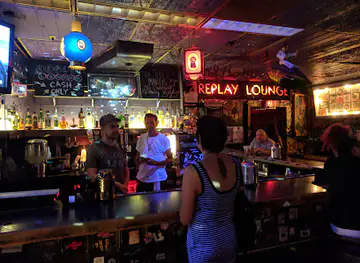
Replay Lounge
Experience the vibrant nightlife at Replay Lounge, a premier bar and live music venue in Lawrence, Kansas, where great music meets a welcoming atmosphere.

23rd Street Brewery
Experience the heart of Lawrence at 23rd Street Brewery, where craft beers and delicious food come together in a vibrant atmosphere.
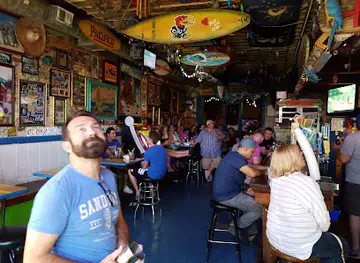
The Sandbar
Experience the vibrant nightlife at The Sandbar, a tropical-themed bar in Lawrence, Kansas, perfect for socializing and enjoying great drinks.

Best nightclubs in Lawrence
Top-rated picks
Best Nightclubs

Replay Lounge
Experience the heartbeat of Lawrence's nightlife at Replay Lounge, where affordable drinks and live music create unforgettable nights.

The Sandbar
Experience the vibrant nightlife of Lawrence at The Sandbar, where friendly faces and affordable drinks come together in a lively atmosphere.

John Brown's Underground
John Brown's Underground: A top cocktail bar in Lawrence, KS, offering creative drinks and a lively atmosphere perfect for a night out.

Louise's Downtown
Experience the vibrant nightlife at Louise's Downtown, a top bar in Lawrence, KS, known for its local brews, friendly atmosphere, and live entertainment.

Best shops in Lawrence
Top-rated picks
Best Shops

The Toy Store
Discover the magic of play at The Toy Store in Lawrence, KS—your ultimate destination for toys and children's literature.

The Third Planet
Explore The Third Planet, a unique gift shop in Lawrence, KS, offering clothing, jewelry, and metaphysical supplies for every taste.

Wonder Fair
Explore Wonder Fair in Lawrence, KS - A delightful gift shop and art supply store brimming with unique finds and creative inspiration.

Love Garden Sounds
Explore Love Garden Sounds, the ultimate record store in Lawrence, Kansas, where music lovers unite to discover timeless vinyl and indie gems.

Explore Lawrence on the Map
A handpicked selection of must-see spots in Lawrence, mapped for you.
Lawrence Essentials
-
Lawrence, Kansas is conveniently located in the northeastern part of the state. The closest major airport is Kansas City International Airport (MCI), approximately 50 miles to the east. From the airport, you can rent a car, take a shuttle service, or use ride-sharing apps to reach Lawrence. Amtrak also provides train services to Lawrence via the Southwest Chief route, making it accessible by rail. For those driving, Lawrence is situated along Interstate 70, making it easily reachable by car.
-
Lawrence offers several transportation options for getting around the city. The Lawrence Transit System, known as 'The T,' provides bus services throughout the city, including routes to the University of Kansas. Taxis and ride-sharing services like Uber and Lyft are also available. For a more leisurely experience, consider renting a bike; Lawrence is a bike-friendly city with numerous trails and bike lanes. Walking is another excellent option, particularly in the downtown area, which is compact and pedestrian-friendly.
-
The currency used in Lawrence, like the rest of the United States, is the US Dollar (USD). Credit and debit cards are widely accepted in most establishments, including restaurants, hotels, and shops. ATMs are plentiful throughout the city, and many offer withdrawal services for international cards. While card payments are common, it's always a good idea to carry some cash for smaller vendors or in case of emergencies.
-
Lawrence is generally considered a safe city for tourists. However, as with any travel destination, it's advisable to take standard precautions. Avoid walking alone at night in less-populated areas, particularly in some parts of East Lawrence or near the University of Kansas campus after dark. Keep an eye on your belongings in crowded places and be cautious when using ATMs at night. Overall, the city is friendly and welcoming, but staying vigilant is always recommended.
-
In case of an emergency, dial 911 for immediate assistance from police, fire, or medical services. Lawrence Memorial Hospital is the main medical facility in the city and provides comprehensive emergency care. For minor health issues, several pharmacies are available throughout the city. It's advisable to have travel insurance that covers medical emergencies. For non-emergency issues, the Lawrence Police Department and local fire stations are available to assist.
-
Fashion: Do dress casually and comfortably. Lawrence is a college town with a relaxed atmosphere. Don't wear offensive or overly revealing clothing. Religion: Do respect local customs and places of worship. Don't interrupt services or take photos without permission. Public Transport: Do have exact change or a bus pass for The T. Don't be loud or disruptive on public transport. Greetings: Do greet people with a friendly 'hello' or 'hi.' Don't be overly formal; a handshake is sufficient for most interactions. Eating & Drinking: Do try local Kansas cuisine and enjoy the vibrant food scene. Don't forget to tip; 15-20% is customary for good service.
-
To experience Lawrence like a local, make sure to visit the downtown area, known for its eclectic mix of shops, restaurants, and bars. Attend a University of Kansas basketball game at Allen Fieldhouse if you can; the atmosphere is electric. Explore the local art scene at the Lawrence Arts Center and the Spencer Museum of Art. For outdoor enthusiasts, the Clinton State Park offers excellent hiking, biking, and water activities. Don't miss the local farmers' market held on Saturdays, where you can buy fresh produce and handmade goods.
When is the best time to visit Lawrence?
Useful Local Phrases for Lawrence
You don't need to speak the language perfectly. Even learning a few simple words can make conversations warmer—and locals usually appreciate the effort.
— Eve

Here are the phrases I use most often in Lawrence. Try a few—you'll be surprised how far they go! 😊
❤️
-
- HelloHowdy
[haw-dee] - GoodbyeSee ya
[see yuh] - YesYep
[yep] - NoNah
[na] - Please/You're welcomePlease
[pleez] - Thank youThanks
[thanks] - Excuse me/SorryPardon
[pahr-dn] - How are you?Howdy
[haw-dee] - Fine. And you?Fine. How 'bout you?
[fine. how 'bout yuh] - Do you speak English?Ya speak English?
[ya speak ing-glish] - I don't understandI'm lost
[ah'm lawst]
- HelloHowdy
-
- I'd like to see the menu, pleaseCan I see the menu?
[kan ah see the men-yoo] - I don't eat meatI'm vegetarian
[ah'm ve-jeh-te-ree-yun] - Cheers!Cheers!
[cheers] - I would like to pay, pleaseCheck, please
[chek, please]
- I'd like to see the menu, pleaseCan I see the menu?
-
- Help!Help!
[help] - Go away!Get lost!
[get lawst] - Call the Police!Call the cops!
[call the cops] - Call a doctor!Get a doc!
[get a doc] - I'm lostI'm lost
[ah'm lawst] - I'm illI'm sick
[ah'm sik]
- Help!Help!
-
- I'd like to buy...I wanna buy...
[ah wanna buy] - I'm just lookingJust browsing
[just brows-ing] - How much is it?How much?
[how much] - That's too expensiveThat's pricey
[thats pry-see] - Can you lower the price?Can ya do a deal?
[kan yuh do a deel]
- I'd like to buy...I wanna buy...
-
- What time is it?What's the time?
[whats the time] - It's one o'clockIt's one
[its one] - Half past (10)Ten thirty
[ten thur-tee] - MorningMorning
[morn-ing] - AfternoonAfternoon
[af-ter-noon] - EveningEvening
[ee-ven-ing] - YesterdayYesterday
[yes-ter-day] - TodayToday
[to-day] - TomorrowTomorrow
[to-mor-row] - 1One
[wun] - 2Two
[too] - 3Three
[three] - 4Four
[for] - 5Five
[fahyv] - 6Six
[siks] - 7Seven
[sev-un] - 8Eight
[ayt] - 9Nine
[nine] - 10Ten
[ten]
- What time is it?What's the time?
-
- Where's a/the...?Where's the...?
[wheres the] - What's the address?What's the address?
[whats the address] - Can you show me (on the map)?Can ya show me (on the map)?
[kan yuh show me (on the map)] - When's the next (bus)?When's the next (bus)?
[whens the next (bus)] - A ticket (to ....)A ticket to...
[a ticket to]
- Where's a/the...?Where's the...?
History of Lawrence
-
Lawrence, Kansas, was founded in 1854 by the New England Emigrant Aid Company, an organization that aimed to populate Kansas with anti-slavery settlers. The city's early establishment was part of the larger conflict between pro-slavery and anti-slavery forces in the United States. Named after Amos Adams Lawrence, a prominent abolitionist, the city quickly became a stronghold for the Free State movement.
-
The period known as 'Bleeding Kansas' from 1854 to 1861 was marked by violent confrontations between pro-slavery and anti-slavery factions. Lawrence was a focal point in this conflict, enduring multiple attacks from pro-slavery forces. Most notably, in 1856, Sheriff Samuel J. Jones led a raid that resulted in the burning of the Free State Hotel and other significant buildings, symbolizing the intense struggle over Kansas' future.
-
One of the most devastating events in Lawrence's history occurred on August 21, 1863. William Quantrill and his band of Confederate guerrillas attacked the city, killing around 150 men and boys and burning much of the town. The raid was in retaliation for the Union's treatment of Confederate sympathizers in Missouri and left a lasting scar on the community. Despite the destruction, Lawrence rebuilt and continued to grow in the years following the Civil War.
-
The University of Kansas (KU) was established in 1865, just two years after Quantrill’s Raid, marking a period of recovery and growth for the city. The university became a central cultural and intellectual hub, contributing significantly to the development of Lawrence. Over the years, KU has grown into a major public research university, enriching the city's cultural landscape with its academic programs, museums, and athletic events.
-
Lawrence played a significant role in the Civil Rights Movement of the 1960s. The city was the site of numerous protests and demonstrations, particularly centered around the University of Kansas. Activists in Lawrence fought for desegregation and equal rights, leading to significant changes in local policies and contributing to the national movement for racial equality.
-
Today, Lawrence is known for its vibrant cultural scene, characterized by a rich blend of music, arts, and community events. The historic downtown area, with its preserved 19th-century buildings, hosts a variety of shops, restaurants, and galleries. Annual events, such as the Lawrence Busker Festival and the Free State Festival, celebrate the city's artistic spirit and draw visitors from across the region.
Cities near Lawrence
The closest cities to Lawrence, if you have time for more than one stop.



Your all‑in‑one travel companion app
Explore expert travel guides, compare and book tours, experiences, hotels, and more—all from the palm of your hand. Download now for seamless trip planning wherever your wanderlust takes you.


Lawrence in Photos
Browse through our photo collection highlighting the charm and character of the destination.


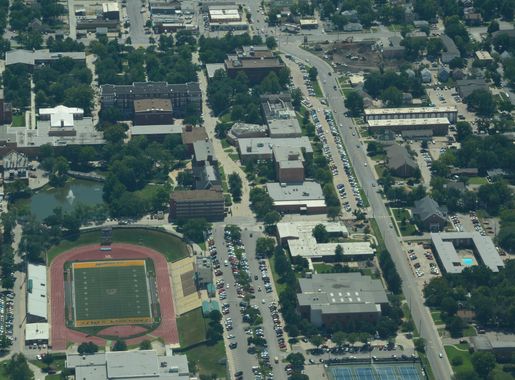



The Heartbeat of Kansas: Lawrence
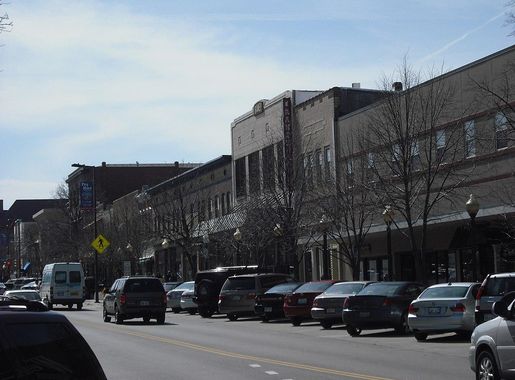
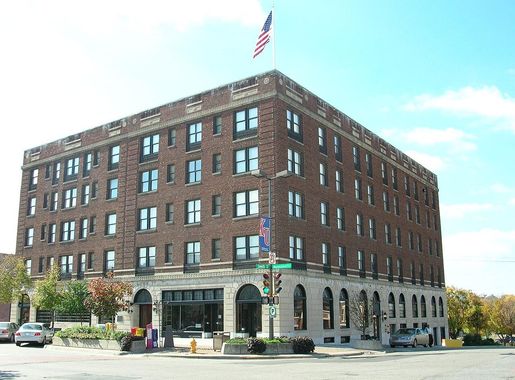
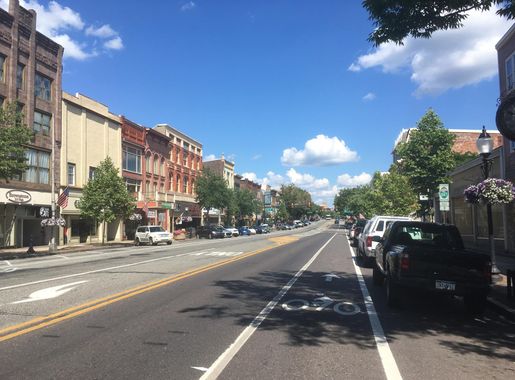
Nestled in the rolling hills of northeast Kansas, Lawrence is a vibrant college town with a rich history and a thriving cultural scene. Known for its eclectic mix of arts, music, and outdoor activities, Lawrence offers a diverse array of attractions that cater to tourists of all ages and interests. Take a stroll down Massachusetts Street, the city's main artery, where you'll find a delightful assortment of shops, cafes, and restaurants. This bustling street is the perfect place to experience the local flavor, with everything from quirky boutiques to farm-to-table dining. Don't miss the chance to explore the local art galleries and catch a live performance at one of the many music venues. History enthusiasts will appreciate a visit to the University of Kansas, home to the Spencer Museum of Art and the Natural History Museum. The university's beautiful campus offers picturesque views and a glimpse into the academic and cultural heartbeat of the city. For a deeper dive into the past, the Watkins Museum of History provides fascinating insights into the region's heritage. Outdoor lovers will find plenty to do in Lawrence as well. The city's parks and nature reserves, such as Clinton State Park and the Lawrence Riverfront Plaza, offer opportunities for hiking, biking, and picnicking. The scenic Kansas River, which flows through the city, is perfect for kayaking and fishing. With its unique blend of history, culture, and natural beauty, Lawrence is a must-visit destination in the heart of Kansas.
Explore More of Kansas

Looking beyond Lawrence? Discover Kansas for broader travel guides, local hot-spots, and regional highlights.
Explore Kansas