

Free Topeka Travel Guide & Mobile App
Plan your Topeka trip with Evendo. Get free guides to top attractions, restaurants, hotels, and bars. Web access or download the mobile app.


Topeka, Kansas blends state-capitol grandeur, Brown v. Board history, prairie landscapes, museums and welcoming local culture for thoughtful sightseeing.
A Capital Shaped by History
Topeka stands on the Kansas River in the state’s northeastern quarter, where broad prairie horizons meet a city shaped by politics, railways, education and the struggle for civil rights. As Kansas’s capital since 1861, it has a formal civic centre crowned by the Kansas State Capitol, while older neighbourhoods, leafy residential streets and the North Topeka Arts District give the city a more varied character than its government address might suggest. The city’s name comes from a Kansa-language term commonly interpreted as referring to a good place to dig potatoes, reflecting the Indigenous history of the river valley.Read more about Topeka
Landmarks and Living Memory
Parks, Museums and Neighbourhoods
When is the best time to visit Topeka?
Best: May, September–October · 20–26°C| Month | High (°C) | Rainfall (mm) |
|---|---|---|
| January | 4 | 28 |
| February | 6 | 30 |
| March | 13 | 51 |
| April | 18 | 84 |
| May (best) | 24 | 117 |
| June | 29 | 119 |
| July | 32 | 104 |
| August | 31 | 104 |
| September (best) | 26 | 98 |
| October (best) | 20 | 86 |
| November | 12 | 53 |
| December | 4 | 33 |
Getting to and around Topeka
How to get there
Transportation
Best attractions in Topeka
Topeka’s principal attractions reveal the city through government, civil rights, local history and open space. The Kansas State Capitol offers ornate interiors, historical displays and a close look at the state’s political heart, while Brown v. Board of Education National Historical Park interprets the Topeka school case that helped produce the 1954 Supreme Court decision against segregated public education. The Kansas Museum of History broadens the story with Indigenous, frontier, agricultural and industrial collections. In Gage Park, visitors find the Topeka Zoo, gardens, playgrounds and the Reinisch Rose Garden, while Old Prairie Town at Ward-Meade recreates aspects of nineteenth-century life with historic buildings and landscaped grounds. The North Topeka Arts District, or NOTO, adds studios, galleries, murals and small creative businesses in a former commercial quarter. The Combat Air Museum at Forbes Field provides an aviation-focused experience, and local trails offer quieter views of creeks, riverbanks and prairie-influenced landscapes.
-
Tourist attraction
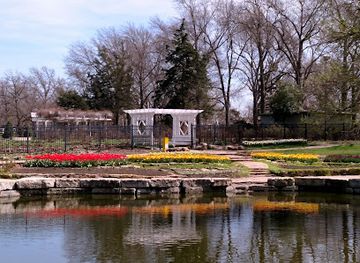
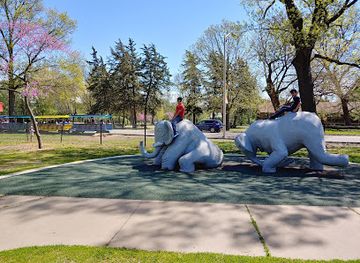
Gage Park
Experience the beauty and recreation of Gage Park in Topeka, Kansas, a perfect family-friendly destination offering lush landscapes and engaging attractions.
10 min drive · 3.4 km from city centre
-
Tourist attraction
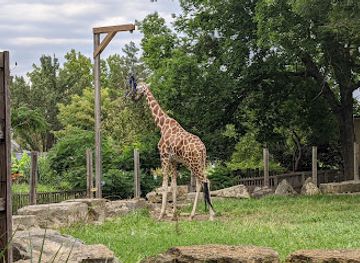
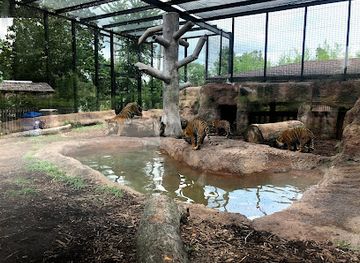
Topeka Zoo
Explore the Topeka Zoo, a family-friendly destination showcasing diverse wildlife and dedicated to education and conservation in the heart of Kansas.
10 min drive · 3.3 km from city centre
-
Tourist attraction
Topeka Zoo
Explore the captivating Topeka Zoo, where wildlife comes to life in a beautiful setting, perfect for family fun and educational adventures.
10 min drive · 3.3 km from city centre
-
Tourist attraction
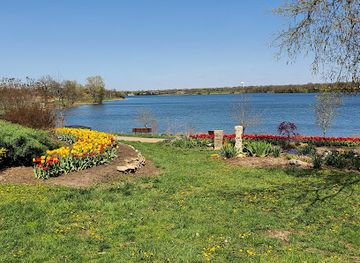
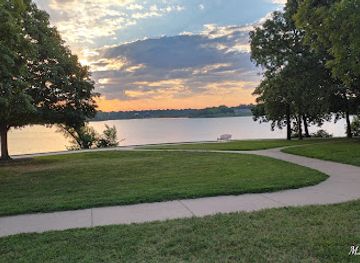
Lake Shawnee
Experience the natural beauty and recreational charm of Lake Shawnee, a premier park destination in Topeka, Kansas.
24 min drive · 8.1 km from city centre

Best landmarks in Topeka
The Kansas State Capitol is Topeka’s defining landmark, an elaborate nineteenth-century government building crowned by the Ad Astra statue and distinguished by its dome, murals and ceremonial interiors. The former Monroe Elementary School at Brown v. Board of Education National Historical Park is a more understated but nationally consequential landmark: its classrooms and grounds preserve the local setting of the legal challenge to segregated schooling. The Great Overland Station, a former railway station, represents the era when rail transport connected Topeka with expanding western markets and migration routes. Christ Church Cathedral and other historic religious buildings reflect the city’s established civic and residential districts, while the Kansas Avenue Bridge and the river landscape recall the crossing that helped shape the settlement’s geography. Old Prairie Town’s preserved structures provide a tangible view of nineteenth-century domestic and community life, complementing the grander political symbolism of the Capitol.
-
City park
Gage Park
Discover Gage Park in Topeka, KS - a beautiful city park perfect for relaxation, recreation, and exploration of local attractions.
10 min drive · 3.4 km from city centre
-
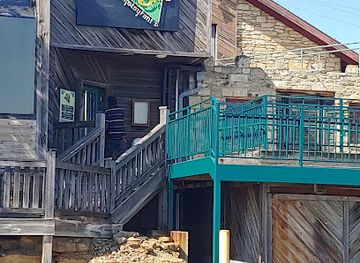
Brewpub
Blind Tiger Brewery & Restaurant
Discover the best of Topeka at Blind Tiger Brewery & Restaurant, where craft beer meets delicious food in a family-friendly atmosphere.
19 min drive · 6.2 km from city centre
-
Zoo
Topeka Zoo
Discover the wonders of wildlife and conservation at Topeka Zoo, an engaging destination for families and animal lovers in Kansas.
10 min drive · 3.3 km from city centre
-
Park
Lake Shawnee
Experience the beauty of nature at Lake Shawnee, Topeka's premier park for outdoor recreation, family fun, and stunning landscapes.
24 min drive · 8.1 km from city centre
Explore Topeka on the map
Plan your Topeka trip on one map. See where the top attractions, landmarks, restaurants, bars and hotels are, find what's near where you're staying, and book hotels and experiences in a few clicks.
Best hotels in Topeka
Best restaurants in Topeka
Topeka’s food scene reflects northeastern Kansas’s position between Midwestern comfort cooking and the barbecue traditions of the wider Kansas City region. Barbecue, burgers, fried chicken, steaks and sandwiches are familiar choices, while chilli, biscuits, pies and other hearty dishes connect local dining with broader Plains home cooking. Independent restaurants and cafés are found in central Topeka, along North Kansas Avenue and in the NOTO Arts District, where the setting is often more neighbourhood-oriented than formal. Mexican and other international influences add variety to the established American fare, and bakeries, coffee shops and casual lunch counters suit the city’s working capital rhythm. Farmers’ markets and seasonal producers provide opportunities to encounter Kansas-grown fruit, vegetables, baked goods and preserves, while local breweries and contemporary kitchens have added a more recent layer to the city’s dining culture.
-
Steak
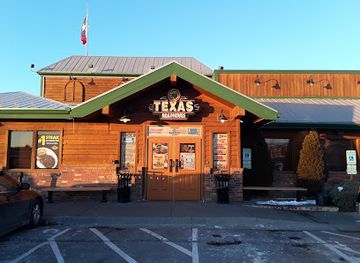
Texas Roadhouse
Experience the authentic taste of Texas at Texas Roadhouse in Topeka - where great food meets warm hospitality.
19 min drive · 6.2 km from city centre
-
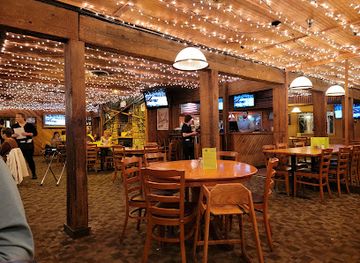
Brewpub
Blind Tiger Brewery & Restaurant
Discover unique craft brews and family-friendly dining at Blind Tiger Brewery & Restaurant in Topeka, Kansas - where flavor meets fun!
19 min drive · 6.2 km from city centre
-
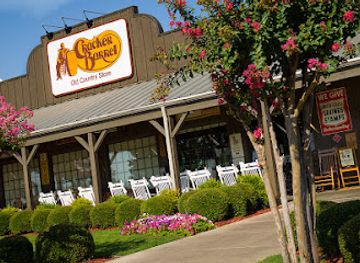
American
Cracker Barrel Old Country Store
Discover Southern charm at Cracker Barrel Old Country Store in Topeka—where hearty meals meet nostalgic ambiance.
19 min drive · 6.2 km from city centre
-
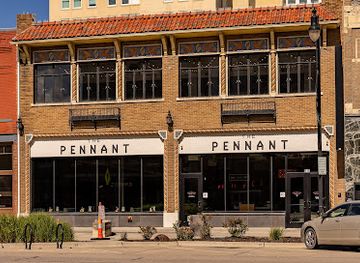
Restaurant
The Pennant
Experience the ultimate dining and entertainment destination at The Pennant in Topeka - where great food meets endless fun for everyone!
5 min drive · 1.5 km from city centre
Best bars in Topeka
Topeka’s evening scene is modest rather than club-centred, with social life concentrated in downtown, North Topeka and the NOTO Arts District. Bars and breweries provide relaxed settings for conversation, while live music, community events and occasional performances broaden the choices beyond drinking. The city’s cultural calendar may include concerts, theatre, gallery openings and public programmes connected with its museums and arts organisations, with activity varying by season. Downtown venues tend to be convenient for visitors staying near the Capitol, whereas NOTO offers a more creative, neighbourhood atmosphere in converted commercial buildings. Large-scale nightclub culture is limited compared with Kansas City, and many evenings are shaped by scheduled performances or local events rather than a continuous late-night circuit. Visitors should check current venue information and arrange transport sensibly after dark, particularly when moving between districts.
-
Brewpub
Blind Tiger Brewery & Restaurant
Experience the finest craft brews and family-friendly dining at Blind Tiger Brewery & Restaurant in Topeka, KS, where great flavors meet warm hospitality.
19 min drive · 6.2 km from city centre
-
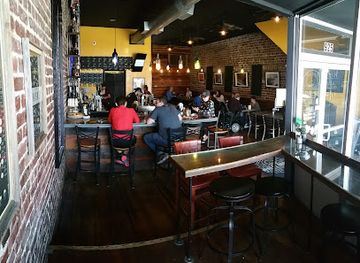
Restaurant
The Pennant
Discover The Pennant in Topeka: A dynamic restaurant, sports bar, and entertainment venue offering delicious cuisine and family-friendly fun.
5 min drive · 1.5 km from city centre
-
Bar
The Wheel Barrel
Discover The Wheel Barrel in Topeka: A delightful bar and restaurant offering a unique menu and creative cocktails in a vibrant atmosphere.
7 min drive · 2.4 km from city centre
-
Sports bar
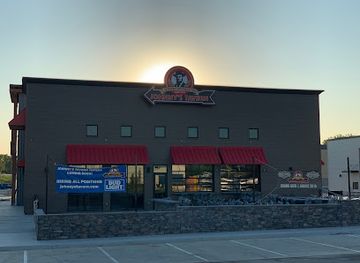
Johnny's Tavern Topeka
Experience the best of American cuisine and sports culture at Johnny's Tavern Topeka, where every meal is a celebration.
20 min drive · 6.6 km from city centre


Best nightclubs in Topeka
Topeka’s evening scene is modest rather than club-centred, with social life concentrated in downtown, North Topeka and the NOTO Arts District. Bars and breweries provide relaxed settings for conversation, while live music, community events and occasional performances broaden the choices beyond drinking. The city’s cultural calendar may include concerts, theatre, gallery openings and public programmes connected with its museums and arts organisations, with activity varying by season. Downtown venues tend to be convenient for visitors staying near the Capitol, whereas NOTO offers a more creative, neighbourhood atmosphere in converted commercial buildings. Large-scale nightclub culture is limited compared with Kansas City, and many evenings are shaped by scheduled performances or local events rather than a continuous late-night circuit. Visitors should check current venue information and arrange transport sensibly after dark, particularly when moving between districts.
-
Bar
Kickstart Saloon
Experience the vibrant nightlife at Kickstart Saloon in Topeka, Kansas - where great drinks and fun meet in a lively atmosphere.
14 min drive · 4.8 km from city centre
-
Bar
Victoria's
Discover the vibrant atmosphere at Victoria's, Topeka's favorite bar, where great drinks meet a welcoming community.
26 min drive · 8.8 km from city centre
-
Bar
Gayle's
Discover the lively spirit of Topeka at Gayle's Bar, your go-to destination for drinks, music, and a vibrant nightlife experience.
8 min drive · 2.8 km from city centre
-
Bar
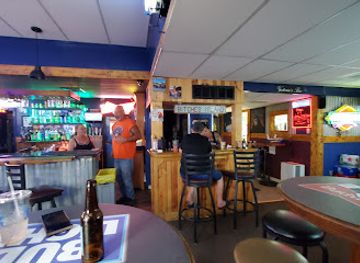
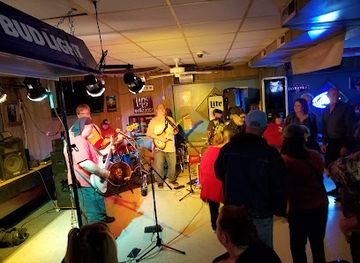
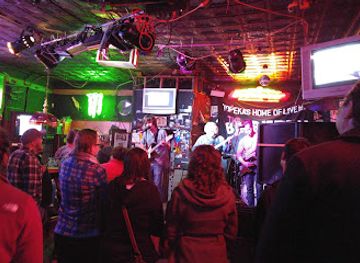
The Legendary Boobie Trap Bar (est. 1993)
Dive into the lively atmosphere of The Legendary Boobie Trap Bar in Topeka, where affordable drinks and live music create unforgettable nights.
4 min walk · 0.3 km from city centre

Best shops in Topeka
Shopping in Topeka ranges from independent arts and crafts to practical suburban retail. The NOTO Arts District is the most distinctive browsing area, with galleries, studios, antiques, locally made artwork and small businesses occupying historic storefronts. Downtown and North Kansas Avenue offer further independent shops, while the Wanamaker Road corridor contains larger modern retail and dining developments. Seasonal farmers’ markets are useful places to find Kansas produce, baked goods, preserves and handmade goods, though their location and schedule can vary. Visitors looking for meaningful souvenirs may encounter prairie-inspired artwork, regional food products, ceramics, textiles and items connected with Kansas history rather than a single standardised local craft. The city’s shopping landscape is spread out, so combining a district visit with nearby museums or parks is often more practical than attempting to cover it entirely on foot.
-
Shopping mall
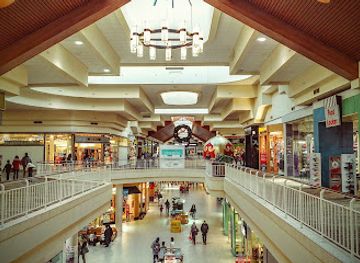
West Ridge Mall
Explore the West Ridge Mall in Topeka, Kansas – your ultimate shopping destination with diverse stores, dining options, and family-friendly entertainment.
21 min drive · 7.2 km from city centre
-
Store
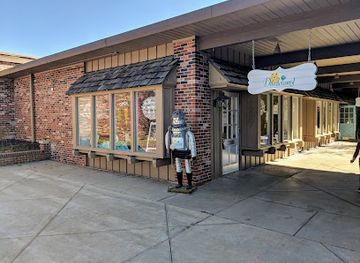
Brookwood Shopping Center
Explore Brookwood Shopping Center in Topeka, KS – a dynamic blend of shopping, dining, and entertainment for the perfect day out.
15 min drive · 5.1 km from city centre
-
Department store
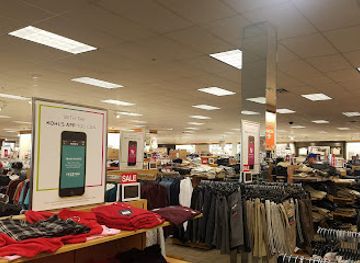
Kohl's
Discover unbeatable deals and a wide selection of products at Kohl's in Topeka, Kansas, your ultimate destination for shopping.
21 min drive · 6.9 km from city centre
-
Shopping mall
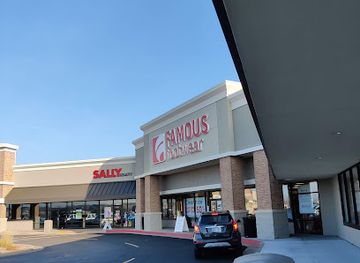
West Ridge Plaza
Explore West Ridge Plaza in Topeka, Kansas, for a unique shopping experience with diverse stores, delightful dining, and vibrant community events.
21 min drive · 6.9 km from city centre
Get your free copy of our complete guide to Topeka, delivered straight to you.
Everything on this page, from attractions and restaurants to essentials and local phrases, in one PDF you can read offline, print or share.
Already have an account? Sign in
Your Topeka guide is ready.
We'll send it to · Not you? Sign out

Getting your guide ready…
We are putting together a fresh copy of the Topeka guide. This can take up to a minute.
This can take a few moments. If your browser asks, choose Allow so the download can start. You'll find the guide in your Downloads folder.
Nothing happened? Download it again
Sorry, the guide is taking longer than usual. Please try again in a minute, or get it by email instead.
Topeka essentials
Currency and Payment
Safety
Emergency Situations
Do's and Don'ts
Local Tips
From Eve
Local phrases worth knowing
You don't need to get them perfect. A few words go a long way, and locals appreciate the effort.
Basics
| English | Local | Say it |
|---|---|---|
| Hello | Howdy | [haw-dee] |
| Goodbye | See ya | [see yuh] |
| Yes | Yep | [yep] |
| No | Nah | [nah] |
| Please/You're welcome | Please/No problem | [pleez/no probl-em] |
| Thank you | Thanks | [thanks] |
| Excuse me/Sorry | Pardon me/My bad | [par-dn me/my bad] |
| How are you? | Howdy | [haw-dee] |
| Fine. And you? | Good. You? | [good. yuh?] |
| Do you speak English? | Ya speak English? | [ya speak ing-glish?] |
| I don't understand | I don't get it | [eye don't get it] |
Eating & Drinking
| English | Local | Say it |
|---|---|---|
| I'd like to see the menu, please | Can I see the menu? | [can eye see the menu?] |
| I don't eat meat | I don't eat meat | [eye don't eat meet] |
| Cheers! | Cheers! | [cheers!] |
| I would like to pay, please | I'll pay now, please | [eye'll pay now, please] |
Emergencies
| English | Local | Say it |
|---|---|---|
| Help! | Help! | [help!] |
| Go away! | Go away! | [go away!] |
| Call the Police! | Call the cops! | [call the cops!] |
| Call a doctor! | Call a doc! | [call a doc!] |
| I'm lost | I'm lost | [eye'm lost] |
| I'm ill | I'm sick | [eye'm sick] |
Shopping
| English | Local | Say it |
|---|---|---|
| I'd like to buy... | I wanna buy... | [eye wanna buy...] |
| I'm just looking | Just browsing | [just brows-ing] |
| How much is it? | How much? | [how much?] |
| That's too expensive | Too pricy | [too pry-see] |
| Can you lower the price? | Can ya give me a deal? | [can ya give me a deal?] |
Time & Numbers
| English | Local | Say it |
|---|---|---|
| What time is it? | What time is it? | [what time is it?] |
| It's one o'clock | It's one | [it's one] |
| Half past (10) | Ten-thirty | [ten-thur-tee] |
| Morning | Morning | [mor-ning] |
| Afternoon | Afternoon | [after-noon] |
| Evening | Evening | [ee-ven-ing] |
| Yesterday | Yesterday | [yes-ter-day] |
| Today | Today | [to-day] |
| Tomorrow | Tomorrow | [to-mor-row] |
| 1 | One | [wun] |
| 2 | Two | [too] |
| 3 | Three | [three] |
| 4 | Four | [for] |
| 5 | Five | [five] |
| 6 | Six | [six] |
| 7 | Seven | [sev-en] |
| 8 | Eight | [ate] |
| 9 | Nine | [nine] |
| 10 | Ten | [ten] |
Transport & Directions
| English | Local | Say it |
|---|---|---|
| Where's a/the...? | Where's the...? | [where's the...?] |
| What's the address? | What's the address? | [what's the address?] |
| Can you show me (on the map)? | Can ya show me (on the map)? | [can ya show me (on the map)?] |
| When's the next (bus)? | When's the next (bus)? | [when's the next (bus)?] |
| A ticket (to ....) | A ticket (to ....) | [a ticket (to ....)] |
History of Topeka
Indigenous River-Valley Heritage
Topeka developed in a region long associated with Indigenous peoples, particularly the Kansa, or Kaw, whose name is also preserved in that of the state. The Kansas River valley supported movement, trade and settlement before American town-building began, while the area’s later history was also shaped by the displacement of Indigenous nations under United States expansion. The city’s name is generally linked to a Kansa-language expression associated with digging or cultivating potatoes, although translations vary. Understanding this earlier landscape places Topeka within the longer history of the central Great Plains rather than treating its story as beginning with nineteenth-century American settlement.
The Free-State Town Emerges
Topeka was founded in 1857 during the turbulent period when the status of slavery in Kansas was being contested. The town attracted settlers who supported the free-state cause, and Topeka became associated with one of the constitutional conventions that attempted to define Kansas’s future before statehood. Its location on the Kansas River helped connect the settlement to regional movement and commerce. Topeka was incorporated as a city in 1857, and the surrounding political conflict made the young community part of the national debate that preceded the American Civil War.
Capital of a New State
Kansas entered the Union as a free state in 1861, and Topeka was selected as the state capital. Government institutions gradually gave the city a civic role that continues to shape its identity, while the arrival and expansion of railways strengthened connections with Kansas City, the wider Great Plains and national markets. Agriculture, trade, administration and education became important parts of the local economy. The Kansas State Capitol, built over several decades from the 1860s into the early twentieth century, reflects the ambitions of a growing state and remains the most visible expression of Topeka’s governmental importance.
Railways, Industry and Urban Growth
During the late nineteenth and early twentieth centuries, railway links encouraged Topeka’s expansion and helped make the city a centre for commerce, manufacturing and distribution. The Atchison, Topeka and Santa Fe Railway, whose name connected the city to a much larger western network, played an important role in the region’s development. Rail employment, grain handling and related industries contributed to the city’s growth, while neighbourhoods spread beyond the original river settlement. This period also produced commercial streets, civic buildings and residential districts that remain part of Topeka’s built landscape.
Brown v. Board of Education
Topeka became central to American civil-rights history through Brown v. Board of Education of Topeka. In 1951, Oliver L. Brown and other Topeka families challenged the segregation of the city’s public schools, with the case eventually joining four related matters before the United States Supreme Court. The Court’s 1954 decision declared racial segregation in public schools unconstitutional, overturning the legal doctrine that had permitted separate schooling. The former Monroe Elementary School, one of the schools for Black children in Topeka, is preserved as Brown v. Board of Education National Historical Park, linking a local lawsuit to a national transformation.
A Modern Kansas Capital
In the decades after the Second World War, Topeka continued to function as Kansas’s administrative centre while adapting to suburban growth, changing transport patterns and shifts in industry. The city’s cultural institutions expanded, and efforts to preserve significant places gave new prominence to the Capitol, Brown v. Board sites, Old Prairie Town and historic commercial areas. Contemporary Topeka combines state government with education, healthcare, local business and community arts. Its identity today rests on several overlapping histories: Indigenous Kansas, the free-state struggle, railway development and the continuing national meaning of the school-desegregation case.
Topeka in Photos
Browse through our photo collection highlighting the charm and character of the destination.
Cities near Topeka
The closest cities to Topeka, if you have time for more than one stop.
-

-
-

-

-


Swipe for more cities
Explore more

Explore more of Kansas
Explore Kansas: Where history, nature, and small-town charm converge in the heart of America. Discover prairies, cultural landmarks, and delicious cuisine in the Sunflower State.
Explore Kansas