

Free Salina Travel Guide & Mobile App
Plan your Salina trip with Evendo. Get free guides to top attractions, restaurants, hotels, and bars. Web access or download the mobile app.




Salina, Kansas combines Smoky Hill scenery, railway history, public art, museums, local dining and welcoming small-city culture in central America.
A Central Kansas Crossroads
Salina stands in north-central Kansas beside the Smoky Hill River, where open prairie, fertile farmland and long-established transport routes meet. Founded in 1858 and named for the nearby Saline River, the city developed as a county seat and railway centre before becoming an important regional hub for agriculture, manufacturing, education and the arts. Interstate 70 and US Route 81 make it a practical base for exploring central Kansas, while its compact centre is straightforward to discover on foot.Read more about Salina
Culture in the City Centre
Prairie Landscapes and Local Life
When is the best time to visit Salina?
Best: May, September–October · 22–29°C| Month | High (°C) | Rainfall (mm) |
|---|---|---|
| January | 5 | 25 |
| February | 8 | 25 |
| March | 15 | 35 |
| April | 21 | 55 |
| May (best) | 26 | 80 |
| June | 32 | 95 |
| July | 35 | 80 |
| August | 34 | 80 |
| September (best) | 29 | 55 |
| October (best) | 22 | 35 |
| November | 14 | 30 |
| December | 8 | 25 |
Getting to and around Salina
How to get there
Transportation
Best attractions in Salina
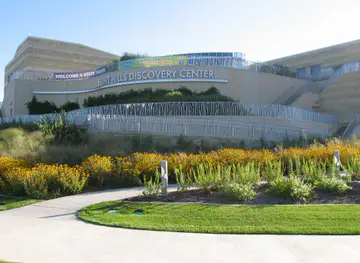
Salina's principal attractions are concentrated around a manageable city centre and its surrounding parks. The Smoky Hill Museum introduces the region's history through exhibitions covering Indigenous heritage, settlement, agriculture and community life, while the Salina Art Center focuses on contemporary art and public engagement. SculptureTour Salina places outdoor works along downtown streets, transforming an ordinary walk into a changing cultural route. The Stiefel Theatre for the Performing Arts occupies a restored historic cinema and hosts concerts, theatre, comedy and other events. Oakdale Park follows the Smoky Hill River and provides lawns, mature trees and recreational space, while Kenwood Cove offers seasonal aquatic recreation. Lakewood Discovery Center, beside a small lake and natural areas, adds family-oriented environmental interpretation. Regional outings can include the Swedish-influenced town of Lindsborg or the Smoky Hills, but these lie beyond Salina itself.
-
Tourist attraction
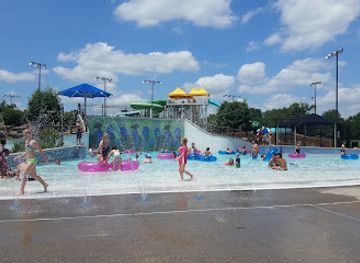
Kenwood Cove Aquatic Park
Experience the ultimate water adventure at Kenwood Cove Aquatic Park, featuring thrilling slides and a relaxing lazy river in Salina, Kansas.
16 min walk · 1.3 km from city centre
-
Tourist attraction
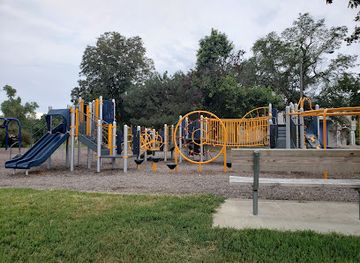
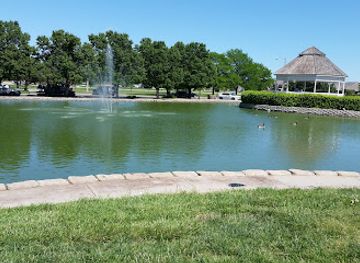
Oakdale Park
Explore the beauty of Oakdale Park, a serene retreat in Salina, Kansas, perfect for families, art lovers, and nature enthusiasts.
12 min walk · 0.9 km from city centre
-
Tourist attraction
Jerry Ivey Memorial Park
Experience tranquility and community spirit at Jerry Ivey Memorial Park, a serene oasis in Salina, Kansas, perfect for relaxation and reflection.
15 min drive · 5.0 km from city centre
-
Tourist attraction
Sunset Park
Explore the beauty of Sunset Park in Salina, Kansas, a tranquil haven for relaxation, recreation, and stunning sunset views.
8 min drive · 2.6 km from city centre
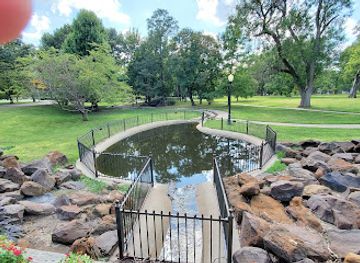
Best landmarks in Salina
Salina's landmarks express its development as a railway-era county seat, a regional cultural centre and a wartime aviation location. The Stiefel Theatre for the Performing Arts is one of the most recognisable downtown buildings, a restored former cinema whose historic auditorium now serves as a major performance space. The Smoky Hill Museum occupies a prominent central position and preserves the civic memory of the Smoky Hill region through its collections and exhibitions. Downtown's late-nineteenth- and early-twentieth-century commercial buildings record the prosperity brought by rail transport, grain and trade, while the Salina Municipal Building represents the city's civic development. Kansas Wesleyan University's campus adds an established educational landmark, and Salina Regional Airport carries forward the aviation history that began with Smoky Hill Army Airfield during the Second World War.
-
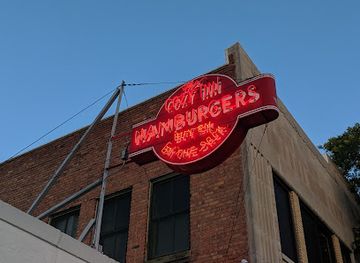
Hamburger
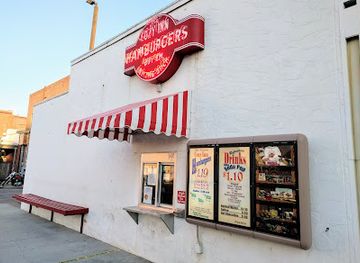
The Cozy Inn
Experience the irresistible charm and flavors of The Cozy Inn, Salina's beloved hamburger destination, serving up comfort food in a nostalgic setting.
2 min walk · 0.1 km from city centre
-
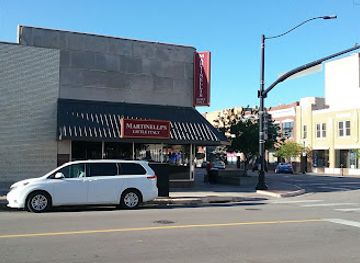
Italian
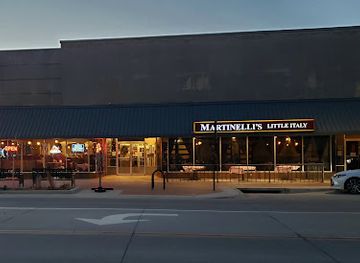
Martinelli's Little Italy
Discover authentic Italian cuisine at Martinelli's Little Italy in Salina, KS, where tradition meets flavor in a cozy setting.
3 min walk · 0.3 km from city centre
-
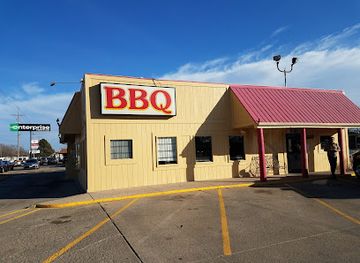
Barbecue
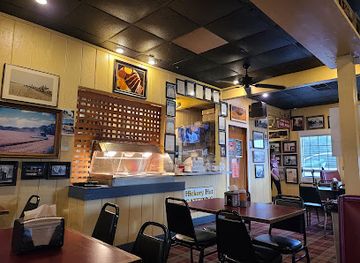
Hickory Hut BBQ
Experience the authentic taste of Kansas barbecue at Hickory Hut BBQ, where smoky flavors and a friendly atmosphere await every visitor.
7 min drive · 2.3 km from city centre
-
Mexican
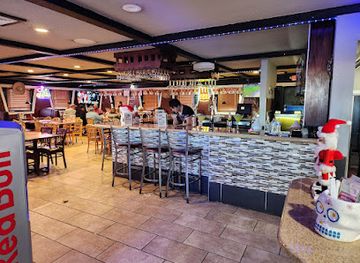
La Curva
Discover the vibrant Mexican flavors at La Curva, a must-visit restaurant and bar in Salina, Kansas, serving authentic cuisine in a lively atmosphere.
5 min drive · 1.8 km from city centre
Explore Salina on the map
Plan your Salina trip on one map. See where the top attractions, landmarks, restaurants, bars and hotels are, find what's near where you're staying, and book hotels and experiences in a few clicks.
Best hotels in Salina
Best restaurants in Salina
Salina's food culture reflects central Kansas agriculture, American diner traditions and the influences brought by successive immigrant communities. The city's best-known speciality is the small loose-meat slider associated with Cozy Inn, a long-running downtown institution, while local menus also draw on beef, barbecue, burgers and Midwestern comfort food. German-Russian traditions found across central Kansas appear in regional dishes such as bierocks, filled pastries that combine bread, meat and cabbage. Downtown and nearby commercial districts contain independent cafés, bakeries, Italian and international restaurants, breweries and casual family dining rather than a highly formal restaurant scene. Farmers' markets and seasonal local produce connect the city to the surrounding farming economy. Dining is generally informal, with counter service common at casual venues and customary tipping applying to table service.
-
Hamburger
The Cozy Inn
Discover The Cozy Inn in Salina, KS - where delicious burgers meet friendly service in an inviting atmosphere.
2 min walk · 0.1 km from city centre
-
Italian
Martinelli's Little Italy
Indulge in authentic Italian flavors at Martinelli's Little Italy - where every meal is a celebration of culinary heritage.
3 min walk · 0.3 km from city centre
-
Barbecue
Hickory Hut BBQ
Discover Hickory Hut BBQ in Salina – where authentic Southern barbecue meets welcoming hospitality for an unforgettable dining experience.
7 min drive · 2.3 km from city centre
-
Italian
Olive Garden Italian Restaurant
Savor authentic Italian cuisine at Olive Garden in Salina, where family-friendly dining meets delightful Mediterranean flavors.
18 min drive · 5.9 km from city centre
Best bars in Salina
Salina's evening scene is modest and locally oriented rather than built around large nightclubs. Downtown bars, breweries and casual pubs provide places for conversation, drinks and occasional live music, while restaurants and cafés extend the social life of the central district into the evening. The Stiefel Theatre for the Performing Arts is the city's most distinctive night-time venue, presenting touring musicians, comedy, theatre and other programmed events in a restored historic setting. Community and university calendars can add concerts, performances and seasonal gatherings. Visitors should expect earlier closing patterns and a quieter atmosphere than in a major city, with activity often centred on scheduled events rather than a single entertainment quarter. Kansas alcohol regulations apply, and age identification is required for alcohol service.
-
Restaurant
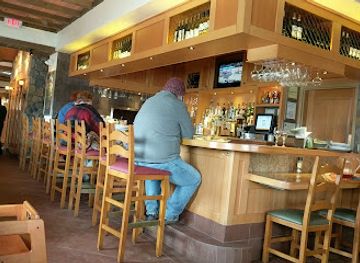
Applebee's Grill + Bar
Experience the heart of American dining at Applebee's Grill + Bar in Salina, Kansas, offering delicious meals in a vibrant setting.
18 min drive · 6.0 km from city centre
-
Bar
Chuck's Bar
Experience the heart of Salina at Chuck's Bar, where great food, refreshing drinks, and lively entertainment come together.
15 min walk · 1.2 km from city centre
-
Bar
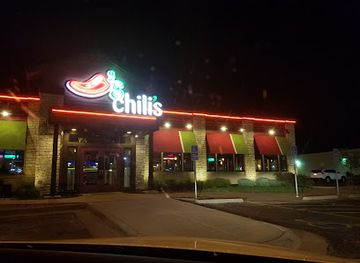
Chili's Grill & Bar
Discover the vibrant flavors at Chili's Grill & Bar in Salina, Kansas, where American and Tex-Mex cuisine meets a lively atmosphere.
13 min drive · 4.2 km from city centre
-
Bar
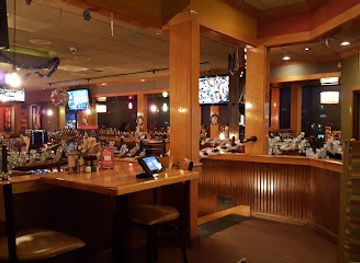
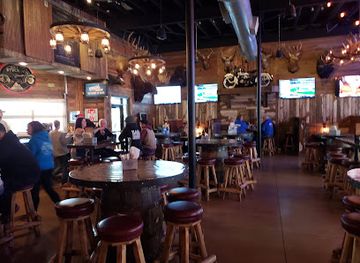
Speakeasy
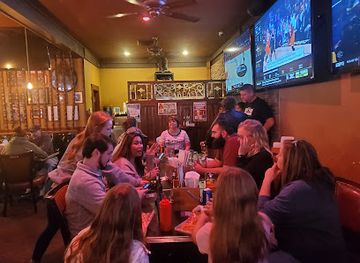
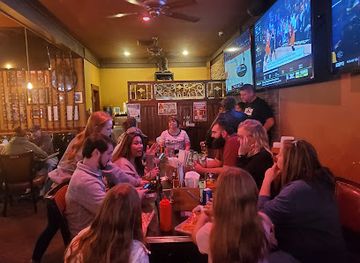
Experience the excitement of Salina's Speakeasy, a top sports bar offering delicious food, a lively atmosphere, and great entertainment.
12 min drive · 3.9 km from city centre
Best nightclubs in Salina
Salina's evening scene is modest and locally oriented rather than built around large nightclubs. Downtown bars, breweries and casual pubs provide places for conversation, drinks and occasional live music, while restaurants and cafés extend the social life of the central district into the evening. The Stiefel Theatre for the Performing Arts is the city's most distinctive night-time venue, presenting touring musicians, comedy, theatre and other programmed events in a restored historic setting. Community and university calendars can add concerts, performances and seasonal gatherings. Visitors should expect earlier closing patterns and a quieter atmosphere than in a major city, with activity often centred on scheduled events rather than a single entertainment quarter. Kansas alcohol regulations apply, and age identification is required for alcohol service.
-
Bar
Speakeasy
Experience the vibrant atmosphere of Speakeasy in Salina, Kansas, where sports, drinks, and good times meet in a welcoming bar setting.
12 min drive · 3.9 km from city centre
-
Bar
Big Nose Kate's
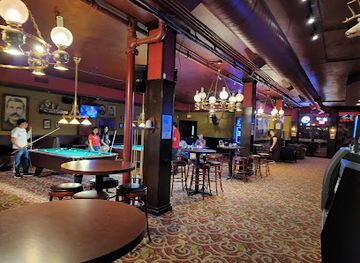
Discover the lively ambiance and local culture at Big Nose Kate's, a must-visit bar in Salina, Kansas, famed for its live music and friendly atmosphere.
3 min walk · 0.2 km from city centre
-
Sports bar
The Blind Pig
Discover the vibrant atmosphere of The Blind Pig, Salina's ultimate sports bar with great food, drinks, and entertainment for all.
15 min drive · 5.0 km from city centre
-
Bar
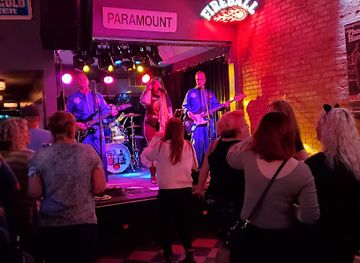
Paramount Bar
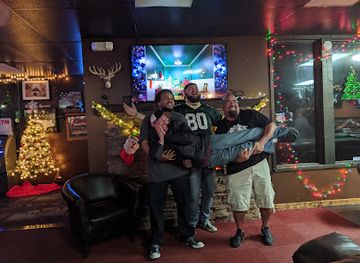
Experience the vibrant nightlife of Salina at Paramount Bar, where affordable drinks and a welcoming atmosphere create unforgettable moments.
5 min walk · 0.4 km from city centre
Best shops in Salina
Shopping in Salina is centred on downtown independent businesses, practical retail districts and larger commercial areas along the city's main roads. Historic central streets contain boutiques, galleries, gift shops, books, antiques and locally oriented businesses, with public sculptures and older commercial façades adding interest between purchases. Salina Art Center exhibitions and regional craft events can provide locally made creative goods, while farmers' markets and specialist food retailers offer seasonal produce, baked items and Kansas-made products when operating. Visitors seeking souvenirs may find prairie-themed art, regional foodstuffs and items connected with the city's cultural institutions more distinctive than generic merchandise. Modern shopping is available in retail corridors outside the centre, but Salina's most characterful browsing is found among independent downtown shops rather than a large luxury or department-store scene.
-
Shopping mall
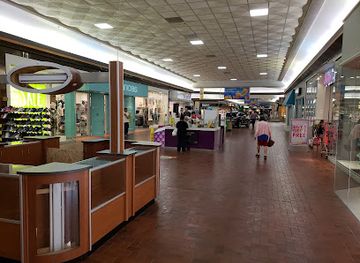
Central Mall
Explore Central Mall in Salina, Kansas: your ultimate shopping destination with diverse stores, dining options, and a vibrant atmosphere.
13 min drive · 4.4 km from city centre
-
Shopping mall
Mid State Plaza
Explore Mid State Plaza in Salina, Kansas: a vibrant shopping haven with dining, entertainment, and a warm community atmosphere.
15 min drive · 4.8 km from city centre
-
Coffee shop
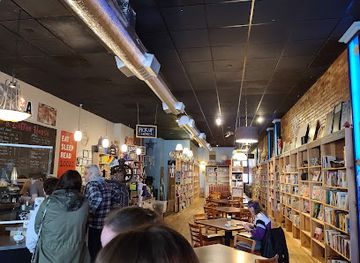
Ad Astra Books & Coffee House
Discover a charming blend of books and brews at Ad Astra Books & Coffee House, a must-visit spot in Salina, Kansas for coffee lovers and literary enthusiasts.
3 min walk · 0.2 km from city centre
-
Department store
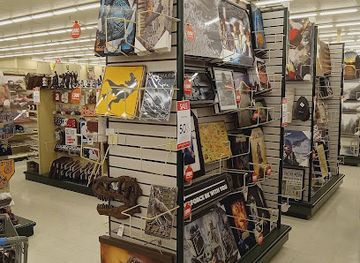
Kohl's
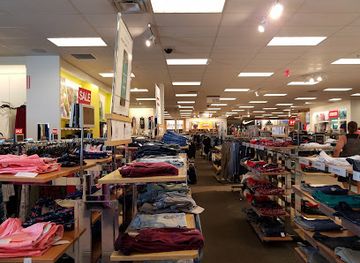
Explore Kohl's in Salina, Kansas - a budget-friendly department store offering a wide range of clothing, home goods, and accessories for every shopper.
16 min drive · 5.2 km from city centre
Get your free copy of our complete guide to Salina, delivered straight to you.
Everything on this page, from attractions and restaurants to essentials and local phrases, in one PDF you can read offline, print or share.
Already have an account? Sign in
Your Salina guide is ready.
We'll send it to · Not you? Sign out

Getting your guide ready…
We are putting together a fresh copy of the Salina guide. This can take up to a minute.
This can take a few moments. If your browser asks, choose Allow so the download can start. You'll find the guide in your Downloads folder.
Nothing happened? Download it again
Sorry, the guide is taking longer than usual. Please try again in a minute, or get it by email instead.
Salina essentials
Currency and Payment
Safety
Emergency Situations
Do's and Don'ts
Local Tips
From Eve
Local phrases worth knowing
You don't need to get them perfect. A few words go a long way, and locals appreciate the effort.
Basics
| English | Local | Say it |
|---|---|---|
| Hello | Howdy | [haw-dee] |
| Goodbye | See ya later | [see ya lay-ter] |
| Yes | Yep | [yep] |
| No | Nope | [nope] |
| Please/You're welcome | Please/You're welcome | [Please/You're welcome] |
| Thank you | Thanks | [thanks] |
| Excuse me/Sorry | Pardon me | [par-dun me] |
| How are you? | Howdy | [haw-dee] |
| Fine. And you? | Fine. And you? | [Fine. And you?] |
| Do you speak English? | Do you speak English? | [Do you speak English?] |
| I don't understand | I don't get it | [I don't get it] |
Eating & Drinking
| English | Local | Say it |
|---|---|---|
| I'd like to see the menu, please | Can I see the menu, please | [Can I see the menu, please] |
| I don't eat meat | I don't eat meat | [I don't eat meat] |
| Cheers! | Cheers! | [Cheers!] |
| I would like to pay, please | I would like to pay, please | [I would like to pay, please] |
Emergencies
| English | Local | Say it |
|---|---|---|
| Help! | Help! | [Help!] |
| Go away! | Get outta here! | [Get outta here!] |
| Call the Police! | Call the cops! | [Call the cops!] |
| Call a doctor! | Get a doctor! | [Get a doctor!] |
| I'm lost | I'm lost | [I'm lost] |
| I'm ill | I'm sick | [I'm sick] |
Shopping
| English | Local | Say it |
|---|---|---|
| I'd like to buy... | I wanna buy... | [I wanna buy...] |
| I'm just looking | I'm just lookin' | [I'm just lookin'] |
| How much is it? | How much does it cost? | [How much does it cost?] |
| That's too expensive | That's way too pricey | [That's way too pricey] |
| Can you lower the price? | Can ya bring the price down? | [Can ya bring the price down?] |
Time & Numbers
| English | Local | Say it |
|---|---|---|
| What time is it? | What's the time? | [What's the time?] |
| It's one o'clock | It's one | [It's one] |
| Half past (10) | Half past ten | [Half past ten] |
| Morning | Mornin' | [Mornin'] |
| Afternoon | Afternoon | [Afternoon] |
| Evening | Evenin' | [Evenin'] |
| Yesterday | Yesterday | [Yesterday] |
| Today | Today | [Today] |
| Tomorrow | Tomorrow | [Tomorrow] |
| 1 | One | [One] |
| 2 | Two | [Two] |
| 3 | Three | [Three] |
| 4 | Four | [Four] |
| 5 | Five | [Five] |
| 6 | Six | [Six] |
| 7 | Seven | [Seven] |
| 8 | Eight | [Eight] |
| 9 | Nine | [Nine] |
| 10 | Ten | [Ten] |
Transport & Directions
| English | Local | Say it |
|---|---|---|
| Where's a/the...? | Where's the...? | [Where's the...?] |
| What's the address? | What's the address? | [What's the address?] |
| Can you show me (on the map)? | Can you show me (on the map)? | [Can you show me (on the map)?] |
| When's the next (bus)? | When's the next (bus)? | [When's the next (bus)?] |
| A ticket (to ....) | A ticket (to ....) | [A ticket (to ....)] |
History of Salina
Indigenous Plains and River Country
Before Salina was established, the Smoky Hill and Saline river valleys formed part of the wider homeland and travel landscape of Native peoples, including Kansa, Pawnee and other communities associated with the central Great Plains. The rivers offered water, wildlife and routes across an otherwise expansive prairie. During the nineteenth century, traders, surveyors and emigrants entered the region as the United States extended control over Kansas. Treaties, removals and the pressure of settlement profoundly altered Indigenous life and land ownership. Salina's later history therefore belongs to a landscape with a much longer human past than the city's incorporation date suggests.
Founding of Salina in 1858
Salina was founded in 1858 by a group led by William A. Phillips, who selected a site near the Saline River in what was then a newly organised Kansas settlement. The name recalled the river's saline qualities and linked the town to the area's geography. Salina became the seat of Saline County and was formally incorporated as a city in 1862. Early growth depended on agriculture, river access and the town's position between established settlements to the east and the developing frontier farther west. The community emerged during the turbulent period surrounding Kansas statehood, when questions of slavery, settlement and political control shaped the territory's development.
Railways and Regional Growth
The arrival of railways in the late nineteenth century transformed Salina from a county seat into a regional distribution centre. Rail connections opened markets for wheat, cattle and other agricultural products, brought new residents and encouraged the growth of warehouses, mills, shops and financial institutions. The town's position on routes crossing Kansas helped link local farms with larger Midwestern markets. Many of the commercial buildings associated with downtown Salina reflect this period of expansion, when rail travel and grain production gave the city a stronger economic foundation. Agriculture remained central, but transport also made Salina a service and manufacturing centre for surrounding communities.
Industry, Education and Civic Institutions
During the twentieth century, Salina broadened its economic and civic identity. Manufacturing, food processing, aviation-related activity and agricultural services joined the older railway and farming economy, while schools, churches and civic organisations gave the growing city a more substantial institutional life. Kansas Wesleyan University, founded in Salina in 1886, became an enduring part of the city's educational landscape. The development of municipal parks and public facilities also reflected changing ideas about recreation and community life. Downtown theatres, shops and public buildings connected Salina to national cultural trends while retaining a distinctly regional role.
War, Aviation and Camp Phillips
The Second World War brought major military activity to the Salina area. Smoky Hill Army Airfield opened in 1942 as a base for heavy bomber operations, and the installation later became associated with the development of Salina Regional Airport and the city's aviation history. Camp Phillips, a prisoner-of-war camp established near Salina in 1944, held German prisoners until the end of the war; its existence is part of the area's wartime record, although little of the original camp survives. These installations brought military personnel, construction work and new transport demands, leaving a lasting mark on the local economy and landscape.
A Modern Regional Centre
After 1945, Salina continued to serve the surrounding agricultural region while diversifying into manufacturing, health services, education, retail and cultural activity. The interstate era strengthened its role as a stopping point and distribution centre, and preservation efforts helped maintain the character of the historic downtown. Institutions such as the Smoky Hill Museum, Salina Art Center and Stiefel Theatre express a modern civic identity built around history and the arts as well as commerce. Today, Salina remains a modest-sized Kansas city whose development can be read in its railway-era streets, aviation heritage, public art and continuing relationship with the prairie beyond its limits.
Salina in Photos
Browse through our photo collection highlighting the charm and character of the destination.
Cities near Salina
The closest cities to Salina, if you have time for more than one stop.
-

-
-
-

-


Swipe for more cities
Explore more

Explore more of Kansas
Explore Kansas: Where history, nature, and small-town charm converge in the heart of America. Discover prairies, cultural landmarks, and delicious cuisine in the Sunflower State.
Explore Kansas